5 Kitchen Eyesores Making a Space Feel Off
Your kitchen serves many purposes. It functions as a culinary workspace, a gathering spot for guests, and frequently, a dumping ground for everything from school permission slips to that blender you swore you’d use daily.
When you walk into the room, you might notice something feels wrong without knowing exactly why. It rarely comes down to major renovation needs or structural issues. Instead, small visual disruptors often accumulate and silently sabotage the room’s potential.
This article identifies five specific visual clutter culprits that commonly plague modern kitchens. By addressing these specific areas, you can transform the kitchen from a source of visual stress into a streamlined area that functions as intended.
1. Exposed Trash Cans
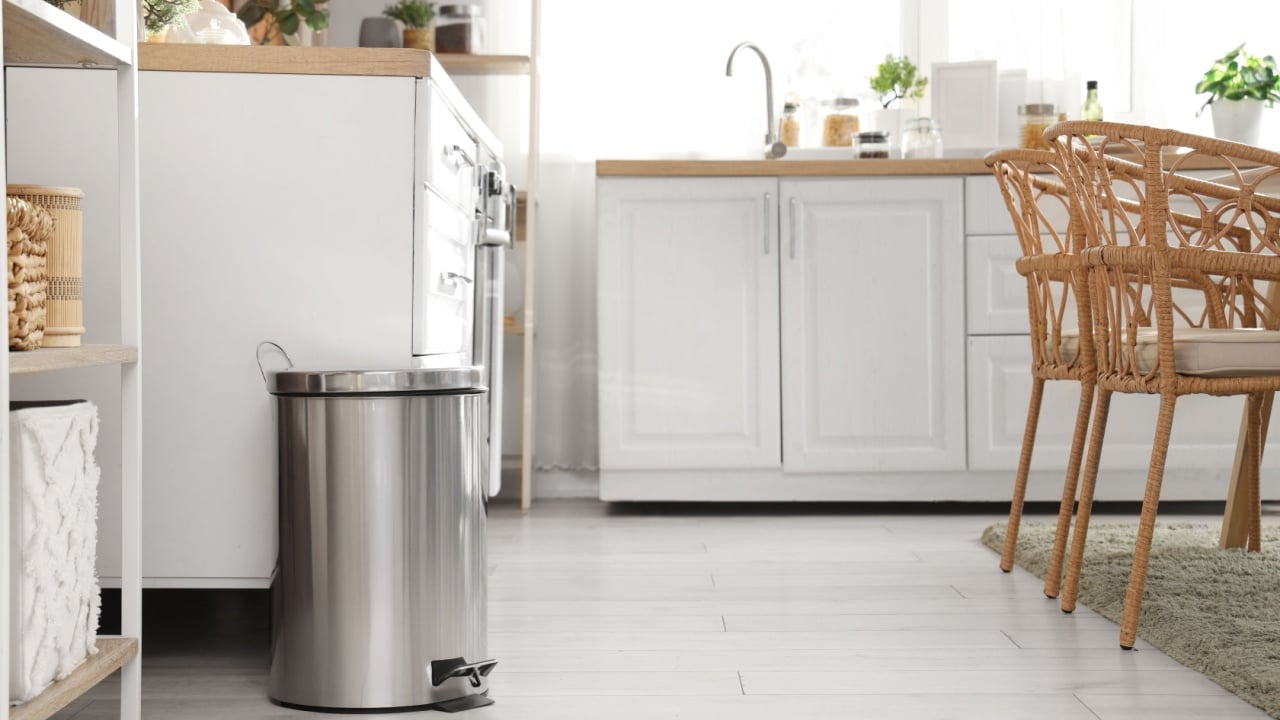
Garbage bins remain necessary for any functioning home, yet they rarely contribute positively to interior design. Leaving a plastic or stainless steel bin out in the open disrupts the visual lines of your cabinetry and floor plan. It breaks the flow of the room and draws the eye directly to the waste disposal area, which is never the focal point anyone desires. Even expensive, high-end cans eventually accumulate smudges, dents, or stray bits of debris that detract from an otherwise clean environment.
Hiding this necessity requires a bit of strategy but pays off immediately in visual tranquility. If cabinet space allows, installing a pull-out trash drawer effectively makes the bin disappear entirely. For those without spare cabinet room, consider a tilt-out trash bin that mimics a piece of furniture or simply relocating the can to a pantry or utility closet. Removing this bulky item from the main floor area instantly opens up square footage and eliminates a major visual distraction.
2. Countertop Clutter
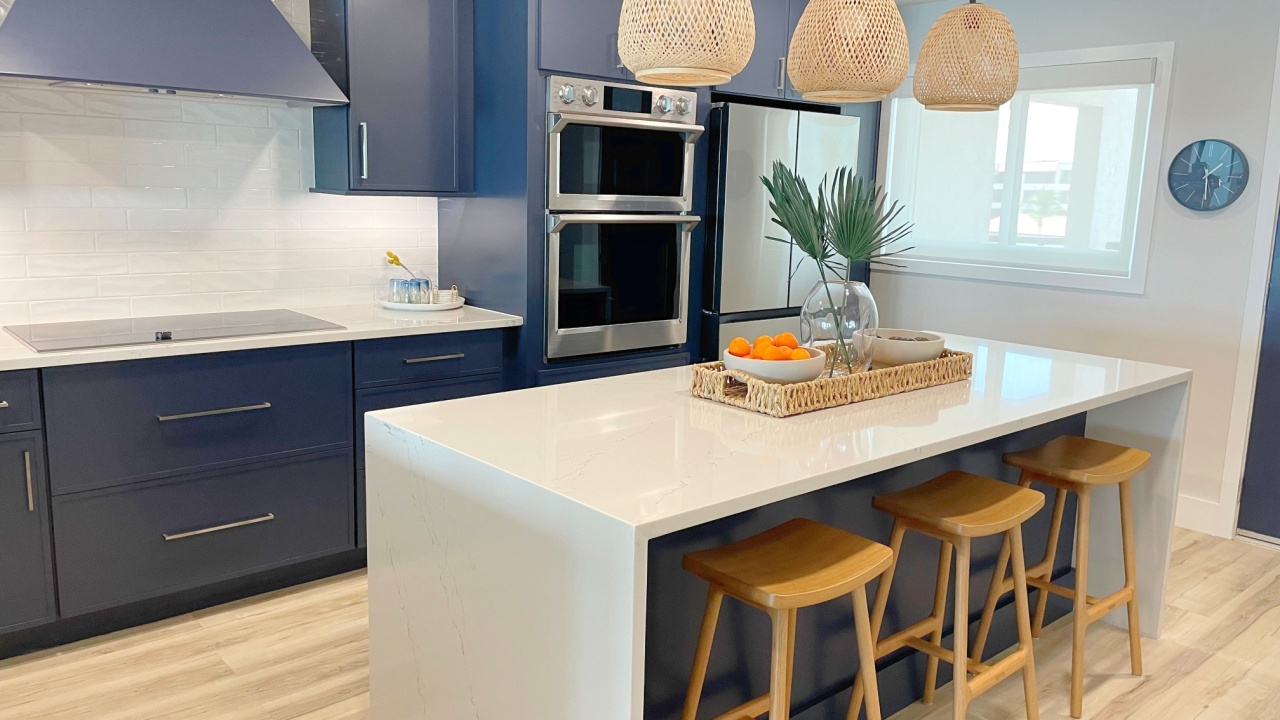
Flat surfaces in a kitchen attract random household items. Mail, keys, vitamins, and loose change seem to migrate naturally toward the counter, creating piles that grow imperceptibly until they take over prep space. This accumulation makes the entire room look disorganized, regardless of how clean the actual surfaces might be.
Reclaiming your counters starts with designating specific homes for these wandering items. A simple tray or decorative bowl near the entrance can catch keys and wallets, keeping them contained rather than sprawled. For paper clutter, a wall-mounted organizer or a dedicated drawer prevents stacks from forming.
3. Small Appliances Left Out

The toaster, air fryer, coffee maker, and blender often compete for space. While convenient, having an army of appliances lined up against the backsplash makes a kitchen feel cramped and utilitarian rather than welcoming. Cords tangle behind them, and crumbs gather underneath, creating maintenance headaches.
Unless a specific machine sees action every single morning, its permanent residence on the counter contributes heavily to a cluttered aesthetic. Evaluate which tools truly earn their spot on the countertop based on daily usage. The coffee maker likely stays, but the waffle iron and slow cooker can live in a lower cabinet or pantry until needed. An appliance garage—a dedicated cabinet with a lift-up or tambour door—offers the best of both worlds, keeping tools accessible but hidden from view.
4. Visible Cords and Cables
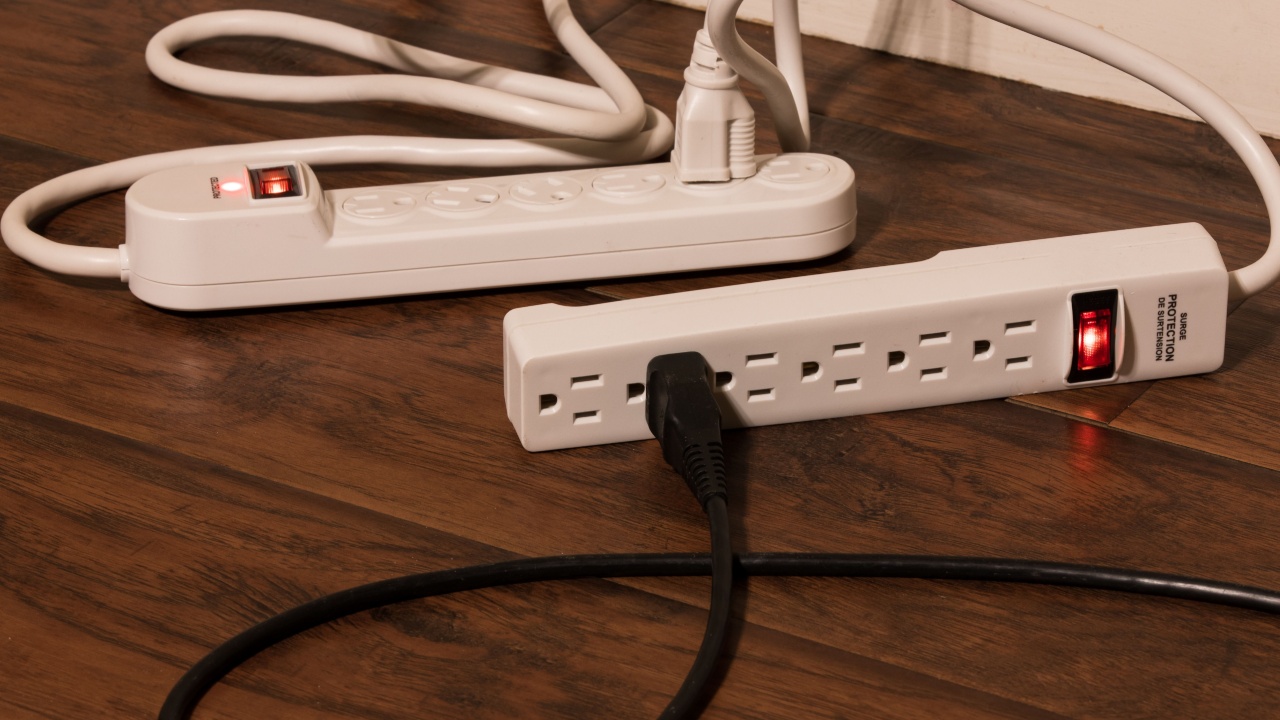
Nothing ruins a sleek backsplash or a tidy corner quite like a nest of black and white wires. Power cords from appliances, phone chargers, and smart home devices create visual noise that makes a space look unfinished and messy. These tangible lines of chaos distract from design elements like tile work or stone surfaces.
Taming the wire beast often takes just a few dollars and minutes. Cord clips that adhere to the back of appliances can keep excess cable wrapped tight and out of sight. For outlets that sit in plain view, consider using short, specialized cords that don’t drape across the counter. If you own a kitchen island, tucking cords into integrated grommets or running them down the leg of a table can maintain a polished look.
5. Open Shelving That Looks Messy
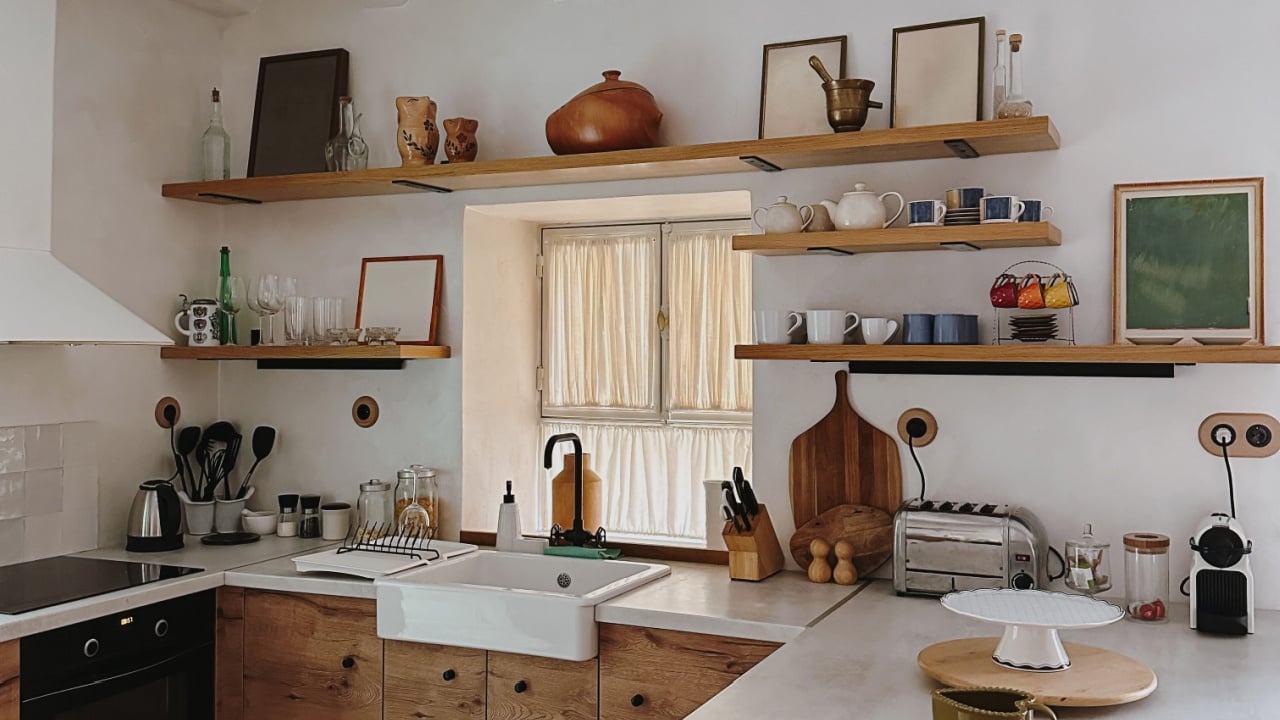
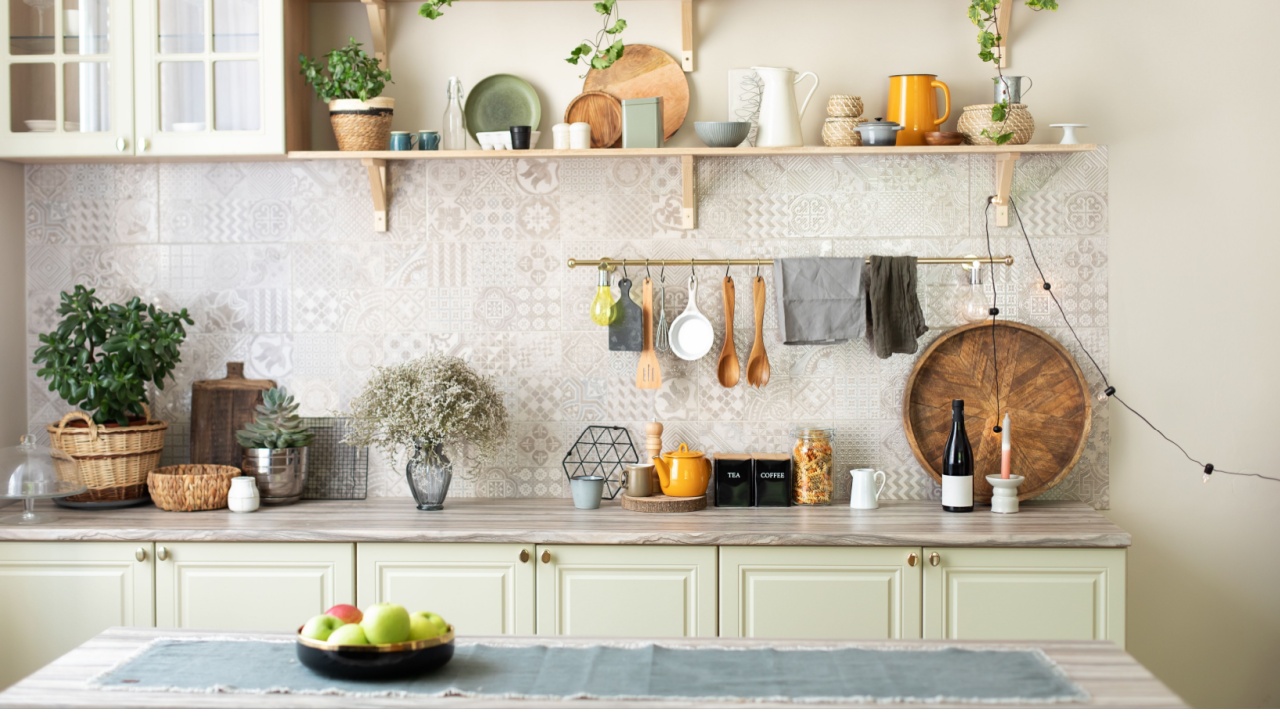
Open shelving offers a fantastic way to display beautiful dishware, but it walks a fine line between curated and chaotic. When these shelves become catch-alls for mismatched mugs, chipped bowls, or food packaging, they create a wall of clutter rather than a design feature. What was intended to make the kitchen feel airy and open often achieves the opposite effect, making the walls feel heavy and disorganized.
To fix this, treat open shelves as display space rather than storage space. Curate the items that live there, sticking to a cohesive color palette or a specific set of dishes that stack neatly. Move the plastic cups, promotional water bottles, and cereal boxes behind solid cabinet doors where they belong. By allowing negative space between items on the shelves, you restore the breathing room that the design feature was meant to provide.
Taking Back Your Kitchen
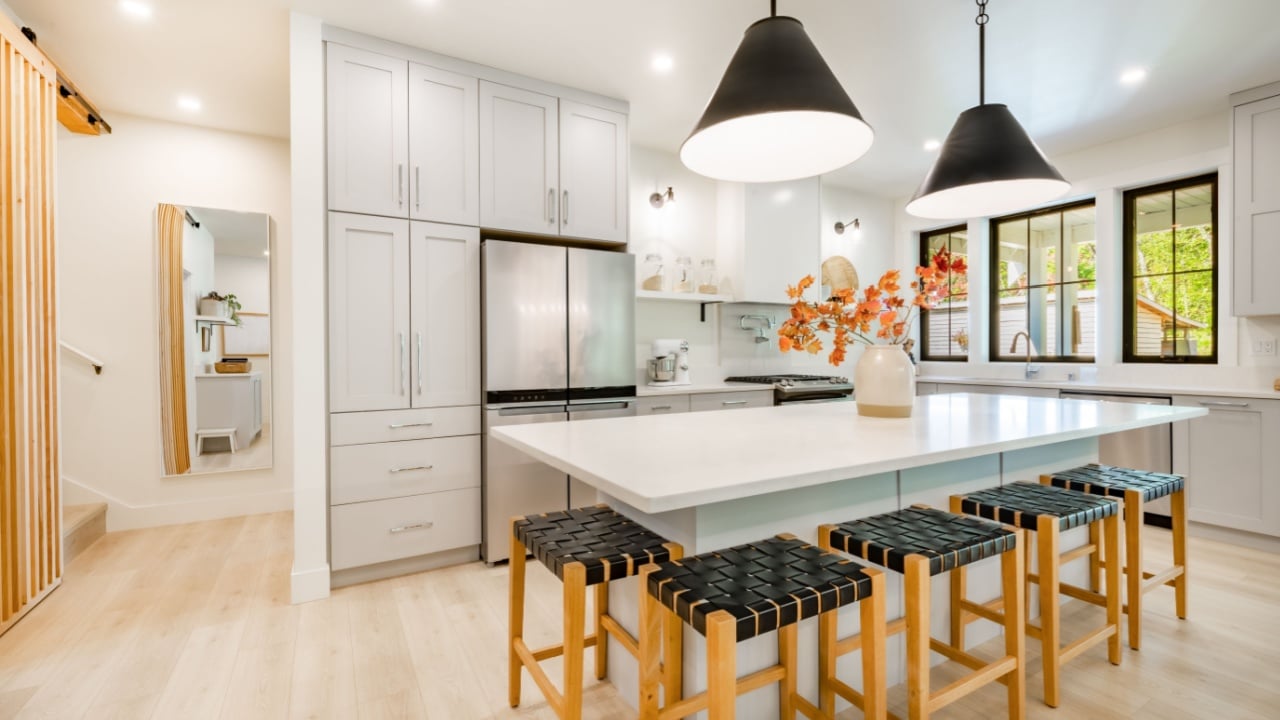
Identifying the eyesores and messes cluttering your kitchen is the first step toward a kitchen that feels right again. As you clear away these visual blockers, you will likely find that the room feels larger, cleaner, and more enjoyable to use. A calm kitchen sets the tone for the rest of the home, proving that sometimes subtraction adds the most value.