10 Things to Never Store in Cold Places
Cold weather sends many of us into a flurry of activity, preparing our homes and gardens for lower temperatures. Unfortunately, storing certain possessions in an unheated garage, shed, or attic can lead to irreversible damage.
This guide will walk you through ten common items you should protect from the cold, explaining exactly what happens when they get too frosty and how to store them properly.
1. Leftover Paint

That half-used can of paint from your last home project seems durable enough for the garage, but it’s surprisingly sensitive to cold. Most latex and acrylic paints are water-based emulsions. When the temperature drops below freezing, the water inside can freeze and expand.
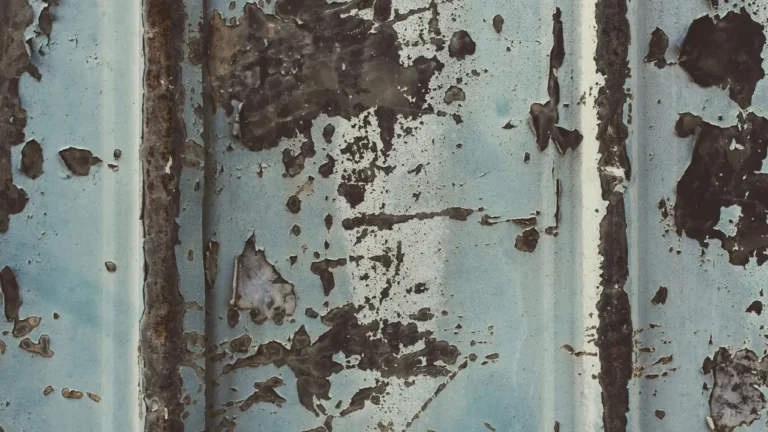
This freezing and thawing process separates the paint’s ingredients, breaking down the carefully formulated mixture. The result is a lumpy, useless sludge that will not apply smoothly or dry correctly. You might open the can in spring to find a separated, grainy mess. To protect your paint, store it in a temperature-controlled area like a basement closet or utility room where it will stay above 50°F (10°C).
2. Canned Foods

Stocking up on canned goods is a great way to prepare for winter. However, storing them in an unheated pantry or garage can be a big mistake. Canned foods contain a high percentage of liquid, which expands when it freezes.
This expansion can put immense pressure on the can’s seams, potentially breaking the seal. A broken seal allows bacteria to enter, spoiling the food and creating a risk of foodborne illness. Even if the can doesn’t burst, freezing can alter the food’s texture, turning crisp vegetables into mush. Keep your canned goods in a cool, dry place inside your home, like a kitchen cabinet, where temperatures remain stable.
3. Personal Electronics

Laptops, tablets, smartphones, and even old game consoles have a strong dislike for extreme temperatures. Cold weather can wreak havoc on their delicate internal components. Lithium-ion batteries, which power most modern devices, lose their ability to hold a charge in the cold. In some cases, prolonged exposure can permanently reduce their capacity.
LCD screens are also vulnerable. The liquid crystals within can freeze, causing slow response times, discoloration, or even cracking. Condensation is another major risk. Bringing a frigid device into a warm house can cause moisture to form inside, shorting out circuits. Your electronics are safest inside your home, away from the temperature swings of a garage or car.
4. Musical Instruments

Wooden instruments like guitars, violins, and pianos are particularly susceptible to damage from cold and fluctuating humidity. Wood naturally expands and contracts with temperature changes. When exposed to cold, dry air, the wood can shrink rapidly, leading to cracks in the finish and the wood itself.
The sudden stress can also cause glue joints to fail and necks to warp, affecting the instrument’s playability and tone. Metal and brass instruments are not immune; cold can cause their valves and slides to stick. Always store musical instruments in a climate-controlled environment to preserve their structural integrity and sound.
5. Spare Batteries
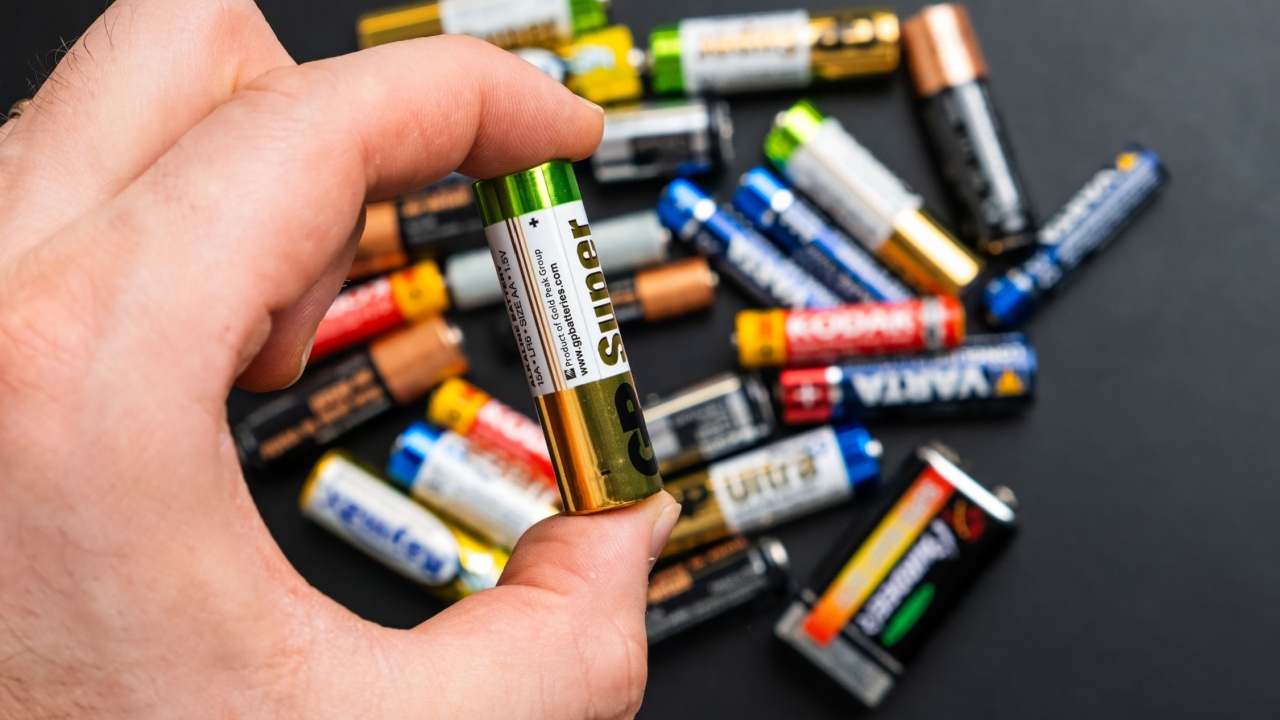
That drawer of assorted batteries in your garage workshop might not be as reliable as you think. Cold temperatures significantly slow down the chemical reactions inside batteries that generate power. This means a cold battery will produce less current and appear to be dead, even if it is fully charged.
While most alkaline batteries can recover once they warm up, prolonged exposure to freezing conditions can cause them to leak or rupture as the housing contracts and expands. This leakage can corrode the battery terminals and damage the device they are in. It is best to store all types of batteries at a stable room temperature.
6. Fine Wine
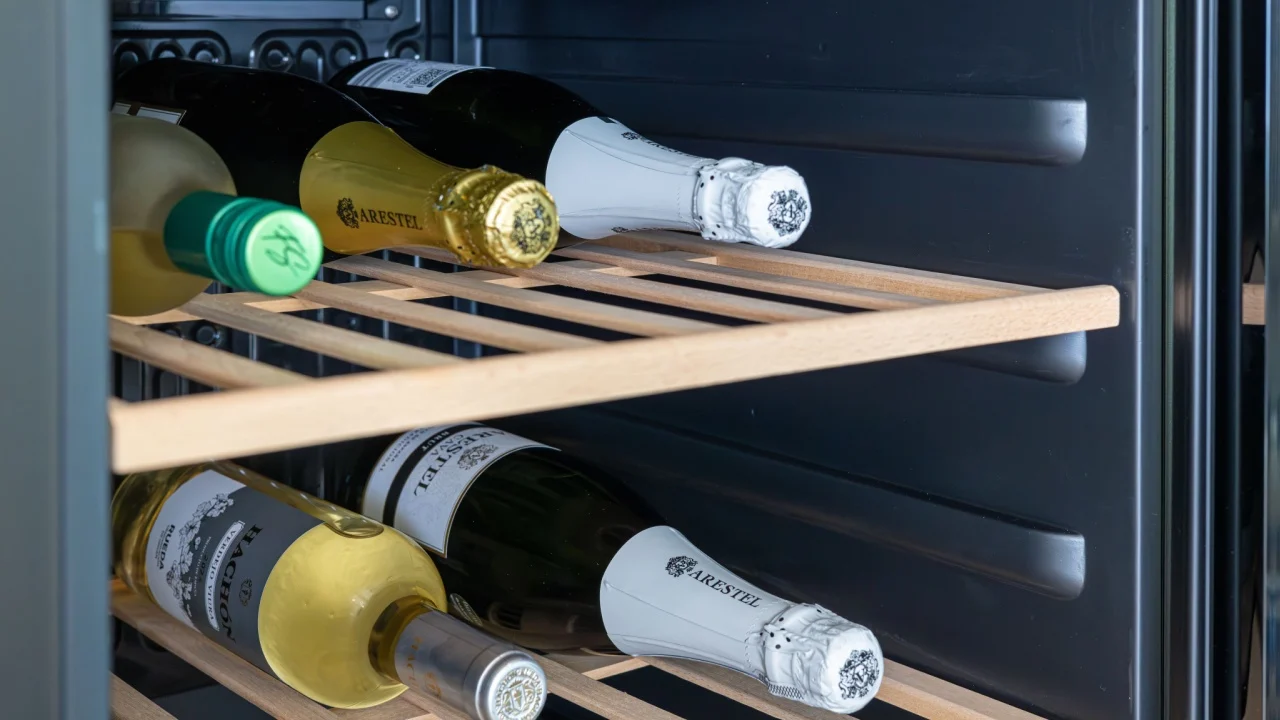
A bottle of wine is a delicate thing. Storing it in a cold garage or shed is a surefire way to ruin it. Wine is mostly water, and when it freezes, it expands. This expansion can push the cork out of the bottle, breaking the seal and exposing the wine to oxygen, which quickly spoils it.
Even if the cork holds, freezing can alter the wine’s chemistry. The compounds that give wine its complex flavors and aromas can be permanently changed, leaving you with a flat, disappointing taste. For proper aging and storage, wine needs a consistent, cool temperature ideally between 45°F and 65°F (7°C and 18°C).
7. Cleaning Supplies
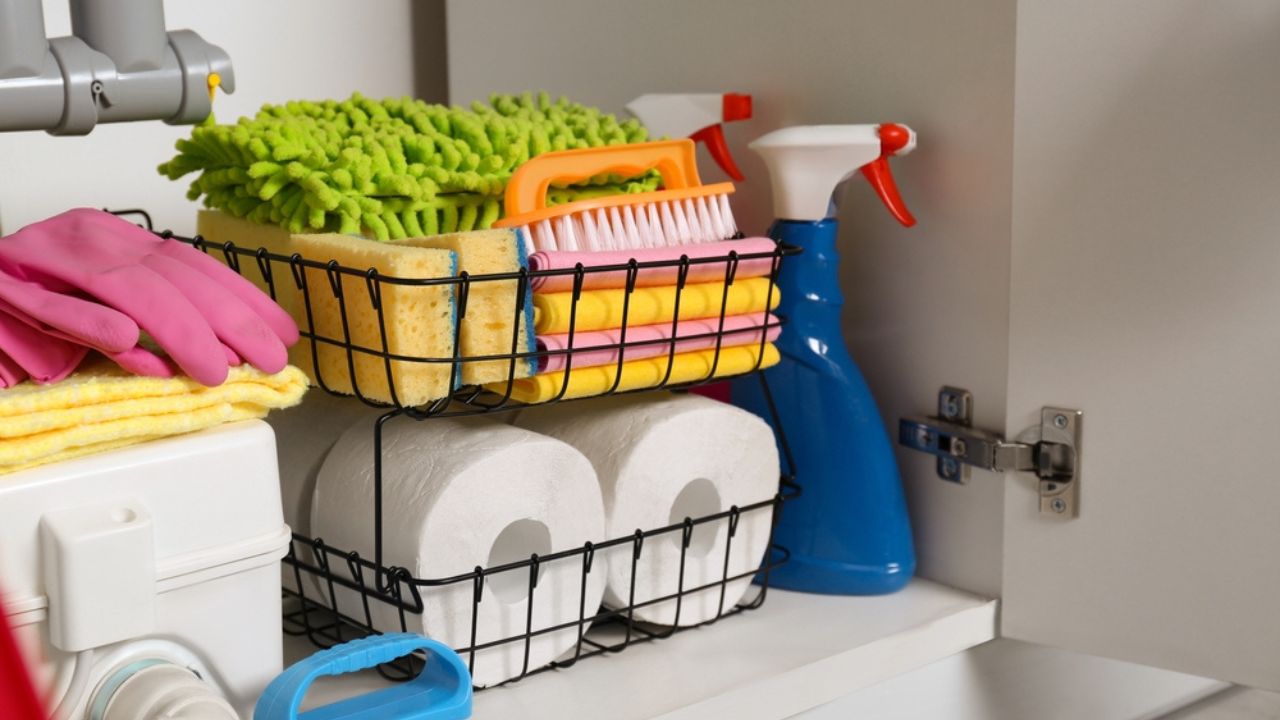
Many common household cleaning products can be rendered ineffective by the cold. Liquid cleaners, especially those containing water, can freeze and separate, just like paint. This can diminish their cleaning power or cause them to become clumped and unusable.
Certain chemicals can also have their properties altered by cold. Aerosol cans are another concern; low temperatures can reduce the pressure inside the can, preventing the product from spraying correctly. To keep your cleaning supplies effective, store them under a sink or in a utility closet inside your home.
8. Clothing and Fabrics
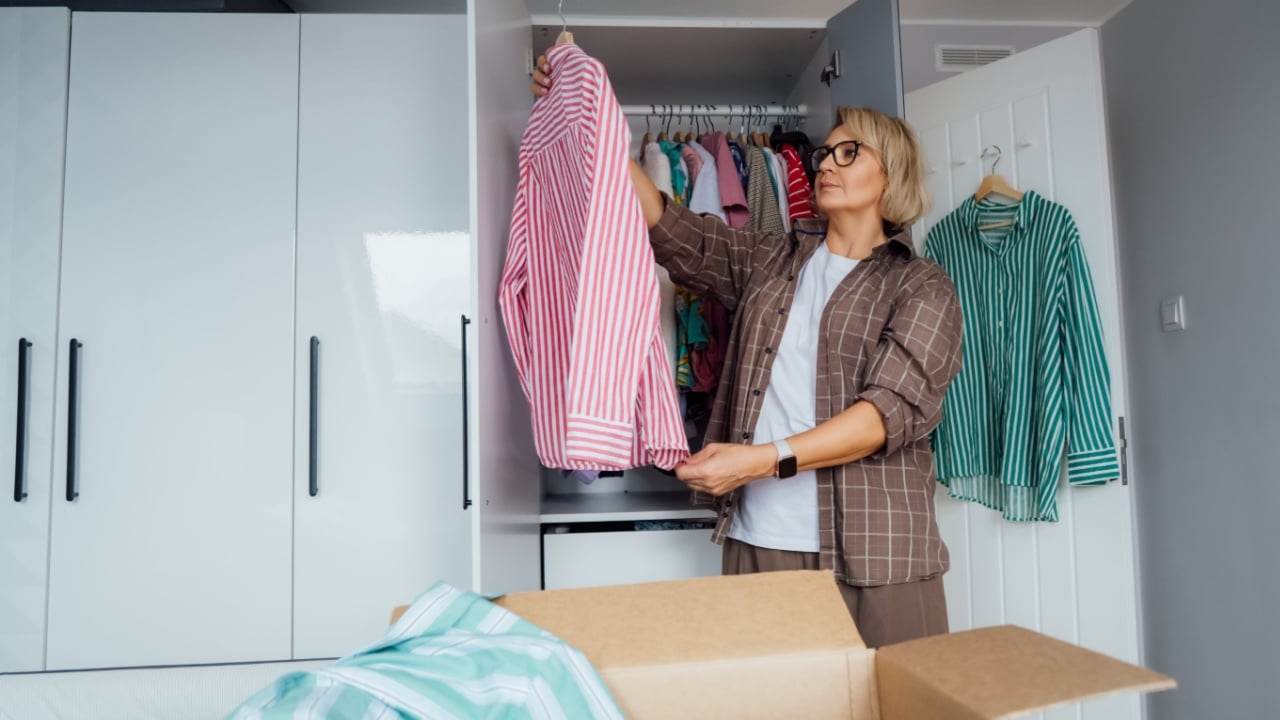
While it may be tempting to store out-of-season clothing in an attic or shed, these environments can be harmful to textiles. The main culprit is dampness. Cold air often leads to condensation, and moisture creates the perfect breeding ground for mold and mildew, which can stain and ruin fabrics.
Insects and rodents also seek shelter from the cold and may find your stored clothing to be a convenient source for nesting material. To protect your garments, store them in airtight containers in a dry, temperature-controlled part of your home, such as a closet or under a bed.
9. Photographs and Documents

Precious memories and important papers deserve better than a cold, damp storage space. Photographs can be permanently damaged by moisture. Condensation can cause photos to stick together, peeling off the emulsion and destroying the image when you try to separate them. Paper documents can become warped, discolored, and weakened by mildew.
Extreme temperature fluctuations cause the paper fibers and photographic chemicals to expand and contract, accelerating their deterioration. Protect these irreplaceable items by storing them in archival-safe boxes in a stable indoor environment with low humidity.
Keeping Your Belongings Safe
You know how to protect yourself from frostbite in winter, but protecting your belongings from the cold is important too. Before you move items into a garage, shed, or attic for the winter, take a moment to consider their tolerance for the cold. A quick inventory now can save you from costly replacements and disappointment later. By finding a small, temperature-stable spot inside your home for these ten items, you can rest easy knowing they will be in perfect condition when you need them next.