
10 Homesteading Hacks for Being More Self-Sufficient in the City
The dream of self-sufficiency often brings to mind sprawling fields and a quiet country life. But what if you could cultivate that independent spirit right in the middle of the city? Urban homesteading is a practical approach to becoming more resourceful and less reliant on external systems, no matter your address.
This article looks at actionable ways to embrace self-sufficiency even while living in the city.
1. Grow Your Own Food (Even in a Small Space)
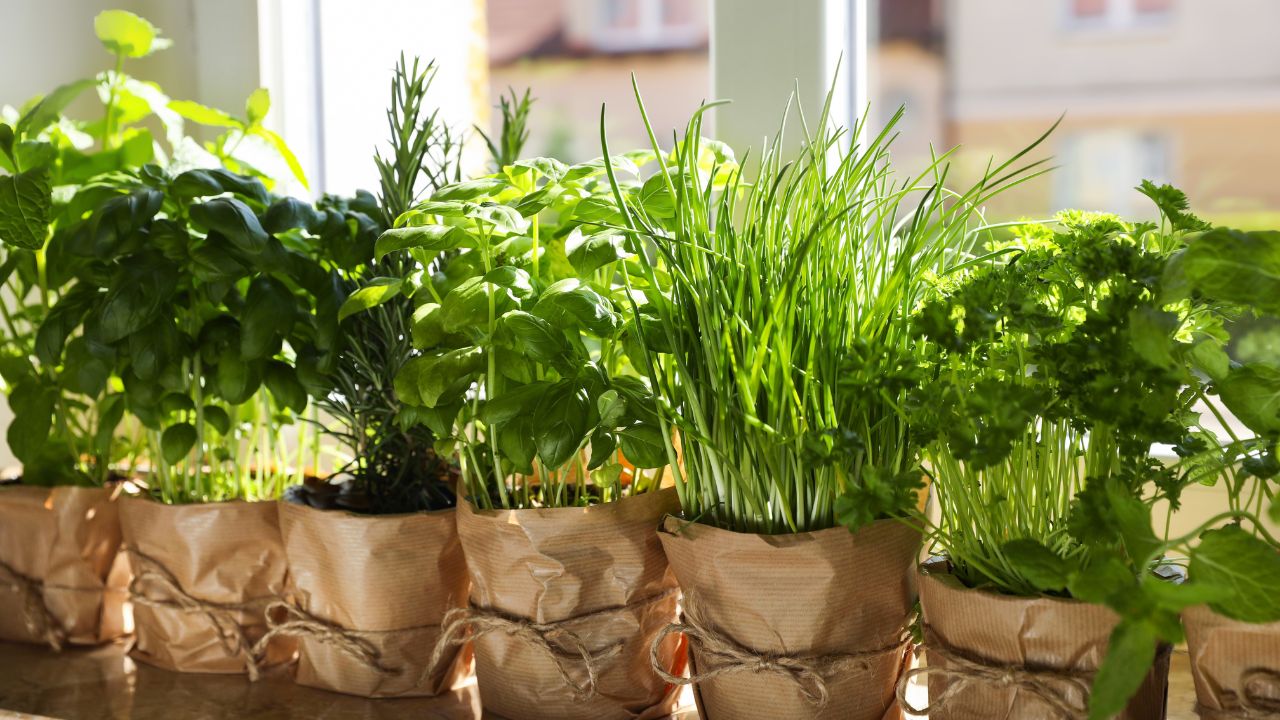
You do not need a large yard to grow a portion of your own food. Sunny windowsills, balconies, and patios are perfect for container gardening. Herbs like basil and mint thrive indoors year-round. Compact vegetable varieties, such as cherry tomatoes and bush beans, do well in pots.
In winter, you can grow microgreens or sprouts on a kitchen counter for fresh, nutrient-dense additions to your meals. This practice reduces your food miles to mere feet (rather than from overseas or cross country) and gives you access to the freshest produce possible.
2. Learn to Preserve and Store Food

Harvesting your own produce is just the beginning; preserving it extends your bounty through all seasons. Canning, freezing, and dehydrating are traditional methods that work just as well in a modern apartment. Turn a surplus of summer tomatoes into sauce, freeze berries for winter smoothies, or dry herbs for later use.
Learning these techniques allows you to take advantage of seasonal sales at farmers’ markets and reduce food waste. You will also enjoy a well-stocked pantry full of homemade goods.
3. Make Your Own Household Products

Many common household cleaners and personal care items can be made with simple, inexpensive ingredients like vinegar, baking soda, and essential oils. A basic all-purpose cleaner can be mixed in minutes, saving you money and reducing your exposure to harsh chemicals.
This D.I.Y. approach helps you create effective homemade cleaners while also significantly reducing plastic packaging waste. By reusing the same spray bottles and containers over and over, you minimize the need for single-use plastics, making it an eco-friendly choice.
4. Reduce Dependency on Grocery Stores

Becoming more self-sufficient means rethinking your relationship with the supermarket. This can involve planning meals around what you have, baking your own bread, or making yogurt from scratch. It is a gradual process of finding what fits your lifestyle.
Every single item you manage to whip up or produce at home is one less thing you have to toss into your grocery cart. It gives you that ultimate parental superpower: total control over every ingredient and the overall quality, so you know exactly what’s going into your family’s bellies.
5. Learn Basic Repair and D.I.Y. Skills

A torn shirt, a wobbly chair, or a leaky faucet can be an opportunity to learn. Acquiring basic sewing, woodworking, and plumbing skills empowers you to fix things instead of replacing them. Countless online tutorials can guide you through simple repairs.
This mindset not only helps save money but also reduces waste by keeping items out of landfills, promoting a more sustainable lifestyle. By repairing, reusing, or repurposing what you already have, you appreciate the value of the objects you own.
6. Create a Small-Scale Energy Backup Plan

Unexpected power outages can disrupt daily routines, but having a small-scale power backup can make all the difference. Rooftop or balcony solar panels are well-suited to city life, providing enough power to keep lights on or charge important devices when the grid goes down. Compact solar kits or even small wind turbines are practical, low-maintenance options for generating extra power with minimal space.
These energy solutions help you stay connected and comfortable during outages, while also easing your household’s reliance on traditional utilities. Starting with a small system offers peace of mind, and over time, you might even find yourself inspired to take on bigger projects that further boost your household’s resilience.
7. Reduce Water Waste and Filter Drinking Water

Conserving water stands at the heart of self-sufficiency. Simple habits like taking shorter showers and quickly repairing drips help reduce waste and keep monthly bills in check. Even in an apartment, watering plants with collected rain or leftover cooking water makes a noticeable difference, especially if you enjoy keeping a small jungle on your windowsill.
Clean drinking water is vital, but bottled options bring extra cost and a trail of plastic. Installing a reliable water filter on your tap delivers safe water for your family while cutting down on waste. For those who want to level up, catching rain in a barrel, even a compact one on a balcony, can supply enough for thirsty plants during dry spells.
8. Build Community and Swap Skills

True self-sufficiency is not about isolation; it is about community interdependence. Your neighbors have skills, and so do you. Organizing a skill-sharing event in your building or neighborhood creates a powerful local network. The World Health Organization says social connection is good for health and longevity. Involvement and volunteering are linked to happiness and well-being.
By sharing skills, resources, and knowledge within your community. Perhaps you can hem pants for the neighbor who knows how to sharpen knives, or you can trade your sourdough starter for some of their homemade jam. These relationships build a resilient and supportive community.
9. Reconnect with Traditional Hobbies

Many hobbies of our grandparents are perfectly suited for modern urban life. Learning to knit a scarf, ferment vegetables like sauerkraut, or make soap from scratch are both useful and rewarding. These activities connect you to a long history of human ingenuity and provide a tangible sense of accomplishment. They are also wonderful hobbies for long winter evenings.
Engaging in these crafts goes beyond the finished product. Working with your hands and focusing on each step can provide a welcome break from screens and notifications. These hobbies help nurture creativity and offer a moment of calm, which is especially valuable amid the constant hustle of city living.
10. Focus on Financial Self-Sufficiency and Smart Budgeting

A strong financial foundation helps buffer families against surprises: rainy days, unexpected repairs, or a month when expenses creep up. Creating a clear budget, minimizing debt, and setting aside savings offer peace of mind, and they make everyday decisions much easier.
As your habits shift, the sense of control over your financial future grows, making city life feel just a little more manageable. You can have a weekly pantry list to keep track of what is finished, and avoid buying single items every time.
Your Urban Self-Sufficiency Journey

Becoming more self-sufficient in the city is a journey of small, intentional actions. What does it feel like to you? Maybe it is the taste of a homegrown tomato or the satisfaction of fixing a broken appliance. Select one area to explore. Master it, enjoy the process, and then add another skill when you are ready. Each step, no matter how minor it seems, builds your confidence and capability, creating a more sustainable and fulfilling urban life.
Read more
The Urban Homesteading Guide: 7 Ways to Embrace Self-Reliance in a Small Apartment