14 Early 2020 Trends That We’ll Be Judged for in 25 Years
Every era has its trends, those cultural quirks and obsessions that seem perfectly normal in the moment but leave future generations scratching their heads. The early 2020s have been no exception, bringing with them a wave of habits and technologies that are as innovative as they are questionable. Looking back, it’s easy to chuckle (or cringe) at fads like bell-bottoms from the ‘70s or the “Live Strong” bracelet craze of the 2000s. Now, we’re in the midst of shaping the next chapter of “What were they thinking?” moments.
These trends didn’t come out of nowhere. They’re often born out of social shifts, technological breakthroughs, or sheer boredom (hello, pandemic lockdowns). In the moment, they feel like answers to modern problems or ways to express individuality. Yet, as history has shown, not all answers age gracefully.
From questionable fashion choices to societal shifts fueled by technology, these are the trends of the early 2020s that are destined to earn some judgment from future generations.
1. The Rise of “Micro” Trends

Micro-trends have taken over thanks to fast fashion and social media platforms like TikTok. These are hyper-specific, short-lived style movements that gain popularity almost overnight before fizzling out just as quickly. Think “cottagecore” or the brief obsession with everything Y2K.
While fun and creative, the environmental toll of constantly chasing micro-trends is staggering. Clothes barely last long enough to go out of style before they’re discarded, adding to the planet’s growing waste problem.
2. The Obsession with NFTs

Non-Fungible Tokens (NFTs) became the buzzword of the decade, with people spending millions on digital art pieces like pixelated avatars or cartoon apes. The appeal? Owning a unique digital asset that no one else can claim.
Critics argue that the hype overshadowed the real-world implications, such as environmental concerns tied to blockchain technology. In 25 years, the idea of paying millions for a digital collectible might feel as bizarre as Beanie Baby mania.
3. Over-the-Top Streaming Wars

The early 2020s saw an explosion of streaming platforms, with everyone from Disney to Apple launching their own services. Suddenly, subscribing to just Netflix wasn’t enough; you needed Hulu, HBO Max, Peacock, and more.
This fragmentation turned something as simple as watching TV into a scavenger hunt for subscriptions. In hindsight, future generations might see this as a period of entertainment overload and unnecessary complexity.
4. Hyper-Stylized Home Offices

During the pandemic, home offices became the centerpiece of our lives, and with that came an obsession with designing the perfect workspace. Standing desks, ring lights, and ergonomically correct chairs became status symbols.
While these setups undoubtedly improved productivity, the social pressure to curate an Instagram-worthy office seems excessive in retrospect. Future generations might laugh at how seriously we took our Zoom backgrounds.
5. Dystopian Social Media Filters

Face-altering filters on Instagram and Snapchat have reached new levels of realism. People now reshape their entire facial structure for the perfect selfie, creating an entirely new standard of beauty that’s impossible to achieve in real life.
As we move further into the age of authenticity, future generations might view this as the height of superficiality, judging us for turning to algorithms to define beauty.
6. Cryptocurrency Mania

The early 2020s were a rollercoaster for cryptocurrency, with Bitcoin and Ethereum becoming household names. Stories of people becoming overnight millionaires (or losing everything) dominated headlines.
While blockchain technology might stick around, the speculative frenzy will likely be viewed as reckless gambling by history’s standards. The wild swings in value and lack of regulation might earn us more than a few raised eyebrows.
7. Extreme Minimalism

From capsule wardrobes to “decluttering” gurus like Marie Kondo, minimalism became a lifestyle trend. People stripped their homes of non-essential items in pursuit of a simpler, more meaningful life.
While the philosophy has merit, future generations might find the extremism, like throwing out sentimental items or avoiding color, a bit excessive. There’s a fine line between simplicity and self-deprivation.
8. Influencer Worship

Social media influencers wielded immense power in the 2020s, dictating what to wear, eat, and buy. From travel bloggers to TikTok stars, these modern tastemakers were idolized by millions.
However, the emphasis on curated lives and constant sponsorships may seem superficial in hindsight. Future generations might wonder why we let strangers on the internet dictate so much of our lives.
9. Designer Athleisure Everywhere

Athleisure blurred the line between gym wear and everyday fashion, with brands like Lululemon and Athleta becoming wardrobe staples. Suddenly, leggings and hoodies were acceptable for almost any occasion.
While undeniably comfortable, this trend might seem overly casual in the future, especially if dress codes swing back toward formality. Future generations might be baffled by how much we paid for fancy sweatpants.
10. Eco-Friendly Virtue Signaling
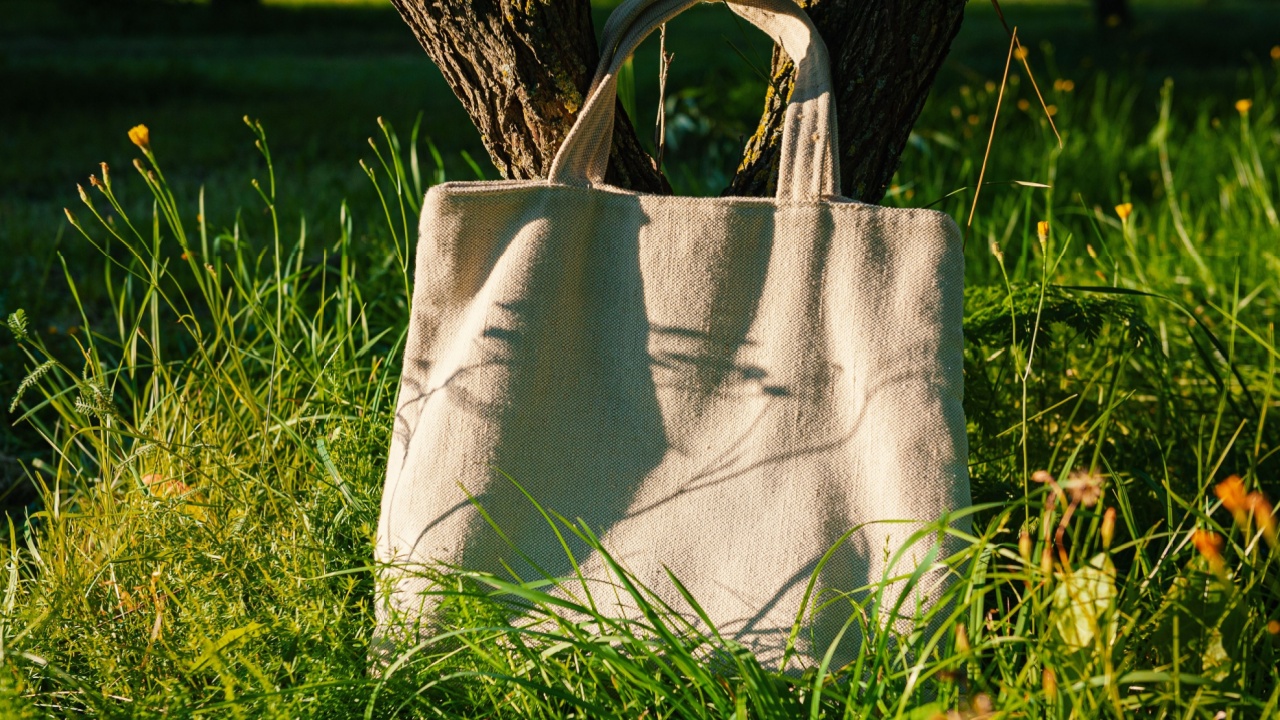
Reusable straws, tote bags, and electric cars became symbols of eco-consciousness in the 2020s. While well-intentioned, critics argue that these efforts often overshadow bigger, systemic environmental changes.
Future historians might view this as a time when individuals felt good about small efforts while larger environmental problems went unaddressed. It’s a reminder that sustainable living is about more than just optics.
11. Gig Economy Overload
The gig economy exploded, with apps like Uber, DoorDash, and Fiverr redefining work. Flexibility was the selling point, but many workers faced low pay and no benefits.
While convenient for consumers, the lack of worker protections might seem exploitative in retrospect. Future generations may wonder why we allowed this model to flourish without stronger safeguards.
12. Overloaded Wellness Trends

From juice cleanses to adaptogenic lattes, the wellness industry became a billion-dollar behemoth. Products promising better sleep, clearer skin, and increased energy flooded the market.
While some trends had merit, many were little more than snake oil. Future generations might chuckle at how easily we fell for clever marketing disguised as health advice.
13. The Metaverse Hype

Tech companies like Meta (formerly Facebook) promised a fully immersive digital world where people could socialize, work, and play. While the concept was exciting, its early execution left much to be desired.
If the metaverse doesn’t live up to its lofty promises, it might be remembered as a passing tech fad. Future observers might laugh at how seriously we took virtual real estate and digital avatars.
14. Cancel Culture’s Highs and Lows

Cancel culture sparked heated debates in the early 2020s. While some saw it as accountability in action, others argued it went too far, punishing people without due process.
Future discussions might highlight the complexities of this trend, questioning whether it fostered social progress or stifled open dialogue. Either way, it’s a phenomenon unlikely to age quietly.