12 Things to Always Thrift as Plant Lover
Bringing home a new leafy friend gives many of us a rush of dopamine unlike anything else. You spot a Monstera in the shop window. You grab it. You pay. You arrive home and realize you have absolutely nowhere to put it or a way to style it.
Thrift stores offer a solution for the budget-conscious indoor gardener.
Secondhand shops hold shelves upon shelves of perfect plant accessories disguised as junk. You just need to know what objects serve a botanical purpose. By sourcing these items secondhand, you save money for the important stuff, like more plants.
Here are 12 items you should always look for when browsing the thrift aisles.
1. Decorative Plant Pots and Cachepots
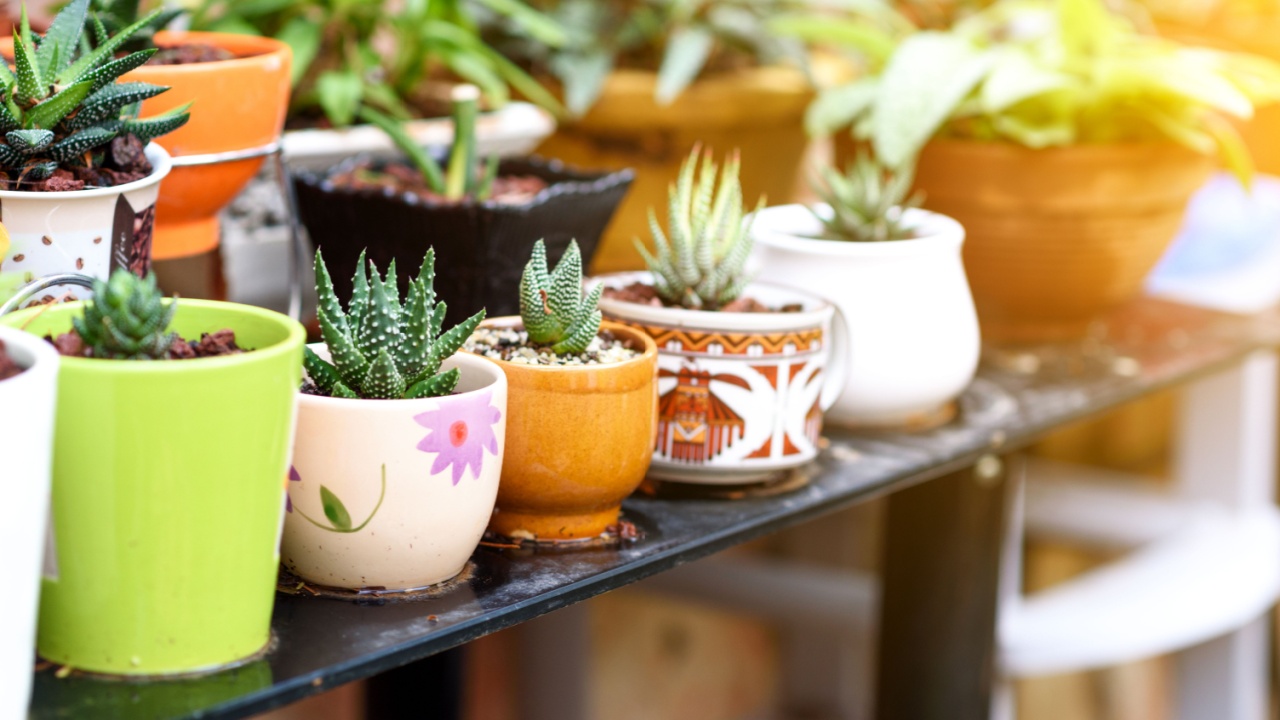
Buying brand-new ceramic pots adds up fast. You will often find high-quality glazed ceramics, vintage clay pots, or hand-painted, unique pieces that add character to your space. Many secondhand pots act as cachepots. A cachepot is a decorative container without a drainage hole. You simply keep your plant in its plastic nursery pot and slip it inside the decorative one.
This protects your furniture from water damage and makes repotting cleaner. If you find a pot you love that lacks drainage, you can also use a diamond-tipped drill bit to create a hole in the bottom. Check the inside of used pots for cracks or severe residue. A quick scrub with hot, soapy water and vinegar will sanitize them for their new inhabitants.
2. Glass Jars and Vases for Water Propagation
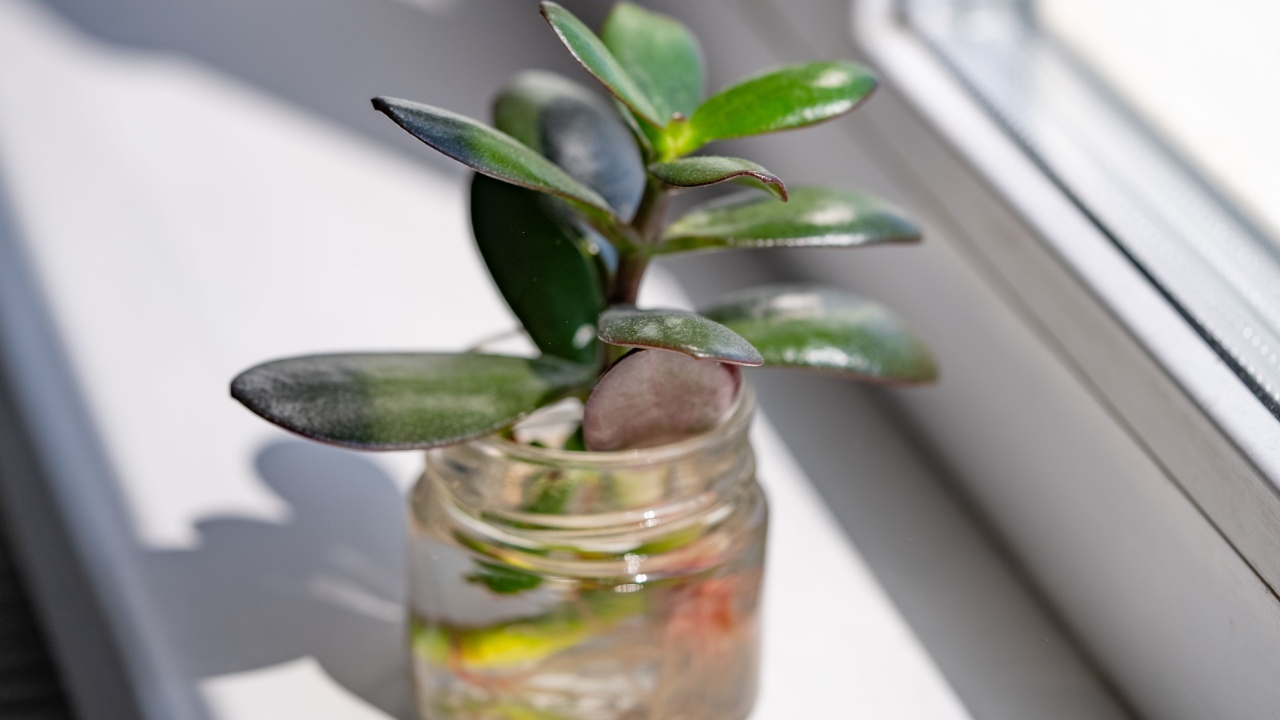
Propagation allows you to multiply your collection for free. You need clear vessels to watch those roots develop. Thrift stores overflow with glassware. From vintage mason jars to intricate crystal vases, these shelves offer endless options for your cuttings. Clear glass lets sunlight reach the developing roots and helps you monitor water clarity.
Using interesting glassware turns a science experiment into a piece of decor. Look for heavy-bottomed vases that won’t tip over when supporting a top-heavy cutting like a Monstera leaf. Avoid narrow-necked bottles if you plan to let the roots grow thick. You might never get the plant back out without breaking the glass. Wide-mouth jars work best for most cuttings.
3. Baskets for Texture and Grouping
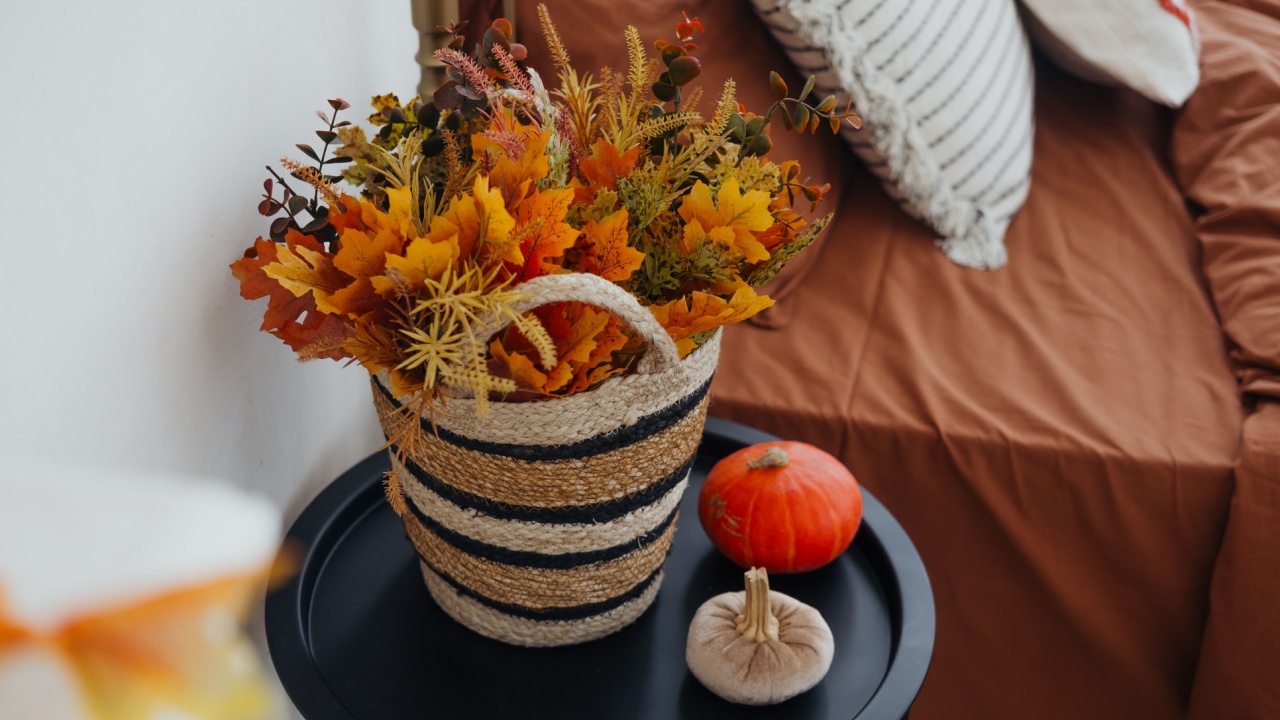
Woven baskets bring warmth and natural texture to a room full of greenery. They act as fantastic cover-ups for ugly plastic pots. Large baskets can hold substantial floor plants like Fiddle Leaf Figs or Rubber Trees. Baskets also help group smaller pots together. Placing three or four small succulents inside a low, wide bread basket creates an instant centerpiece.
This method makes watering easier, too. Always use a plastic saucer inside the basket to catch drips. Woven material will rot if it stays damp. Check thrifted baskets for signs of mold or unraveling before purchase. A sturdy weave will last for years.
4. Wooden Crates for Height and Organization
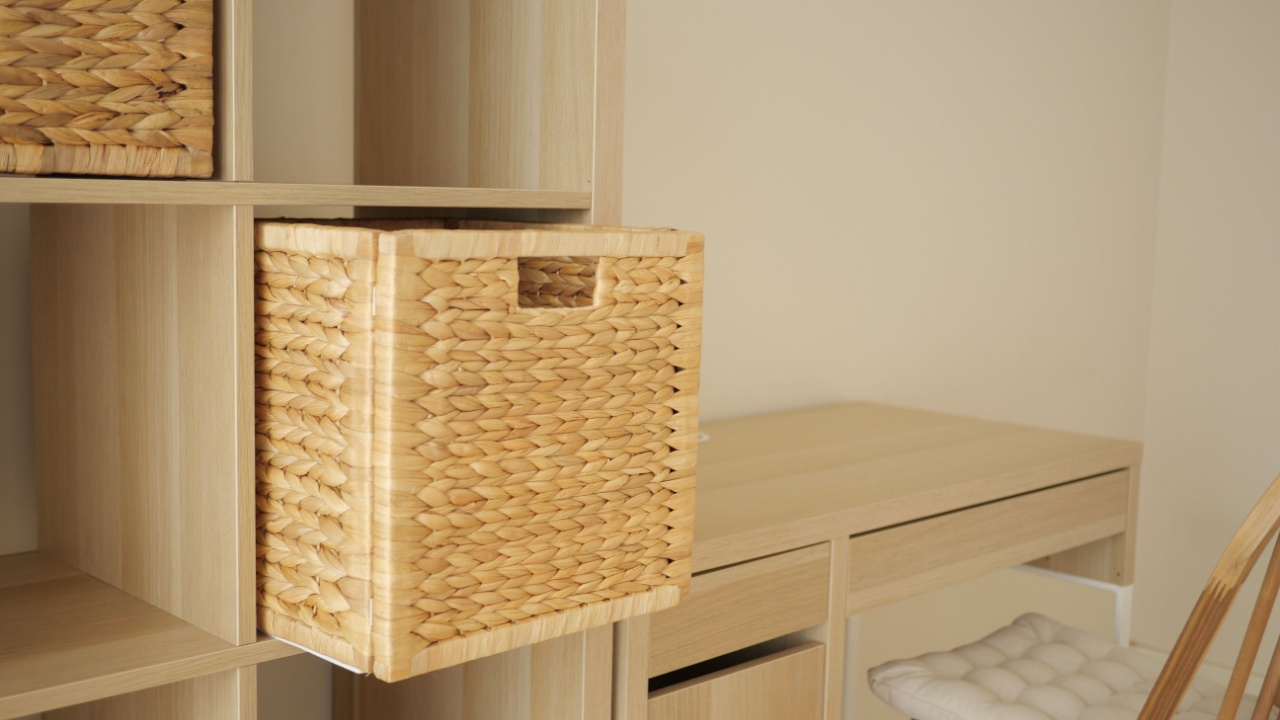
Vintage crates add instant rustic charm. You can stack them to create modular shelving or flip them over to use as risers. Elevating plants off the floor helps them reach light sources and keeps them away from pets.
Crates also serve as storage for unsightly bags of potting mix or fertilizer. Tucking supplies away in a wooden box looks much better than leaving plastic bags leaning against the wall. Inspect crates for rot or insect damage. Give them a good clean and perhaps a coat of sealant if you plan to use them in a humid area.
5. Small Trays or Saucers
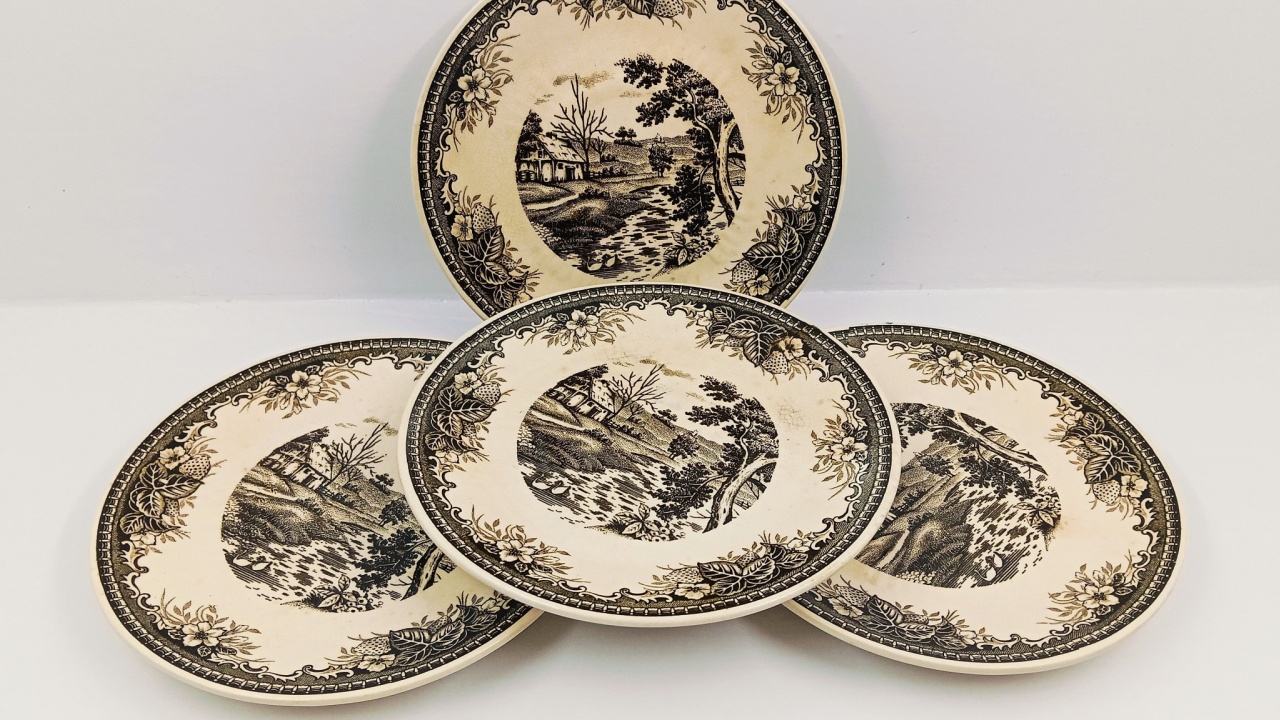
Water runoff ruins wooden floors and windowsills. You need a barrier between your pot and your furniture. Garden centers sell plastic saucers, but they look cheap and brittle. Thrift stores have unmatched selections of ceramic saucers, silver-plated trays, and glass plates.
A mismatched collection of vintage saucers adds an eclectic touch to your plant display. Look for tea saucers, small serving platters, or even sturdy candle holders. Make sure the saucer is wide enough to catch water but not so huge that it takes up valuable shelf space. Glazed ceramic or glass works best because unglazed clay can sweat moisture onto the surface below.
6. Shelving Units for Vertical Space
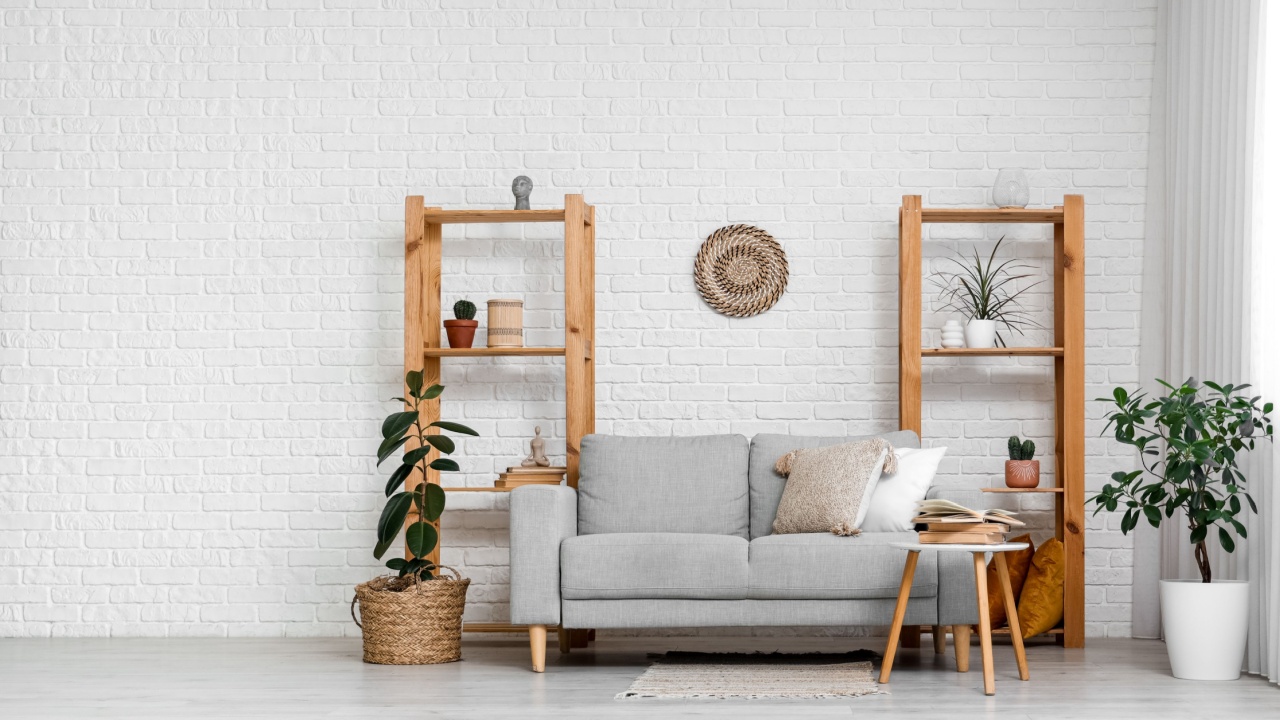
When horizontal surfaces run out, you must go vertical. Brand new shelving units can destroy a budget. Secondhand furniture sections often contain small bookcases, ladder shelves, or wall-mounted units perfect for a plant display. Open-backed shelves work particularly well for plants because they allow light to filter through from multiple angles.
Metal baker’s racks are a common thrift find and withstand humidity better than particleboard. Check the stability of any shelf you intend to load with heavy ceramic pots. Give it a shake in the store. If it wobbles there, it will wobble at home.
7. Plant Stands or Small Side Tables
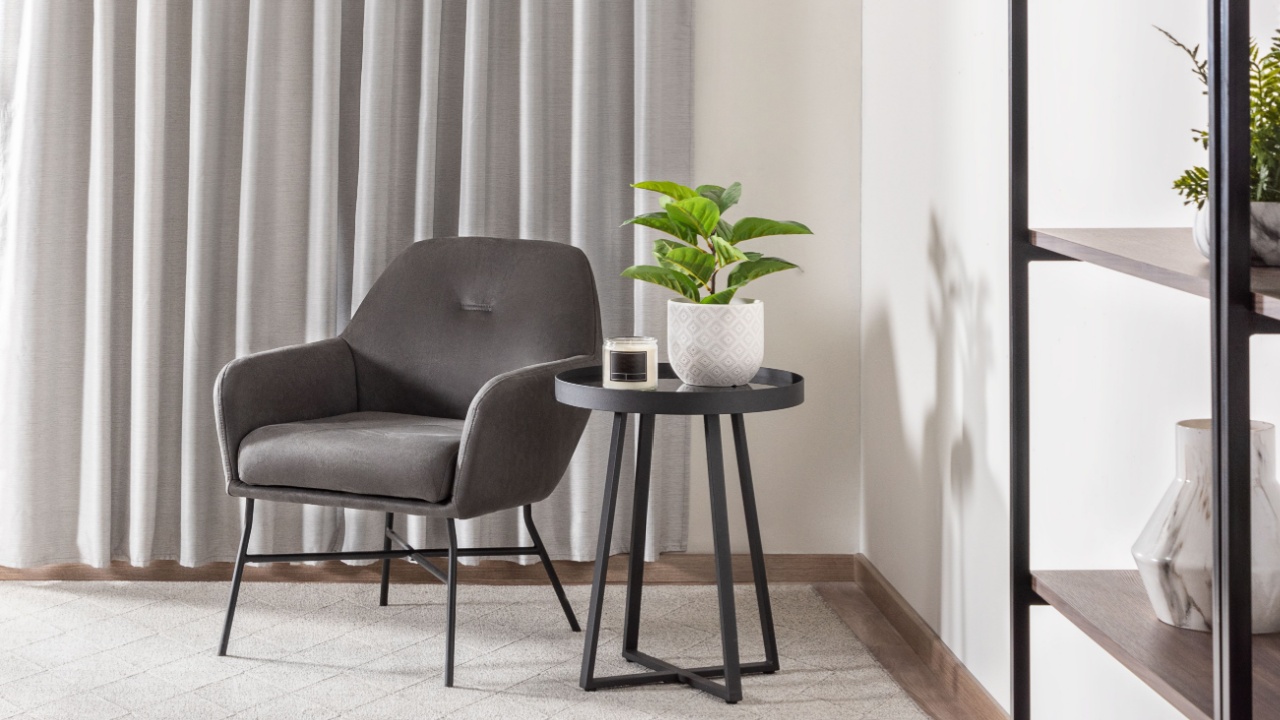
Dedicated plant stands in retail stores often suffer from the “plant tax,” an inflated price simply because of the intended use. In a thrift shop, a small side table or a wooden stool serves the exact same function for five dollars.
Look for lonely nightstands, telephone tables, or barstools. These items lift your plants into the light and improve air circulation around the foliage. Varying the height of your plants creates a lush, jungle-like aesthetic rather than a flat line of greenery. Don’t worry about the finish. A scratched table top will likely be covered by a pot anyway. Paint can fix almost any cosmetic issue.
8. Containers to Hide Nursery Pots
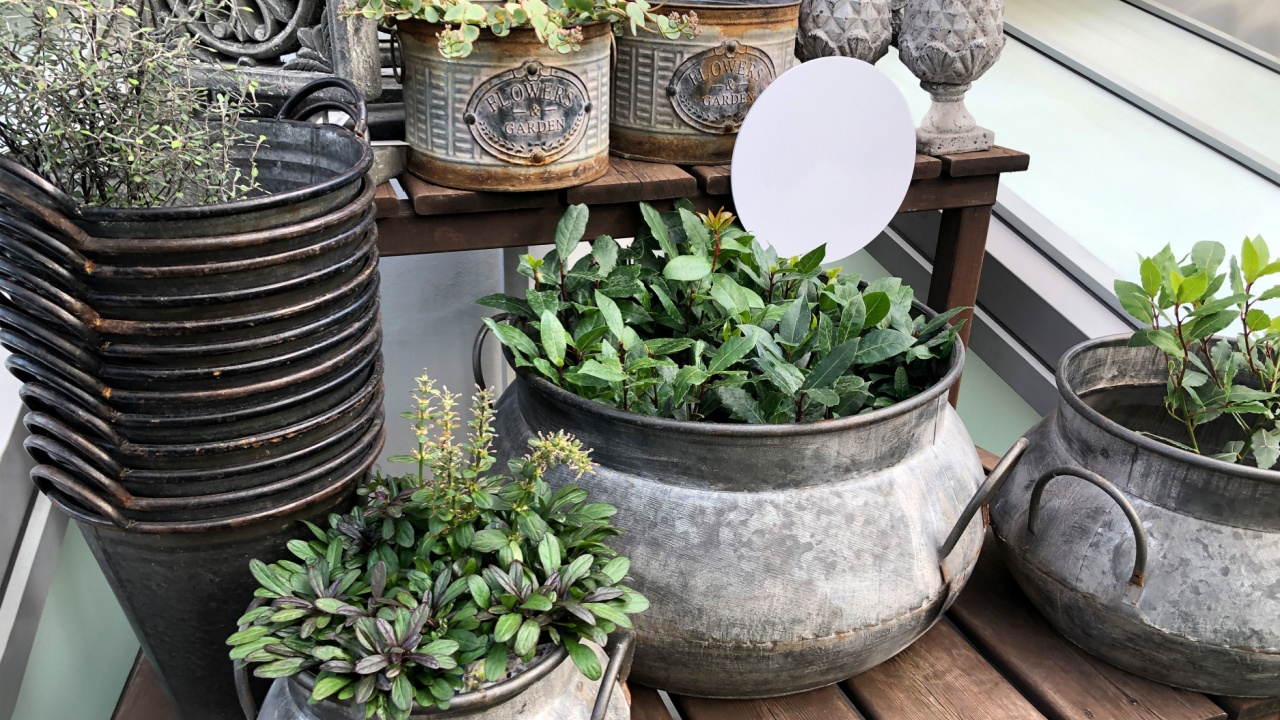
Sometimes you find a vessel that isn’t a pot but functions perfectly as one. Old tins, soup tureens, ceramic bowls, or deep serving dishes can all hold a nursery pot. These unique containers offer shapes and designs you cannot find in a standard garden center.
A vintage tea tin makes a charming home for a small fern. A large ceramic mixing bowl can hold a cluster of succulents. Always keep the plant in a plastic liner pot when using non-traditional containers. This allows you to remove the plant for watering so the metal tin doesn’t rust or the ceramic bowl doesn’t fill with stagnant water.
9. Old Mugs or Cups for Small Plants

The mug section of a thrift store is usually the largest and cheapest area. Mugs make adorable homes for small propagations, succulents, or baby plants. They fit perfectly on narrow windowsills or desks. You can use a masonry bit to drill a hole in the bottom, or just use the mug as a cachepot for a tiny nursery pot.
Grouping several mismatched mugs with similar plants creates a fun, curated look. Check for chips on the rim, but otherwise, any mug will do. This is a great way to use “joke” mugs or souvenir cups that you find amusing but would never actually drink from.
10. Aquariums or Fish Tanks
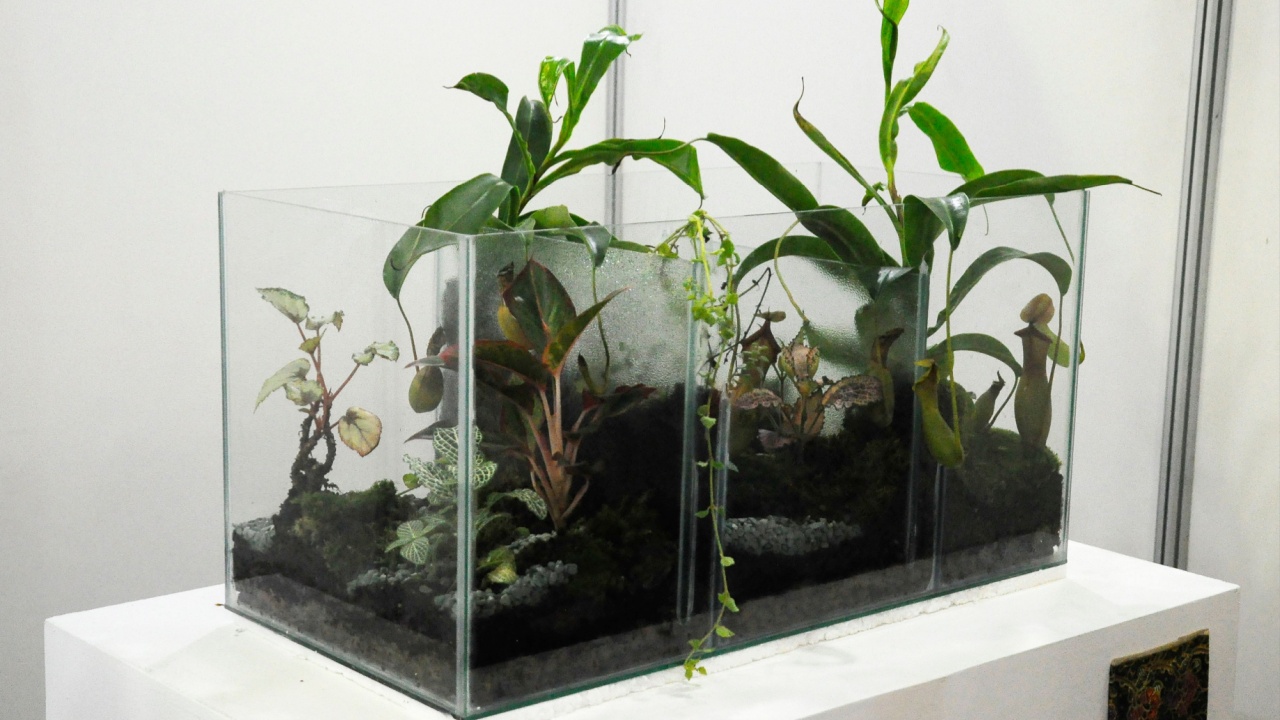
High-humidity plants like Calatheas, Alocasias, and specialized ferns struggle in dry indoor air. A glass aquarium creates a perfect microclimate. Secondhand tanks appear frequently in thrift stores, often priced very low because they leak water. A leaky tank is useless for fish but perfect for plants.
You can build a terrarium inside, or simply place potted humidity-lovers in the bottom and put a glass lid on top. This greenhouse effect keeps moisture in and drafts out. Clean the tank thoroughly with vinegar to remove hard water deposits. Even a small 5-gallon tank can save a struggling tropical plant from crispy edges.
11. Simple Storage Bins for Soil and Tools
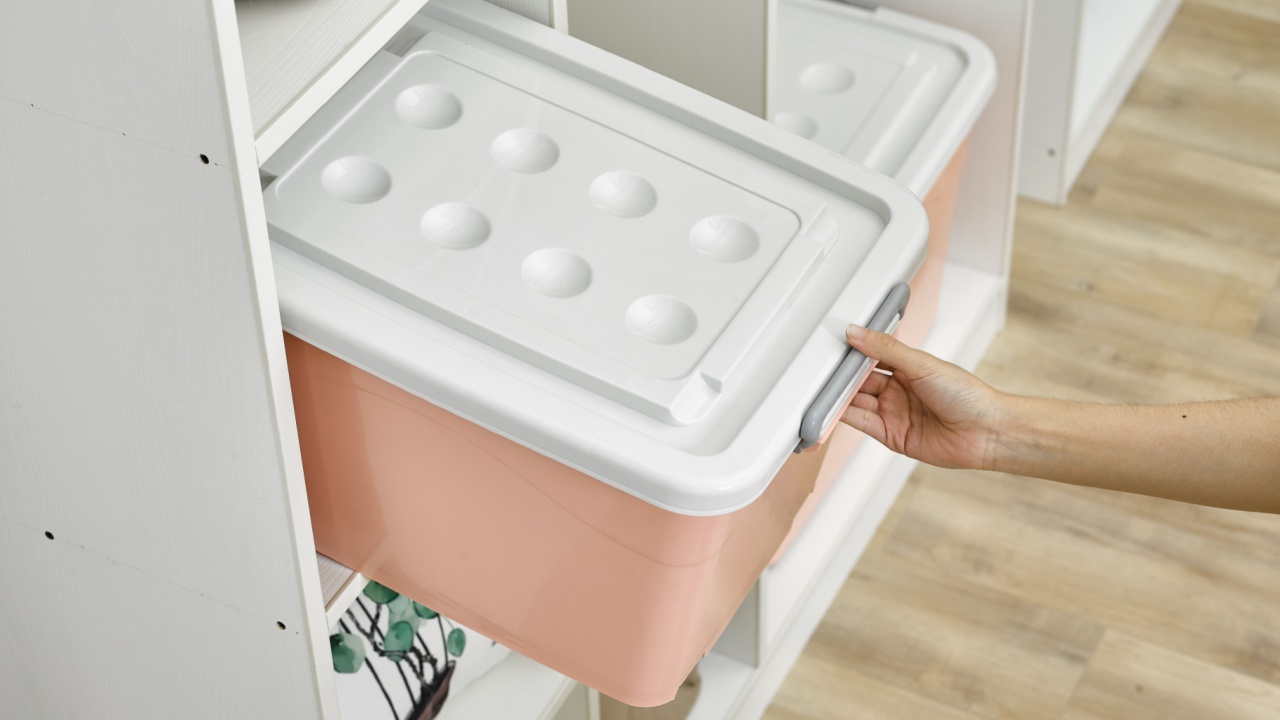
Bags of soil, perlite, and bark rip easily and spill everywhere. Airtight storage is necessary for any serious plant owner. Plastic storage bins, canisters, or large glass jars from the kitchen section work wonders. Transferring your substrates into clear bins helps you see how much you have left.
It also prevents fungus gnats from entering open bags. Look for containers with tight-sealing lids. Vintage canisters (like flour or sugar jars) look excellent on a shelf and hide the grit. You don’t need to hide your gardening supplies in a closet if the storage containers look intentional and stylish.
12. Indoor Watering Containers or Pitchers
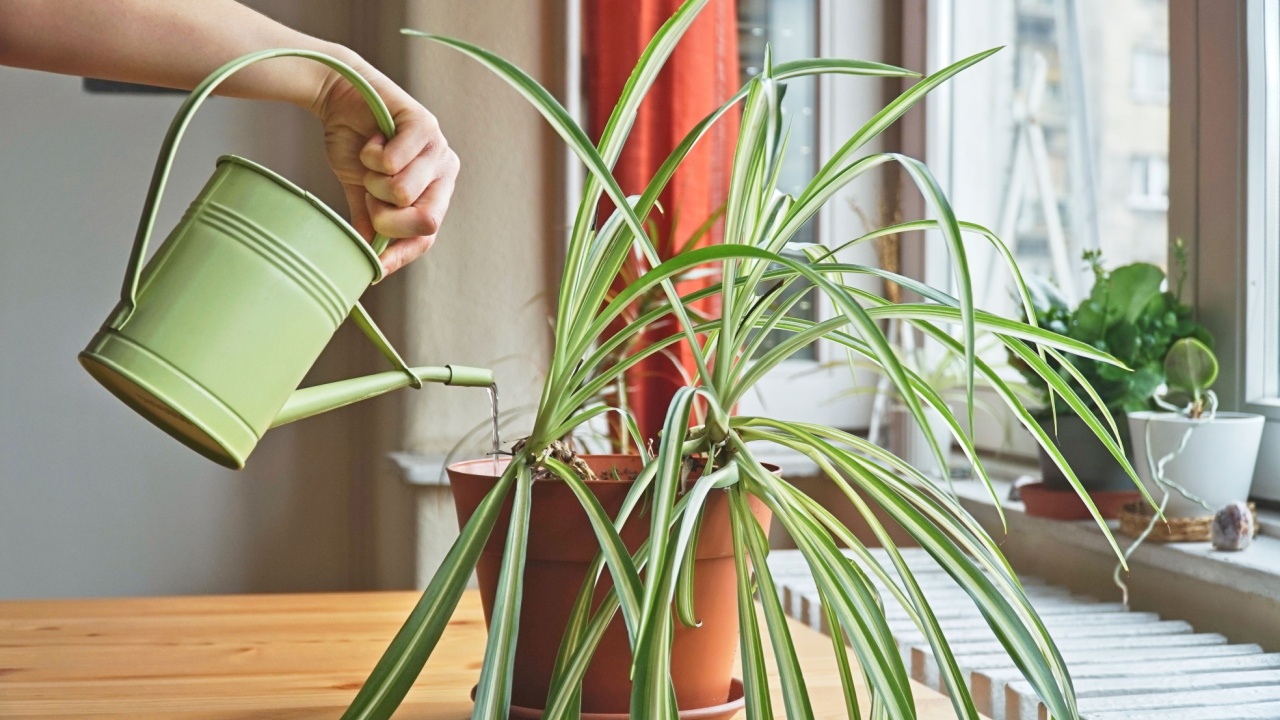
Plastic watering cans often crack or get lost. A beautiful ceramic pitcher, a copper kettle, or a heavy glass jug serves the same purpose with more style. You can leave a vintage pitcher sitting out on the shelf as decor between waterings.
Look for vessels with a spout that pours cleanly. Test the weight. If a pitcher is heavy when empty, it will be unwieldy when full of water. Metal teapots with long spouts offer great precision for watering small pots without splashing the leaves.
Moving Forward With Your Finds
Thrifting for your indoor garden shifts the focus from mindless consumption to creative curation. You stop seeing “junk” and start seeing potential homes for your photosynthesizing roommates. Start your next thrift trip with a specific mission. Head straight to the kitchenware or basket section before getting distracted by the clothes. Bring a tape measure if you are hunting for a specific shelf or cover pot. Clean everything you buy before introducing it to your plants to avoid pests or bacteria.
Read more:
13 Thrift Store Garden Finds That Look Like They Cost a Fortune (And Cost Almost Nothing)