12 Eco-Smart Ways to Upcycle Old Towels
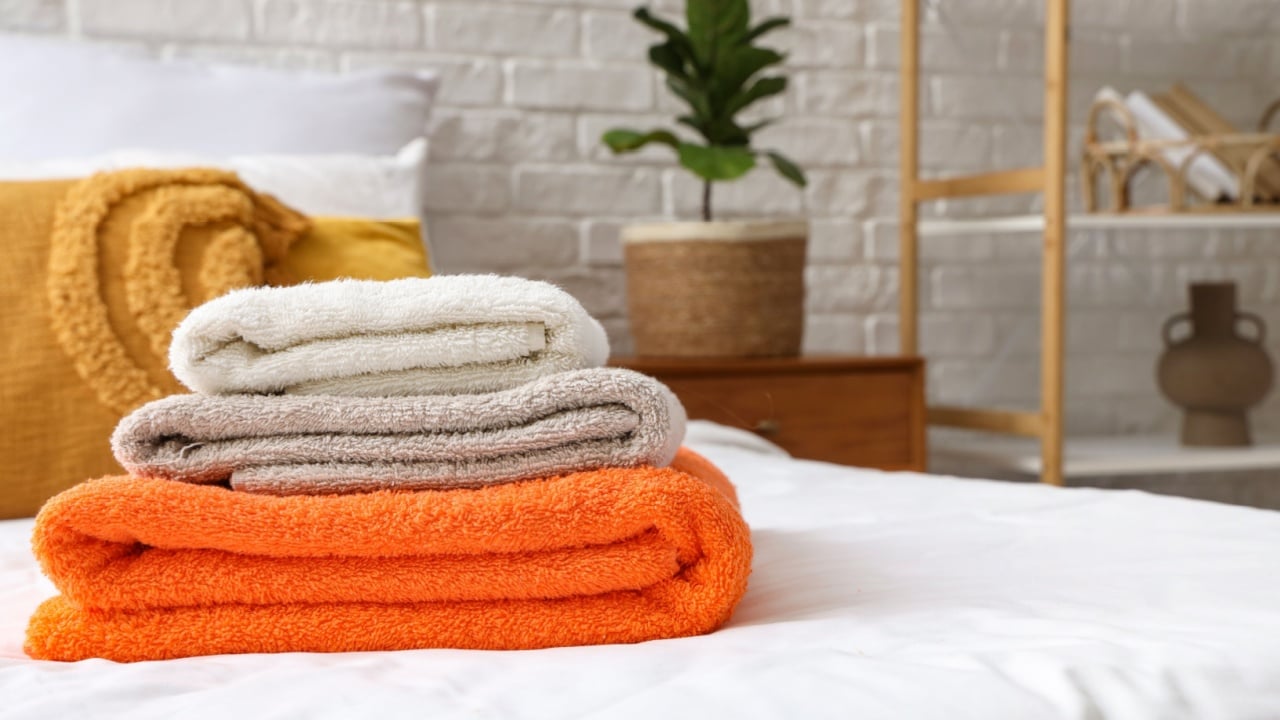
Staring at that overflowing linen closet creates a specific kind of guilt. It holds those faded, frayed, and possibly bleached-stained cloths you refuse to throw away yet never actually use for drying off after a shower (we’re talking towel and beyond, like sheets and duvets). Tossing them feels wasteful because it is. Textiles decomposing in a landfill generate methane and take nearly forever to break down.
Keeping them around without a purpose just creates clutter. You need a plan to move those fabrics from the “shame shelf” back into active duty. Terry cloth is highly absorbent, durable, and free since you already own it. With a pair of scissors and occasionally a needle, you can transform that bathroom reject into something genuinely useful for your home and garden.
Here are 12 smart ways to do just that.
1. Fabricate Soft Ties for Garden Support

Standard plastic garden ties or wires often slice into delicate plant stems as they grow. This causes damage and introduces pathways for disease. Your old towels offer a far gentler solution for staking tomatoes or supporting heavy blooms.
Cut the fabric into strips roughly one inch wide. The soft loops of the terry cloth cushion the stem against the stake or trellis. It allows the plant to move slightly in the wind without snapping. Since the material is cotton, it will eventually break down naturally if a piece falls into the soil, unlike plastic ties that linger in your garden beds for eternity.
2. Shield Delicate Foliage From Frost
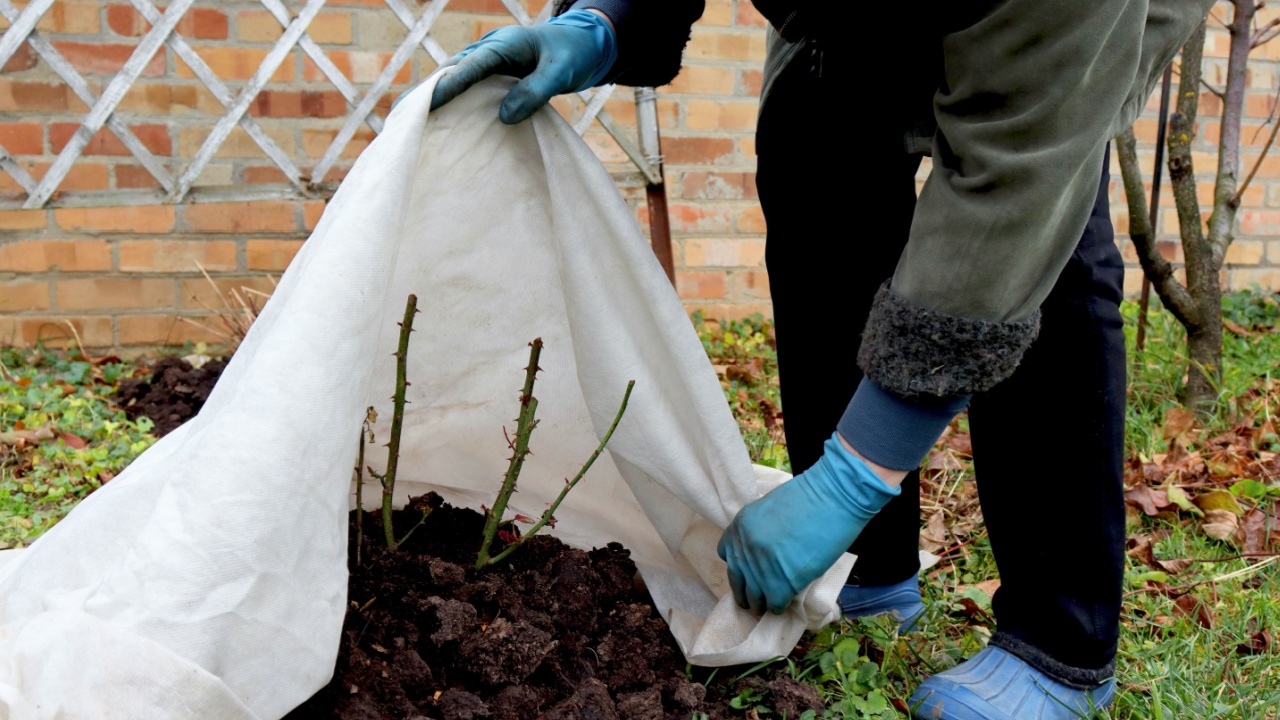
Unexpected cold snaps wreak havoc on a garden. Expensive frost blankets work well, but your linen closet holds a free alternative. Heavy bath towels provide excellent insulation for potted plants and tender seedlings when temperatures drop near freezing.
Drape dry towels over sensitive plants before the sun goes down to trap ground heat. For container plants, wrap the towel around the pot itself. This keeps the root ball warmer than the ambient air temperature. Remove the covers in the morning once the frost melts so your plants get sunlight. This method saves your hydrangeas without costing a dime.
3. Construct a Self-Watering Wick System
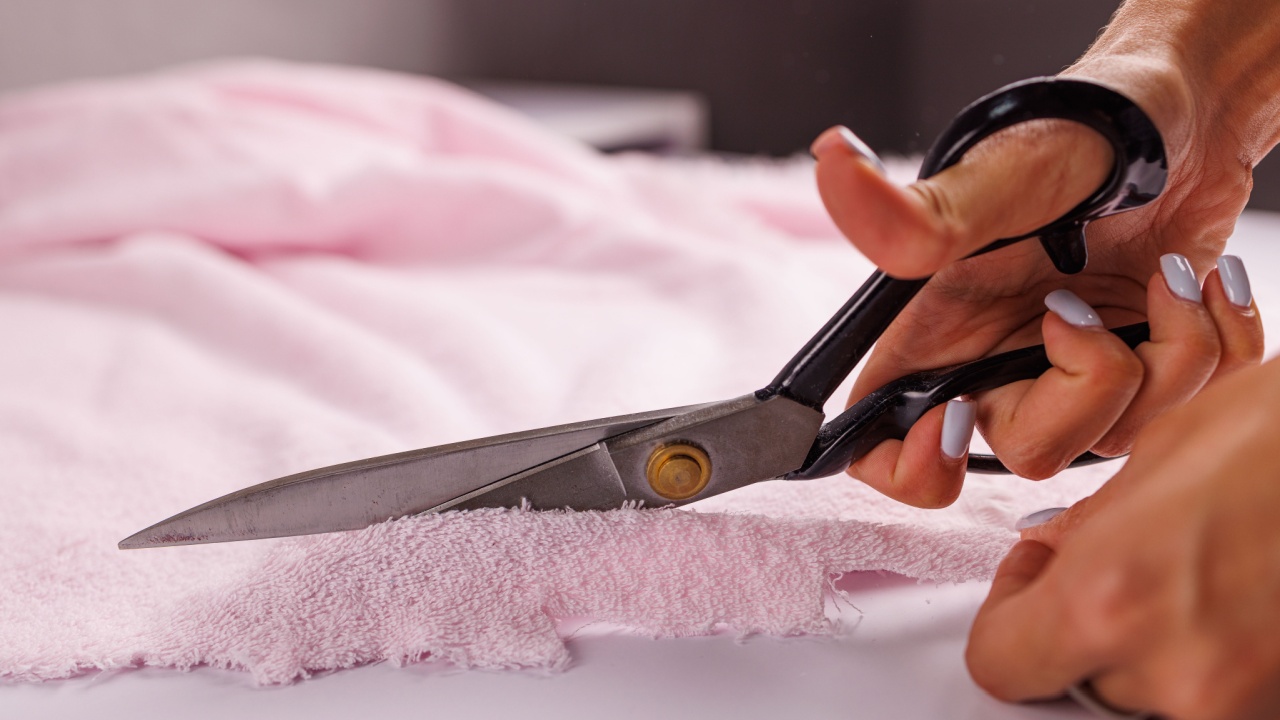
Keeping plants watered while you go on vacation presents a logistical nightmare. You could beg a neighbor, or you could use a towel. This relies on capillary action to move water from a reservoir to your plant’s soil.
Cut a long strip of a cotton towel. Bury one end deep into the soil of your potted plant and place the other end into a container of water sitting slightly higher than the pot. The water travels along the fabric wick, delivering moisture directly to the roots. It prevents the soil from drying out completely while you enjoy your trip.
4. Assemble a Cushioned Kneeling Pad
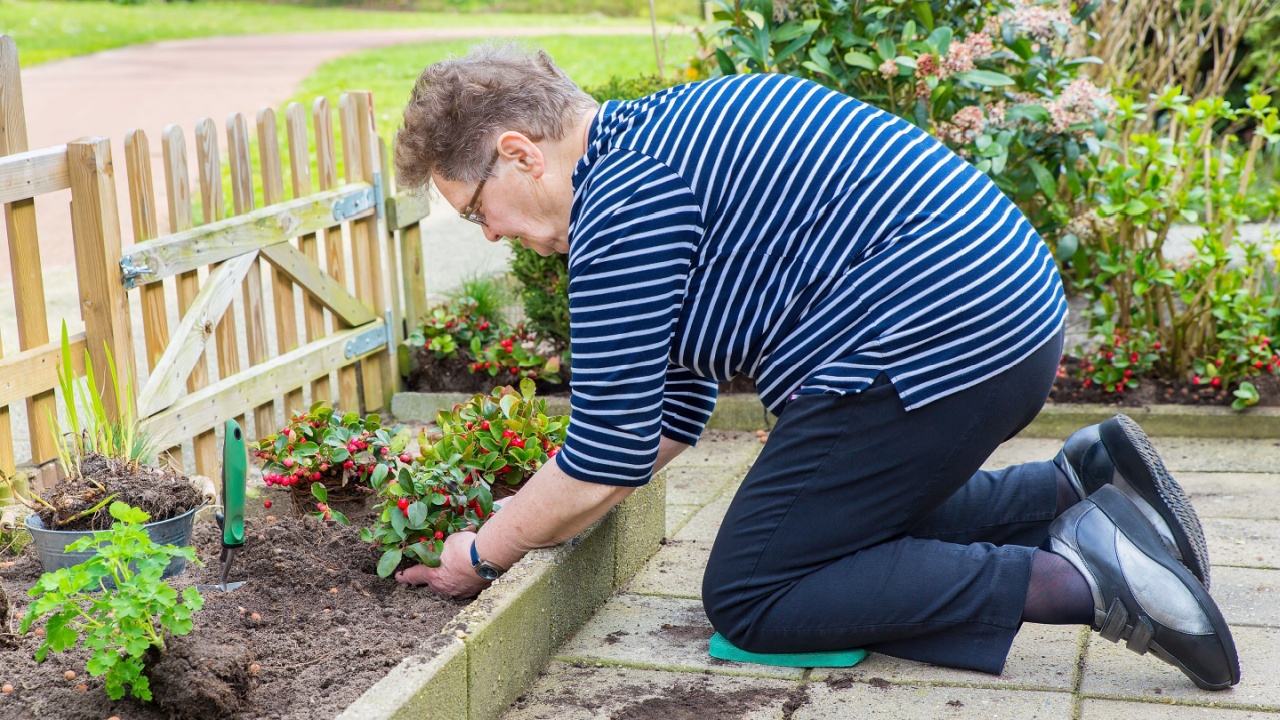
Gardening demands a lot from your knees. Roots, rocks, and hard patio surfaces make weeding painful work. Flimsy foam pads degrade quickly outdoors, but a thick towel pad withstands rough terrain.
Fold a large bath towel multiple times until you achieve the desired thickness. You can sew the edges to keep it tidy or stuff the folded towel into a waterproof casing, like an old vinyl tablecloth or a heavy-duty freezer bag sealed with duct tape. This provides dense cushioning that you can easily throw in the washing machine when it inevitably gets covered in mud.
5. Fashion a Patchwork Picnic Blanket
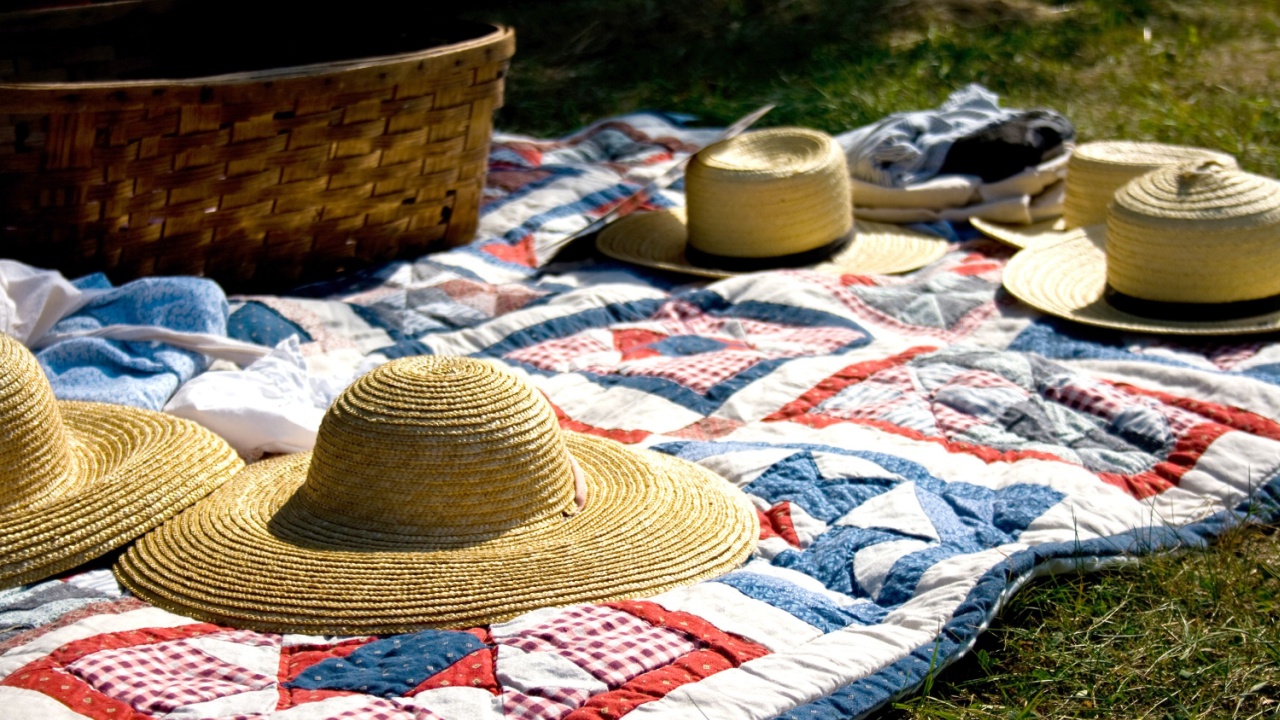
Outdoor blankets need to handle grass stains, spilled soda, and damp ground. Using a pristine quilt for a park outing usually ends in regret. Old towels are born for this job. They soak up spills instantly and wash easily.
Take four or six large bath towels and trim off any hard, frayed edges. Stitch them together side-by-side to form one massive rectangle. The resulting blanket is thick, heavy enough not to blow away in a breeze, and perfect for damp lawns. If you want a moisture barrier, sew a shower curtain liner to the bottom side.
6. Stitch a Heavy-Duty Garden Tote
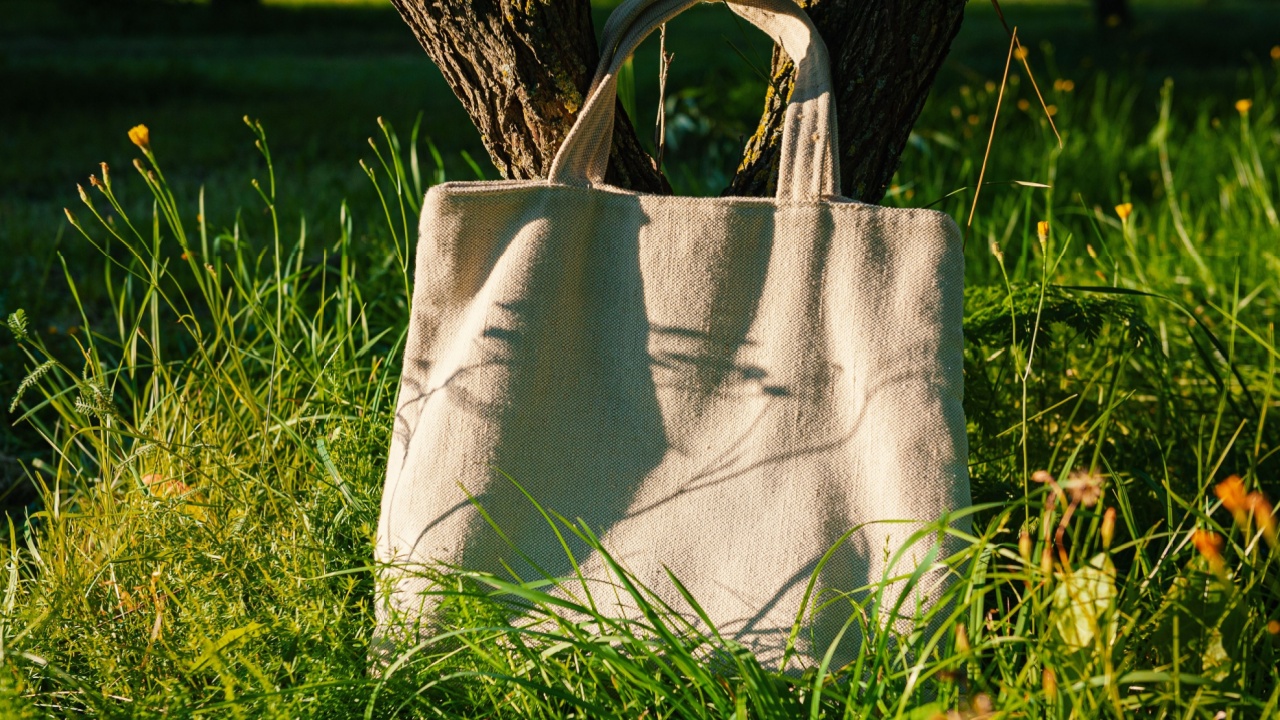
Carrying hand tools, seed packets, and harvested vegetables requires a bag that breathes and washes well. Plastic bags rip, and canvas totes stain. Towel fabric is tough and scrubbable.
Fold a standard hand towel or bath towel in half. Stitch up the two sides to create a pouch. Use strips from another towel or old belts to attach handles at the top. This creates a soft, unstructured bag perfect for gathering muddy carrots or potatoes. When the bag gets filthy, simply turn it inside out and run it through the hot cycle.
7. Design a No-Sew Mudroom Rug
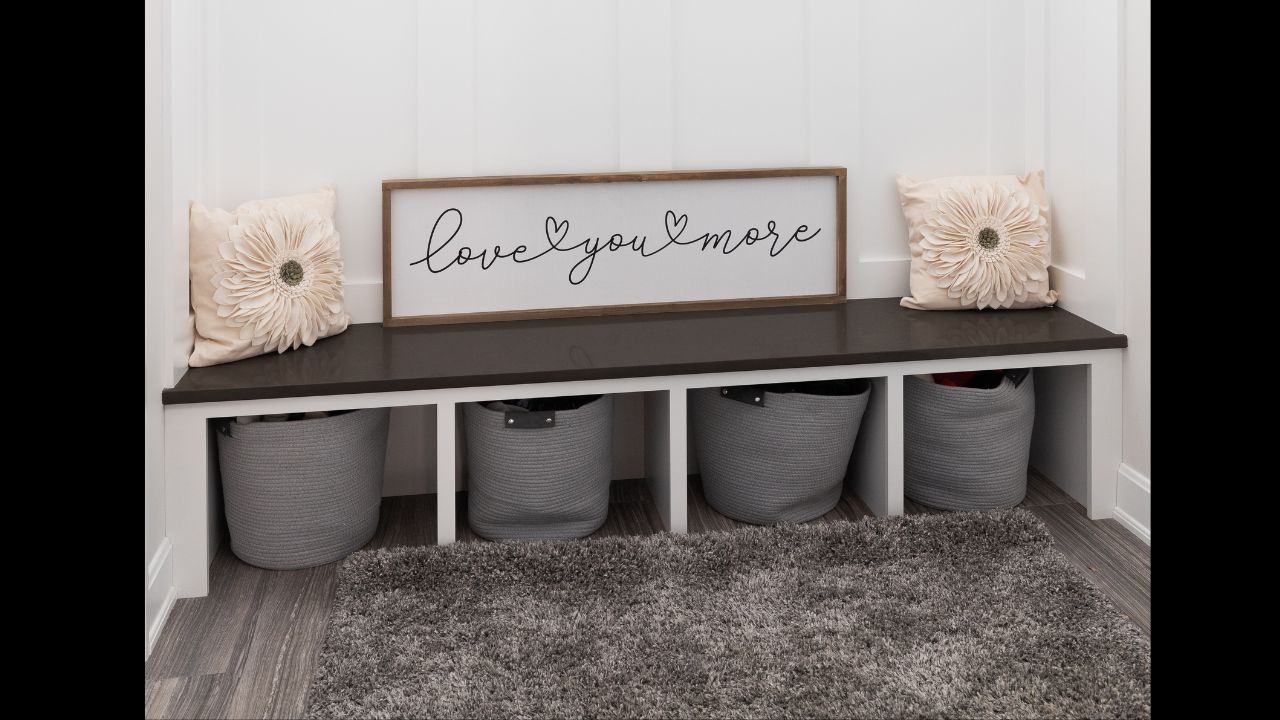
Muddy boots ruin floors. You need something at the entryway that grabs dirt aggressively. The loop pile on towels excels at scrubbing debris off shoe soles (not pictured above).
Cut towels into strips roughly one inch wide. Purchase a non-slip rug mat or a piece of latch-hook canvas grid. Tie the towel strips onto the grid using a simple knot until the entire surface looks full and fluffy. This “shag” style rug absorbs massive amounts of water from rain boots and traps grit before it enters the main house.
8. Roll Draft Stoppers for Drafty Doors
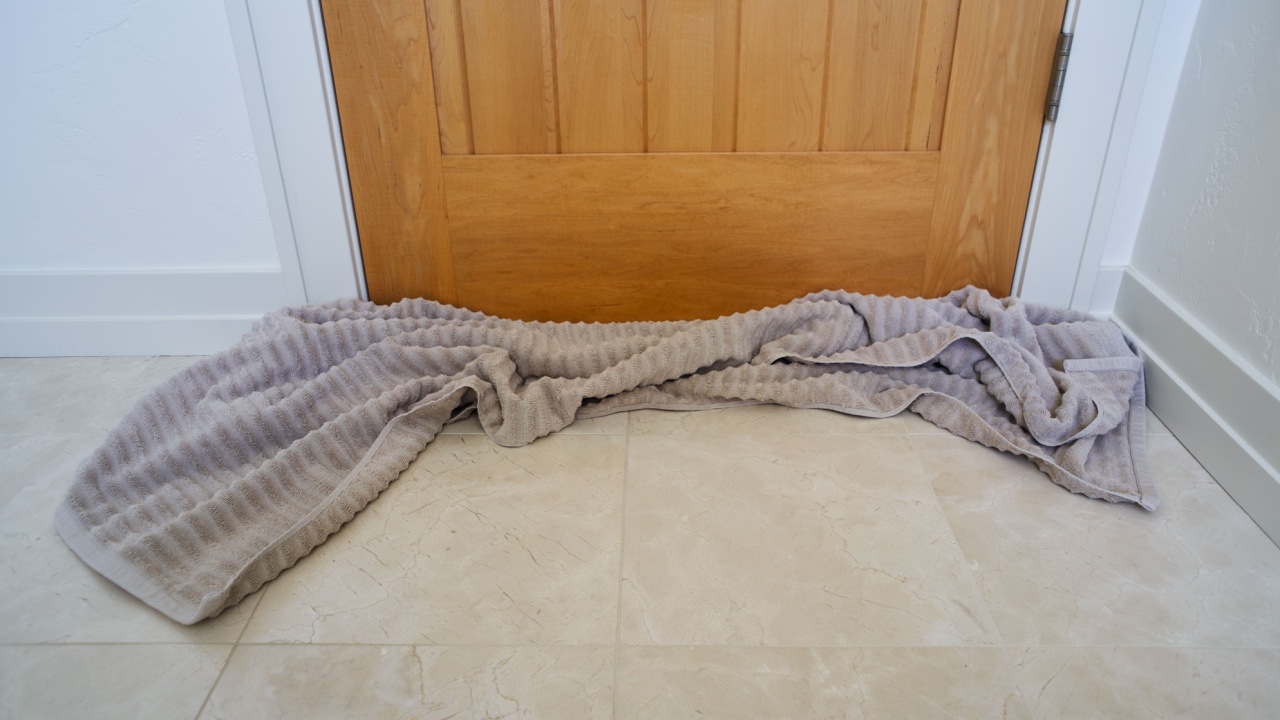
Heating your neighborhood instead of your living room burns money. Gaps under exterior doors let cold air rush in and warm air escape. A rolled towel blocks that airflow effectively.
Roll a bath towel tightly into a cylinder or “snake” shape. Secure it with twine or rubber bands at the ends and middle to hold the shape. Slide this roll against the bottom of the door crack. For a more permanent solution, sew the towel into a tube, fill it with kitty litter or dry beans for weight, and stitch the ends closed. It stays in place and creates a thermal barrier.
9. Convert to Reusable Mop Heads
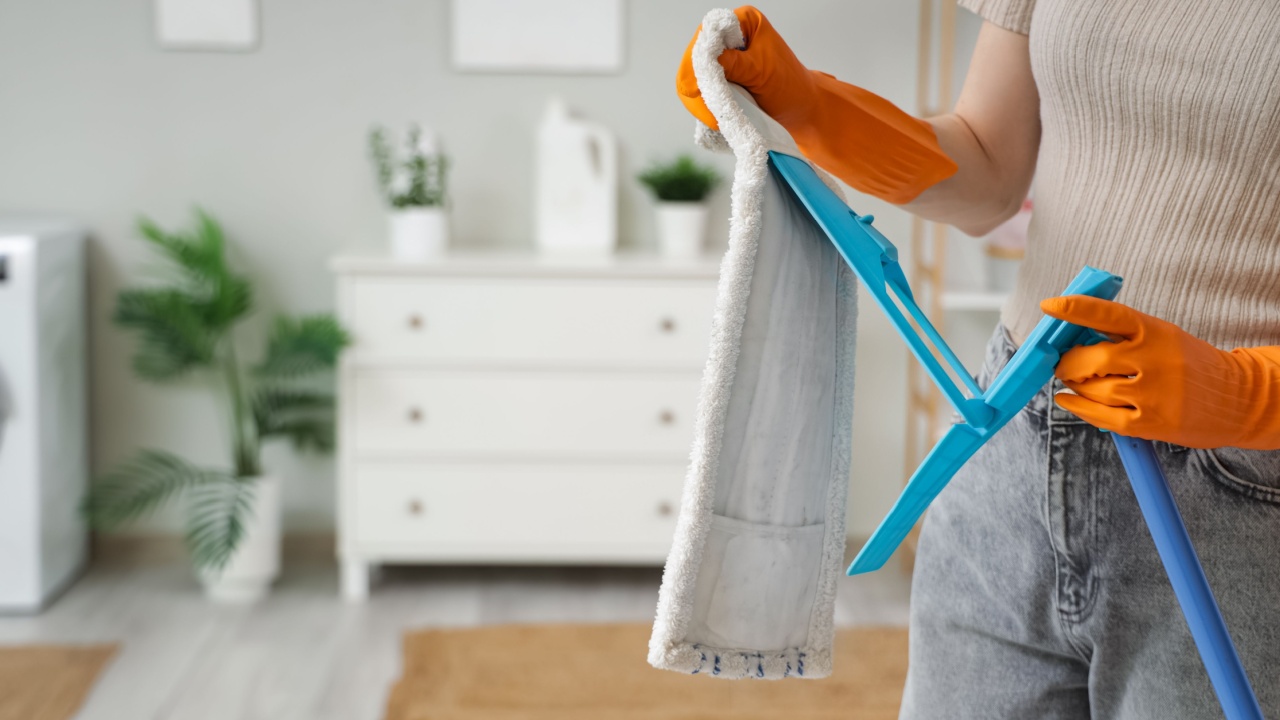
Disposable mopping pads for systems like Swiffer are convenient but expensive and wasteful. You pay for the privilege of throwing paper in the trash. Towel scraps clean floors better because the texture scrubs away dried spots.
Measure the head of your mop. Cut a section of towel slightly larger than those dimensions. Wrap the fabric around the mop head and push the corners into the grippers, or attach velcro strips if your mop uses them. Wet the towel with your cleaning solution and mop as usual. When finished, peel it off and wash it. You never have to buy a refill pack again.
10. Sizing Down for Kitchen Rags
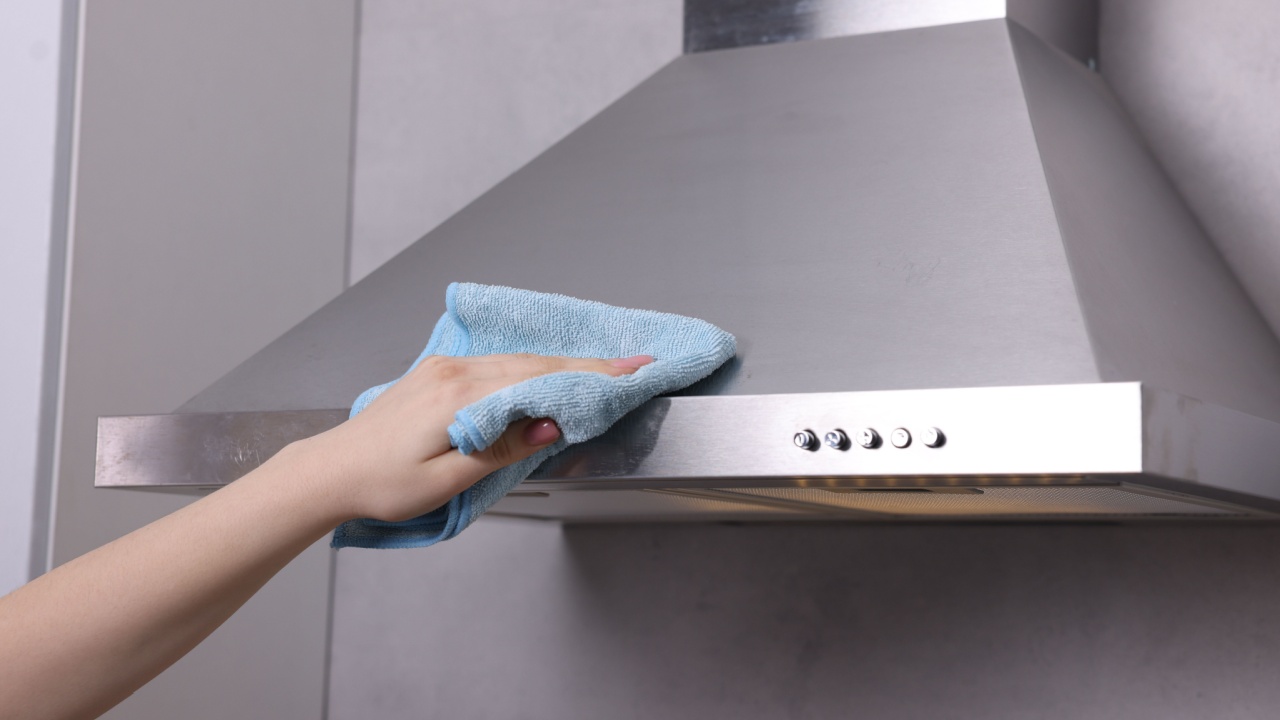
Paper towels are a drain on your budget. Most kitchen spills do not require a pristine sheet of paper derived from a tree. They just need something absorbent. Cut old bath towels into squares. You can leave the edges raw if you do not mind fraying, or use pinking shears to reduce the unraveling.
Keep a basket of these under the sink. Use them for wiping counters, cleaning up dropped eggs, or scrubbing the stovetop. They hold more liquid than paper and handle scrubbing without tearing apart.
11. Refresh Pet Bedding and Liners

Pets do not care if their bedding matches the curtains. They care about comfort and scent. Towels make excellent crate liners or stuffing for pet beds because they are soft and familiar.
Fold towels to fit the bottom of a crate for easy cleanup during house training. For a DIY pet bed, take an old pillowcase or sew a large towel pouch and stuff it with shredded scraps of other unusable towels. This creates a lumpy, nest-like bed that dogs and cats often prefer over expensive memory foam. It costs nothing to replace if a puppy chews a hole in it.
12. Craft Durable Potholders
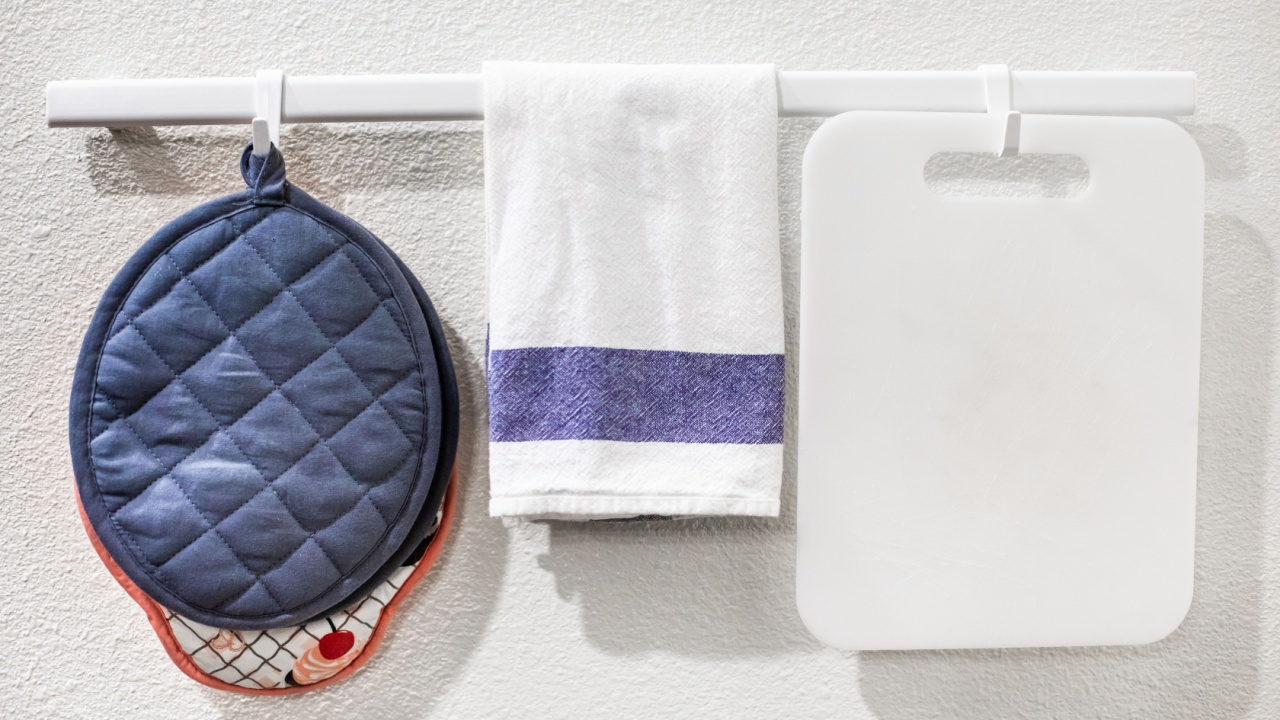
Store-bought potholders often have weak spots where the heat comes through. Layered terry cloth offers superior thermal protection for your hands. Cut squares from your thickest towels. Stack three or four layers together. Sew an X across the center to hold the layers in place, then bind the edges with bias tape or a strip of contrasting fabric.
These potholders are thick, flexible, and withstand high temperatures. Verify the towel is 100% cotton before doing this, as synthetic blends can melt when touching a hot pan.
Give Your Towels New Life
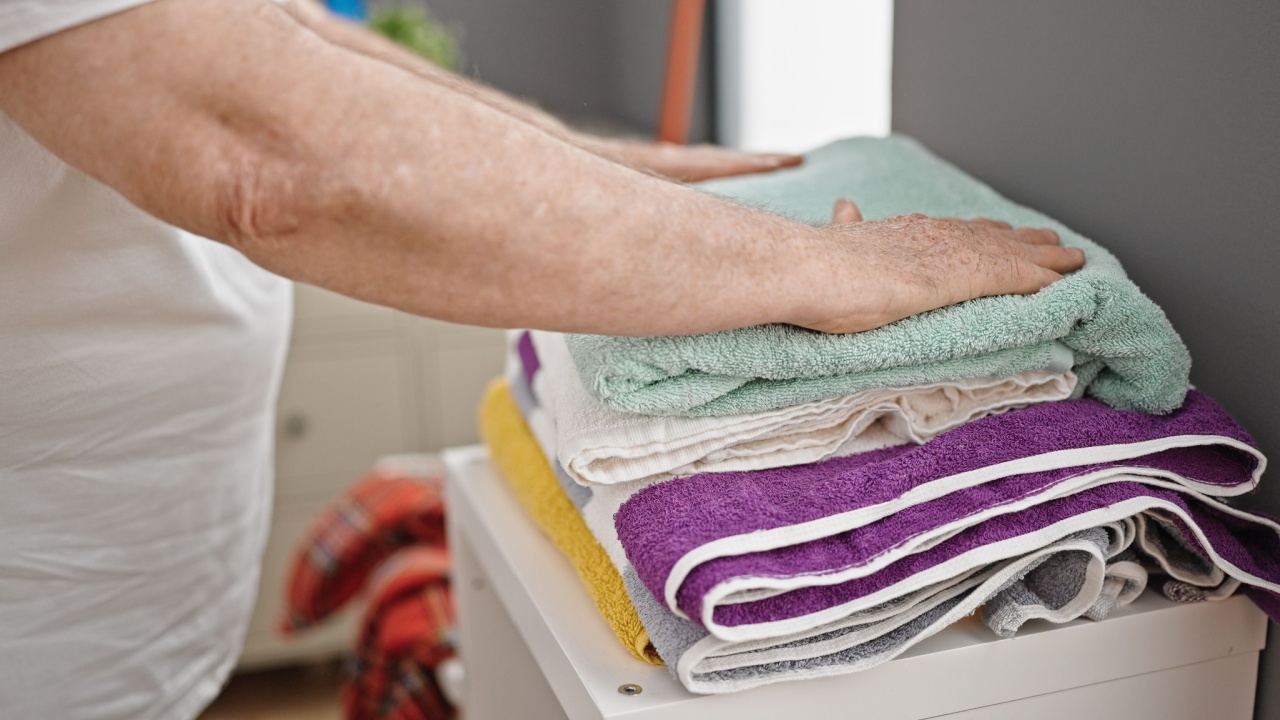
There are many ways to upcycle your clothes and towels. Before you start cutting, wash and dry your towels one last time without using fabric softener. This maximizes their absorbency right from the start. Sort your pile by thickness; save the plush ones for rugs and knee pads, and relegate the threadbare ones to garden ties or stuffing.
Taking a few minutes to repurpose these textiles solves household problems and keeps trash out of the bin. You get free gardening tools and cleaning supplies, and your linen closet finally has space for guests to actually find a clean towel. Grab the scissors and reclaim that shelf space.