12 Items Sneakily Taking Over All the Counter Space
Sometimes the kitchen counter starts as a pristine, empty surface meant for chopping vegetables or kneading dough. Then, slowly but surely, it transforms into a holding cell for random objects that don’t seem to have a home anywhere else.
It’s not that we’re messy people; it’s just that life has a way of depositing small, seemingly innocent items onto flat surfaces until you can barely see the granite underneath.
If you’ve ever looked at your kitchen island and wondered how a single receipt turned into a paper mountain, or why you own so many charging cables for devices you haven’t seen since 2015, you are in a safe space.
We aren’t here to judge your organizational skills. Instead, we’re going to identify the usual suspects cluttering up your prep space and figure out exactly how to evict them.
1. Paper Receipts
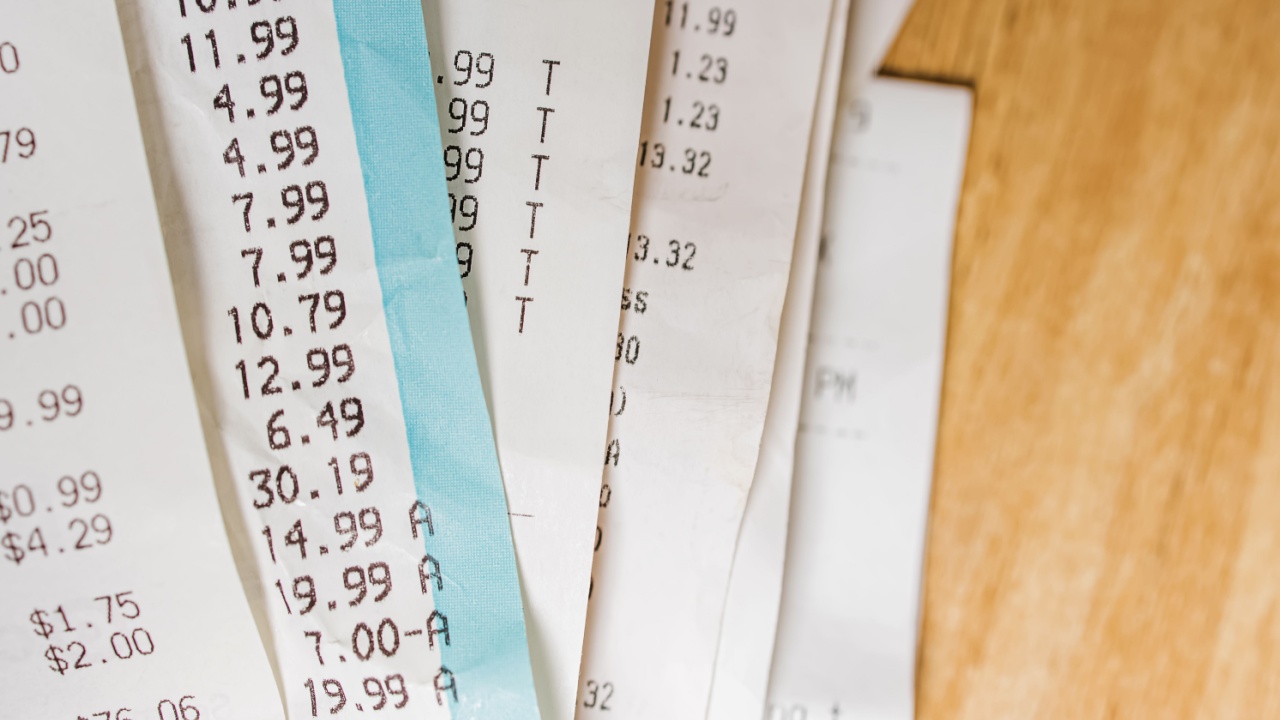
A single receipt seems harmless enough. But give it a week, and you have a drift of thermal paper that makes your kitchen look like an accounting office during tax season. Most of the time, the ink fades before you ever need to reference the purchase. Unless you need it for a specific tax deduction or a warranty, that receipt serves no purpose.
Stop taking them unless necessary. If you do need a record, snap a photo of it immediately and toss the physical copy in the recycling bin. There are plenty of apps designed specifically for digitizing receipts, turning that paper pile into searchable data on your phone.
2. Plastic Grocery Bags
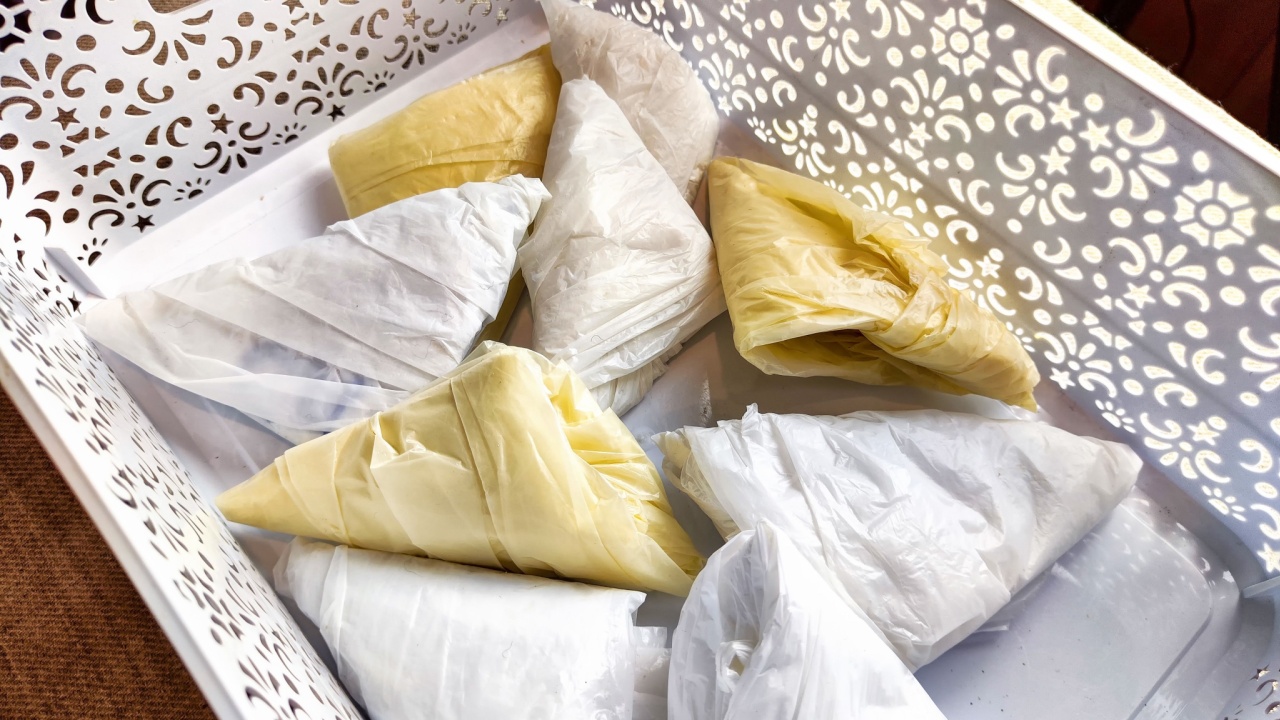
You probably have a “bag of bags” somewhere. Maybe it’s under the sink, maybe it’s stuffed into a drawer, or maybe it’s currently overflowing onto your counter. We keep them because we might need them for a small trash can liner or dog walking duty. But the rate at which they enter our homes usually outpaces how fast we use them.
They are bulky, unruly, and visually chaotic. A tangled nest of plastic bags takes up space that could be used for actual kitchen appliances. Also, doesn’t seeing them remind you of the chores you haven’t done yet? Limit your stash. Keep only what fits into one small dispenser or an empty tissue box. Once that container is full, recycle the rest at your local grocery store drop-off.
3. Unused Charging Cables

How many white cords do you own? And do you know what any of them actually charge? Every gadget comes with a cable. When the gadget dies or gets upgraded, the cable somehow stays behind, winding itself around other cables in a knot that defies physics. This is “spaghetti clutter.” It looks messy and causes unnecessary frustration when you’re trying to find the one cable you actually need.
You end up digging through a snake pit of USB-A, USB-C, and Lightning cables just to charge your phone. Be ruthless. If you don’t know what it charges, you probably don’t need it. Gather them all up. Match them to their devices. If you find a cable with no partner, put it in a “probation box.” If you haven’t needed it in six months, donate it to an electronics recycler.
4. Mismatched Plastic Food Containers
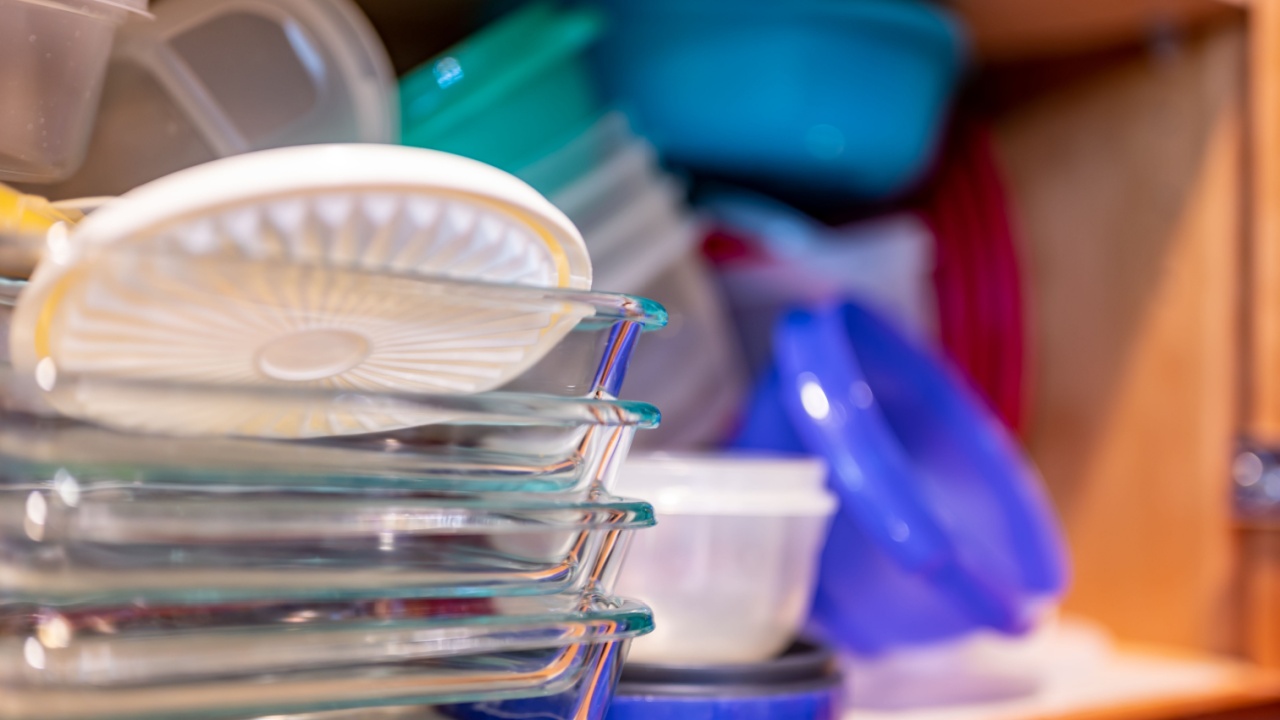
This is the classic kitchen tragedy: a cabinet full of tubs and lids, none of which fit each other. The orphaned bottoms often end up stacked on the counter to dry or just because you don’t have the emotional energy to fight with the cabinet avalanche.
Stacking them on the counter just moves the chaos from inside the cupboard to out in the open.
It makes meal prep harder because you’re constantly shuffling plastic towers around.
Pull everything out. Match every bottom to a top. If a piece doesn’t have a partner, it goes in the recycle bin immediately. Consider switching to a nesting system or glass containers, which tend to warp less and are easier to keep organized. They may also be adding microplastics to your food, so that swap will keep you healthier too.
5. Junk Mail

The journey from the mailbox to the recycling bin is often interrupted by the countertop. You bring the mail inside, drop it on the nearest surface, and promise to sort it later. “Later” turns into days, and suddenly you have a stack of credit card offers, flyers for windows you don’t need, and catalogs for stores you’ve never visited.
Junk mail is invasive. It demands your attention and clutters your mind with offers you didn’t ask for. It also hides the important mail, bills, personal letters, or tax documents—making it easy to miss deadlines. Sort through the recycling bin. Don’t even let the junk mail touch the counter. Treat it like a hot potato. For the mail you need to keep, have a designated “action” basket or file folder, rather than a loose pile.
6. Instruction Manuals
You bought a toaster three years ago. Do you really need the manual in five different languages sitting on your counter “just in case”? We tend to keep these booklets because they feel important, representing the expensive appliance we just bought.
Paper manuals are bulky and rarely used. When was the last time you consulted the physical manual for your blender? Exactly.
They collect dust and take up space that could be used for a nice fruit bowl or… nothing at all. Almost every manual exists as a PDF online. Find the model number, download the digital version to a folder on your computer or cloud drive, and recycle the paper copy. If you must keep a paper version (perhaps for a very complex appliance), file it away in a cabinet, not on your workspace.
7. Orphaned Socks
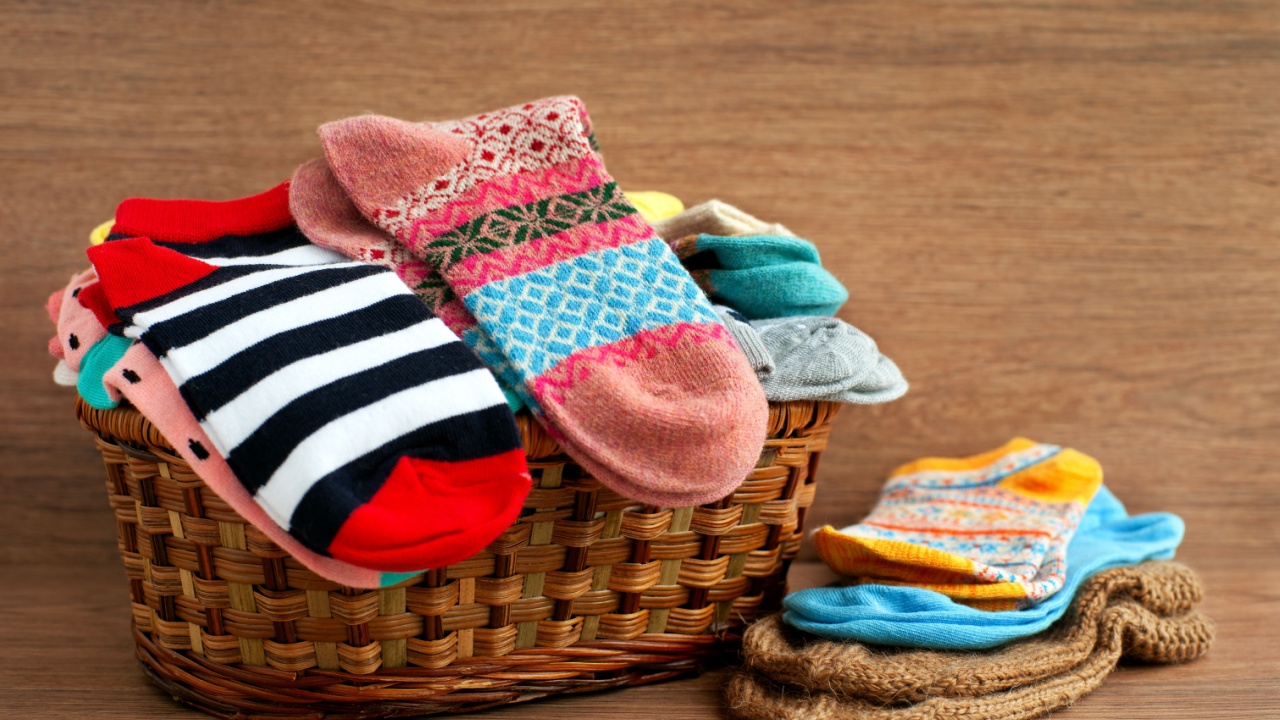
It’s a mystery why laundry often ends up on the kitchen counter, but it does. And the most persistent remnant of that pile is the single sock. You leave it there, hoping its mate will emerge from the dryer like a lost traveler returning home. Clothing doesn’t belong where you prepare food. It’s unsanitary and visually confusing.
A sock on the counter signals that chores are unfinished, preventing you from fully relaxing. Establish a “lost and found” basket in the laundry room, not the kitchen. If the mate doesn’t show up after a few wash cycles, repurpose the sock as a dusting rag or toss it. Don’t let your kitchen island become a waiting room for lost textiles.
8. Old Keys

We all have that bowl or hook with keys to… somewhere. A previous apartment? A bike lock you lost in 2008? A neighbor’s house from three moves ago? They sit there, heavy and metallic, adding to the visual noise. Keeping useless keys creates a false sense of security and actual confusion.
In an emergency, or even just a rush to get out the door, you don’t want to be fumbling through five rusty keys to find the one that starts your car. Test them. If you can’t identify what a key opens, it’s just scrap metal. Many hardware stores have recycling programs for old keys. Label the ones you do keep so you never have to play the guessing game again.
9. Promotional Stickers
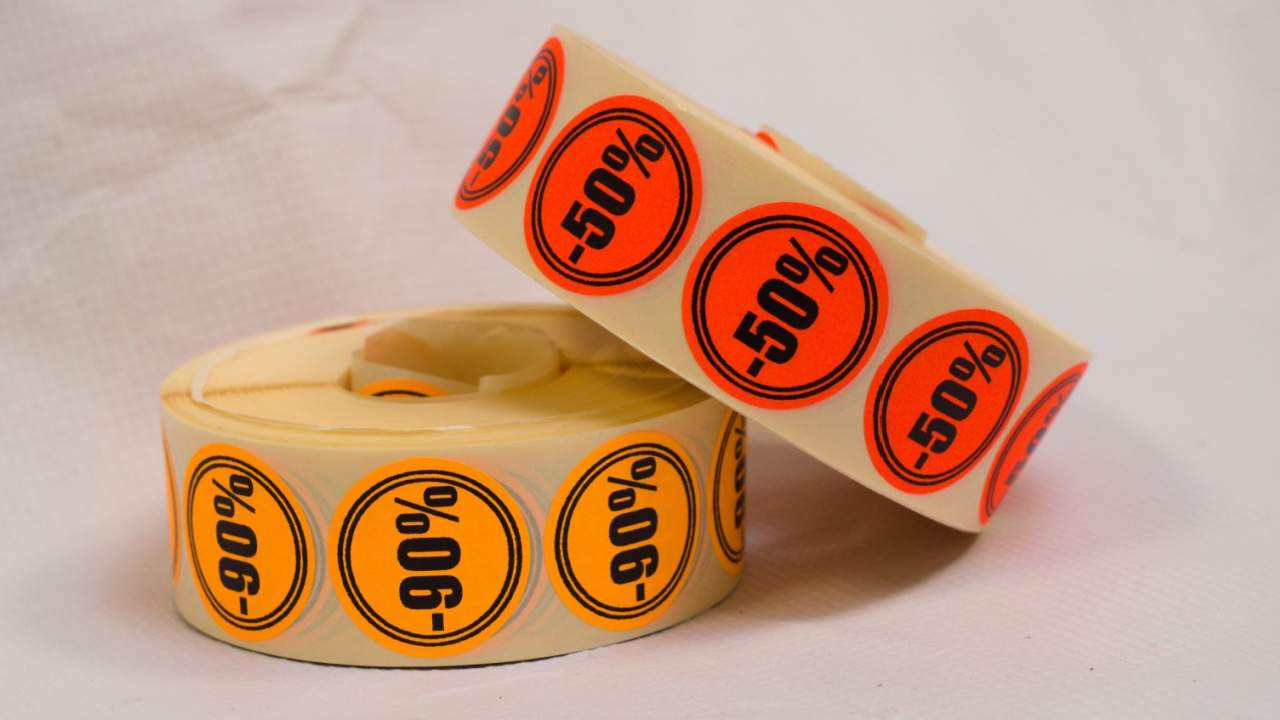
Whether they come with new tech gear, fruit, or as handouts at local events, promotional stickers have a way of migrating to counters. They peel, they stick to things they shouldn’t, and they create a sense of debris. They are essentially trash masquerading as decoration.
Unless you have a specific place you intend to stick them immediately (like a laptop or water bottle), they are just sticky litter. Be decisive. If you love the sticker, stick it somewhere permanent right now. If you don’t, into the bin it goes. Don’t let them float around waiting for a purpose.
10. Saved Bottle Caps
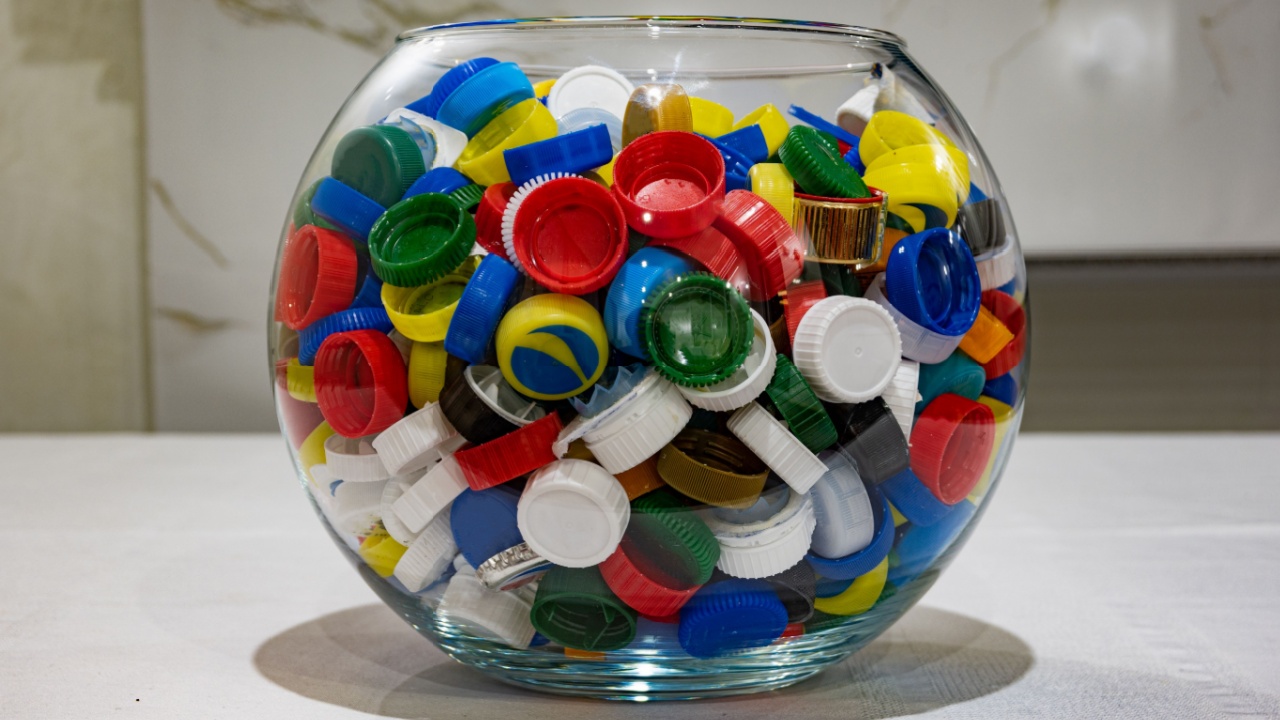
Maybe you saw a craft project on Pinterest once. Maybe you collect them for a school charity drive that ended two years ago. Whatever the reason, bottle caps accumulate in jars and bowls, rattling around and gathering dust. Unless you are actively doing that craft project this weekend, you don’t need it.
Collections need to be curated and stored properly, not left scattered across food preparation zones. Be honest about your crafting ambitions. If you haven’t touched the caps in months, recycle them. If you are saving them for a cause, put them in a bag in your car trunk so they are ready to be dropped off next time you are out.
11. Printed Photos
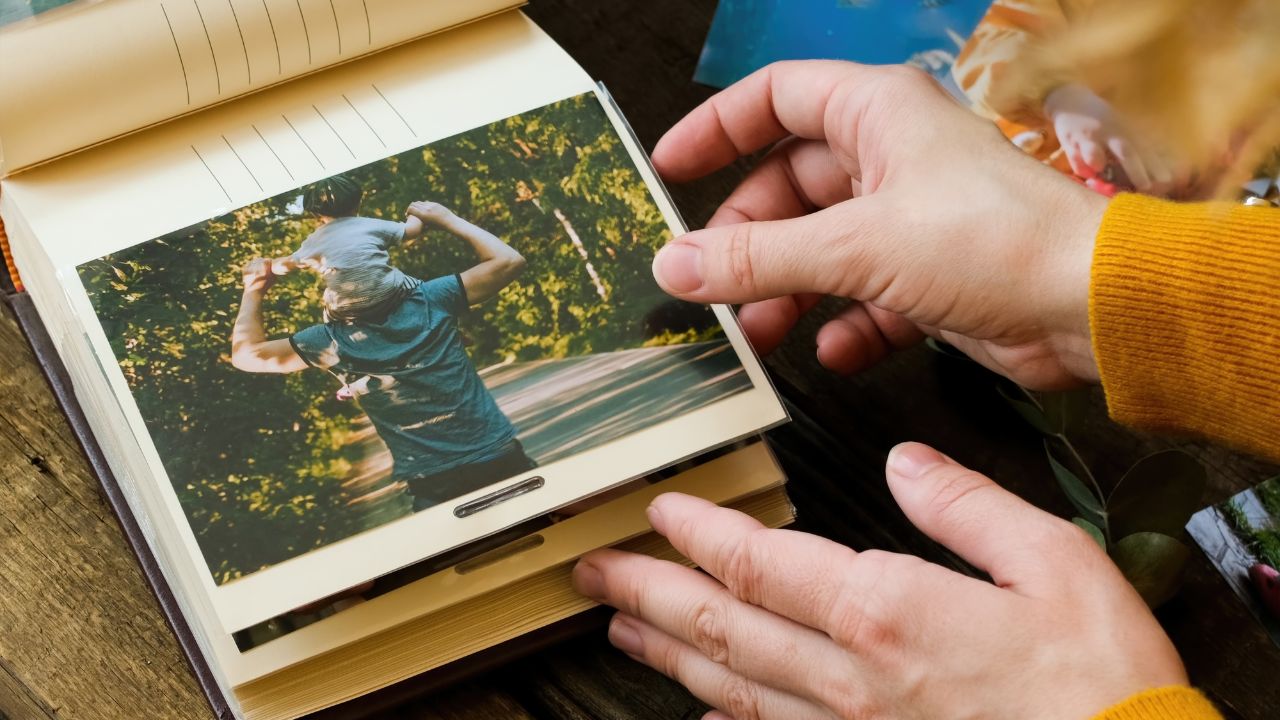
Printed photos are rare and precious. That’s why we hesitate to put them away. We leave them in their envelopes or stacked loosely on the counter, intending to frame them or put them in an album. Nevertheless, your kitchen is a dangerous place for photos. Spills, grease splatters, and humidity can ruin them.
Leaving them in a pile also means you aren’t actually enjoying them; you’re just storing them in the open. Get an album or a dedicated photo box. If you want to see them, buy frames and hang them on the wall. Treat them like the memories they are, not like incoming mail.
12. Dried Flowers or Plant Trimmings
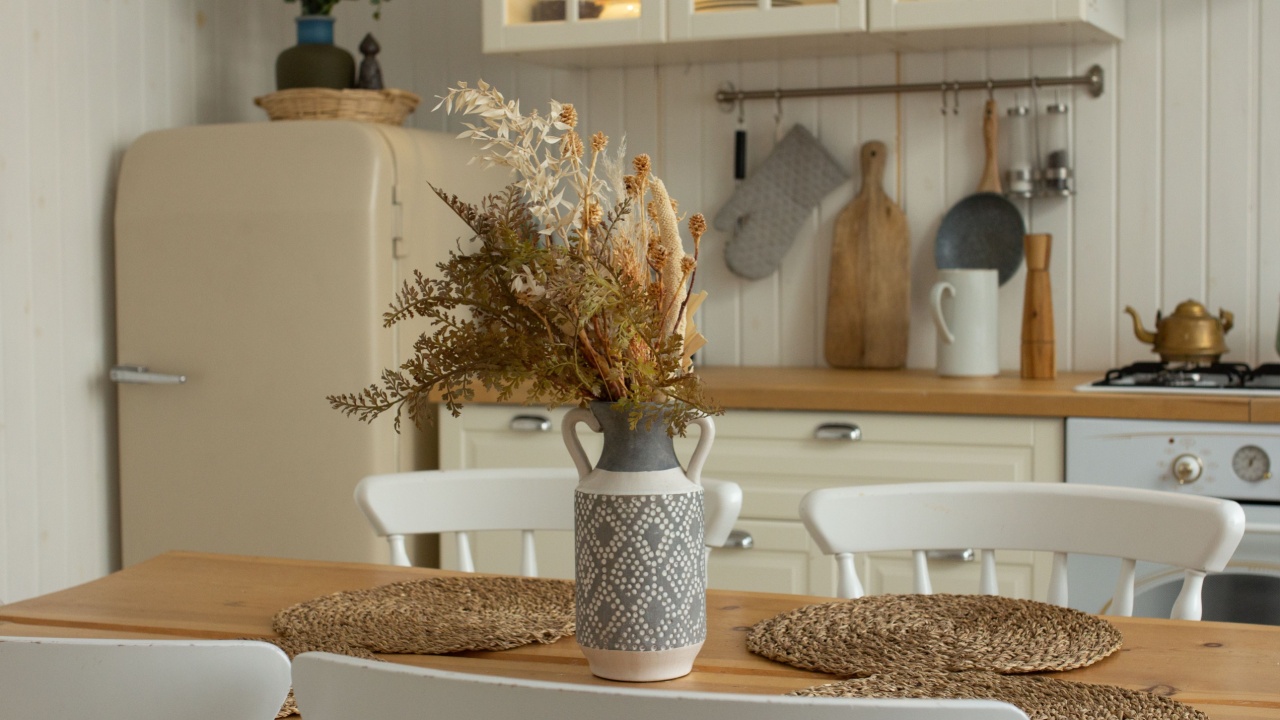
You brought in some lovely blooms from the garden. They looked great for a week. Now, they are crispy, brown skeletons shedding dust onto your clean counters. We often leave them because we feel bad throwing away nature, or we think we’re “drying” them. Dead plants are dusty and depressing.
They bring allergens into your prep space and crumble at the slightest touch, creating a mess you have to wipe up constantly. They are making your house cluttered unnecessarily. Compost them. Thank them for the joy they brought you when they were fresh, and let them return to the earth. If you want to dry flowers properly, hang them upside down in a dark, dry closet, don’t just leave them in a vase to wither.
Reclaiming Your Space

Looking at this list, you might realize your kitchen counters have become a catch-all for postponed decisions. That receipt represents a postponed budget check. The manual represents a postponed filing task. The mystery key is a postponed trip to the hardware store.
Don’t try to clear everything at once. That’s a recipe for burnout. Instead, choose one category from this list. Maybe today is just about the receipts. Tomorrow, tackle the charging cables. By removing these silent invaders one by one, you’re making your kitchen a functional space again.
Read More
6 Wasteful Things We Keep Buying That Make the House Cluttered