NASA Says This is How Many Houseplants You Need in Each Room
We all love the look of a lush, green living space, but is there such a thing as too much greenery? Or perhaps, not enough? Beyond just aesthetics, plants play a massive role in air quality and mental well-being. But striking the right balance between a jungle vibe and a functional living space can be tricky.
Interestingly, NASA has actually crunched the numbers on this. Their Clean Air Study provides some fascinating guidelines on how much greenery is needed to effectively filter toxins from the air. By following these recommendations, you can create a healthier home environment without turning your living room into an unmanageable forest.
Here is a breakdown of how many plants you should aim for based on room size and function to maximize both style and air purity.
1. Small Bedroom or Home Office
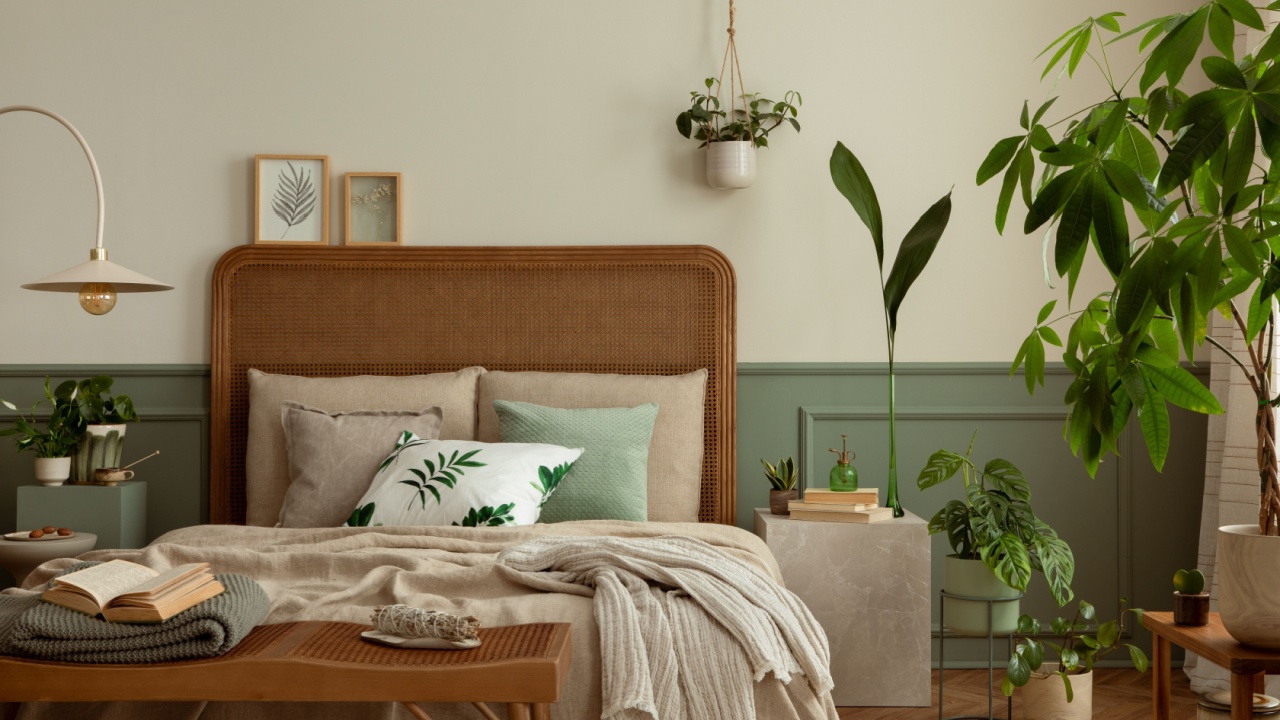
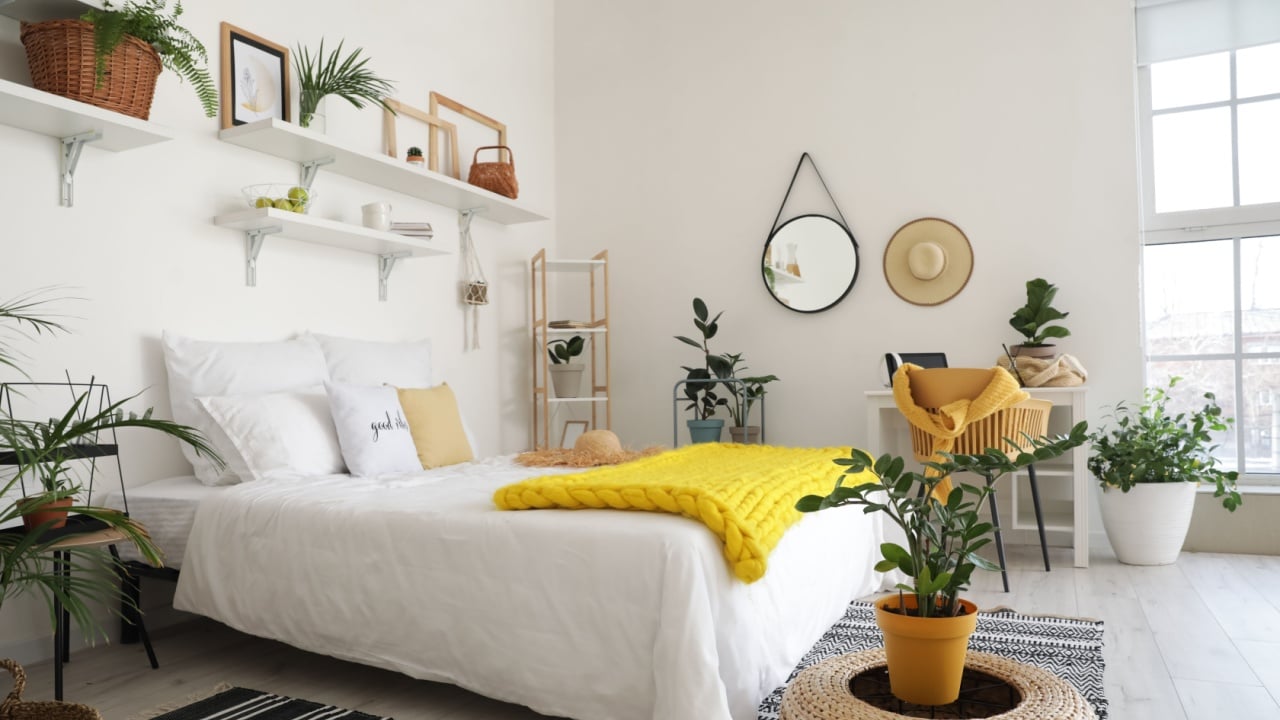
For smaller spaces like a standard bedroom or a cozy home office (roughly 100 square feet), you don’t need a massive amount of foliage to make a difference. NASA’s Clean Air Study demonstrated that plants can remove toxins in sealed environments. While NASA didn’t specify plant counts for homes, wellness experts often suggest 1 plant per 100 sq ft — meaning 2–5 plants for a small bedroom
Just two medium-sized plants can remove significant amounts of volatile organic compounds (VOCs).
Best Plants for Small Rooms:
- Snake Plant: Releases oxygen at night, making it perfect for bedrooms.
- Pothos: incredibly hardy and trails beautifully from a bookshelf.
- Spider Plant: Safe for pets and great at battling formaldehyde.
2. Living Room or Master Bedroom
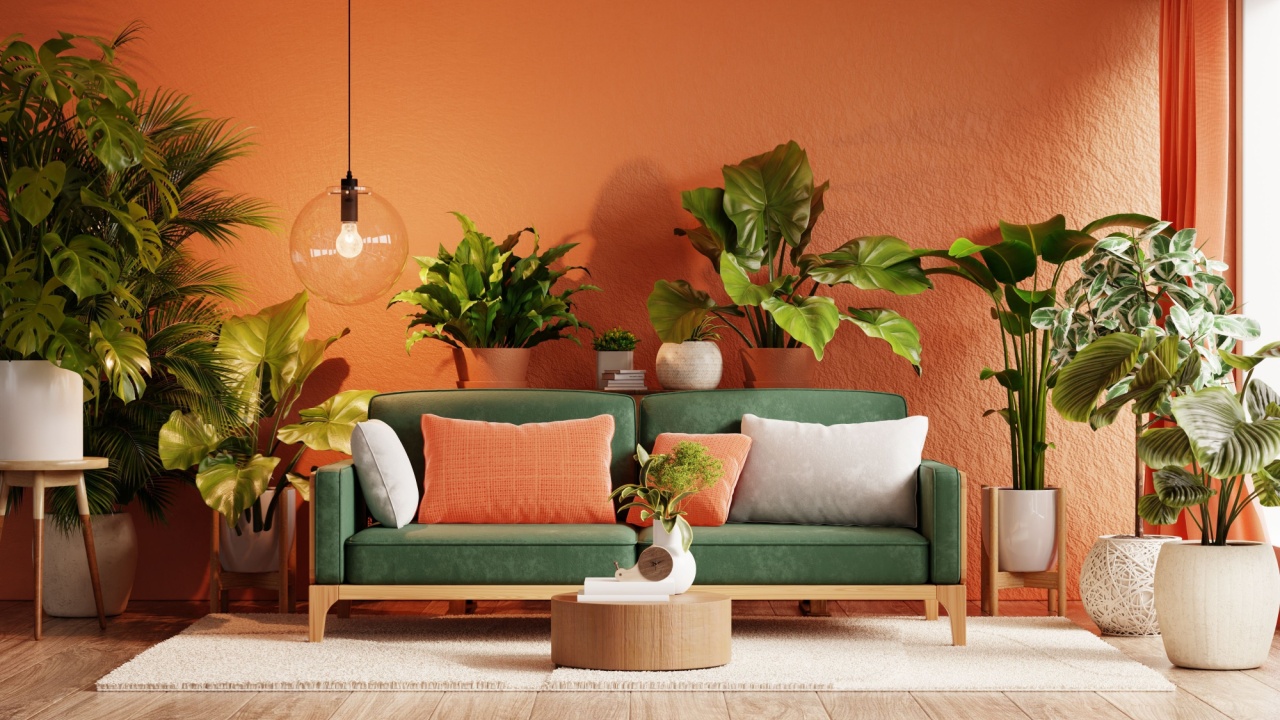
In a medium-sized room (around 200+ square feet), you have more volume of air to filter. To really feel the benefits, you need to scale up your collection.
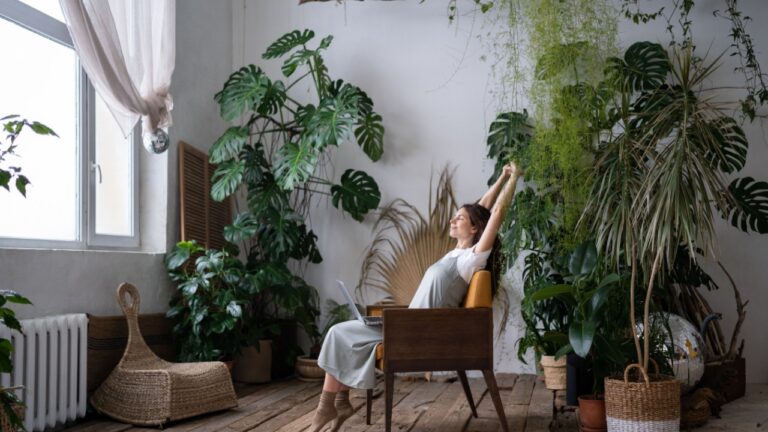
Aiming for 6–10 plants allows for a mix of floor plants and tabletop greenery. This quantity helps maintain humidity levels, which is fantastic for respiratory health, especially during dry winter months. This is also the size where you can start introducing “statement” trees.
Best Plants for Medium Rooms:
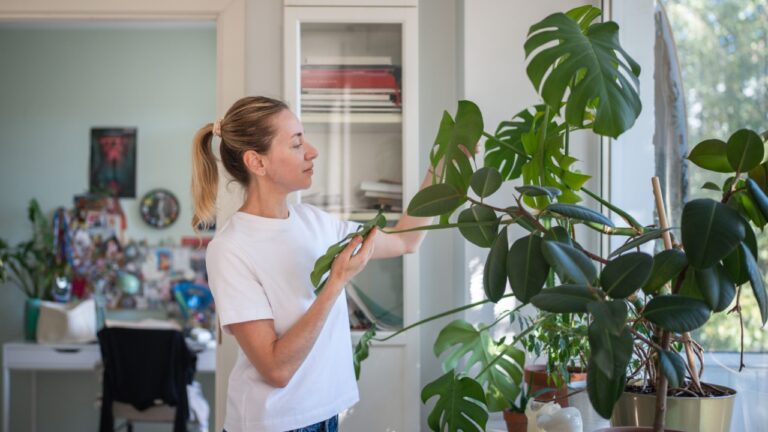
- Rubber Plant: Its large leaves are excellent at trapping dust and particles.
- Peace Lily: A heavy hitter for removing toxins like ammonia and benzene.
- Dracaena: Adds height and structure while filtering the air.
3. Open Concept Living/Dining
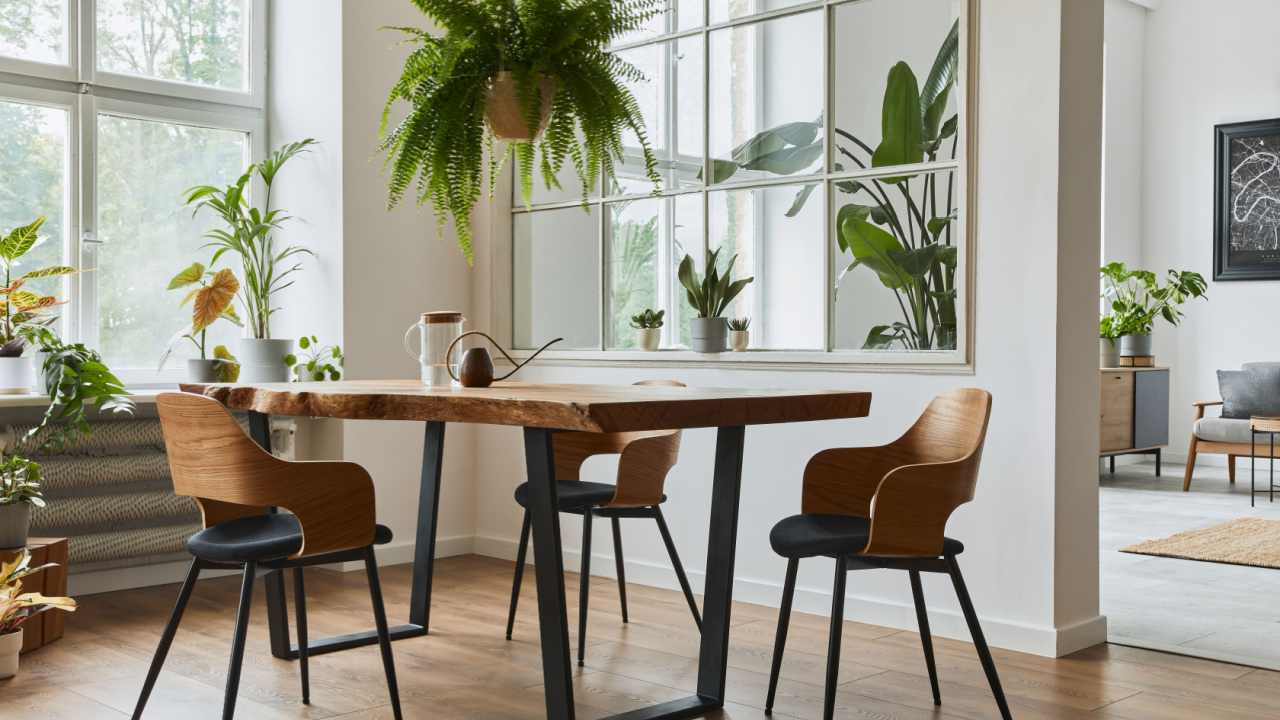
For large, open-concept spaces (roughly 700 square feet), you need a serious amount of biomass to filter the air effectively. While 35 plants might sound intimidating, this includes everything from large floor pots to small succulents on the windowsill.
To achieve 60% cleaner air in a space this large, you need around 16 plants. To reach optimum purification, you’d need closer to 32. The goal here is to integrate them into the decor so it doesn’t look cluttered. Use plant stands, room dividers, and wall-mounted planters to distribute the greenery evenly.
Best Plants for Large Rooms:
- Fiddle Leaf Fig: A stunning architectural piece that fills vertical space.
- Monstera Deliciosa: Fills empty corners quickly with massive, fenestrated leaves.
- Bamboo Palm: Adds a tropical feel and is top-rated for removing benzene and trichloroethylene.
4. The Bathroom (High Humidity Zone)
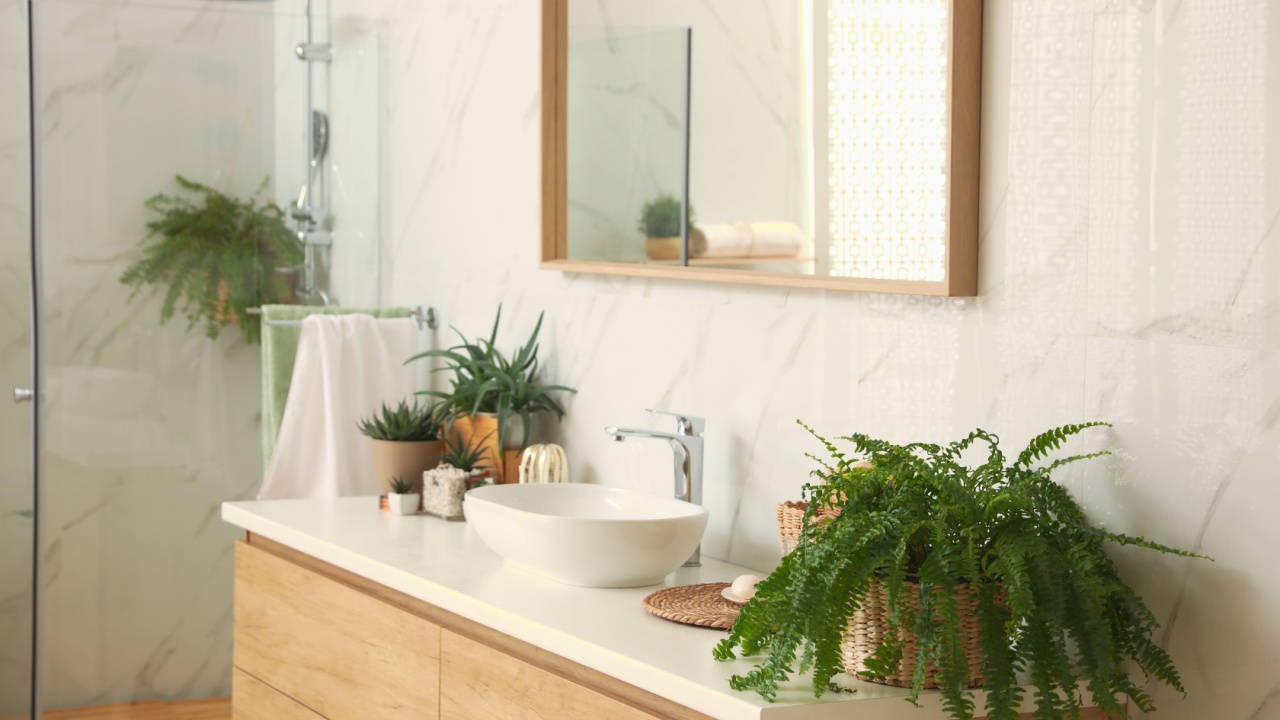
Recommendation: 1–3 Humidity-Loving Plants
While NASA didn’t specify bathroom counts, the logic of air volume applies. Bathrooms are typically small, but they have a unique challenge: high humidity and often low light. You don’t need many plants here, but you need the right ones.
Adding 1–3 plants can help absorb excess moisture and prevent mold spores from settling. They also help filter out harsh chemicals often found in bathroom cleaning products.
Best Plants for Bathrooms:
- Boston Fern: Thrives on humidity and helps balance moisture levels.
- English Ivy: Known to reduce airborne fecal matter particles (yes, really!).
- Air Plants (Tillandsia): Soak up moisture directly from the air through their leaves.
5. The Kitchen (The Hub of the Home)

Recommendation: 3–5 Edible or Hardy Plants
Kitchens produce a lot of heat and fumes (from gas stoves). Having plants here is beneficial for filtering out carbon monoxide and nitrogen dioxide. However, space is usually reserved for cooking, so counter space is valuable.
Aim for 3–5 small pots. This is the perfect spot for functional plants—herbs that you can cook with. They serve a dual purpose: filtering the air and flavoring your food.
Best Plants for Kitchens:
- Aloe Vera: Great for soothing accidental kitchen burns.
- Basil/Rosemary/Mint: Fresh herbs at your fingertips.
- English Ivy: Good for high shelves or on top of cabinets (just keep it away from food prep areas, as it is toxic if eaten).
From Houseplant to Home Ecosystem
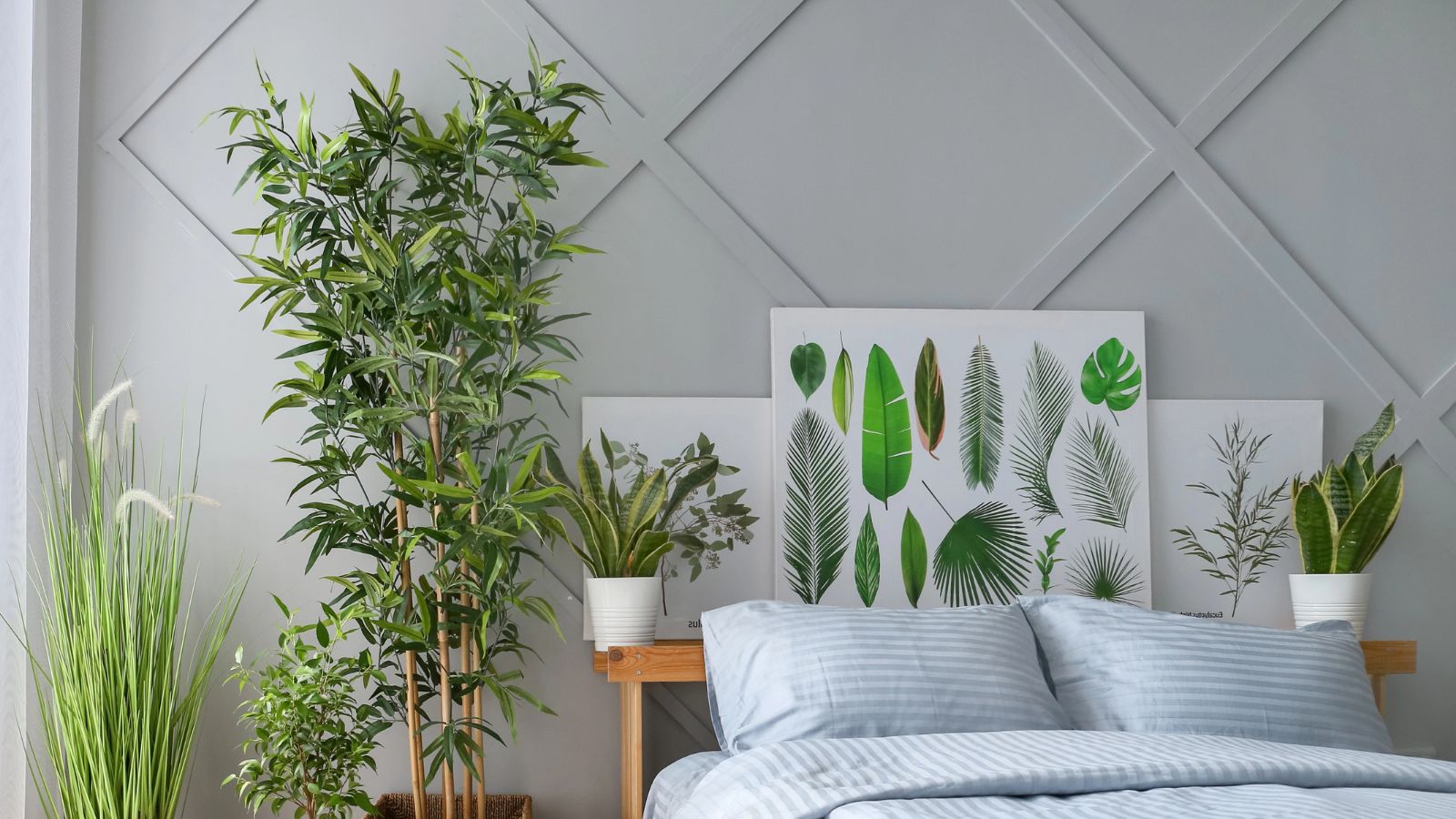
Understanding the ratio of plants to room size helps you move beyond random decorating to creating a truly healthy home ecosystem. Whether you are filling a studio apartment or a sprawling open-concept house, the right number of plants can purify your air and lift your spirits.