
Ditch the Inflatables: 5 Holiday Yard Designs Fit for a King
Holiday yard decor does not need to shout to feel festive. For example, gardens inspired by royal winter landscapes (like you’d see in England) rely on structure, texture, and restraint to carry the season with confidence.
Instead of plastic figures and blinking distractions, these styles lean on plants, light, and placement to create an outdoor setting that feels thoughtful and welcoming. Much of this refined approach is inspired by King Charles III, whose lifelong commitment to organic gardening and harmonious landscapes offers a model for seasonal elegance.
The result feels intentional, polished, and far more satisfying for anyone who enjoys their garden year-round. Below are six holiday garden styles inspired by refined winter landscapes, adapted for real backyards.
1. Evergreen Structure as the Foundation
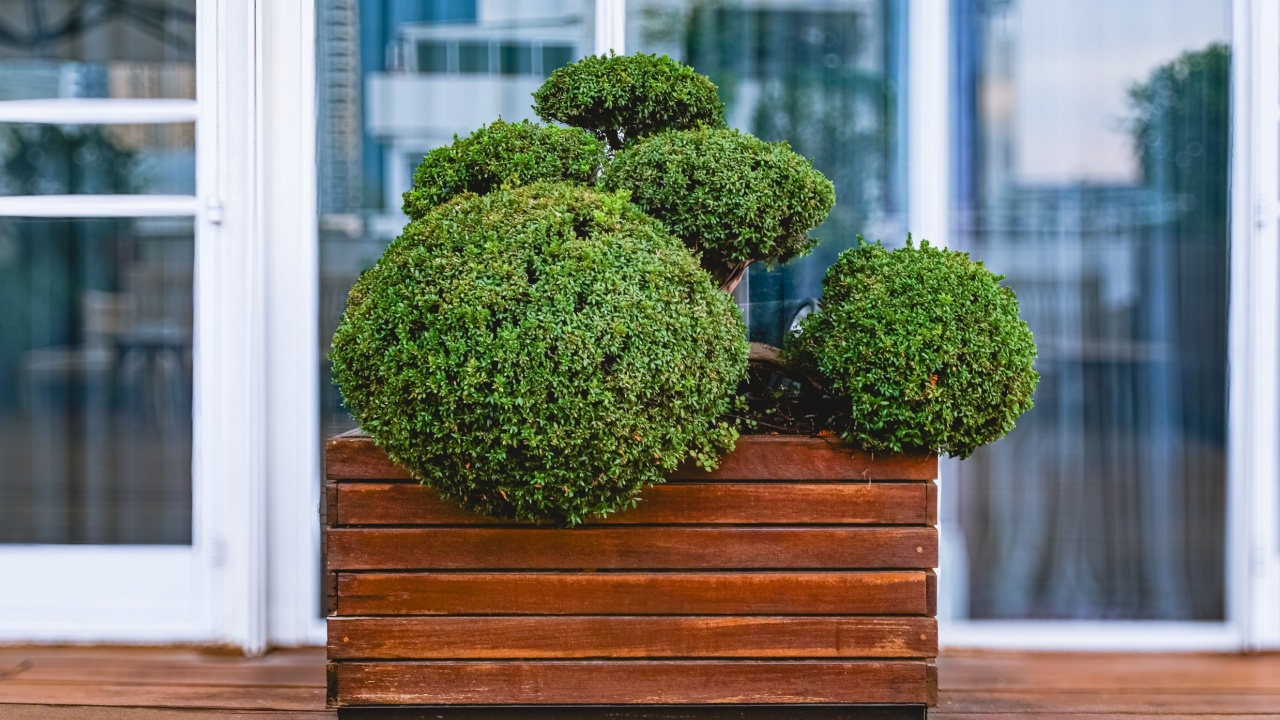
Evergreen plants carry a garden through the holidays with steady form and color. When most beds look bare, these plants quietly hold everything together, which is why they appear so often in formal winter gardens. Potted spruces, boxwood, or yew placed near doors, along paths, or beside steps bring order without feeling stiff or staged.
This works well for small yards because containers control size and placement. The plants do not need ornaments or ribbons to feel seasonal since their shape already does the work. Once positioned, they give the rest of the décor something solid to sit beside rather than floating without purpose.
2. Natural Accents with Seasonal Texture

After the main greenery is set, subtle accents make the garden feel alive rather than plain. Berry branches, pinecones, holly, and cedar cuttings introduce texture and color in a way that feels connected to the landscape. These elements soften the structured plants and keep the space from feeling too formal.
Using natural materials also answers a common concern about holiday décor feeling wasteful. Many of these accents can be composted, reused, or returned to the garden after the season ends. The look stays grounded, seasonal, and easy to refresh without constant replacement.
3. Warm Lighting That Guides Rather Than Blind

Lighting plays a major role once evenings grow darker, especially in outdoor spaces meant to be used or admired. Soft, warm lighting along walkways makes movement safer while drawing attention to plant shapes and textures. Lanterns, ground lights, or simple strings woven through branches give the garden a welcoming glow without overpowering it.
This style avoids harsh brightness that flattens everything it touches. Instead, light becomes a supporting element that highlights what is already there. Garden paths, steps, and entrances feel intentional rather than forgotten, which helps the entire space feel cared for.
4. A Repeated Garden Walk
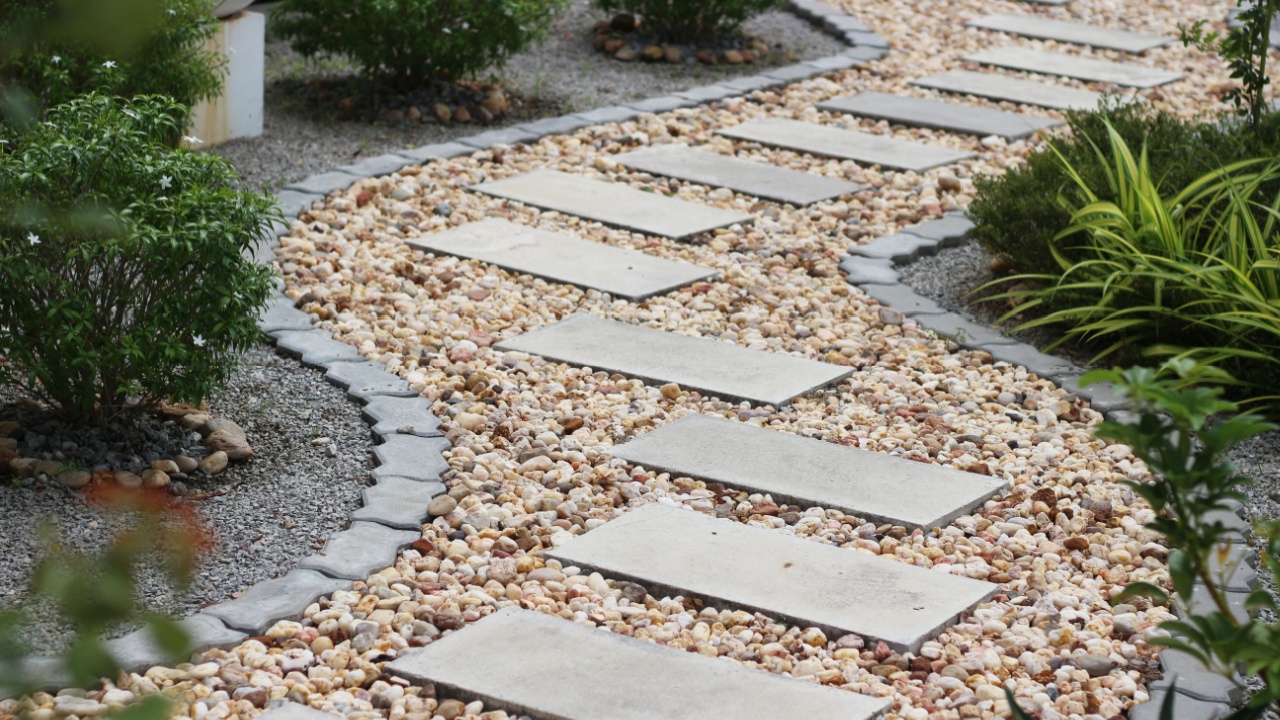
Formal gardens often rely on repetition to guide the eye and create calm. A backyard version might use matching planters, evenly spaced shrubs, or repeated accent groupings to define a short path or walkway. This repetition adds rhythm and makes even a modest space feel planned rather than improvised.
The idea works well for front yards or side paths that usually get ignored. When similar elements appear again and again, the garden feels cohesive instead of cluttered. It also makes decorating easier, since one choice can be echoed throughout the space.
5. Intentional Garden Entrances
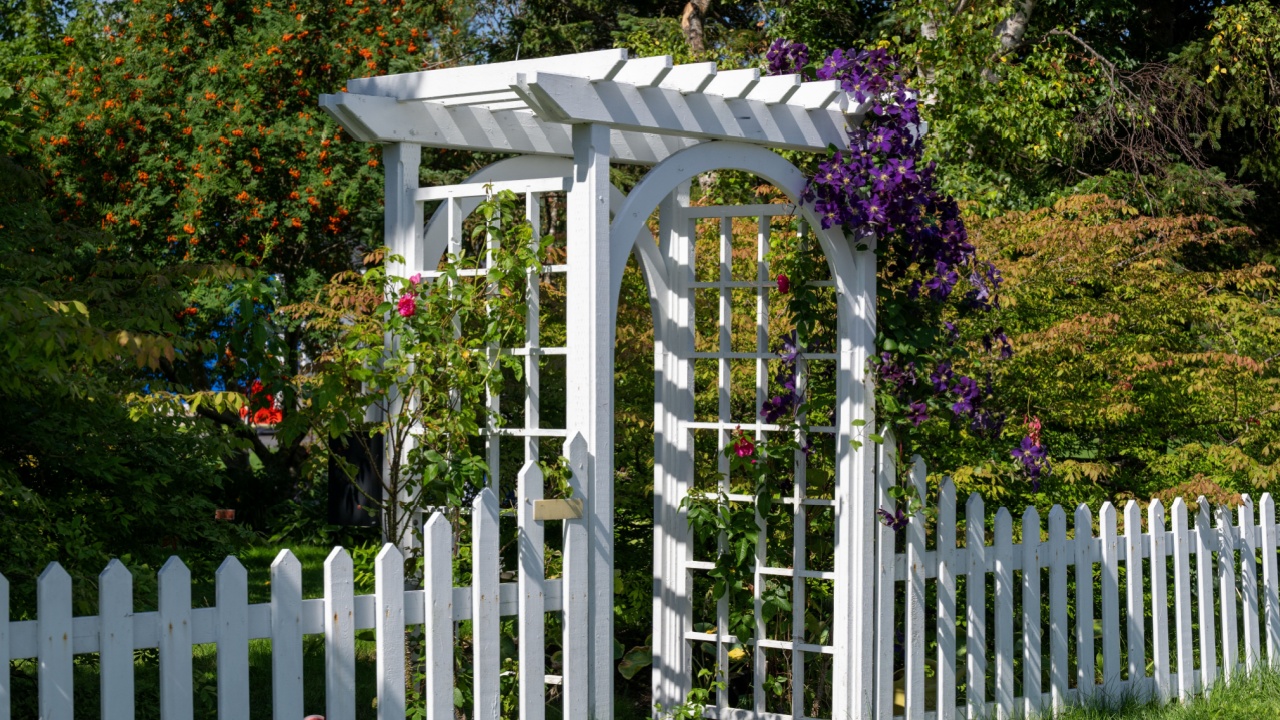
Every garden benefits from a clear entry point, especially during the holidays. A door, gate, or bench can become a focal area with the help of potted greenery and soft lighting. This draws visitors inward and gives the décor a sense of purpose beyond surface decoration.
Entrance styling also helps answer the question of where to focus effort. Instead of spreading decorations everywhere, attention stays centered on one welcoming spot. The space feels warm and inviting without being overloaded or distracting.
Letting the Garden Lead
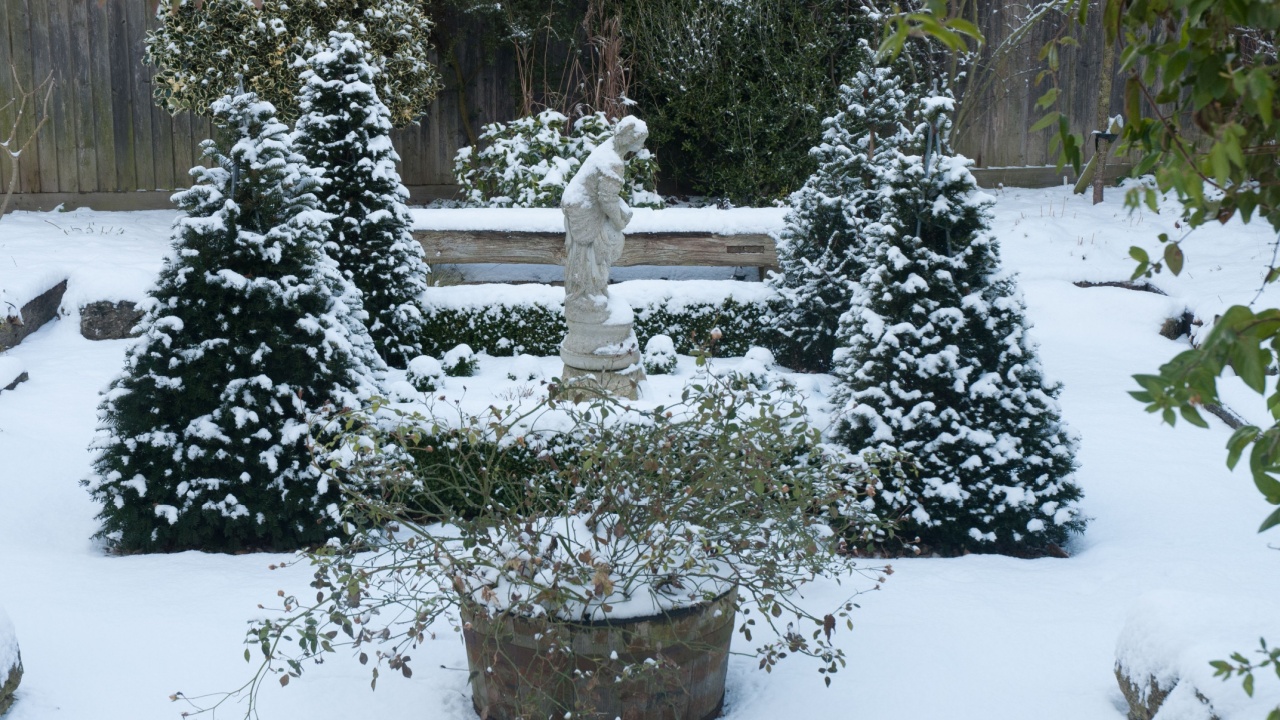
A holiday garden built on structure and natural detail holds attention longer than inflatable displays ever could. These styles focus on plants and placement that already belong in the space, which makes decorating feel purposeful rather than performative.
Each idea can be adapted to fit yard size, climate, and personal taste without demanding constant upkeep. The most helpful approach is to walk the garden, note where structure already exists, and strengthen those areas with greenery and light. With these elements in place, the garden becomes a place people want to pause, look around, and enjoy during the holiday season.