3 Bulk Grocery Items That Throw Money Down the Drain
The biggest money leak in your grocery budget isn’t junk food or impulse snacks, but the “smart” bulk buys sitting in your kitchen right now. Those oversized bags and jumbo containers promise savings, convenience, and fewer trips to the store. On paper, it feels like a win. In real life, though, many of those bulk items quietly spoil, stale, or expire before they ever earn their keep.
Perishable foods are especially risky, with studies estimating that a large portion of fresh and refrigerated foods are thrown away due to spoilage rather than lack of need. When that happens, the lower price per unit stops mattering, and the “deal” turns into wasted money and unnecessary clutter in the kitchen.
1. Fresh Produce
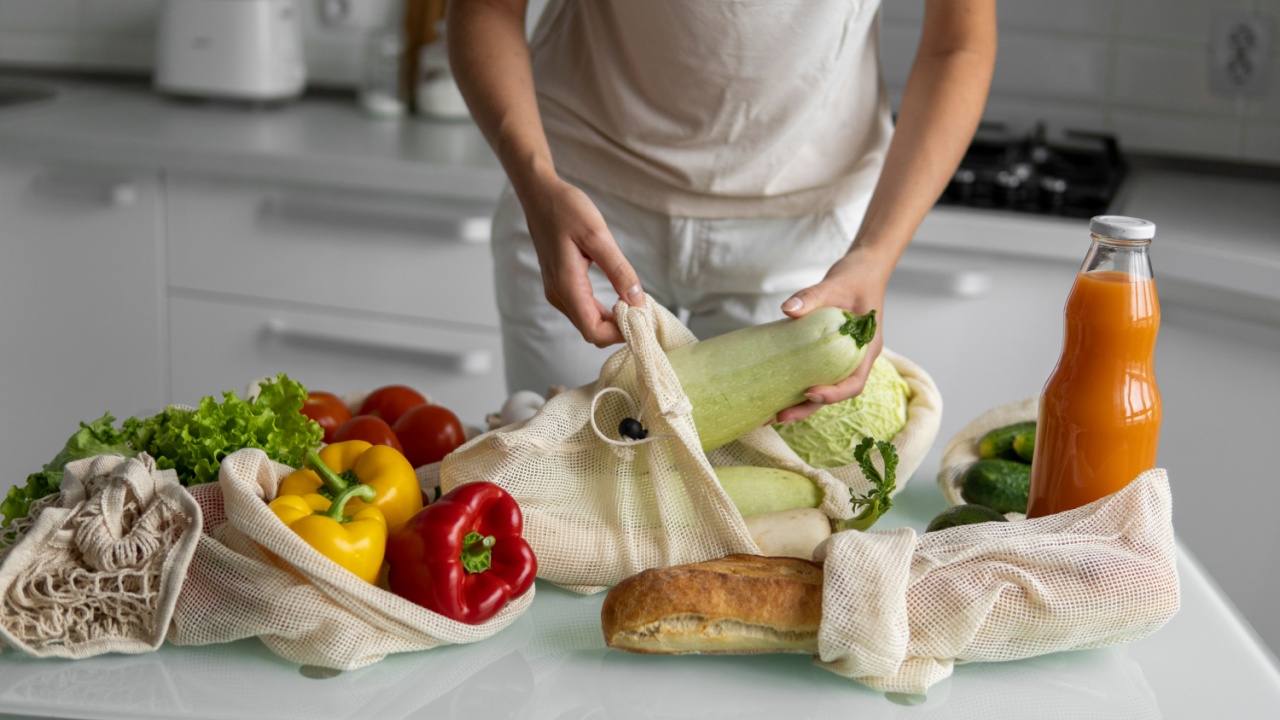
Buying fruits and vegetables in bulk feels like a healthy, budget-friendly choice. Large bags of apples, spinach tubs, or family-sized berry containers promise savings per pound.
But the problem is that fresh produce has one of the shortest lifespans in your kitchen, especially once it’s washed, cut, or stored incorrectly. Most produce starts losing nutrients and freshness the moment it’s harvested.
Quick Tips
- Buy smaller amounts twice a week instead of one big haul
- Store produce properly by using airtight containers and paper towels for moisture control
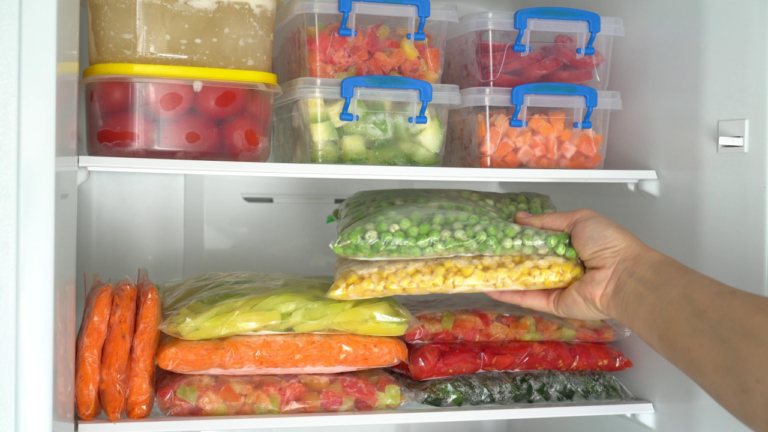
- Freeze fruits and vegetables you won’t use within 3–4 days
- Plan meals that use fragile produce early in the week
2. Milk, Yogurt, and Other Short-Life Dairy Products
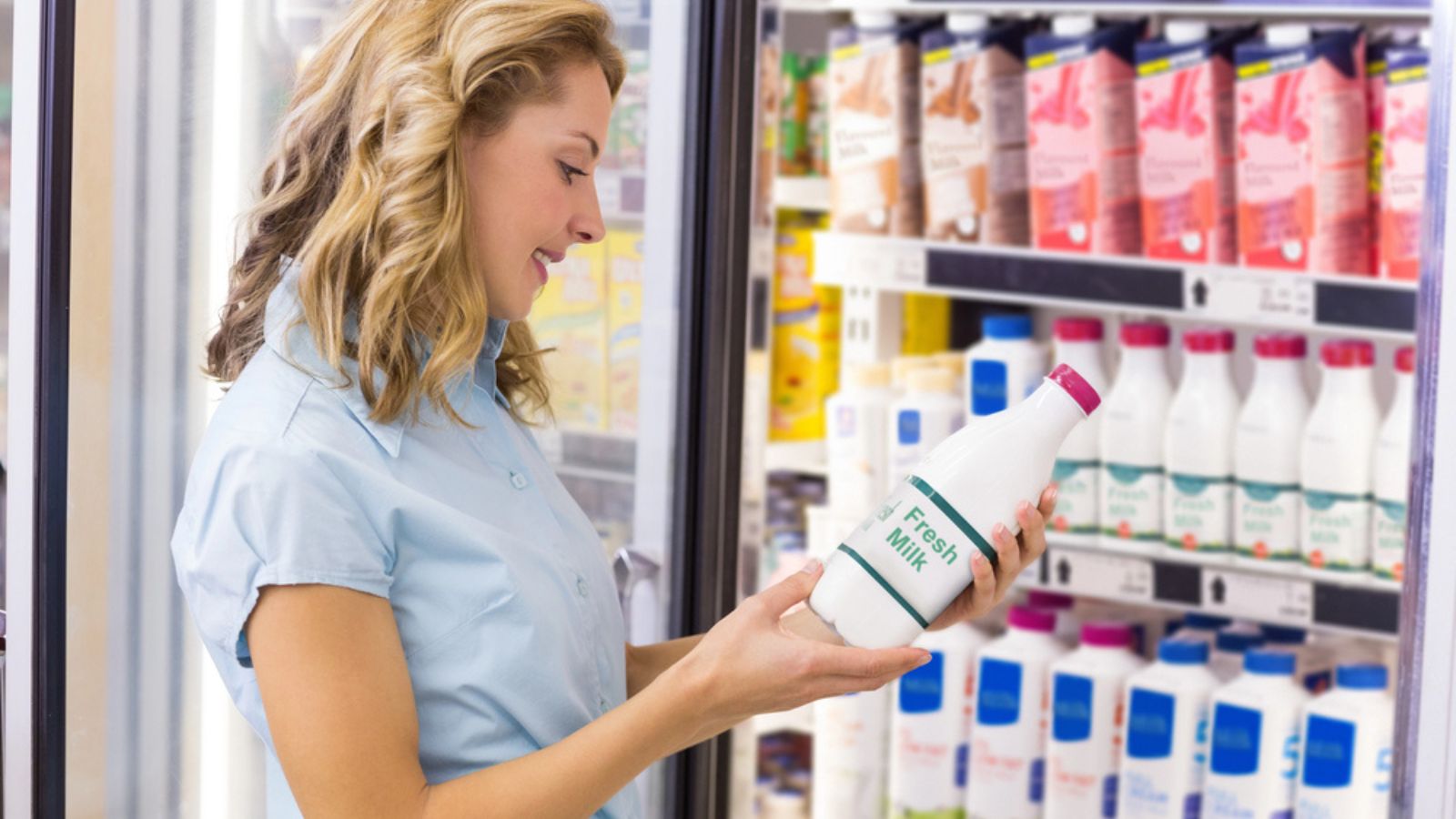
Large jugs of milk and oversized tubs of yogurt are classic bulk buys, but dairy is one of the most time-sensitive foods in your fridge. Once opened, milk and yogurt are exposed to air and bacteria, which speeds up spoilage and makes them watery, sour, or develop mold before being finished. Even if the expiration date looks far off, open dairy rarely lasts as long as expected.
Quick Tips
- Buy milk in smaller containers unless your household drinks it daily
- Freeze unused milk for cooking or baking
- Choose individual yogurt cups to avoid waste
- Check price per ounce, as bulk isn’t always cheaper
3. Bread and Bakery Items
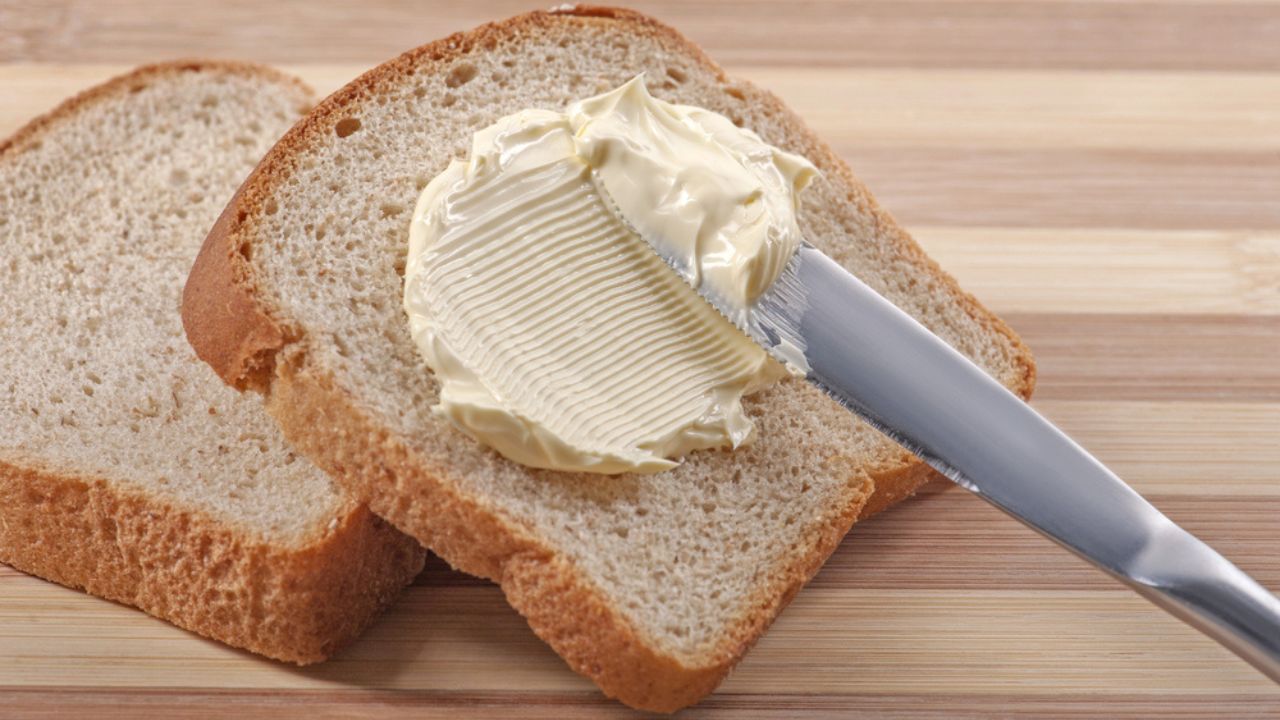
Bulk bread packs look harmless after all, bread is a staple. But baked goods have a very narrow freshness window. Without preservatives, most bread begins to stale within days, and mold soon follows, especially in warm or humid kitchens. Another overlooked issue is variety fatigue. Eating the same bread every day gets boring, leading to unfinished loaves and eventual waste.
Quick Tips
- Buy smaller loaves more frequently
- Freeze slices individually in airtight bags
- Use stale bread for croutons or breadcrumbs
- Support local bakeries for fresher, longer-lasting bread
Spend Less by Buying Smarter, Not Bigger

Saving money at the grocery store isn’t about buying the most; it’s about buying the right amount. When bulk items spoil, the real cost isn’t just food waste; it’s lost time, lost money, and added frustration in your home.
A smart next step is to track what actually gets eaten in a week, adjust quantities accordingly, and treat bulk buys as tools and not rules. Pair smaller grocery trips with better storage habits and thoughtful meal planning, and your kitchen (and budget) will work a whole lot better for you.