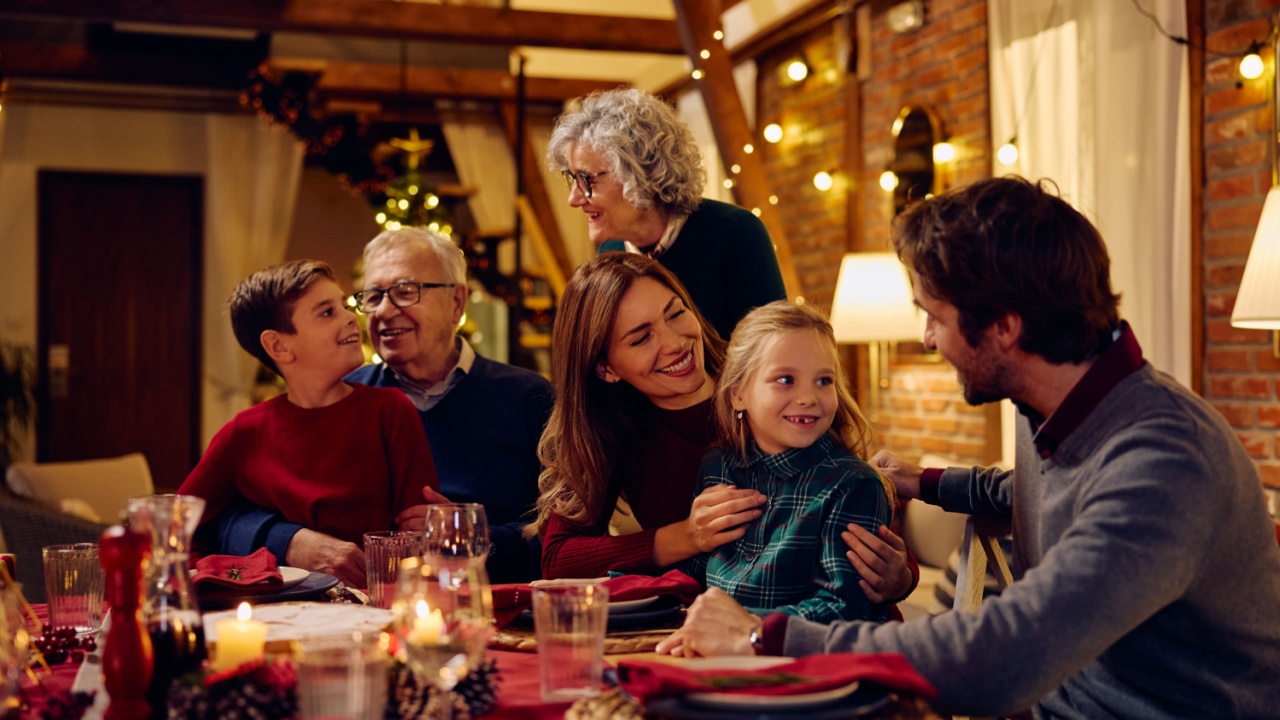
There’s Still Time: 12 Holiday Traditions that Create Lasting Memories
Getting through the holidays each year without completely losing your mind requires a strategy. Sometimes that strategy involves hiding in the pantry with a handful of chocolate chips, but other times, it involves actual planning. Building traditions creates a scaffolding for the season, something sturdy to hang memories on so they don’t just blow away in the blizzard of wrapping paper and scheduling conflicts.
You might worry that starting something new requires too much energy, especially when just getting dinner on the table feels like a victory. But traditions don’t have to be elaborate productions worthy of a magazine spread. They just need to happen, more or less regularly, until everyone stops complaining and starts expecting them.
Here are twelve ideas to anchor your holiday season, transforming the chaos into something resembling actual fun.
1. Cookie Baking Marathon
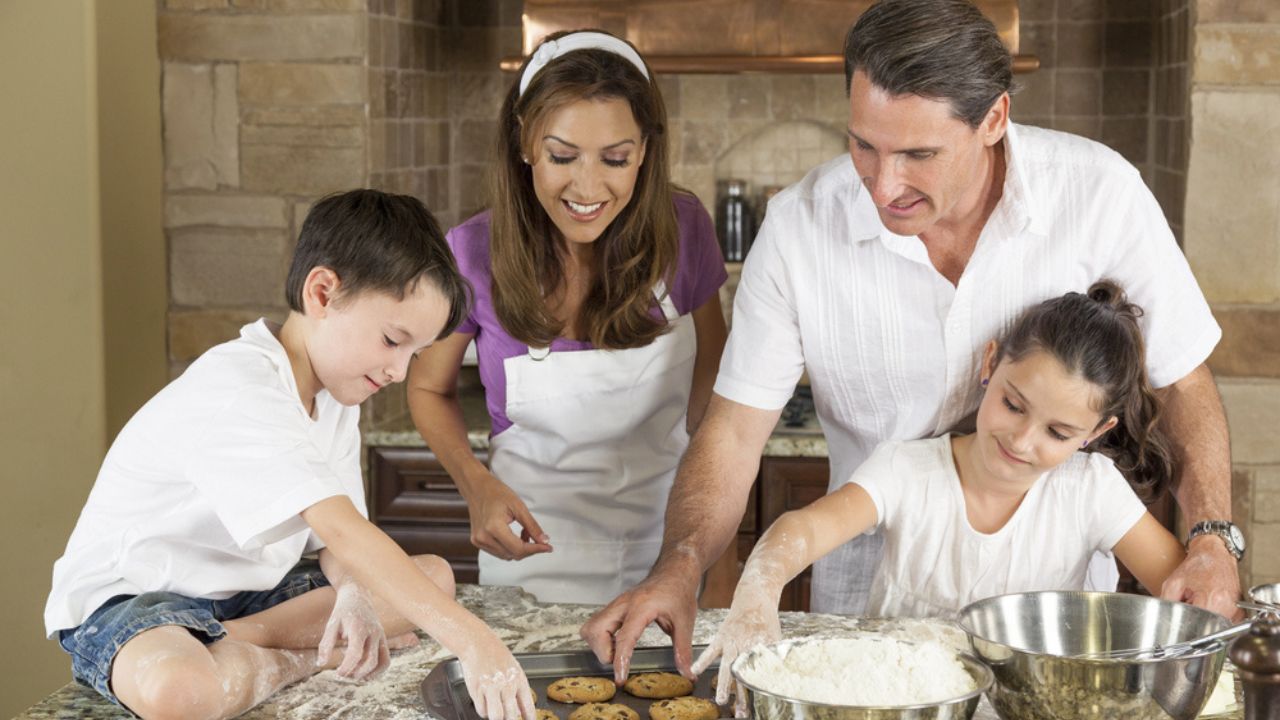
Baking cookies sounds idyllic until flour covers every surface of the kitchen and the dog eats a stick of butter. However, turning this into an official “marathon” changes the expectations. It acknowledges the mess upfront.
You can make dough from scratch if you feel ambitious, or you can buy the pre-made stuff and focus entirely on the decorating. The sensory experience, the smell of vanilla, the sticky icing, embeds itself in memory far better than opening a plastic container from the store. Assigning roles helps keep the peace: someone measures, someone mixes, and someone is in charge of quality control (taste testing).
2. Book Exchange

Reading creates a quiet pocket of calm in a loud season. Instead of frantic last-minute wrapping, spend Christmas Eve unwrapping books. This tradition, sometimes called Jolabokaflod (the Christmas Book Flood), comes from Iceland and offers a brilliant way to wind down. Everyone opens a new book, grabs a blanket, and spends the evening reading.
It solves the problem of overexcited kids who can’t sleep. It also forces adults to sit down and stop fussing over the turkey prep for an hour. You can exchange specific titles chosen for each person, or do a blind exchange where books are wrapped in plain paper with short descriptions written on the front. It shifts the focus from “getting stuff” to settling in.
3. The Annual Ornament Workshop
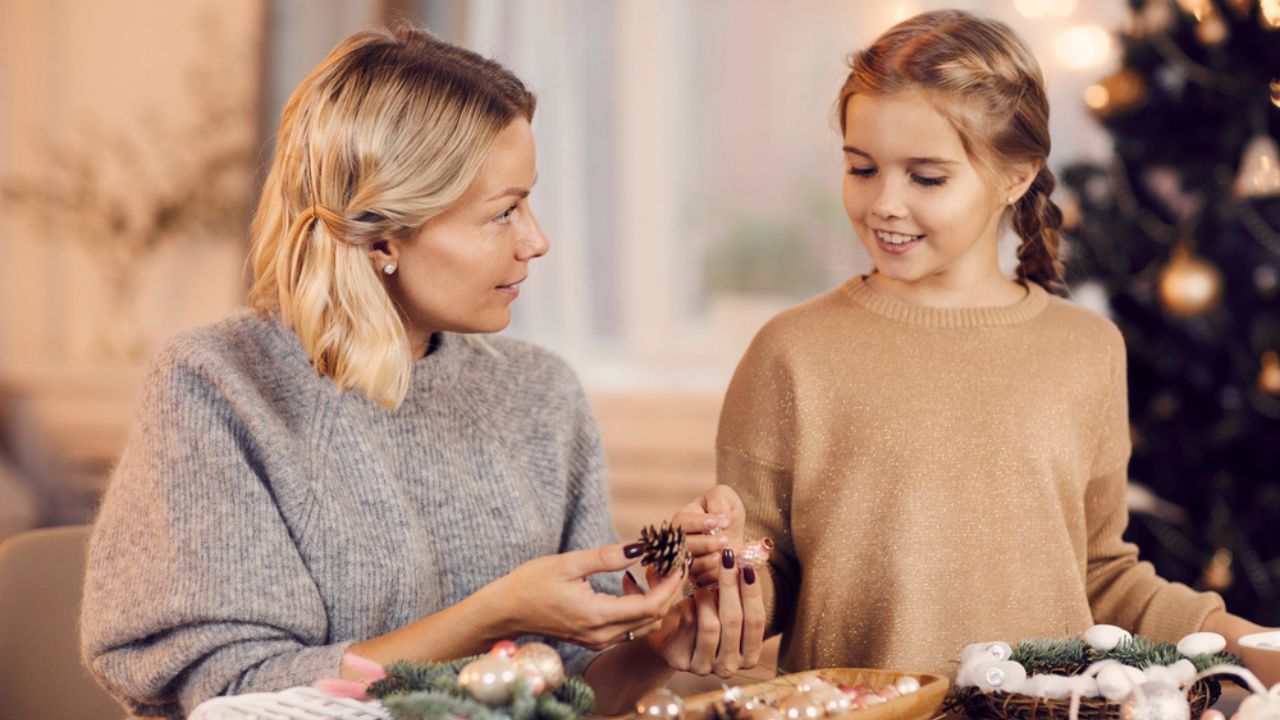
Store-bought ornaments are shiny and symmetrical, but they lack personality. A dedicated afternoon for making ornaments produces a time capsule of your family’s skills (or lack thereof) at any given moment. You might look back on the year everyone was obsessed with glitter glue and cringe, but you will also remember exactly how old the kids were and what they loved.
This doesn’t demand artistic genius. Salt dough, popsicle sticks, or even dried orange slices work perfectly. The value lies in the collection growing year after year. Eventually, the tree becomes a visual history of your family, rather than a display of generic department store baubles. It gives everyone a tangible contribution to the holiday decor.
4. Holiday Light Tour Adventures
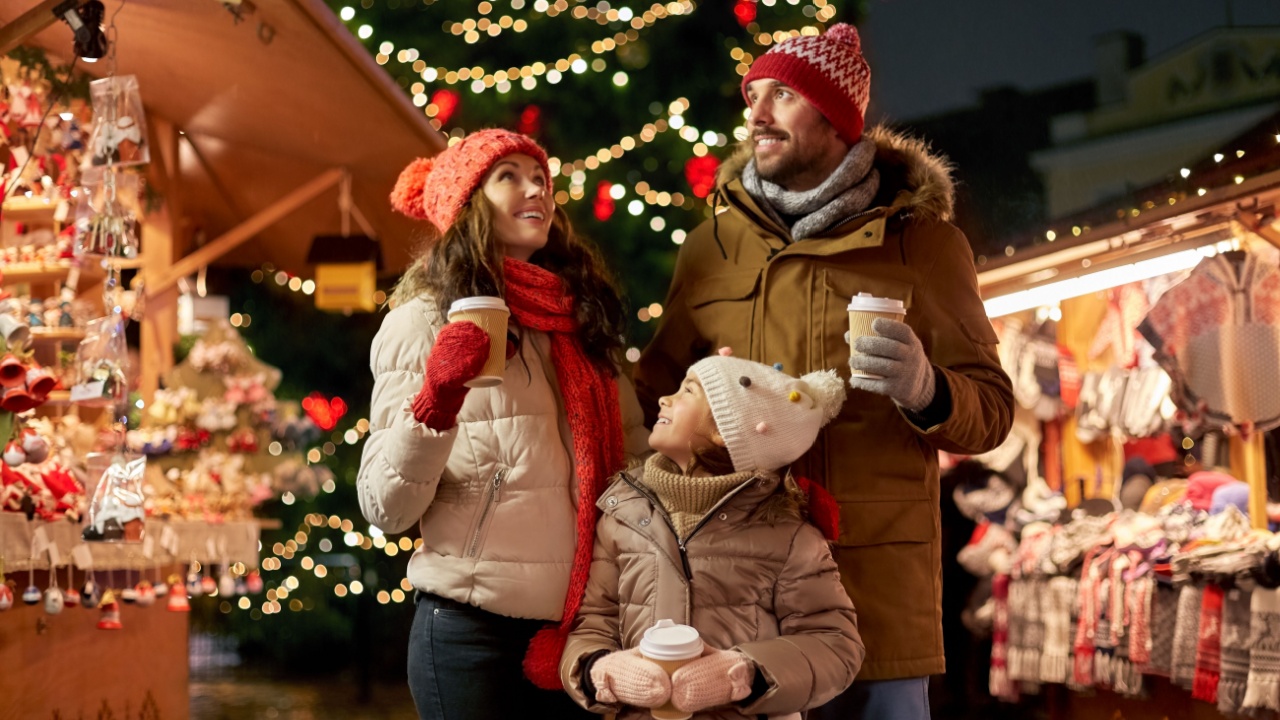
Driving around to look at lights offers a high reward for low effort. Some neighborhoods go all out, turning their lawns into glowing runways for Santa. Seeing these displays brings out a specific kind of awe that is hard to replicate inside.
To make it a true tradition, establish a route or a specific stop, like a local coffee shop for hot drinks, before you start. Wear pajamas in the car to make it feel like a special, illicit late-night adventure. It gets everyone out of the house and focusing on something beautiful together, without the pressure of conversation or entertaining guests.
5. Gingerbread House Engineering Competition

Most gingerbread houses collapse. Accept this fact early. By framing the activity as a competition or an engineering challenge, the inevitable structural failures become part of the entertainment rather than a source of tears. This tradition encourages creativity and problem-solving, as participants figure out how to use frosting as industrial-strength cement.
Buy the kits to save your sanity. The baking part is less important than the construction. You can split into teams or work on one massive village together. If the walls fall down, you suddenly have a “post-earthquake” scene or a “dragon attack” scenario. It’s flexible. The sugar high is guaranteed, but so is the laughter when the roof slides off for the third time.
6. The Christmas Pickle Hunt

This strange little tradition involves hiding a pickle-shaped ornament deep within the branches of the Christmas tree. The first person to find it on Christmas morning gets a small extra present or simply the bragging rights for the year. It sounds bizarre, but it adds an element of focused observation to a morning that is usually a blur of ripping paper.
It slows the pace down. Instead of diving straight into the pile of gifts, everyone pauses to look closely at the tree. It works for all ages, though you might need to adjust the difficulty of the hiding spot depending on who is playing. It’s a low-stakes game that becomes surprisingly competitive.
7. Christmas Morning Breakfast Feast

By the time Christmas morning arrives, parents have usually been awake since 4 AM. A planned breakfast feast creates a reason to pause and refuel before the main event or immediately after. This shouldn’t be a meal that requires hours of active cooking while everyone else plays. It should be prep-heavy the night before or simple to assemble.
Think overnight casseroles, a waffle station, or just a really good spread of pastries. The food anchors the morning. Sitting down to eat together, even amidst the scattered toys, grounds the family. It signals that the day isn’t just about the gifts, but about sharing space and sustenance.
8. Annual Family Photo in Matching Pajamas

Yes, it’s cheesy. Yes, someone will complain about the itchy fabric. But taking a photo in matching pajamas every year provides a consistent visual record of your family’s growth. You will look back at the year the toddler refused to smile, or the year the teenager looked actively hostile, and laugh.
The matching outfits act as a uniform for the team. It levels the playing field; everyone looks equally ridiculous. You don’t need a professional photographer. A phone camera propped up on a stack of books with a timer works perfectly. The outtakes are often better than the posed shot anyway.
9. Advent Calendar Countdown Activities
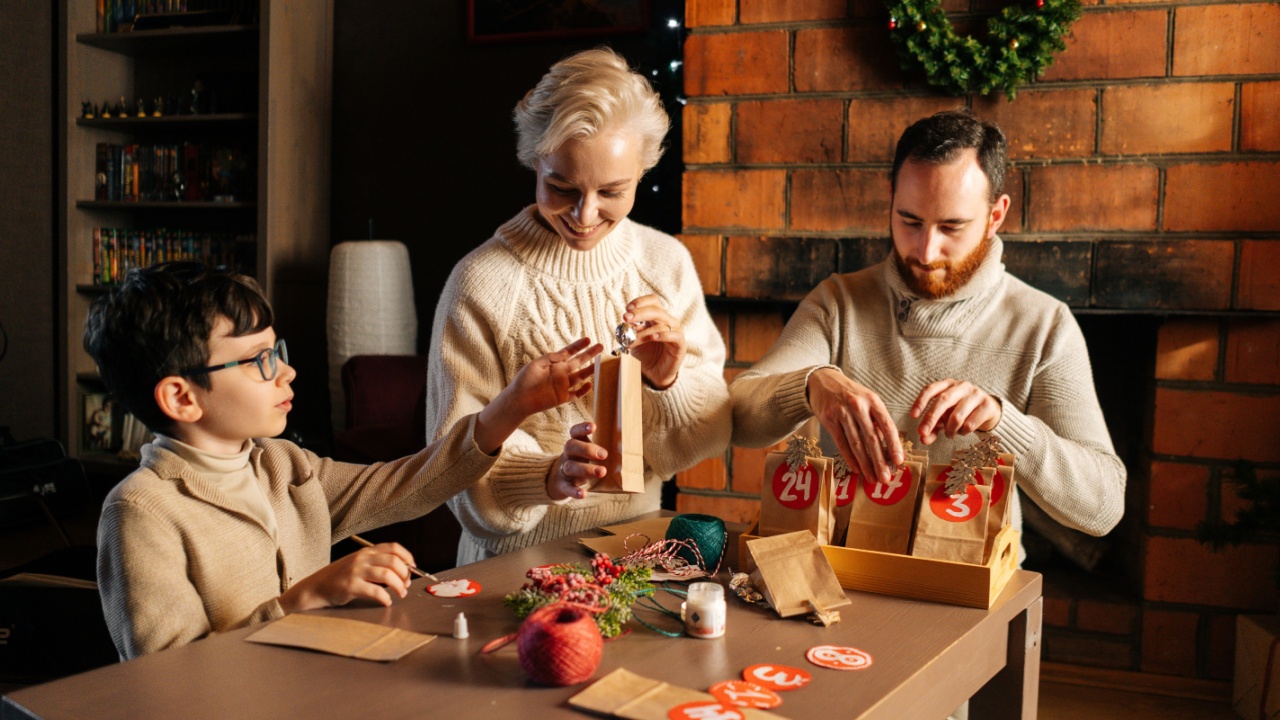
Chocolate calendars are fine, but an activity calendar builds anticipation through shared experiences. Instead of a treat, each day reveals a small task: “Watch a holiday movie,” “Make a snowflake,” or “Drink hot cocoa.” This spreads the festive feeling across the entire month rather than cramming it all into the 25th.
This requires some upfront planning, but you control the schedule. On busy Tuesdays, the activity can be “Read a Christmas story.” On free Saturdays, it can be “Go visit Santa.” It allows you to pace the season and prevents the feeling that you missed out on holiday fun because the month flew by too fast.
10. Donation and Volunteer Day

The holidays often revolve around getting things. Counteract that by dedicating time to giving. This could be shopping for a toy drive, packing food at a pantry, or simply going through your own closets to donate gently used items. It shifts the perspective outward and teaches that the season supports community, not just the household.
Doing this as a family creates a dialogue about gratitude and awareness. It doesn’t have to be somber; it can be an active, positive day where you work together to solve a small problem for someone else. It provides balance to the abundance of the rest of the month.
11. New Year’s Eve Time Capsule

The week between Christmas and New Year’s is a strange limbo where time loses meaning. Use an hour of that dead time to create a time capsule. Have everyone write down their favorite memory from the year, a song they loved, or a goal for the next year. Seal it in a jar or box, not to be opened until the following New Year’s Eve.
Opening the previous year’s capsule is hilarious. You realize how much has changed in twelve months. You see what worries have faded and what interests have shifted. You reflect without the heavy burden of “resolutions.”
12. Boxing Day Game Tournament
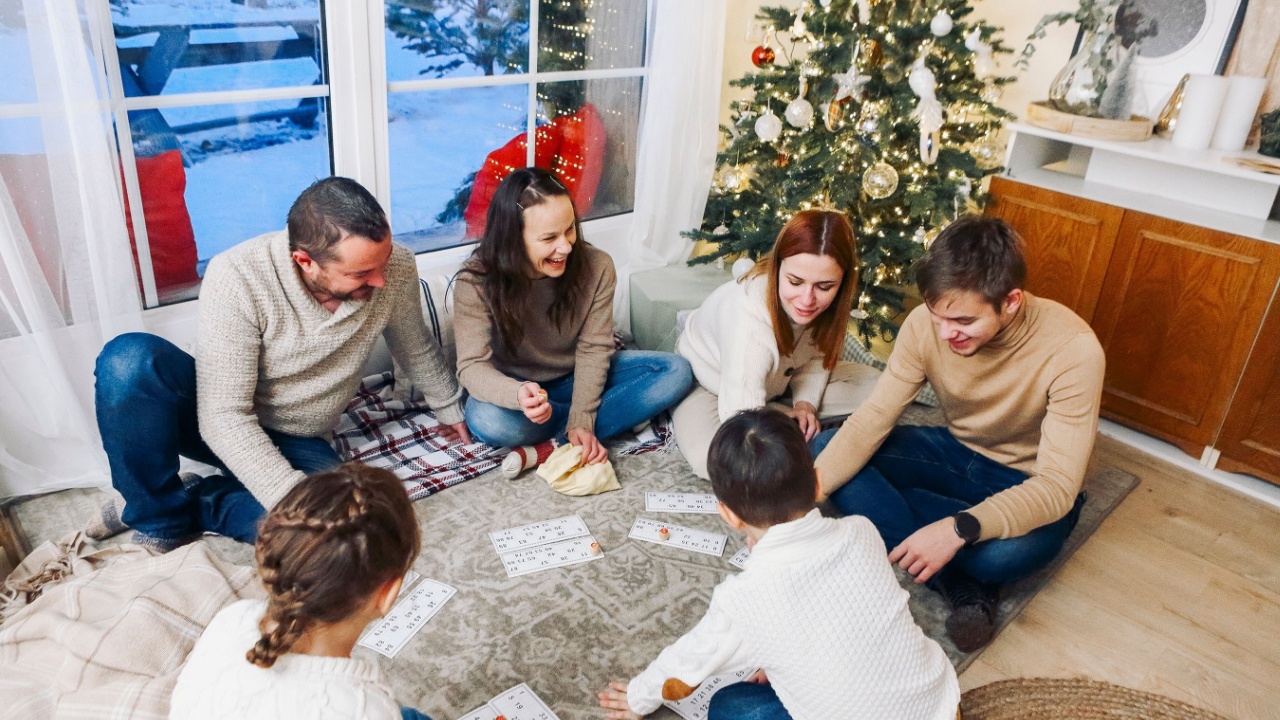
After the rush of the 25th, the 26th often feels flat. A family game tournament revives the energy. Pull out the board games, card decks, or video games. Set up a bracket if you have enough people, or just keep a running tally of wins. It uses the new toys and games received the day before and keeps the family interaction going.
This is a great time to eat leftovers and wear sweatpants. The pressure is off. If someone cries over losing Monopoly, well, that’s just part of the holiday charm. It focuses on interaction and play, ending the season on a high note of engagement rather than just drifting back into routine.
How to Actually Do This Without Stressing Out

You do not need to do most of these; in fact, please don’t. Attempting a dozen new traditions in one year is a recipe for a breakdown in the crafting aisle. Look at this list as a menu, not a mandate. Pick the one that sounds like it might actually be fun for your specific group of humans.
If you try one and everyone hates it? Drop it. A tradition is only valuable if it serves you. If baking cookies ends in tears every time, buy the cookies. If the light tour makes the toddler carsick, stay home and watch a movie. The point is to create a rhythm that feels like your family, imperfect and messy as it may be.