12 Plants to Overwinter Indoors So They Survive
We spend all spring and summer pampering our green friends, only to watch the calendar turn to November with a sense of impending doom. The frost comes, and we panic. If you stood on your porch in a bathrobe at 10 PM, dragging pots inside because the weather app predicted a drop to 31 degrees, you get it. It is not a dignified look, but it shows dedication.
You do not have to let your favorite garden performers turn into compost just because the temperature drops. Bringing potted plants inside extends their life and saves you money next spring. Some plants are surprisingly resilient and will tough out the winter in the right conditions.
Here are 12 plants you can save from the freeze and keep alive until the sun returns.
1. Hydrangeas
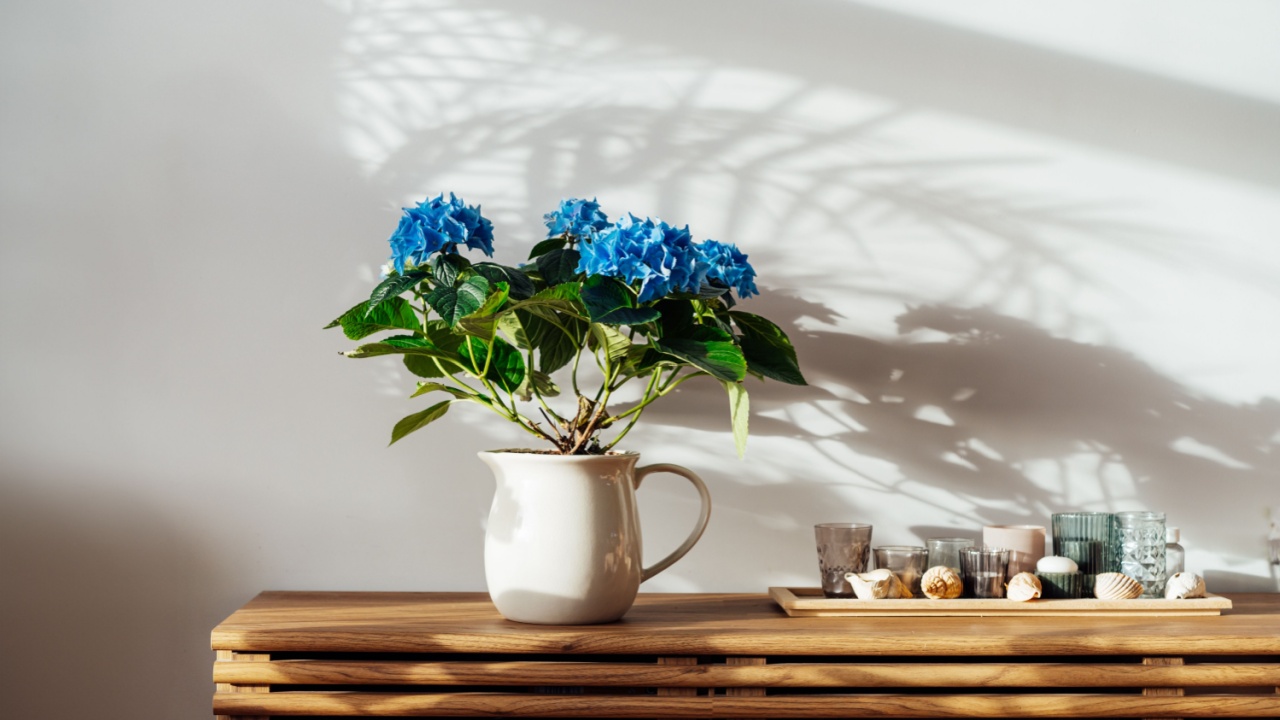
Bigleaf hydrangeas look spectacular in containers, and losing them to a hard freeze feels like throwing cash in the trash. The trick here is understanding they need a dormancy period. You are not trying to keep them blooming in January; you are just keeping them alive.
Move the pots into a cool, dark spot like a garage or basement where temperatures stay above freezing but do not get toasty. They will lose their leaves, and they will look like dead sticks. Do not panic. This is normal. Water them sparingly, just enough so the roots do not turn into dust.
2. Fuchsias
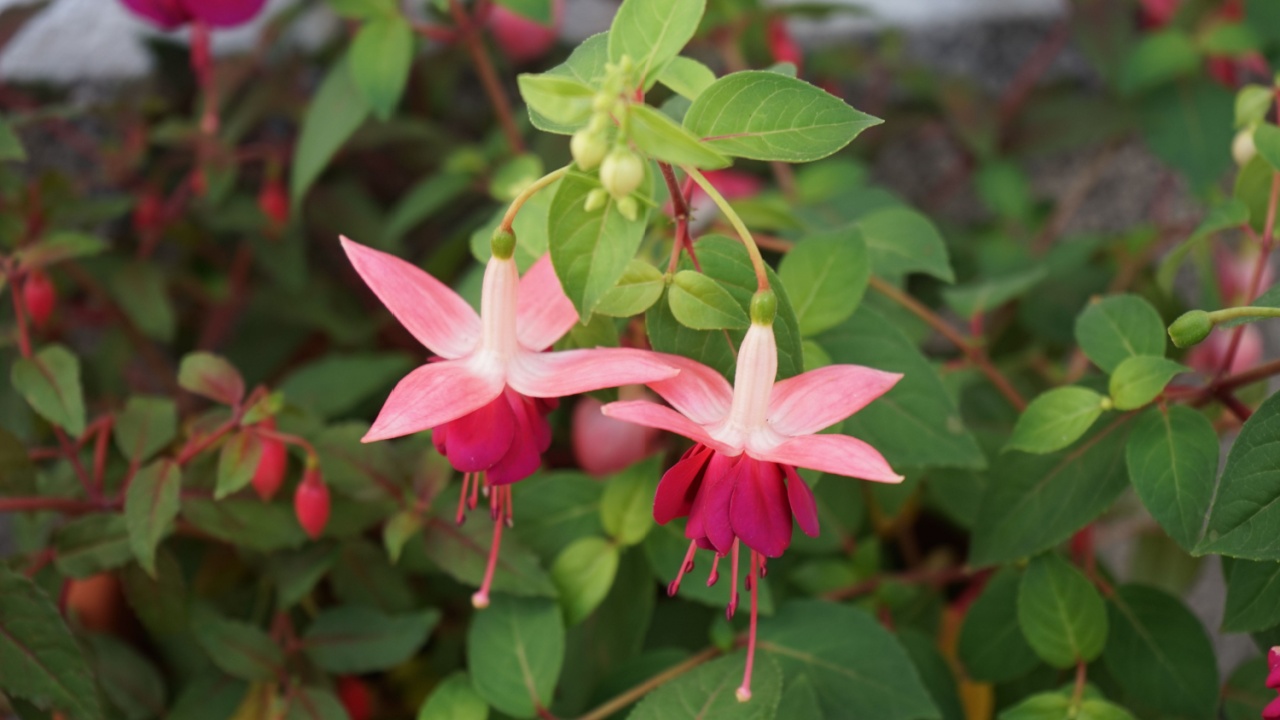
Fuchsias are dramatic bloomers, but they are surprisingly chill about moving indoors. You have two choices here. You can treat them like a houseplant in a bright window, or let them go dormant.
If you keep them awake, trim them back a bit, and put them in a sunny spot. They might drop leaves because indoor air is dry, but they usually muddle through. If you prefer the dormant route (which is easier if you lack window space), trim them back to about 6 inches, put them in a dark, cool spot, and barely water them.
3. Geraniums

We usually treat Pelargoniums (common garden geraniums) as annuals, buy new ones in May, and repeat the cycle. But these guys are tough survivors. You can dig them up, shake off the soil, and hang them upside down in a cool basement. Seriously. They look like weird dried herbs, but they often survive.
If that sounds too medieval for you, just pot them up and put them on a windowsill. Cut them back by about a third before bringing them in so they do not take up your entire living room. They might get leggy reaching for light, but you can prune them again in spring.
4. Begonias
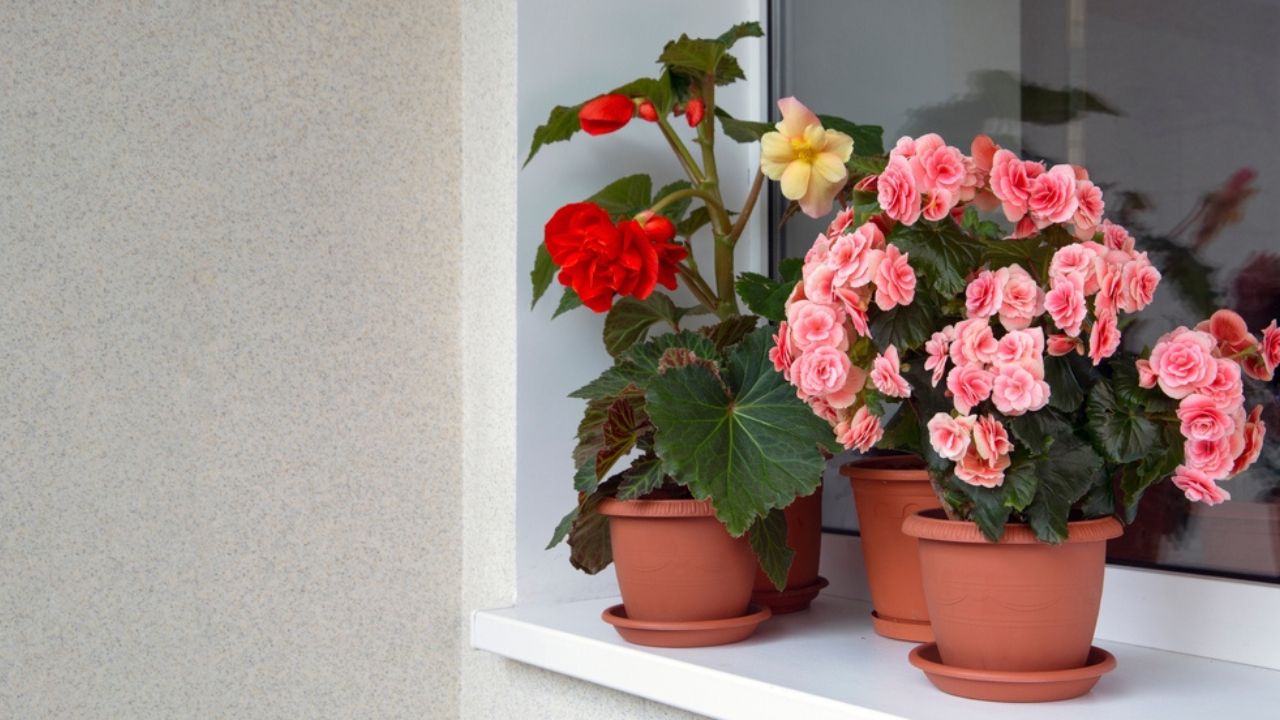
Begonias fall into two camps for winter: fibrous-rooted (like wax begonias) and tuberous. Wax begonias make decent houseplants if you give them bright light. They might even bloom if they are happy, which is a nice morale booster in February.
Tuberous begonias need a nap. Once the foliage dies back after the first light frost, dig up the tubers. Let them dry (cure) for a few days, then bury them in a box of peat moss or sawdust. Store them somewhere cool and dry. Ignore them until spring.
5. Dahlia Tubers
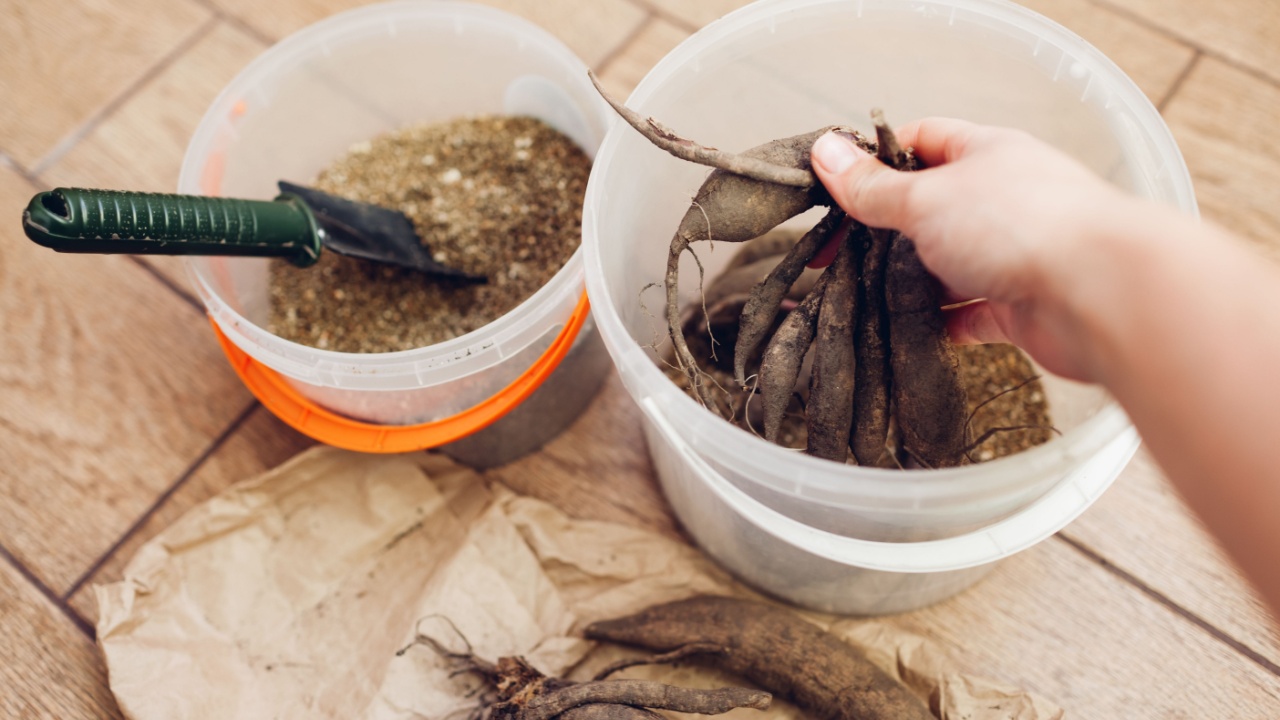
Dahlias turn to mush the second frost hits hard. You cannot keep these growing as houseplants unless you live in a greenhouse. The strategy is pure storage.
Wait for the frost to blacken the foliage. It looks sad, but it signals the plant to go dormant. Cut the stems down to a few inches. Carefully dig up the tubers; do not stab them with your shovel. Wash off the dirt, let them dry for a day or two, and pack them in vermiculite or wood shavings. Check them monthly to make sure they are not rotting or shriveling up.
6. Cannas
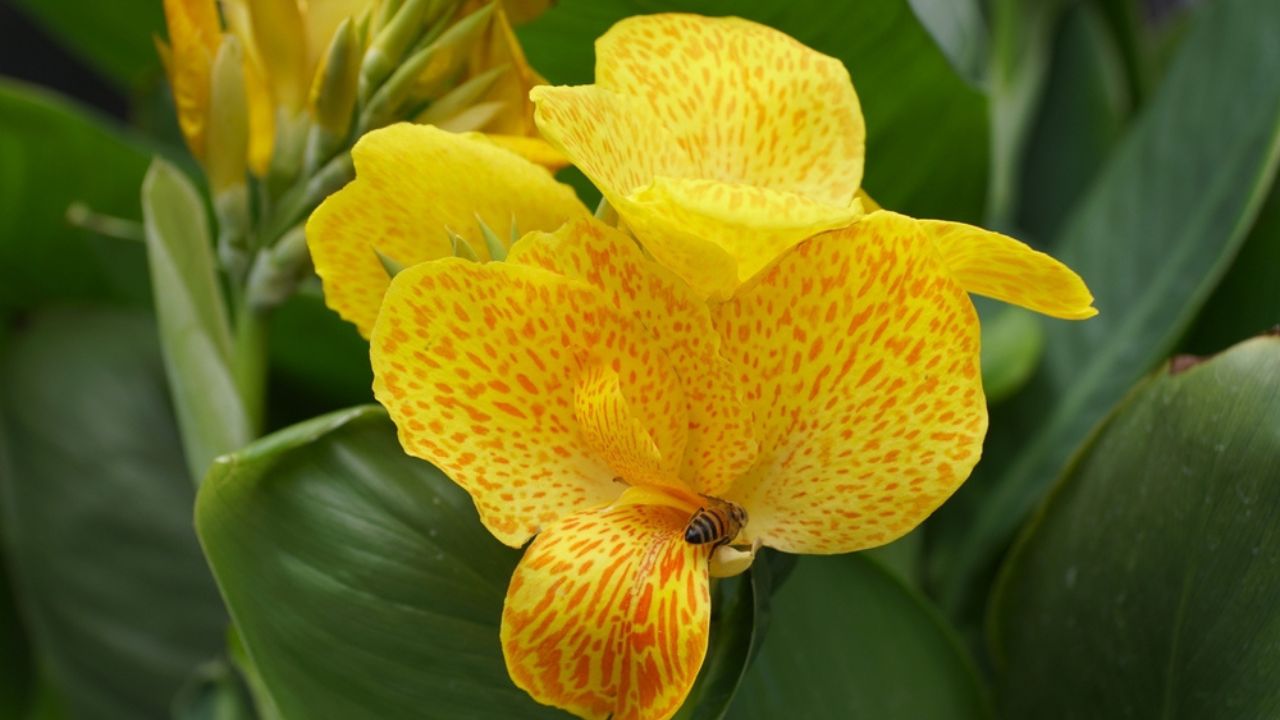
Cannas add a tropical feel to a garden, and buying new rhizomes every year gets expensive. Like dahlias, these need to be dug up in colder climates. Wait for the frost to kill the leaves. Cut the stalks down and dig up the massive root clumps.
You do not need to clean these as thoroughly as dahlias. Just knock off the big clods of dirt. Let them dry for a few days, then toss them in a crate or cardboard box. Keep them cool. If they start to shrivel, mist them lightly with water.
7. Coleus
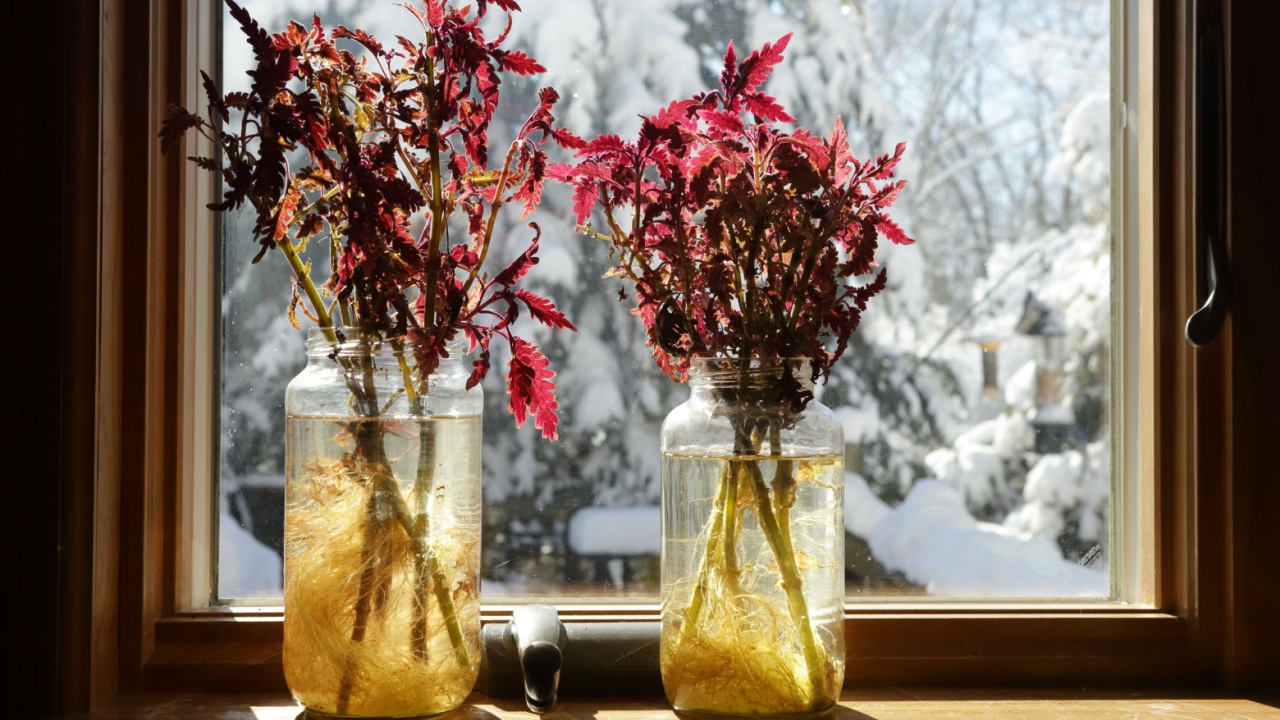
Many people have a soft spot for Coleus because they are so colorful and easy to propagate. You can dig up the whole plant, but they often struggle with the transition from garden to pot. They tend to drop leaves and look pathetic.
A smarter move is to take cuttings. Snip off healthy stems before the frost, root them in water, and pot them up. You will have fresh, manageable plants that fit on a windowsill. They need bright light to keep those vibrant colors. If they start to flower, pinch the blooms off immediately or the plant will get lanky and weak.
8. Lavender
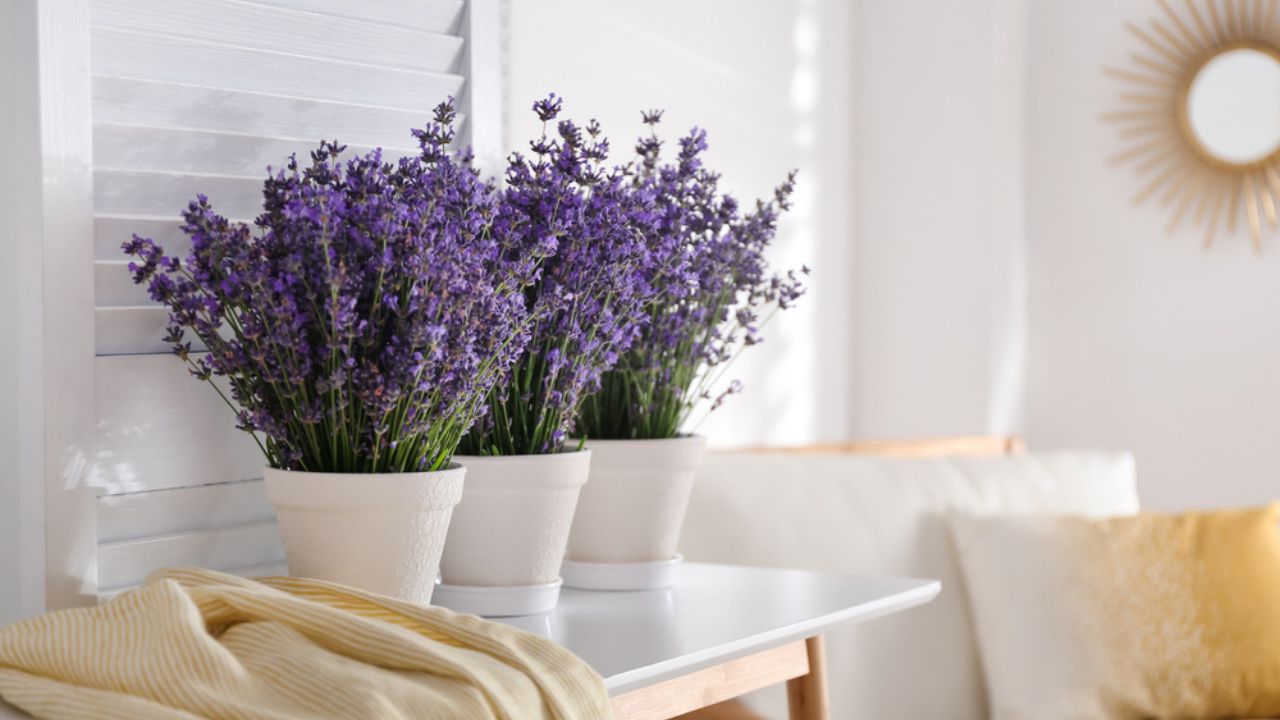
Lavender is tricky indoors. It hates wet feet and needs tons of sun. If you have a variety that isn’t hardy in your zone (like Spanish or French lavender), you have to bring it in. English lavender usually survives outside just fine.
Pot it up in very gritty, well-draining soil. Put it in your absolute sunniest south-facing window. Do not overwater it. Lavender would rather be dry than soggy. If your home has poor air circulation, set up a small fan nearby. Stagnant, humid air is the enemy here.
9. Rosemary
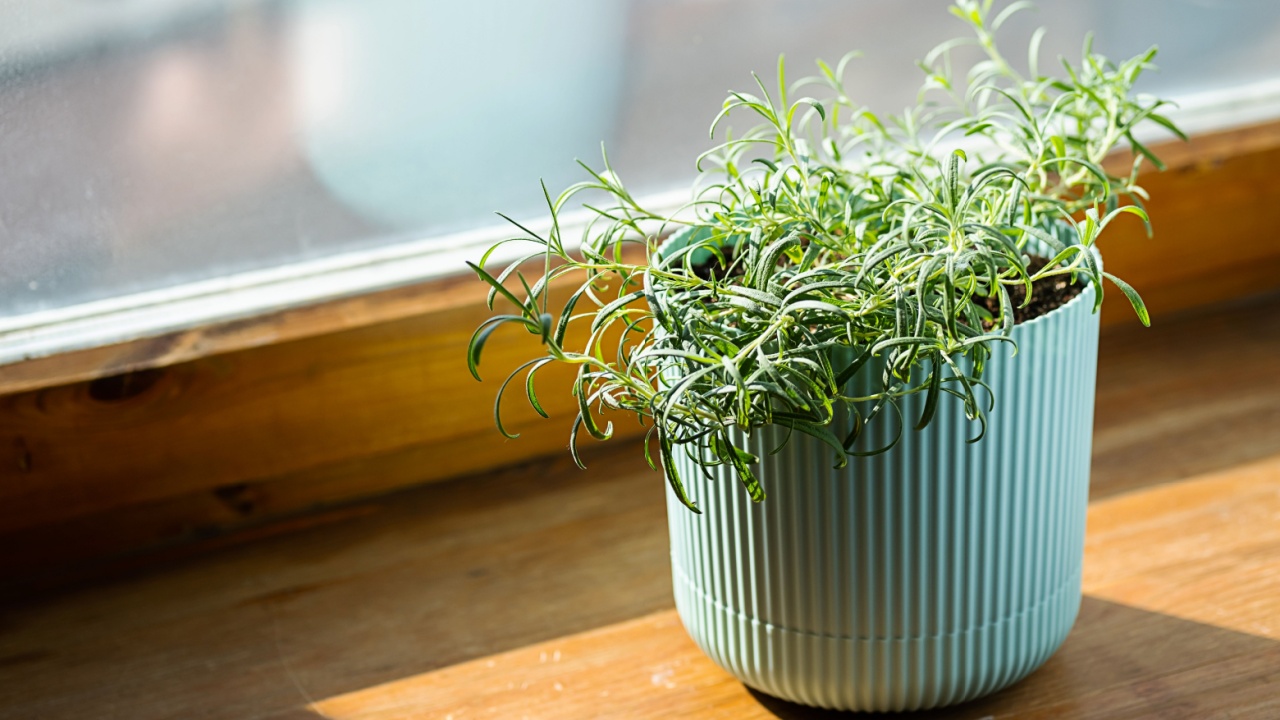
Rosemary is another Mediterranean native that often throws a tantrum indoors. It dries out, the needles turn brown, and then it dies. The main issue is usually dry indoor heating.
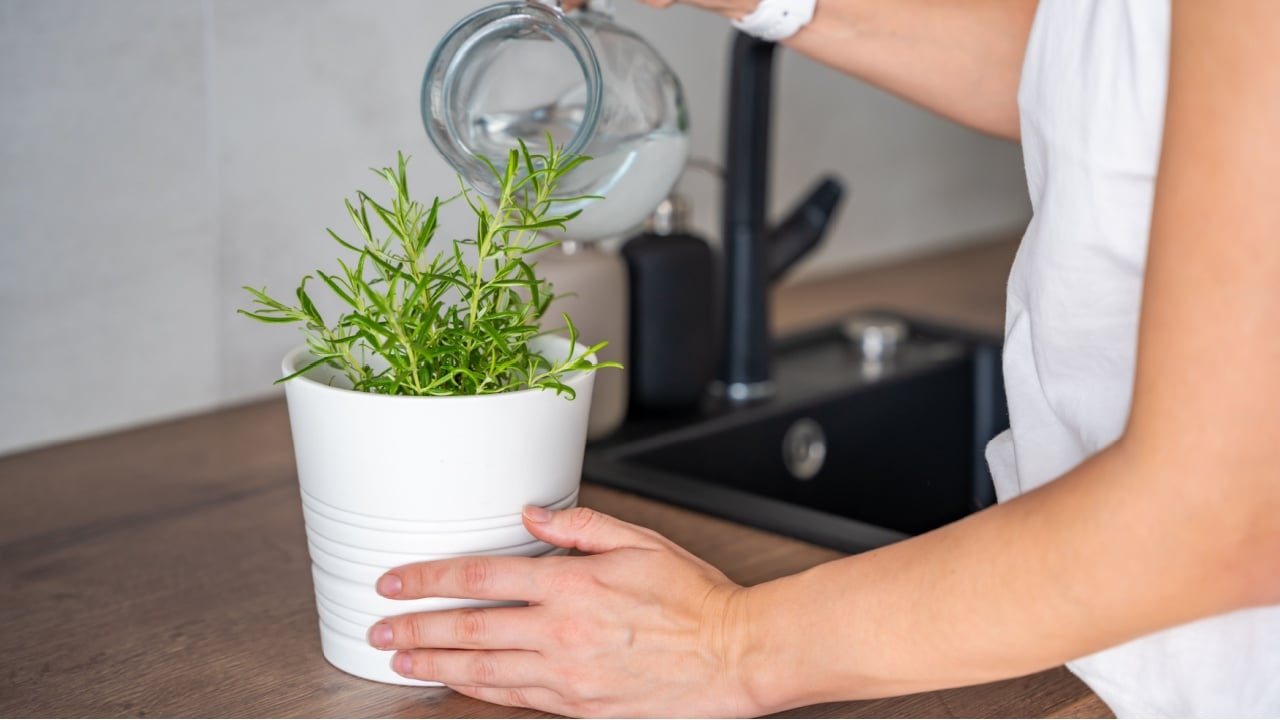
Keep rosemary cool if possible. A bright, unheated room is perfect. It needs consistent moisture but cannot sit in water. Never let the soil dry out completely, or the plant will not recover. Misting the needles helps combat the dry air from your heating system.
10. Hellebores
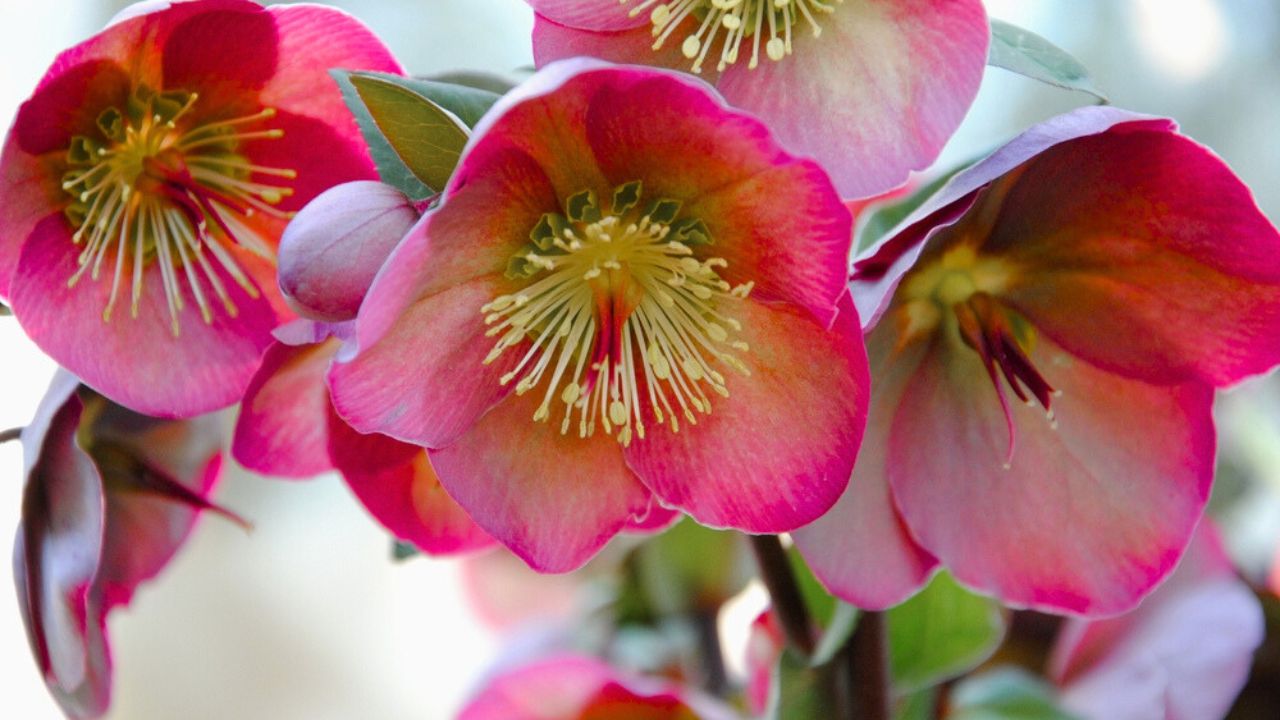
Hellebores are tough as nails outdoors, often blooming in the snow. However, some people like to bring potted ones into a protected area like a porch or unheated greenhouse to enjoy the blooms earlier or protect the flowers from harsh winds.
Bringing them into a warm living room is generally a bad idea. They hate the heat. But if you have a cool sunroom or a garage with a window, they will happily wait out the worst weather. Keep them watered, but do not drown them.
11. Scented Pelargoniums
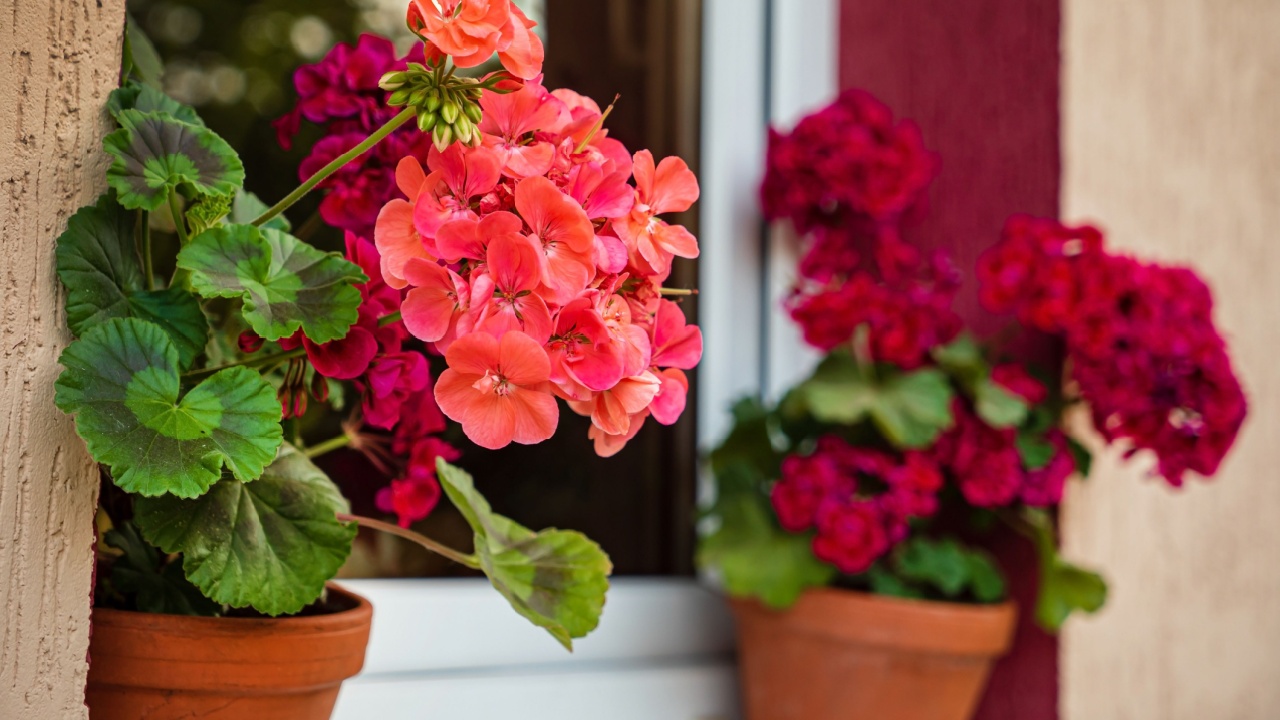
These are cousins to the common geranium but grown mostly for their amazing-smelling leaves (rose, lemon, mint). They are actually better suited for indoor life than their flashy flower-garden relatives.
Treat them like a standard houseplant. Give them a sunny window and water when the top inch of soil is dry. They grow fast, so do not be afraid to trim them back if they start taking over your workspace. You can use the trimmings to scent sugar or tea, which makes you feel very accomplished.
12. Sweet Potato Vines
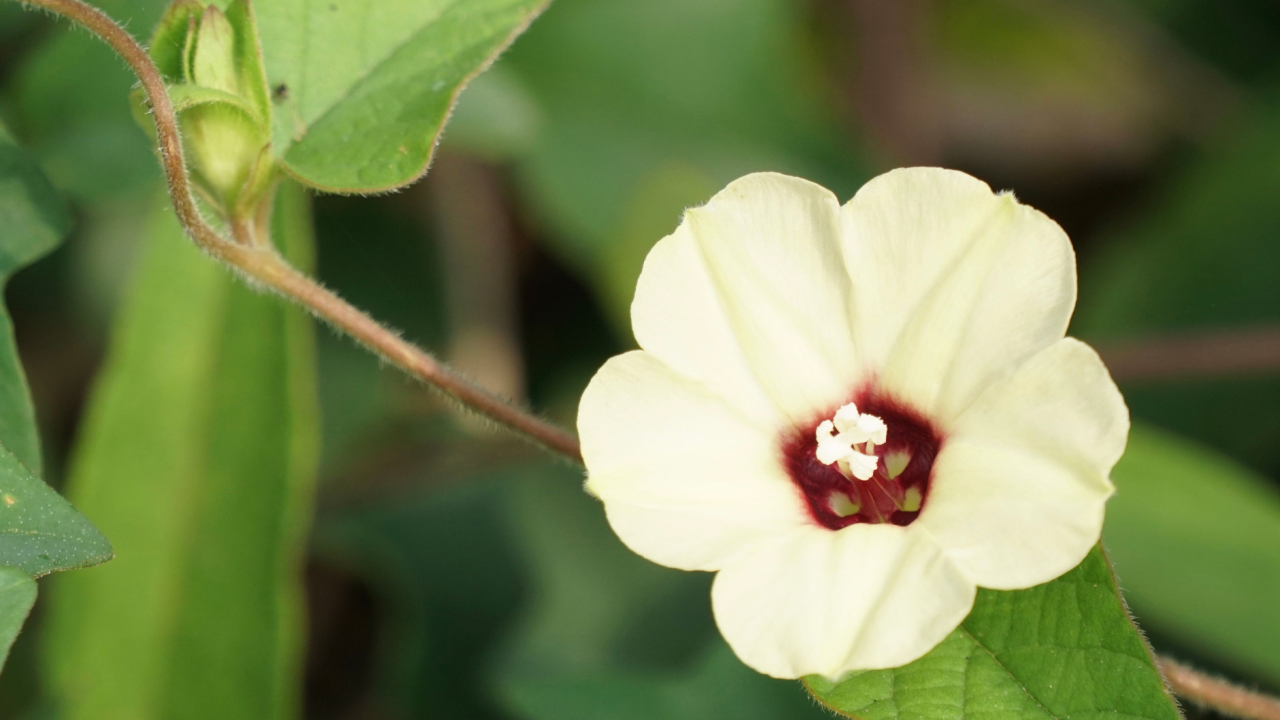
Most people let the frost kill sweet potato vines, which is a waste. Beneath that trailing foliage is a tuber, just like an edible sweet potato (though these are bred for looks, not taste).
You have two options. You can take cuttings and root them in water; they root incredibly fast. Or, you can dig up the tubers and store them like dahlias in a cool, dry place. In spring, plant the tuber, and it will sprout new vines.;
Your Plan of Attack
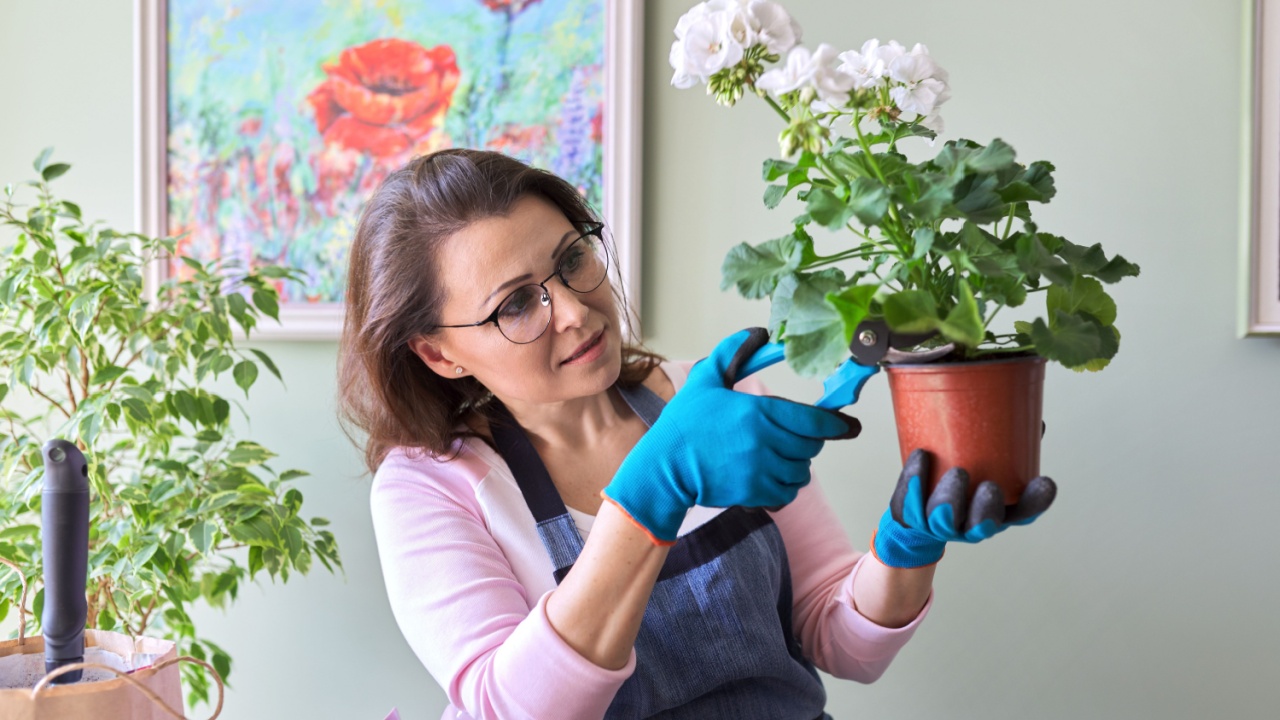
Do not try to save everything. Pick your absolute favorites or the most expensive plants to replace. Start prepping now. Inspect every single plant for bugs before bringing it inside. You do not want to introduce a colony of spider mites to your permanent houseplants. A quick wash with soapy water helps. Give yourself a break if some of them don’t make it. You are fighting nature by bringing them indoors. If you save even half of them, you are ahead of the game for spring planting.