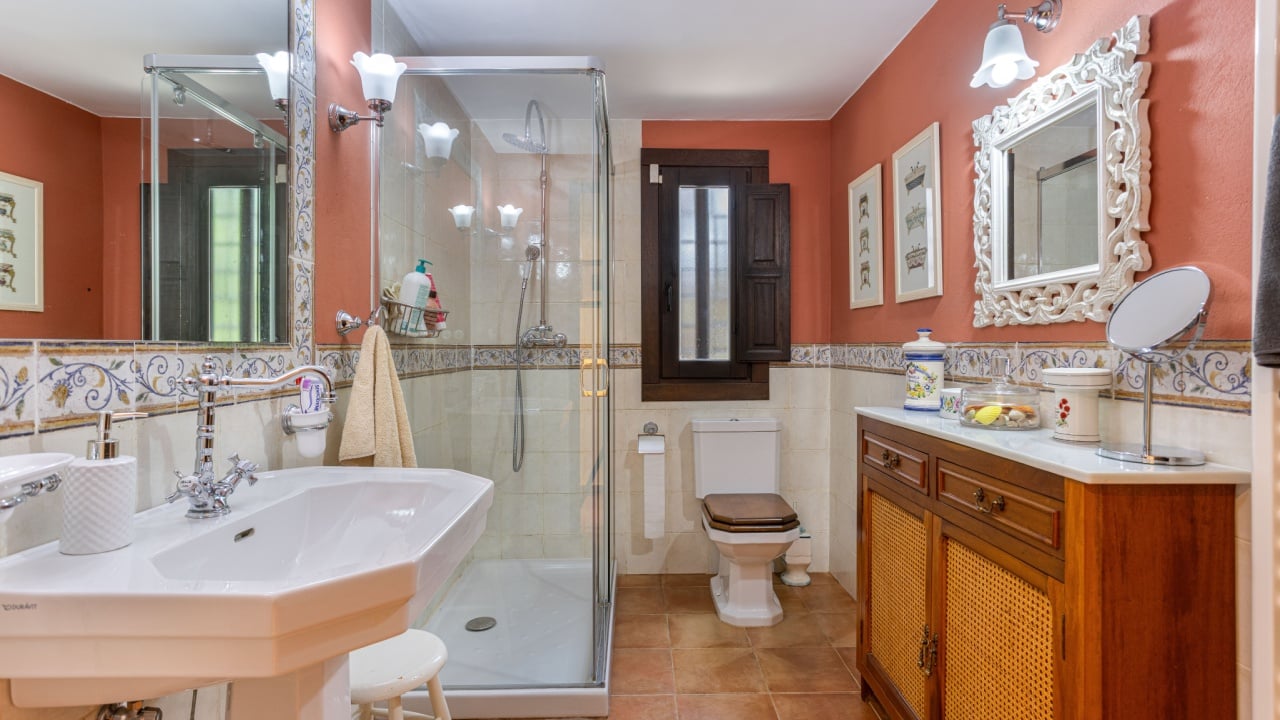
Old School Bathroom Built-Ins That Have Been Phased Out
What do you see when you think of a mid-century bathroom? For most, it’s the pink or mint green tiles; the fixtures have a heavy, confident weight to them, and the walls seem to hold secrets. In the 1950s and ’60s, designers obsessed over smooth lines. This desire for sleekness gave birth to some fascinating gadgets embedded right into the plaster.
These accessories would swivel, flip, and rotate, turning a morning routine into a mechanical performance. While modern bathrooms favor open shelving and minimalism, these hidden gems from the past offered a level of cleverness we rarely see today.
Here are three built-ins we don’t see much of anymore.
1. The Revolving Toothbrush Holder
The star of the mid-century bathroom wall was undoubtedly the revolving toothbrush holder. It looked like a simple chrome square flush against the wall. But with a push or a pull, the panel would spin 180 degrees to reveal a storage compartment for the family’s dental tools. This design kept toothbrushes hidden from sight, leaving the vanity completely clear. Hall-Mack, a company famous for these accessories, called it a “concealed lavatory unit.”
These units weren’t just about looks; they were meant to be hygienic. By hiding toothbrushes behind a chrome shield, people thought they were protecting them from airborne germs. Ironically, this design disappeared for the very same reason. As dental science evolved, we realized that trapping a wet toothbrush in a dark, unventilated wall cavity was a perfect way to grow bacteria.
2. The Recessed Tumbler Holder
Alongside the toothbrush unit, you would often find a dedicated spot for the bathroom cup, or “tumbler.” In many setups, this was part of the same revolving mechanism, or it existed as its own flipping panel. The idea was simple: a drinking cup shouldn’t sit out collecting dust or taking up precious counter space. Instead, it lived inside the wall, waiting for someone to need a rinse.
The decline of the recessed tumbler holder mirrors the decline of the bathroom cup itself. As people moved away from shared rinsing cups due to germ concerns, the need for a permanent, wall-mounted shrine to a cup faded. Furthermore, cleaning the little nook where the cup sat proved frustrating. Gunk and water spots would accumulate in the recesses, turning a device meant for cleanliness into a chore.
3. The Concealed Soap Dish
The third member of this triumvirate is the hidden soap dish. This invention tackled the perennial problem of the slimy soap bar. By hiding the soap away when not in use, the bathroom maintained a pristine appearance for guests. It prevented the unsightly residue that often pools around sink-top dishes. For a generation that valued presentation highly, hiding the soap was a small but significant victory in the war against mess.
Ultimately, the shift from bar soap to liquid soap rendered this gadget obsolete. Pump bottles don’t fit into shallow wall recesses. For those who still use bar soap, the issue of air circulation returns. A wet bar of soap sealed inside a wall cavity stays wet, turning into mush faster than one left on an open dish. The metal mechanisms also tended to rust or stick after years of exposure to moisture, leading to jammed units that refused to open.
Bringing The Charm Back
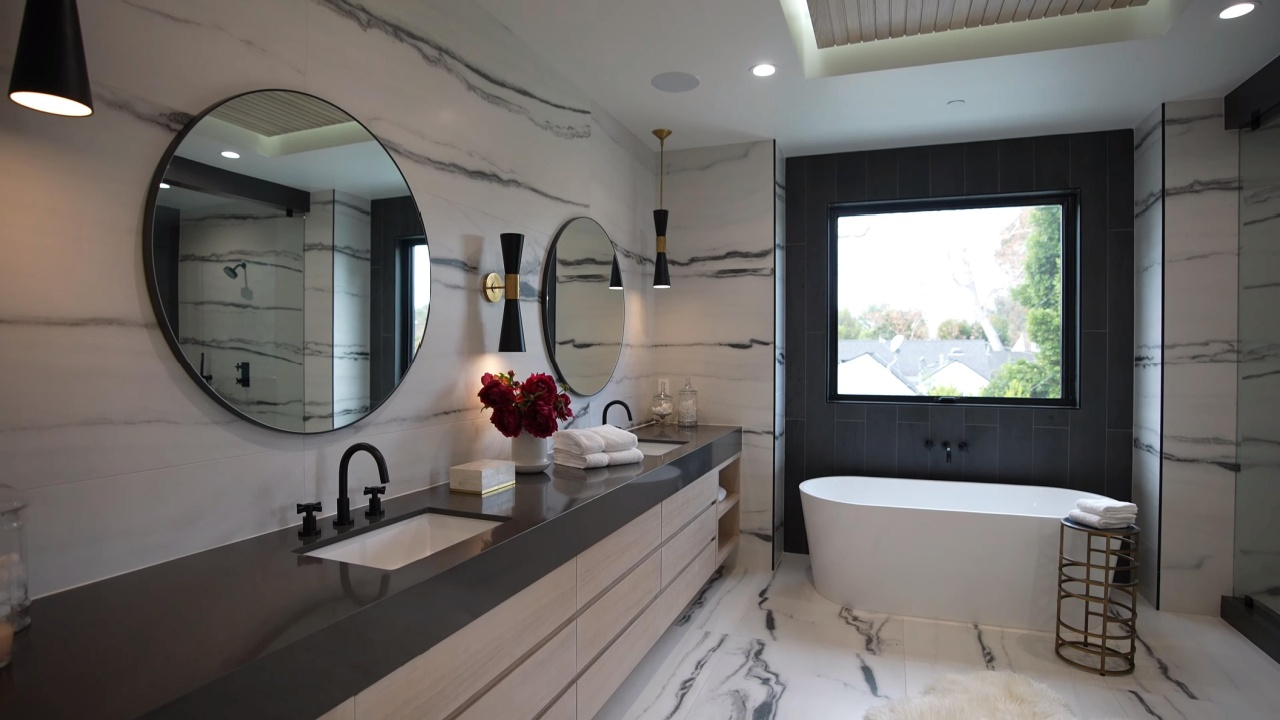
While you likely won’t see builders installing revolving toothbrush holders in new subdivisions, the concept of recessed storage is making a sophisticated return. The logic remains sound: hiding functional items makes a small space feel larger and more luxurious.
If you love the vintage look, you can sometimes find original units on auction sites or at architectural salvage yards. Installing one requires cutting into the drywall, so check for studs and pipes first. For a safer route that captures the spirit without the vintage price tag, look into modern shower niches or recessed medicine cabinets.