6 Things That Made Grandma’s House Feel Like Home
Walking into a grandmother’s house often feels like stepping onto a movie set designed for comfort. The smell of baking hits you first, followed closely by the visual cues that let you know you have entered a zone where time moves a little slower. It is a specific aesthetic, curated not by interior designers but by decades of practical living and holding onto things that actually work.
While trends cycle through minimalist greys and industrial metals, the homes of an older generation hold steady with items built for the long haul. These objects weren’t just taking up space; they served a purpose.
Here are six items that were staples in Grandma’s house.
1. The Indestructible Pyrex Mixing Bowls
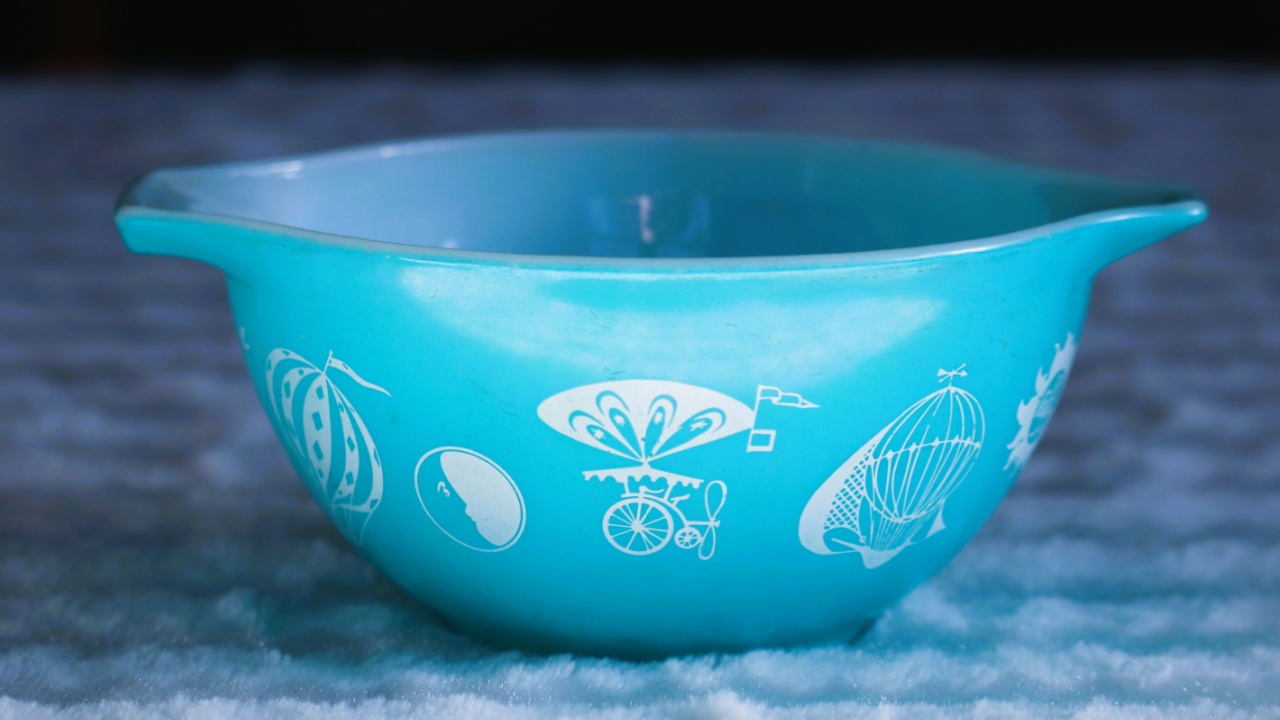
If a kitchen did not have a set of nesting Pyrex bowls, did cooking actually happen there? These glass bowls, often sporting patterns like “Butterprint” (the Amish farming scene) or “Gooseberry,” were heavy enough to stay put during vigorous mixing but pretty enough to serve salad in at the dinner table. Unlike modern plastic that stains the second it meets tomato sauce, these bowls repelled grease and odors with ease.
They represent a manufacturing philosophy we rarely see: buy it once. You could drop one of these (within reason), and it would likely bounce rather than shatter. The distinct colors and patterns also served a functional purpose, helping cooks quickly identify the right size for the job without rummaging through a cabinet. Collectors hunt these down today, not just for the retro look, but because they perform better than almost anything you can buy at a big-box store right now.
2. The Heavy Cast Iron Skillet
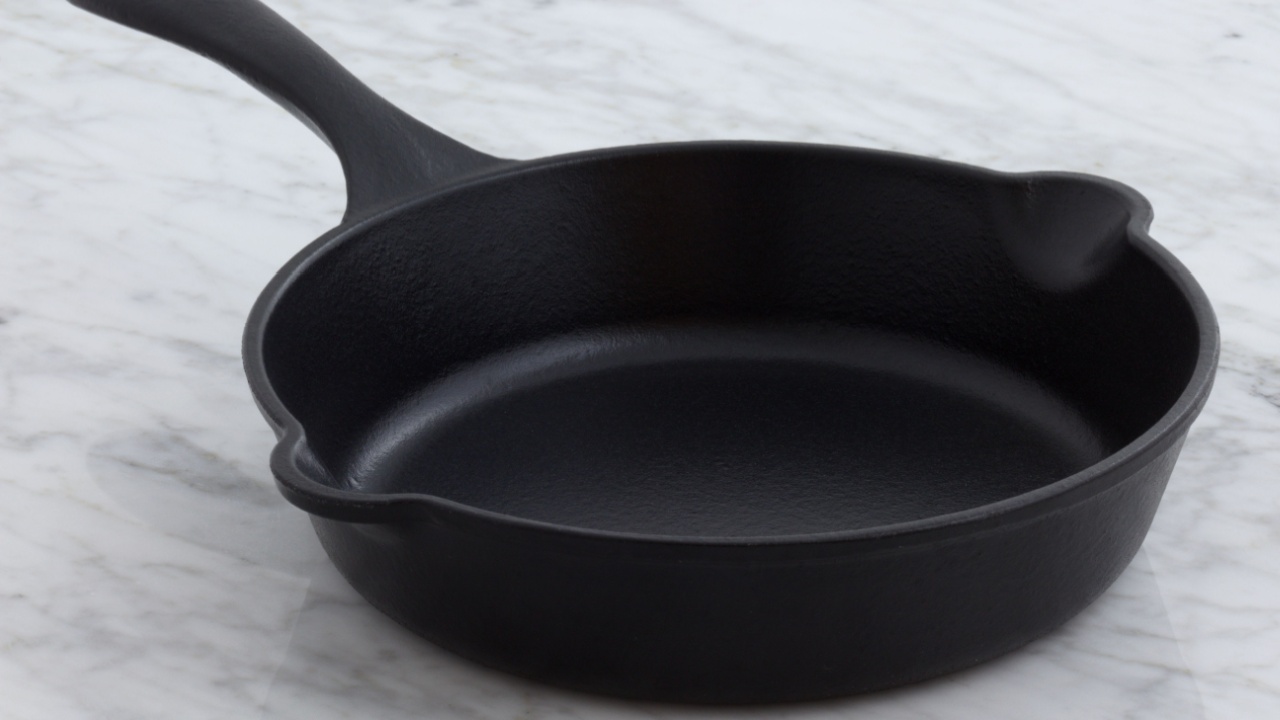
This pan was likely sitting on the stovetop 24/7, purely because it was too heavy to put away. The cast iron skillet was the original non-stick cookware, provided you treated it with the respect it demanded. Grandma never let soap touch this pan. Instead, it was wiped clean and oiled, building up a layer of “seasoning” that made it slicker than Teflon.
Cast iron cooked bacon perfectly, seared steaks with restaurant-quality crusts, and baked cornbread with crispy edges that people fight over. The weight of the iron retains heat exceptionally well, meaning once it gets hot, it stays hot. This allows for even cooking, preventing those annoying hot spots you get with thin aluminum pans. It also adds a small amount of dietary iron to food, which is a nice health bonus.
3. The Mysterious Crystal Candy Dish
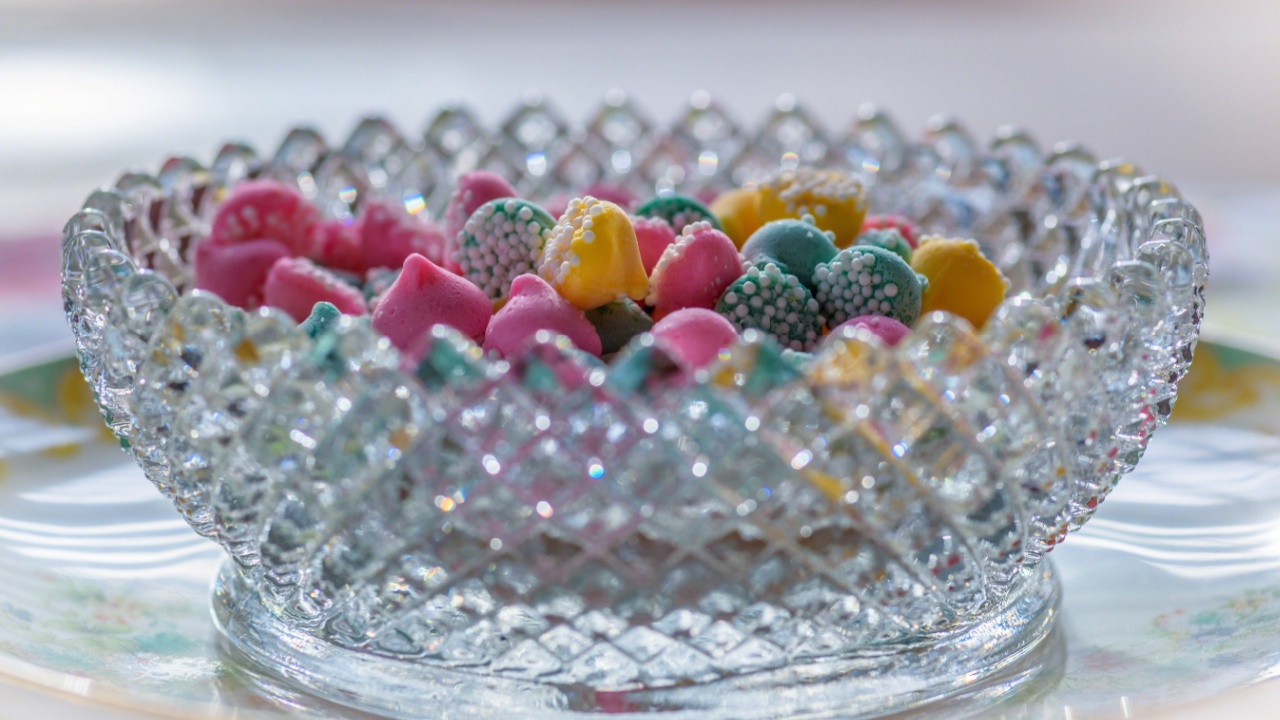
Sitting on the coffee table or the sideboard, the crystal candy dish was a beacon for grandchildren everywhere. It was heavy, comprised of cut glass that caught the afternoon light, and usually had a lid that made a very distinct “clink” sound when lifted. The contents were predictable: strawberry hard candies wrapped in metallic foil, ribbon candy fused into a single brick, or butterscotch that may have been there since the Carter administration.
The dish itself was often a piece of lead crystal or heavy pressed glass. It served a dual purpose of decoration and hospitality. Offering a sweet to a guest is a universal gesture of welcome. Having a dedicated vessel for treats showed that the home was always ready for company.
4. The Cheerful Ceramic Cookie Jar
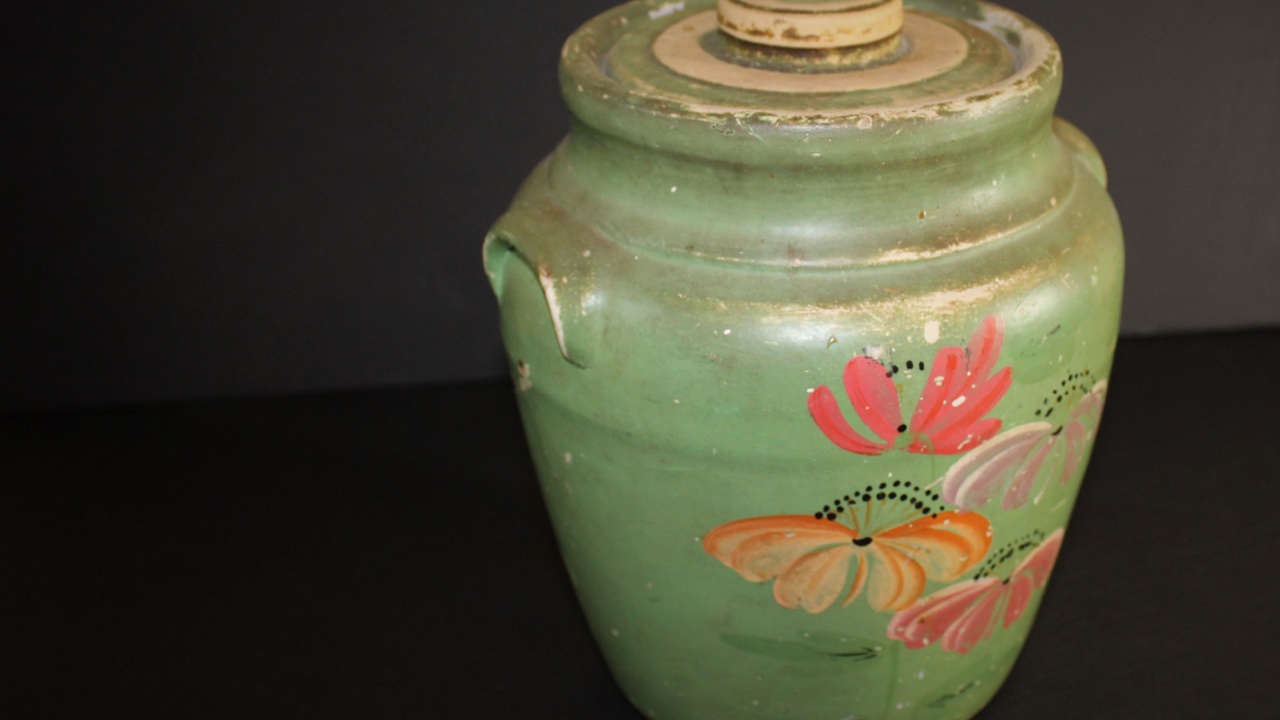
While the crystal dish held the hard candy, the ceramic jar was home to the real goods. Often shaped like a monk, a mushroom, a goose, or a smiling bear, this item lived on the counter. It was the centerpiece of the kitchen island or the corner nook. These jars were spacious, capable of holding three dozen oatmeal raisin cookies without crushing them.
Ceramic is excellent for baked goods because it maintains a stable internal temperature and blocks out light. While it isn’t airtight (which would make soft cookies soggy), the heavy lid keeps just enough air circulation to prevent mold while keeping critters out. It turned a snack into a destination. You didn’t just grab a cookie; you visited the cookie jar.
5. Speckled Enamelware Roasters
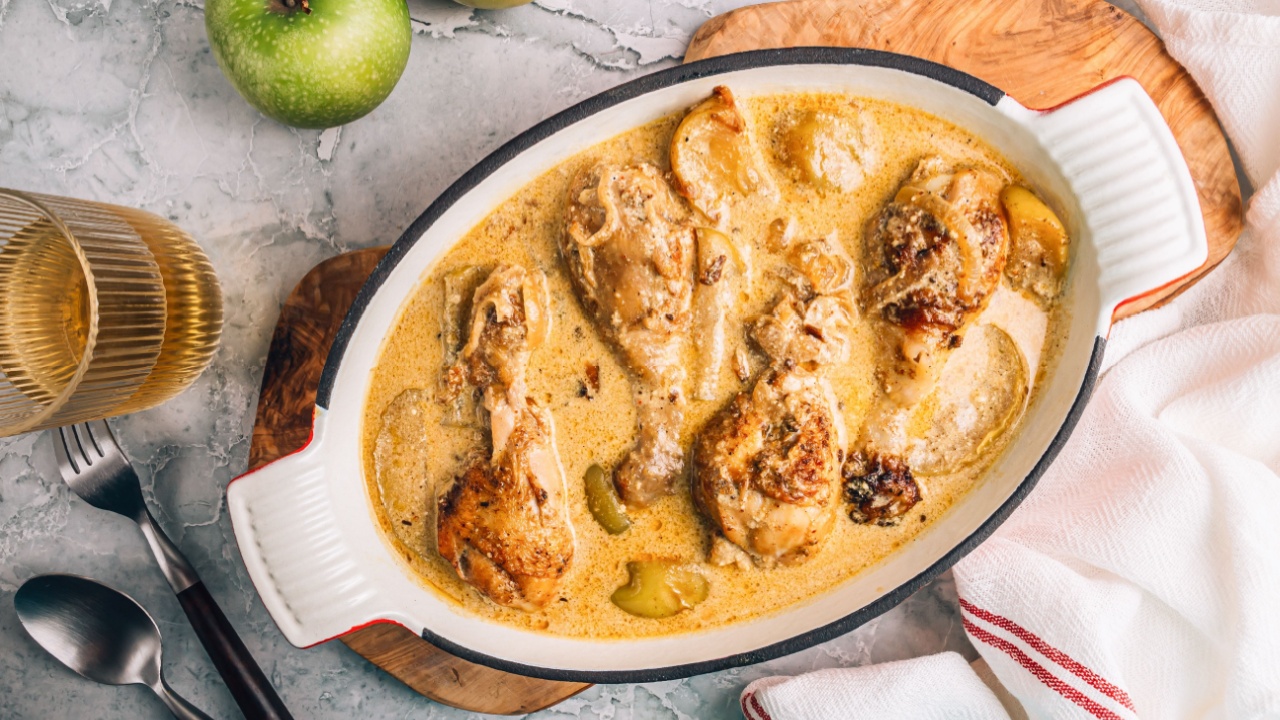
For the Sunday roast or the Thanksgiving turkey, the speckled dark blue or black oval roaster was mandatory. Enamelware is essentially glass fused onto metal. This combination offers the heat conduction of steel with the non-reactive surface of glass. It is lighter than cast iron but tougher than ceramic.
These pans could handle high heat and were surprisingly easy to clean. If you burned the potatoes, a good soak usually lifted the mess right off the enamel surface. The lid design on these roasters was specific, often featuring dimples that collected steam and dripped it back down onto the meat, self-basting the dinner while the cook watched soap operas in the other room.
6. Wood-Paneled Surfaces
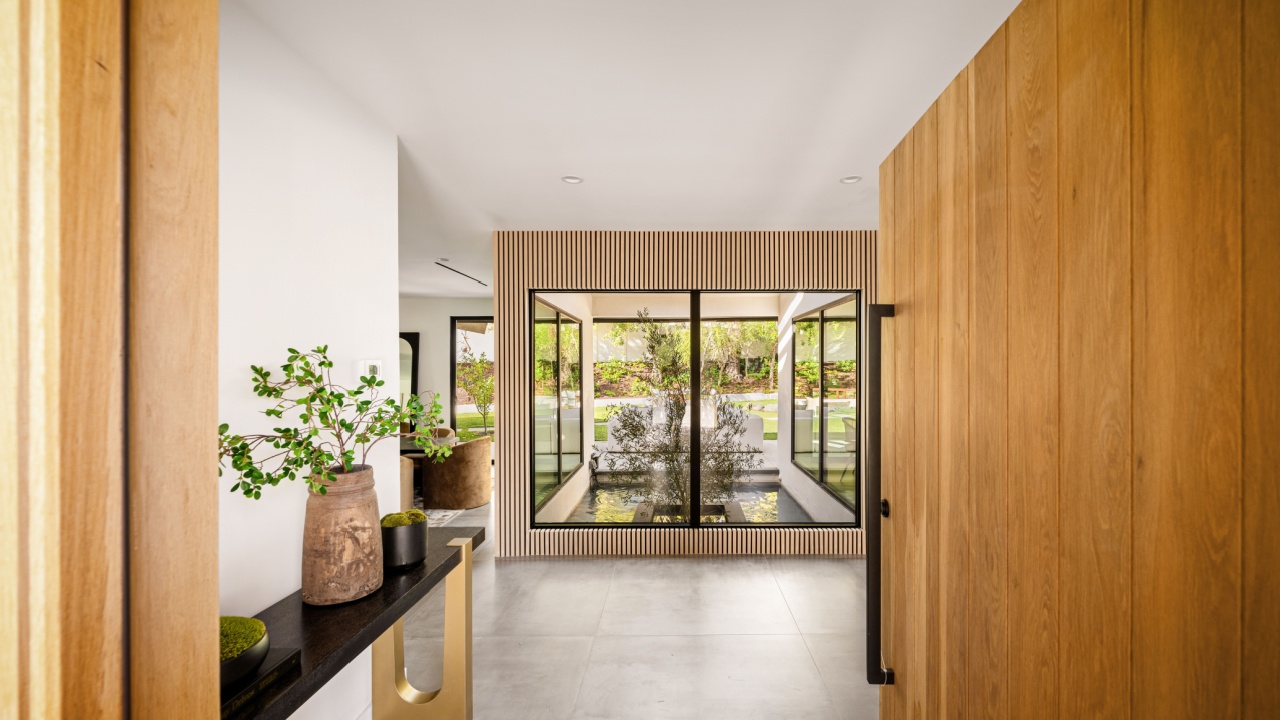
While not an object you can pick up, wood paneling was a definitive element of the environment. Legitimate timber or a convincing laminate sheet, wood tones dominated the walls and cabinets. It made rooms feel smaller, yes, but also warmer and more enclosed. It absorbed sound, dampening the noise of a busy household.
Modern design often favors stark white walls and high-gloss finishes, which can feel clinical. The wood paneling of yesteryear offered texture and variety. It hid fingerprints and scuffs remarkably well, making it perfect for high-traffic areas like the den or the kitchen. It provided a neutral, earthy backdrop that made colorful accessories pop.
Bringing the Past into the Present

You do not need to turn your home into a museum exhibit to benefit from these items. The trick is integration. If you want to use these nostalgic elements, focus on function first. Replace disposable plastic containers with glass mixing bowls. They look better and last longer.
Consider hunting for a cast-iron skillet at a yard sale. Restoring one is a satisfying weekend project that yields a tool you will use for the rest of your life. If you love the look of wood paneling but fear the dungeon effect, try adding wood accents or a single feature wall rather than doing the entire room.