4 Cozy Living Room Designs Not to Use in a Small Space
We all want a home that feels like a warm hug. A space where you can curl up on a rainy Tuesday and forget the world exists outside your window. The pursuit of this snug atmosphere can lead down a treacherous path.
You start adding layers, textures, and substantial pieces to build that nest-like quality. Suddenly, the room does not just feel snug. It feels tight. It feels like the walls are slowly inching inward while you sleep.
How did you get here? Here is a look at specific design elements that might be suffocating your living area.
1. Using Oversized Furniture That Dominates The Space

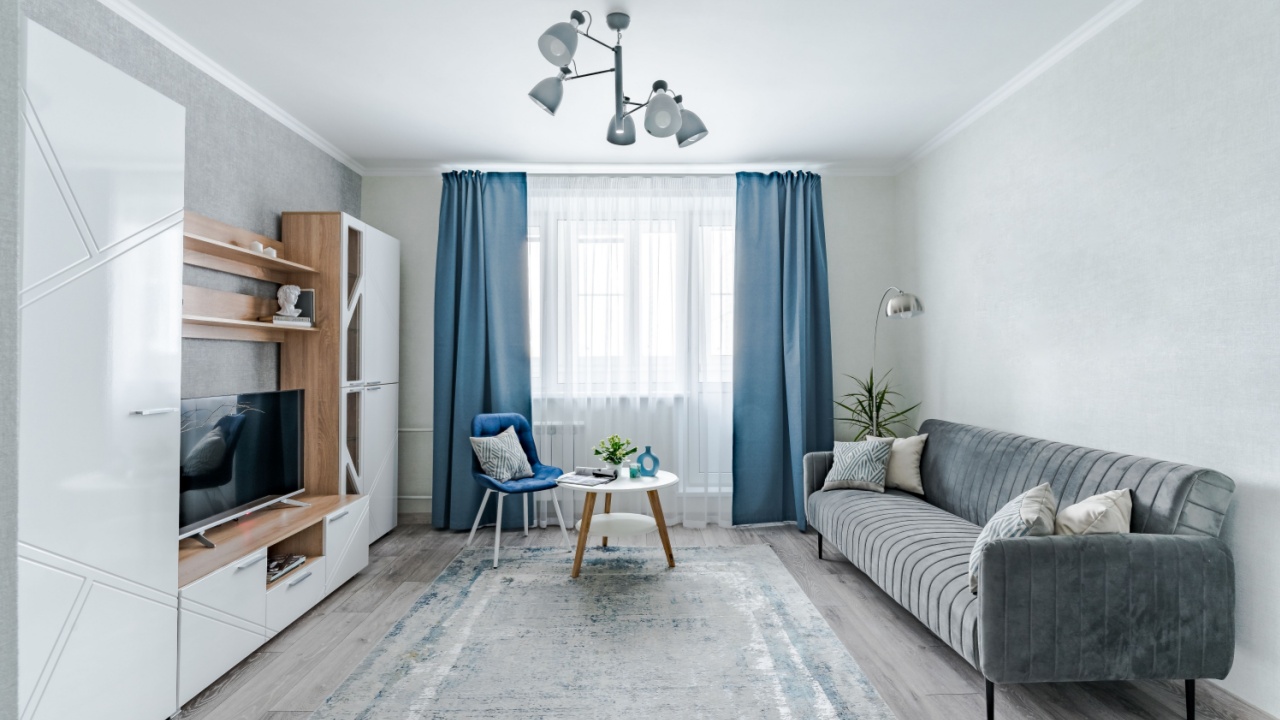
Massive furniture is the quickest way to make a room feel miniature. When a sofa or armchair touches the walls or blocks traffic paths, it signals to the brain that your room is too small to hold its contents. Floor space is the currency of perceived size. The more floor you can see, the larger the room feels. Overstuffed armrests, high backs, and deep seats consume this valuable currency greedily.
This does not mean you must sit on rigid, uncomfortable chairs. It suggests finding pieces that offer comfort without the bulk. Furniture with exposed legs allows light and sightlines to travel underneath the piece, extending the visual floor plan. Lower profiles keep the vertical volume open, preventing the ceiling from feeling lower than it actually is.
2. Heavy, Dark Fabrics That Block Light (aka Curtains)
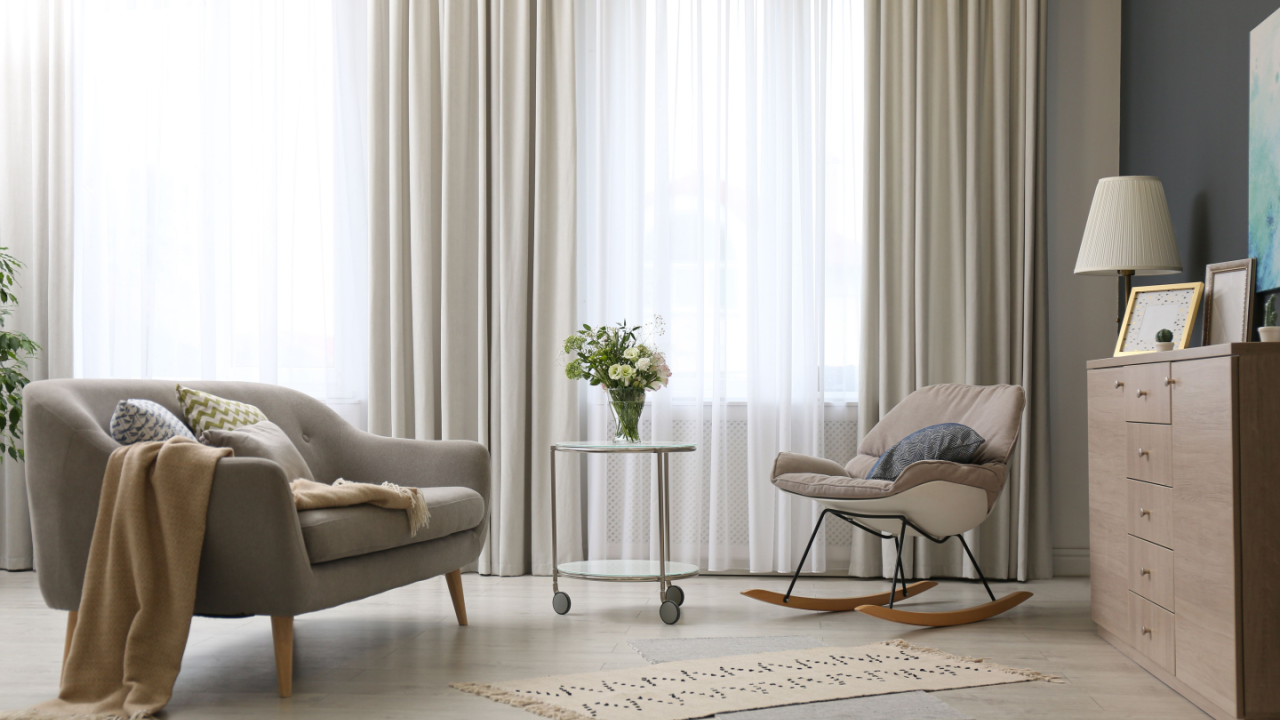
Velvet drapes and thick wool throws scream luxury. They bring a tactile richness that is hard to beat during colder months. Dark colors absorb light, which is excellent for a media room where you want total immersion. In a general living space, however, light absorption is the enemy of spaciousness. Heavy, dark fabrics at the windows act like solid walls. Even when drawn open, the stack of thick fabric on either side of the window frame creates a visual barrier.
Natural light is the most effective tool for expanding a room. Anything that hinders the flow of sunlight will inevitably make the space feel tighter. Heavy fabrics have a physical weight to them that translates into visual weight. A room filled with dark velvets, thick brocades, and heavy wools will feel physically heavier and more enclosed.
3. Undersizing The Rug So It Chops Up The Floor
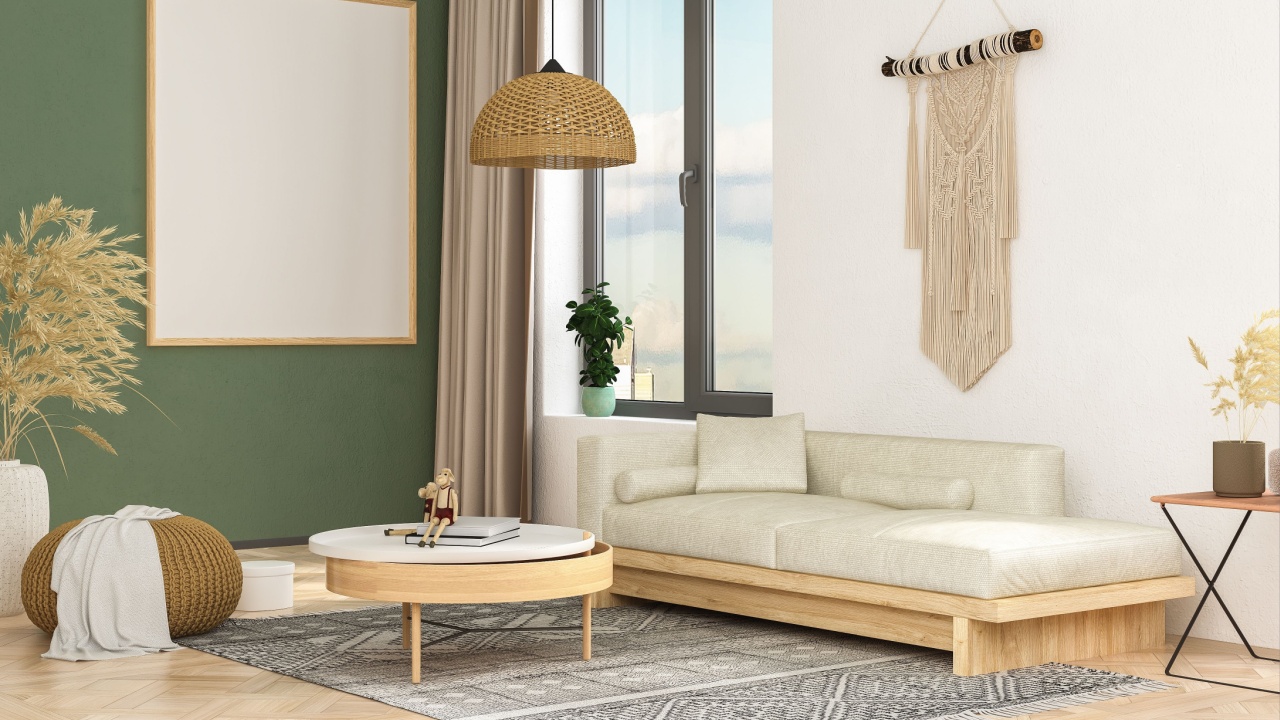
Rugs are expensive. It is tempting to buy the five-by-seven option because the eight-by-ten price tag made your wallet weep. This is one of the most frequent design errors homeowners create. A small rug creates a “floating island” effect. It sits in the center of the room, often with furniture hovering around it rather than sitting on it.
A properly sized rug acts as a foundation. It should bind all the furniture together. When the front legs of your sofa and chairs sit on the rug, it anchors the seating arrangement and draws the eye outward to the edges of the rug. This pushes the perceived boundaries of the seating area further out, making the entire room feel grander.
4. Clutter And Too Many Decorative Items

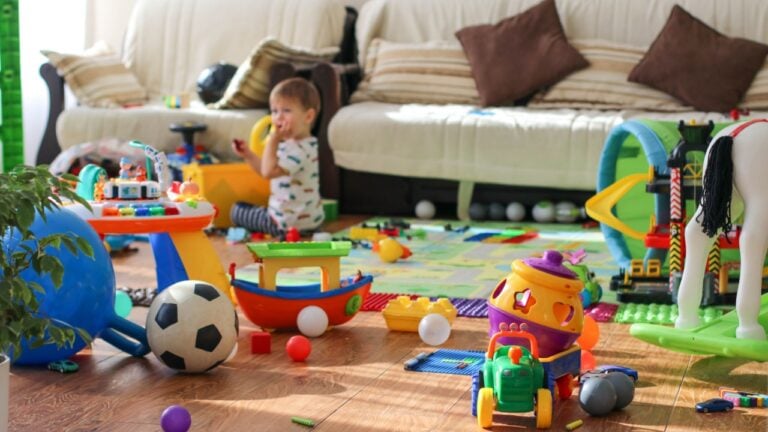
We accumulate things. It is human nature. You visit a flea market and find a vintage vase. You inherit a collection of porcelain figurines. You travel and bring back souvenirs. Slowly, surfaces become covered. Every end table, coffee table, and mantlepiece becomes a stage for a display. While these items carry memories, an abundance of small decor items creates visual noise.
This is often referred to as “visual clutter.” Even if the items are organized neatly, having too many of them reduces the negative space, the empty areas that allow the design to breathe. Negative space is essential for a room to feel open. It is the silence between the notes that makes the music. Without empty table space or bare sections of wall, the room feels like a storage unit.
Reclaiming Your Space
Design is rarely a permanent sentence. If you recognize your living room in the descriptions above, you have the power to change it without a renovation crew. You can start by simply removing items. Take down the heavy curtains for a day and see how the light changes. Roll up the small rug and live with bare floors until you find the right size replacement.
Creating a spacious feeling is a game of optics. It is manipulating light, shadow, and proportion to trick the eye. You want your home to serve you, not confine you. By prioritizing flow, light, and scale, you turn a cramped room back into the sanctuary it was always meant to be.