7 Tricks to Make an Open Space Feel More Defined
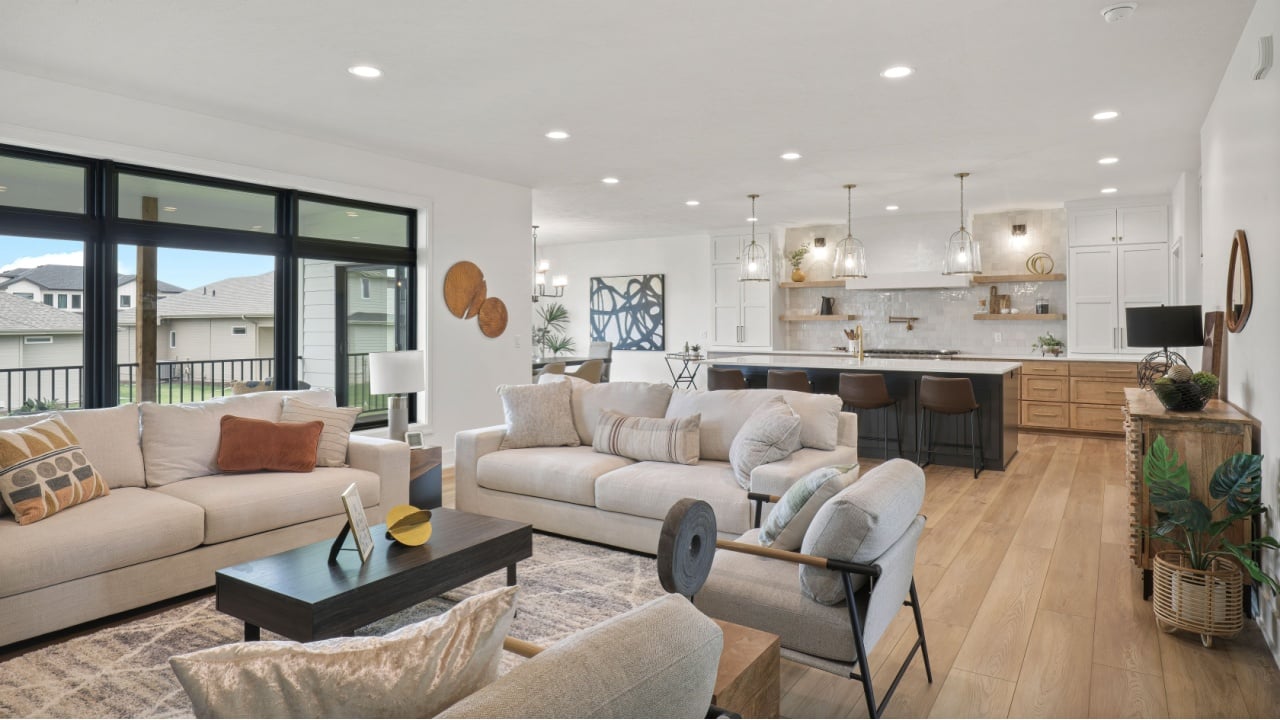
Open-concept living is great until your living room starts bleeding into your dining room, which then somehow becomes part of your kitchen. Without walls, a home can feel like one giant, undefined space where the couch is too close to the dishwasher for comfort.
What do you do, then? Should you call a contractor to build walls? Thankfully, not. Create distinct zones in an open floor plan with smart design techniques that define function while preserving the open, airy feel.
Here is how:
1. Get Strategic with Furniture Placement
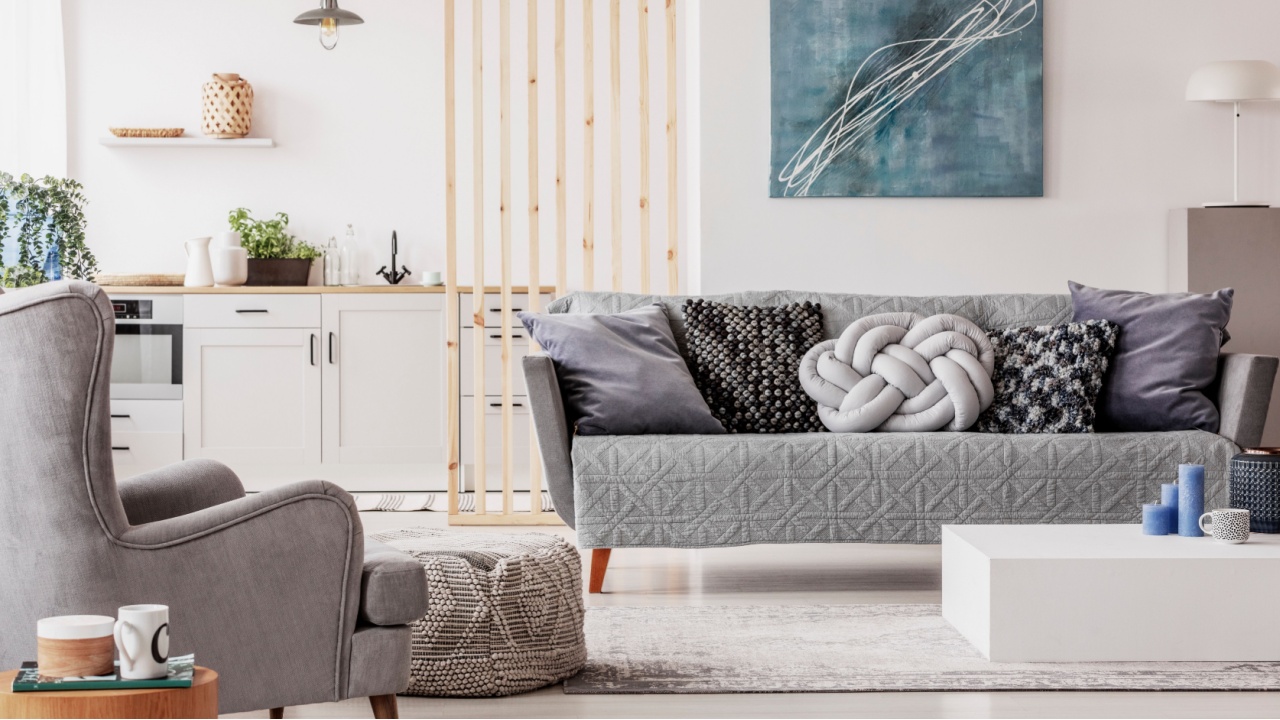
The simplest way to create zones is with the furniture you already own. Thoughtful placement can form invisible walls, guiding foot traffic and separating a seating area from a dining space. Instead of pushing all your furniture against the walls, pull it into the center of the room to create intentional groupings.
A sofa with its back to the kitchen, for example, clearly signals where the living room begins. This uses large, functional items to create subconscious boundaries. A well-placed pair of armchairs facing each other, or a console table, can interrupt a long sightline and generate a sense of enclosure.
2. Use Tall Plants as Living Dividers
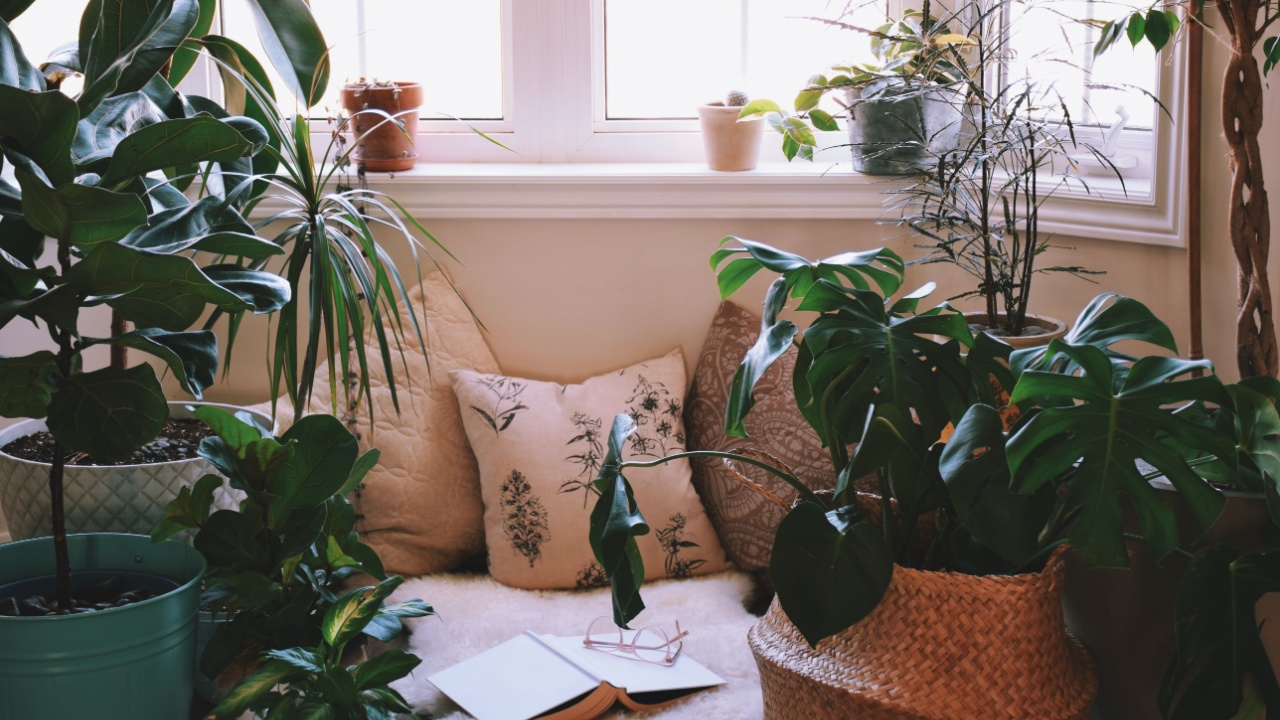
Bring the outdoors in and use it to your advantage. A row of tall, leafy plants is a beautiful and organic way to create a soft barrier between spaces. Unlike a solid wall, plants allow light to filter through, maintaining an open feel while still providing visual separation. Fiddle-leaf figs, snake plants, or birds of paradise are excellent choices for creating a lush, green screen.
Plants are a fantastic tool for dividing space because they add life, texture, and color to a room. They soften hard edges and contribute to a healthier indoor environment. A collection of plants on stands or in a long planter box can create a living wall that feels intentional and stylish, separating a home office nook from the main living area.
3. Add Open Shelving for Storage and Separation
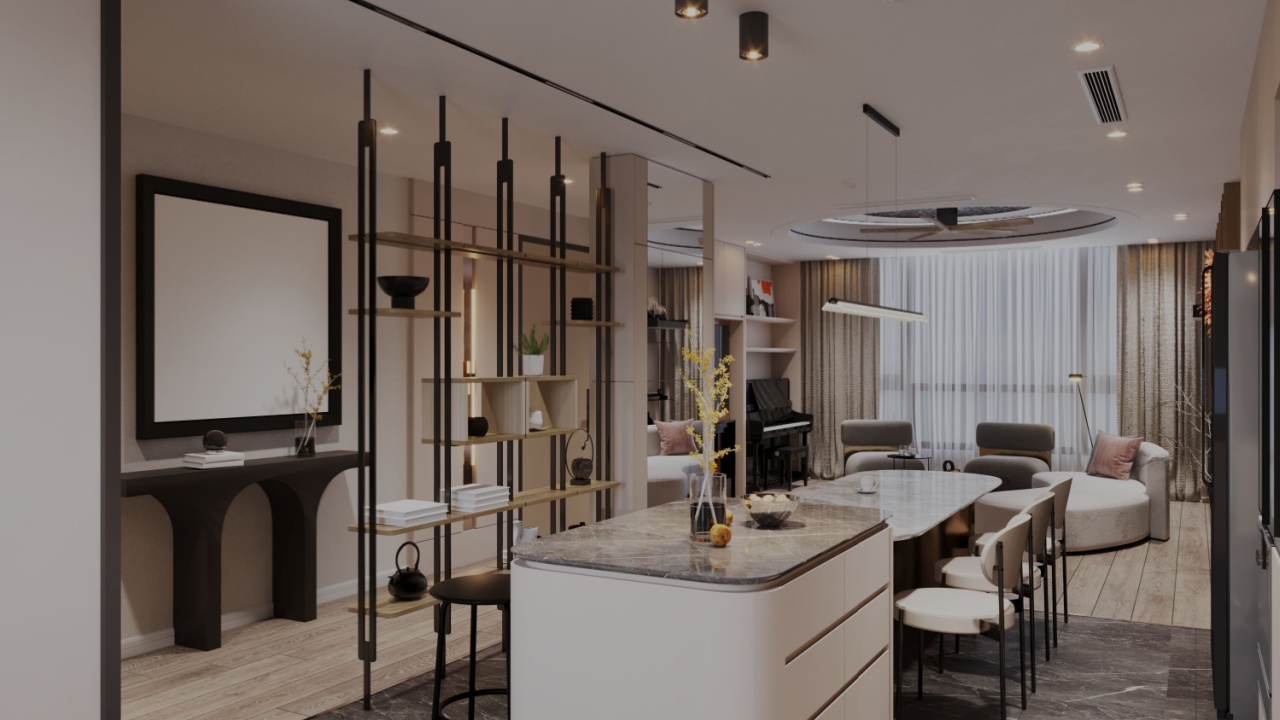
Open shelving units act as a permeable wall, dividing a room while offering much-needed storage and display space. Because you can see through them, they don’t completely block light or sightlines, which prevents the room from feeling closed off. They are perfect for separating a dining area from a living room or carving out a small workspace.
You can fill the shelves with books, art, and cherished objects, adding personality to both “sides” of the divider. The structure itself creates a clear boundary, while the items on display add depth and character. A standard backless bookshelf placed perpendicular to a wall can effectively partition a room.
4. Define Zones with Different Area Rugs
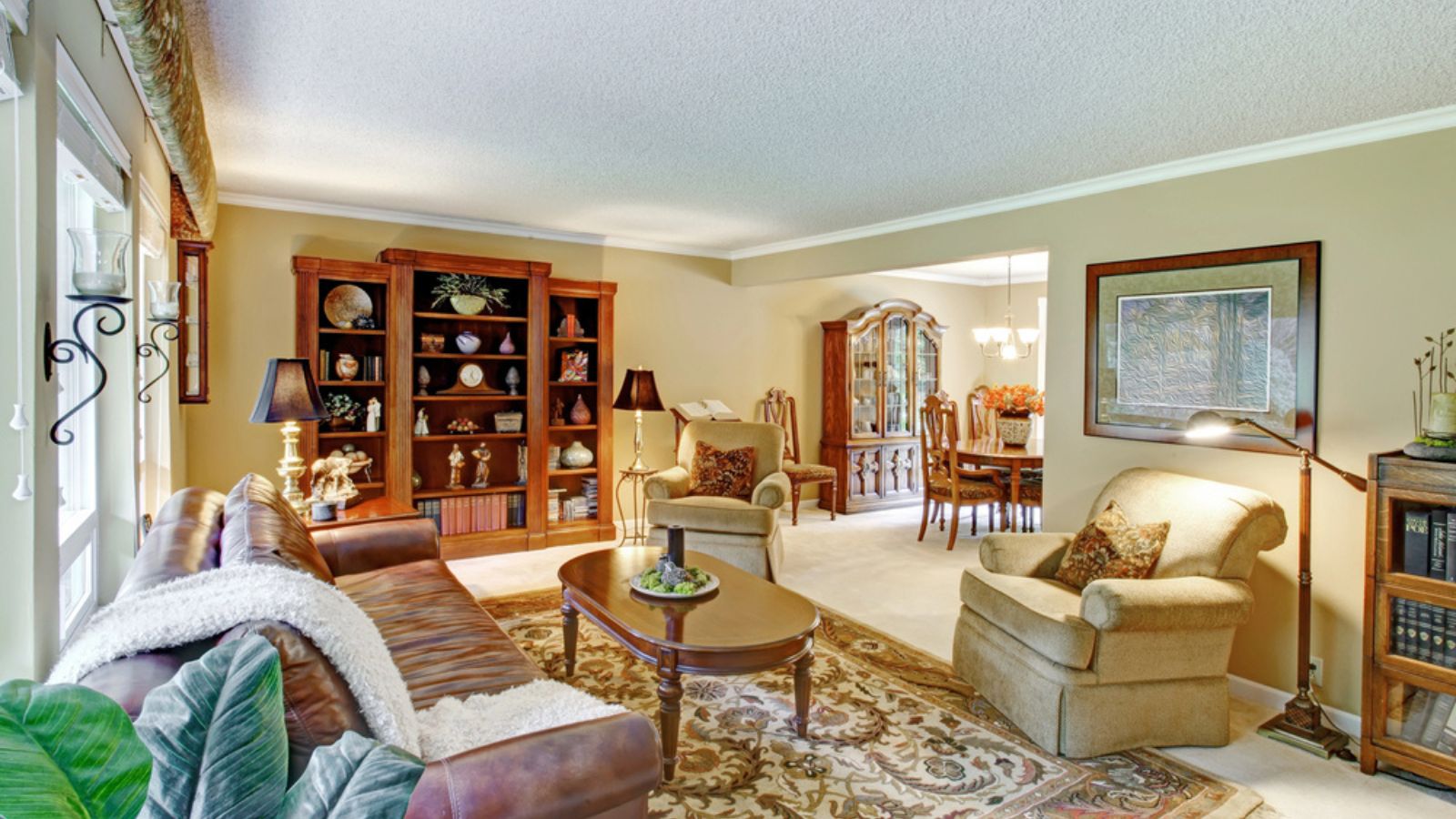
Never underestimate the power of a good rug. Using distinct area rugs is one of the most effective ways to create “zones” on the floor. A large rug can anchor your living room furniture, visually separating it from the dining area, which might have its own rug. This technique works on a psychological level, creating rooms on the floor plane.
Rugs are masters of silent suggestion. They clearly mark the territory of each functional area without putting up a single physical barrier. This maintains the flow of the open concept while bringing color, pattern, and texture into the design.
5. Hang Curtains for a Flexible Fix
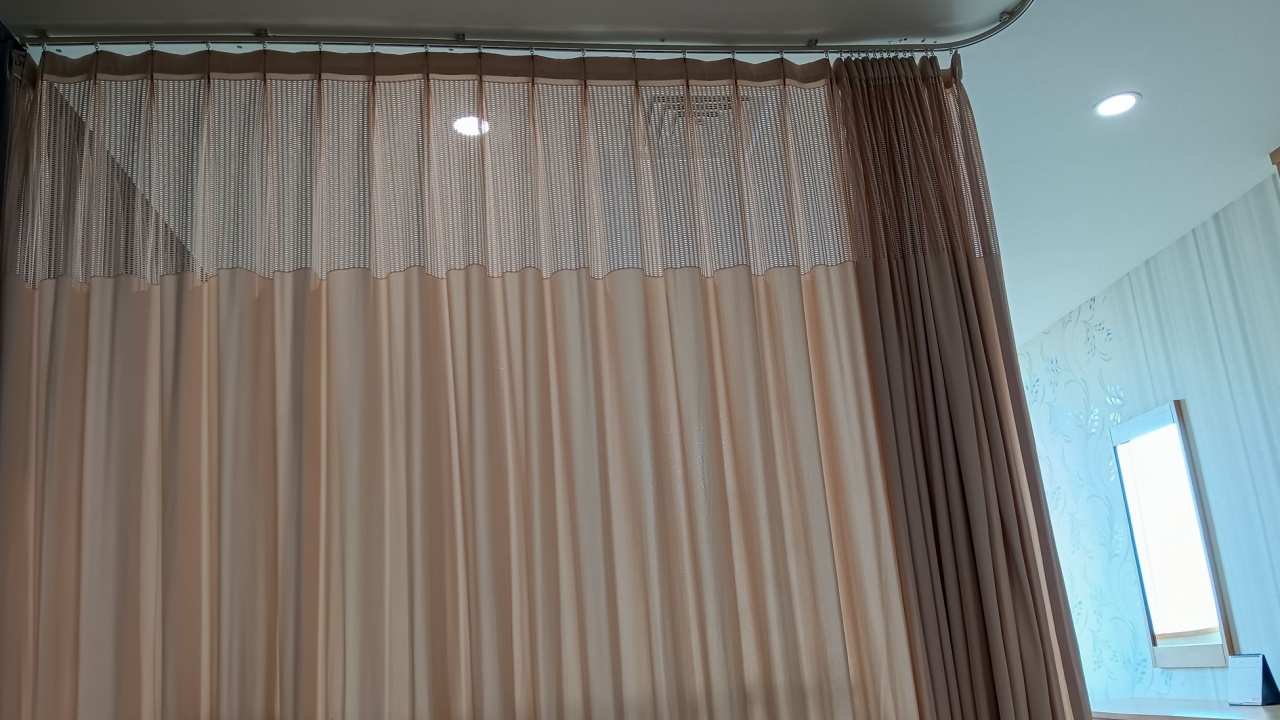
Curtains aren’t just for windows; they can cover bulky closets and, in an open-plan house, hang from a ceiling-mounted track to act as a soft, flexible room divider. You can pull them closed when you want to hide a messy desk or create a more intimate setting, and slide them open when you want to open up the space again. It’s a low-commitment, high-impact solution.
This method offers a level of adaptability that permanent dividers do not. It’s perfect for creating a temporary guest “room” in a studio apartment or concealing a workout area when it’s not in use. The fabric adds softness and texture, which can make a large, open space feel more welcoming.
6. Install Glass Partitions for Sleek Separation
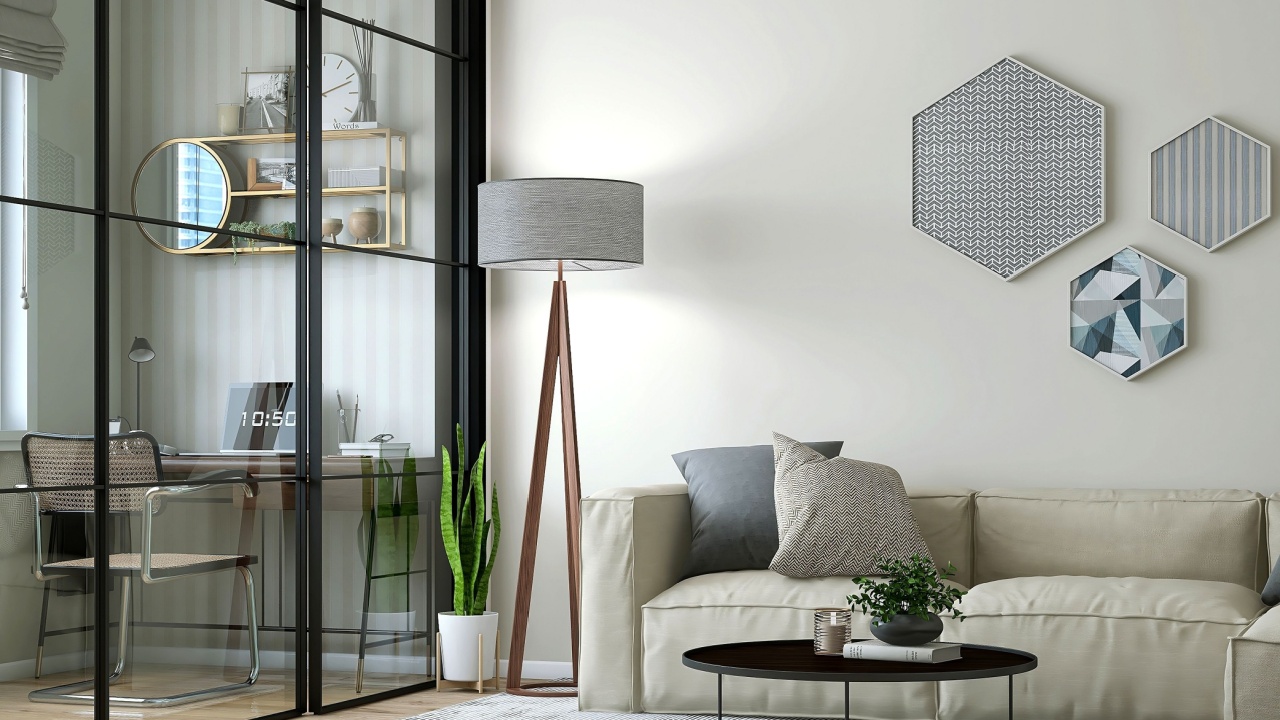
For a more permanent but incredibly stylish solution, consider glass partitions. Framed in black steel, these dividers define a space, like a home office or a reading nook, without sacrificing any natural light. They create a distinct room while maintaining the visual connection to the larger space, which is the whole point of an open floor plan.
Glass partitions are so effective because they offer the best of both worlds: the structural definition of a wall and the airiness of an open room. They block sound better than other dividers and add a sophisticated, industrial-chic element to your decor. While it’s a bigger investment, the result is a functional and architectural feature.
7. Build a Partial or Half Wall
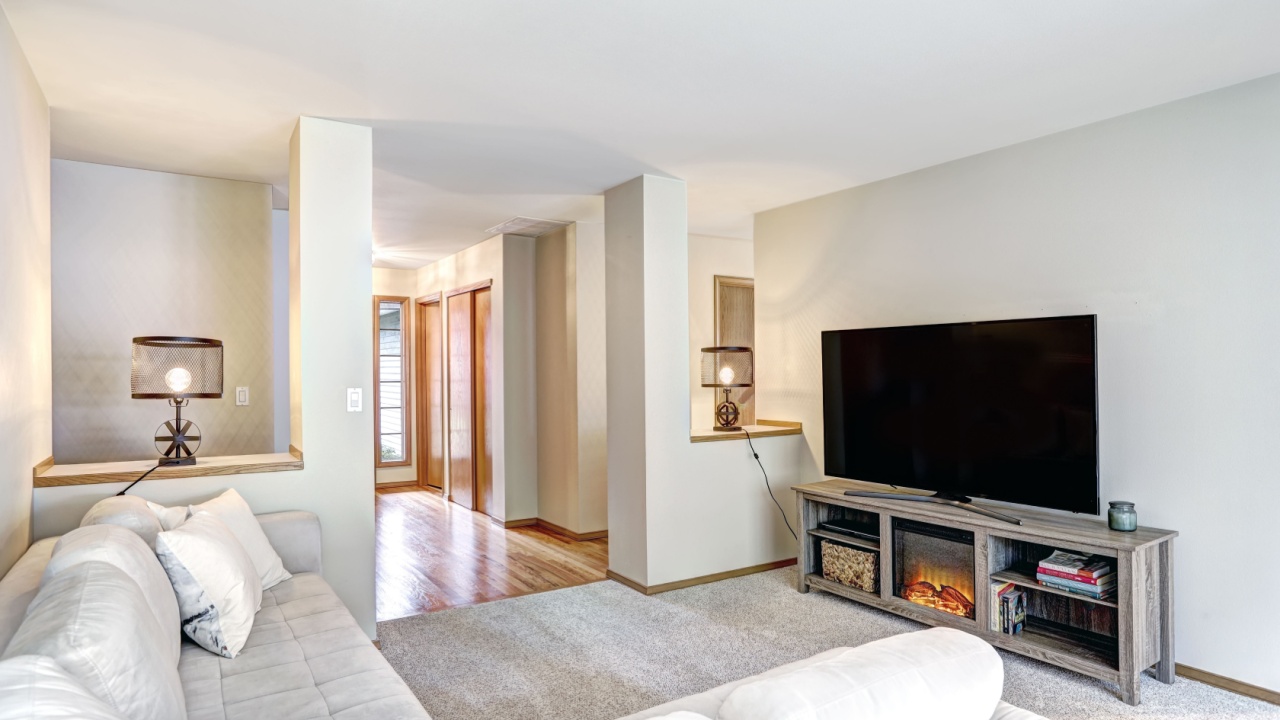
A partial wall, sometimes called a pony wall, is a built-in feature that physically divides a space without completely closing it off. It can be just high enough to separate a kitchen from a living area while providing a surface for a breakfast bar. You could also build a taller, but not full-width, wall to create a more substantial division.
This is a great option because it feels like a deliberate part of the home’s architecture. It creates a solid, undeniable boundary that can also be functional. A half wall can house cabinets on one side, provide a backsplash for a sink on another, or simply act as a ledge for decor. It makes the zones feel permanent and planned.
Bringing It All Together
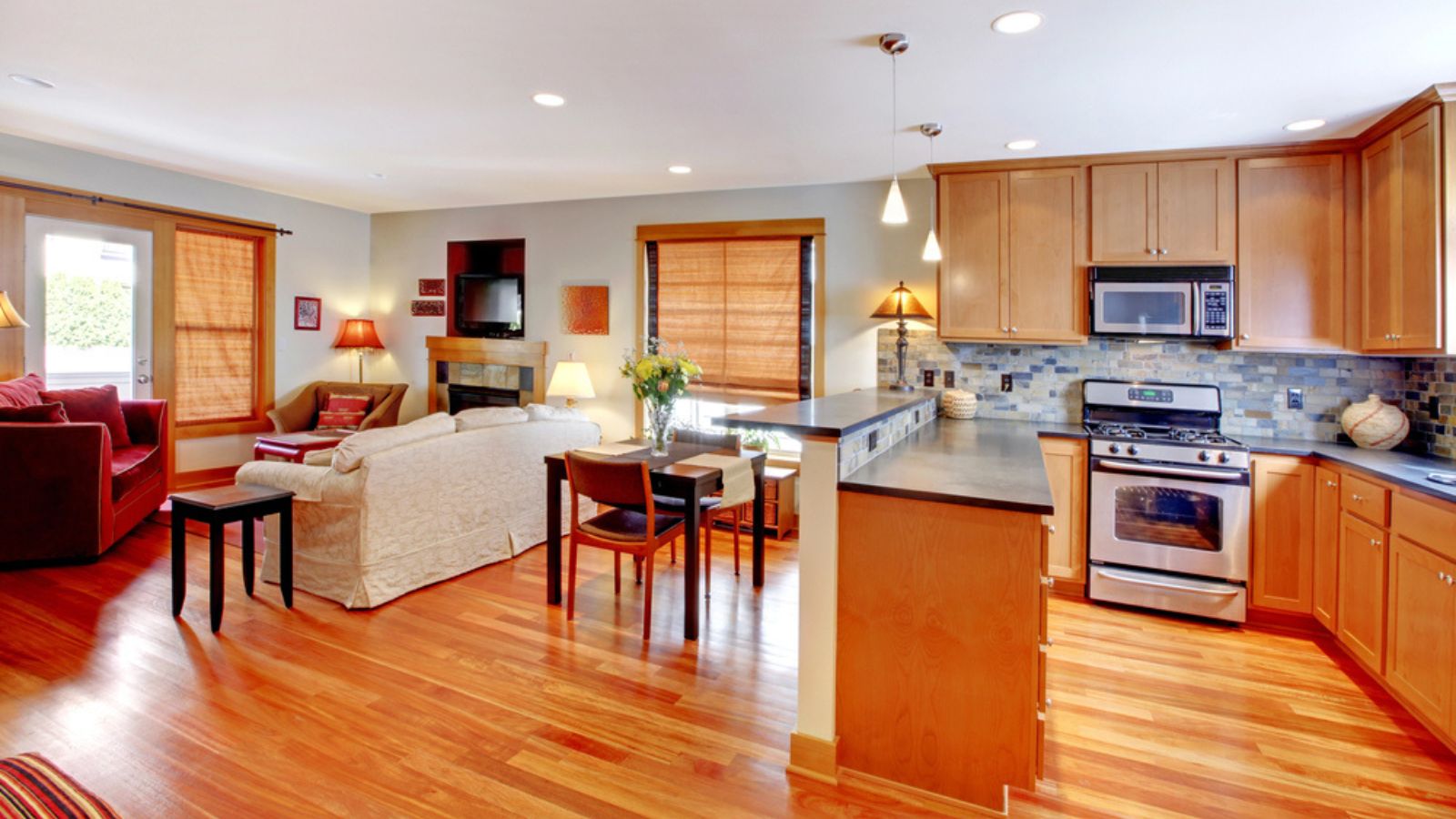
Once you have your zones defined, the final step is to unify the entire space through a consistent design theme. While each area serves a different function, they should all feel like they belong in the same home. Carry a consistent color palette, material finish, or design style throughout the open-concept area. For instance, use the same wood tone in your kitchen cabinets, your dining table, and the frame of your living room mirror. This creates a harmonious flow that connects the distinct regions you’ve worked so hard to create. Your home will feel both spacious and thoughtfully organized.