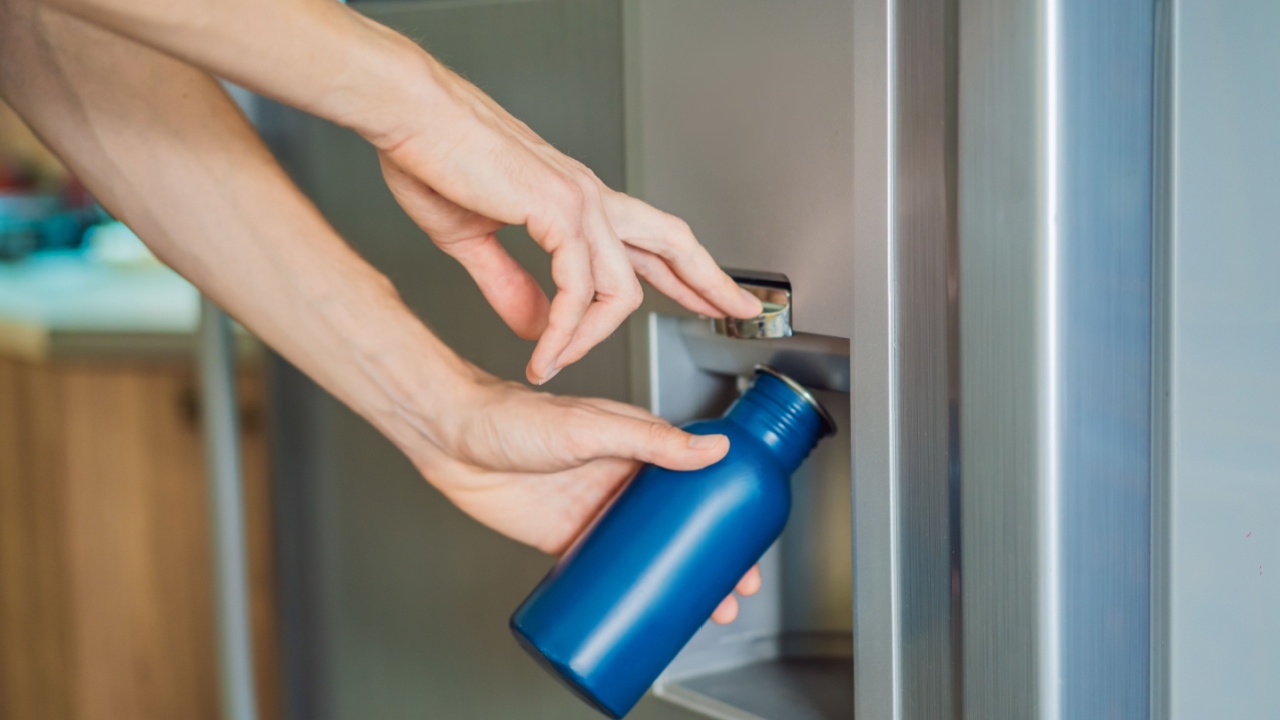
Ignoring the Fridge Water Filter Leads to These 3 Problems
Everyone knows that specific guilt. You walk into the kitchen for a midnight snack or a glass of water, and there it is. The glowing red light on the refrigerator panel. It has been demanding attention for weeks, maybe months. It is the appliance equivalent of a check engine light, but with lower immediate stakes, so it gets ignored. It sits there, judging silently while you fill your cup.
Ignoring that little indicator seems harmless enough. After all, the water still looks clear, and it is still cold. How bad could it be? Unfortunately, leaving an old filter in place does more than just annoy the perfectionist in the house. It actively degrades the performance of the appliance and the quality of what goes into your body.
Here is exactly what occurs inside that hidden cylinder when the replacement date comes and goes without action.
1. It Clogs

The primary function of a refrigerator water filter is to act as a physical barrier. It catches debris and unwanted particles so they do not end up in your glass. Like a vacuum cleaner bag or an air vent, this barrier eventually fills up. When the carbon medium inside the filter becomes saturated with sediment and minerals, there is nowhere left for the new contaminants to go. The path for the water becomes obstructed.
This manifests physically as a significant drop in water pressure. You might notice it takes twenty seconds to fill a standard drinking glass instead of the usual ten. The stream might sputter or come out remarkably thin. This strain forces the fridge’s pump to work harder than necessary to push liquid through a blocked passage. It is stressful for the machine and frustrating for anyone who just wants a quick drink.
2. Your Water Quality And Taste are Affected

Water filters rely on activated carbon to absorb impurities. This material is incredibly porous and grabs onto chemicals like chlorine, which gives municipal water that distinct swimming pool smell. It also captures heavy metals like lead and rust particles from aging pipes. However, activated carbon has a finite capacity. Once all those porous nooks and crannies are full, the chemical absorption stops completely.
At this point, the water bypassing the filter is essentially the same as tap water, or potentially worse. If the filter is degrading, bits of the contaminant-saturated carbon can theoretically break loose. You will likely begin to notice a metallic tang or a chlorine odor returning to your beverages.
3. Bacteria Build Up
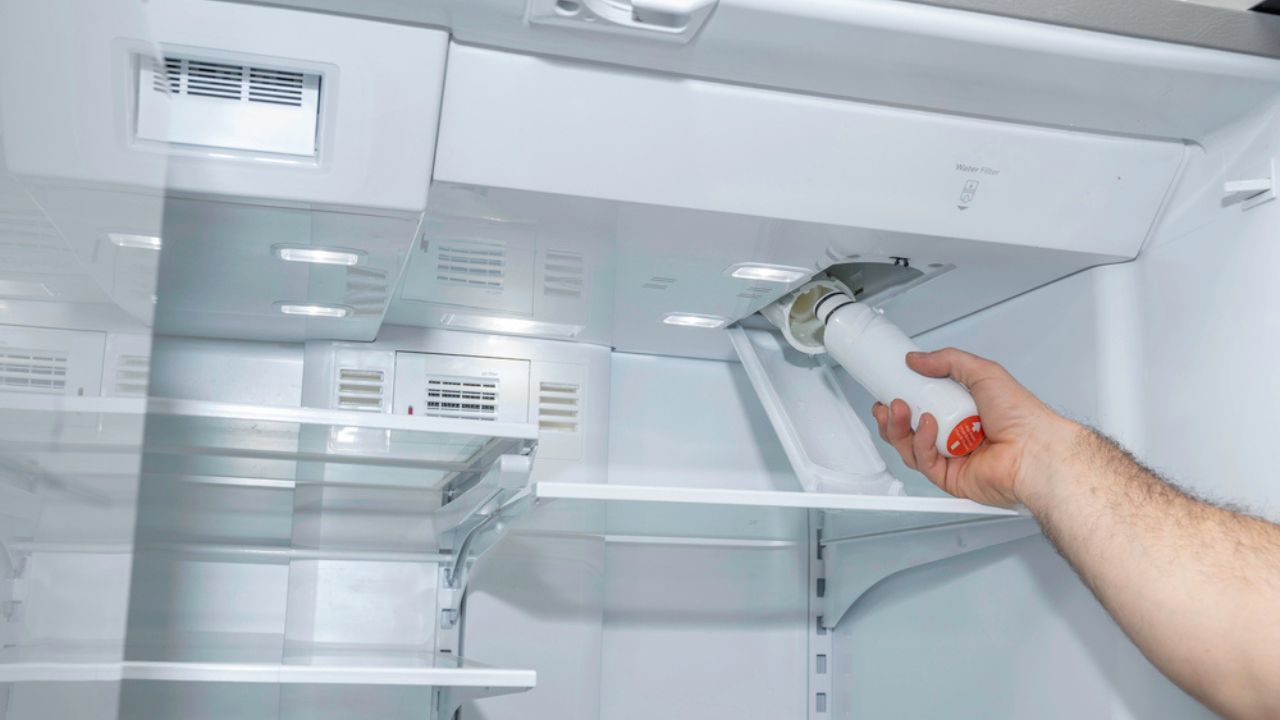
This is the most unsettling consequence of procrastination. While standard refrigerator filters are designed to remove chemicals and sediment, they are not typically rated to kill bacteria. In fact, a neglected filter can actually become a nursery for germs.
When a filter catches organic material and sits in a dark, damp environment for months beyond its lifespan, it creates a perfect ecosystem for bacterial growth. The damp charcoal becomes a breeding ground. As water rushes past this colony of mold or bacteria, it can pick up microorganisms and deposit them directly into your cup. This biofilm buildup can lead to unpleasant smells or even illness in sensitive individuals.
Making the Switch

The red light is not a suggestion. It is a timeline based on typical usage and the lifespan of carbon materials. Manufacturers usually recommend a change every six months, but this varies based on how much water a household consumes. If the date has slipped your mind, or if that light has been red since last summer, do not panic. Just take action.
Look up the model number located on the inside wall of the refrigerator or in the owner’s manual. Once the new unit is clicked into place, flush it by running a few gallons of water through the dispenser. This clears out any loose carbon dust and primes the system. Reset the indicator light and enjoy the peace of mind that comes with clean, safe hydration. Check for expired food and toss it out while at it.