4 Gardening Tasks It’s Not Too Late to Do in December
December often feels like the garden’s “off season,” but in reality, it’s a hidden opportunity month. While many assume the cold weather means putting tools away until spring, experienced gardeners know that winter prep can make all the difference. Small, less obvious tasks done now can protect plants, improve soil, and set the stage for healthier growth when the days get longer.
By tackling overlooked chores in December, you’re not just maintaining your garden; you’re giving it a head start for the new year. Below are four gardening tasks that are often overlooked but still doable even this late in the year.
1. Refresh Mulch and Insulate Soil & Plants

It’s easy to think “winter’s here, I’ll come back in spring.” But giving your beds a fresh layer of mulch can do a lot now. Soil temperatures can fluctuate a lot in late autumn and winter, and bare soil roots can get stressed. A mulch “blanket” stabilizes that temperature, reduces chances of frost damage (or chilling, depending on climate), and keeps moisture more consistent.
Quick tips
- Use organic materials for compost, leaf mold, bark chips, or straw; all work well.
- Avoid piling mulch directly against stems or trunks (leave a small gap) to prevent rot or pest hiding.
- After applying mulch, mark or note down the thickness so you can top it up again in late winter if decomposition happens.
2. Plant Bare-root Shrubs, Fruit Bushes, or Hardy plants
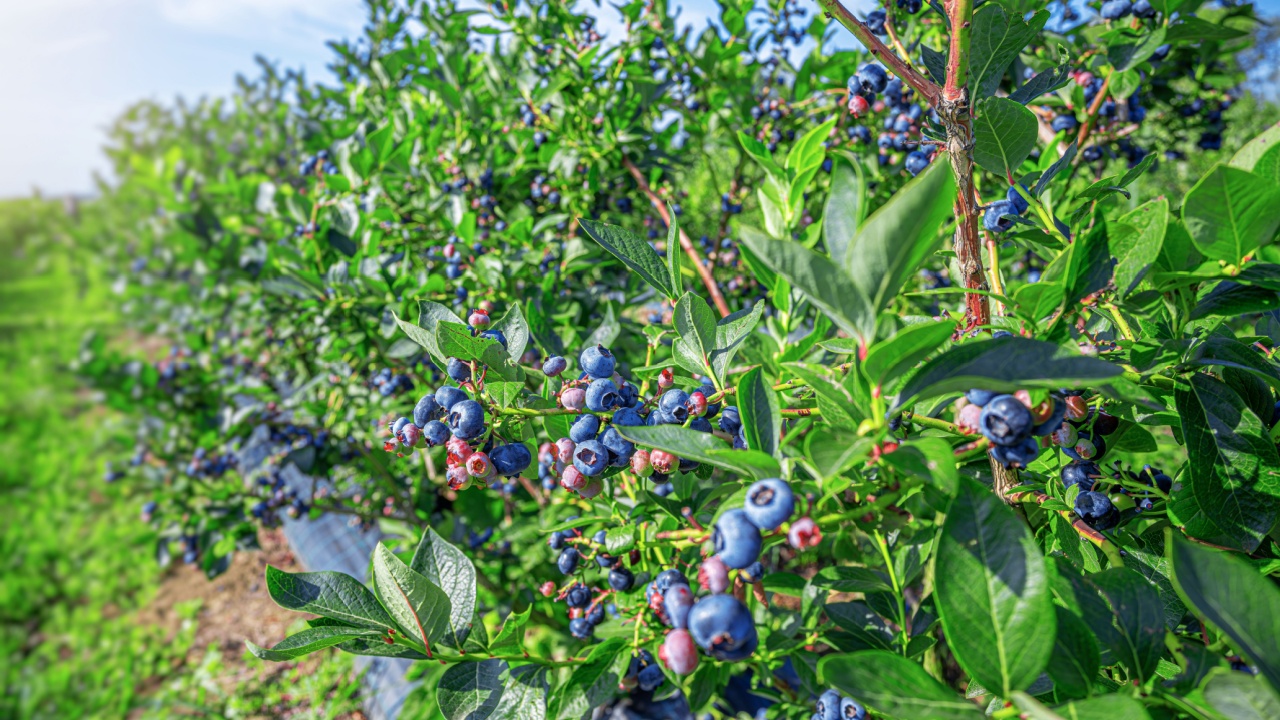
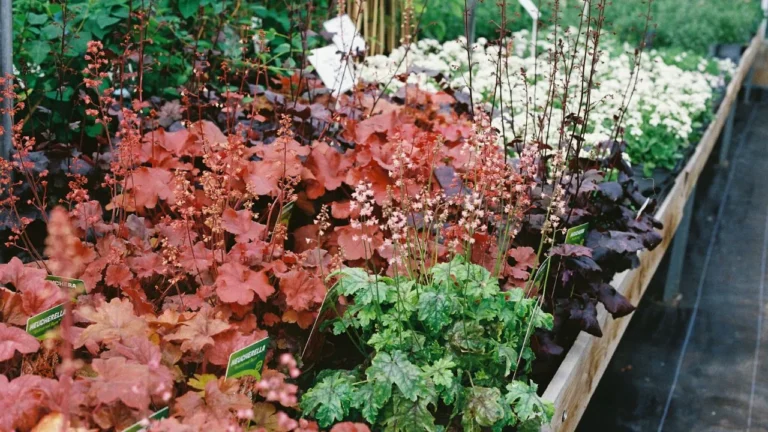
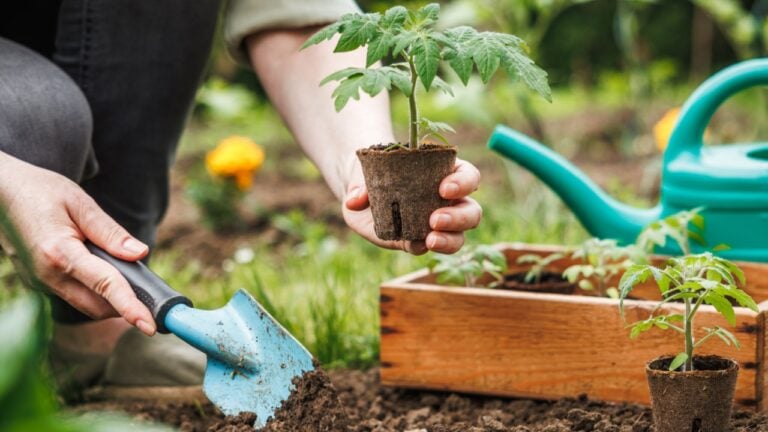
If your soil isn’t frozen or waterlogged, December can be a good time to plant bare-root shrubs, fruit trees/shrubs, or hardy winter plants. Planting in dormancy means roots get a head start establishing in cool, moist soil, before the spring rush. That gives the plant energy reserves to wake up strong when the growing season returns.
Quick tips:
- Prepare the planting site with rich, well-draining soil.
- Soak bare roots in water before planting if they’re dry.
- After planting, firm the soil gently, water well, and apply a layer of mulch to help stabilize temperature and moisture.
3. Take Hardwood Cuttings/Divide Perennials /Propagate
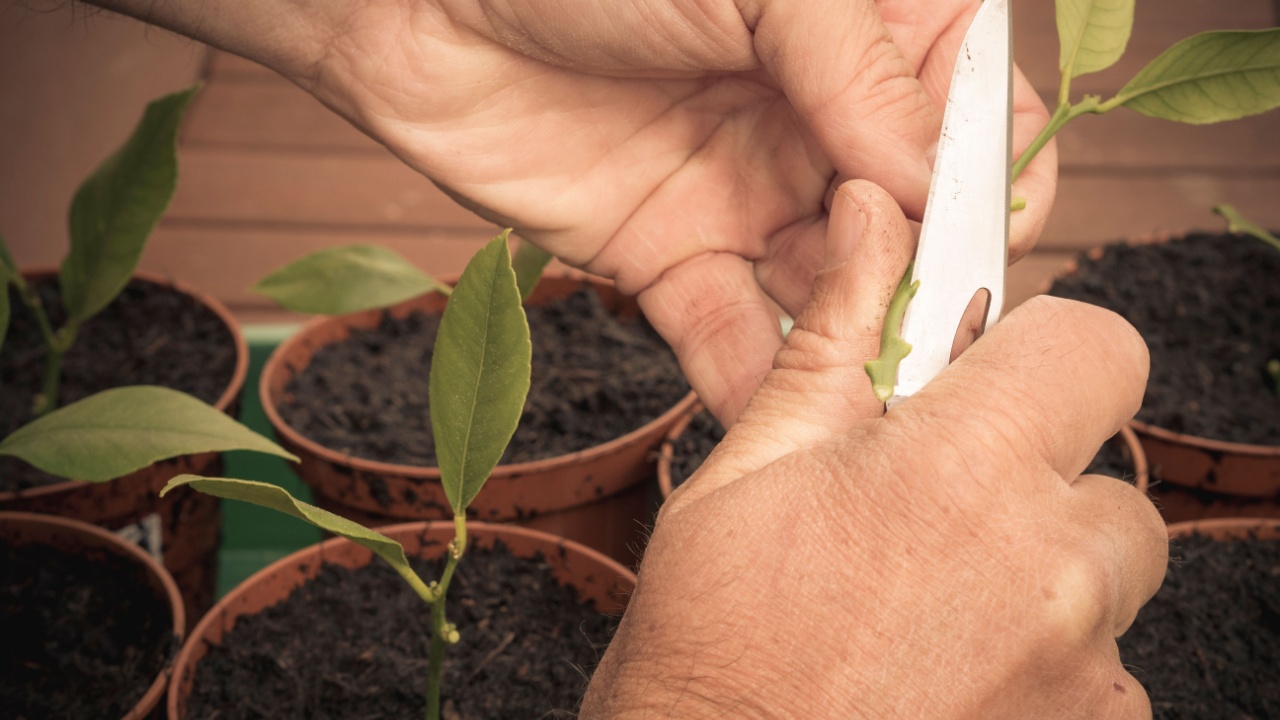
It’s often possible to take cuttings from hardy perennials or shrubs, or divide clumps of perennials to expand your garden. Many gardeners use this quieter time to prepare new plants for spring. With many plants dormant, you can see their structure clearly (no leaves blocking the view), which helps with clean cuts.
Quick tips:
- Use clean, sharp tools to make healthy cuts.
- Label cuttings or divided plants clearly so you remember what’s what comes in spring.
- If you live in a region with cold snaps or frost, consider starting cuttings indoors or in a protected spot until spring.
4. Clean, Sharpen, And Maintain Your Garden Tools
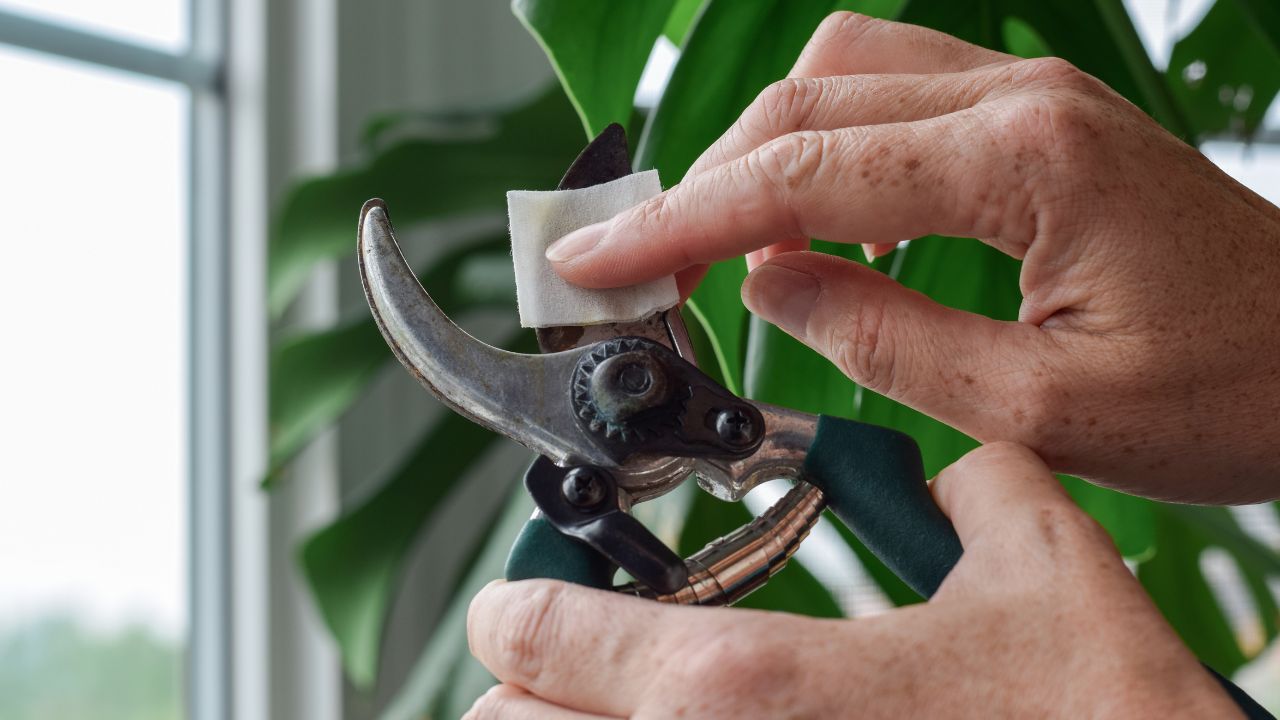
Tool maintenance is often neglected during the busy growing months; it is an easy but hugely beneficial December job. Clean off soil, rust, and debris, sharpen shears, prune, loppers, and rakes, and repair or replace any broken handles. Many gardeners also use December to plan next season’s garden layout, crop rotation, and seed or plant lists.
Quick tips:
- Wipe tools with a damp cloth, remove rust or dried soil with steel wool or sandpaper, oil metal parts lightly, and sand or oil wooden handles.
- Make a garden journal to list what you grew this year, what thrived, what failed, sketch ideas for next year’s layout or changes, and order seeds or bare-root plants early.
Looking Ahead with Intent
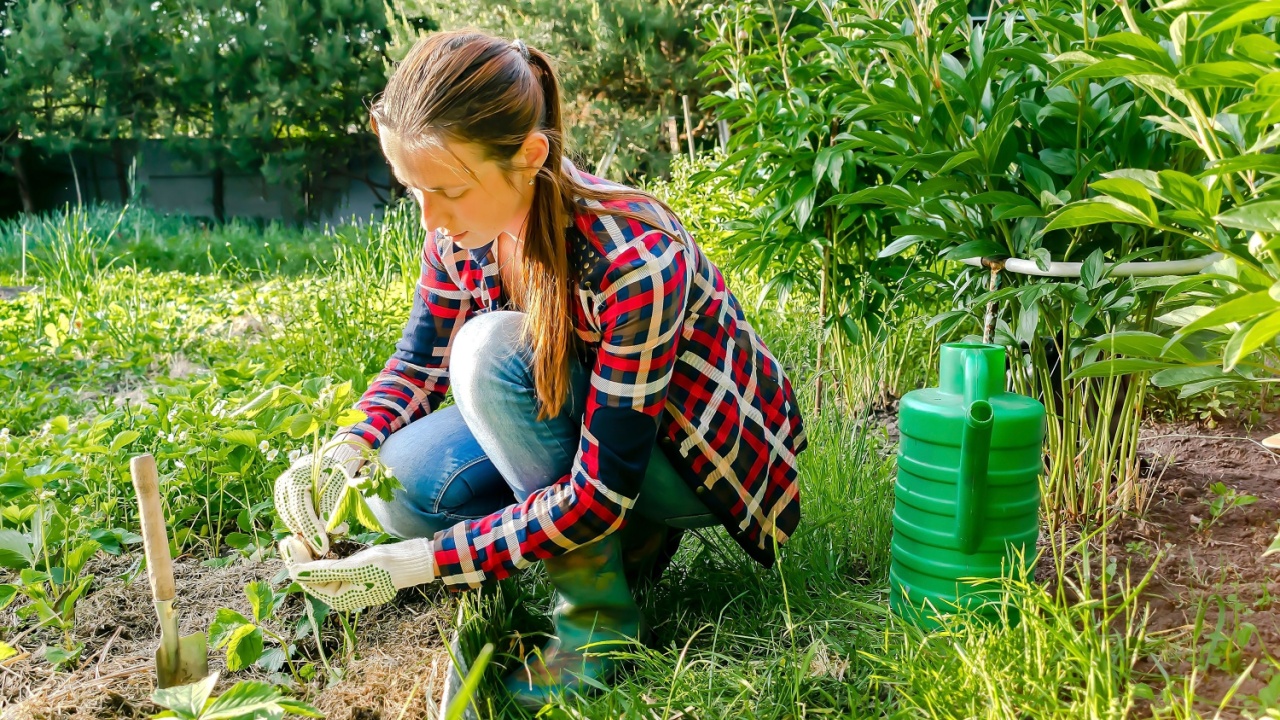
Even though December doesn’t feel like a busy gardening month, the tasks above help you build a stronger foundation for next spring with healthier soil, ready-to-go plants, sharper tools, and a clear garden plan.