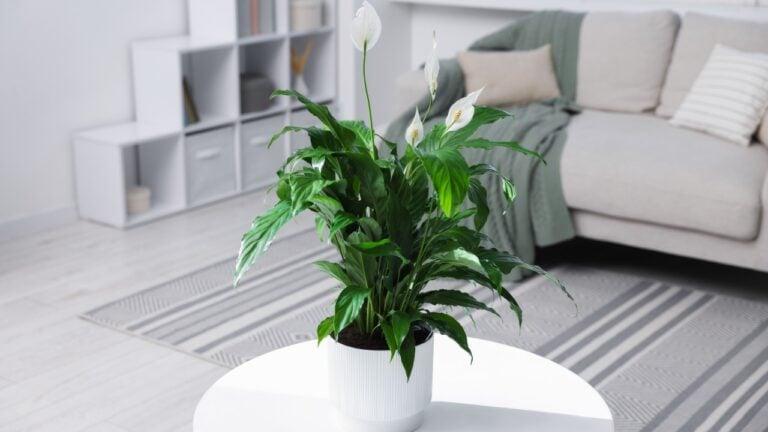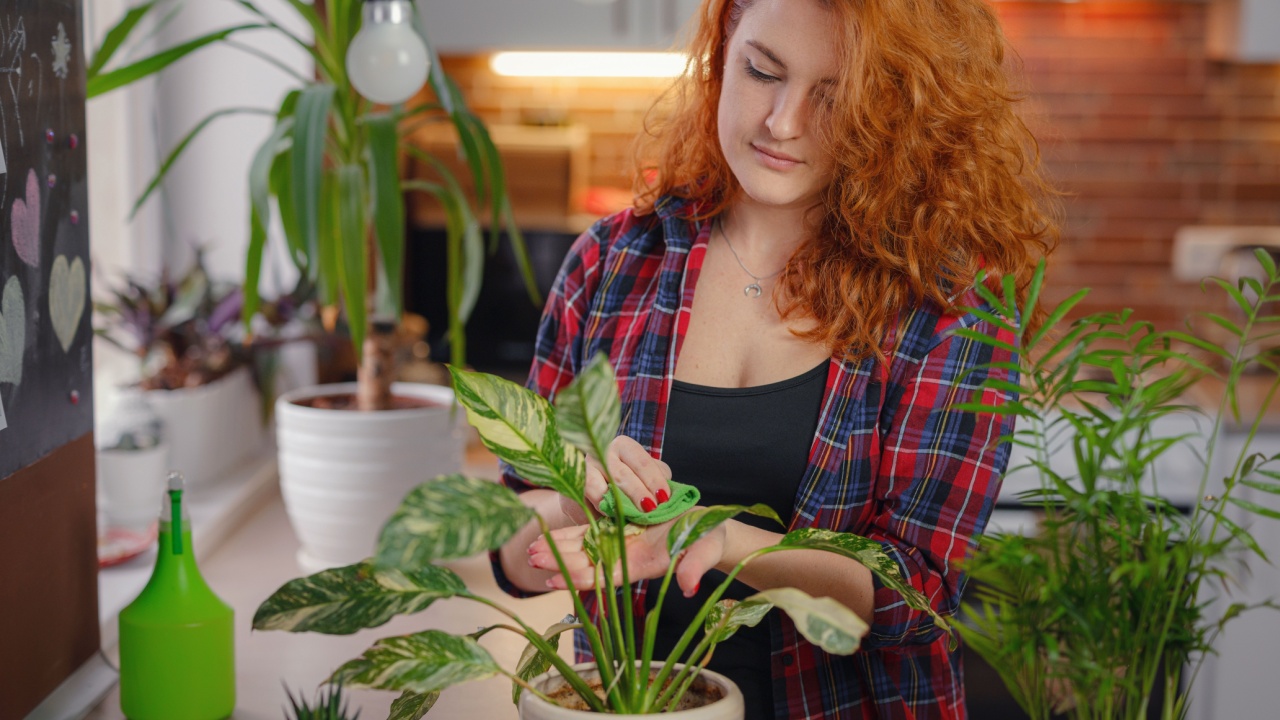
5 Houseplants That Don’t Appreciate Winter
Winter can be a trying time for even the most dedicated plant parent. While we are inside sipping hot cocoa, some of our green friends are giving us the silent treatment. The shorter days, dry indoor air, and temperature fluctuations can create a hostile environment for certain tropical beauties.
These plants, accustomed to warm, humid climates, do not appreciate the conditions of a winter home. They might show their displeasure with yellowing leaves, stalled growth, or a general look of sadness. Knowing which plants are prone to winter blues is the first step in helping them survive until spring.
Here are five plants that aren’t great fans of winter.
1. Anthurium Crystal
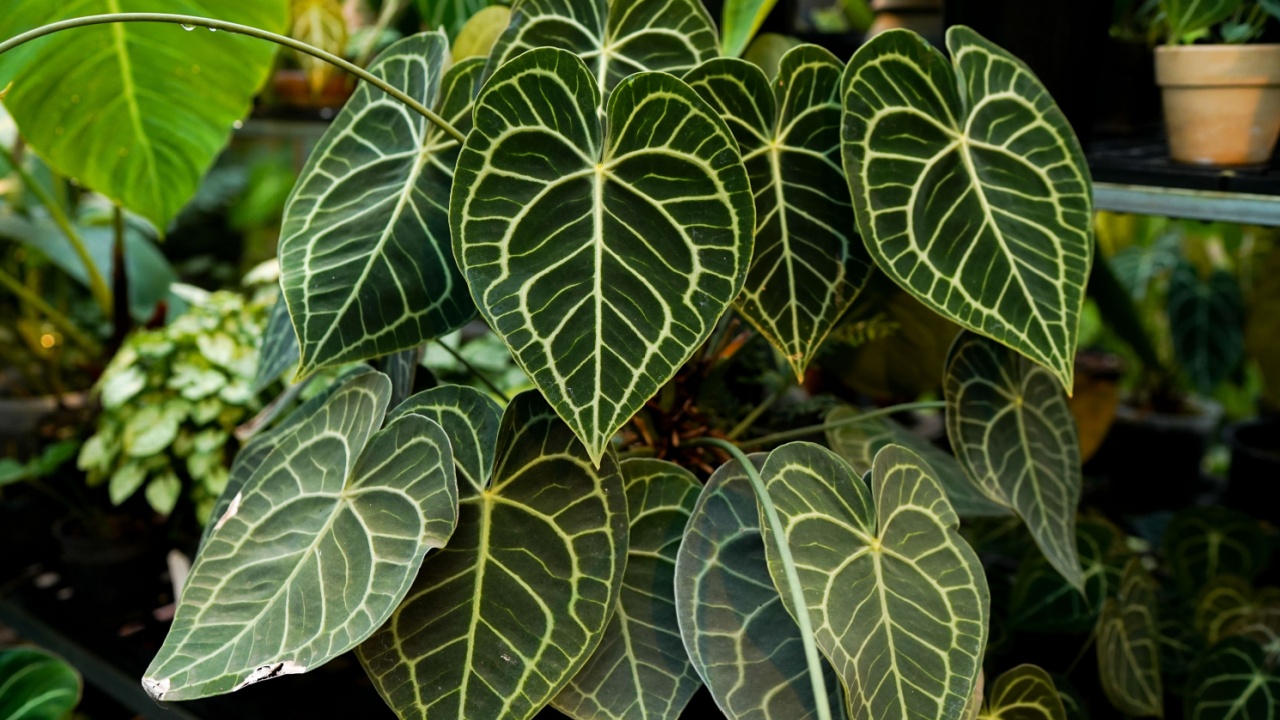
This plant is all about the foliage. With its deep green, velvety leaves and prominent white veins, the Anthurium Crystal is a beauty. It brings a touch of the exotic to any room. Unfortunately, its tropical origins make it particularly sensitive to the conditions of a winter home. It demands high humidity and consistent warmth, two things that are often in short supply when the furnace is running.
Cold drafts from windows or doors can be a major problem for this plant. It also detests dry air, which can lead to brown, crispy leaf edges. Finding the right balance of light becomes tricky, too. It needs bright, indirect light, but the weaker winter sun might not be enough, while a spot too close to a window could be too cold. Keep in a warm spot, away from cold drafts and sudden temperature changes, and reduce watering.
2. Philodendron Gloriosum
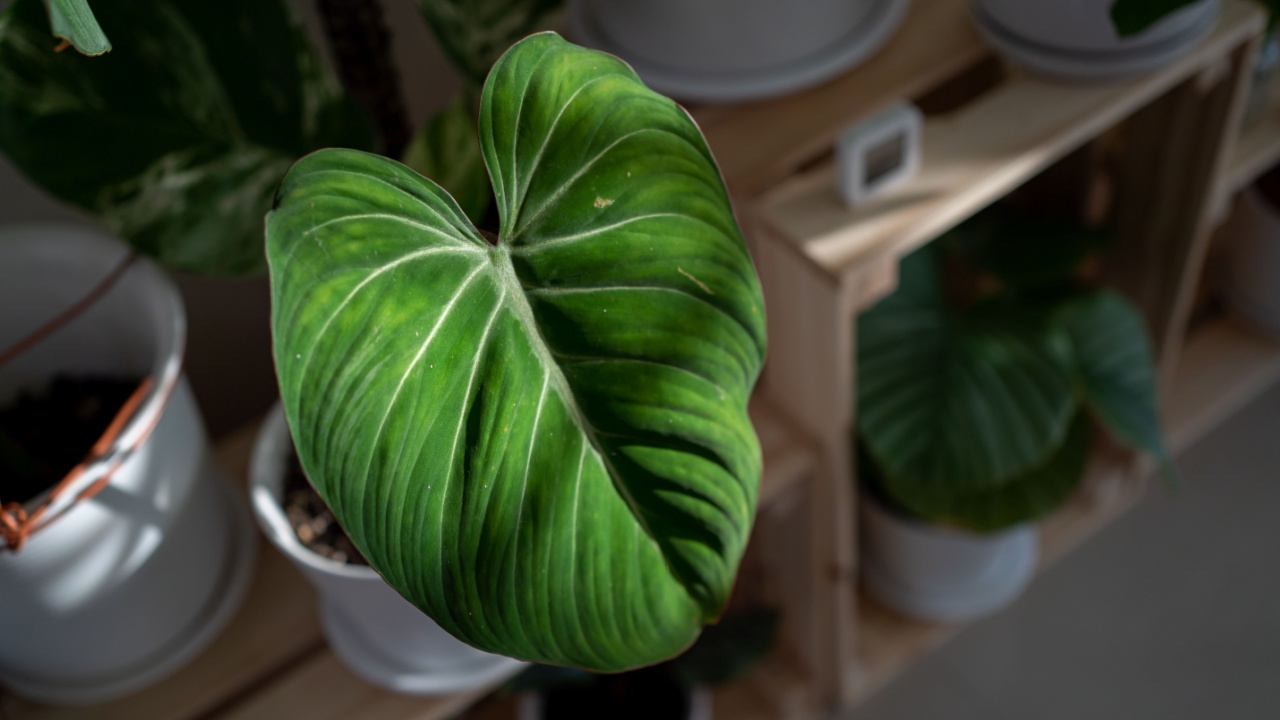
The Philodendron Gloriosum is a stunning crawler known for its large, heart-shaped, velvety leaves with striking pale veins. Unlike its vining cousins, this plant creeps along the ground, which means it needs a wide, shallow pot to thrive. This growth habit makes it a unique and captivating houseplant.
Its main struggle during winter is the lack of humidity and light. Originally from the forest floors of Colombia, it is used to a dappled light and a constantly moist environment. The dry air from central heating is its enemy, often causing its magnificent leaves to curl or brown at the edges. Mist it regularly or place it near a humidifier to combat dry air.
3. Monstera Albo
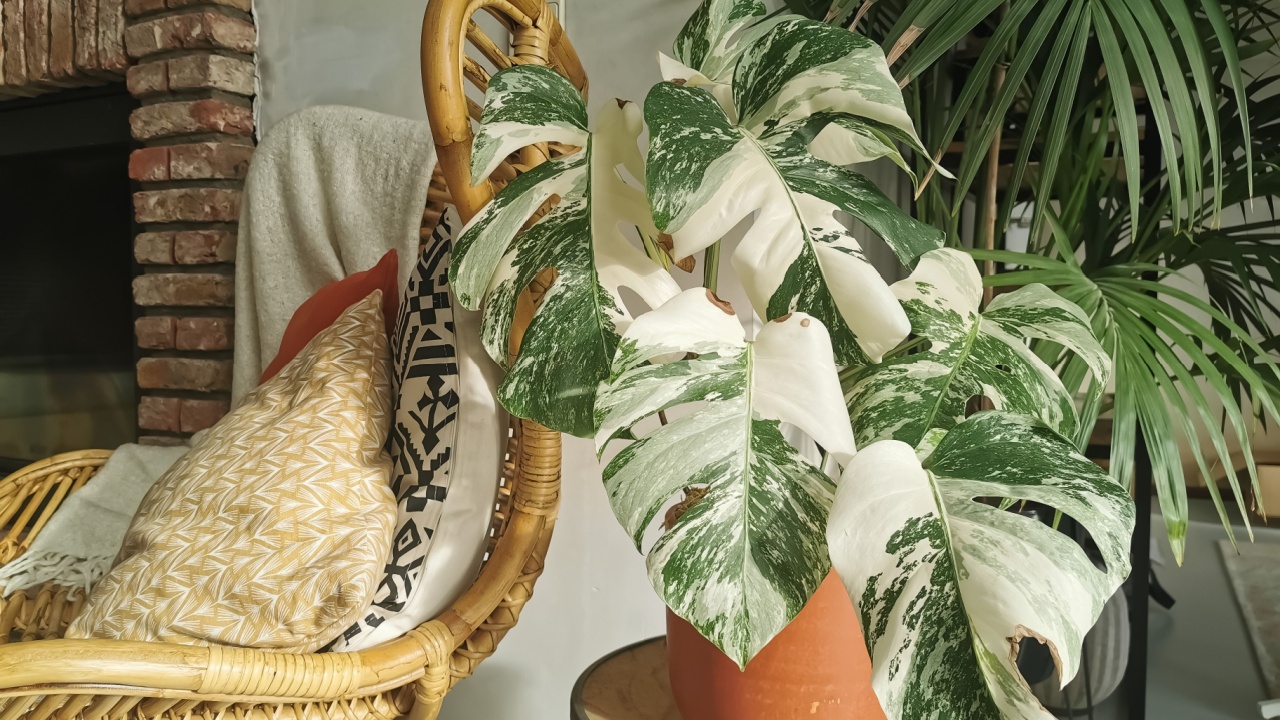
The Monstera Albo is the prized possession of many plant collectors. Its iconic split leaves are splashed with patches of pure white, a result of variegation. These make it one of the fun and unique plants to grow. This lack of chlorophyll in the white sections is what makes it so beautiful, but it’s also what makes it so fragile, particularly in winter.
Since the white parts of the leaves can’t photosynthesize, the green sections have to pull double duty. In the low light of winter, this can be a real struggle for the plant, causing the stunning white parts to brown and die off. Give it the brightest indirect light you can find to help out the hard-working green bits, and keep the humidity up to prevent the white sections from getting crispy. Don’t overwater; wait until the soil is almost completely dry.
4. Calathea Lancifolia (Rattlesnake Plant)
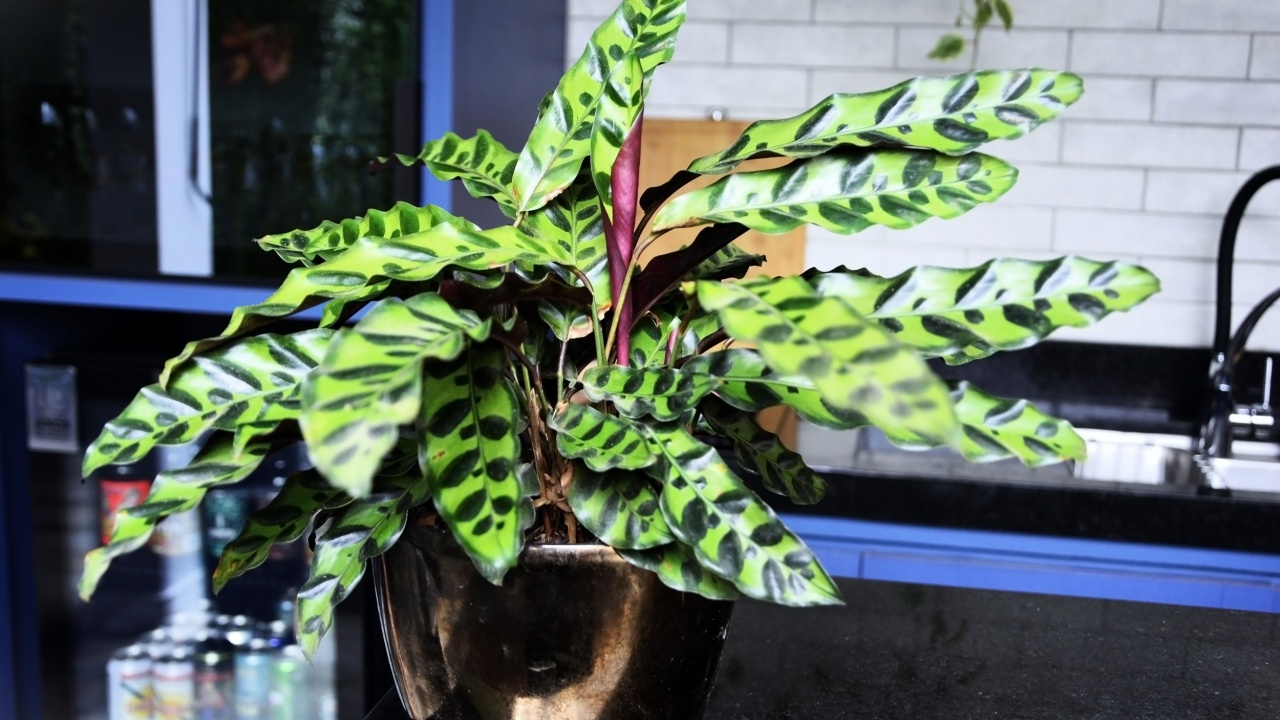
The Rattlesnake Plant is a member of the Calathea family, a group often called “prayer plants” because their leaves fold up at night. The Lancifolia variety has long, wavy leaves with a striking pattern of dark green ovals and deep purple undersides. This movement and coloring make it a lively addition to a plant collection.
Calatheas are extremely sensitive to dry air and will quickly develop brown, crispy edges without sufficient humidity. They are also fussy about their water. Tap water containing fluoride or other minerals can cause leaf tips to burn. Use filtered, distilled, or rainwater to avoid mineral buildup. High humidity is a must. A bathroom with a window or a spot near a humidifier is best.
5. Alocasia Melo
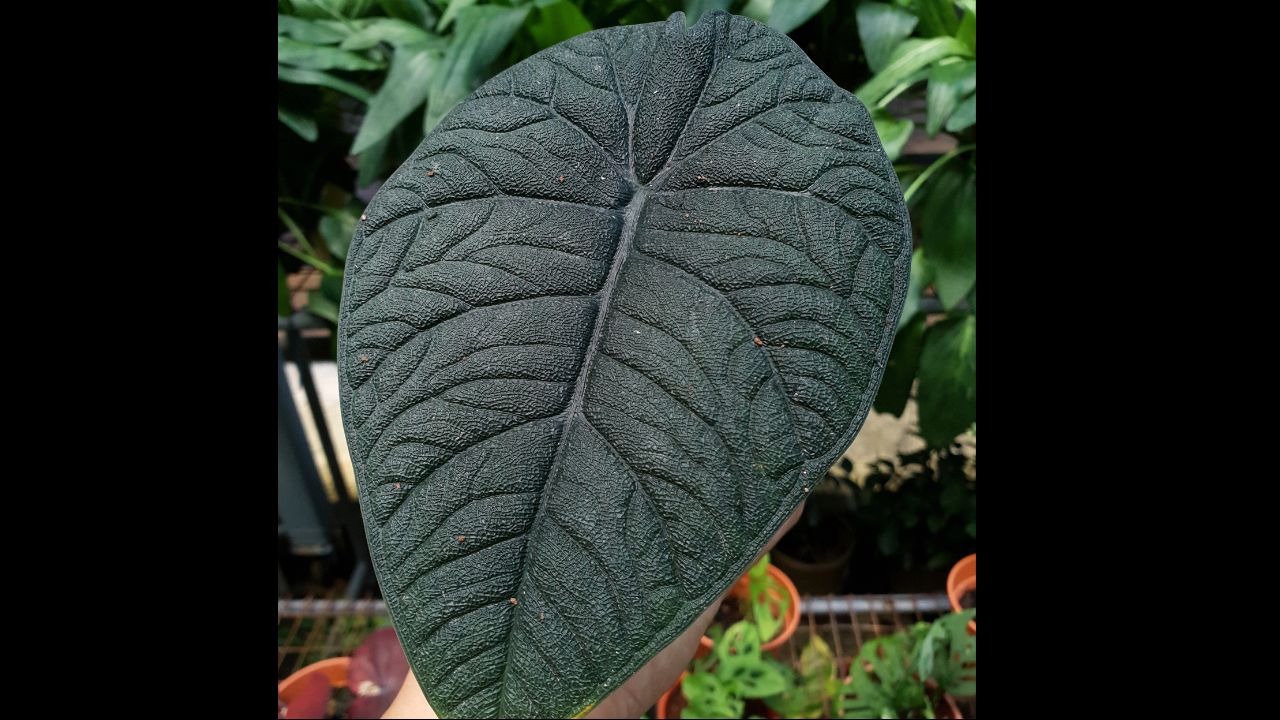
With its thick, rigid, and deeply textured leaves, the Alocasia Melo looks more like a sculpture than a plant. The foliage has a unique rhino-skin appearance, making it a truly unusual specimen. Native to the rocky terrains of Borneo, it has specific needs that can be tough to meet indoors during winter.
This Alocasia may go dormant in winter if it doesn’t get enough light and warmth, meaning it could drop all its leaves and look dead. Although it can regrow in spring, this is stressful for both the plant and its owner. It also needs very well-draining soil to prevent root rot, especially as growth slows in colder months. To help it avoid dormancy, use a chunky, well-aerating soil mix and provide bright, indirect light. Reduce watering significantly; if it loses its leaves, cut back watering to almost nothing and wait for spring.
Be Extra Vigilant
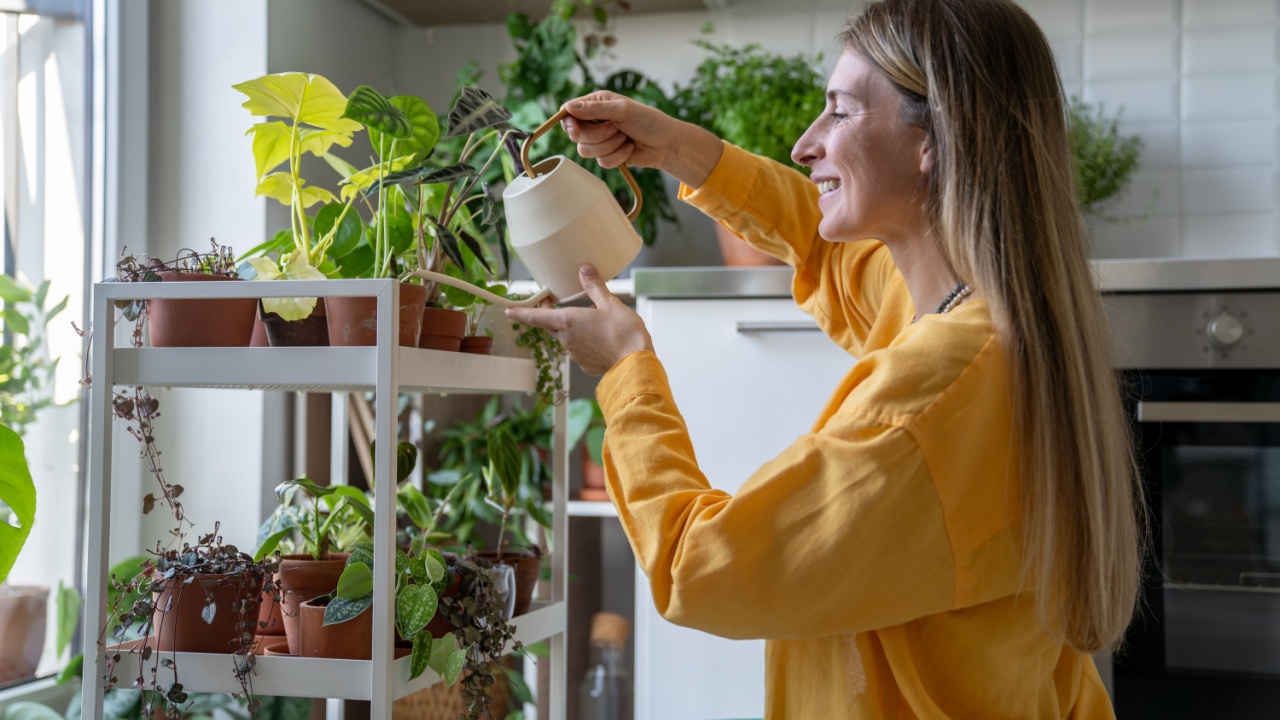
For winter-sensitive houseplants, a few simple tweaks can make all the difference. Increase humidity by grouping plants together or adding a small humidifier nearby to create a more welcoming environment. Give your tropicals brighter days by moving them to sunnier spots or using a grow light when sunlight is in short supply.
With these targeted changes, plants that resent winter can hang on until the warmer months roll back around, looking a little less grumpy, and maybe even throwing out a new leaf or two.