6 Hacks for Keeping Humidity-Loving Plants Happy in Winter
All winter the central heating is on full blast, especially during cold snaps. While people are enjoying the warmth, your tropical plants are less than thrilled. That calathea with the stunning leaves and that vibrant fern you’ve managed to keep alive are probably looking a little sad.
Dry, heated indoor air is the enemy of plants that thrive in humid conditions, leading to brown, crispy leaf edges and a general look of despair. But you don’t have to watch your green friends suffer until spring. A few adjustments can turn your home back into a place where they can flourish.
1. Relocate to More Humid Rooms
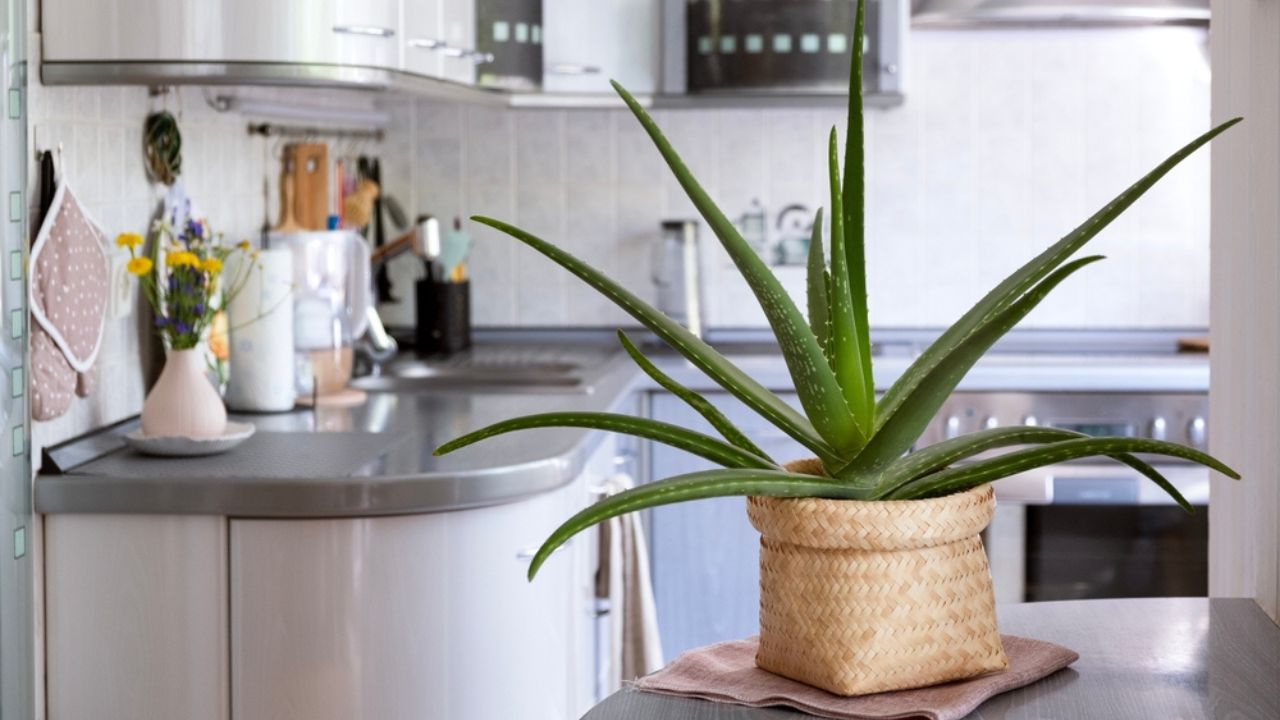
Some areas of your home naturally have more moisture in the air than others. The bathroom, kitchen, and even the laundry room are prime real estate for plants that crave humidity. Every time someone takes a hot shower, boils a pot of pasta, or runs a load of laundry, steam is released into the air, creating a microclimate your tropicals will adore.
Moving your plants to these rooms for the winter can be a simple and effective solution. It gives them the atmospheric moisture they need without you having to do much extra work. Just make sure these rooms also provide adequate light, as a humid, dark corner won’t solve all their problems.
2. Group Your Plants Together
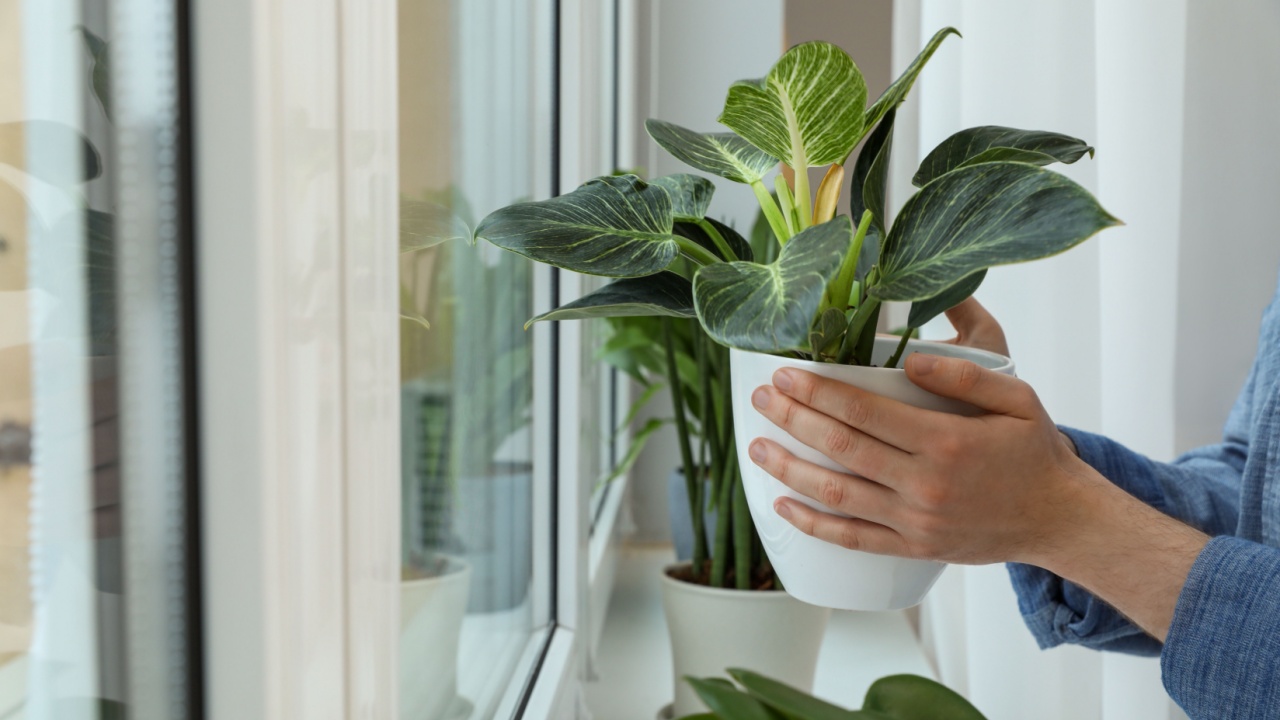
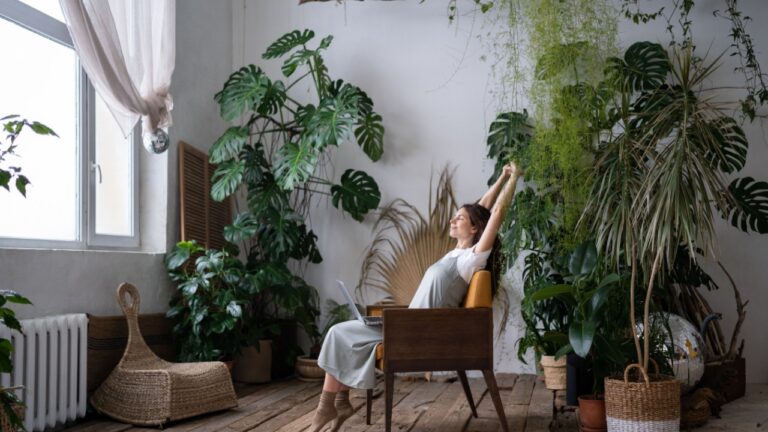
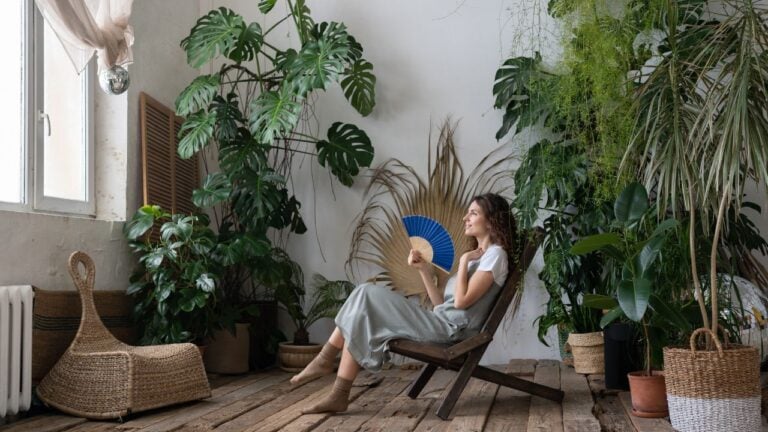
Plants are social creatures, at least when it comes to humidity. When you cluster several plants together, they create their own little humid micro-environment. Through a process called transpiration, plants release water vapor from their leaves.
By grouping them, you concentrate this effect, raising the humidity in their immediate vicinity. This collective effort helps all the plants in the group stay healthier and more hydrated. It’s a bit like they are huddling together for warmth, except they are huddling for moisture. Pair some plants in the same pot if they have the same growth needs.
3. Use Pebble Trays
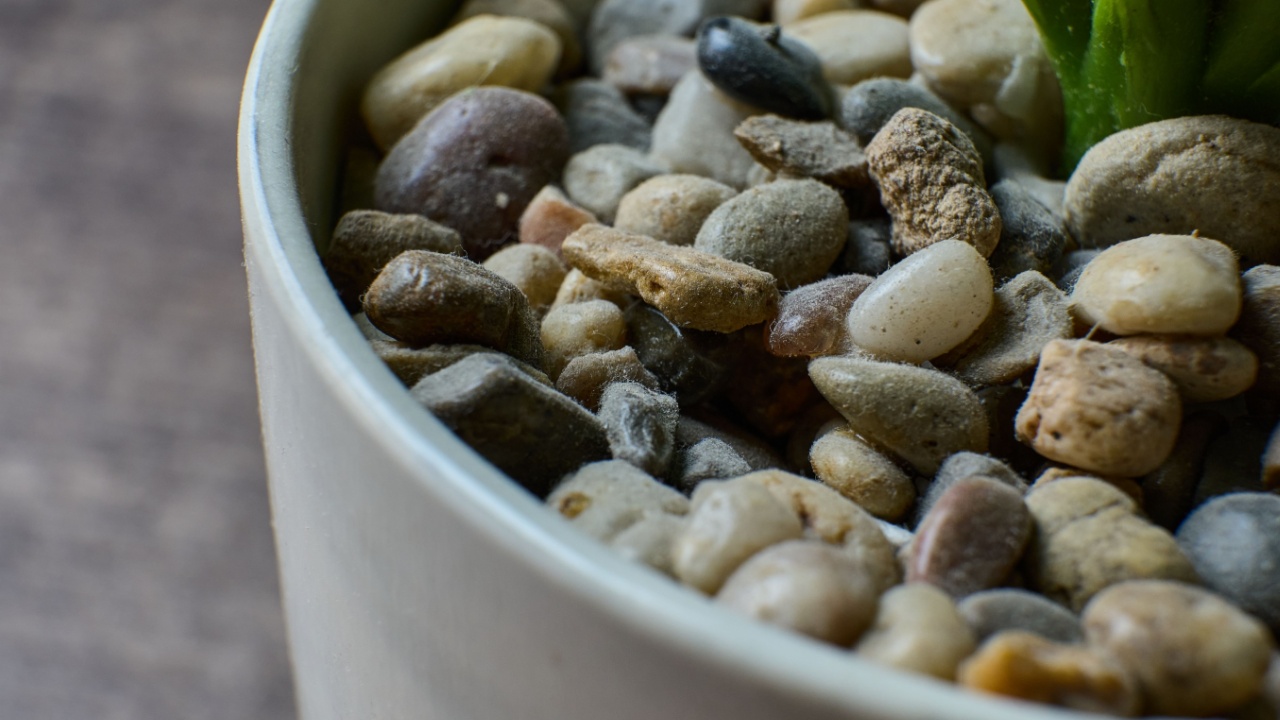
Creating a humidity tray, often called a pebble tray, is a classic and effective method for increasing moisture around a specific plant. The concept is simple: fill a shallow tray or saucer with a layer of pebbles, gravel, or even glass beads. Add water until it comes up to just below the top of the pebbles. Then, set your potted plant directly on top of the pebbles.
The pot sits on the stones, not in the water. As the water evaporates from the tray, it rises up around the plant, increasing the humidity right where it’s needed most. This method provides a consistent, localized source of moisture without the risk of overwatering or causing root rot.
4. Give Them a Good Misting
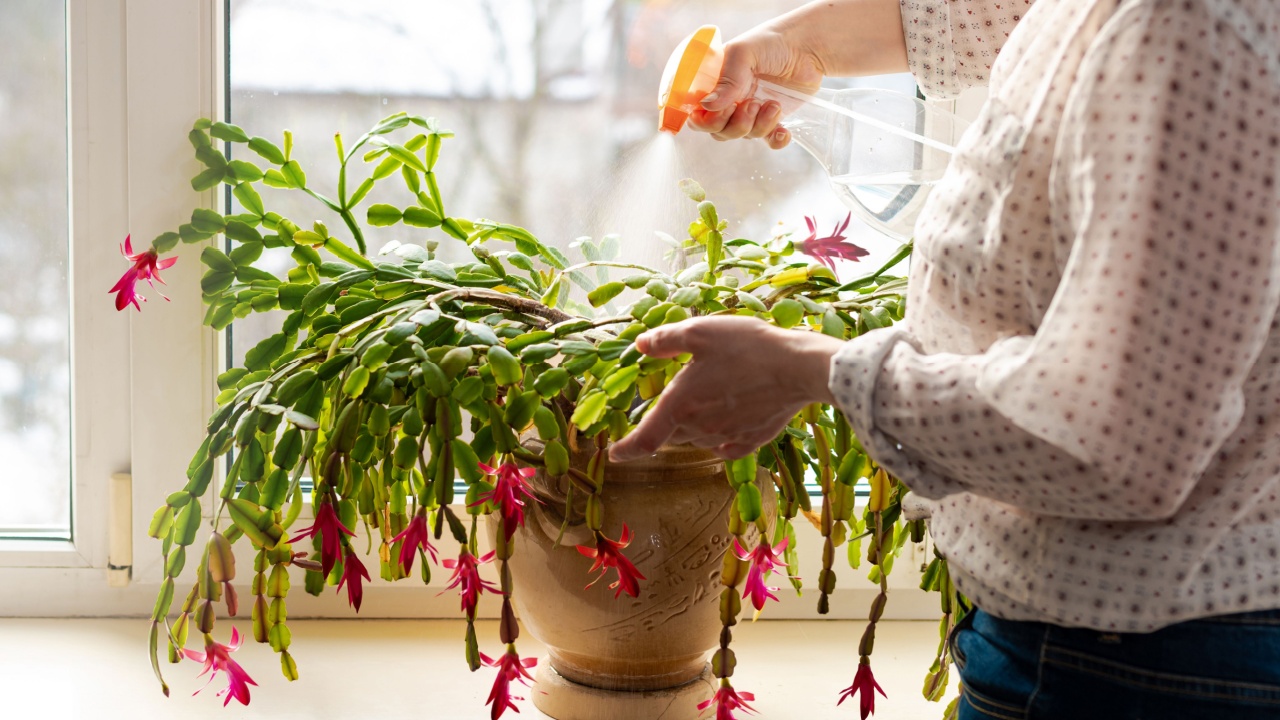
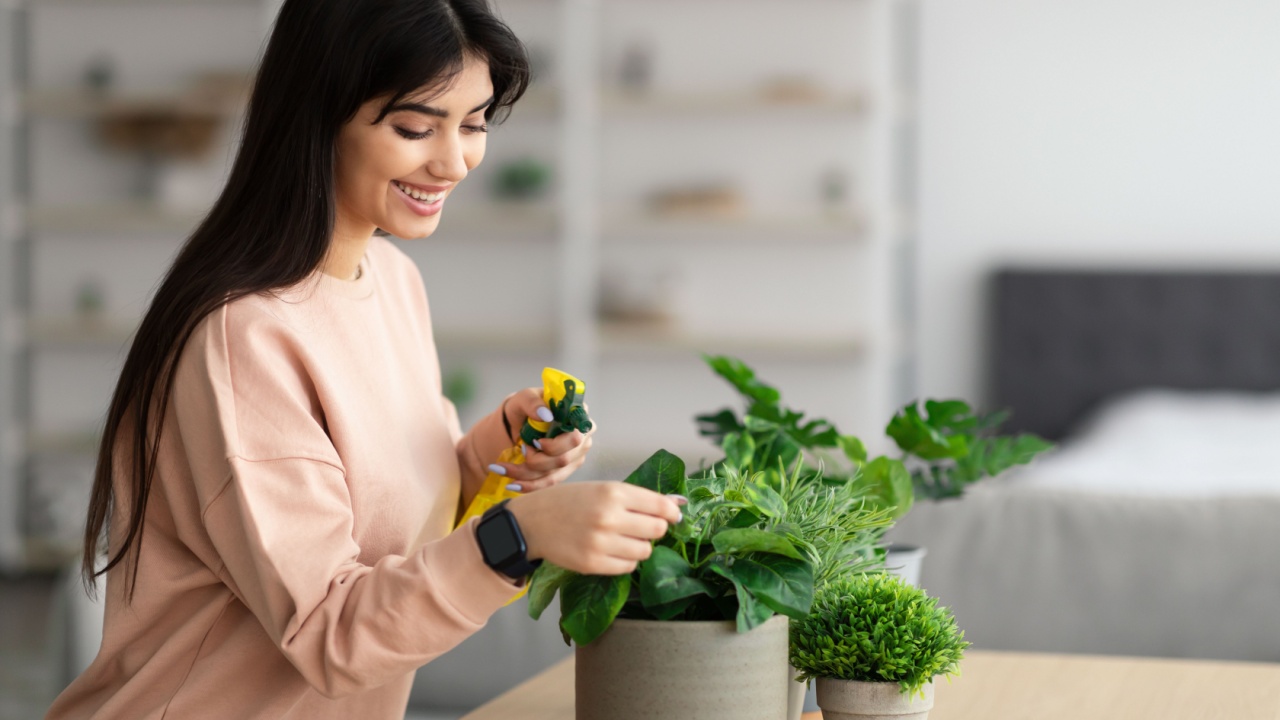
Misting your plants is a direct way to offer them a quick drink of atmospheric moisture. Using a spray bottle filled with room-temperature water, you can gently spritz the leaves of your humidity-loving plants. This mimics the dew and light rain they would experience in their native tropical environments.
While the effects of misting are temporary, doing it once or twice a day can provide a welcome refresh, especially in very dry homes. It’s also a nice little ritual that helps you check in on your plants and notice any potential issues early. For an even finer mist that better mimics natural humidity, consider using a continuous mister
5. Get a Humidifier
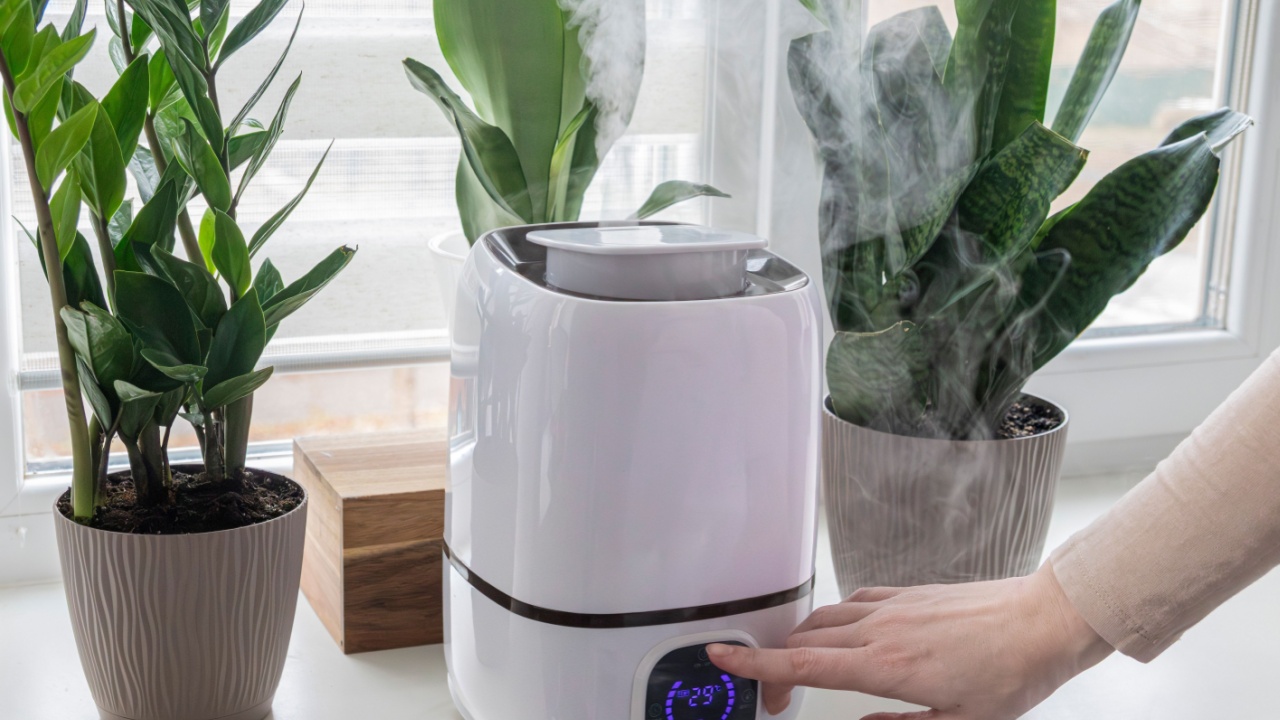
For the serious plant parent or anyone with a large collection of tropicals, a humidifier is a powerful tool. These devices are designed to add a significant amount of moisture to the air, combating the drying effects of indoor heating systems. Placing a humidifier near your plant collection can raise the ambient humidity of an entire room.
This benefits all your plants at once. There are many types available, from small, single-plant units to larger models that can manage a whole room.
6. Create a Plant Terrarium
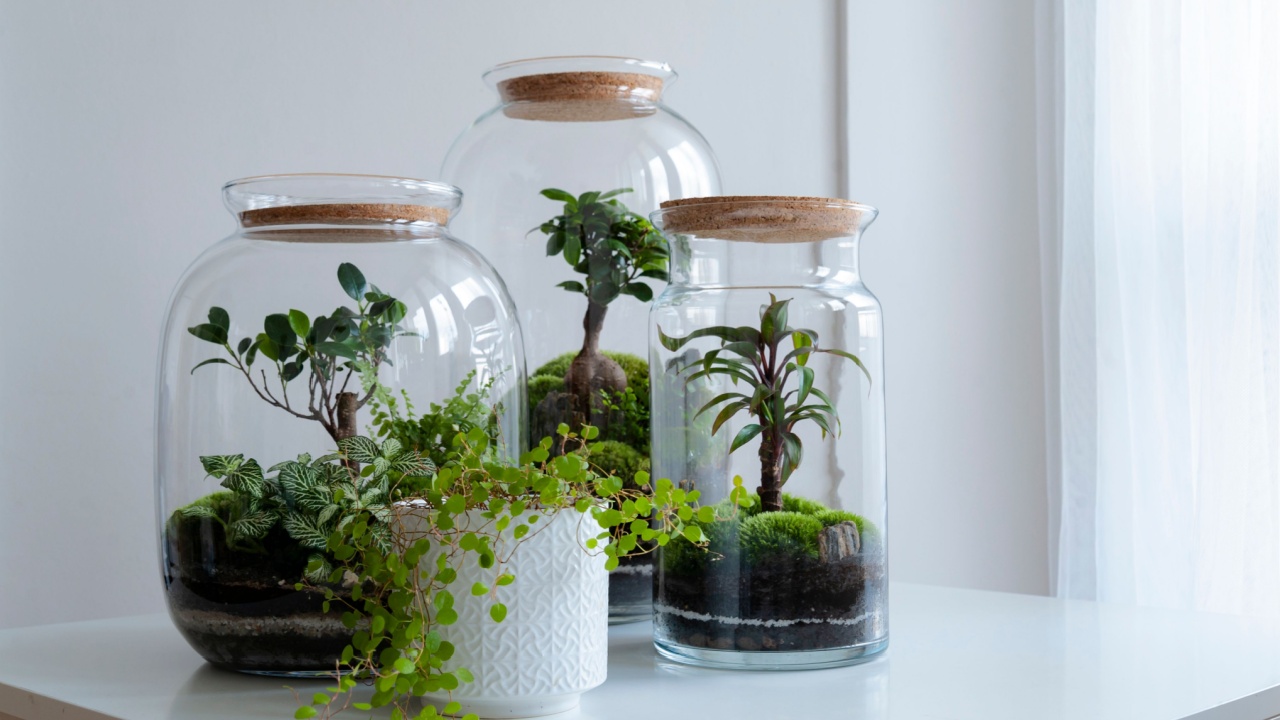
For smaller plants that need exceptionally high humidity, a terrarium or cloche can create the perfect enclosed ecosystem. A terrarium is essentially a miniature greenhouse, trapping moisture and creating a self-sustaining, humid environment.
You can purchase ready-made or make your own terrariums with a large glass jar, vase, or even an old fish tank. Just add a layer of drainage material, soil, and your small, humidity-loving plant. A glass cloche, which is a bell-shaped cover placed over a plant, works similarly by trapping the moisture the plant releases. This is a great option for delicate ferns, jewel orchids, or baby plants that need extra protection.
Keeping Your Green Friends Green
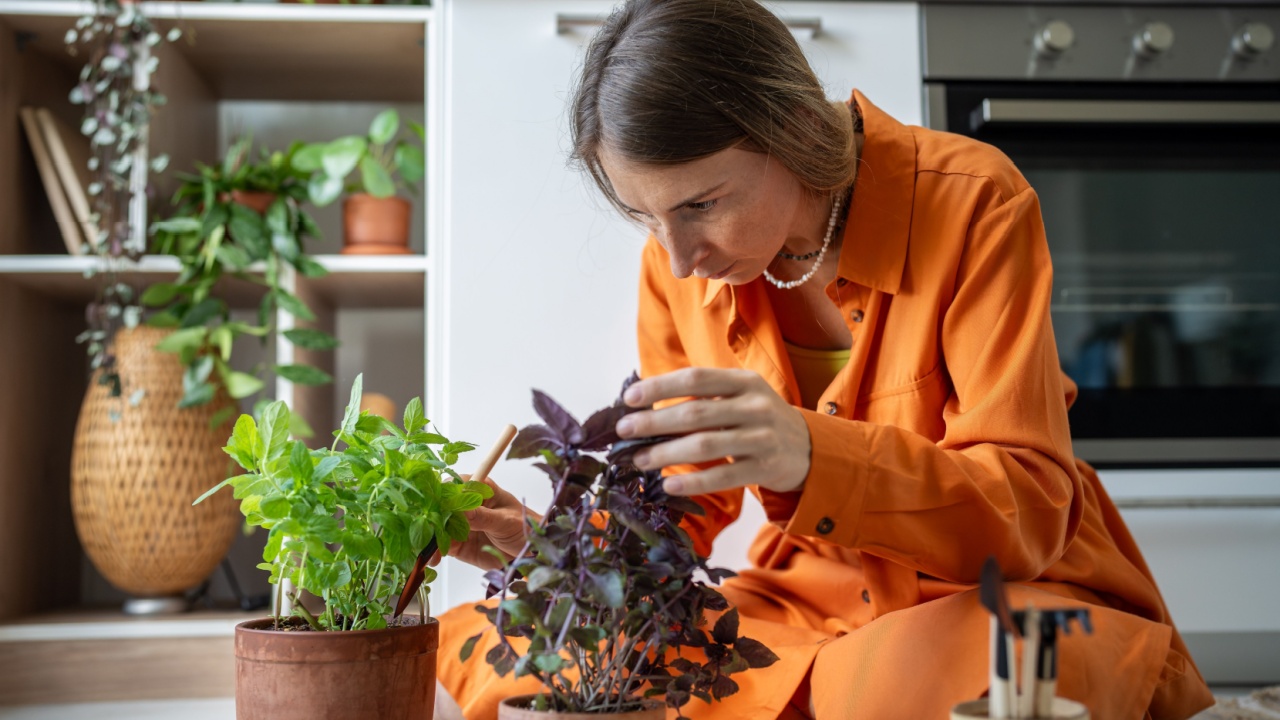
Winter doesn’t have to be a season of survival for your tropical plants. By being a little more attentive, you can help them thrive. The best approach is often a combination of these tricks. Try grouping your plants, placing them on pebble trays, and running a humidifier nearby for a multi-pronged attack against dry air. You can also move some plants to the bathroom while giving others a daily misting. Pay attention to your plants, see how they respond, and adjust your care accordingly.