How to Stage Plants to Make a Space Feel Welcoming
Plants might be quiet roommates, but they know how to make their rent. They clean the air, brighten corners, and do it all without hogging the remote. The trick isn’t owning a jungle-worthy collection, but knowing how to use what you have to bring comfort and character into every nook.
With the proper staging, greenery can take a space from basic to genuinely inviting. Here are some tried-and-true arranging techniques that can help you squeeze the most out of every leaf and pot.
1. Make Your Walls Come Alive
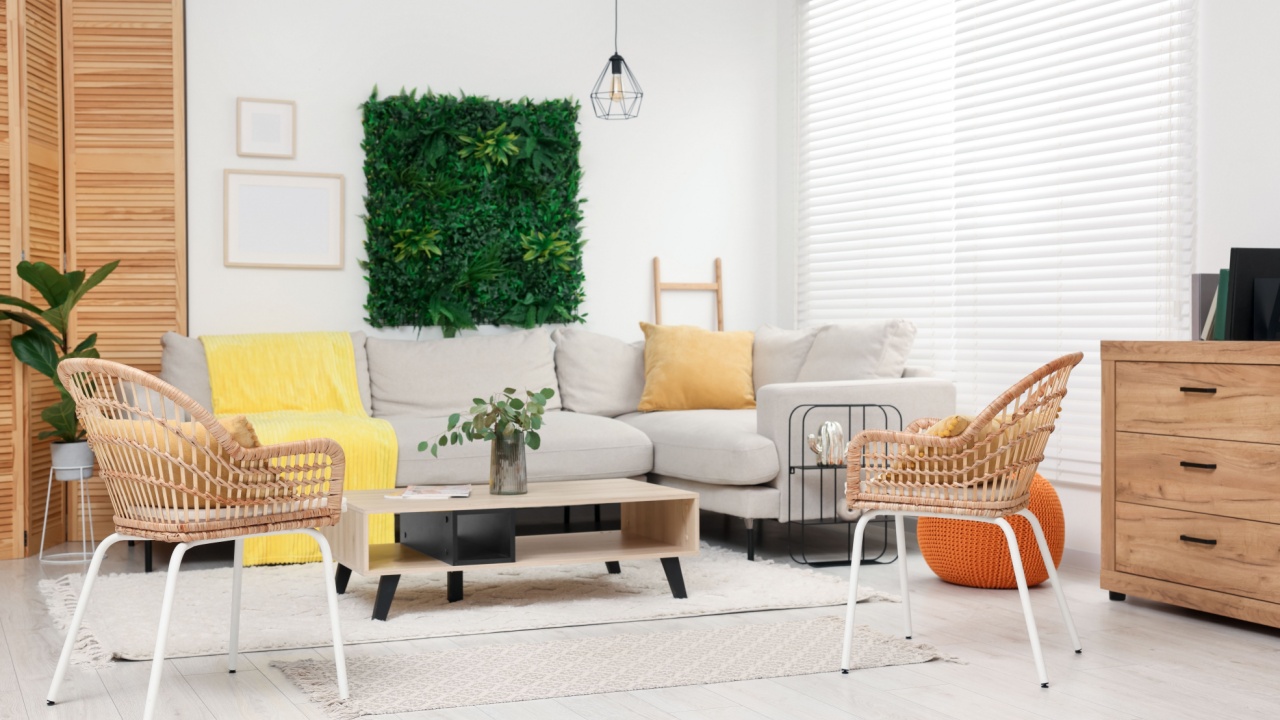
Putting plants on the wall is an unexpected way to add texture and life, freeing up precious floor and table space. This method turns your greenery into living art. Instead of another framed print, you can use the natural shapes and colors of plants to create a dynamic display that changes as they grow.
Vintage pieces are a great way to accomplish this. A French grape hod basket, designed for carrying grapes, brings a rustic, old-world feel and is deep enough for a potted plant. Similarly, a vintage lavabo, a wall-mounted fountain and basin set, can be repurposed as a stunning planter. Place a faux or real plant in the basin for an instant touch of elegance.
2. Create Compelling Centerpieces

A great centerpiece commands attention without overwhelming the table. Plants are perfect for this role, offering a living, breathing focal point. You can go big with a statement piece or create something more subtle by weaving smaller plants into your existing decor.
To create a simple yet striking centerpiece, arrange a few small potted plants in a long dough bowl. This linear setup is ideal for dining tables or sideboards. For a more formal look, style a few medium-sized topiaries along the center of your table. If you prefer a more relaxed style, tuck small plants like succulents or air plants into a tablescape among candles and other decor to add pops of life and color.
3. Style Your Shelves with Greenery
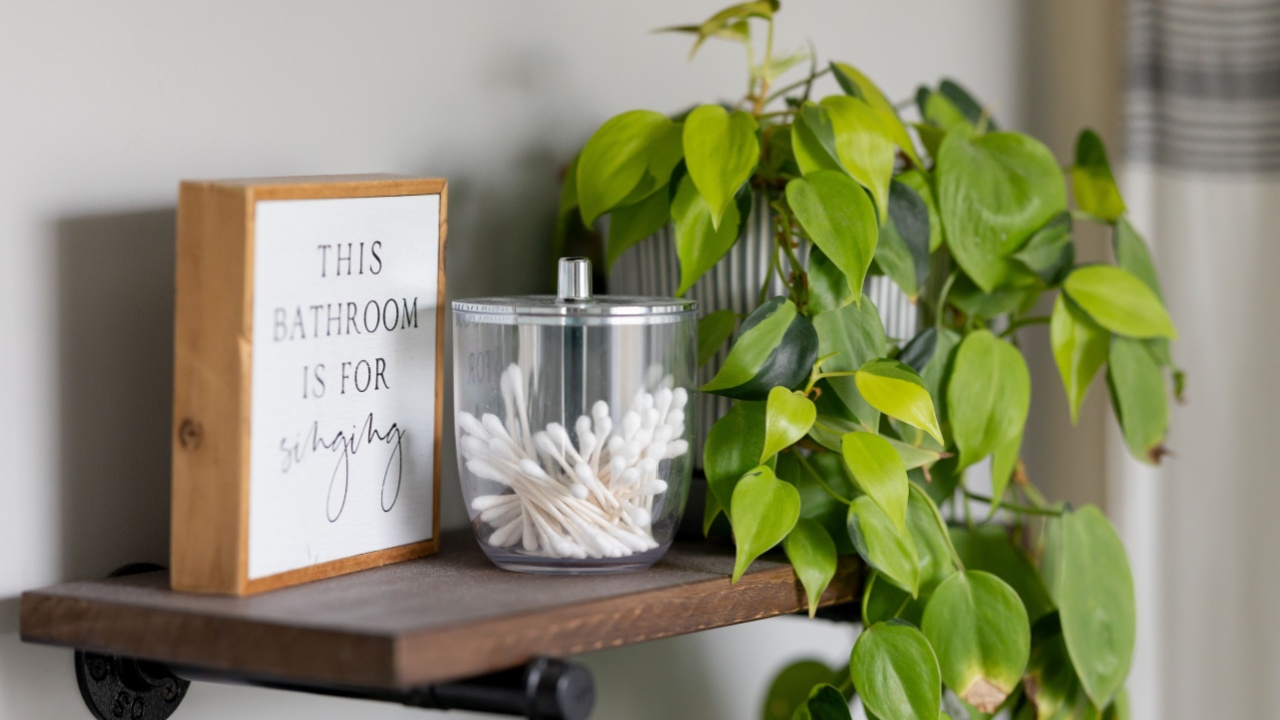
Shelves can quickly become cluttered with books and knick-knacks. Adding plants breaks up the monotony, introduces organic shapes, and adds a layer of sophistication. They can soften hard lines and fill empty spaces with ease. You can get plants that flower even in winter.
Trailing plants are particularly effective on shelves. A pothos or string of pearls draped over the edge softens the shelf’s straight lines and draws the eye downward. You can also use small houseplants in decorative containers like ceramic bowls, vintage pitchers, or unique pots to add personality.
4. Fill That Awkward Corner

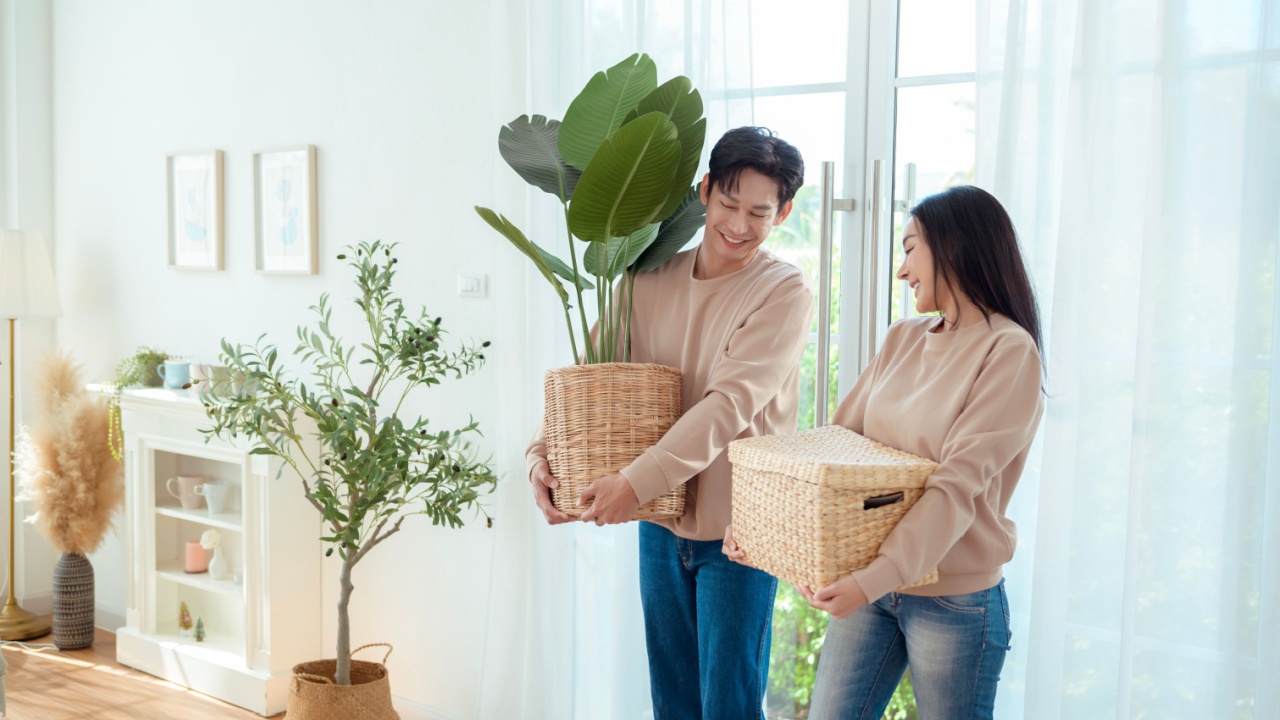
Every home has one: that strange, empty corner that seems to resist all attempts at decoration. This is the perfect opportunity for a plant to step in. A tall plant or a curated group of plants can transform that neglected spot into a deliberate, stylish feature. A single tall plant, such as a fiddle leaf fig or a bird of paradise in a large basket or urn, can instantly fill the vertical space and draw the eye upward.
If one large plant feels too solitary, try a trio of coordinating pots with plants of varying heights. This creates a fuller, more layered effect. For dark corners that get little to no sunlight, a high-quality faux tree like a realistic Norfolk pine can provide the same visual impact without the light requirements.
5. Add Height and Balance to Vignettes

A vignette is a small, curated grouping of objects on a surface like a mantel, coffee table, or entryway console. Plants are essential for creating a balanced and visually pleasing arrangement because they offer organic texture and varying heights.
When creating a vignette, follow the “rule of three” by grouping items in odd numbers. A plant can serve as the tallest, medium, or smallest item in the group. For example, on a mantel, a tall vase with greenery stems can be the anchor, while a small potted plant can add a lower layer of interest to a coffee table arrangement.
6. Group Plants to Create a Focal Point
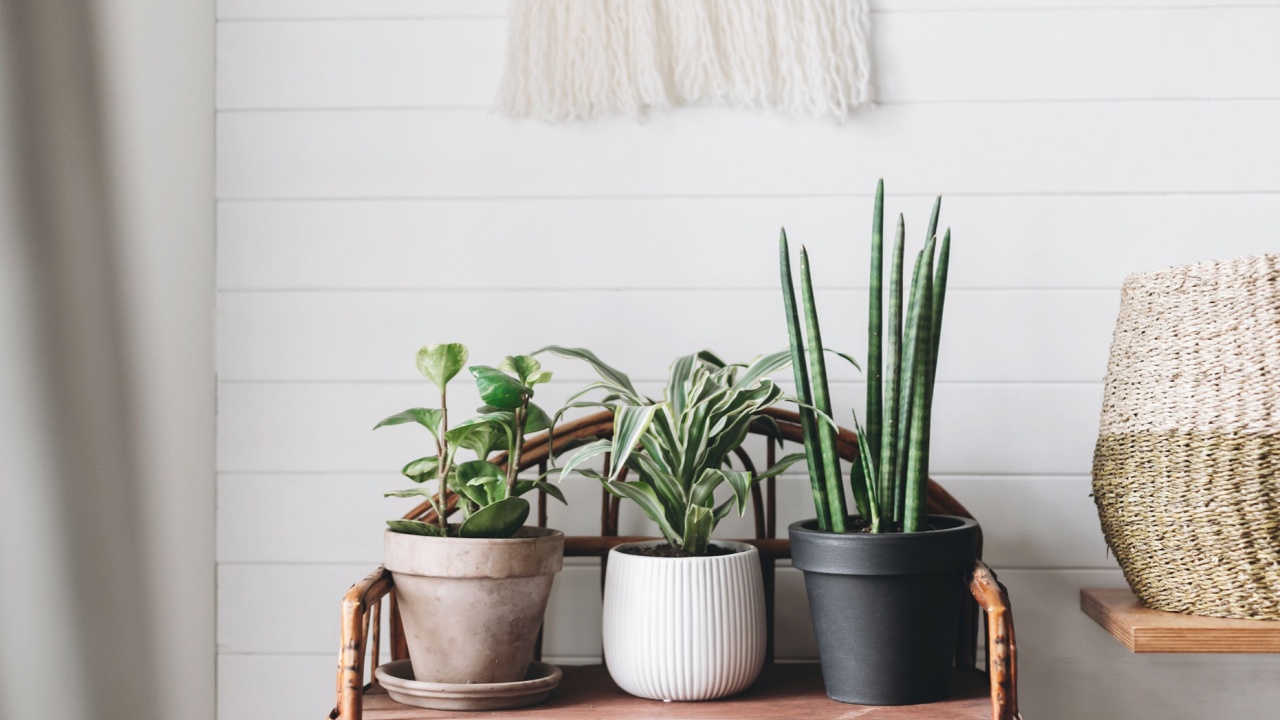
While a single plant is nice, a collection of them grouped together can create a powerful statement. This strategy turns your plants from simple accessories into a major design feature, much like a large piece of art or an accent wall.
For a smaller-scale version, a single wall-mounted propagation station or a cluster of wall planters can achieve a similar effect. You can also group plants on a surface. A collection of orchids on a sideboard or a trio of different plants on a tiered stand creates a beautiful focal point through repetition and variety.
7. Choose High-Quality Artificials
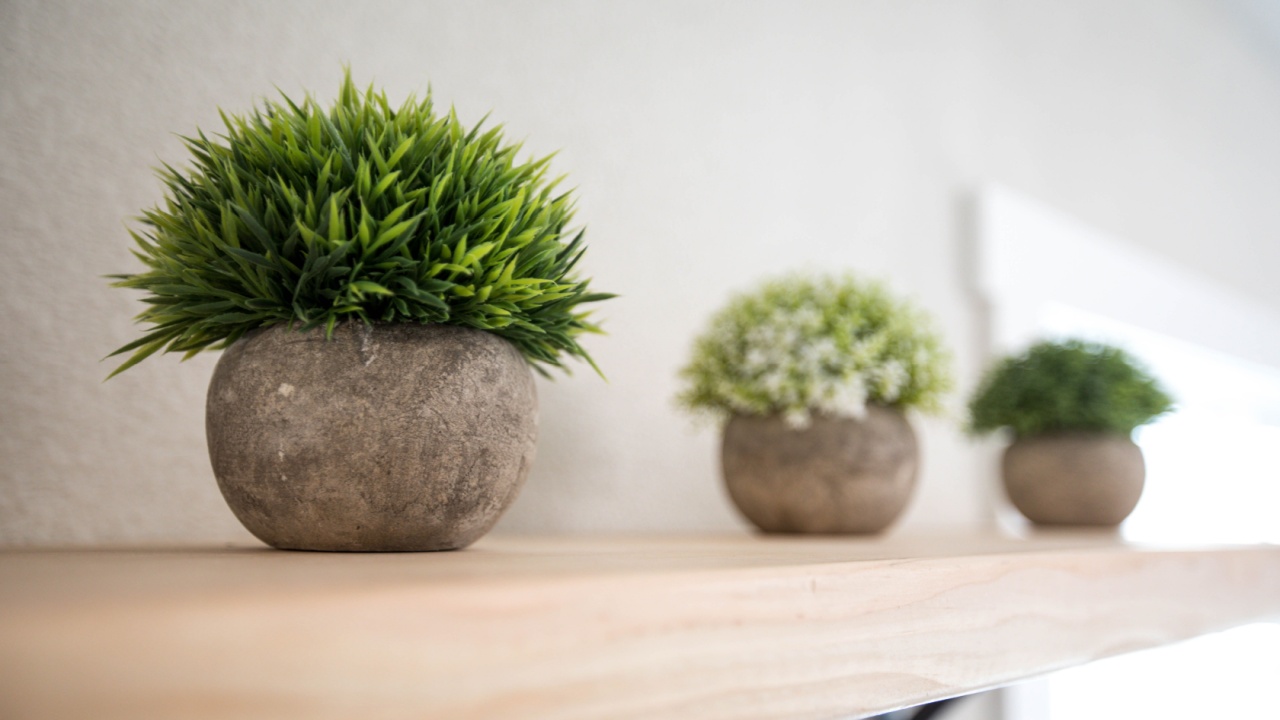
Not every spot is suitable for a living plant, and not everyone has the time for plant care. Modern faux plants are incredibly realistic and can provide the same aesthetic benefits without any of the maintenance. Look for “real-touch” materials, which not only look real but feel real too.
Faux tulips, peonies, and hydrangeas are often made this way and look stunning in a vase. For greenery, real-touch eucalyptus stems, or a shockingly realistic Norfolk pine can fool even the most discerning eye. When choosing artificials, invest in quality. A good faux plant can look great for years, while a cheap one will always look fake.
Enjoy Your Greenery
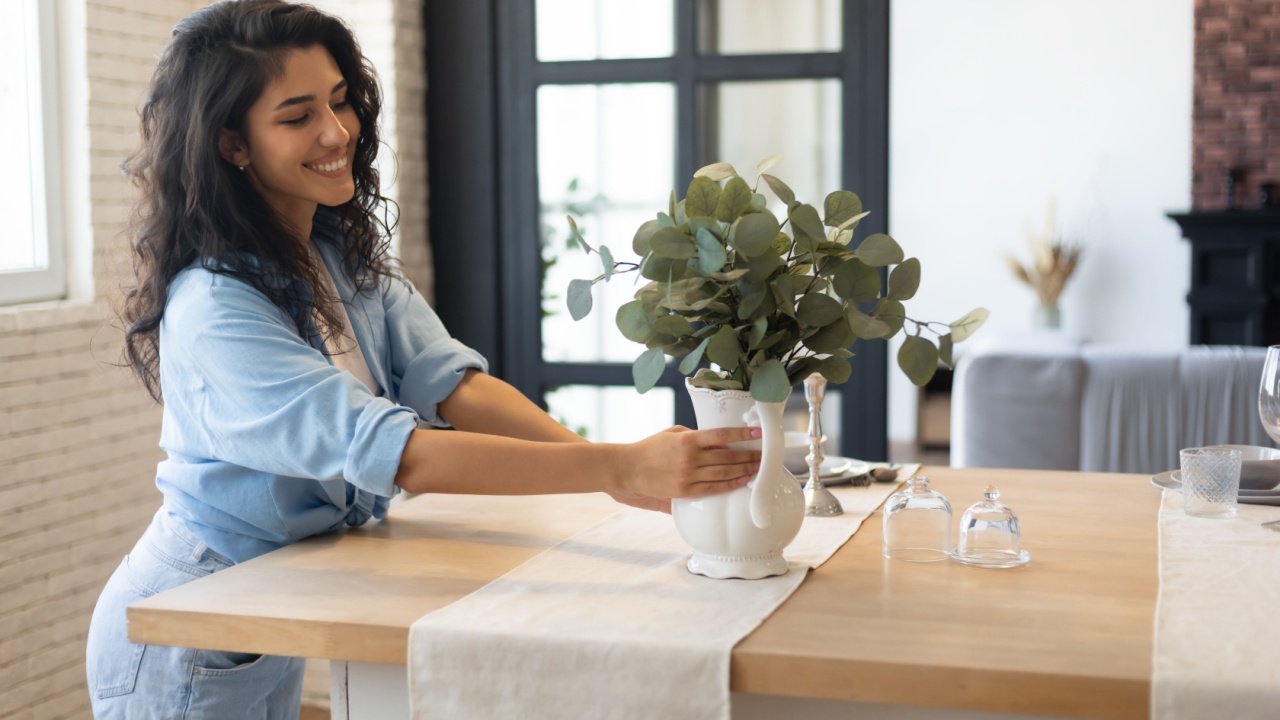
Decorating with plants is a process of trial and error. What looks good in one spot might look even better in another. The best way to learn is to start moving things around. Take an afternoon to experiment with these staging secrets. Move that lonely plant from the corner and group it with two others on your bookshelf. Try placing a small potted herb in your kitchen vignette. By playing with placement, height, and texture, you can unlock the true decorative power of your plants and create a home that feels comfortable, personal, and full of life.