4 Houseplants That Thrive in the Shower Caddy
Turning a bathroom into a green oasis is not a lofty goal. The shower caddy, often home to half-empty shampoo bottles and forgotten soap bars, has a higher calling.
For certain houseplants, this humble organizer provides the perfect blend of humidity, indirect light, and vertical space. It’s a clever way to add life to an often-overlooked room, transforming your daily routine into a walk through a miniature jungle.
Here are four houseplants that will actually love the shower caddy.
1. Spider Plant (Chlorophytum comosum)
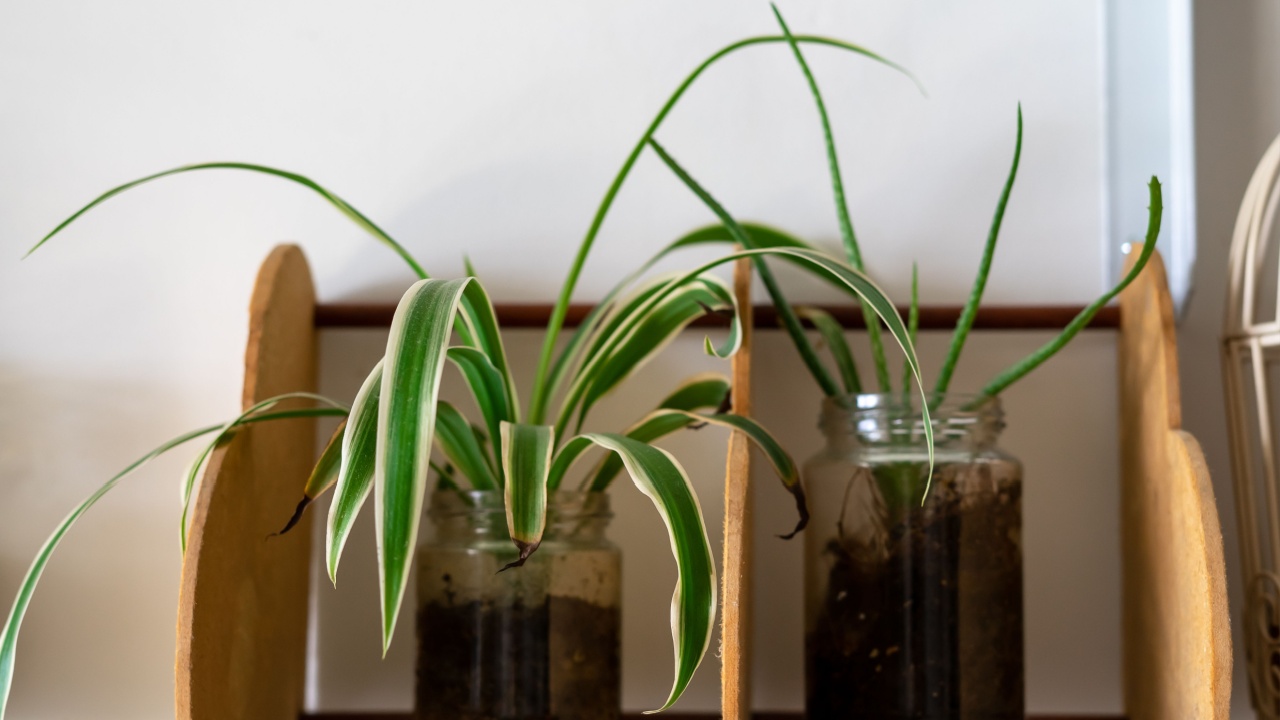
The Spider Plant is practically begging to be placed in a shower caddy. Its arching leaves and cascading baby plantlets, or “spiderettes,” create a beautiful waterfall effect. In a shower setting, the steam provides the humidity it craves, mimicking its native tropical environment. This extra moisture helps keep its leaf tips from browning, a common complaint for this plant in drier household locations.
Spider Plants can thrive even without direct sunlight. They are content with the lower, indirect light typical of most bathrooms. Just hang the caddy away from a direct sunbeam to prevent scorched leaves. The regular moisture in the air means you will water it less frequently than you would in a living room. Its air-purifying qualities are an added bonus, helping to freshen up the space.
2. Heartleaf Philodendron (Philodendron hederaceum)
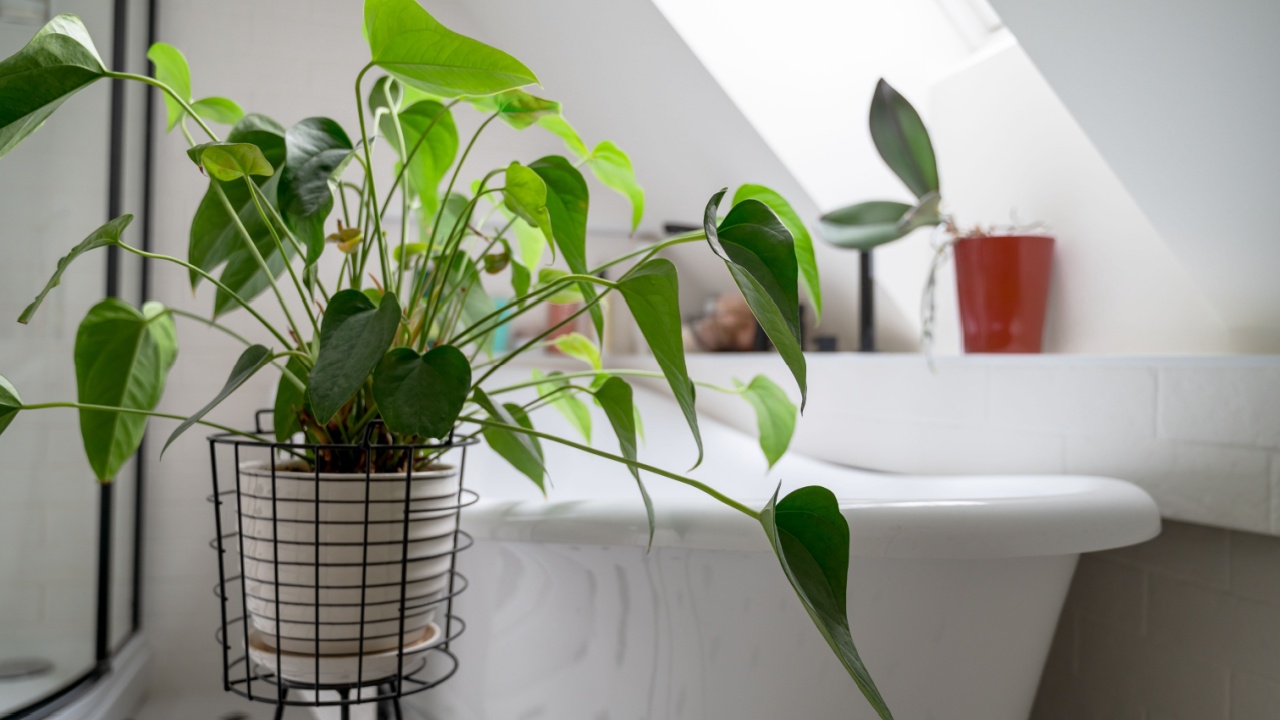
With its lovely heart-shaped leaves and trailing vines, the Heartleaf Philodendron is a natural fit for a shower caddy. It is exceptionally easy to grow, and its vining nature is perfect for creating a lush, cascading display. The vines can be left to hang down or trained to climb around the shower frame, adding a touch of the wild to your bathroom decor.
This philodendron is one of the plants that don’t need drainage to thrive. It is quite happy in the warm, humid conditions created by daily showers. The steam keeps its foliage vibrant and green, and you will find it requires less hands-on watering. It flourishes in medium to low indirect light, which is common in many bathrooms.
3. Boston Fern (Nephrolepis exaltata)
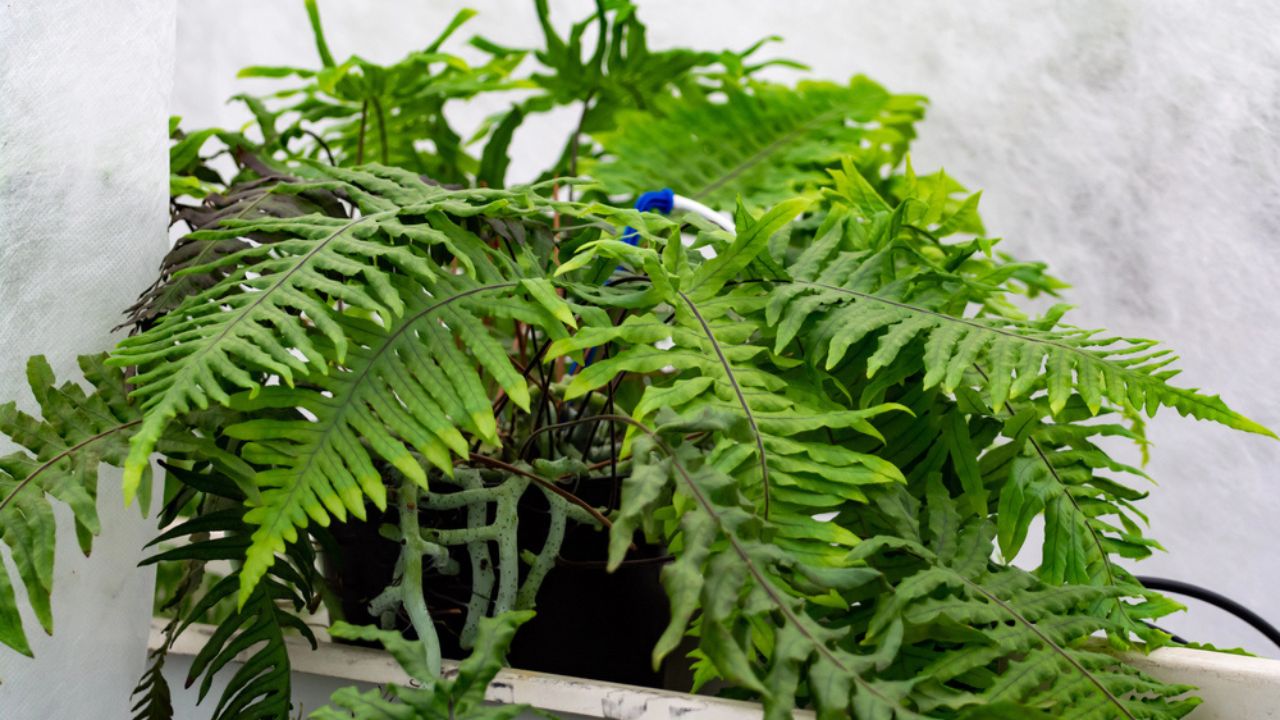
The Boston Fern, with its feathery, arching fronds, brings a classic, elegant look to any space. It is also a plant that absolutely adores humidity, which is why it often struggles in dry indoor air. A shower caddy provides the perfect microclimate for it to flourish.
The consistent moisture from shower steam will keep its delicate fronds from turning brown and dropping, helping it maintain its full, lush appearance. These ferns prefer bright, indirect light, so a spot near a frosted glass window is ideal. Keeping the soil consistently moist is important, and the bathroom’s humid atmosphere helps with this.
4. Air Plants (Tillandsia spp.)
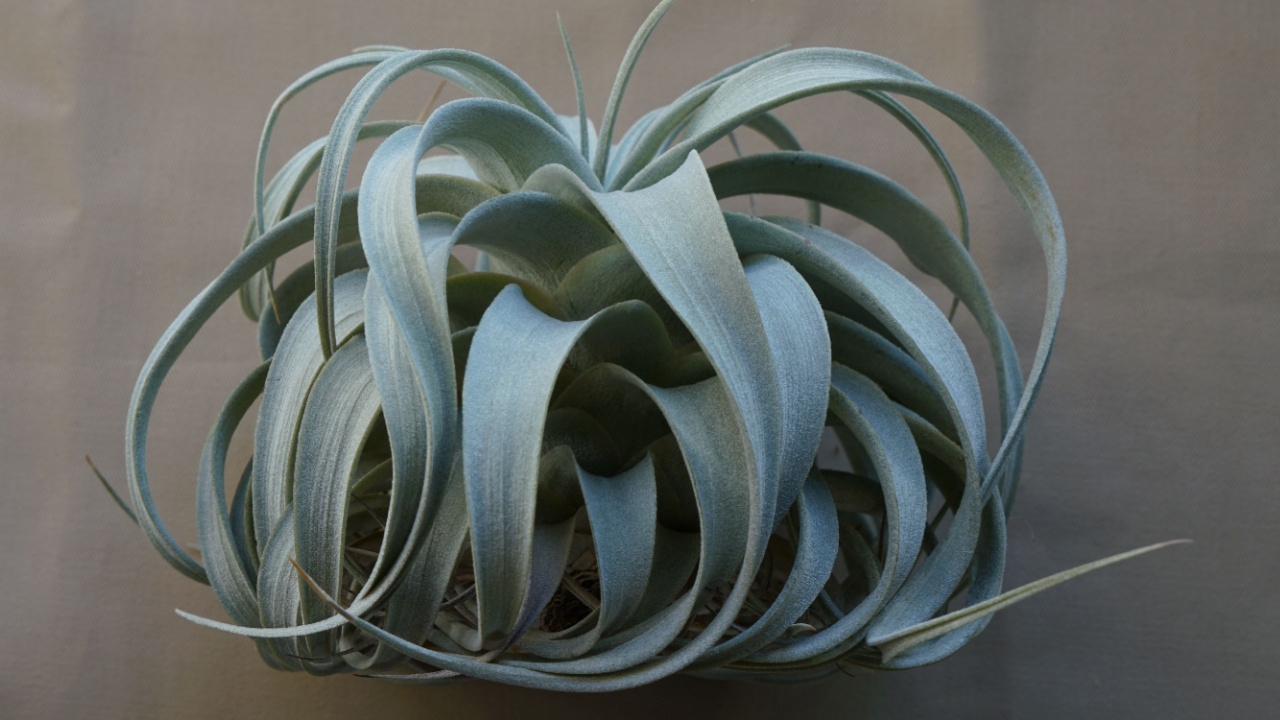
Air Plants are some of the most unique and low-maintenance plants you can grow. Since they do not require soil, they are perfectly suited for the creative placement opportunities a shower caddy offers. These plants absorb moisture and nutrients through their leaves, making the humid, steamy environment of a shower a paradise for them.
They can be placed in small decorative holders, nestled in seashells, or simply tucked into the rungs of the caddy itself. Good air circulation is important to help them dry off between showers and prevent rot. They also benefit from a weekly soak in water for about 20-30 minutes. Place them in a spot with bright, indirect light.
Setting Up Your Shower Caddy Garden
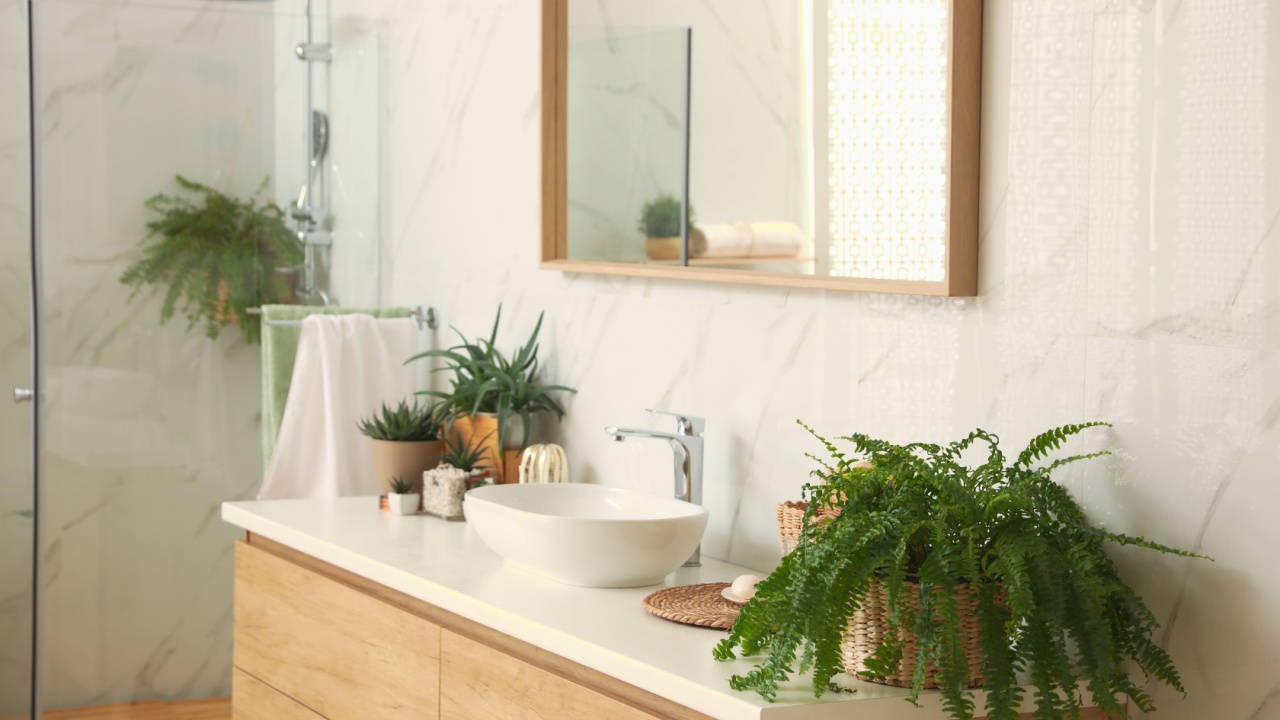
Transforming a shower caddy into a planter is simple. Start by selecting a caddy with good drainage; rust-proof materials like stainless steel or coated plastic are your best bet. Place it in a location that receives appropriate indirect light but is not directly in the path of the shower spray, as the soap and water pressure can harm the plants.
When watering, it is best to take the plants out of the caddy and water them in a sink. This allows excess water to drain away completely, preventing root rot. Let them drain for a few minutes before returning them to their spot. Check on your plants weekly to monitor their soil moisture and general health.