
10 Anti-Inflammatory Foods Every Pantry Needs in Winter
It’s amazing how everyday foods can influence how the body feels. A quick snack loaded with sugar or a salty, processed meal can leave you feeling sluggish, bloated, or just a little out of balance. That’s where anti-inflammatory foods step in, offering a natural way to steady the body’s responses and support overall wellness without any complicated routines.
Foods that calm inflammation aren’t exotic or expensive; many are simple, fresh ingredients that fit easily into daily meals. They’re the kind of ingredients that make a kitchen feel both wholesome and practical, and they’re surprisingly easy to grow, store, or cook with. Let’s explore the best ones worth adding to any home.
1. Berries (e.g., strawberries, blueberries, raspberries, blackberries)
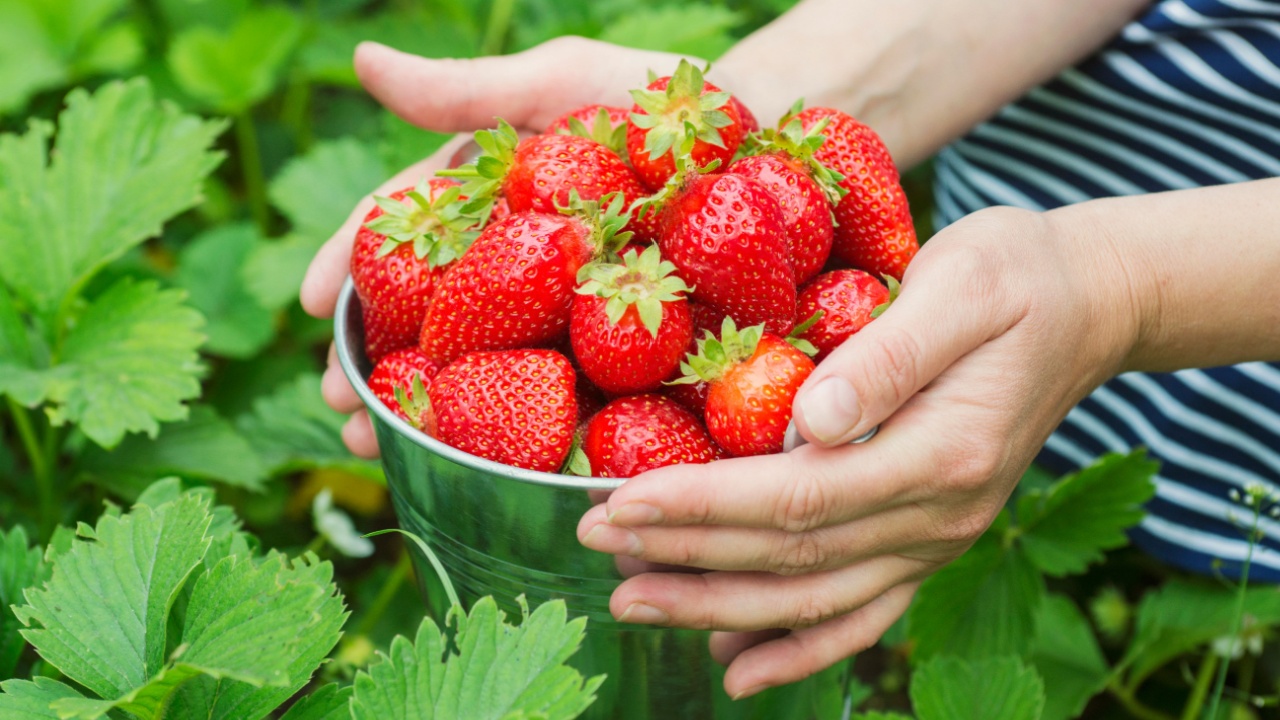
Berries are small but mighty. They’re loaded with powerful antioxidants called anthocyanins and flavonoids, which help neutralize free radicals. Free radicals are those unstable molecules that trigger inflammation and oxidative stress in the body.
Eating berries regularly may help reduce levels of inflammatory markers (like C-reactive protein) in the blood, and they could even help reduce the risk of certain chronic diseases over time.
2. Leafy Greens (e.g. spinach, kale, Swiss chard, collards)
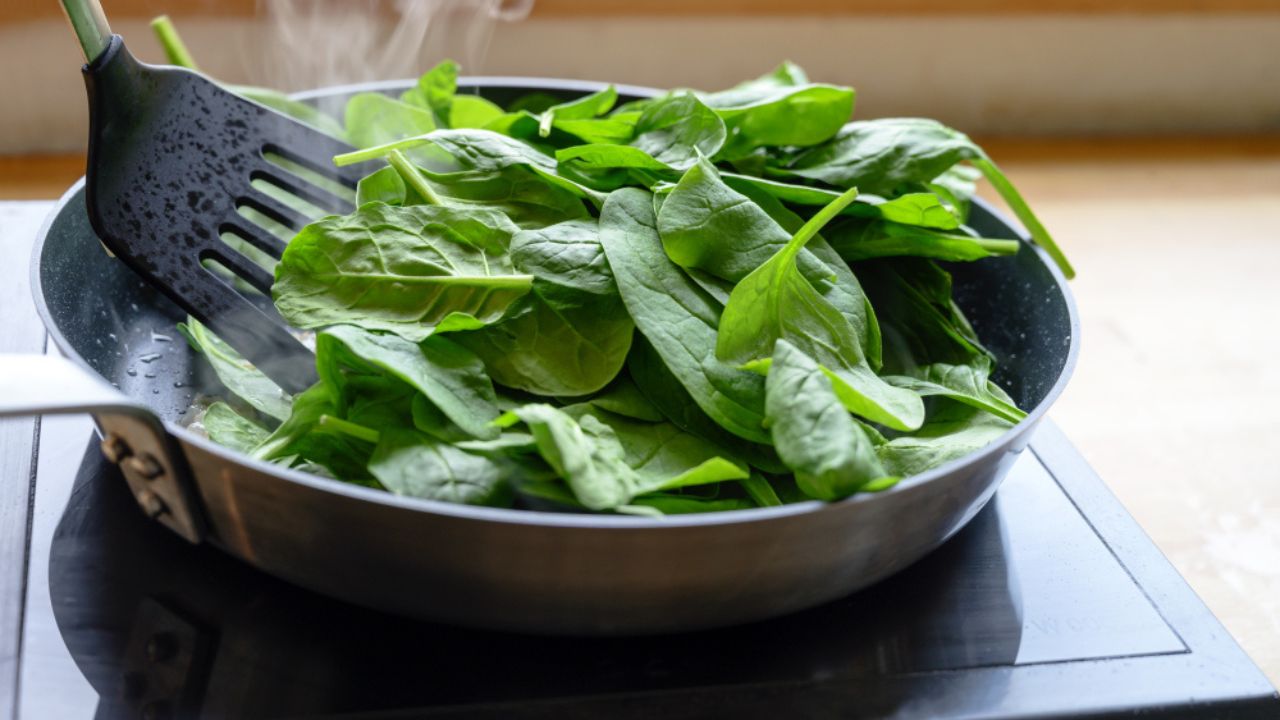
Leafy greens are nutritional powerhouses. They deliver a mix of vitamins (like A, C, K), antioxidants (like quercetin and carotenoids), fiber, and minerals. As they are gentle on digestion, greens are a great base for salads or a light stir-fry, and can be combined with healthy fats to boost absorption of fat-soluble vitamins.
You can include at least one serving of leafy greens daily, whether raw, lightly sautéed with olive oil, or blended into a smoothie. Rotate types (spinach, kale, chard, etc.) to keep it interesting and get a variety of nutrients.
3. Fatty Fish (e.g. salmon, mackerel, sardines, trout)
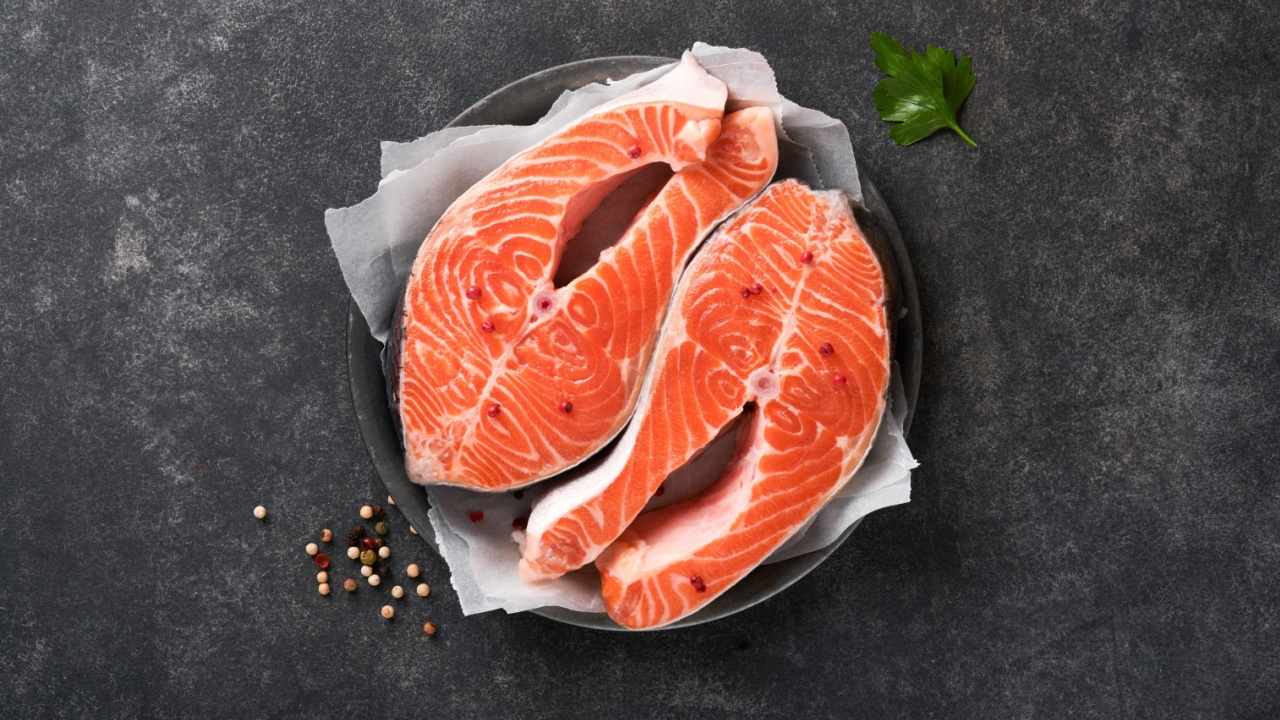
Fatty fish stand out because they’re rich in omega-3 fatty acids, especially EPA and DHA, which are among the best-known anti-inflammatory nutrients and help lower inflammation at the cellular level, support healthy blood vessels and heart function, and may ease joint discomfort.
Including fish a few times per week instead of red or processed meats gives your body a gentle boost and also supports brain and cardiovascular health.
If fresh fish is hard to come by, try canned wild sardines or mackerel (in water or olive oil), or frozen fillets. You can grill, bake, or pan-sear with herbs and olive oil rather than frying, to preserve the healthy fats.
4. Extra-Virgin Olive Oil (EVOO) or Other Healthy Oils / Fats

Using extra-virgin olive oil (or similar healthy oils) instead of processed or trans-fat-heavy oils is a simple but powerful step. EVOO contains compounds like oleocanthal and polyphenols that behave similarly to gentle anti-inflammatory agents, helping to calm oxidative stress and protect cell structure.
You can use EVOO for salad dressing, drizzling over cooked vegetables, or light sautéing. Try to limit deep-frying or cooking at very high temperatures to avoid damaging beneficial compounds, to improve heart health, and keep the body’s inflammatory responses in check over the long term.
5. Nuts & Seeds
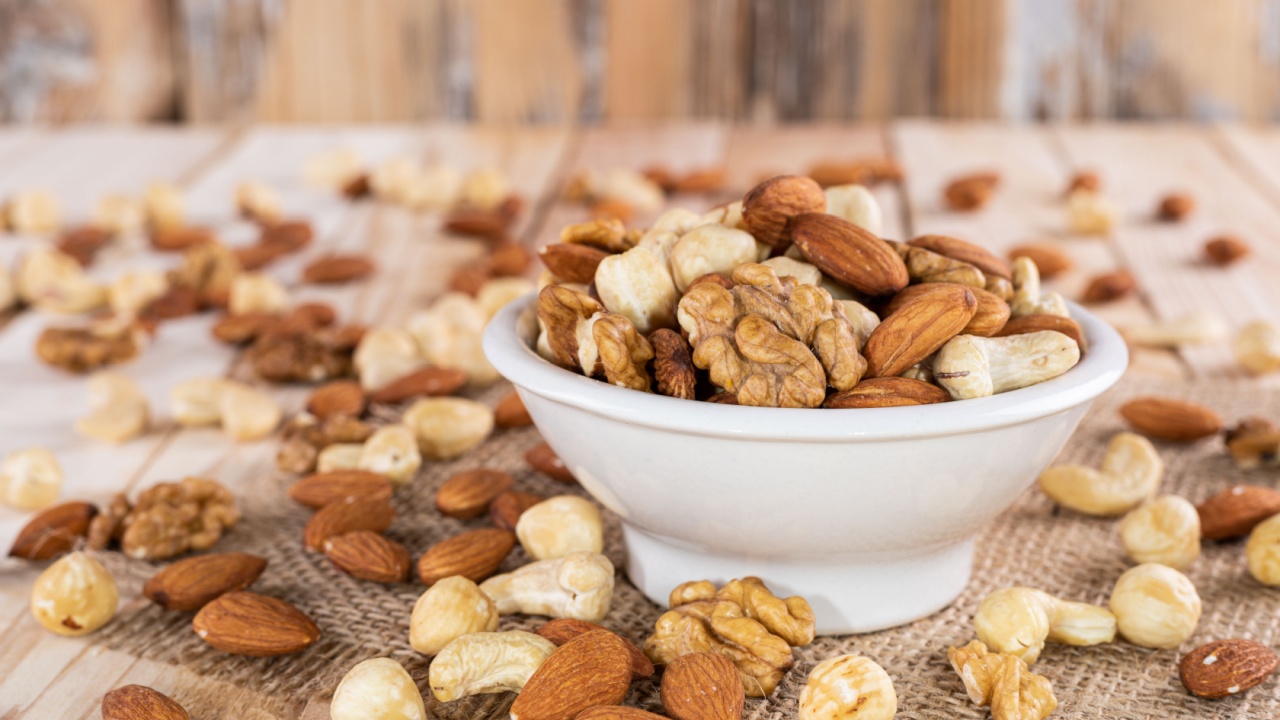
Nuts and seeds are compact nutrition bombs. They bring healthy fats, fiber, vitamin E, and antioxidants, all of which help reduce inflammation and support cardiovascular and gut health. They’re a great snack to replace less-healthy crunchy snacks (like chips or cookies).
Keep a small container of mixed nuts or seeds on hand for snacks. Add a tablespoon of chia or flaxseed to yogurt, oatmeal, or smoothies, especially if you don’t eat fish regularly.
6. Tomatoes (and other brightly colored vegetables)
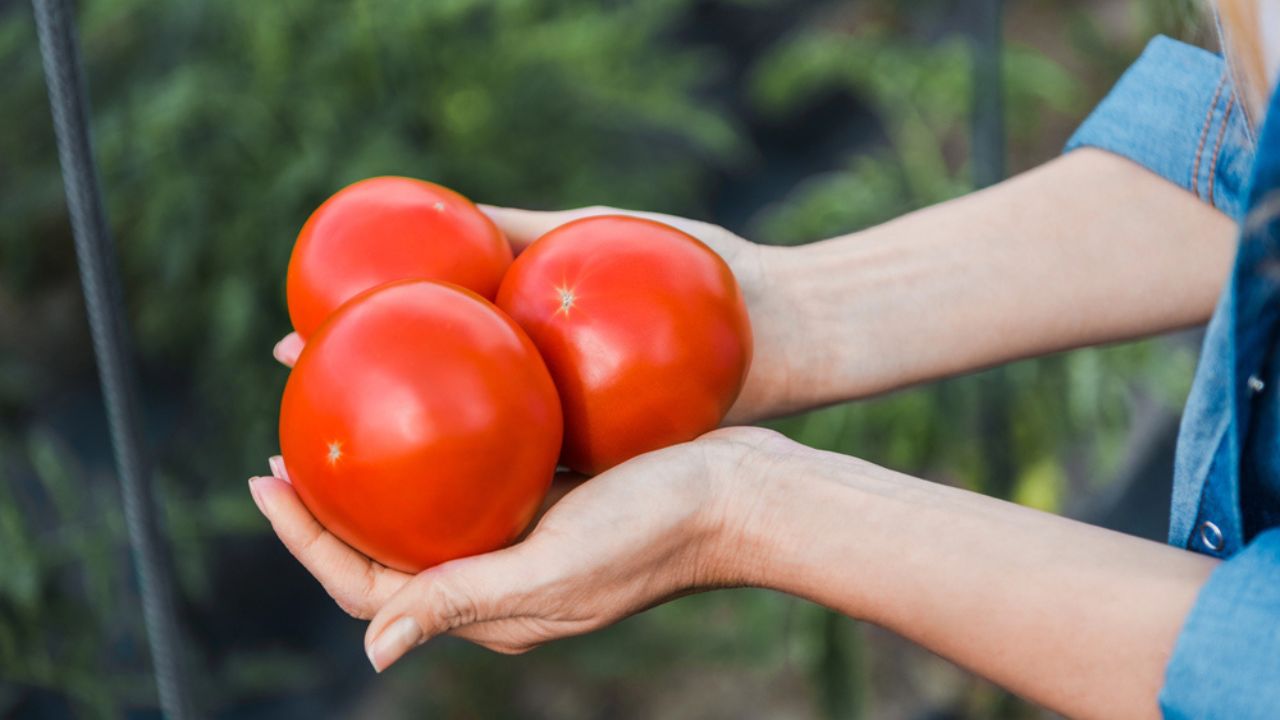
Tomatoes are often underrated, but they bring a strong anti-inflammatory punch thanks to compounds like lycopene (particularly when cooked), plus other phytonutrients. Brightly colored vegetables (bell peppers, carrots, squash, etc.) provide antioxidants and vitamins that work in synergy, offering better protection together than any single food can alone.
Roast or sauté tomatoes and veggies with olive oil and herbs. Mix them into salads, stews, or sauces so you naturally get a “rainbow” of nutrients at every meal. You can also blend them into hearty soups, layer them onto sandwiches, or toss them with whole grains for quick, colorful bowls.
7. Spices & Herbs (e.g. turmeric, ginger, garlic, cumin, cinnamon, oregano)
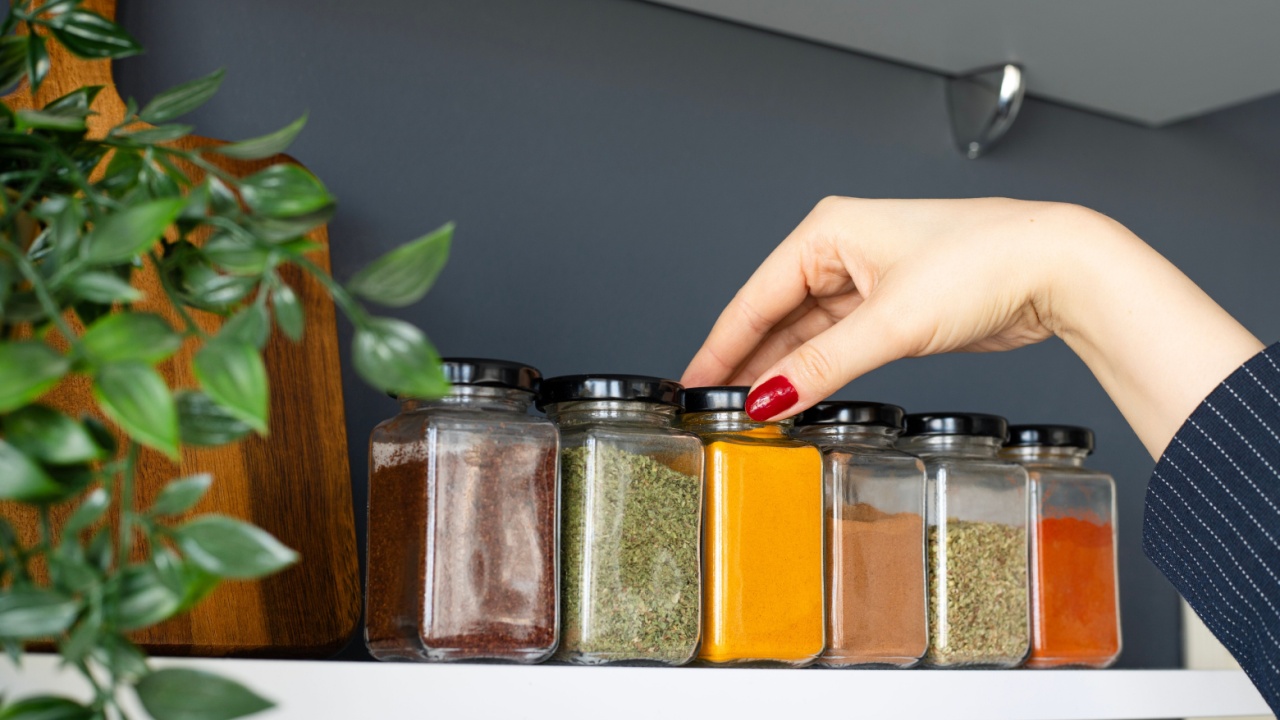
Spices and herbs are a simple, cost-effective way to boost anti-inflammatory potential in everyday cooking. Using herbs and spices regularly can reduce reliance on salt, processed sauces, and heavy dressings because of active compounds curcumin, allicin, and flavonoids.
You can try seasoning with herbs and spices instead of heavy sauces. Add turmeric and a pinch of black pepper to soups or rice; grate ginger into stir-fries; finish dishes with fresh herbs for flavor and health benefits.
8. Whole Grains & Legumes (e.g. quinoa, oats, lentils, beans)
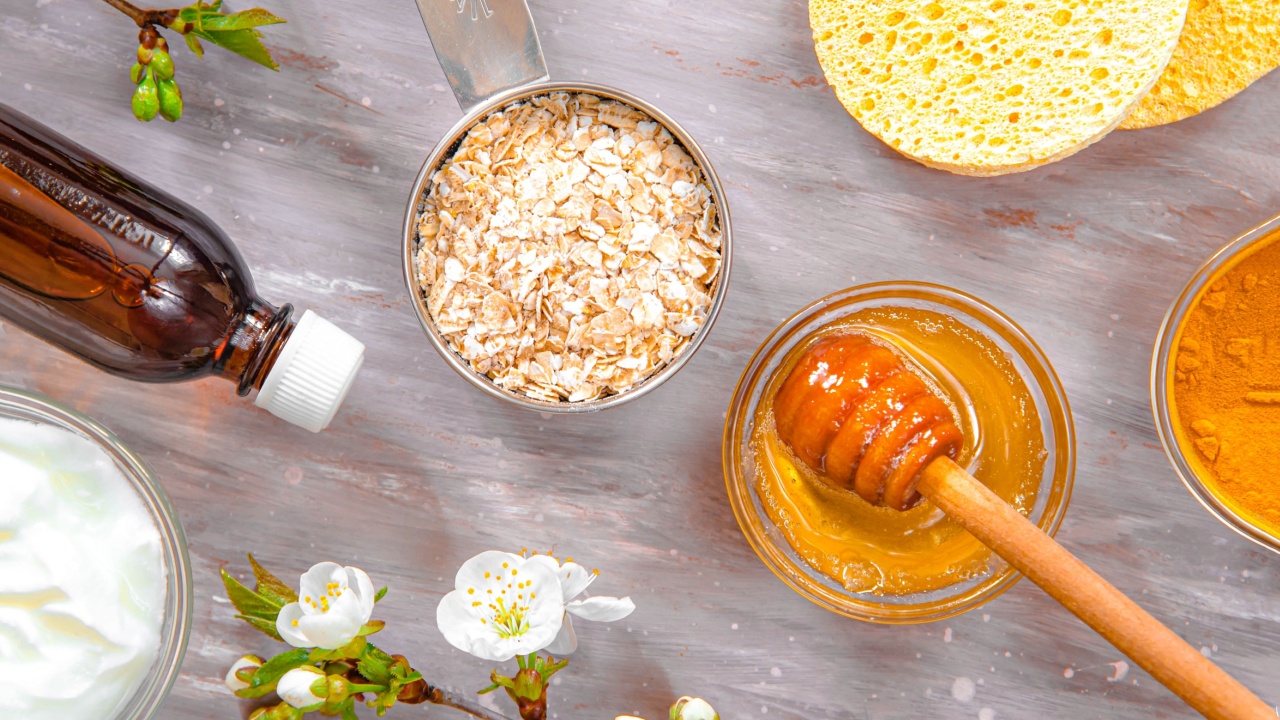
Whole grains and legumes supply fiber, vitamins, minerals, and plant-based protein, all of which support healthy digestion, stable blood sugar, and reduced inflammation. Compared to refined grains, these foods digest more slowly and support gut health, which helps regulate immune responses and reduces chronic inflammatory stress.
Incorporate brown rice, quinoa, or oats instead of white rice or refined flour. Use lentils or chickpeas in soups, salads, stews, or as meat alternatives for protein plus fiber.
9. Dark Chocolate & Cocoa Products

Dark chocolate and pure cocoa bring flavonoids and polyphenols that have been shown to reduce inflammatory markers. These compounds support blood vessel health and help neutralize oxidative stress. Dark chocolate can be a reasonable indulgence as long as you avoid too much sugar or processed chocolate products.
Keep dark chocolate (70%+ cocoa) in small amounts, perhaps a square or two after meals. Combine with nuts or berries for a satisfying, antioxidant-rich treat.
10. Green Tea (or Herbal Teas)

Drinking green tea supplies polyphenols (like EGCG), which are known to fight oxidative stress and inflammation and support metabolism, heart health, and cellular function. Herbal teas such as ginger, turmeric, or cinnamon teas can also offer mild anti-inflammatory and digestive benefits, providing a cozy, comforting way to support health daily.
Replace sugary drinks or too-much-caffeine beverages with green tea or herbal tea. Try a cup after meals or in the evening for hydration plus steady antioxidant intake.
How to Start an Anti-Inflammatory Diet

If you’re thinking of shifting your kitchen toward being “anti-inflammatory friendly,” start small. Add one extra serving of veggies or leafy greens each day and replace refined carbs or snacks with nuts, seeds, or whole fruits.
Use herbs, spices, olive oil, and whole ingredients instead of processed sauces or heavy dressings, and try to include a variety of colors, such as different fruits and vegetables. Over time, this isn’t just a “diet hack,” but a gentle lifestyle shift. It can help your body handle everyday stressors, support your immune system, protect joints, and keep energy stable.