14 Minimalist Designs Perfect for Modern Women
Minimalism promises that slice of peace so many crave, a streamlined living space where style and comfort coexist. The trick is figuring out where to start and which choices actually create that sense of order without draining all personality from the room. A minimalist environment highlights what matters most, providing more breathing room for daily life to unfold.
Achieving this look doesn’t require severe sacrifices or an affinity for stark, empty rooms. The right blend of thoughtful details, personal touches, and strategic selections can transform a living area into something inviting and visually calm, with every piece there for a reason.
Here are 14 straightforward ways to embrace minimalist design.
1. Create a Calm, Serene Atmosphere
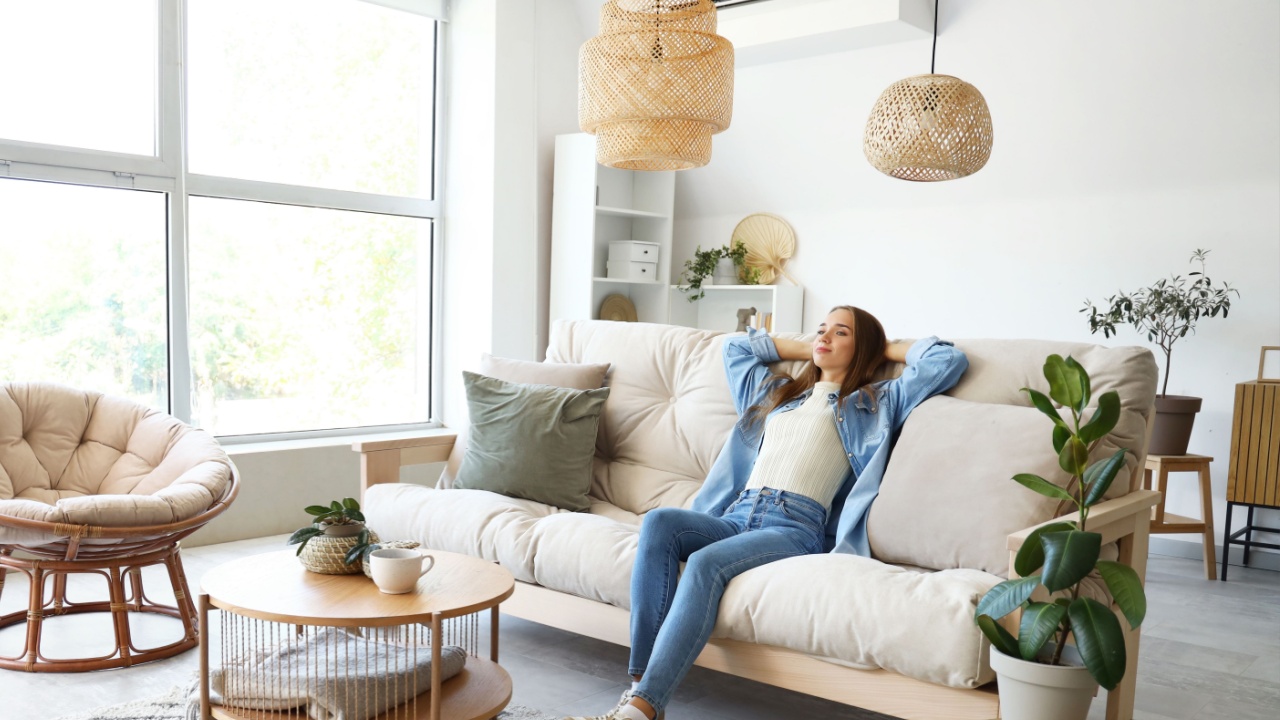
A serene atmosphere is the foundation of any minimalist space. It’s the feeling you get when you walk into a room, and your shoulders instantly drop an inch. This is achieved by creating a space that feels uncluttered, quiet, and visually restful. The focus is on reducing sensory overload, which allows the mind to relax.
A calm room does not have to be boring. Serenity comes from balance, not emptiness. It’s about giving each item in the room breathing space so it can be appreciated. Picture a quiet art gallery; the sparse arrangement is what allows each piece to stand out.
2. Incorporate Natural Textures
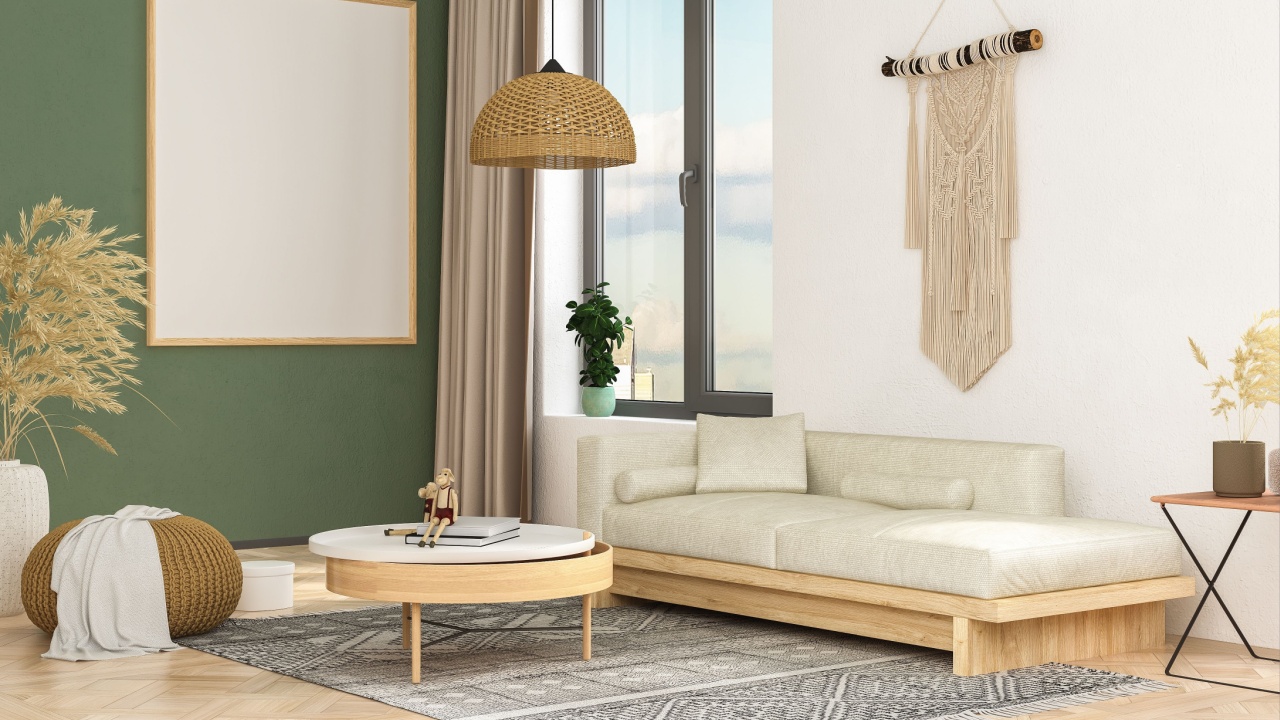
Bringing natural textures into a minimalist room adds warmth and dimension, preventing the space from feeling cold or sterile. Materials like wood, wool, linen, rattan, and stone connect the indoor environment to the natural world. These elements provide tactile and visual interest without adding clutter.
A chunky knit blanket, a smooth wooden bowl, or a woven jute rug can soften the clean lines common in minimalist design. This is a great option because it engages more than just the sense of sight. It adds a layer of sensory experience that is subtle but powerful.
3. Introduce a Single Soft Accent Color (Or Two)
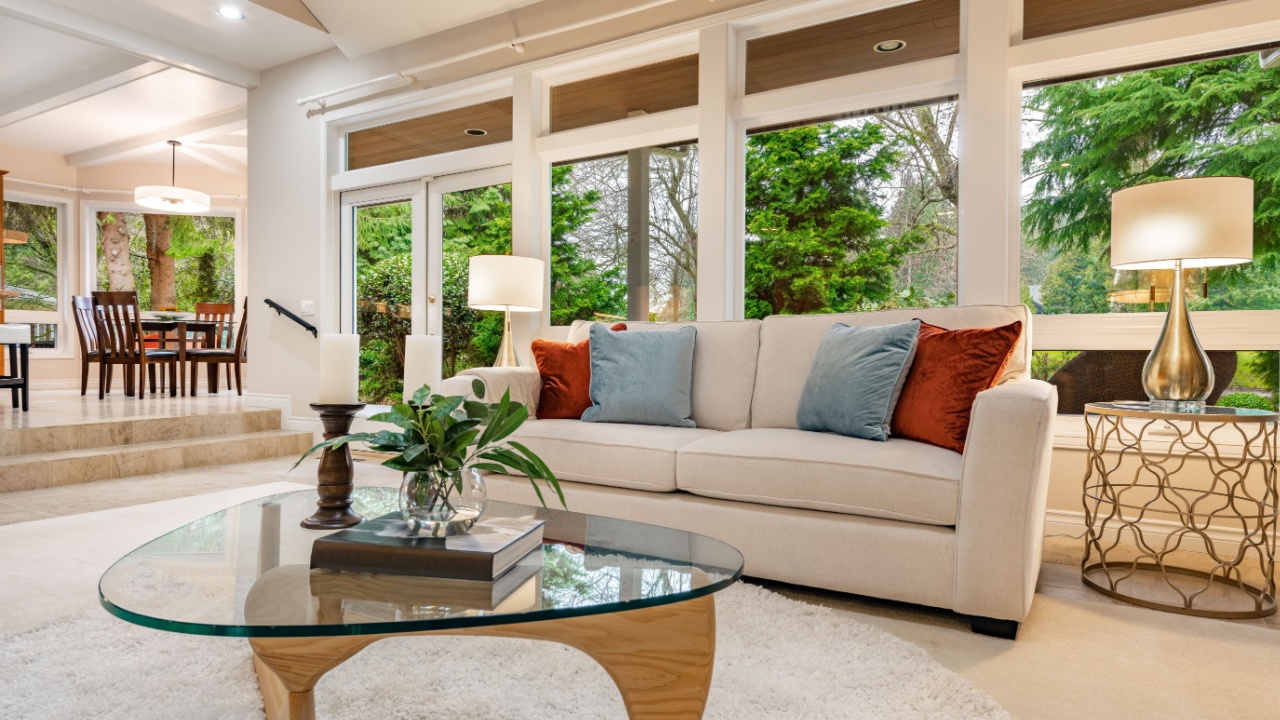
While minimalism often brings to mind a palette of black, white, and gray, introducing a single soft accent color can add personality without overwhelming the space. Incorporate dusty rose, sage green, or a muted terracotta. Using one accent color consistently but sparingly creates a sense of cohesion and intention.
It can appear in a piece of art, a few throw pillows, or a single vase. This method allows for personal expression within the minimalist framework. It provides a visual guide for the eye, drawing attention to specific points in the room.
4. Use Multifunctional Elements
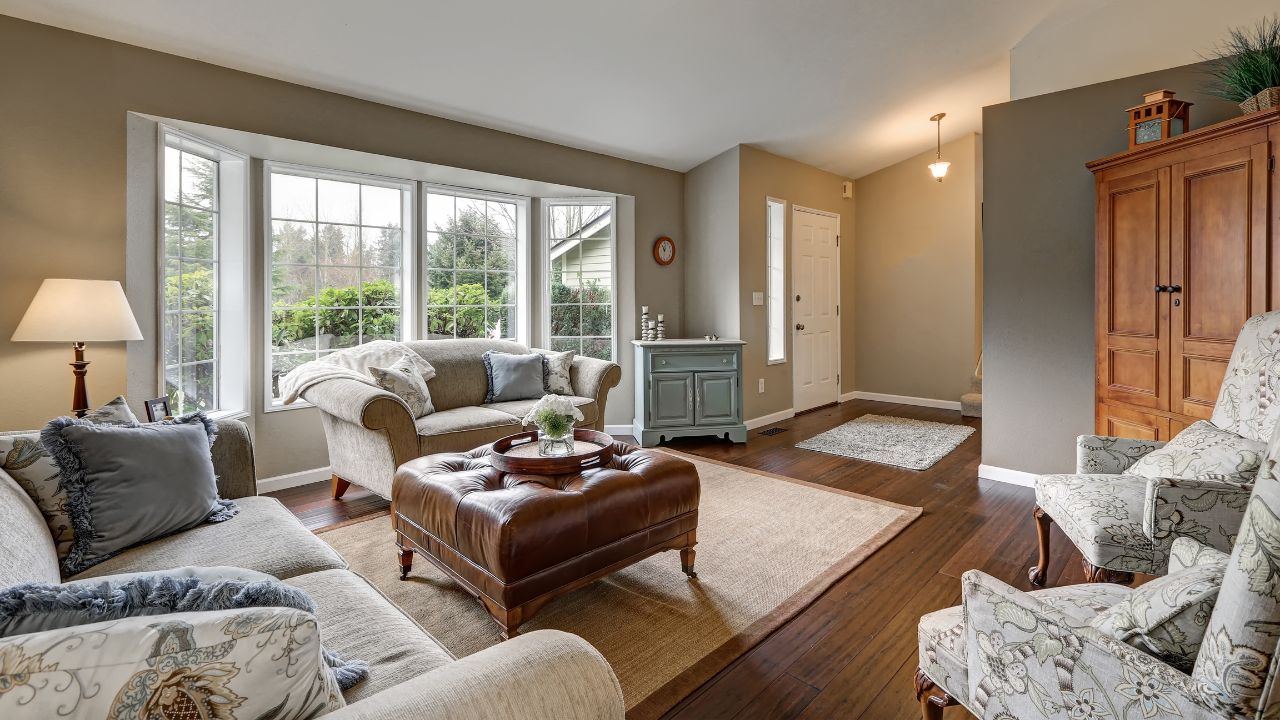
In a minimalist home, every piece should earn its keep. Multifunctional elements add style and purpose, making it a smart choice for any room. An ottoman can provide seating, a footrest, and hidden storage. A console table can serve as a desk, a display surface, or a dining buffet. These versatile pieces help reduce the total number of items needed in a room.
This is particularly helpful for those living in smaller spaces, but the principle applies everywhere. Choosing items that serve multiple purposes is the peak of efficient design. It keeps the room functional and uncluttered, supporting a streamlined lifestyle.
5. Refresh Exposed Brick for a Clean Backdrop
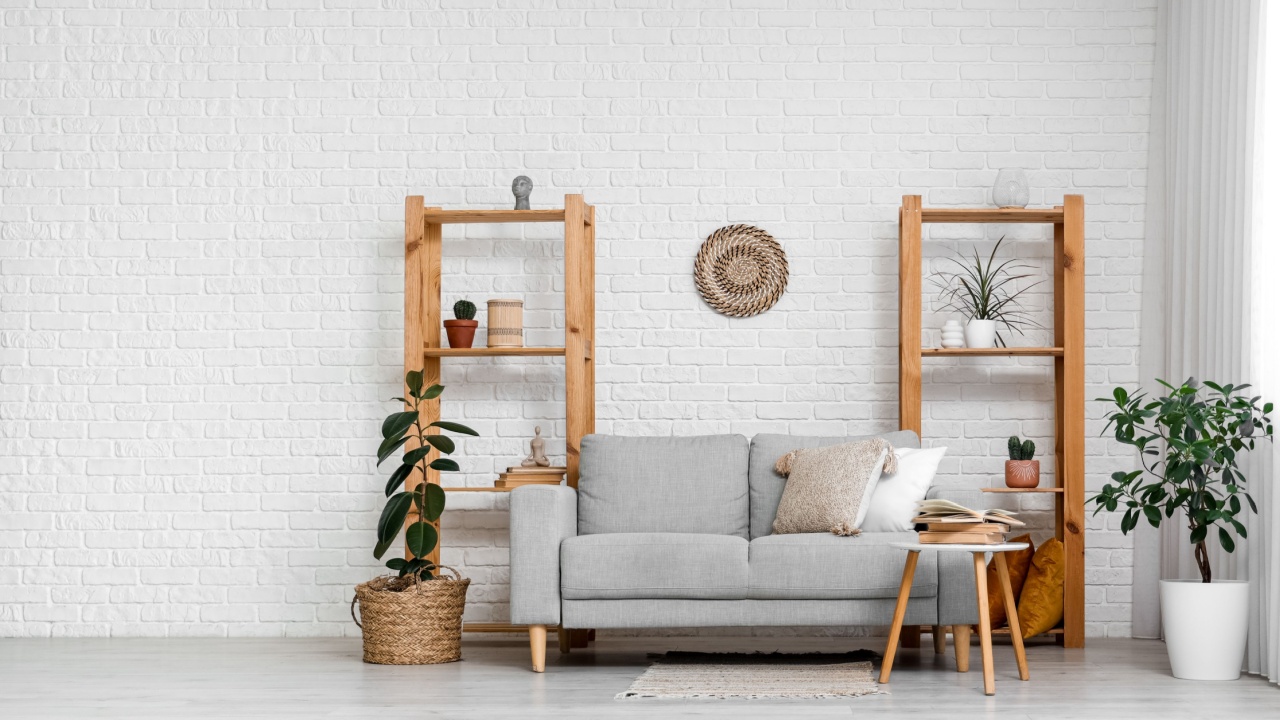
Exposed brick can be a stunning feature, but its rustic, reddish-brown tones can sometimes feel heavy or clash with a minimalist color scheme. Giving the brick a fresh coat of paint, often white, off-white, or a light gray, can completely transform a room. The paint neutralizes the color while preserving the unique texture of the brick, creating a sophisticated and clean backdrop.
This technique is a fantastic way to blend industrial or rustic character with modern minimalism. The painted brick adds texture and architectural interest without introducing a dominant color, allowing furniture and decor to stand out. It makes the room feel brighter and more spacious.
6. Bring in Plants to Add Organic Life

Plants are the perfect minimalist accessory. They add a touch of color, organic shape, and life to a room without making it feel cluttered. A single, sculptural plant like a fiddle-leaf fig or a snake plant can act as a living work of art. The natural green hues complement a neutral palette and can improve air quality.
Including plants is a simple way to breathe life into a highly curated space. Their forms contrast beautifully with the straight lines of modern furniture. They offer a connection to the outdoors, which has a calming effect on our well-being.
7. Choose Simple, Clean Lines
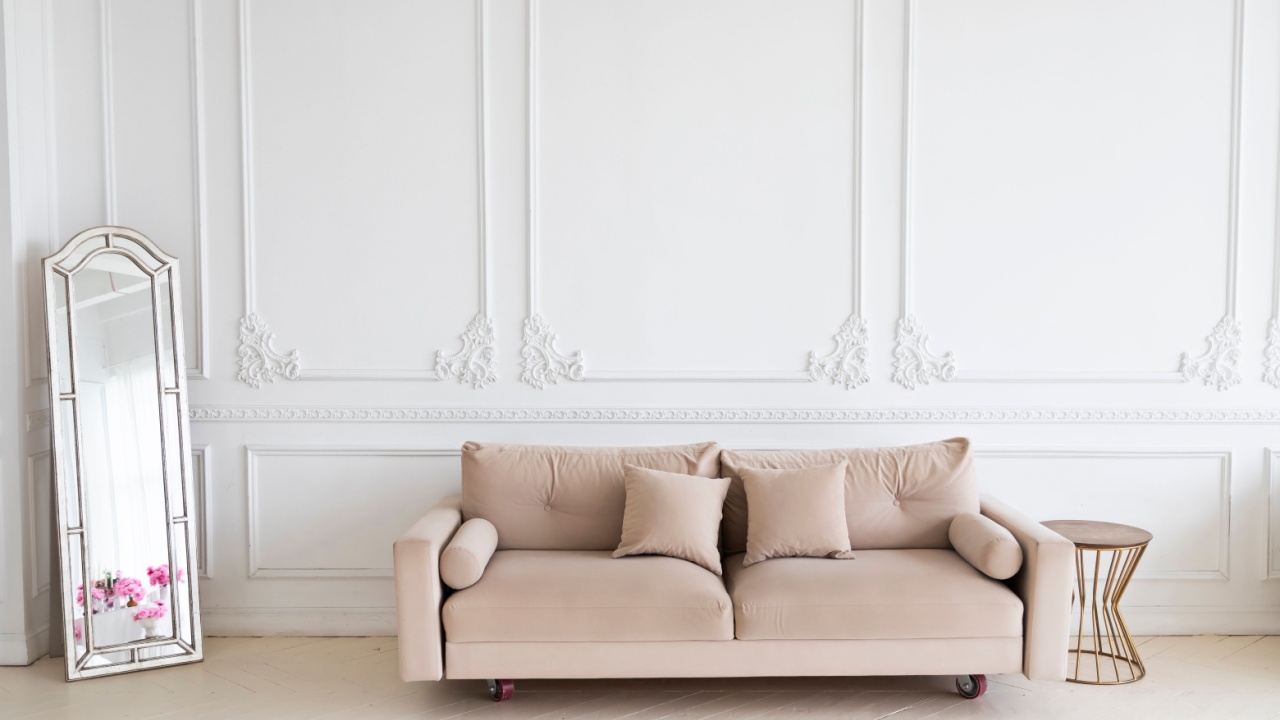
A defining theme of modern minimalist design is the use of simple, clean lines. This applies to everything from the sofa’s silhouette to the shape of a picture frame. Furniture with straight edges, uncluttered forms, and a lack of ornate detailing contributes to a visually calm and orderly space. This visual language is direct and uncomplicated.
Focusing on clean lines helps to create a cohesive and uncluttered look. It eliminates visual distraction, allowing the form and function of each piece to be appreciated. This foundational principle is what gives minimalist interiors their signature sense of order and elegance.
8. Layer Different Materials for Subtle Depth
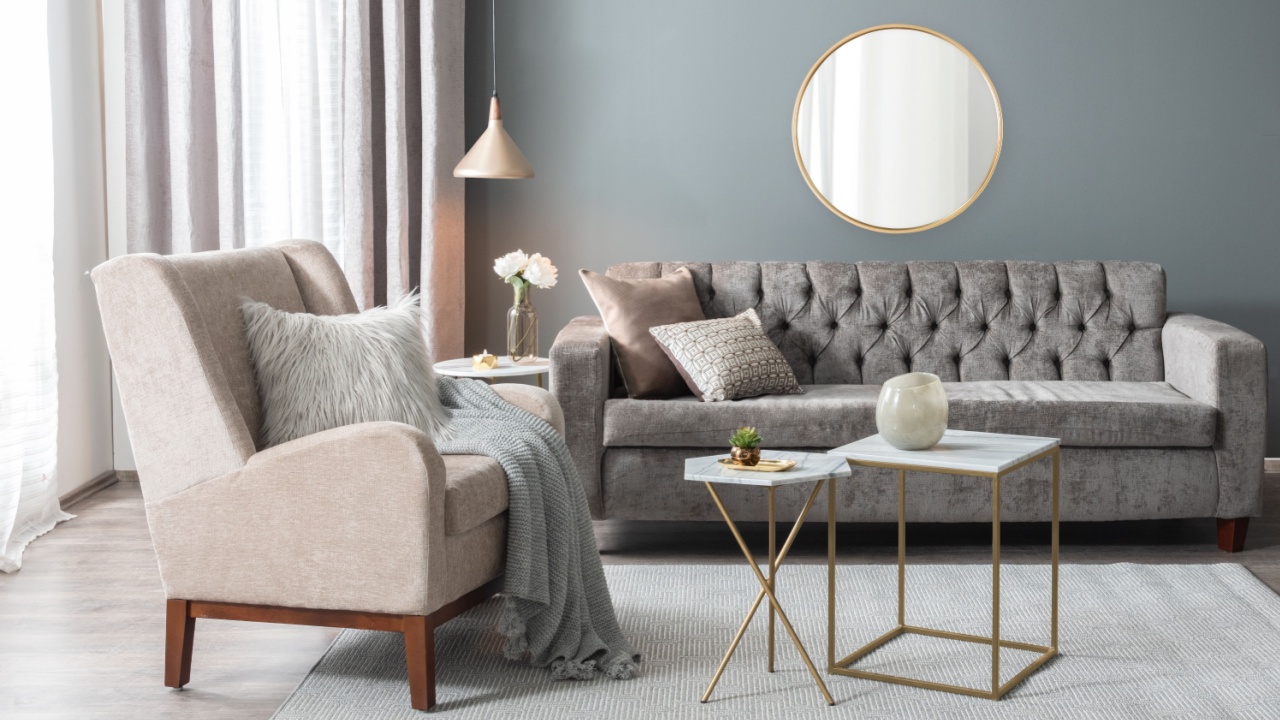
A minimalist room can risk feeling flat if it relies only on a spare layout. Layering different materials is a sophisticated way to create depth and interest without adding clutter. Imagine a smooth leather chair on a textured wool rug, with a soft linen curtain in the background. Each material has a different finish and feel, contributing to a rich, layered look.
This is a professional designer’s trick for making a simple space feel complex and considered. The subtle interplay of textures, smooth, rough, soft, and hard, adds a tactile dimension that is both visually and physically appealing. It makes the room feel more complete.
9. Hang a Statement Mirror to Open Up the Space
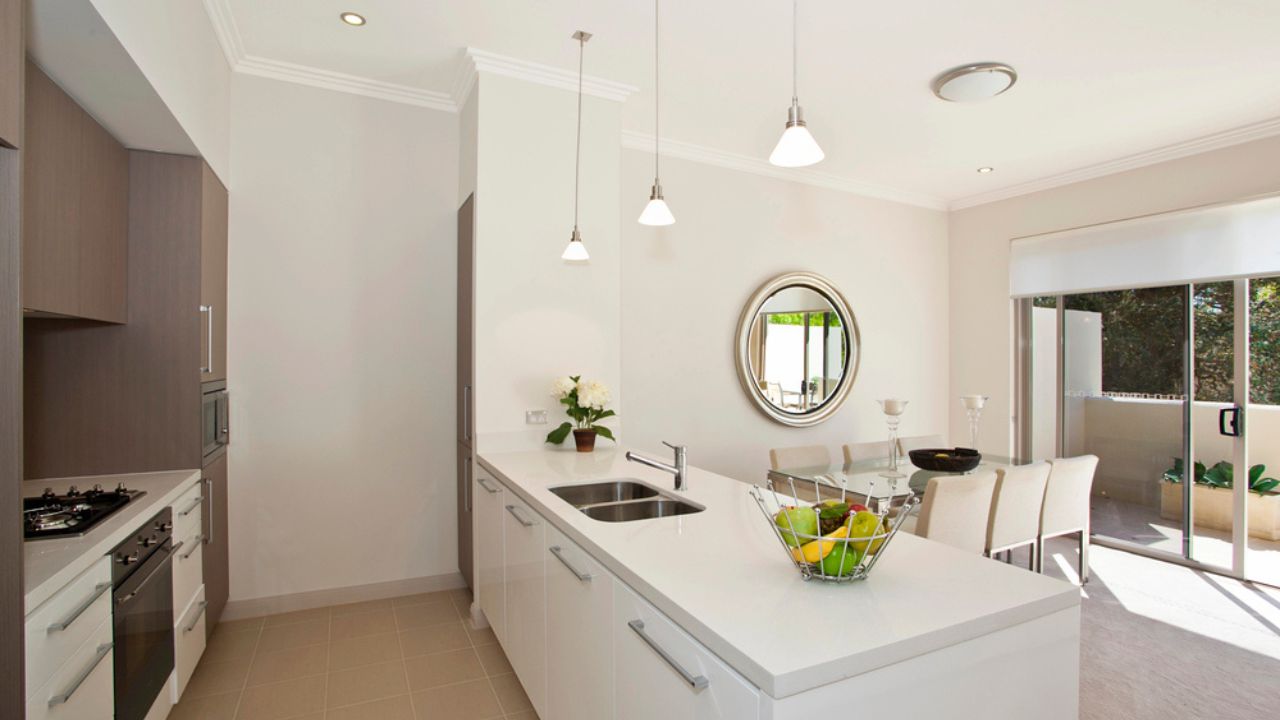
A large, well-placed mirror can do wonders in a minimalist room. It acts as a piece of art, a source of light, and a tool for creating the illusion of more space. A statement mirror, particularly one with a simple, elegant frame, can serve as a focal point. It reflects light, making the room feel brighter and larger.
This is a practical and stylish solution for rooms that are small or lack natural light. Unlike a busy gallery wall, a single large mirror keeps the look clean while still making a significant visual impact. It can also reflect a pleasant view, like a window or a piece of art.
10. Maintain Visual Symmetry
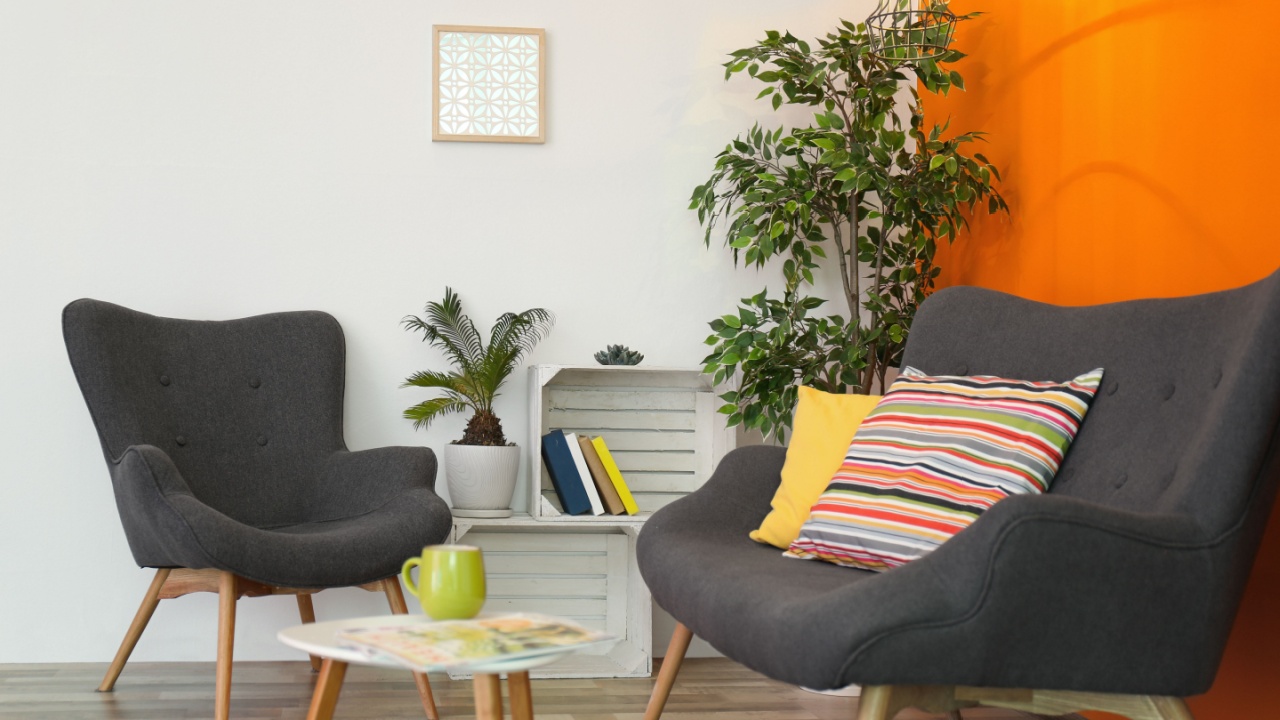
Symmetry naturally appeals to the eye because it introduces balance and clarity. In a minimalist space, this can be achieved through simple choices, like placing matching lamps at both ends of a sofa or positioning two identical chairs across from one another. These intentional pairings bring a sense of order and purpose to the room.
Incorporating symmetry helps a space feel cohesive and serene. It establishes a steady visual rhythm that supports the calm, uncluttered character of minimalism. While asymmetry can introduce tension or visual noise, a symmetrical layout feels settled and complete.
11. Mix Styles Thoughtfully
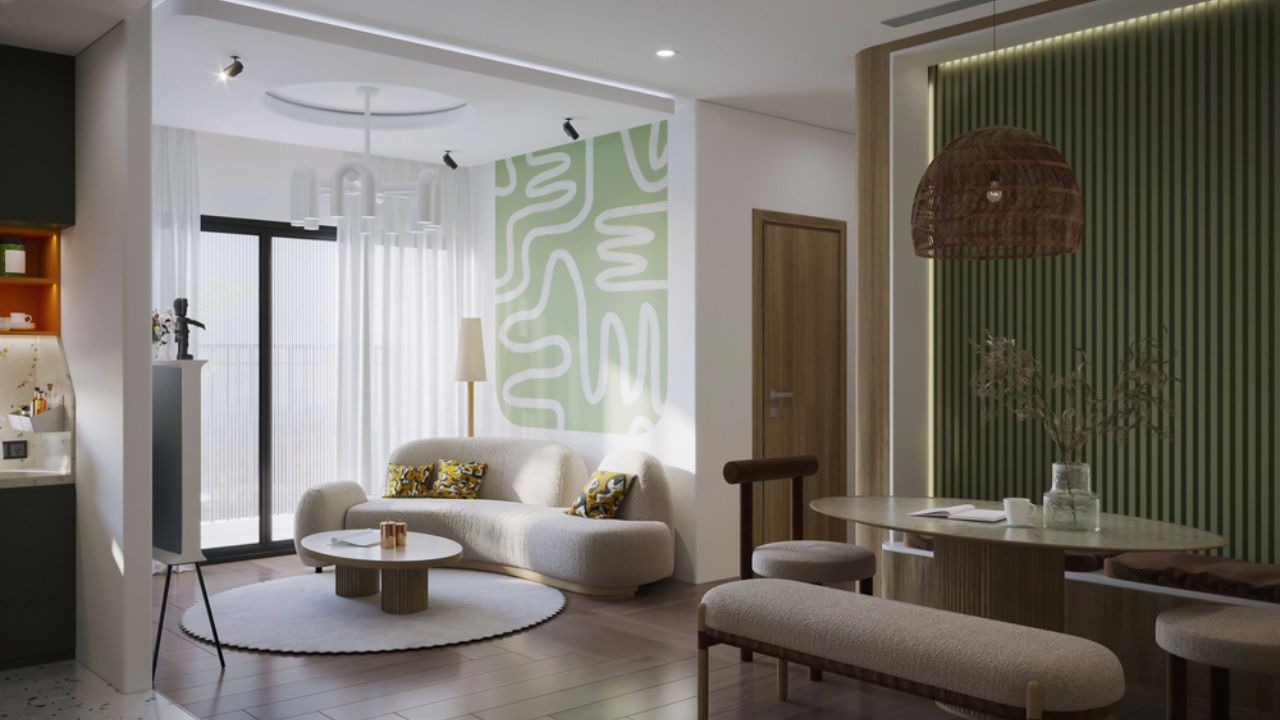
A modern minimalist interior doesn’t have to be composed exclusively of brand-new, modern furniture. Thoughtfully mixing in pieces from other styles, like mid-century modern, Scandinavian, or even traditional, can create a unique and personal space. A vintage wooden armchair can add warmth and history to a room of sleek, contemporary pieces.
This approach prevents your home from looking like a showroom catalog. It allows you to incorporate meaningful items you already own or have inherited. The blend of old and new tells a story and gives the space a curated, collected-over-time feeling.
12. Keep the Space Visually Simple by Reducing Clutter
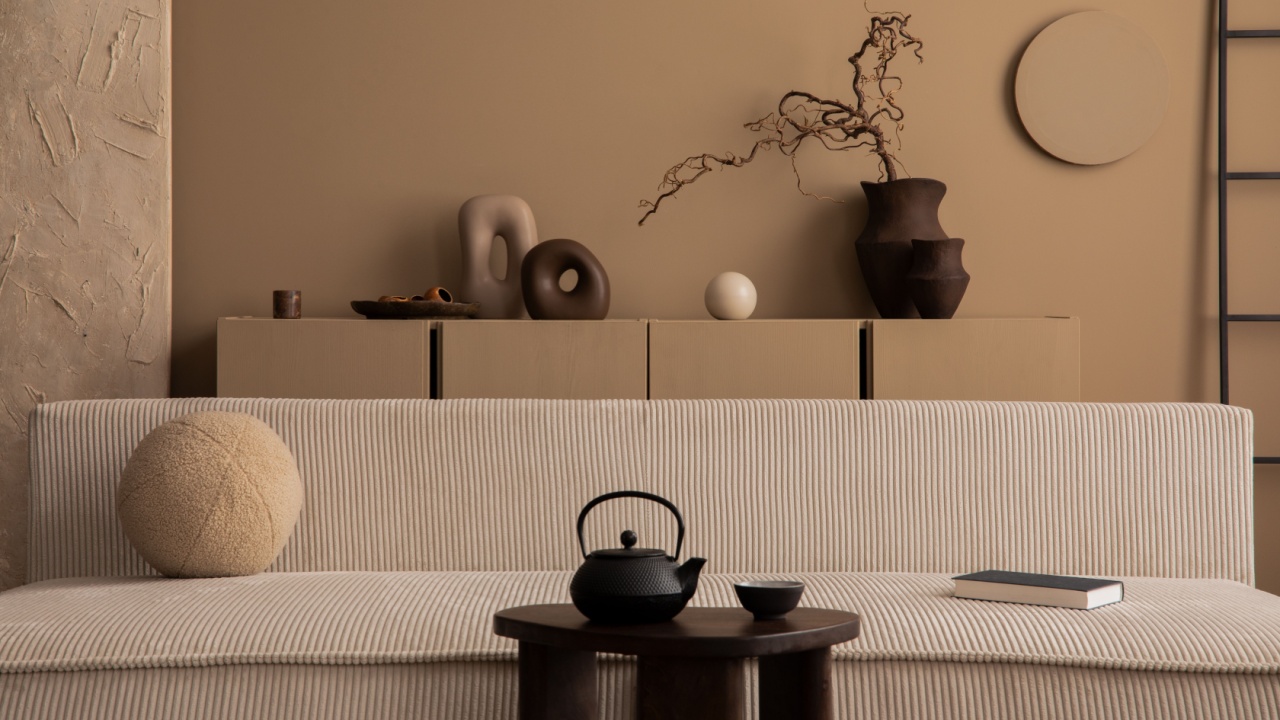
This might be the most well-known principle of minimalism, and for good reason. Reducing clutter is fundamental. This means having a place for everything and keeping surfaces clear of unnecessary items. It is less about getting rid of everything you own and more about being selective with what you display.
A clutter-free environment has a direct impact on mental clarity. When your physical space is orderly, your mind can feel more at ease. This practice forces a more intentional relationship with your possessions, as you decide what is truly necessary or beautiful enough to keep.
13. Design Around a Clear Focal Point
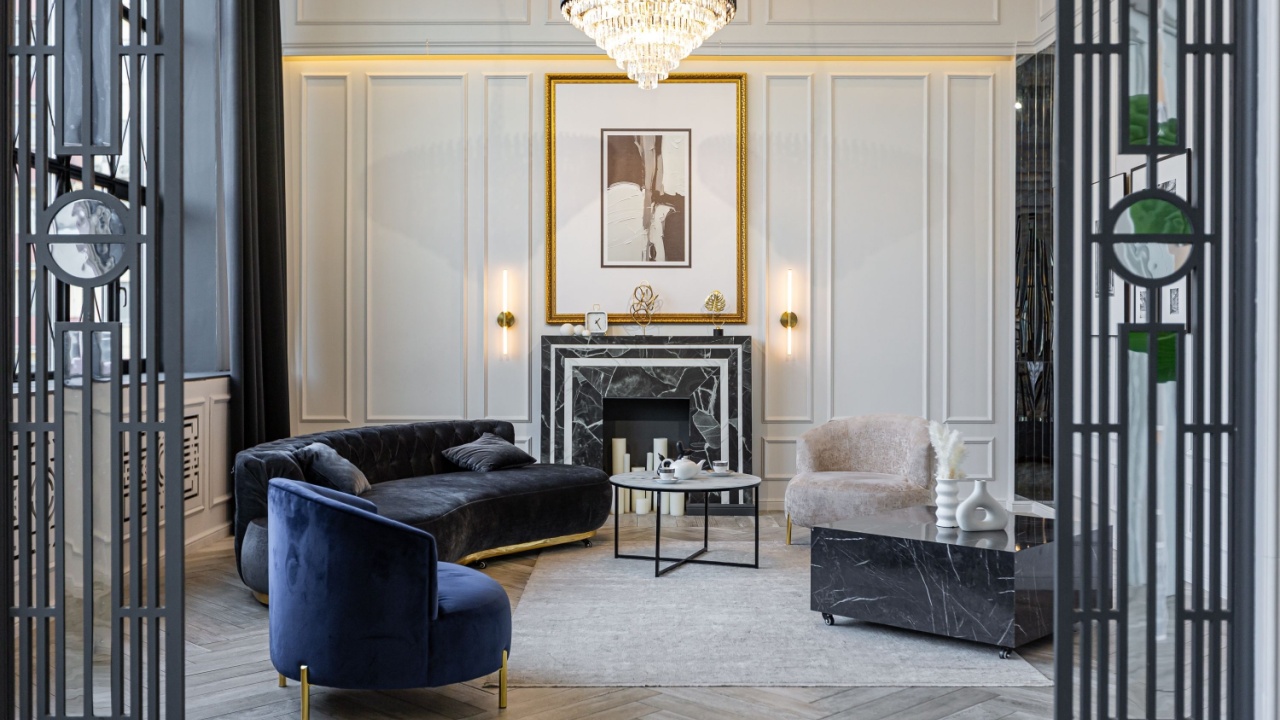
Every well-designed room has a focal point, which is a primary area that draws the eye. In a minimalist space, establishing a clear focal point is especially important. It gives the room a sense of purpose and prevents it from feeling aimless. The focal point could be a fireplace, a large window with a view, a significant piece of art, or a striking piece of furniture.
Designing around a focal point helps to structure the room and makes furniture placement easier. Everything else in the room should be arranged to support and complement this main feature, not compete with it. This creates a clear visual hierarchy and a strong, confident design.
14. Streamline the Overall Palette for Cohesion
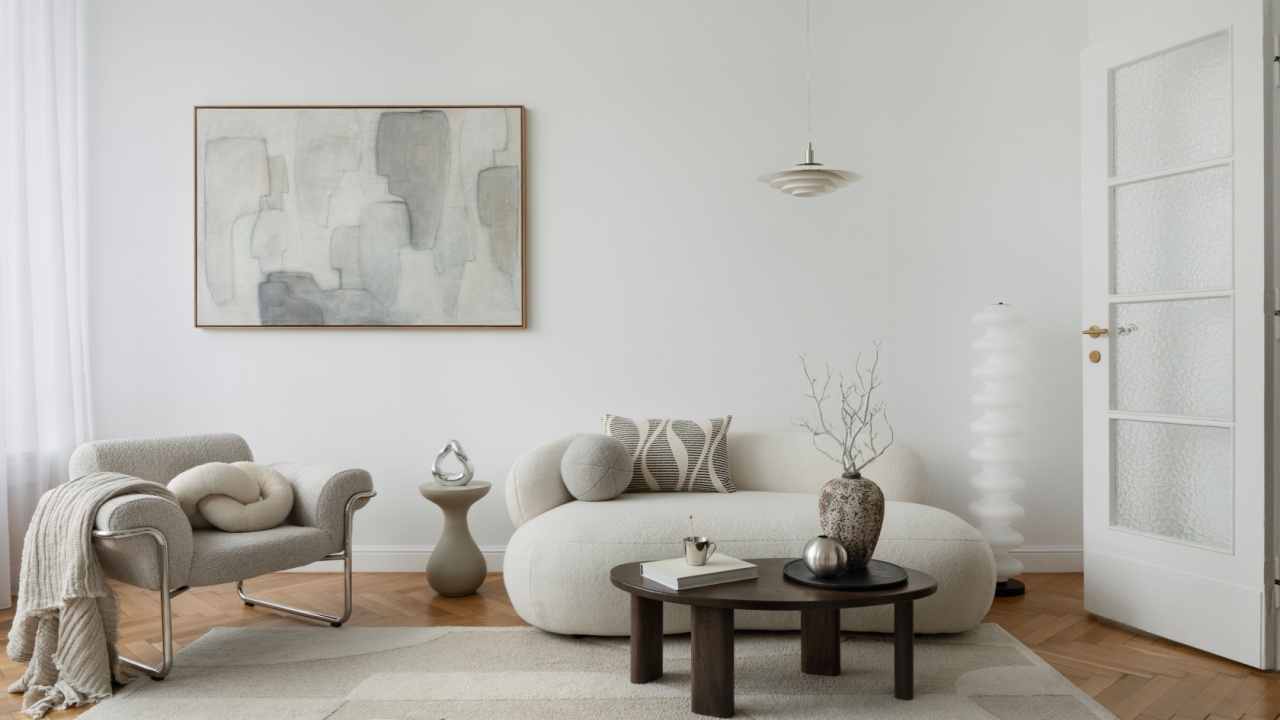
A cohesive color palette is what ties a minimalist room together. This usually involves a base of neutral colors like white, beige, gray, and black. These colors create a calm and unobtrusive background. The entire palette, including any accent colors, should feel harmonious and intentional.
Using a streamlined palette simplifies the visual information in a room, contributing to a restful atmosphere. It also makes the space feel more expansive and unified. This consistency allows the different textures, shapes, and materials in the room to stand out.
Moving Forward with Minimalism

Pick a room that feels the most overwhelming and choose a single change from this list to try, swap in a statement mirror, refresh that tired brick wall, or introduce a plant for some instant vitality. Once you see the difference one thoughtful update makes, it gets easier to let go of what’s not adding value.
Take a quick walk-through to spot clutter magnets: countertops or that infamous chair where unfolded laundry lands. Give each item a real home, and use storage with intention rather than stuffing things away. Mixing pieces and playing with symmetry will help rooms look pulled-together, and sticking to a streamlined color scheme helps everything feel united and more open. Minimalism works best when it’s tailored to your living habits.