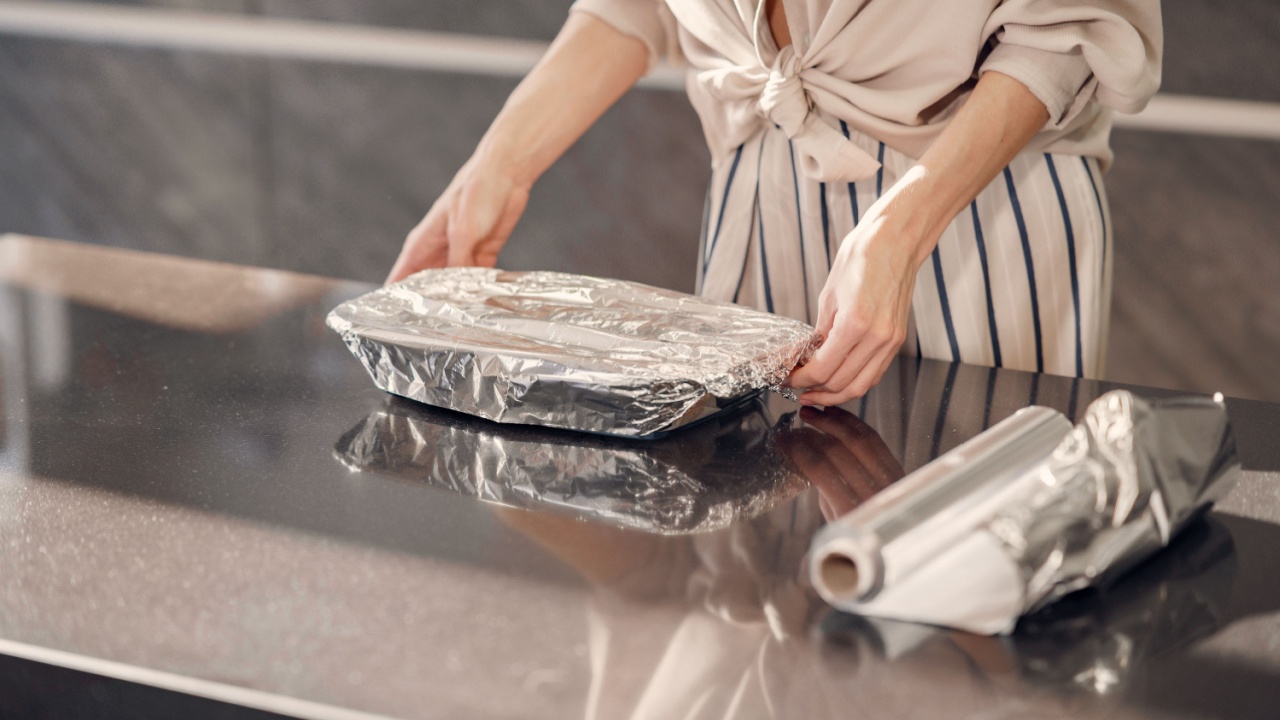
How to Use Tin Foil Correctly (And When Not to Use It)
Aluminum foil, that shiny roll tucked away in a kitchen drawer, is often grabbed without a second thought. It lines baking sheets, wraps leftovers, and even helps with cleaning. Yet, for all its frequent use, there’s a surprising amount of confusion surrounding its proper application. Using it correctly can elevate a meal from good to great, while a misstep can lead to disappointing results or even kitchen hazards.
Understanding how this everyday household item works is key to using it effectively and knowing its limits. Grab that roll with confidence and put it to good use. Here’s how to use it properly, and when to skip it.
1. Use it to Line Baking Sheets
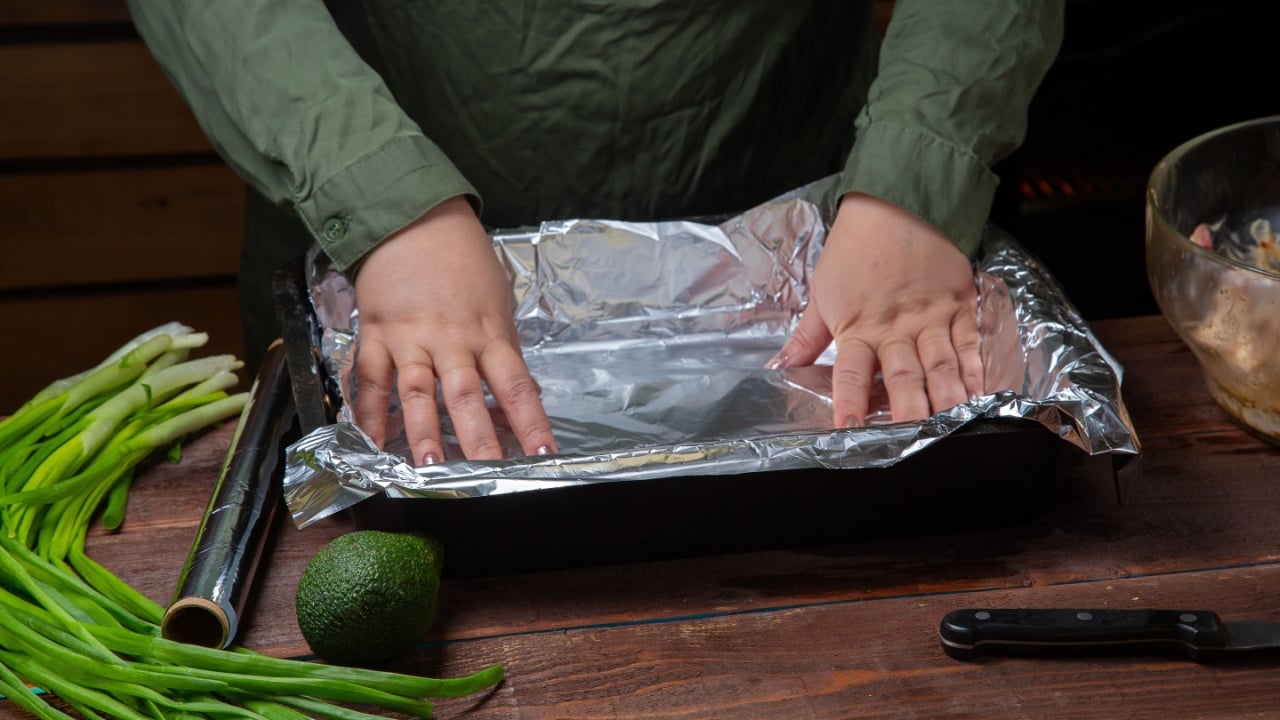
Covering a baking sheet with foil is a classic move for easier cleanup, especially with messy or sticky foods like roasted vegetables or glazed meats. It creates a barrier that prevents sugars and oils from baking onto the pan, which saves a lot of scrubbing later. This method is particularly useful for sheet-pan dinners where multiple ingredients are cooked together. For delicate items like cookies or pastries, lining the sheet can sometimes be beneficial, though parchment paper is often a better choice to prevent bottoms from browning too quickly.
Quick Guide:
- How to Use: Lay a sheet of foil over your baking pan, pressing it into the corners and sides for a snug fit. A light coating of cooking spray on the foil can prevent food from sticking to it, particularly with leaner proteins or vegetables.
- Best For: Roasting vegetables, baking fish, cooking glazed meats, and general-purpose cooking where cleanup is a priority.
- Good to Know: Because foil conducts heat efficiently, the bottoms of baked goods may brown more quickly. If that happens, move the pan to a higher oven rack or switch to parchment
2. Use it for Grilling
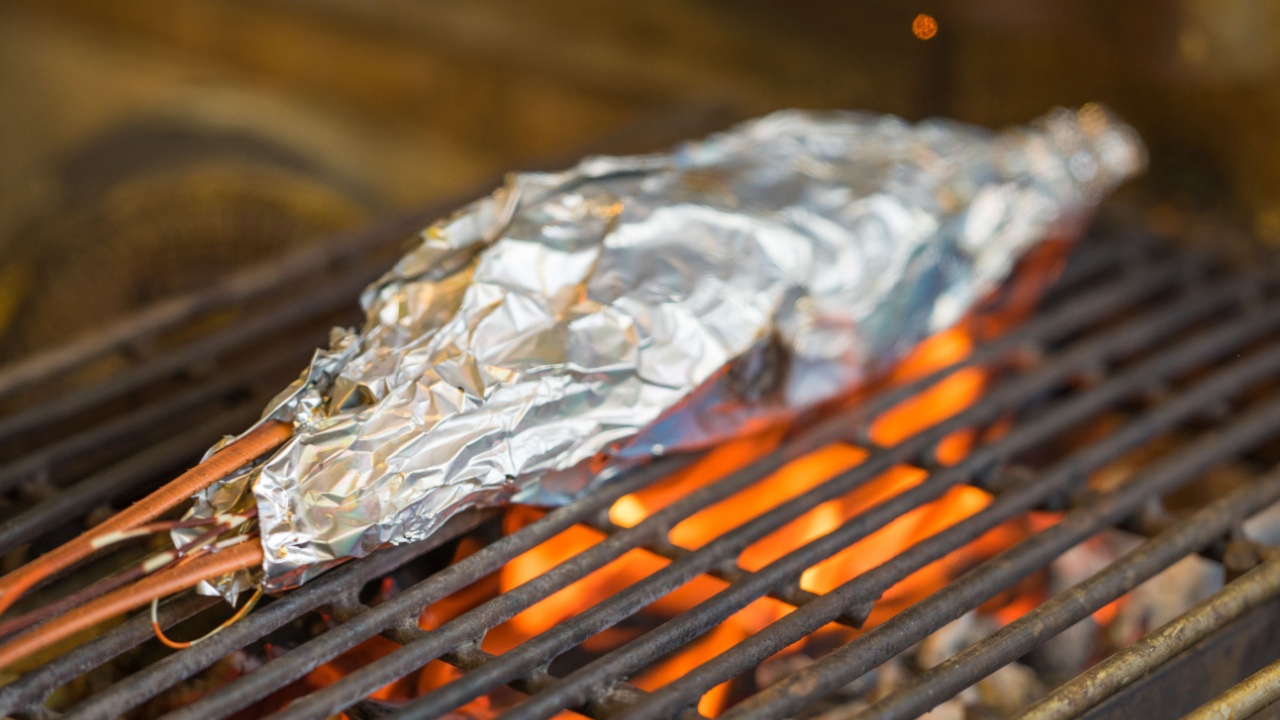
Foil is an indispensable tool for grilling. It can be used to create packets for steaming vegetables and fish, which locks in moisture and infuse flavor. Wrapping foods like potatoes or corn on the cob before placing them on the grate allows them to cook through evenly without burning on the outside. A sheet of foil can also serve as a temporary grill topper for delicate items like shrimp or asparagus spears that might otherwise fall through the grates. This technique provides a solid, hot surface that still allows for smoky flavor.
Quick Guide:
- How to Use: For packets, place your ingredients in the center of a large piece of heavy-duty foil. Season well, add a splash of liquid like wine or broth, and seal the edges tightly to trap steam. For wrapping, simply encase the food item completely in foil.
- Best For: Fish fillets, chopped vegetables, corn on the cob, and small items prone to falling through grill grates.
- Good to Know: Never line the bottom of your grill with foil. It can block ventilation, leading to improper heat distribution and potentially damaging the grill’s components.
3. Use it to Cover Food in the Oven
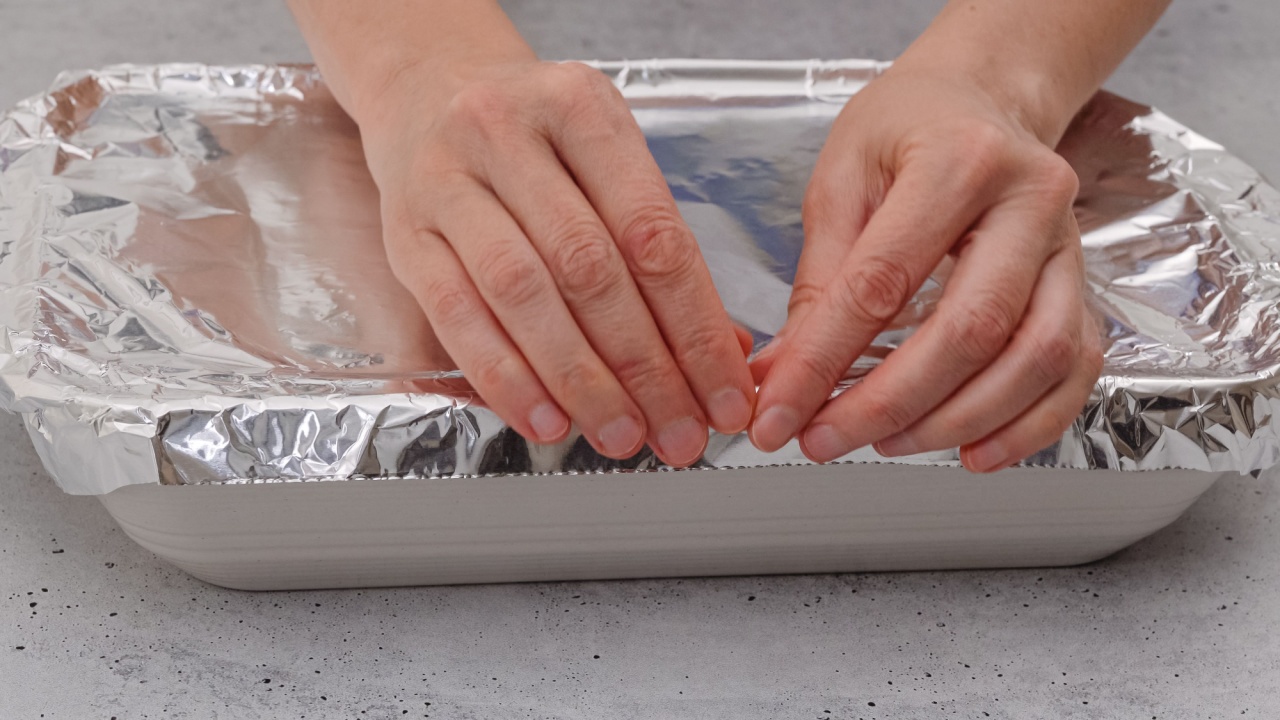
Tenting a dish with foil is a useful technique to prevent over-browning while allowing the food to continue cooking. When a casserole, pie crust, or roasted turkey starts to get too dark on top before it’s cooked through, a loose piece of foil placed over it will deflect the direct heat. This allows the interior to reach the proper temperature without the exterior burning. The key is to create a tent rather than a tight seal, which would trap steam and make the surface soggy.
Quick Guide:
- How to Use: Loosely place a sheet of foil over the top of your baking dish. For larger items like a turkey, you can create a V-shape with the foil to allow for air circulation. Remove the foil for the last 15 to 20 minutes of cooking to allow the top to brown nicely.
- Best For: Roasts, poultry, casseroles, lasagnas, and fruit pies.
- Good to Know: If you need to keep a dish warm after it comes out of the oven, covering it tightly with foil will trap residual heat and moisture.
4. Do Not Use Foil With Acidic Foods
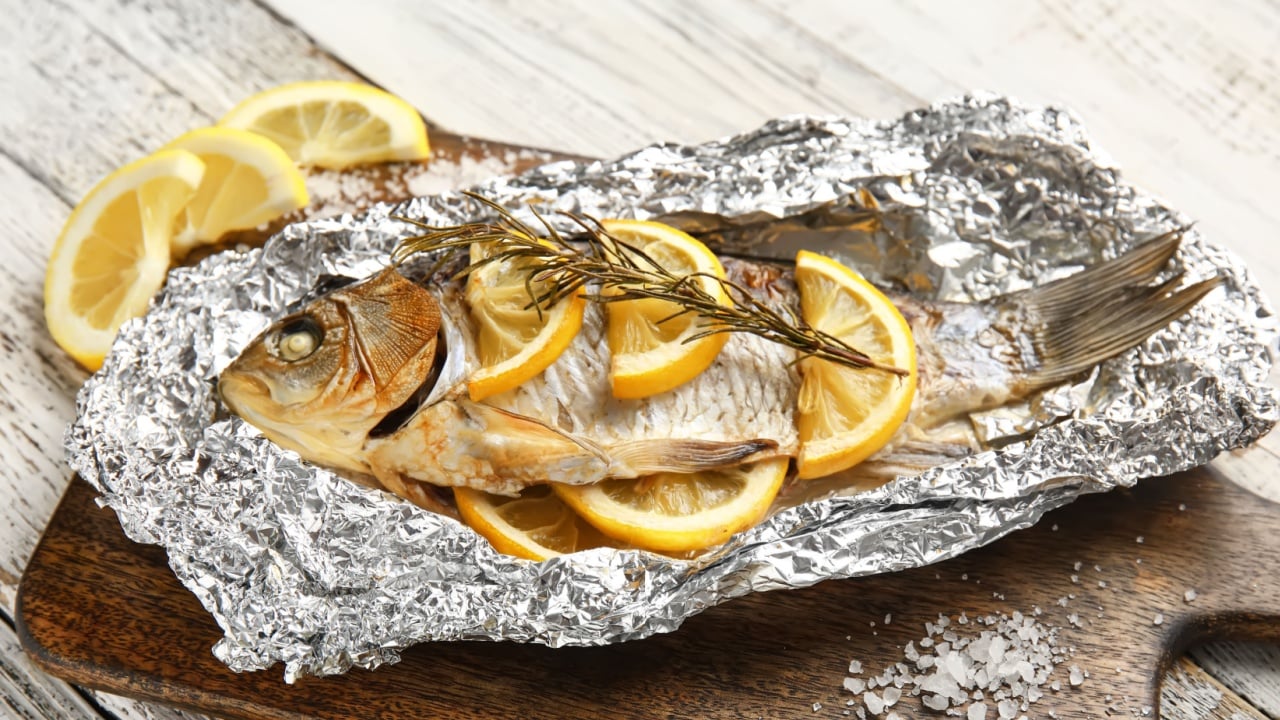
Aluminum reacts with high-acid ingredients such as tomato sauce, citrus, vinegar, and some marinades. When foil sits against acidic foods, especially for long periods or at high heat, small amounts of aluminum can leach into the dish and create a metallic flavor. The reaction isn’t harmful in small amounts, but it can noticeably affect taste and appearance. Choose parchment, glass, or ceramic for storing or cooking acidic items.
Quick Tips:
- Avoid long contact with acidic foods. Tomato sauce, citrus, and vinegar can react with foil over time.
- Use alternatives for storage. Glass, ceramic, or food-safe plastic containers prevent metallic flavors.
- Limit high-heat cooking with acids. Heat accelerates the reaction between aluminum and acidic ingredients.
- Watch for discoloration. Dark spots or pitting on foil indicate a reaction and mean you should switch to another material.
5. Don’t Use Foil in the Microwave

Foil should never go inside a microwave. The metal can cause arcing, sparks that may ignite a fire, and damage the appliance’s interior. Because foil reflects the microwave energy instead of allowing it to heat food properly, it also leads to uneven cooking or no heating at all. For reheating, stick with microwave-safe glass, ceramic, or BPA-free plastic containers.
Quick Tips:
- Never microwave foil. Any metal can spark and damage the appliance.
- Use microwave-safe containers such as glass, ceramic, or BPA-free plastic when reheating.
- Check for foil on packaging. Even small pieces left on leftovers or takeout containers can cause arcing.
- Avoid metal-trimmed dishes. They can create the same hazards as foil.
To Use, Or Not to Use?
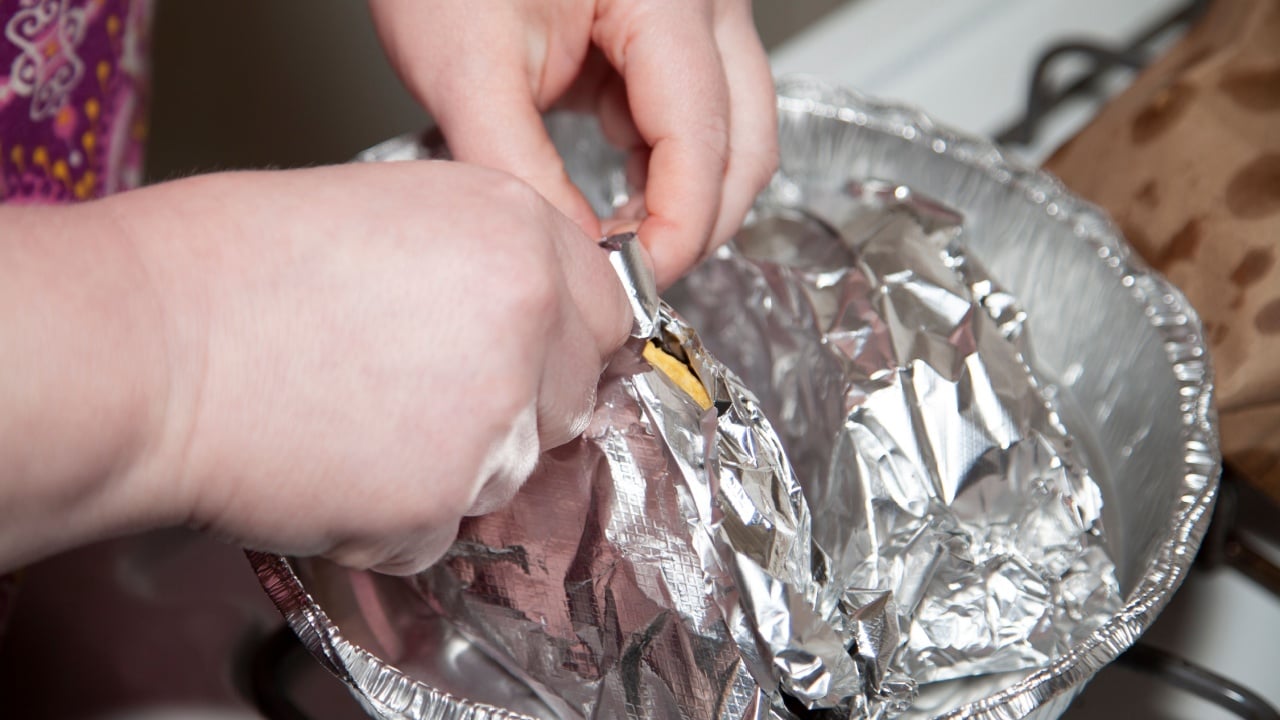
With a clearer understanding of how aluminum foil interacts with heat and different ingredients, you can make smarter choices in the kitchen. The next time you reach for that roll, consider the task at hand.
Is it for a quick cleanup after roasting vegetables? Go for it. Is it for storing a big batch of tomato sauce? Perhaps grab a glass container instead. By applying these simple principles, you can make your cooking process more efficient and your results more delicious. Making these small adjustments will help you get the most out of this common kitchen staple.