5 Yoga Poses to Do as a Family and Digest That Turkey
That post-turkey feeling is familiar. It’s a state of being where moving from the dining table to the couch feels like a monumental athletic achievement. The plates are cleared, the leftovers are put away, and a food-induced lethargy has settled over the entire family. Instead of succumbing to the siren song of a deep food coma, consider a little gentle movement.
Yoga can make a significant difference in how you feel after a large meal. Gathering the family for a few simple yoga poses can aid digestion, ease bloating, and create a fun, shared memory that doesn’t involve fighting over the remote. Gentle stretching, a bit of balance, and connecting with each other in a low-pressure way is a good way to end Thanksgiving. Here are five yoga poses to do as a family.
1. Tree Pose (Vrksasana)
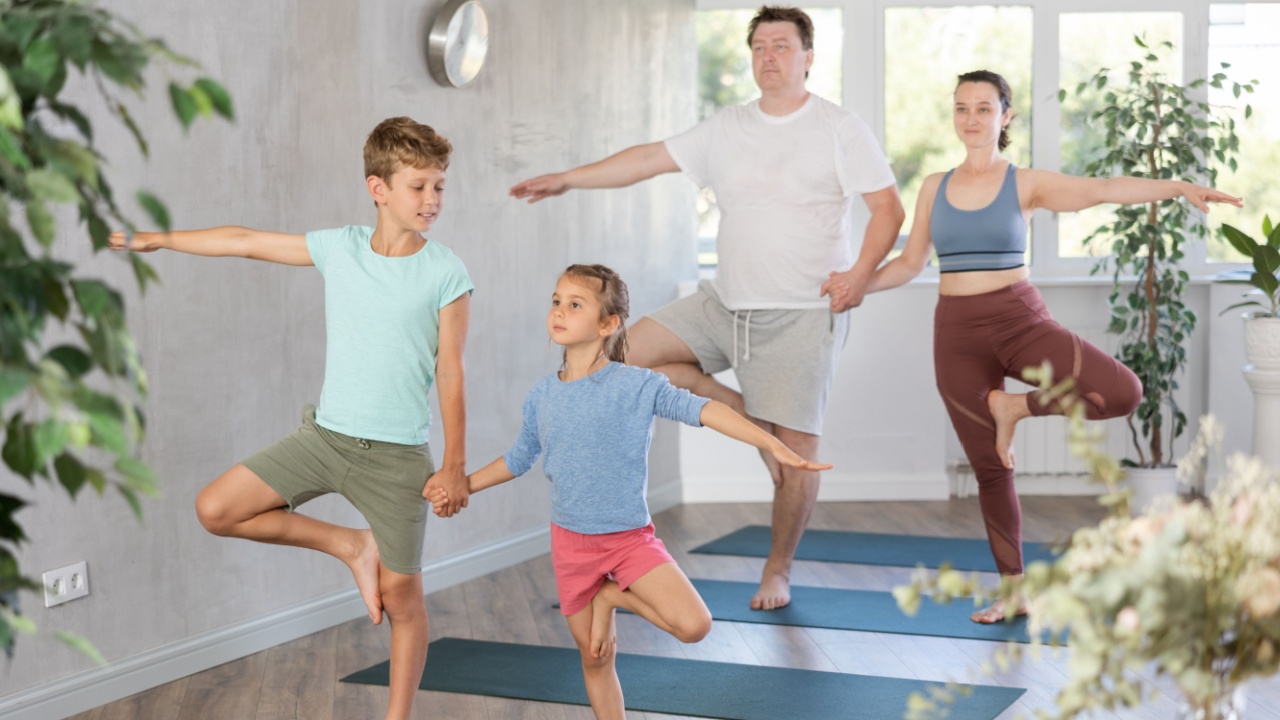
Tree Pose is a fantastic starting point for a family yoga session because it is a balancing act that is bound to produce some giggles. The challenge of standing on one foot while trying to look as serene as a mighty oak is a great equalizer, with kids and adults all wobbling together. This pose strengthens the legs, ankles, and core, while also opening the hips.
Focusing on a single point to maintain balance helps quiet the mind, offering a moment of calm amidst the holiday excitement. It teaches concentration and stability, which are useful skills both on and off the yoga mat. Balancing in Tree Pose engages the core muscles, which may gently stimulate the lower abdomen and support overall digestive comfort
Quick Guide: Tree Pose
- How to do it: Stand on one leg. Place the other foot on your inner ankle, calf, or thigh. Bring hands to your chest or overhead.
- Why it helps: Improves balance and concentration while gently engaging the core and legs.
- Tip: Find a spot on the wall to stare at. It makes balancing much easier. Holding onto a wall or a piece of furniture for support is a great modification.
2. Child’s Pose (Balasana)
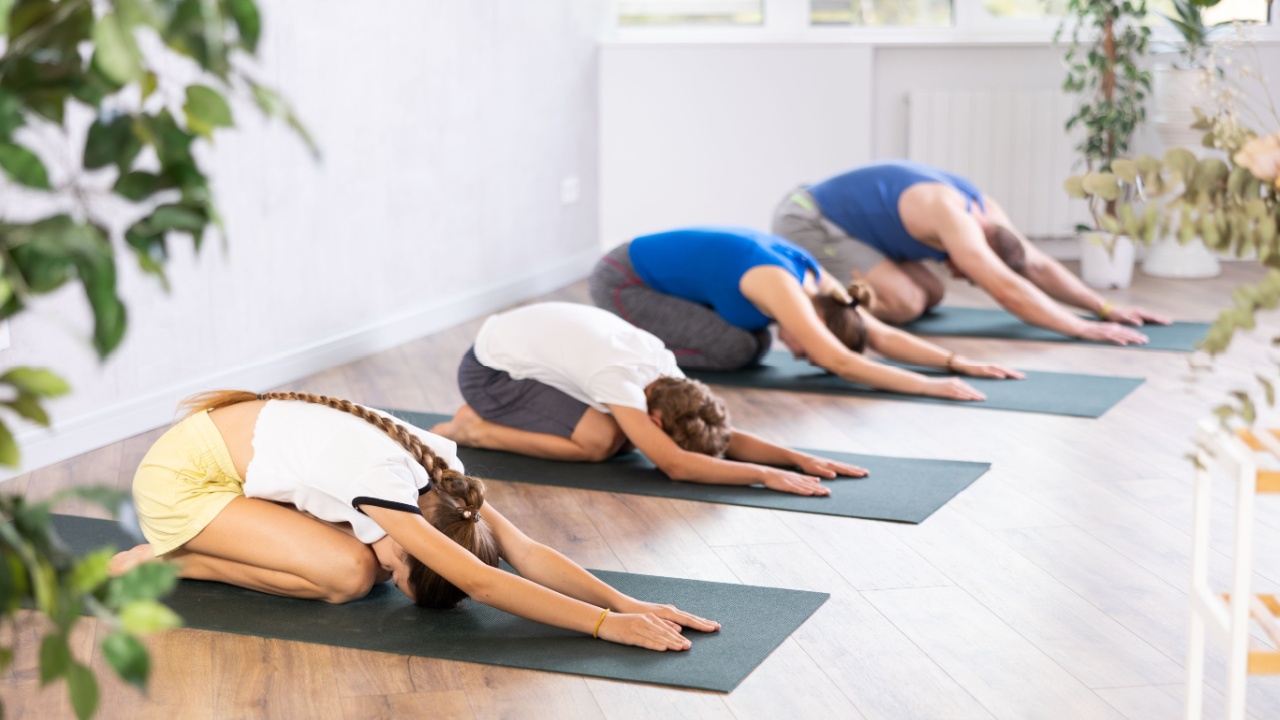
The Child’s Pose offers a moment of restorative peace. This grounding posture is a welcome retreat for everyone, from the youngest participant to the oldest. It provides a gentle stretch for the hips, thighs, and ankles while relieving back and neck pain.
More importantly for post-feast comfort, Child’s Pose gently compresses the abdomen, which can help stimulate digestion and alleviate feelings of fullness and gas. It’s a calming, introspective pose that allows the body to relax and the mind to settle. It feels like giving yourself a comforting hug from the inside out. This is a pose of surrender, so there is no need to push or strain. Simply let gravity do the work.
Quick Guide: Child’s Pose
- How to do it: Kneel on the floor, sit back on your heels, and fold forward, resting your forehead on the ground.
- Why it helps: Stretches the back, hips, and ankles while gently compressing the abdomen to aid digestion.
- Tip: Place a folded blanket or a cushion under your forehead or between your heels and seat for extra comfort and support.
3. Cobra Pose (Bhujangasana)
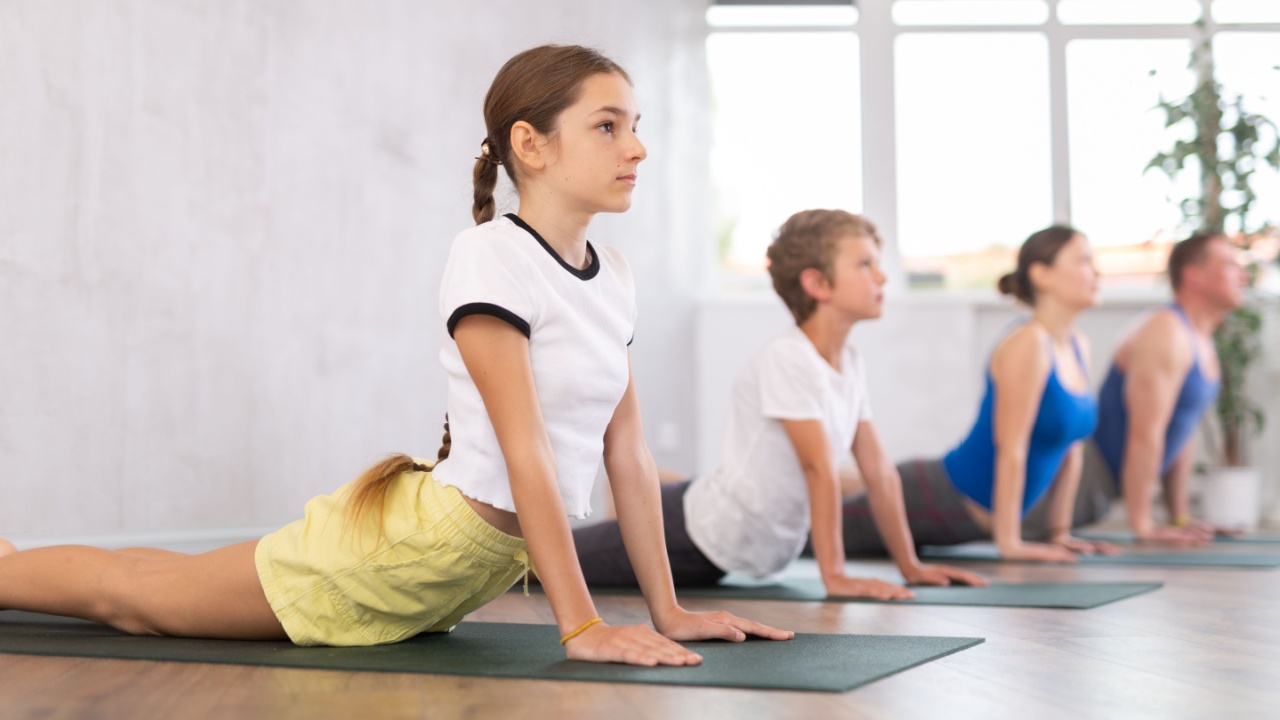
Cobra Pose is a gentle backbend that feels wonderful after sitting hunched over a dinner plate. It serves as a great counter-pose to the forward-folding of Child’s Pose, creating space in the front of the body. This pose stretches the muscles of the chest and abdomen while strengthening the spine and shoulders.
By lengthening the abdominal wall, Cobra Pose can help relieve pressure and cramping associated with a full stomach. It’s an energizing posture that can combat the sleepiness that often follows a large meal, providing a gentle lift to your energy levels without being overly stimulating. It may be suitable for the elderly in the family who may be experiencing mysterious aches and pains after all the celebrations.
Quick Guide: Cobra Pose
- How to do it: Lie on your stomach. Place your hands under your shoulders and gently lift your chest off the floor.
- Why it helps: Stretches the abdomen and chest, strengthens the back, and can help relieve digestive discomfort.
- Tip: Keep your hips on the floor. Only lift as high as feels comfortable for your lower back.
4. Butterfly Pose (Baddha Konasana)
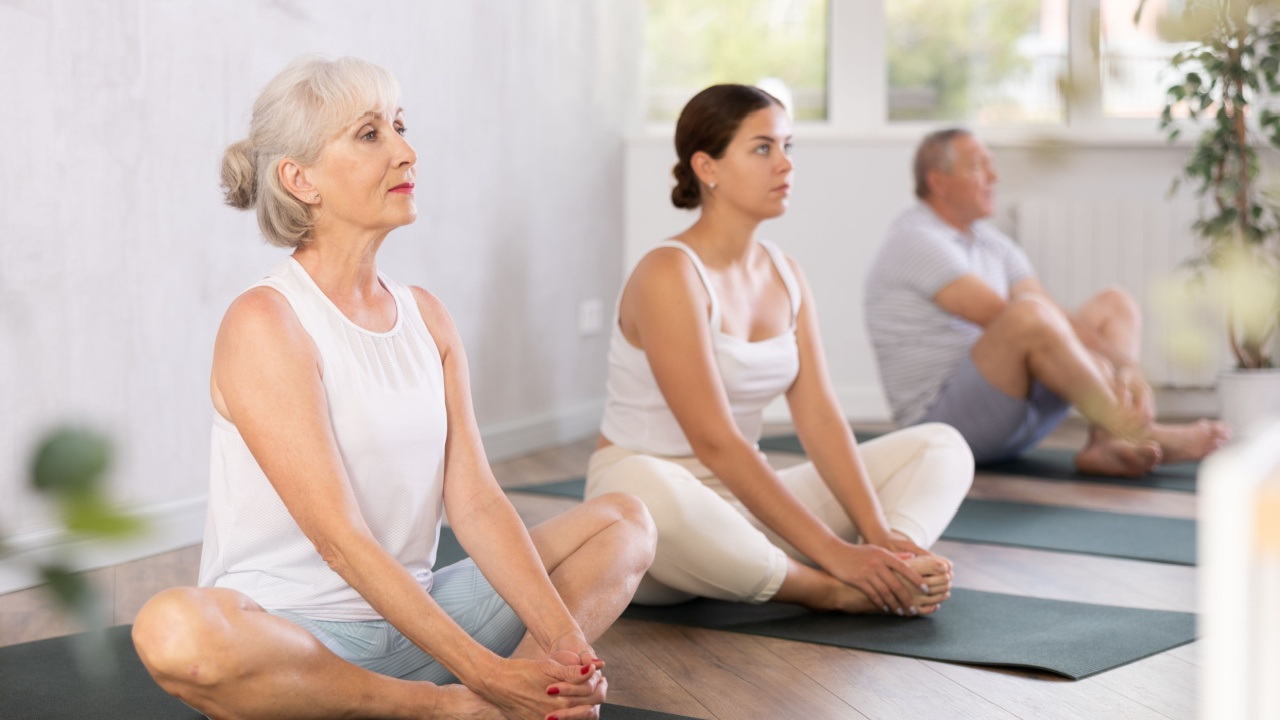
Butterfly Pose is a seated posture that is accessible to nearly everyone, making it a perfect choice for a multi-generational group. This pose provides a deep stretch for the inner thighs, groin, and knees. It stimulates the abdominal organs, ovaries, and prostate gland, and can help improve circulation in the pelvic region.
Sitting upright in this position encourages good posture, counteracting the slouching that often happens after eating. It is a calming pose that can be held for a longer period, allowing for quiet conversation or simply a moment of shared stillness.
Quick Guide: Butterfly Pose
- How to do it: Sit on the floor. Bring the soles of your feet together and let your knees drop to the sides.
- Why it helps: Stretches the inner thighs and groin, stimulates abdominal organs, and improves circulation.
- Tip: If your knees are high off the floor, place blocks or cushions under them for support. Gently flapping your knees like butterfly wings can be a fun way to release tension.
5. Corpse Pose (Savasana)
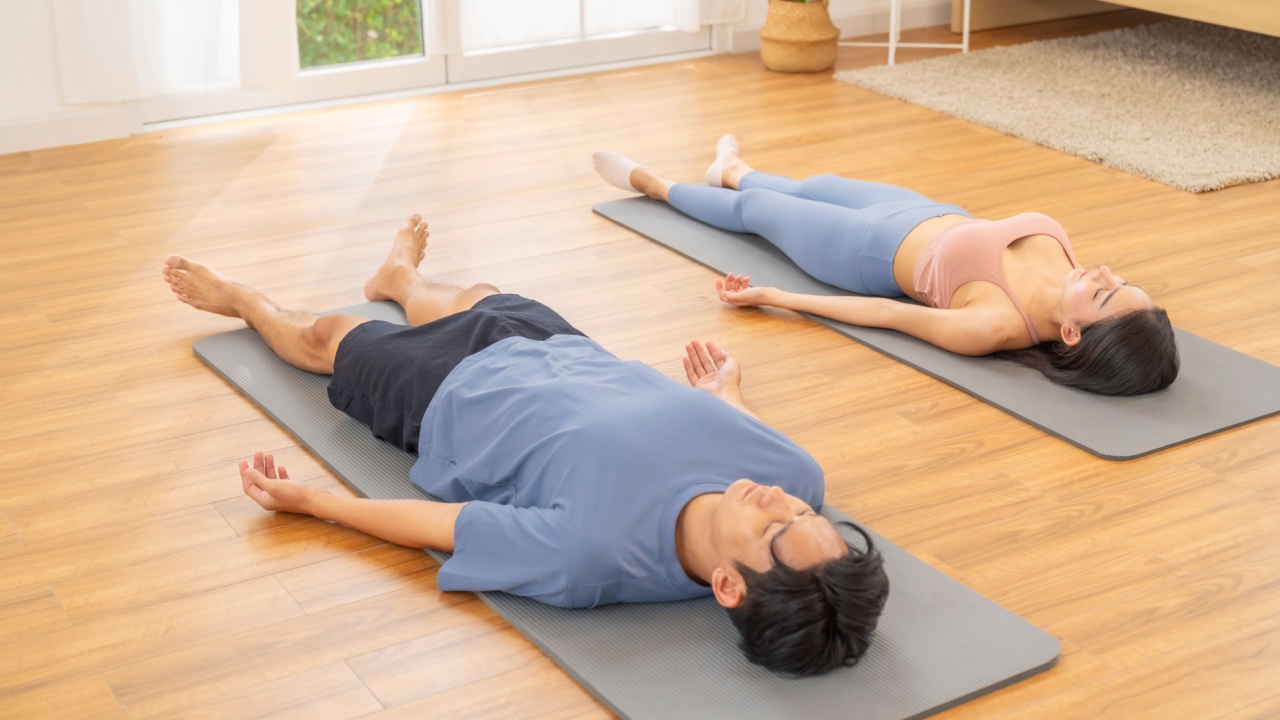
Corpse Pose might look like just lying down, but it is one of the most important postures in yoga. After moving through the other poses, Savasana provides an opportunity for the body to completely relax and integrate the benefits of the practice. It allows the nervous system to shift from a state of “fight or flight” to “rest and digest,” which is precisely what is needed after a big meal.
By consciously relaxing every part of the body, you release physical and mental tension, reduce stress, and promote a state of deep calm. This quiet finale gives the body the space it needs to focus its energy on the important work of digestion.
Quick Guide: Corpse Pose
- How to do it: Lie flat on your back with your arms and legs relaxed, palms facing up.
- Why it helps: Activates the body’s relaxation response, allowing it to focus on digestion and reducing stress.
- Tip: Place a rolled-up blanket under your knees to support your lower back. Cover up with a blanket to stay warm as your body cools down.
What Comes Next
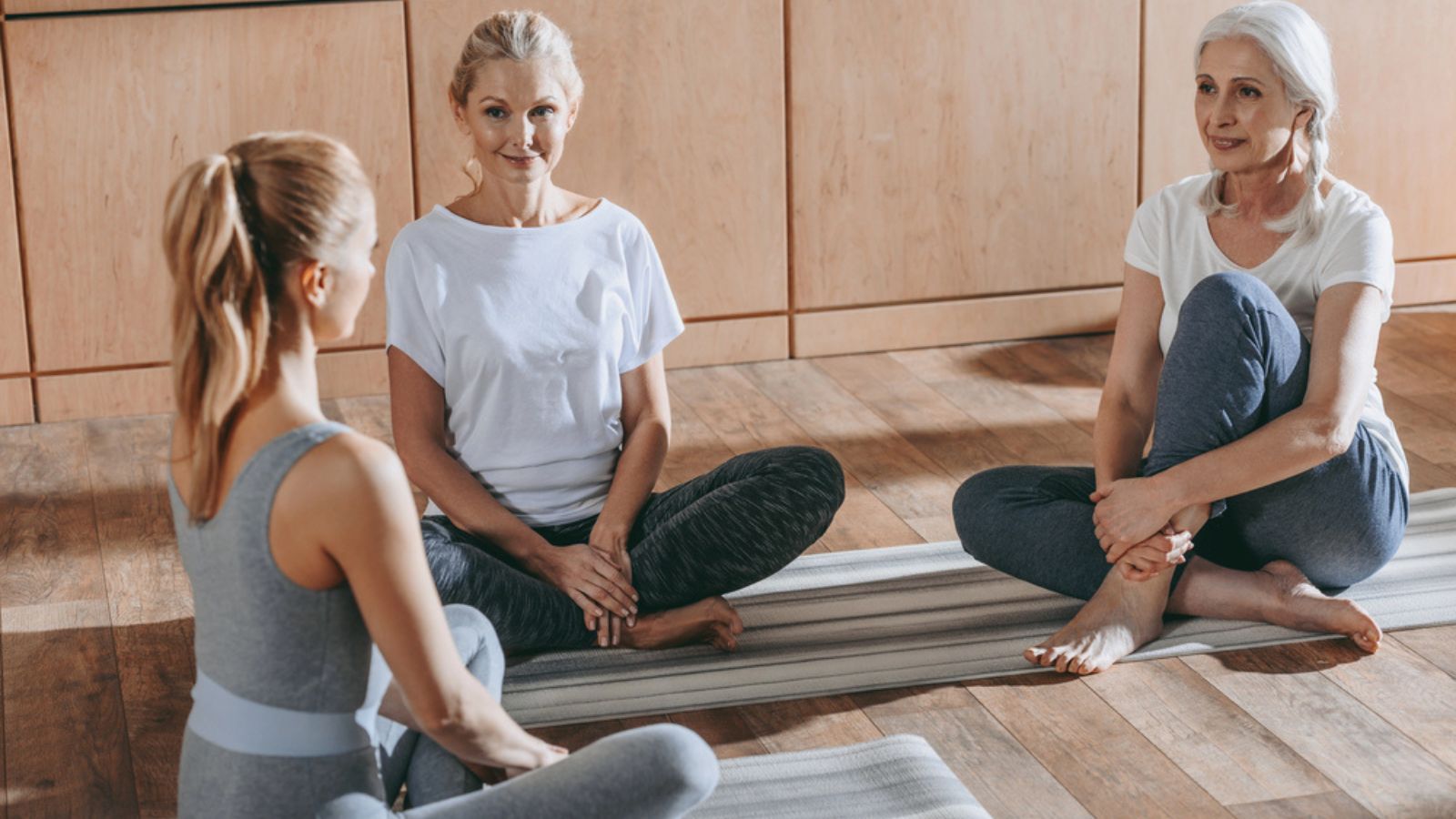
Yoga is great for boosting overall health. Incorporating a few simple yoga poses after your holiday feast can transform the post-meal experience from one of groggy discomfort to one of relaxed togetherness. Keep it light, playful, and optional.
You can make this a new tradition. You might find that a short, 15-minute family yoga session becomes as anticipated as the pumpkin pie. As you continue, you can explore other gentle poses, such as seated twists or a supported bridge pose, which also aid digestion.