5 Signs a Home is Severely Overdecorated
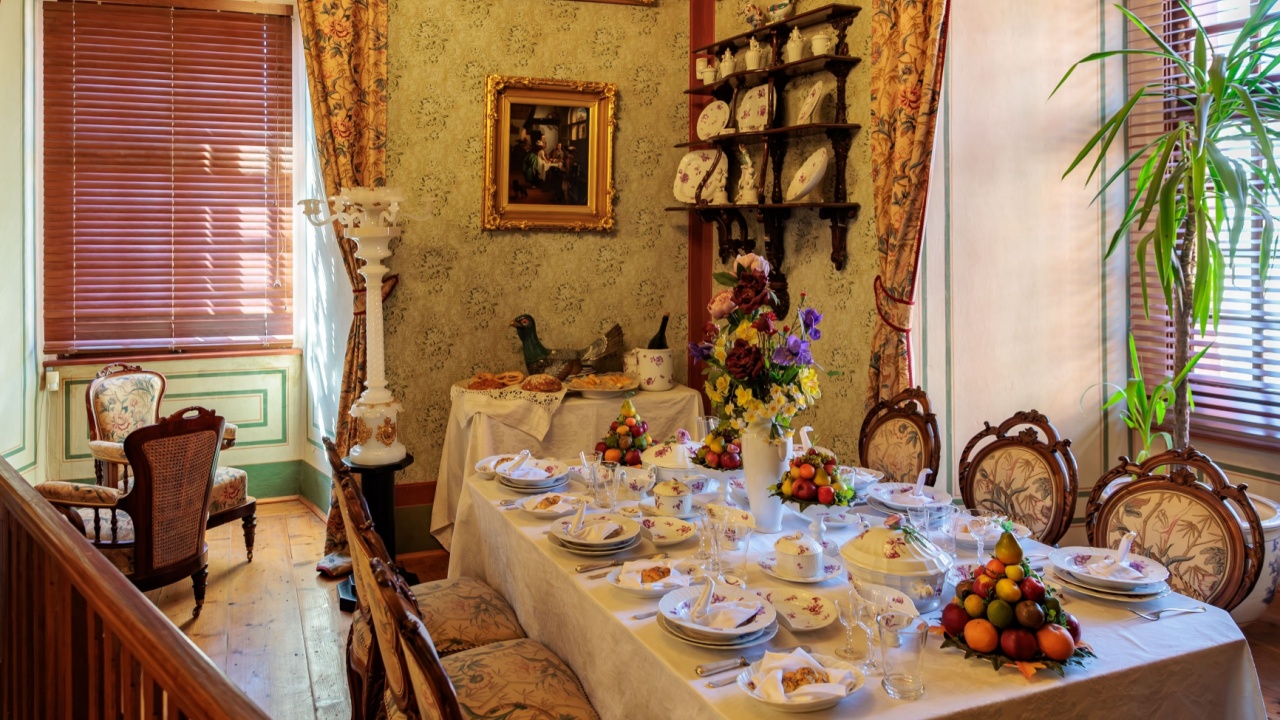
It’s a familiar tale. You find a throw pillow you just have to have. Then a vase. Then, a gallery wall’s worth of art from a flea market. Suddenly, your living room looks less like a curated sanctuary and more like the back room of an antique shop. There is a fine line between a home that is lovingly filled and one that is simply bursting at the seams with decor.
We are not shaming your collection of ceramic frogs, but maybe it’s time to let your favorite pieces truly be seen. Creating a beautiful space sometimes means taking things away, not adding more. If you don’t know if you crossed the line from maximalism to overdecorating, here are five signs that your home might be a little too full of good things and what to do about it.
1. Lack of a Clear Focal Point
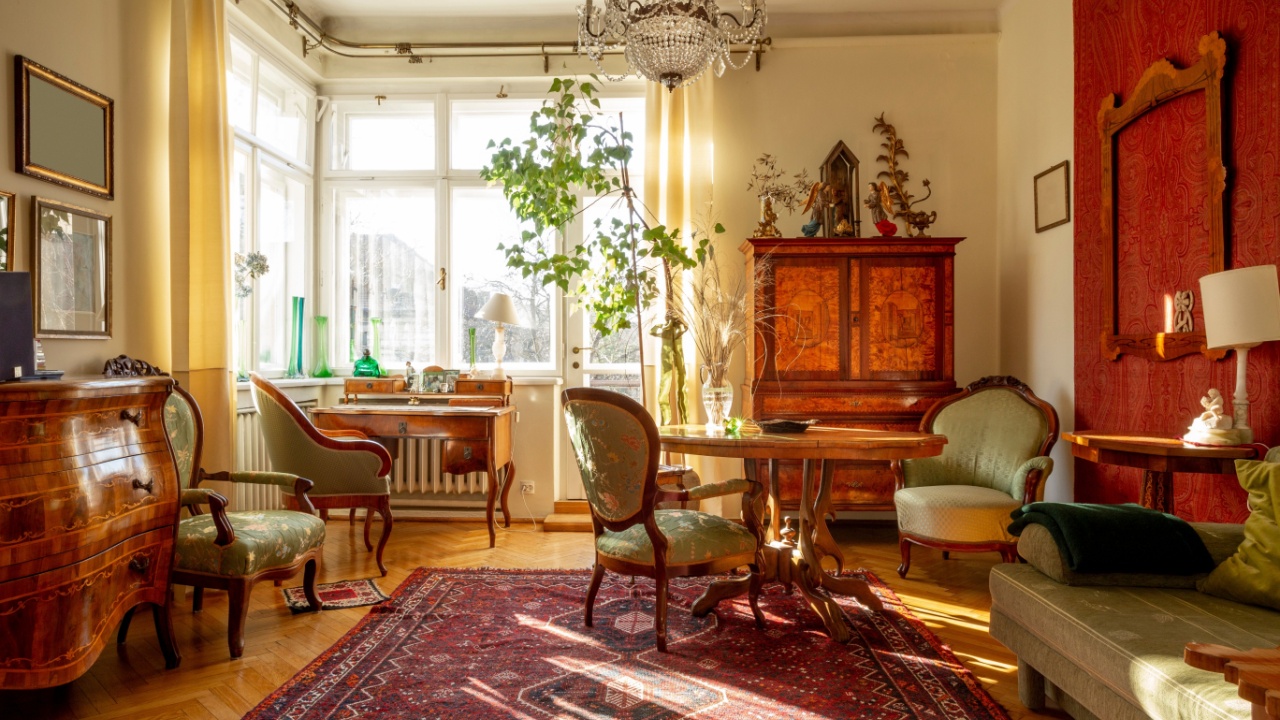
Every well-designed room has a star player. This is the focal point, the first thing your eyes are drawn to when you enter. It could be a handsome fireplace, a dramatic piece of art, or a beautifully upholstered headboard. Its job is to anchor the space and give the room a sense of purpose. Without one, the eye doesn’t know where to land, causing a sense of visual noise and confusion.
When a room is overdecorated, that star player gets lost in a sea of supporting actors all vying for attention. If you can’t immediately identify the main feature because knick-knacks, pillows, and throws obscure it, your decor might be working against itself. The main pieces can’t shine if they are buried.
Quick Scan & Action Plan:
- Identify the Star: Stand at the entrance of your room. What should be the main attraction? Your couch? A large window? Your bed?
- Clear the Stage: Remove smaller items from on and around your chosen focal point. Let it breathe.
- Re-evaluate: Does the main piece now stand out? If not, continue to edit the surrounding decor until it does.
2. Too Many Conflicting Styles
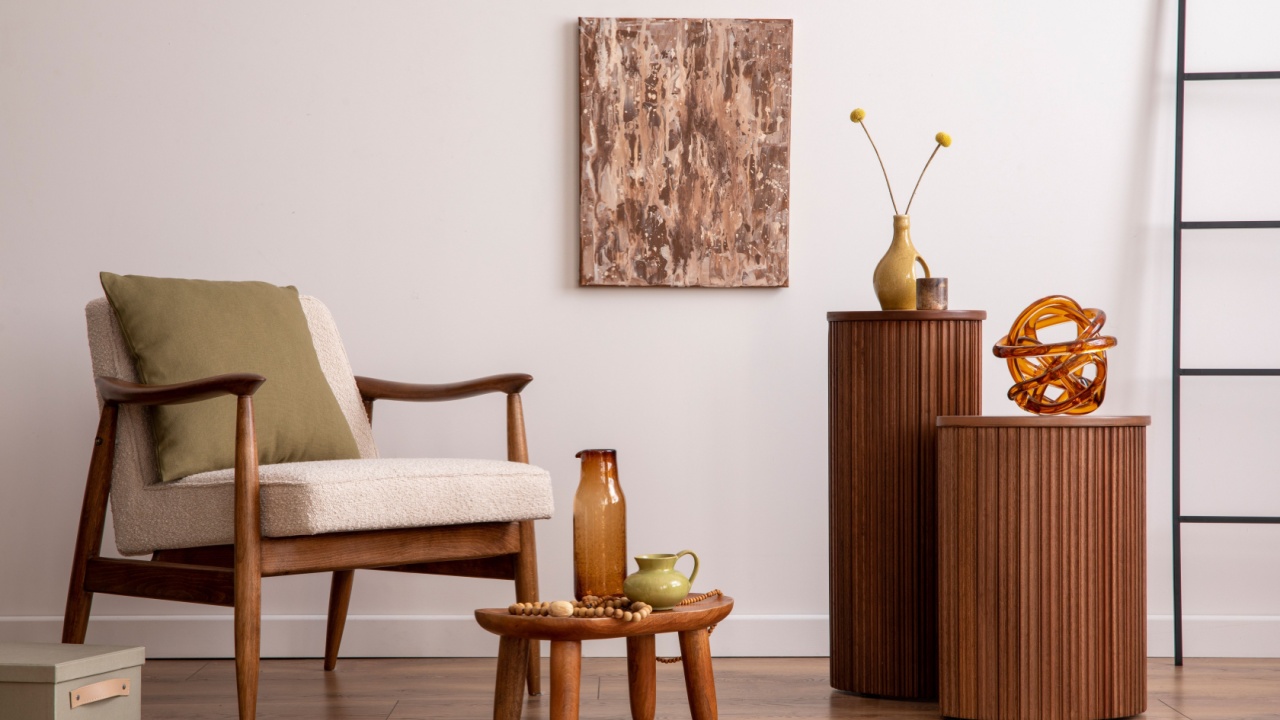
A little bit of country, a little bit of rock ‘n’ roll. A dash of mid-century modern with a sprinkle of coastal grandma. While an eclectic style can be incredibly chic, it becomes a problem when too many competing aesthetics are fighting for dominance in one space. If your minimalist armchair is sitting next to a frilly Victorian side table topped with a rustic farmhouse lamp, the result can feel less like a deliberate design choice and more like a decorating identity crisis.
When pieces from wildly different design genres are forced together without a common thread like color or shape, the room can feel disjointed and messy. Having a cohesive look doesn’t mean every single item must belong to the same style family. It means finding a way for them to have a conversation instead of an argument. When styles clash too much, it’s not maximalism, it’s decor chaos.
Quick Scan & Action Plan:
- Define Your Genre: Pick the one or two main design styles you love most. This will be your guide.
- Audition Your Pieces: Look at each item. Does it fit into your chosen genre? If not, can it be modified?
- Reinterpret or Remove: A dated chair might look great with new, modern fabric. A wooden table could be painted to fit a new color scheme. If an item just doesn’t work, consider moving it to another room or letting it go.
3. Items Without Meaning or Purpose
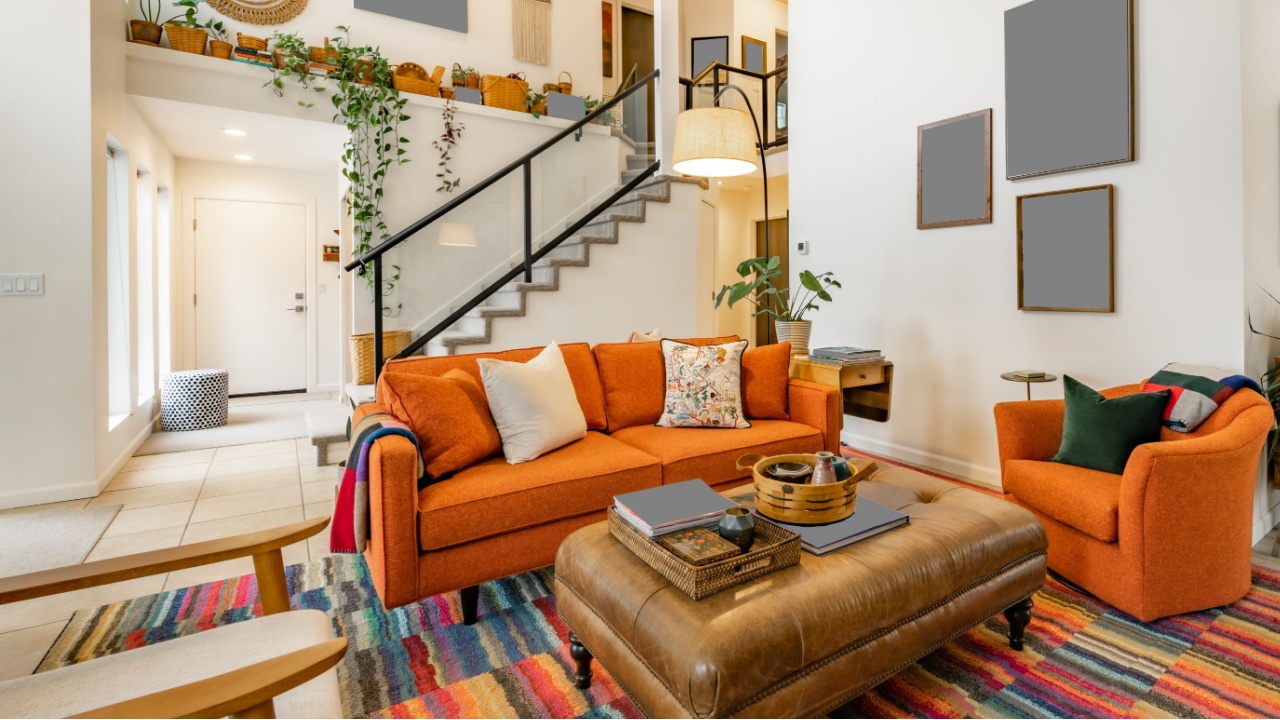
A home should tell the story of its inhabitants. The items within it are the words and sentences of that story. However, when a house is cluttered with things that have no personal meaning, functional purpose, or sentimental value, the story becomes muddled. These are the decorative objects you bought on a whim, the gifts you felt obligated to display, or the trends you followed without really loving them.
Filler items, or “just because” decor, dilute the impact of the pieces that are truly special. They create a sort of visual static that prevents you from appreciating the things that matter. Every object in your home should earn its keep, either by being useful or by being loved. If you want to decorate like an HGTV star, you should concentrate on simple, sentimental items.
Quick Scan & Action Plan:
- The Story Test: Pick up an object. Can you tell a short, positive story about it? (“I got this on my trip to…”)
- The Joy Check: Does this item make you happy when you look at it? Be honest.
- The Purpose Audit: Does this item do something? (Hold keys, provide light, etc.) If an item fails all three tests, it may be time to part ways.
4. Lack of Negative Space
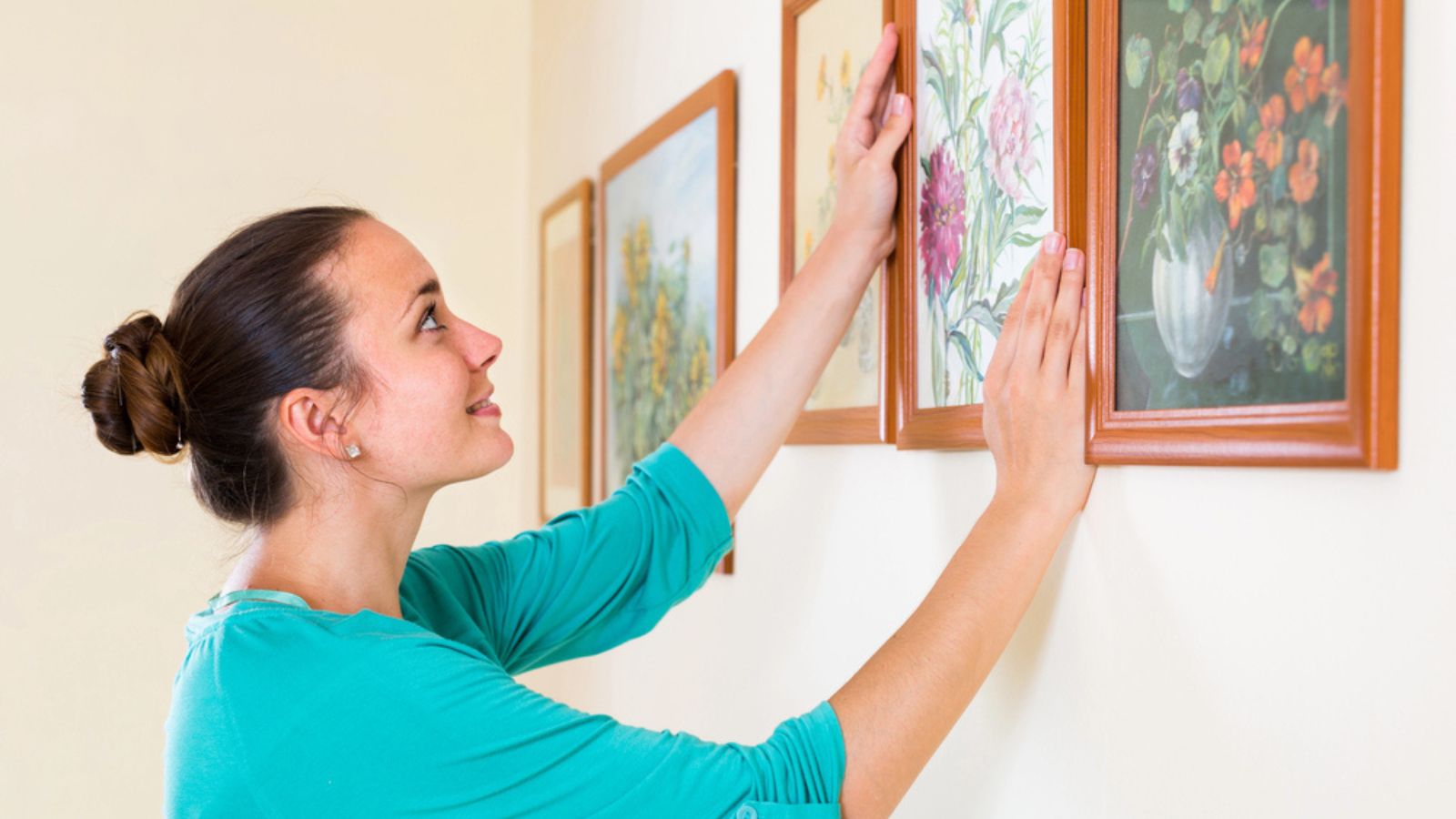
In art and design, the empty space is just as important as the filled space. This is called negative space, and it refers to the blank areas on your walls, the empty surfaces on your tables, and the open floor around your furniture. It gives your eyes a place to rest and your mind a moment to pause. When every square inch is covered with something, a picture, a plant, a decorative box, the room can feel visually overwhelming and cramped.
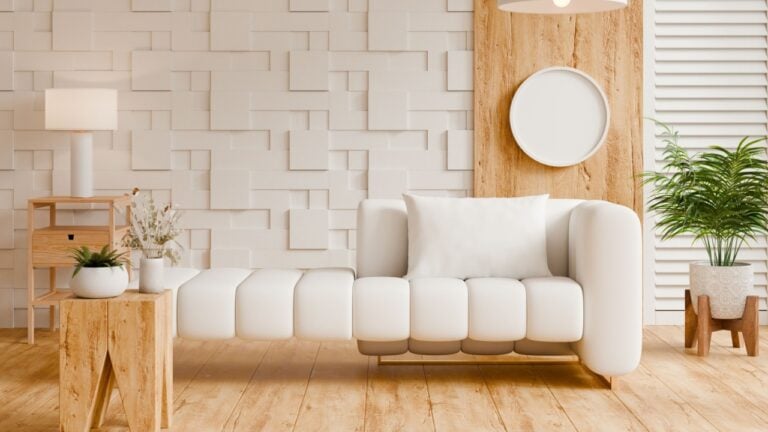
It’s the visual equivalent of someone talking without ever taking a breath. Without these “resting moments,” a room can feel suffocating. Negative space is essential for creating balance and highlighting the items you’ve chosen to display. An empty corner can make a room feel larger, and a clear tabletop can feel serene.
Quick Scan & Action Plan:
- Find the Voids: Identify at least one surface (like an end table or a shelf) and one wall area to completely clear.
- Embrace Emptiness: Live with these empty spaces for a few days. Notice how it feels. Does the room seem calmer or larger?
- Consolidate Collections: Group smaller items together on a tray or in a bowl instead of scattering them across a surface. This creates a single visual moment and preserves negative space around it.
5. Too Many Rugs
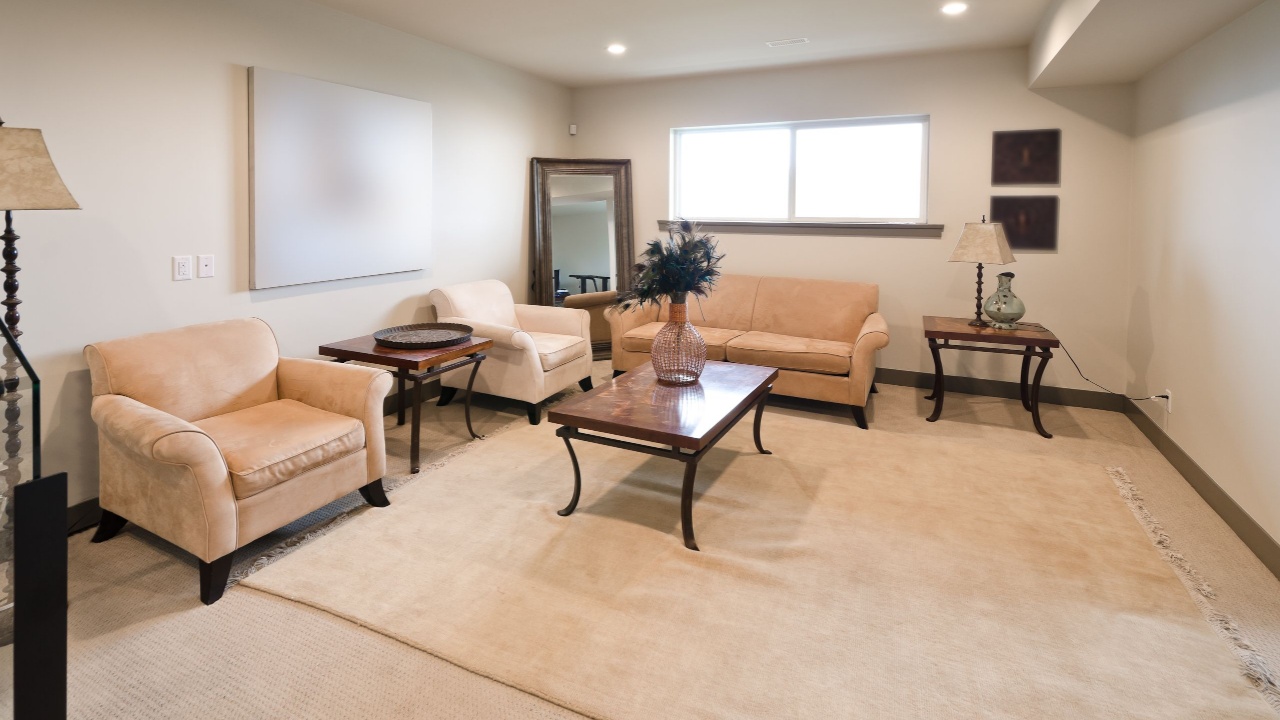
Rugs can do wonders for a room’s comfort and character, but using too many at once is a classic stumble. Stacking and crowding several rugs in close quarters can visually chop up a room, so it feels cluttered and hard to follow. Instead of pulling the space together, overlapping or mismatched designs make it tough for your eyes to settle and can put your toes at risk for some surprise altitude changes.
A single, well-sized rug grounds a seating area, anchors furniture, and brings in color or texture. When several patterns compete for attention, the space stops feeling restful and takes on a confusing look, especially in tighter quarters. Even if each rug is in a different spot, too many can crowd the room and make it look busy. Giving flooring a chance to peek through helps everything else look intentional and easier to enjoy.
Quick Scan & Action Plan:
- Survey the Scene: Walk through the space and notice how many rugs show up at once. If it’s starting to feel crowded, consider paring down.
- One per Zone: Assign one rug to each primary area, like the living or dining space. Minimize overlap unless aiming for a bold contrast.
- Room to Spare: Keep some bare floor borders showing around every rug. This breaks up the patterns and sharpens the sense of balance.
- Fit Counts: Match rug size to the area it serves. Too small looks out of place, too large takes over the room. Find a middle ground for the best results.
Curating, Not Collecting
Taking a pause to review your decorating choices can help your house express what’s most important to you. Treat your space as a rotating display, letting different favorites have their moment rather than crowding them all into the spotlight at once. This way, items get the attention they deserve, and your rooms stay inviting.
For a practical next step, temporarily pack away extra decor from a room. Give yourself a little time before opening those boxes again. Only put back what genuinely makes you happy to see each day. This makes it easier to appreciate your surroundings and keeps your home feeling fresh and comfortable for everyone.