How to Plant by Moon Phases, Per the Farmer’s Almanac
Have you ever looked up at the moon and wondered if it’s judging your gardening choices? Maybe not, but for centuries, gardeners and farmers have sworn by a method that syncs their planting schedules with the lunar cycle. It sounds a bit mystical, like something whispered between ancient druids.
However, the practice of planting by the moon has surprisingly practical roots, championed by none other than the Farmer’s Almanac (among a mix of many other signature and secretive ideas). How can you use the moon’s natural rhythms to give your garden a little boost?
Where We Got Our Data
This guide draws its inspiration from The Old Farmer’s Almanac’s longstanding lunar gardening traditions, specifically their article on “Planting by the Moon.” The Almanac’s approach is rooted in astronomical observations of the Moon’s phases and their influence on soil moisture and plant growth, a method practiced by generations of farmers and gardeners. Their calendar-based recommendations reflect centuries of agricultural wisdom, supported by anecdotal success and historical precedent.
Here is some age-old wisdom that works and how you can try it in your own backyard.
1. Understand the Moon’s Cycle

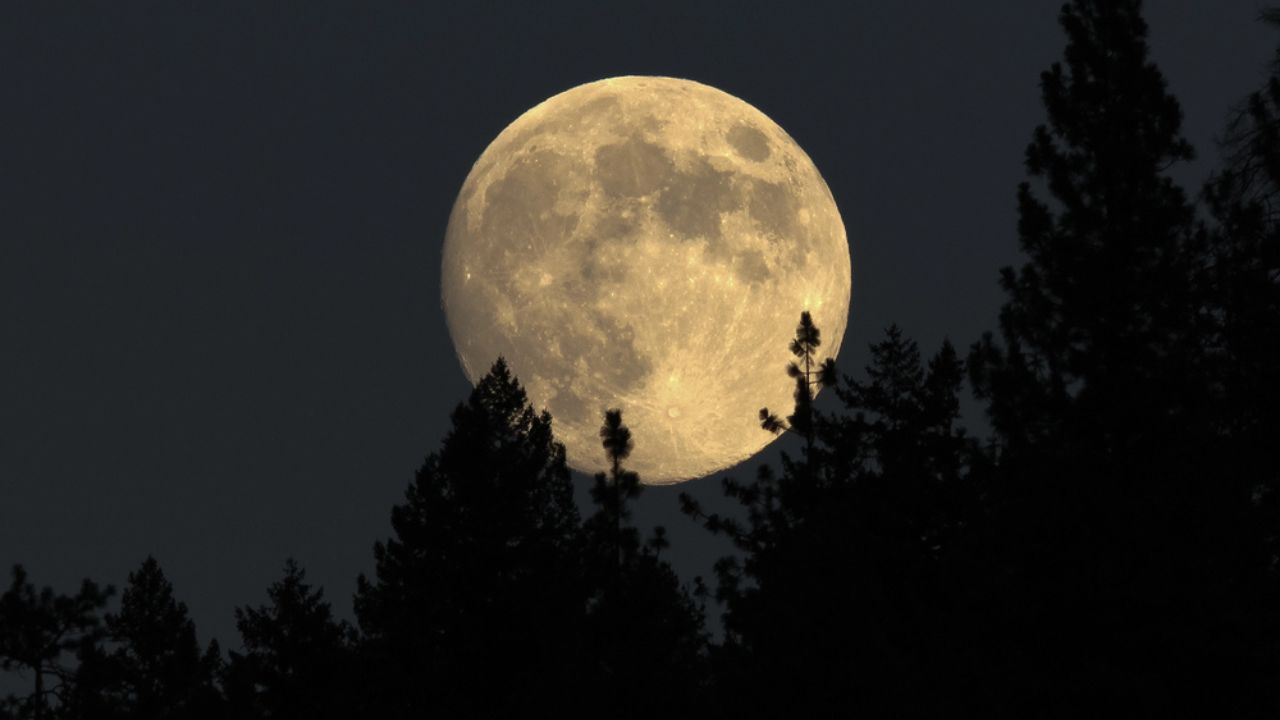
Before you start planting, it helps to know what the moon is actually doing up there. The lunar month, which lasts about 29.5 days, is split into two main phases: waxing and waning. The waxing phase is when the moon appears to get bigger, from the New Moon (when it’s invisible) to the Full Moon. The waning phase is the opposite, when the moon seems to shrink from a Full Moon back to a New Moon.
This cycle is central to lunar gardening. The idea is that the moon’s gravitational pull affects the moisture in the soil, much like it controls the ocean’s tides. During the waxing phase, increased moonlight and a stronger gravitational pull are thought to draw water up, encouraging leaf growth. During the waning phase, as the light and pull lessen, energy is directed downward into the roots.
Quick Guide:
- Waxing Moon: From New Moon to Full Moon. The moon appears to grow. This is the time for planting crops that produce their bounty above ground.
- Waning Moon: From Full Moon back to New Moon. The moon appears to shrink. This is the ideal time for planting root crops and for pruning.
2. Plant Above-Ground Crops During the Waxing Moon
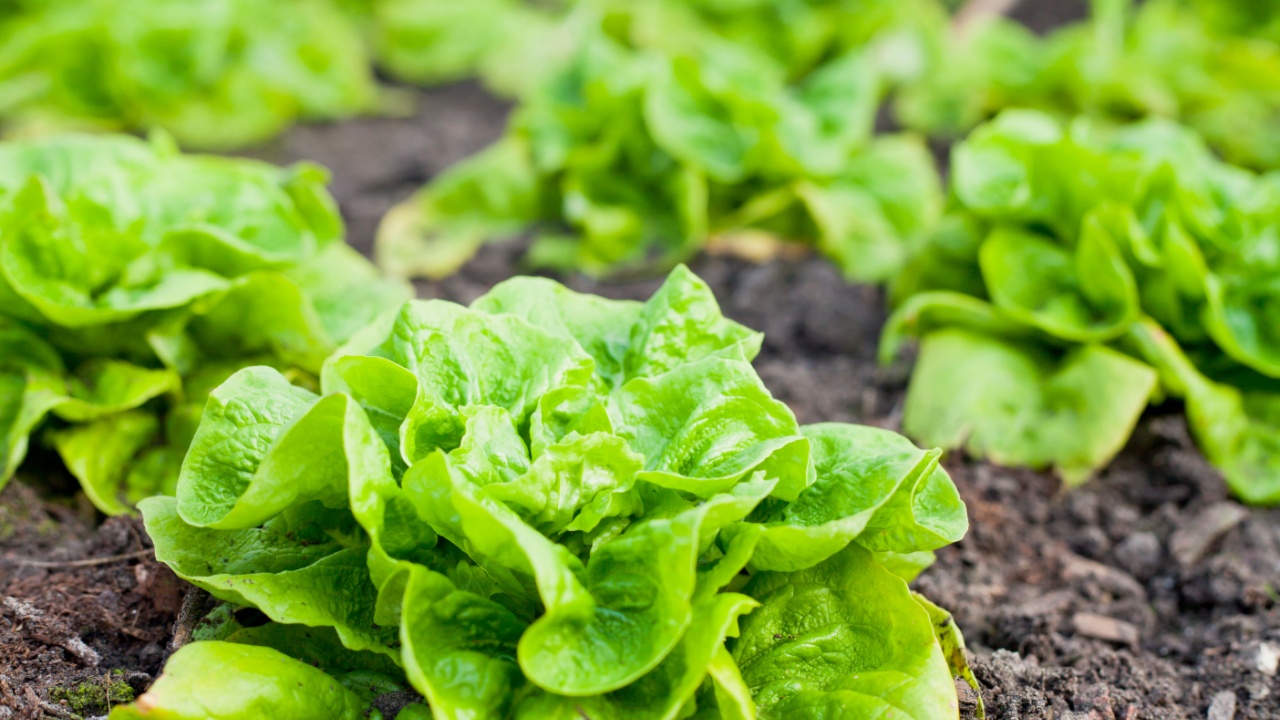
When the moon is waxing, it’s prime time for anything that grows above the soil. This includes a huge portion of the vegetable garden: leafy greens like lettuce and spinach, fruiting plants like tomatoes and peppers, and staples like corn and beans. The logic is that the increased moonlight and gravitational pull encourage strong, speedy leaf and stem growth.
Think of it as giving your plants a gentle upward nudge. Sowing these seeds during the first two quarters of the lunar cycle (from the New Moon to the Full Moon) is said to result in more vigorous, productive plants. It’s the moon’s way of saying, “Grow, little seedlings, grow!”
Quick Guide:
- What to Plant: Annuals that produce their yield above ground. Examples: broccoli, cabbage, cauliflower, cucumbers, eggplant, lettuce, melons, peas, and tomatoes.
- Why: The upward pull of moisture and energy during this phase promotes robust leaf and stem development.
- Next Steps: Prepare your beds ahead of time so you are ready to sow when the waxing phase begins. Have your seeds, markers, and watering can ready to go.
3. Plant Root Crops During the Waning Moon
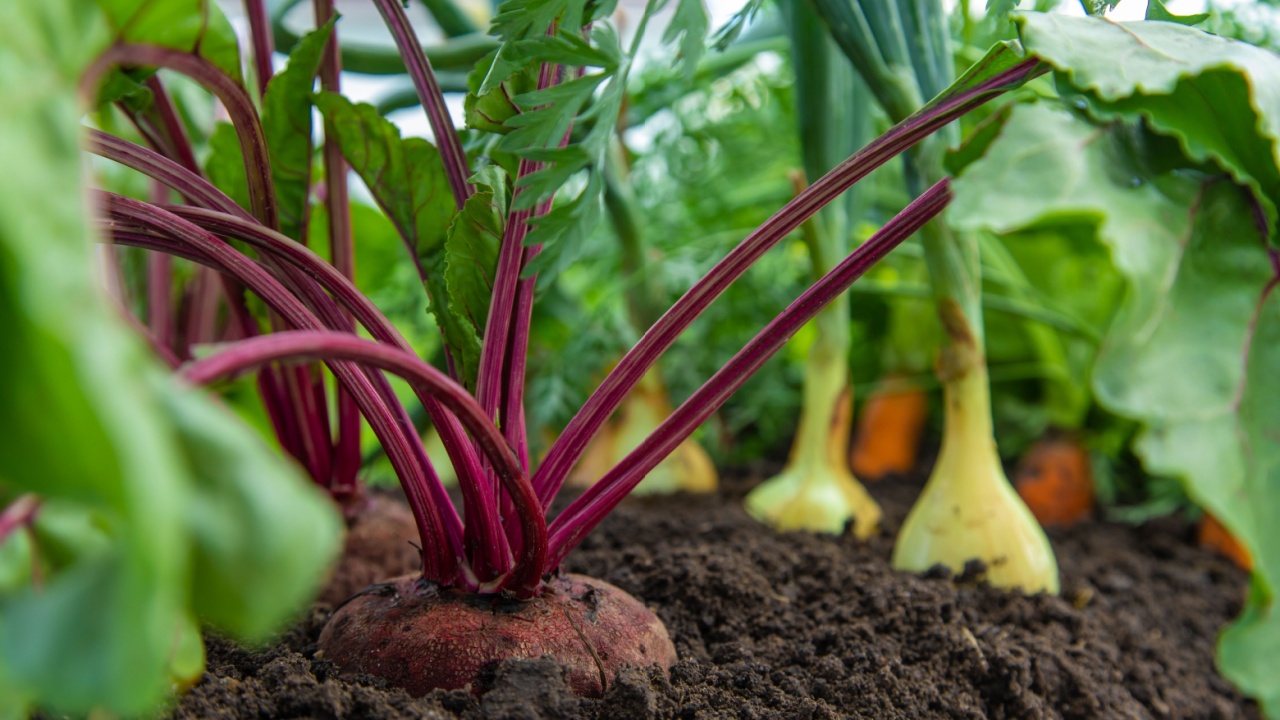
Once the moon passes its full stage and begins to wane, the focus shifts from the sky to the soil. This is the time to plant all your beloved below-ground crops. Carrots, potatoes, beets, radishes, and onions are all perfect candidates for planting during this phase.
As the moon’s light diminishes and its gravitational pull weakens, the theory goes that more energy is directed downward into the earth. This encourages strong, healthy root development. It’s also considered a good time for tasks like transplanting and pruning, as the reduced sap flow is thought to cause less stress to the plants. So, as the moon darkens, it’s time to get your hands dirty and focus on what’s happening beneath the surface.
Quick Guide:
- What to Plant: Root crops and bulbs. Examples: beets, carrots, garlic, onions, potatoes, radishes, and turnips.
- Why: The downward energy flow during this phase supports root formation and growth.
- Next Steps: Loosen your soil deeply to give root vegetables plenty of room to expand. A well-tilled bed will help you make the most of this lunar phase.
4. Don’t Confuse Astronomy with Astrology

It’s easy to hear “planting by the moon” and immediately picture someone consulting a zodiac chart before planting their tomatoes. However, this method is rooted in astronomical observations, not astrological beliefs. It’s about the moon’s gravitational pull, its phases, and its position in the sky, all measurable, observable phenomena.
The Farmer’s Almanac, a publication known for its practical, no-nonsense advice, has been a proponent of this method for generations. It focuses on the tangible effects the moon has on the earth, like its influence on tides and, by extension, groundwater levels. So, while your horoscope might tell you it’s a good day to take a risk, your lunar calendar is just telling you it’s a good day to plant potatoes.
Quick Guide:
- Focus On: Gravitational pull, lunar phases (new, full, quarter), and observable light.
- Ignore: Zodiac signs, horoscopes, and planetary alignments.
- Why: This practice is based on physical science and agricultural tradition, not mysticism.
5. Be Flexible and Use a Calendar

While some gardeners swear by lunar planting, it’s not a rigid set of rules you must follow to the letter. Think of it as a helpful guide, not a strict command. Your local weather, soil conditions, and personal schedule should always take priority. A torrential downpour on your planned potato-planting day during the waning moon is a clear sign to wait.
To make things easier, consult a gardening calendar that integrates lunar phases with your local frost dates. This will give you a framework for optimal timing, helping you align the moon’s schedule with your garden’s reality. It takes the guesswork out of the equation and helps you plan your season effectively.
Quick Guide:
- Prioritize: Weather, soil health, and your own availability.
- Tool to Use: A lunar gardening calendar specific to your region.
- Why: The moon’s phase is just one factor in a successful garden. Common sense and good gardening practices are just as important.
6. Acknowledge the Historical Roots

Planting by the moon is far from a new trend. This practice dates back to ancient civilizations. The Egyptians, Romans, and many Native American tribes all farmed and fished according to the moon’s cycles. They observed patterns in nature and found that syncing their activities with the moon yielded better results.
This long history lends the practice a certain weight. For thousands of years, people who lived and died by their harvests passed down this knowledge. They didn’t have scientific instruments to measure soil moisture, but they had generations of experience showing them what worked. Tapping into this tradition connects your modern backyard garden to a long line of growers who looked to the same moon for guidance.
Quick Guide:
- Who Used It: Ancient cultures worldwide, including those in Egypt, Rome, and the Americas.
- Why It Lasted: It was based on generations of direct observation and successful harvests.
- Modern Connection: By trying it, you are participating in a timeless agricultural tradition.
What to Do Next
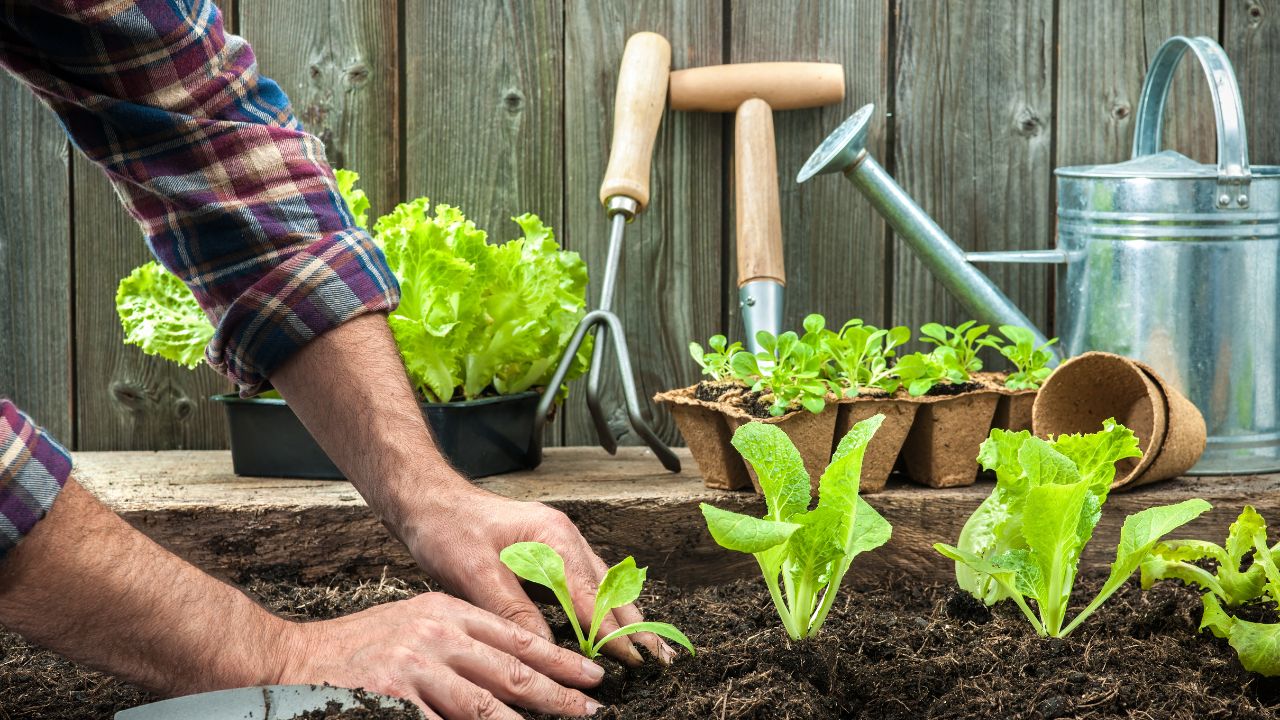
Ready to give lunar gardening a shot? The best way to start is to simply try it. You don’t need to transform your entire gardening strategy overnight. Pick one or two crops to experiment with this season. Plant one batch of lettuce seeds during the waxing moon and another batch during the waning moon. Plant your carrots half and half between the two phases. Keep a small notebook to jot down planting dates and your observations. Did one batch germinate faster? Did one seem more robust? Was the carrot harvest more impressive from the waning-moon planting? This hands-on experiment is the best way to see if lunar planting works for you and your garden. At worst, you’ll still have fresh vegetables.