10 Fun Facts About the Farmer’s Almanac’s 200‑Year Tradition
For generations, gardeners and farmers have turned to a small, unassuming publication for wisdom on weather, planting, and just about everything under the sun. The Old Farmer’s Almanac is a staple in many households, its yellow cover a familiar sight on bookstore shelves and kitchen counters. It feels like it has been around forever, offering advice with a certain old-timey confidence.
Beyond its famous weather predictions and planting charts lies a rich history full of surprising details. From secret formulas to presidential controversies, the story of the Almanac is as fascinating as its contents. Take a look at some of the most interesting facts about this iconic publication. The world is sad that they have announced they will stop publishing, but their legacy and data will live on in our hearts and online.
1. It’s North America’s Oldest Periodical

Before the United States had even seen its third president, The Old Farmer’s Almanac was already in print. First published in 1792 by Robert B. Thomas, this little guide has been in continuous publication ever since. That makes it the oldest periodical in North America.
Thomas, a bookseller, teacher, and amateur astronomer, wanted to create something both “useful, with a pleasant degree of humor.” He clearly succeeded, as it has outlasted countless other magazines and newspapers.
Quick Facts:
- First Published: 1792
- Founder: Robert B. Thomas
- Legacy: Has never missed a year of publication.
- Significance: Its endurance highlights its practical value and deep-rooted cultural importance.
2. A Secret Weather Formula Is Locked Away
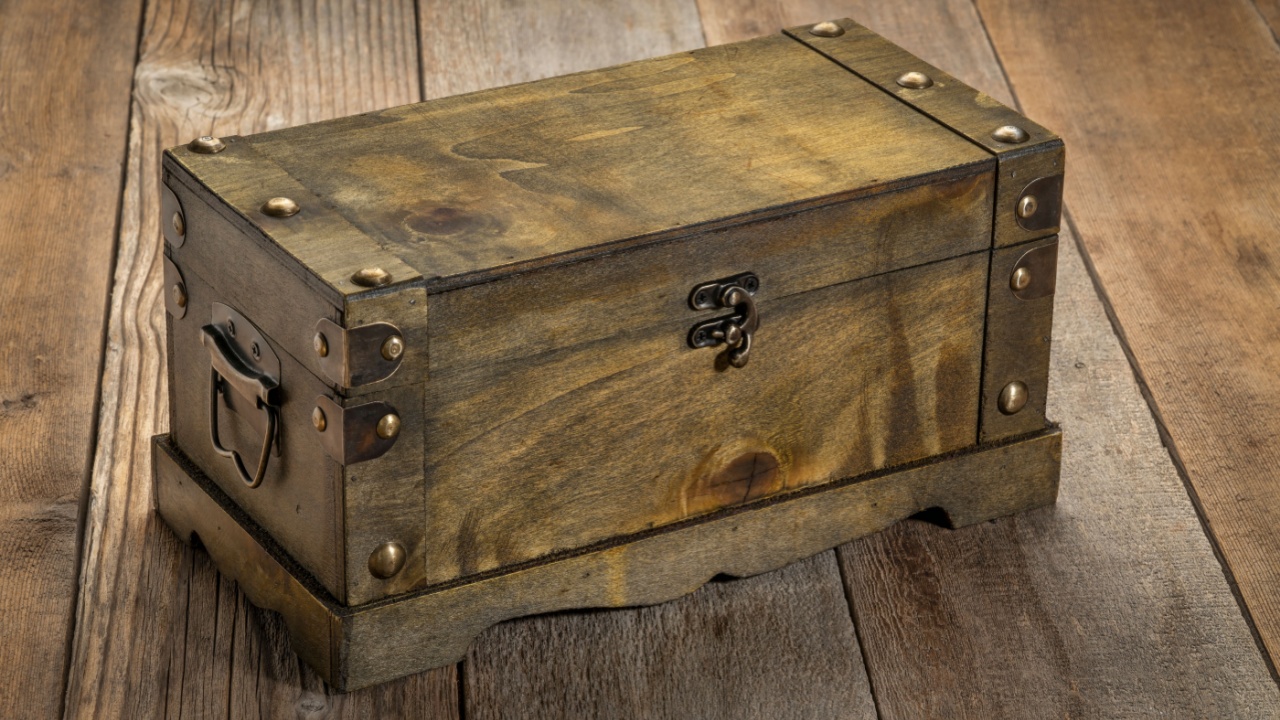
The Almanac’s weather forecasts are legendary, and for good reason. They are created using a secret formula developed by Robert B. Thomas himself. This formula combines the sciences of solar activity (sunspots), climatology (weather patterns), and meteorology (the study of the atmosphere).
While the exact method remains a closely guarded secret, the editors claim it results in 80% accuracy. The formula is said to be kept in a black tin box at the Almanac’s offices in Dublin, New Hampshire. This commitment to a proprietary, time-tested method is unusual in our age of supercomputers and satellite imaging.
Quick Facts:
- Basis of Forecasts: A secret formula from 1792.
- Scientific Inputs: Solar science, climatology, and meteorology.
- Claimed Accuracy: 80%.
- Next Steps: Compare your local weather this season to the Almanac’s predictions to test its accuracy for yourself.
3. The Founder’s Portrait Has Graced the Cover for Over a Century
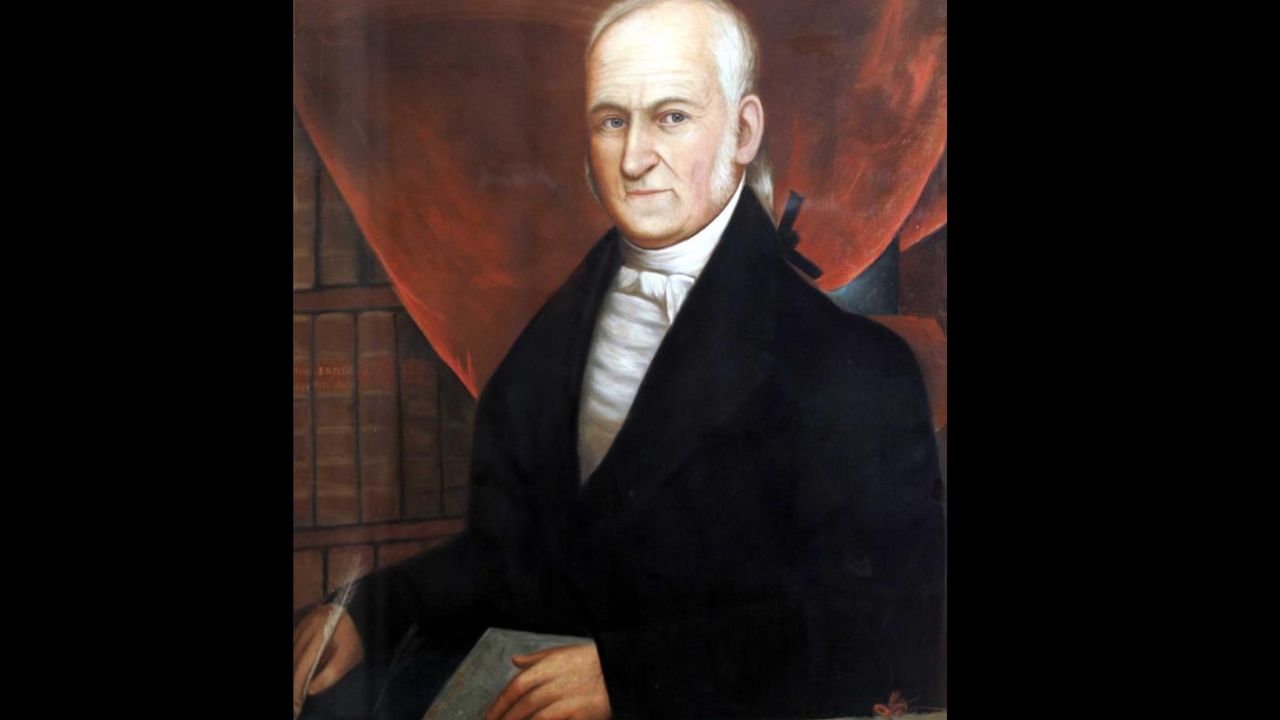
Since 1851, The Old Farmer’s Almanac has featured a cover design that includes a portrait of its founder, Robert B. Thomas, alongside Benjamin Franklin. This design, first created by artist Hammatt Billings and engraved by Henry Nichols, has appeared with stylistic updates on nearly every edition since.
The inclusion of Franklin honors his own Poor Richard’s Almanack, which inspired Thomas’s work and helped shape early American publishing.
Quick Facts:
- Featured Portraits: Robert B. Thomas and Benjamin Franklin.
- Inspiration: Franklin’s Poor Richard’s Almanack (1732-1758).
- Significance: Creates brand consistency and honors the publication’s historical influences.
- Did You Know? The hole drilled through the corner was added in early editions so people could hang it on a nail for easy access.
4. An Editor Added “Old” to the Title

For its first 56 years, the publication was known simply as The Farmer’s Almanac. The word “Old” was added to the title in 1848. The change was made by the second editor, John Henry Jenks, to distinguish it from the growing number of competitors and imitators.
This simple word choice was a clever marketing move. It immediately positioned the Almanac as the original, the authentic source of information. In a crowded marketplace, “Old” signaled heritage and reliability. The name change worked, cementing its status as the definitive farmer’s almanac and helping it stand out from the copycats that have long since disappeared.
Quick Facts:
- Original Title: The Farmer’s Almanac.
- “Old” Added: 1848, by editor John Henry Jenks.
- Reason: To differentiate it from competing almanacs.
- Impact: Solidified its brand as the original and most trusted almanac.
5. It Grew From a Few Thousand to Millions
The first edition in 1792 had a modest print run of 3,000 copies and sold for sixpence. From these humble beginnings, its popularity exploded. By its second year, circulation tripled to 9,000. Today, the Almanac boasts a print circulation in the millions and a massive digital audience.
This incredible growth speaks to the universal appeal of its content. While its core audience was once farmers, it now caters to backyard gardeners, amateur astronomers, and anyone interested in a more self-sufficient lifestyle. The Almanac has successfully adapted to the modern world, embracing a digital presence while staying true to its printed roots.
Quick Facts:
- Initial Circulation: 3,000 copies in 1792.
- Modern Circulation: Several million copies annually.
- Audience Evolution: From primarily farmers to a broad audience of gardeners and lifestyle enthusiasts.
- Next Steps: Explore the Almanac’s website, which offers digital tools, articles, and recipes that expand on the print edition’s content.
6. A Legal Battle Involved Abraham Lincoln
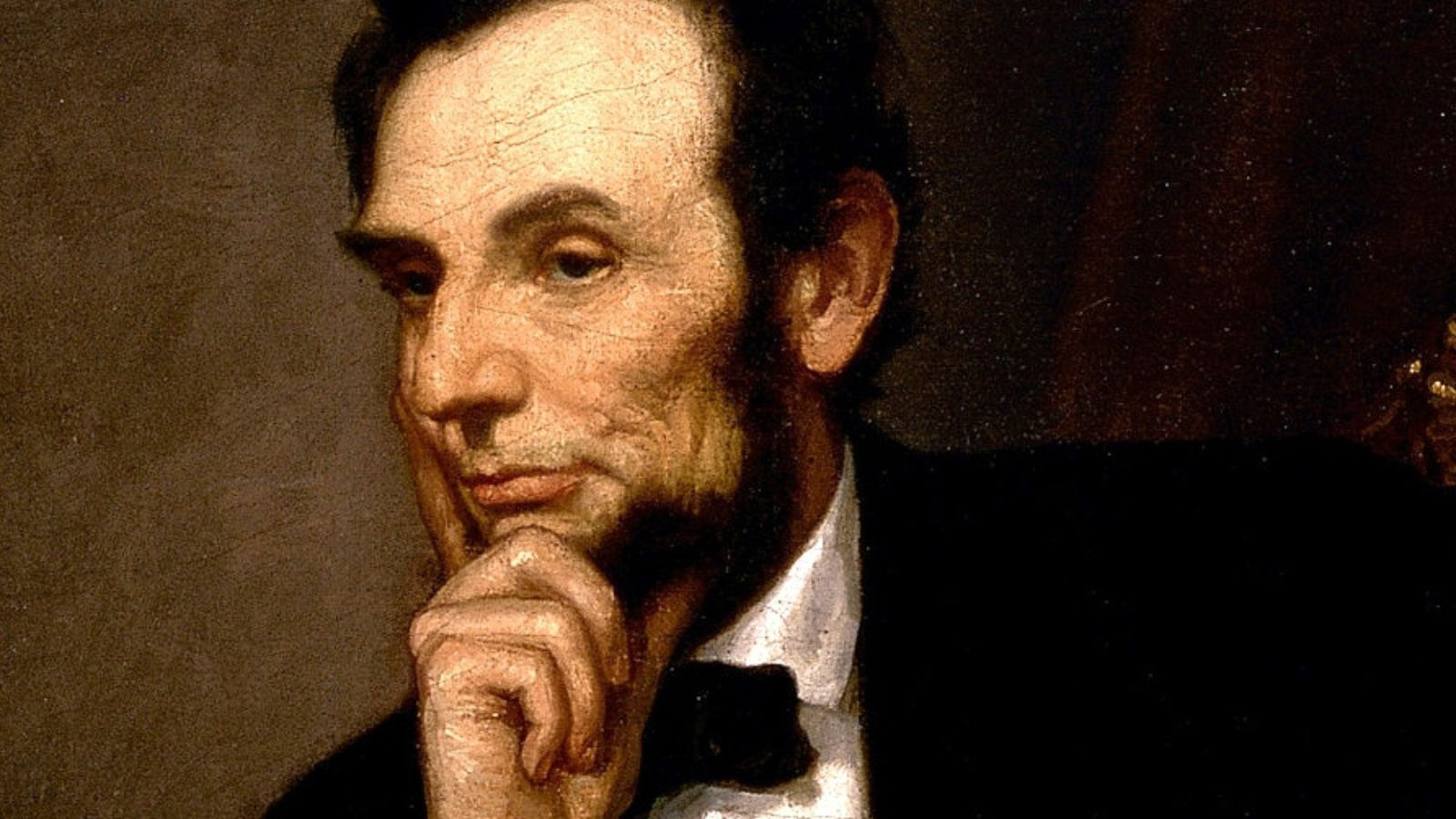
In 1857, a murder trial took a strange turn when a witness claimed he saw the suspect under the light of a bright, full moon. The defense attorney, a young Abraham Lincoln, was skeptical. To challenge the testimony, he consulted The Farmer’s Almanac.
Lincoln used the Almanac to show that on the night of the crime, the moon was in its first quarter and had set before the murder occurred. There would have been almost no moonlight. His clever use of the Almanac to discredit the witness helped his client, William “Duff” Armstrong, get acquitted. The event, which became known as the “Almanac Trial,” showcased the publication’s accepted authority even in a court of law.
Quick Facts:
- Case: Illinois v. “Duff” Armstrong, 1858.
- Defense Attorney: Abraham Lincoln.
- How it Was Used: To prove the moon was not full on the night of a murder, contradicting a witness.
- Significance: The trial underscored the Almanac’s reputation as a reliable source of astronomical data.
7. A German Spy Scare Nearly Halted Publication
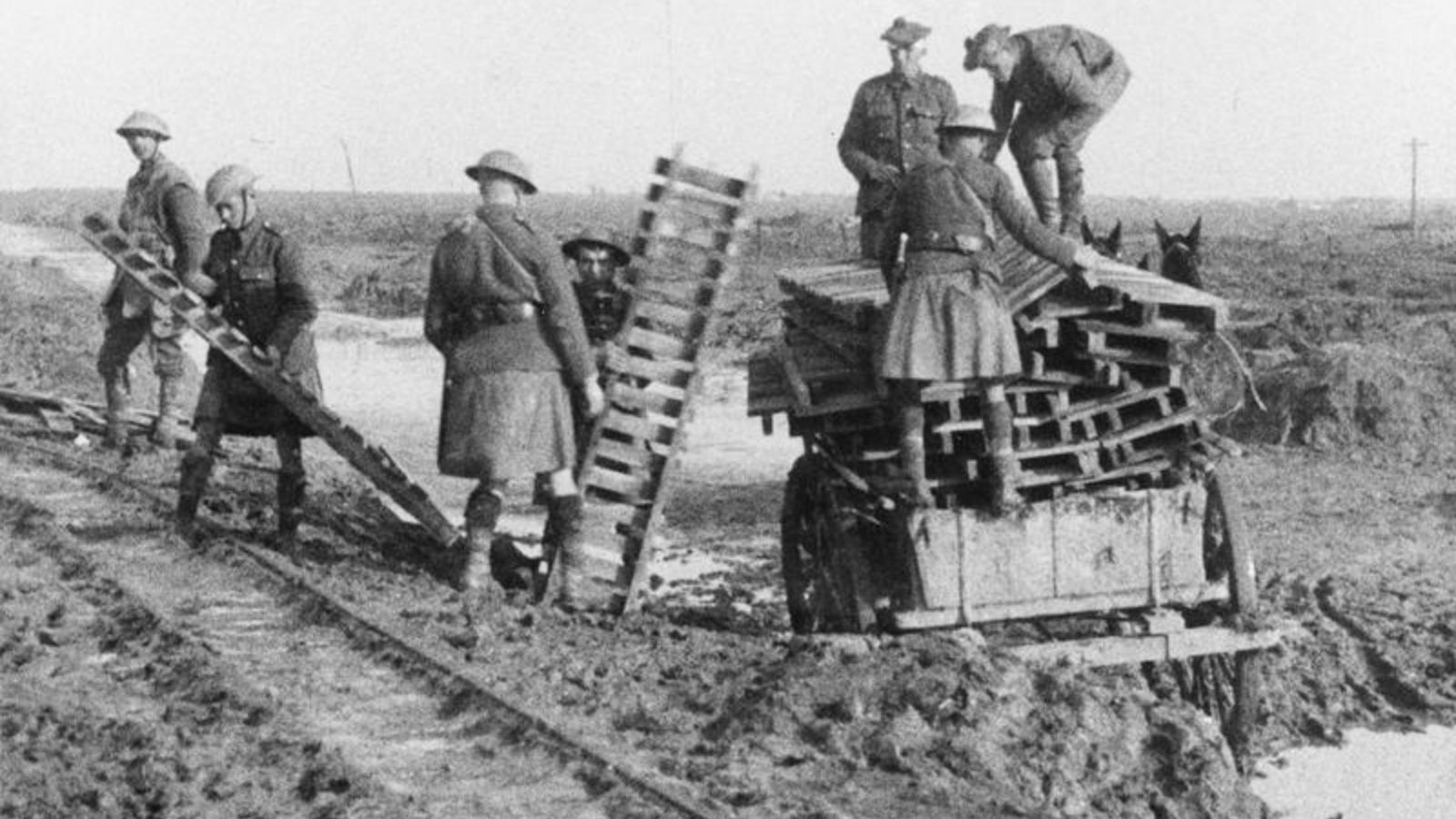
During World War II, the U.S. government grew concerned that the Almanac’s accurate weather forecasts could aid the enemy. In 1942, a German spy was caught ashore on Long Island with a copy in his pocket, fueling fears that it was being used by the Nazis.
The government pressured the Almanac to stop publishing its forecasts. The editor at the time, Robb Sagendorph, traveled to Washington, D.C., to argue his case. He explained that the forecasts were based on a long-standing formula, not state secrets. A compromise was reached: the Almanac could continue publishing, but it had to replace its “forecasts” with more general “weather indications.” This clever wording allowed it to maintain its continuous publication record.
Quick Facts:
- Conflict: U.S. government vs. the Almanac during WWII.
- Reason: Fear that its weather predictions could help German forces.
- Compromise: The term “forecasts” was temporarily changed to “weather indications.”
- Outcome: The Almanac upheld its unbroken publication streak.
8. It Once Predicted Snow in August

In 1816, the Almanac made a bold and seemingly absurd prediction: snow in August. This forecast was reportedly the result of a printer’s error. When Robert B. Thomas saw the mistake, he was horrified and tried to recall and destroy all the copies. However, he missed a few.
Amazingly, the prediction came true. 1816 became known as the “Year Without a Summer” due to the massive volcanic eruption of Mount Tambora in Indonesia, which spewed ash into the atmosphere and lowered global temperatures. New England experienced frosts and snowfalls throughout the summer, devastating crops. The Almanac’s accidental prediction cemented its reputation for uncanny accuracy, even if this particular instance was a fluke. There are many ways of predicting snow, and this was a classic.
Quick Facts:
- The Prediction: Snow for August 1816.
- The Cause: A printing error.
- The Outcome: The prediction came true due to the eruption of Mount Tambora.
- Legacy: This event, though accidental, greatly enhanced the Almanac’s mystical reputation.
9. The Editors Have Been a Small, Dedicated Group

For a publication with such a long history, The Old Farmer’s Almanac has had surprisingly few editors. Since its founding in 1792, only 14 people have held the top editorial job. This continuity is a major reason for its consistent voice and vision.
Each editor is a custodian of the Almanac’s traditions, from the secret weather formula to the founder’s portrait on the cover. This small number of leaders has helped preserve the publication’s unique character. It ensures that while the Almanac adapts to the times, it never loses the core identity that Robert B. Thomas established over two centuries ago.
Quick Facts:
- Number of Editors: Just 14 since 1792.
- Impact of Continuity: Maintains a consistent tone, style, and adherence to tradition.
- Current Editor: Janice Stillman, the first woman to hold the position.
- Significance: This small group has acted as guardians of the Almanac’s legacy.
10. It’s Much More Than Just Weather and Planting

While famous for its weather predictions and gardening guides, the Almanac is a treasure trove of eclectic information. A typical edition contains recipes, jokes, astronomical tables, puzzles, and articles on topics ranging from natural remedies to folklore.
This variety is part of its enduring charm. It’s designed to be a companion for the entire year, offering something to entertain, educate, or assist you every day. You might pick it up to check the best days to plant potatoes and find yourself reading about how to predict the weather using a persimmon seed. This blend of the practical and the peculiar is what makes it so beloved.
Quick Facts:
- Content Includes: Recipes, tide tables, astronomical data, and folklore.
- Purpose: To be a comprehensive and entertaining guide for daily life.
- Next Steps: Don’t just use it for the garden. Try a recipe from its pages or learn a new piece of trivia to share with friends.
Moving Forward with Timeless Wisdom
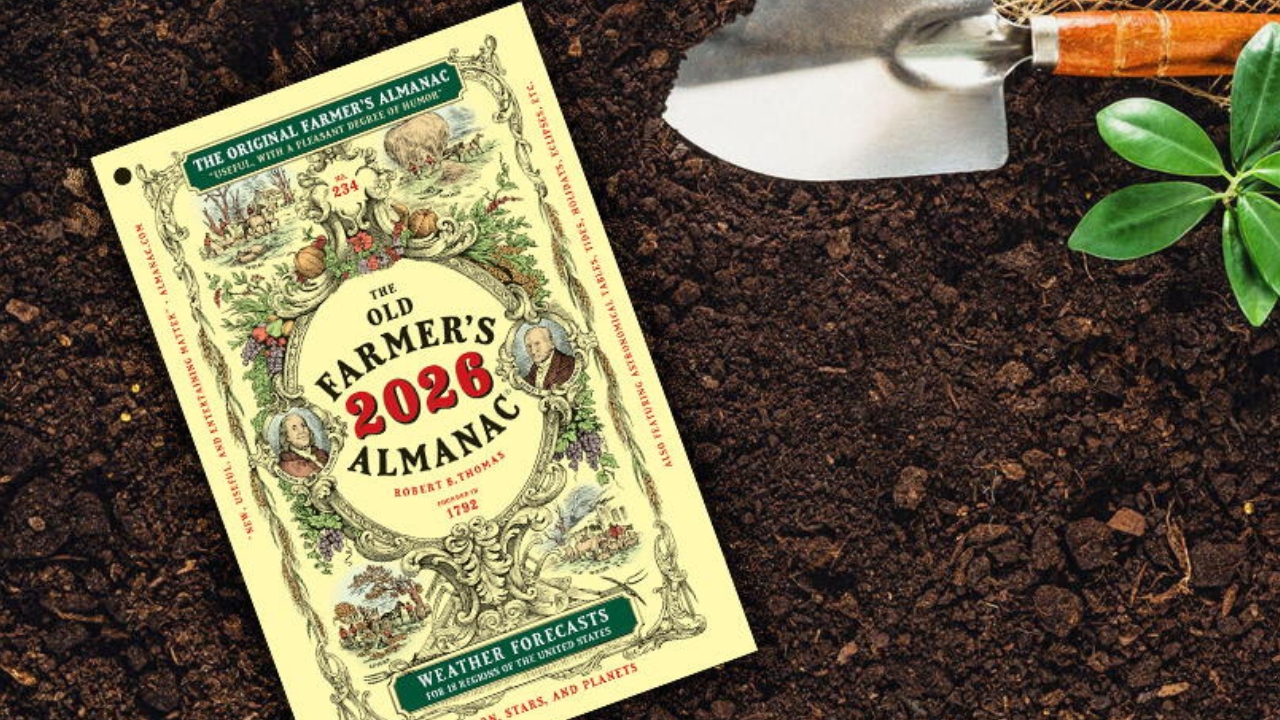
The Old Farmer’s Almanac is more than a guide; it’s a connection to the past and a tool for the future. Its history shows us the value of blending science with tradition and practicality with a bit of humor. To make the most of this resource, don’t just read it, use it. You can track its weather predictions against your local forecast.
While you won’t be able to find a hard copy anymore, its website is still a treasure trove of information. Use its planting calendar to experiment with a new vegetable in your garden this year. Explore its recipes for a seasonal dish. By actively engaging with its content, you are participating in a tradition that has enriched lives for over two centuries.