14 Tool Storage Mistakes That Are Throwing Money Away
Owning a collection of garden and power tools is a major accomplishment. You’ve got the right gadget for every job, from pruning roses to building a deck. However, these trusty helpers can quickly become expensive paperweights if they aren’t stored correctly.
Proper tool storage is more than just tidying up the garage; it’s an investment protection plan. Making a few common blunders can lead to rust, rot, and ruin, sending perfectly good equipment to an early grave and your money right along with it.
Here are the 14 most common tool storage mistakes that are costing you a small fortune.
1. Storing Tools While Still Wet
Putting away a damp shovel or a wet hedge trimmer is like inviting rust to a party. Moisture is the number one enemy of metal. When tools are stored wet, even in a seemingly dry shed, the water reacts with the metal and oxygen, creating the dreaded orange flakes. This corrosion weakens the metal, dulls blades, and can seize up moving parts, rendering your expensive equipment useless.
Even a little bit of moisture can do damage. This includes morning dew on your lawnmower or the leftover dampness from hosing off your trowel. Taking a few extra moments to dry your tools is one of the simplest and most effective ways to prolong their life.
Quick Look:
- The Fix: Before storing any tool, wipe it down completely with a dry cloth. For tools with complex parts, use a can of compressed air to blast water out of tight spaces.
- Next Steps: After drying, apply a thin layer of lubricating oil, like camellia oil or 3-in-1, to all metal surfaces. This creates a protective barrier against any lingering humidity.
2. Leaving Tools on the Ground

The garage or shed floor might seem like a convenient, if temporary, home for your rake or drill. But the ground is a treacherous place for tools. Floors, especially those made of concrete, can hold and transfer moisture, which can lead to rust. Leaving them on the grass is even worse. It also makes tools a tripping hazard and puts them at risk of being stepped on, run over, or otherwise damaged.
Leaving tools scattered on the ground makes your workspace cluttered and inefficient. You will spend more time searching for what you need than actually accomplishing your tasks. Getting your tools off the floor is a win for both safety and organization.
Quick Look:
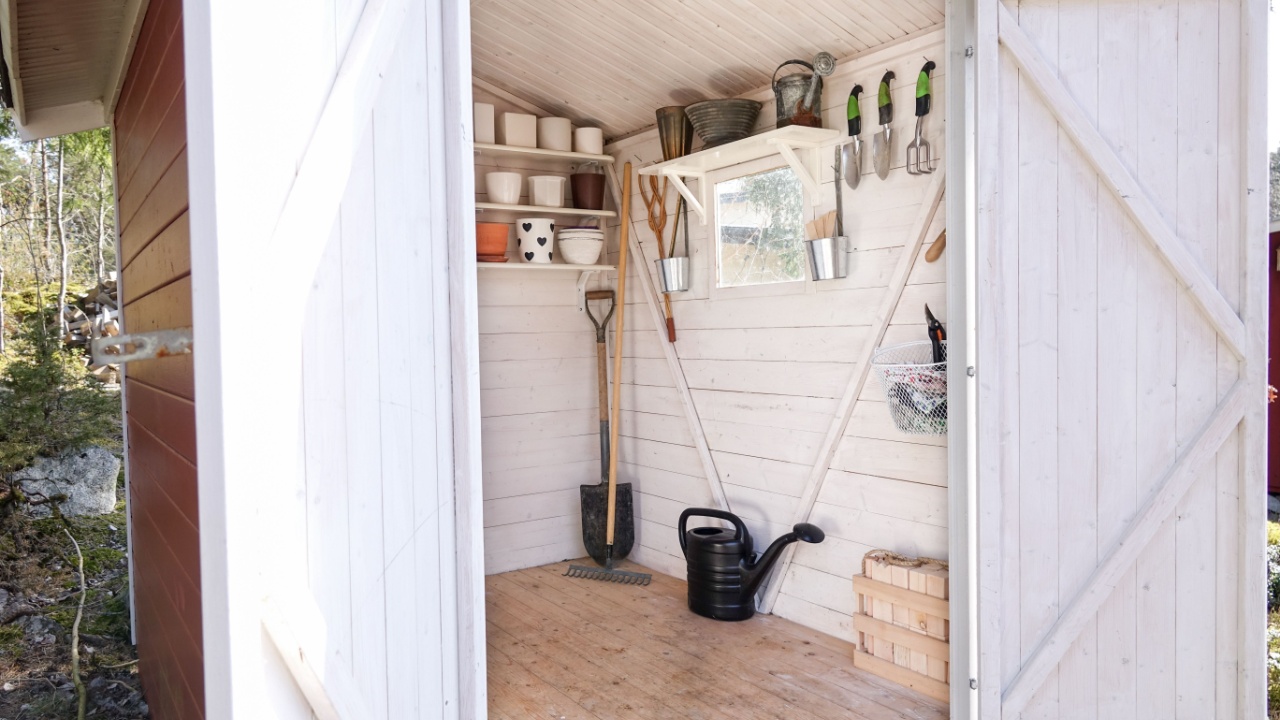
- The Fix: Install a wall-mounted storage system like a pegboard, hooks, or shelving. This gets tools off the ground and keeps them organized and visible.
- Next Steps: For long-handled tools, a simple wall rack can hold multiple items securely. Power tools can be placed on shelves or in their original cases.
3. Storing Sharp Tools Without Covers
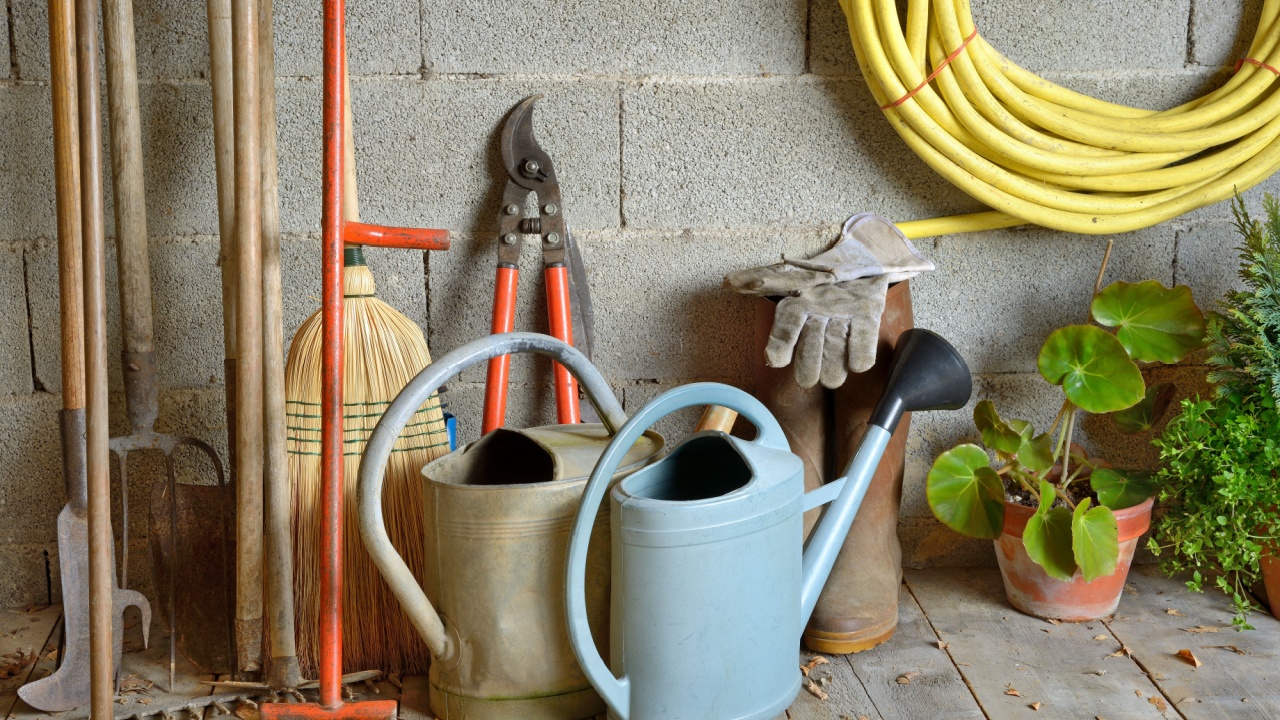
Exposed blades on saws, pruners, axes, and loppers are a serious safety risk. A moment of carelessness while reaching for another item can result in a nasty cut. Beyond the personal danger, uncovered blades are also vulnerable to damage.
Bumping against other metal tools or a concrete wall can chip, dent, or dull the cutting edge, reducing its effectiveness and requiring more frequent sharpening. A sharp tool is an efficient tool, and keeping it that way requires proper sheathing.
Quick Look:
- The Fix: Use the original sheaths or covers that came with your tools. If you’ve lost them, you can purchase universal blade guards or even make your own from leather, heavy-duty fabric, or a cut piece of old garden hose slit down the side.
- Next Steps: Store sharp tools separately from others to prevent accidental contact. Hang them on a wall rack where the blades are visible but out of easy reach.
4. Storing Batteries in Cold Spaces
Power tool batteries are a modern marvel, but they have an Achilles’ heel: extreme temperatures. Leaving lithium-ion batteries in a cold, unheated garage or shed during the winter can permanently reduce their capacity. The cold slows down the chemical reactions inside the battery, and if it gets cold enough, the components can freeze and become damaged.
When you attempt to use or charge a very cold battery, you can cause irreversible damage, resulting in a battery that no longer holds a charge for an extended period, or at all. Given the high cost of replacement batteries, protecting them from the cold is a smart financial move.
Quick Look:
- The Fix: During cold months, remove all batteries from your power tools and store them indoors in a climate-controlled space, like a utility closet or a basement.
- Next Steps: Aim to store batteries at around 40-50% charge. Storing them fully charged or fully depleted for long periods can also degrade their lifespan.
5. Leaning Tools Against Walls
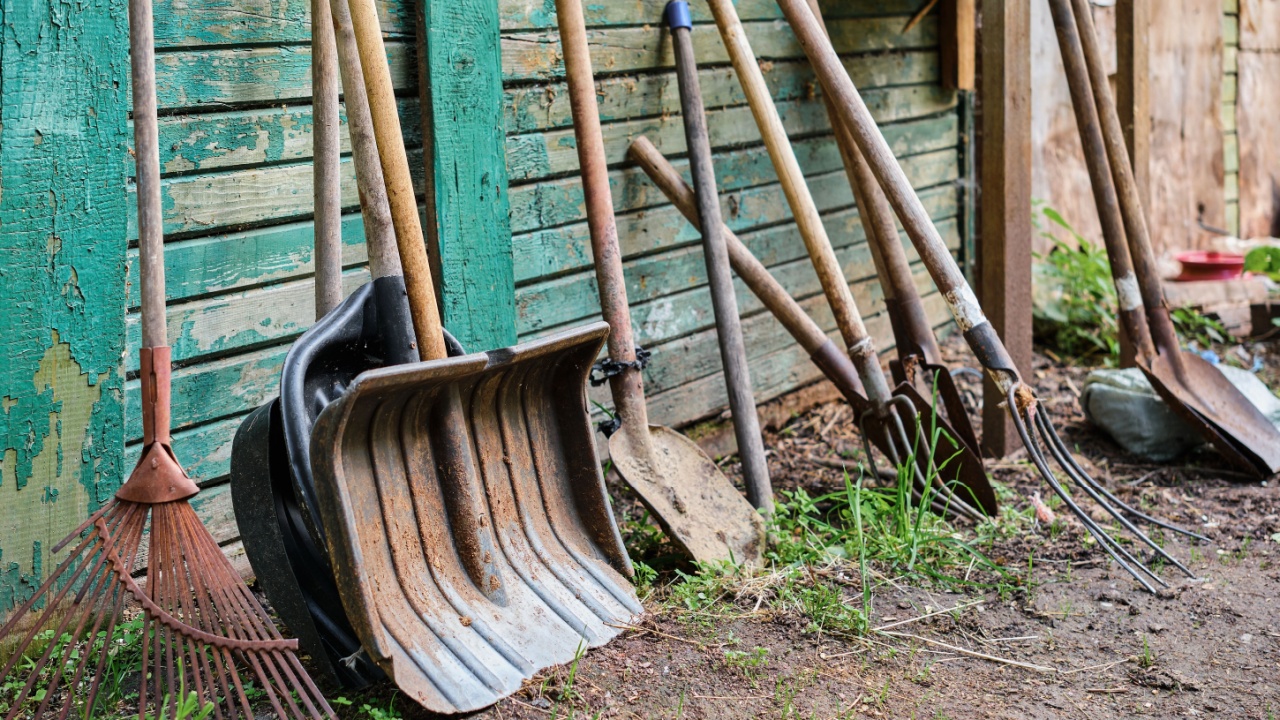
Leaning a rake, shovel, or string trimmer against the wall seems harmless enough. It gets the tool off the floor, right? But this creates a different set of problems. Tools stored this way are unstable and can easily slide and fall, potentially damaging the tool, the wall, or anything else in their path.
For long-handled tools, the constant pressure of leaning can cause handles, especially wooden ones, to warp or bend. This makes them less comfortable and efficient to use. A sturdy storage system is a much safer and more reliable option.
Quick Look:
- The Fix: Use dedicated wall-mounted racks or holders designed for long-handled tools. These systems have slots or hooks that grip the tools securely in a vertical position.
- Next Steps: Group similar tools together in the rack. This makes it easy to find the specific shovel or rake you need without having to untangle a pile of handles.
6. Using Rusty Hooks for Hanging Tools
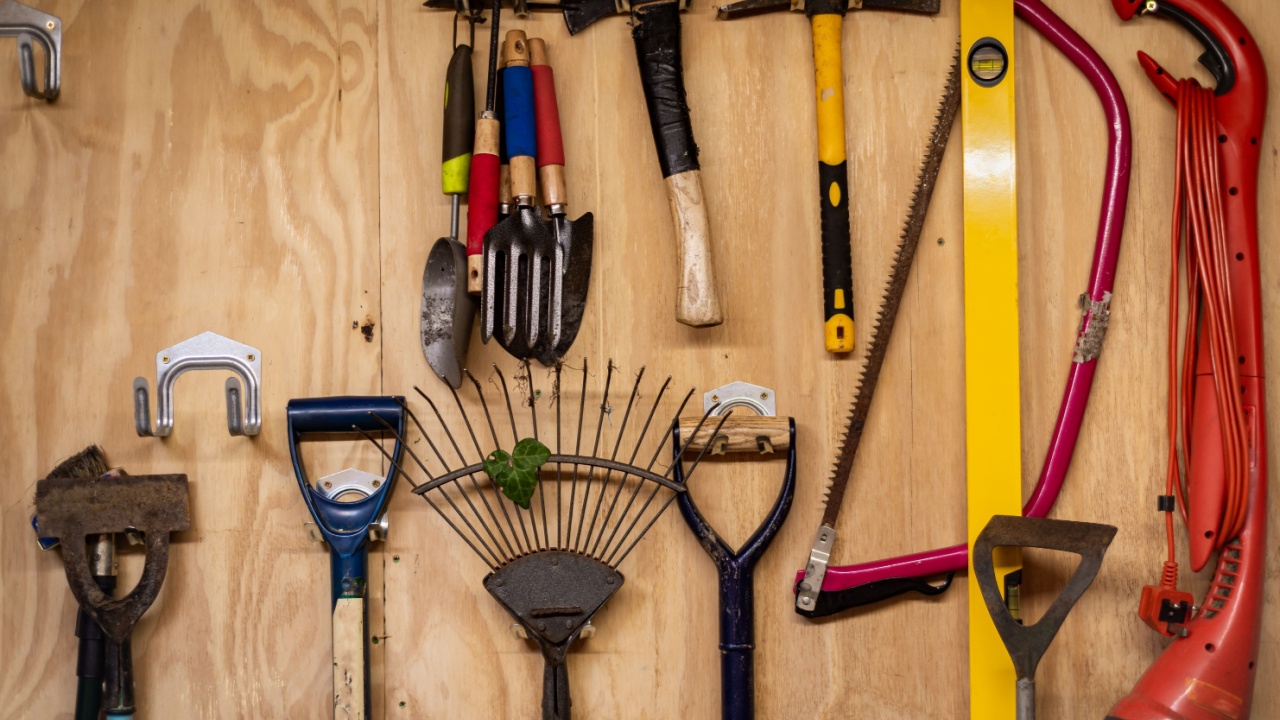
You have decided to get organized and hang your tools. Great! But if the hooks you use are already rusty, you are just transferring the problem from the tool to the storage system. The rust on the hook can rub off onto your tool, seeding new corrosion.
Moreover, rust weakens the hook itself. A corroded hook could fail under the weight of a heavy tool like a sledgehammer or a chainsaw, causing it to fall and create a significant safety hazard. Starting with clean, rust-free hardware is essential for a lasting storage solution.
Quick Look:
- The Fix: Before hanging your tools, inspect all hooks and hardware. If they are rusty, replace them with new, high-quality hooks made from galvanized steel or coated with a protective material.
- Next Steps: If the rust is only on the surface, you can try removing it with a wire brush and then sealing the hook with a coat of rust-inhibiting paint.
7. Leaving Batteries Inside Power Tools

After a long day of work, it is tempting to just put the drill or circular saw back on the shelf with the battery still attached. This is a mistake for a couple of reasons. First, many tools have a small “parasitic” power drain even when they are turned off. This can slowly deplete your battery, and if left for months, it could drain it to a point where it damages the battery’s health.
Second, leaving a battery attached is a safety issue. If the trigger is accidentally bumped, the tool could activate unexpectedly. It’s a small step that makes a big difference in both battery life and workshop safety.
Quick Look:
- The Fix: Always remove the battery from your power tool before storing it. Create a designated spot for your batteries, separate from the tools themselves.
- Next Steps: Store batteries in a cool, dry place away from direct sunlight. Consider using a battery organizer or wall mount to keep them tidy.
8. Storing Fuel in Petrol Tools for Long Periods
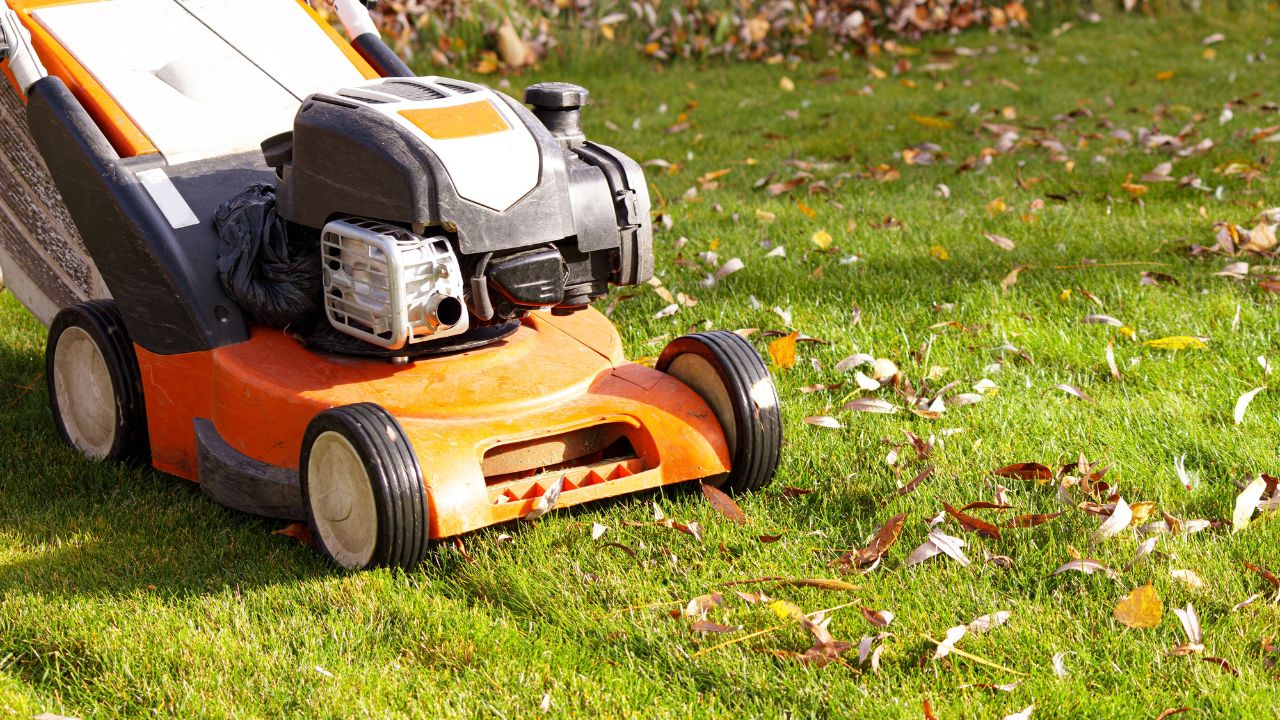
If you have gasoline-powered equipment like a lawnmower, chainsaw, or leaf blower, leaving fuel in the tank during the off-season is a recipe for trouble. Modern gasoline contains ethanol, which attracts moisture from the air. This water can lead to corrosion inside the fuel tank and carburetor.
Over several months, fuel also begins to break down and form gummy deposits and varnish. These deposits can clog the tiny passages in the carburetor, leading to hard starting or a complete failure to run. Draining the tank is a critical step for long-term storage.
Quick Look:
- The Fix: At the end of the season, run the tool until the fuel tank is completely empty. Alternatively, drain the fuel into an approved container.
- Next Steps: After the tank is empty, try to start the engine a few more times to burn off any remaining fuel in the carburetor. For extra protection, you can add a fuel stabilizer to your gas can throughout the season.
9. Skipping Oiling and Maintenance Before Storage
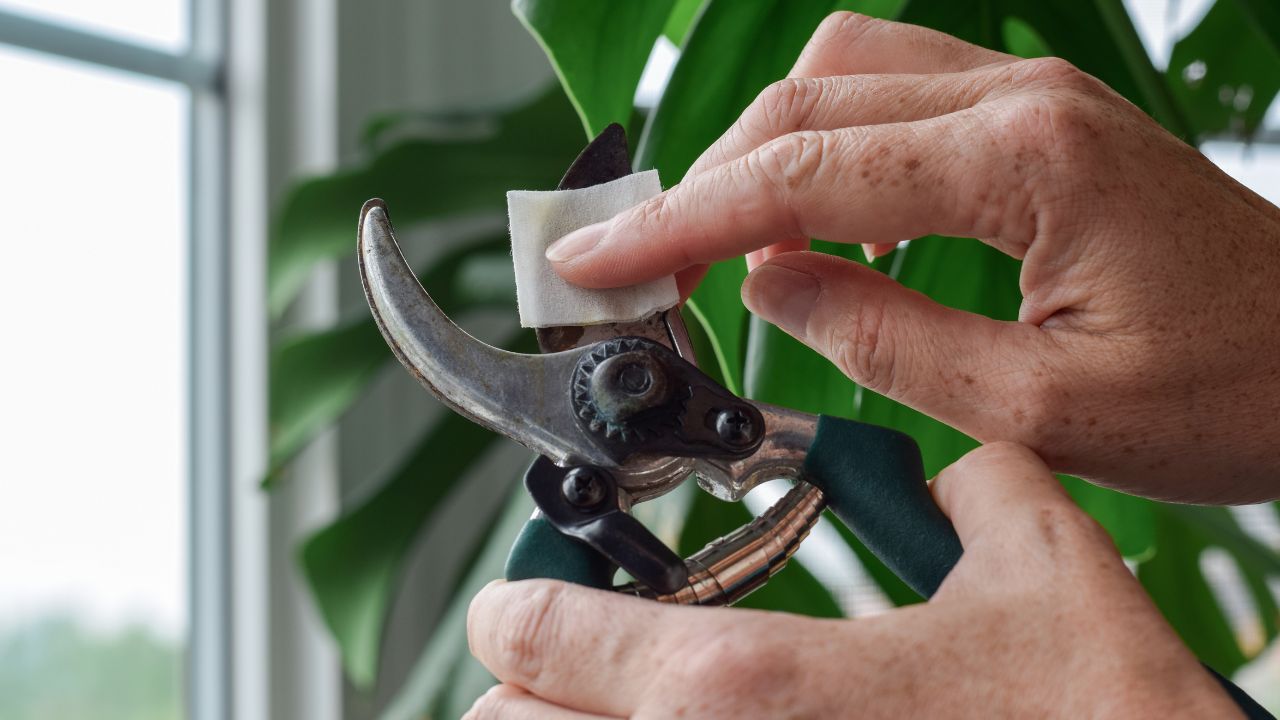
Putting tools away for the season without basic maintenance is a missed opportunity to protect your investment. When blades go unsharpened, handles stay loose, and metal parts remain untreated, small issues can escalate into costly repairs or ruined plants. Moisture and air exposure during storage can accelerate wear, especially on untreated surfaces.
A few minutes spent tightening screws, applying protective oil, and inspecting for damage can make a big difference. These simple steps help prevent rust, preserve performance, and ensure your tools are ready for the next project.
Quick Look:
- The Fix: Before storing, clean all tools to remove dirt and debris. For cutting tools, use a solvent to remove sap. Once clean and dry, lubricate all moving parts and wipe down metal surfaces with a light coat of oil.
- Next Steps: This is also a great time to sharpen blades, check for loose handles, and perform any other routine maintenance. You will appreciate it when you do not have to do it on the first nice day of the year.
10. Exposing Tools to Direct Sun or Heat
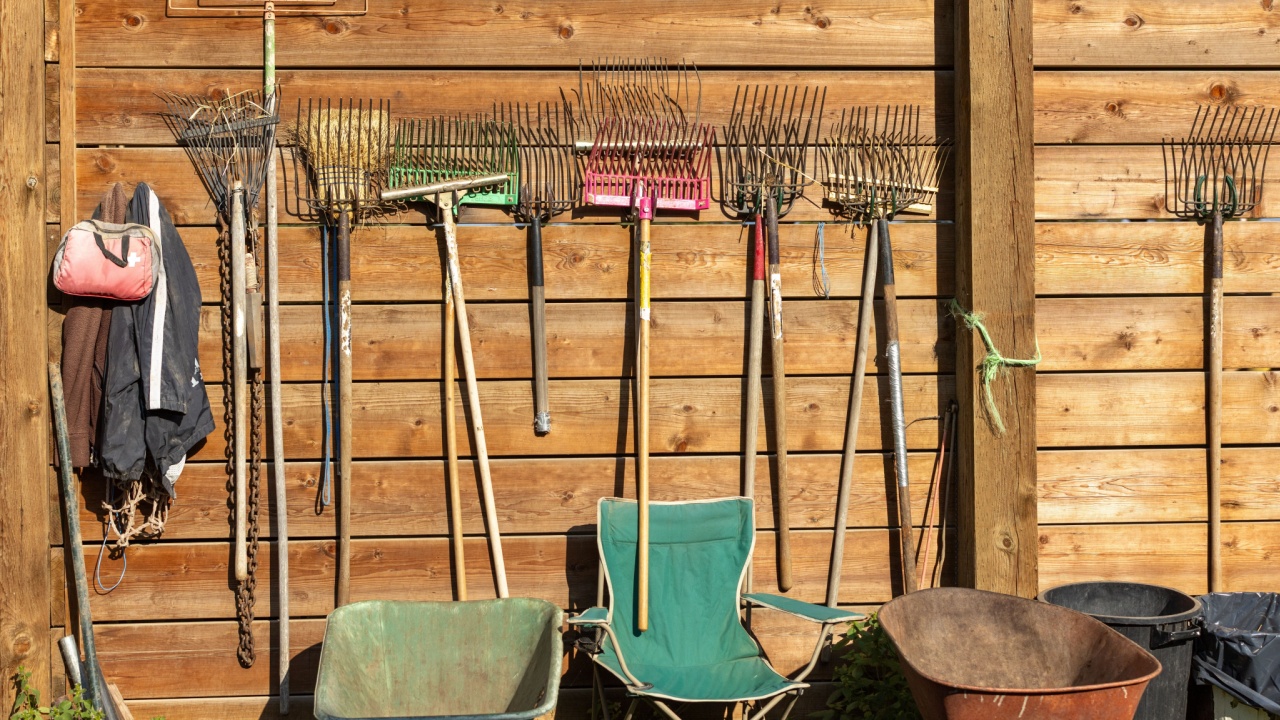
Just as extreme cold is bad for tools, so is extreme heat. Storing tools in direct sunlight or in a hot metal shed can cause a variety of problems. The sun’s UV rays can degrade and weaken plastic components, making them brittle and prone to cracking. For wooden handles, the heat can dry them out, causing them to shrink, crack, or splinter.
For power tool batteries, high heat is just as damaging as deep cold. It accelerates the aging process and can permanently reduce the battery’s lifespan and performance.
Quick Look:
- The Fix: Store tools in a cool, dry, and dark location. A garage, basement, or well-ventilated shed that doesn’t get direct afternoon sun is ideal.
- Next Steps: If your only storage option gets hot, consider using opaque storage bins or covering your tools with a tarp to shield them from direct UV exposure.
11. Tangling or Loosely Storing Cords and Cables

A tangled mess of extension cords and power tool cables is not just frustrating; it’s also damaging to the cords. Tightly wrapping cords around your arm or the tool itself can cause strain on the wires near the plug, leading to internal breaks. Throwing them in a pile can lead to knots and kinks that weaken the insulation and wiring over time.
A frayed or damaged cord is a serious electrical and fire hazard. Taking the time to coil and store them properly is a simple safety measure.
Quick Look:
- The Fix: Coil your cords in loose loops, using the “over-under” method to prevent twisting. Secure the coiled cord with a hook-and-loop strap, a piece of rope, or a dedicated cord wrap.
- Next Steps: Hang the coiled cords on hooks on the wall. This keeps them off the floor, free of tangles, and easy to grab when you need them.
12. Storing Tools with Garden Chemicals

Storing your shovels and shears next to bags of fertilizer or bottles of pesticide is a bad combination. Many garden chemicals, especially fertilizers, are corrosive. The fumes they emit can create a mini-atmosphere of corrosive agents in your shed, accelerating rust on any nearby metal tools.
Spills are another concern. A leaky bottle of herbicide could easily ruin the finish on a power tool or eat away at a metal blade. Keeping these two categories of items separate is a must for tool preservation.
Quick Look:
- The Fix: Designate separate storage areas for your tools and your garden chemicals. Ideally, chemicals should be stored in a locked, well-ventilated cabinet.
- Next Steps: Make sure all chemical containers are tightly sealed. Place them on shelves or in bins that would contain any potential leaks, protecting your floor and anything stored below.
13. Storing Tools Without Pest Protection

A dark, quiet shed filled with nooks and crannies is an open invitation for pests. Rodents love to chew on the plastic housings of power tools and the soft grips on handles. They can also build nests inside engine compartments or larger tools, causing unseen damage. Wasps and other insects are fond of building nests in sheltered spots on and around stored equipment.
Discovering a mouse nest in your new mower or a wasp nest on your favorite loppers is an unpleasant surprise. Taking a few preventative measures can keep your storage space critter-free.
Quick Look:
- The Fix: Seal any gaps or holes in your shed or garage to prevent pests from getting in. Keep the area clean and free of food sources like spilled grass seed or birdseed.
- Next Steps: Consider placing mouse traps or repellent packs in your storage area, especially during the fall and winter when pests are looking for shelter.
14. Piling Tools Instead of Storing Individually
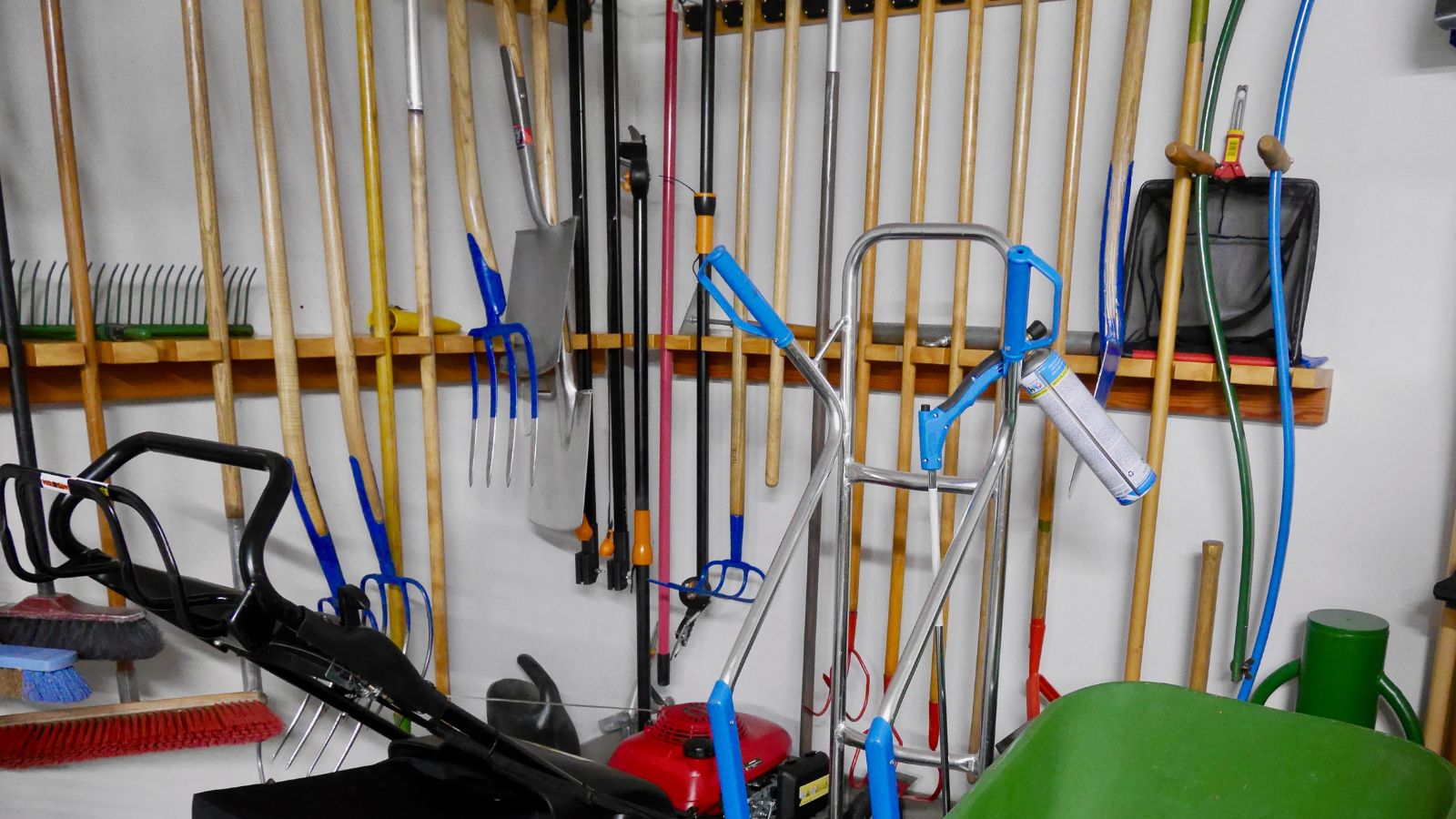
The fastest way to clean up is to just toss everything into a corner or a big bin. Unfortunately, this “tool pile” method is a fast track to damage. When tools are piled on top of one another, heavy items can bend or break lighter ones. Sharp edges can scratch and gouge handles and housings.
This jumble also makes finding the necessary tool a frustrating task. It can also be dangerous. You risk getting poked by a sharp tine or dropping a heavy tool on your foot while digging through the pile. Individual storage is the answer.
Quick Look:
- The Fix: Give each tool its own home. Use a pegboard with custom-fit hooks for hand tools, a wall rack for shovels and rakes, and dedicated shelves for power tools.
- Next Steps: Grouping tools by function can make your system even more efficient. Keep all your pruning tools in one area, your digging tools in another, and your power drills and saws together.
A Little Tool Care Goes a Long Way

Tools don’t fail because they’re old. They fail because they’re ignored. A cracked handle, a rusted hinge, a battery that won’t hold a charge; these are the results of habits, not accidents. Having the best tool for the job is excellent, but having a well-maintained tool is even better. If your shed is full of gear you once trusted, it’s time to change how you store it. Pick one corner, one shelf, one tool. Fix the system that’s failing it.