5 Things to Never Wear to Bed (And What to Wear)
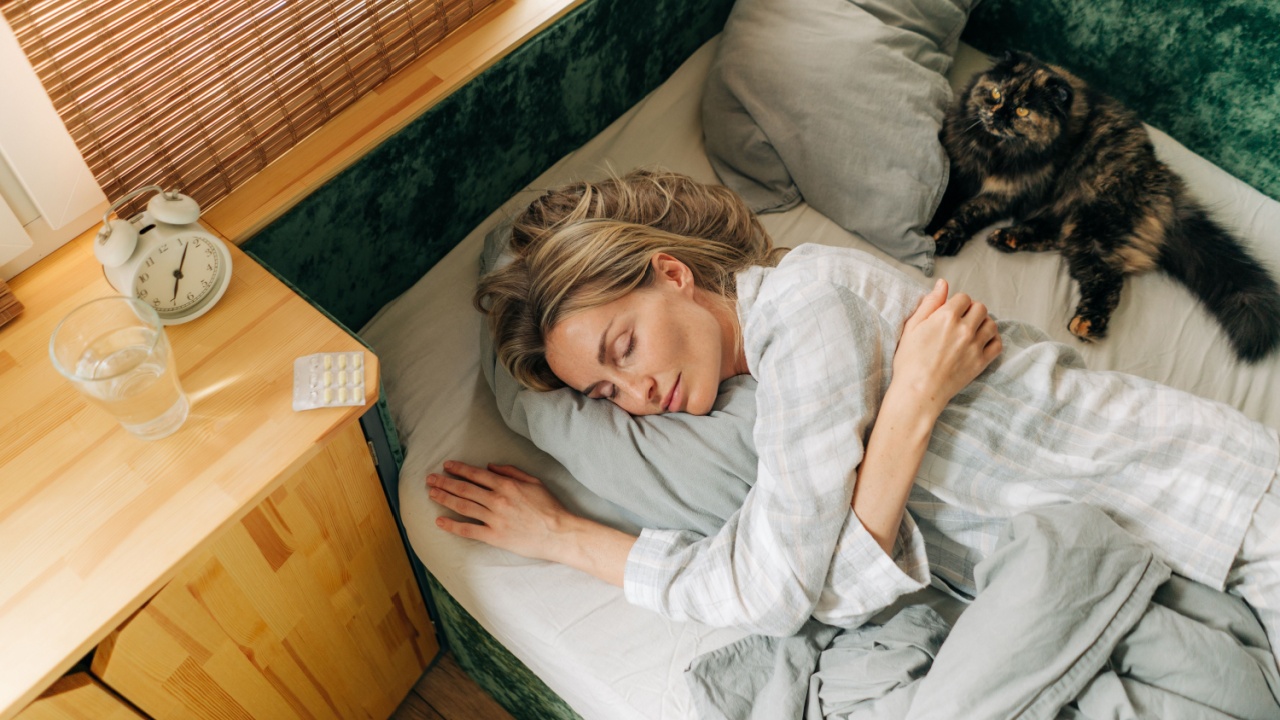
A good night’s sleep is one of the pillars of a healthy life, right up there with a balanced diet and regular exercise. You may focus on mattresses and blackout curtains to optimize our sleep environment, but what you wear to bed plays a just as crucial role.
The right sleepwear can help regulate body temperature and keep you comfortable, while the wrong choices can lead to overheating, skin irritation, and a restless night.
This guide will walk you through the best and worst things to slip into before you slip under the covers. We’ll explore six ideal options for promoting restful sleep and five common culprits that might be sabotaging your slumber. By the end, you’ll know exactly how to dress for a night of deep, uninterrupted rest.
Where We Got This Data
This article is based on insights from sleep medicine research, textile science, dermatology, and expert-backed lifestyle guidance. We reviewed findings from peer-reviewed studies and sleep health organizations to ensure accuracy. All recommendations reflect current best practices for comfort, hygiene, and sleep quality.
1. Nothing at All
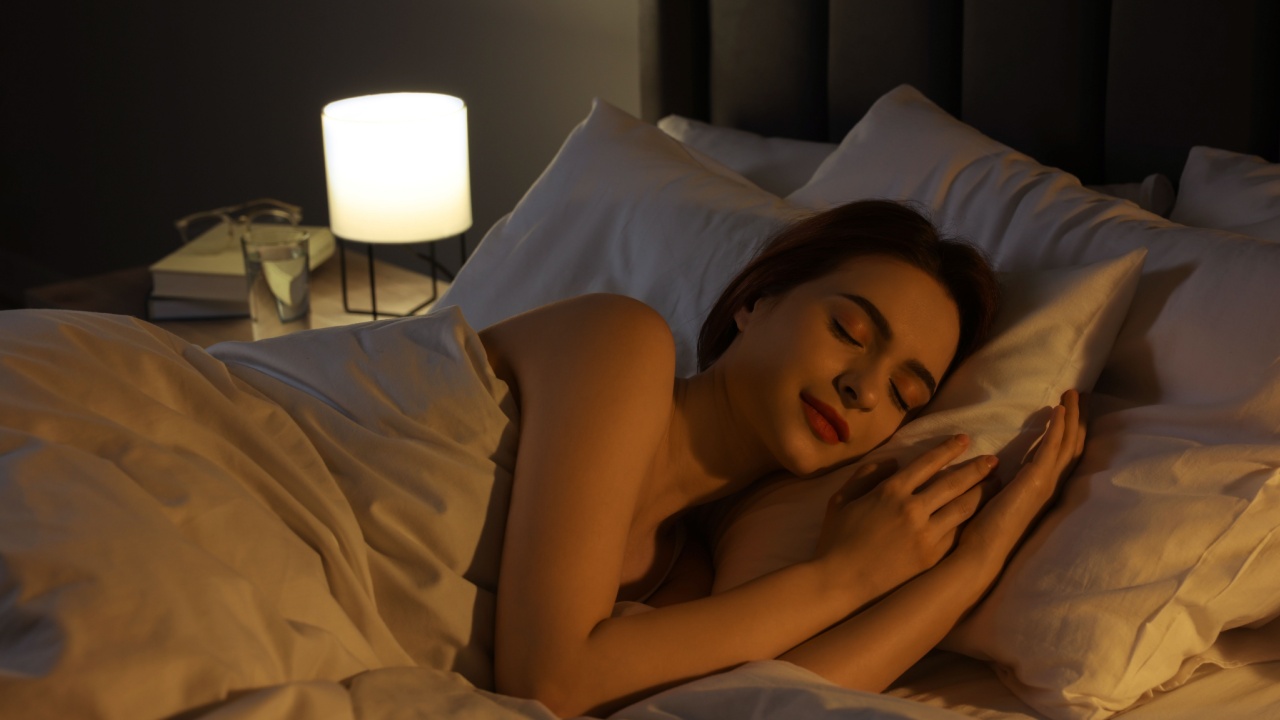
Sleeping in the buff has some science-backed benefits. The primary advantage is temperature regulation. Your body’s core temperature naturally drops to initiate sleep, and sleeping naked allows this process to happen without interference from insulating fabrics.
A 2014 study even suggests that keeping cool at night can increase your metabolism by activating brown fat, which burns calories to generate heat, preventing weight gain. It can also improve skin health by allowing it to breathe, reducing the risk of fungal infections.
However, this option isn’t for everyone. You need to be comfortable with your sleeping environment, and it requires more frequent washing of your bedding to maintain hygiene. If you have sensitive skin, the friction from sheets might be irritating.
Best for: Hot sleepers, those looking to improve skin health, or anyone wanting to feel a little freer at night.
Care tip: Wash your sheets at least once a week in hot water to keep your sleeping environment clean and fresh.
2. Cotton Pajamas
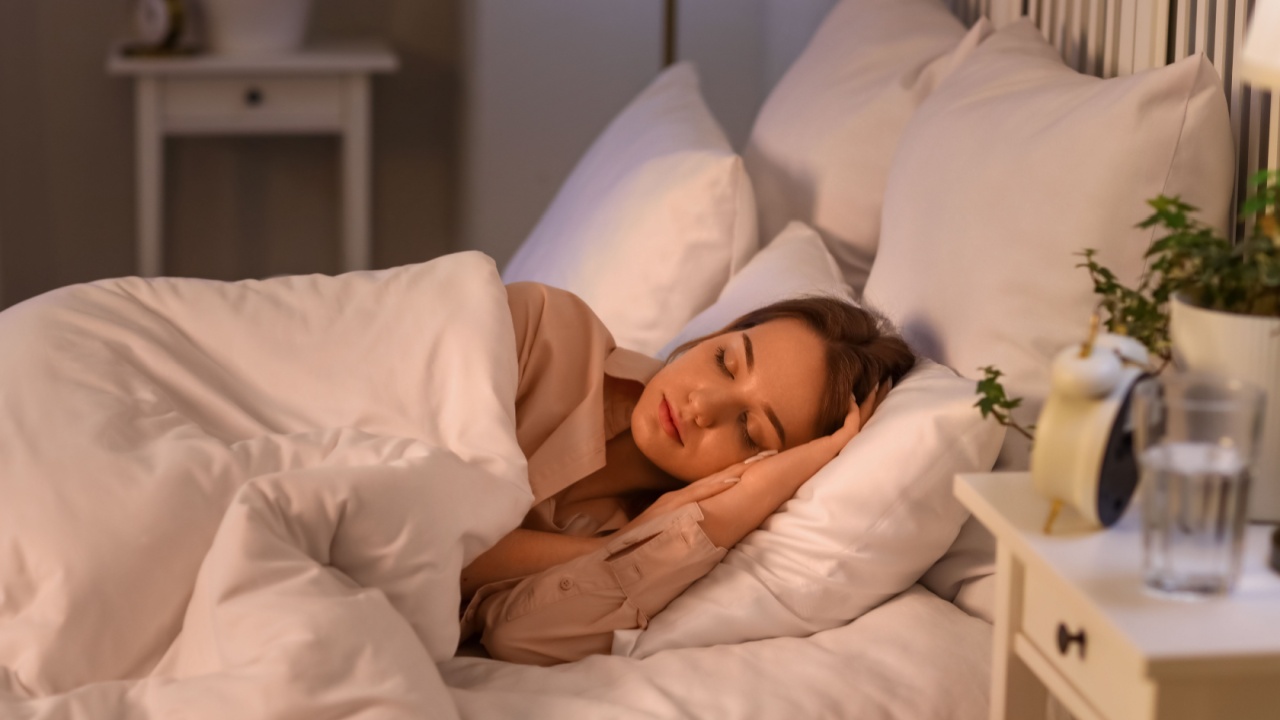
Cotton is a classic for a reason: it’s soft, lightweight, and incredibly breathable. This natural fiber allows air to circulate, keeping you cool and comfortable all night. It’s also hypoallergenic and gentle on sensitive skin.
While cotton is a reliable choice for year-round comfort, be aware that it doesn’t wick moisture well. If you sweat a lot, it can absorb dampness, making you feel cold and clammy.
Best for: Almost everyone, especially in mild to warm climates.
Care tip: To prevent shrinking, wash cotton sleepwear in cold water and tumble dry on a low setting.
3. Silk or Satin Sleepwear
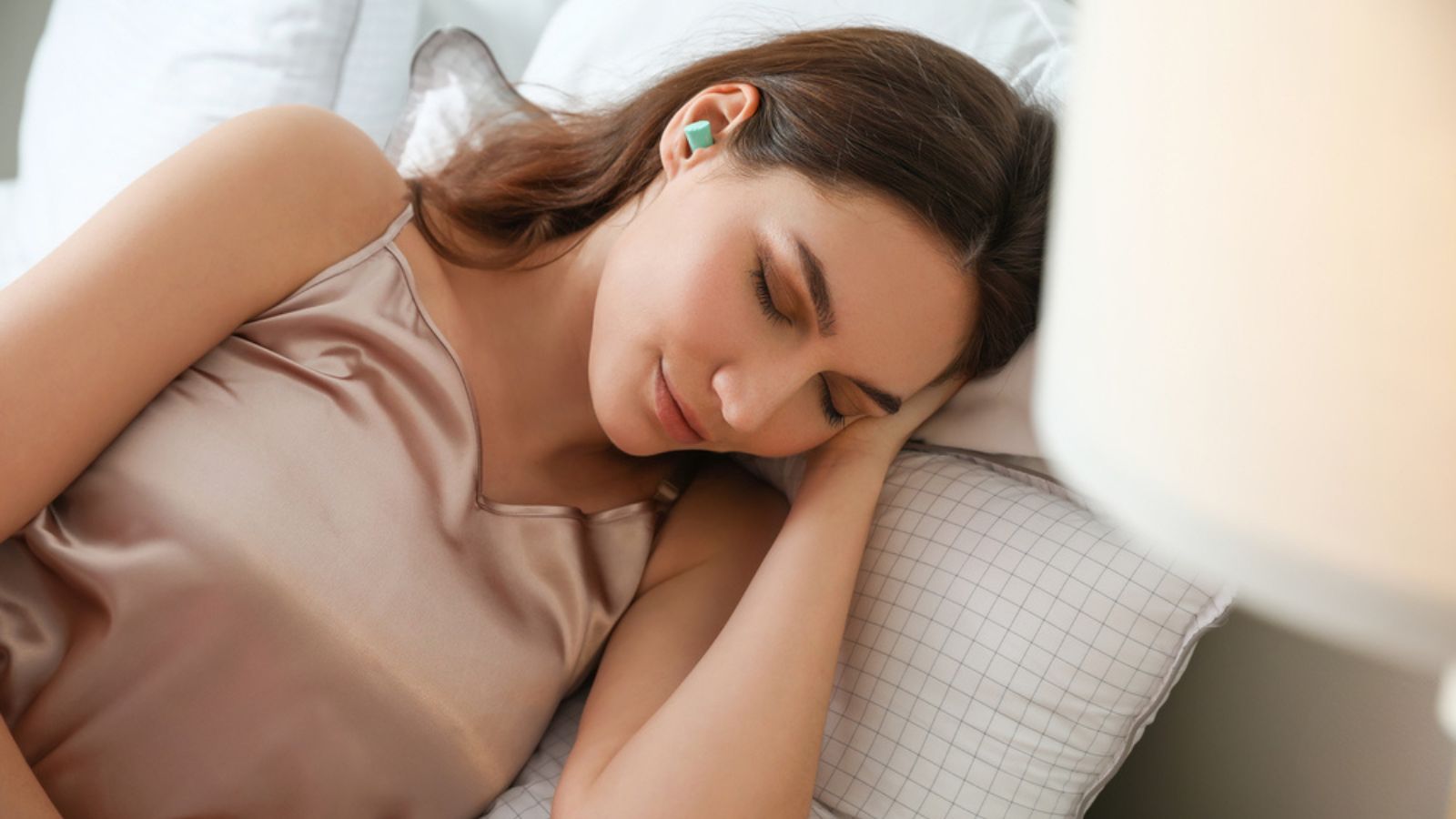
Silk adds a touch of luxury to your bedtime routine with its natural thermoregulating properties, keeping you cool in the heat and warm in the cold. Its smooth texture reduces friction, helping prevent sleep lines and hair tangles, and can be soothing for sensitive skin.
The downside? It’s pricey and requires delicate care. Satin offers a cheaper alternative with a similar feel but lacks silk’s breathability, which may cause overheating.
Best for: People with sensitive skin, those looking for temperature regulation, or anyone wanting a bit of everyday luxury.
Care tip: Hand-wash silk in cool water with a gentle detergent or use the delicate cycle on your machine. Always air-dry away from direct sunlight.
4. Bamboo Fabric Pajamas
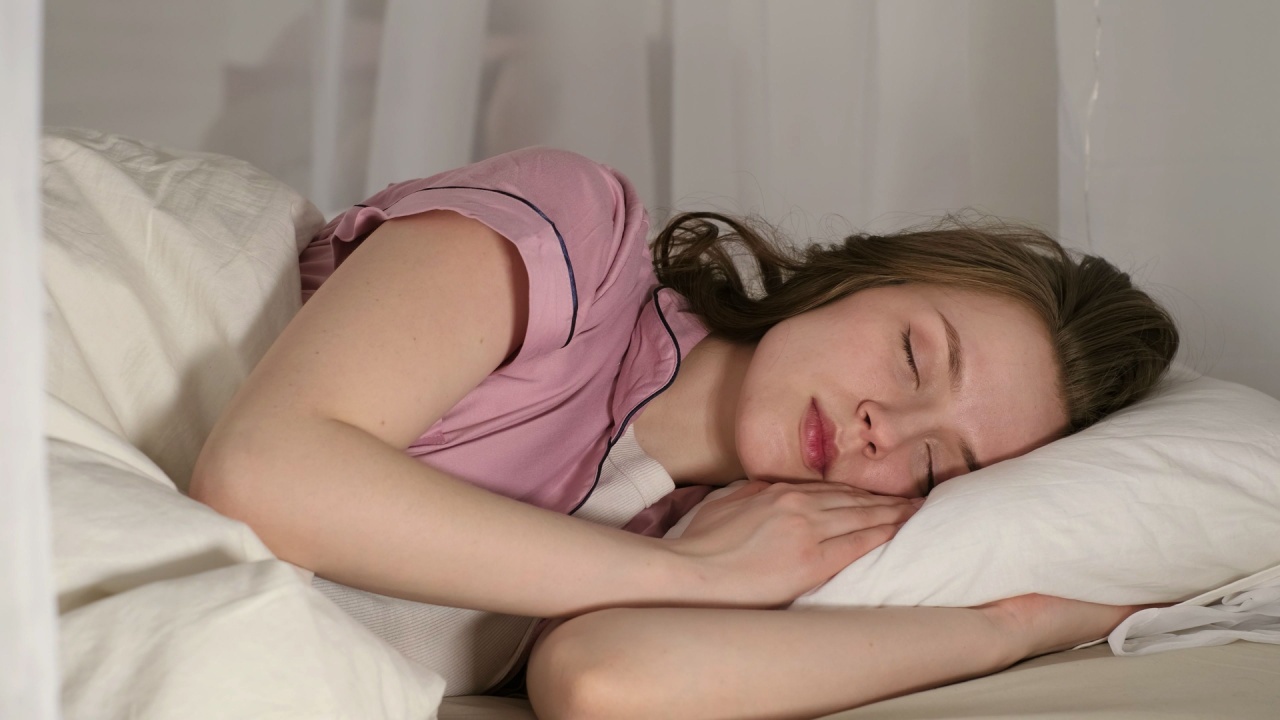
Bamboo is quickly gaining popularity in textiles, and it’s easy to see why. Bamboo viscose pajamas are incredibly soft, breathable, and moisture-wicking, perfect for hot sleepers or those with night sweats.
The fabric is hypoallergenic, naturally antibacterial, and keeps sleepwear fresher longer. Plus, bamboo is a sustainable resource, growing quickly without pesticides or excessive water, an eco-friendly choice for your wardrobe.
Best for: Hot sleepers, individuals with sensitive skin, and the eco-conscious.
Care tip: Wash in cold water on a gentle cycle and tumble dry on low. Avoid fabric softeners, as they can break down the natural fibers.
5. Loose T-shirt and Shorts
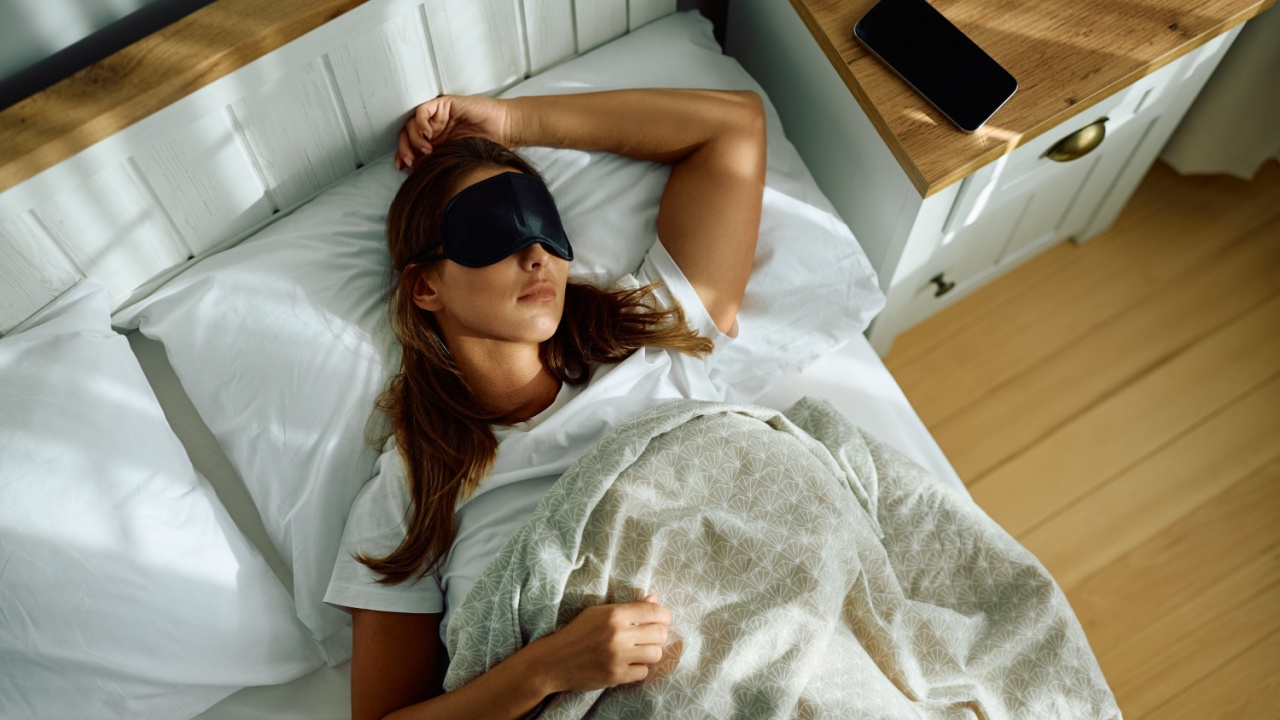
Sometimes, simplicity is best. A loose-fitting t-shirt paired with comfortable shorts or boxers is a go-to for many. This combination offers freedom of movement and allows for plenty of air circulation. The key is to choose pieces made from breathable fabrics like cotton or a cotton-modal blend and to ensure they aren’t restrictive. A loose fit prevents any constriction of blood flow and allows your skin to breathe easily.
This option is easily customizable. You can mix and match pieces depending on the season, opting for long-sleeved shirts or flannel bottoms when it gets colder.
Best for: Anyone who prioritizes comfort and freedom of movement.
Care tip: Care depends on the fabric, but for cotton or blends, a cold wash and low tumble dry is usually sufficient.
6. Flannel Pajamas

When winter arrives and the temperature plummets, there’s nothing quite like cozying up in a warm set of flannel pajamas. Flannel is a soft, woven fabric, typically made from cotton, that is brushed to create extra softness and trap air, providing excellent insulation.
It keeps you warm without causing you to overheat, thanks to the natural breathability of the cotton fibers. A classic flannel pajama set can make you feel snug and secure on the coldest nights.
Best for: Cold sleepers or for keeping warm during the winter months.
Care tip: Wash flannel inside out in cool or warm water to reduce pilling. Tumble dry on low heat to maintain its softness.
And 5 Things to Avoid Wearing to Bed: 1. Tight Clothing
Anything too restrictive is a bad idea for sleep. Tight clothing, whether it’s skinny-fit pajama pants, compression tops, or snug shorts, can interfere with circulation and breathing.
For women, wearing tight underwear can also create a warm, moist environment that may increase the risk of yeast infections.
Key Takeaways
- Avoid tight clothing for better circulation and comfort.
- Restricted movement can disrupt sleep.
- Tight underwear may increase the risk of yeast infections in women.
2. Underwire or Tight Bras
While the myth that wearing a bra to bed causes cancer has been debunked, it’s still not a great idea for comfort. Underwire can dig into your skin, and a tight band can restrict breathing, making it difficult to get comfortable. If you prefer some support at night, opt for a soft, wire-free bralette made from a breathable material like cotton.
Key Takeaway:
- Choose a wire-free bralette for gentle support.
- Look for breathable fabrics like cotton.
- Prioritize comfort to improve sleep quality.
3. Synthetic, Non-Breathable Fabrics
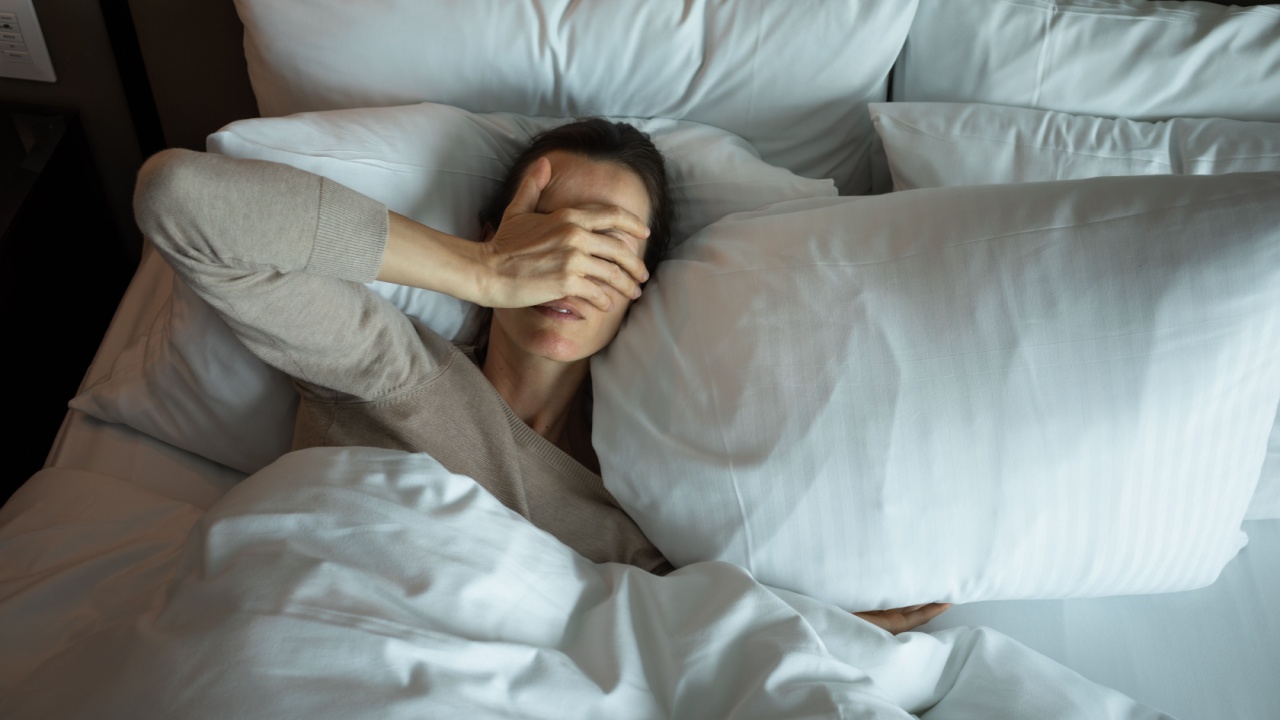
Fabrics like polyester, nylon, and certain types of rayon are not your friends at night. These synthetic materials are not breathable and tend to trap heat and moisture against your skin. This can quickly lead to overheating and sweating, disrupting your sleep cycle and leaving you feeling clammy and uncomfortable.
Key Takeaway:
- Avoid synthetic fabrics like polyester, nylon, and rayon.
- These materials trap heat and moisture.
- They can cause overheating, sweating, and discomfort.
4. Heavy Sweatsuits
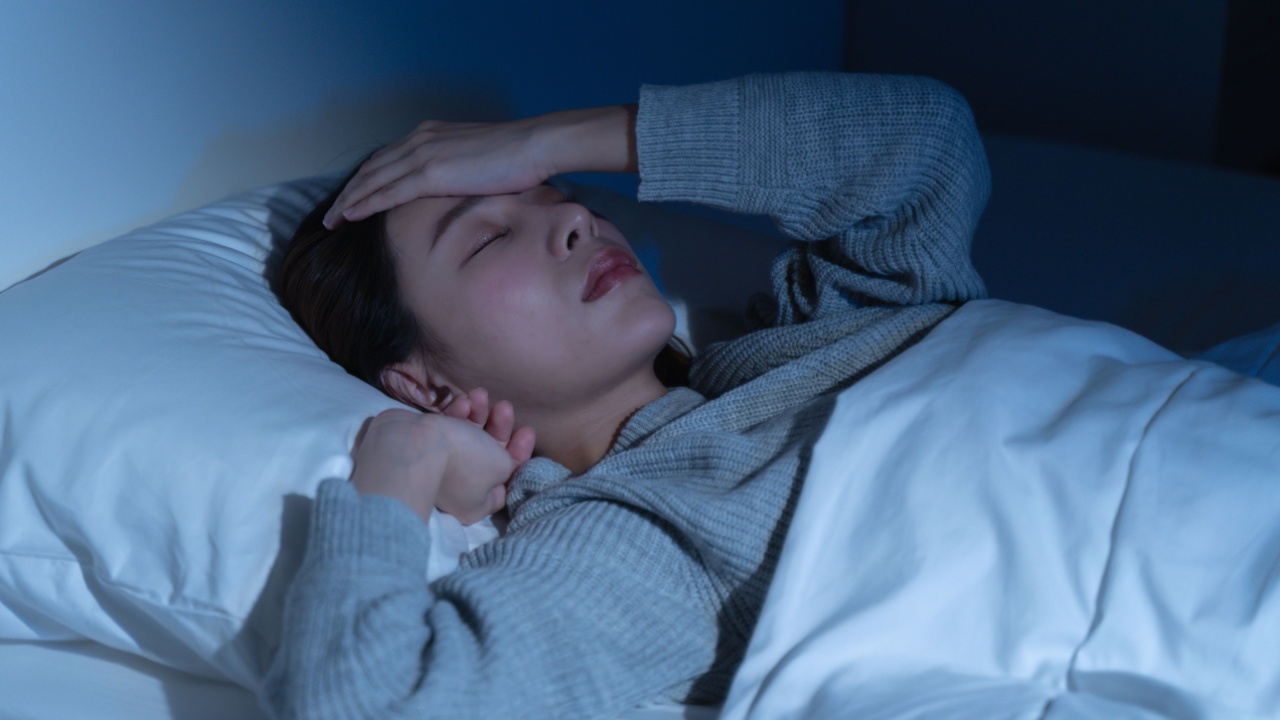
While a comfy sweatsuit might seem like the ultimate cozy loungewear, it’s often too heavy for sleeping. The thick fabric can cause you to overheat quickly once you’re under the covers. If your body temperature gets too high, your sleep quality will suffer, as your body needs to cool down to enter and maintain deep sleep.
Key Takeaway:
- Sweatsuits are too heavy for sleeping.
- Thick fabric causes overheating.
- High body temperature harms sleep quality.
5. Dirty Clothes

It might be tempting to just crawl into bed with the t-shirt and leggings you wore all day, but it’s not a great habit. Your daytime clothes collect sweat, oils, dirt, and bacteria throughout the day.
Bringing all of that into your bed can lead to skin irritation, breakouts, and an unhygienic sleep environment. Always change into clean, designated sleepwear to keep your skin and your bed fresh.
Key Takeaway:
- Don’t sleep in your day clothes.
- They carry sweat, dirt, and bacteria into your bed.
- This can lead to skin irritation and an unhygienic sleep space.
Upgrade Your PJs for Better Sleep

Choosing the right sleepwear is a simple yet powerful step toward better sleep and overall health. By prioritizing comfort and breathability, you can create the perfect conditions for a restorative night. Now that you’re armed with this knowledge, take a look at your pajama drawer and see if it’s time for an upgrade. Your well-rested self will thank you.