
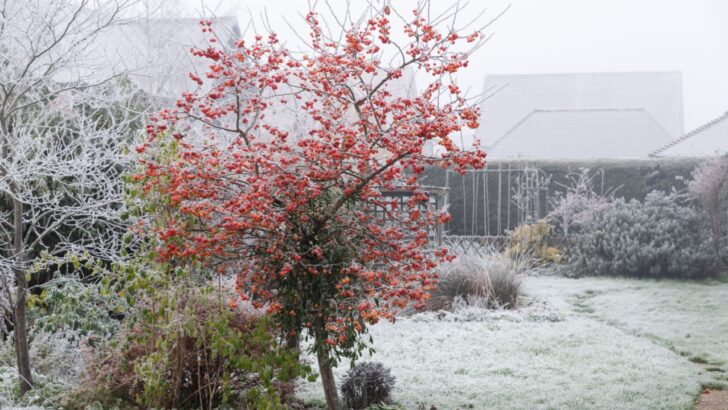
Winter is beautiful in its own pale ways, but when lush, leafy trees suddenly stand bare and stark against gray skies, an otherwise vibrant yard can seem a bit glum. It’s easy to assume the garden’s charm hibernates for months. Luckily, winter doesn’t have to mean looking out at a collection of forlorn branches. The show in the landscape doesn’t stop when the temperatures dip. Some trees come alive even as others take a well-needed break.
A truly year-round garden needs structure and color, even in the coldest months. This is where evergreen and special deciduous trees come to the rescue. They provide that much-needed visual interest when everything else has retreated. These are great if you are looking for your winter garden to look like more than a yard full of sticks. Here are 10 trees that stay up looking pretty all winter.
1. Paperbark Maple (Acer griseum)
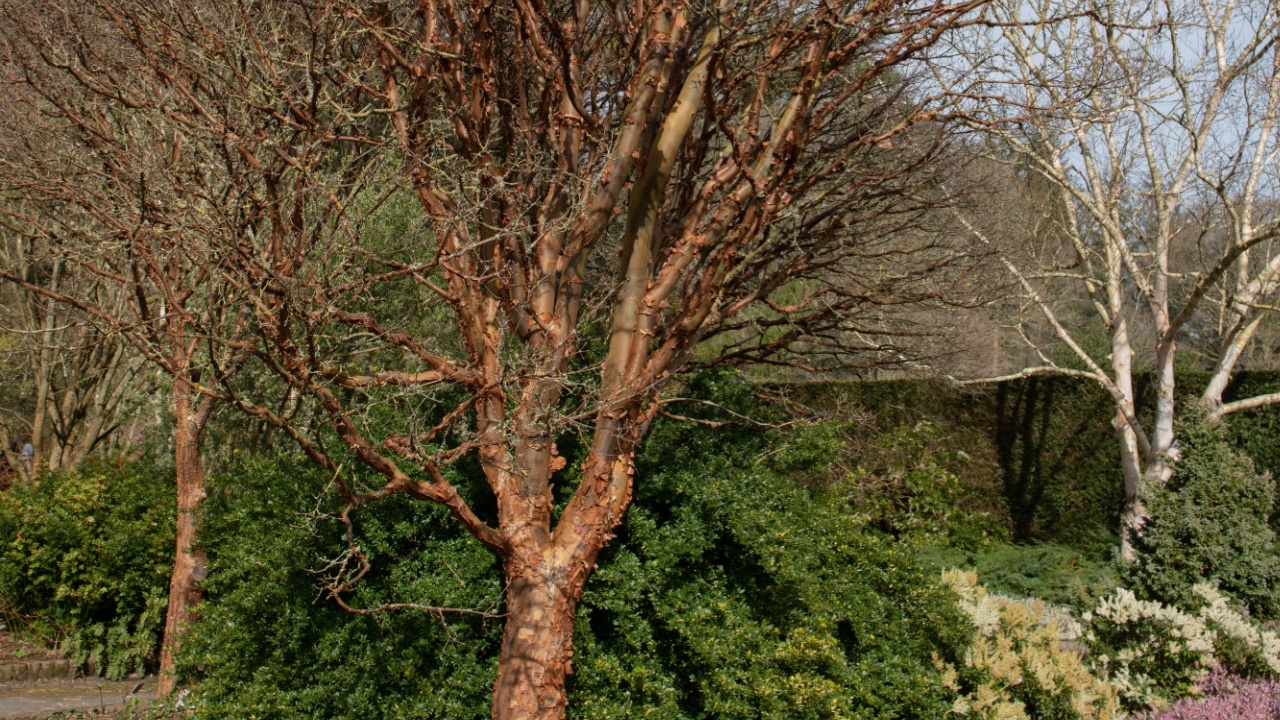
Image Credit: Shutterstock.
This tree is the supermodel of the winter garden. While other maples are famous for their autumn leaves, the Paperbark Maple has a secret weapon: its bark. The stunning, peeling, cinnamon-colored bark exfoliates in thin, paper-like sheets, revealing a smoother, tan-colored trunk underneath. When it’s backlit by the low winter sun, the whole tree seems to glow. It’s absolutely mesmerizing.
This is a smaller, slow-growing tree, which makes it perfect for suburban yards or as a focal point in a garden bed. It provides delicate, filtered shade in the summer and a spectacular structural show in the winter. I planted one where I can see it from my kitchen, and it makes washing dishes a lot more scenic.
Quick Look:
- Why It’s Great: Exfoliating, copper-colored bark creates incredible winter texture and color.
- Hardiness Zones: 4-8.
- Sunlight: Full sun to partial shade.
- Care Tips: Water it regularly during its first few years to establish a strong root system. It prefers well-drained soil and doesn’t require much pruning once established. Just sit back and enjoy the show.
2. River Birch (Betula nigra)
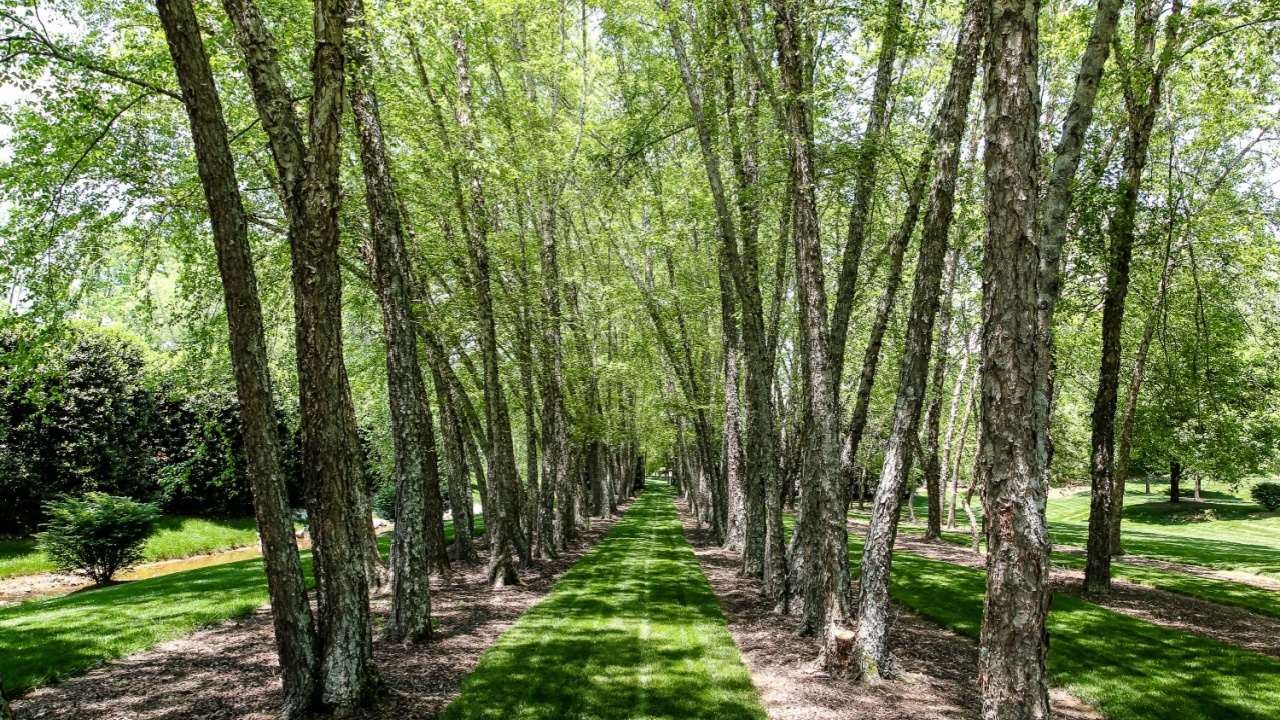
Image Credit: Shutterstock.
If the Paperbark Maple is a supermodel, the River Birch is its rugged, handsome cousin. This tree is famous for its peeling bark that curls away in creamy, salmon-pink, and brown sheets. It adds a ton of texture and movement to the winter landscape. Unlike some birches that are prone to pests, the ‘Heritage’ cultivar is particularly resistant to the bronze birch borer, making it a reliable choice.
The River Birch is a fast grower and loves moisture, so it’s a fantastic option if you have a damp spot in your yard where other trees might struggle. Its multi-stemmed form creates a beautiful, sculptural shape that catches snow in the most delightful way.
Quick Look:
- Why It’s Great: Shaggy, multi-toned peeling bark provides year-round interest.
- Hardiness Zones: 4-9.
- Sunlight: Full sun to partial shade.
- Care Tips: This tree is thirsty! Give it plenty of water, especially in dry conditions. It’s adaptable to many soil types but performs best in slightly acidic soil.
3. Colorado Blue Spruce (Picea pungens)
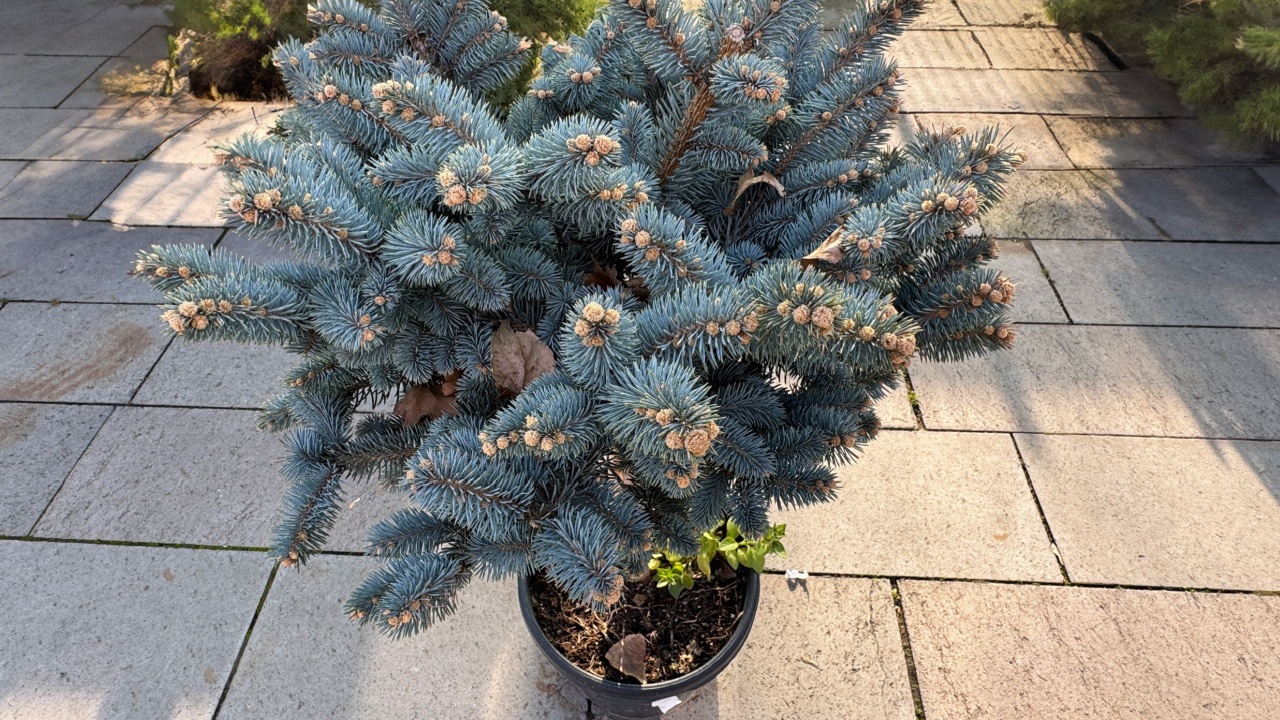
Image Credit: Shutterstock.
You can’t have a winter beauty list without the showstopping Colorado Blue Spruce. Its needles have a distinct silvery-blue hue that looks absolutely electric against a blanket of fresh snow. It’s the kind of tree that makes you want to string up some lights and start singing carols, no matter the month.
Its strong, pyramidal shape provides excellent structure and serves as a fantastic windbreak. It also offers shelter for birds during harsh weather. There are many cultivars available, from towering giants to compact dwarf varieties, so you can find one that fits your space perfectly.
Quick Look:
- Why It’s Great: Striking blue-silver needles and a classic conical shape.
- Hardiness Zones: 2-7.
- Sunlight: Full sun.
- Care Tips: It’s quite drought-tolerant once established. Ensure it has good air circulation to prevent fungal diseases. Avoid planting it too close to other trees or buildings.
4. Red Osier Dogwood (Cornus sericea)
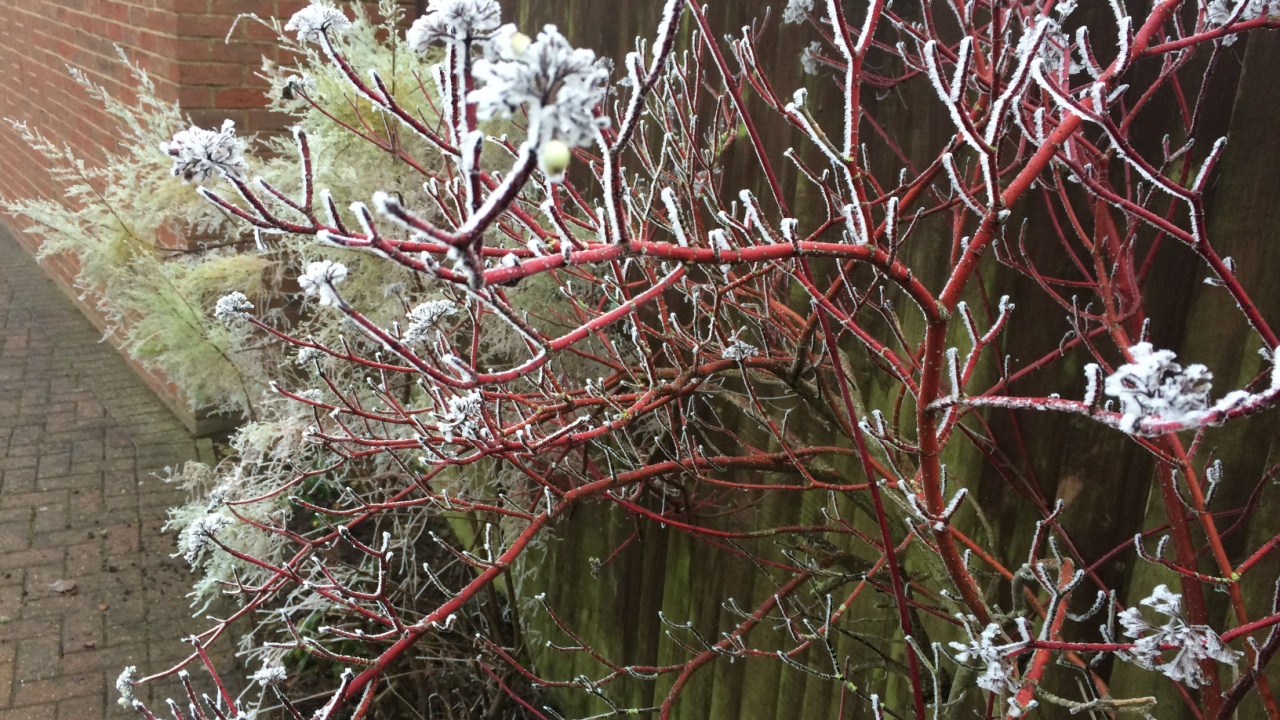
Image Credit: Shutterstock.
Okay, technically this is a large shrub, but it behaves like a small tree and is too spectacular to leave off the list. While it’s pleasant in the summer with its green leaves and white flowers, this dogwood truly comes alive after the first hard frost. Its stems turn a brilliant, fiery red that looks like a bundle of flames in the snowy landscape.
For the most intense color, you’ll want to prune it back every few years, as the new growth is the most vibrant. Planting a group of them together creates a stunning visual mass that is simply unmatched for winter color.
Quick Look:
- Why It’s Great: Intense red stems provide a powerful pop of color.
- Hardiness Zones: 2-7.
- Sunlight: Full sun to partial shade. Full sun gives the best stem color.
- Care Tips: Thrives in moist, well-drained soil. Prune out about a third of the oldest stems in early spring to encourage new, colorful growth.
5. Hawthorn (Crataegus)
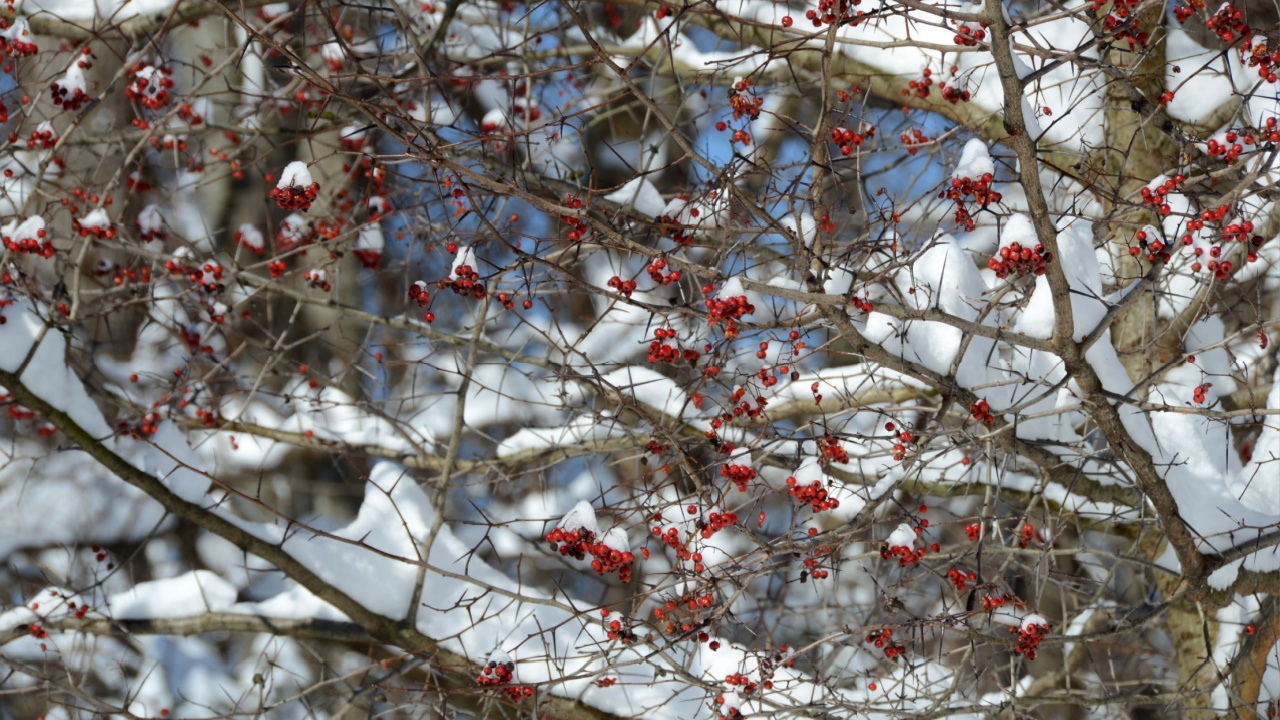
Image Credit: Shutterstock.
The Hawthorn is a tough, practical tree that moonlights as a winter beauty. After its leaves drop, it holds onto clusters of bright red berries, called haws. These berries persist deep into winter, providing a vital food source for birds like robins and waxwings. A Hawthorn covered in snow and dotted with red berries is the definition of a winter postcard.
Beyond its berries, the Hawthorn has a dense, often thorny, branching structure that creates an interesting silhouette. It’s a hardy tree that can handle a variety of conditions, making it a low-maintenance choice for adding winter life to your garden.
Quick Look:
- Why It’s Great: Persistent red berries that feed birds and add color.
- Hardiness Zones: 3-7, depending on the species.
- Sunlight: Full sun.
- Care Tips: Very adaptable and tolerant of poor soil and drought once established. Prune in late winter or early spring to shape it and remove any dead or crossing branches.
6. Crabapple (Malus)
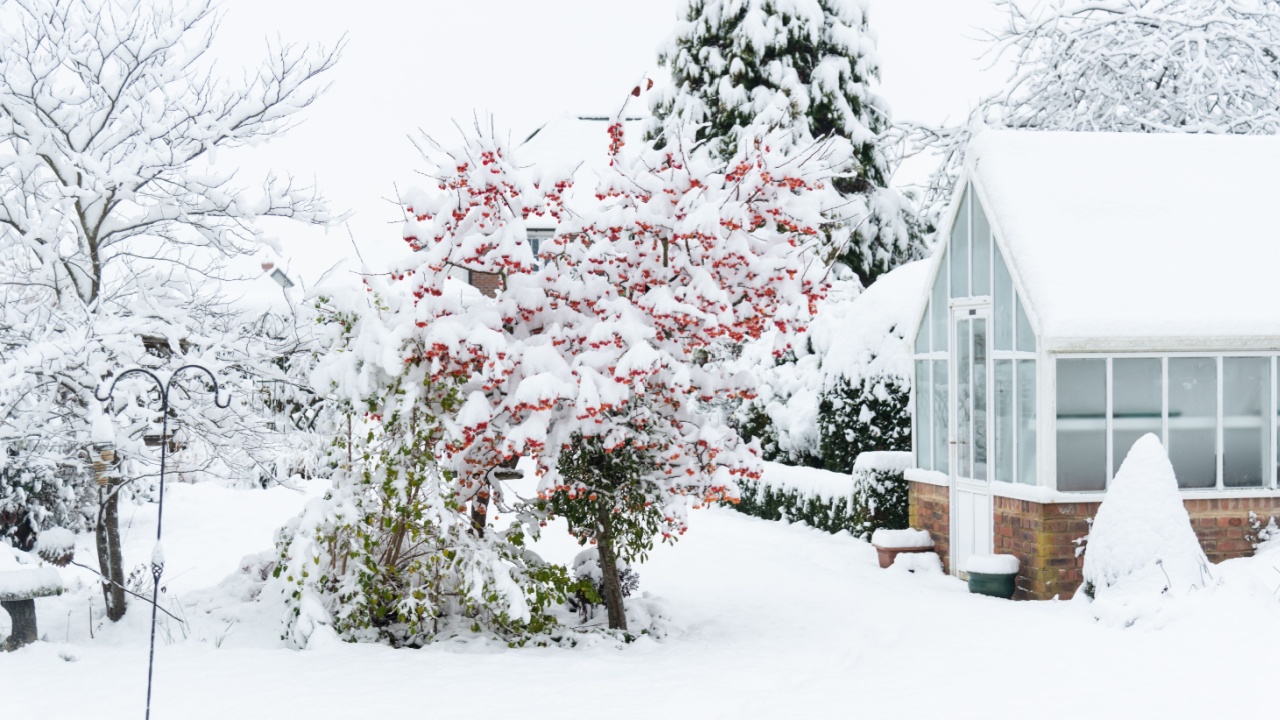
Image Credit: Shutterstock.
Crabapple trees are beloved for their spring blossoms, but their winter appeal is seriously underrated. Many varieties hold onto their tiny, jewel-like fruits long after the leaves have fallen. These miniature “apples” come in shades of red, orange, and yellow, hanging like ornaments on the bare branches.
Watching birds flock to a Crabapple tree on a cold day is a joy. The fruits not only provide a splash of color but also a feast for wildlife. Look for disease-resistant cultivars like ‘Prairifire’ or ‘Red Jewel’ that are known for their fruit persistence.
Quick Look:
- Why It’s Great: Abundant, colorful, persistent fruit that decorates the tree and feeds wildlife.
- Hardiness Zones: 4-8.
- Sunlight: Full sun for the best fruit and flower production.
- Care Tips: Plant in well-drained soil. Regular pruning to open up the canopy can improve air circulation and reduce disease risk.
7. Harry Lauder’s Walking Stick (Corylus avellana ‘Contorta’)
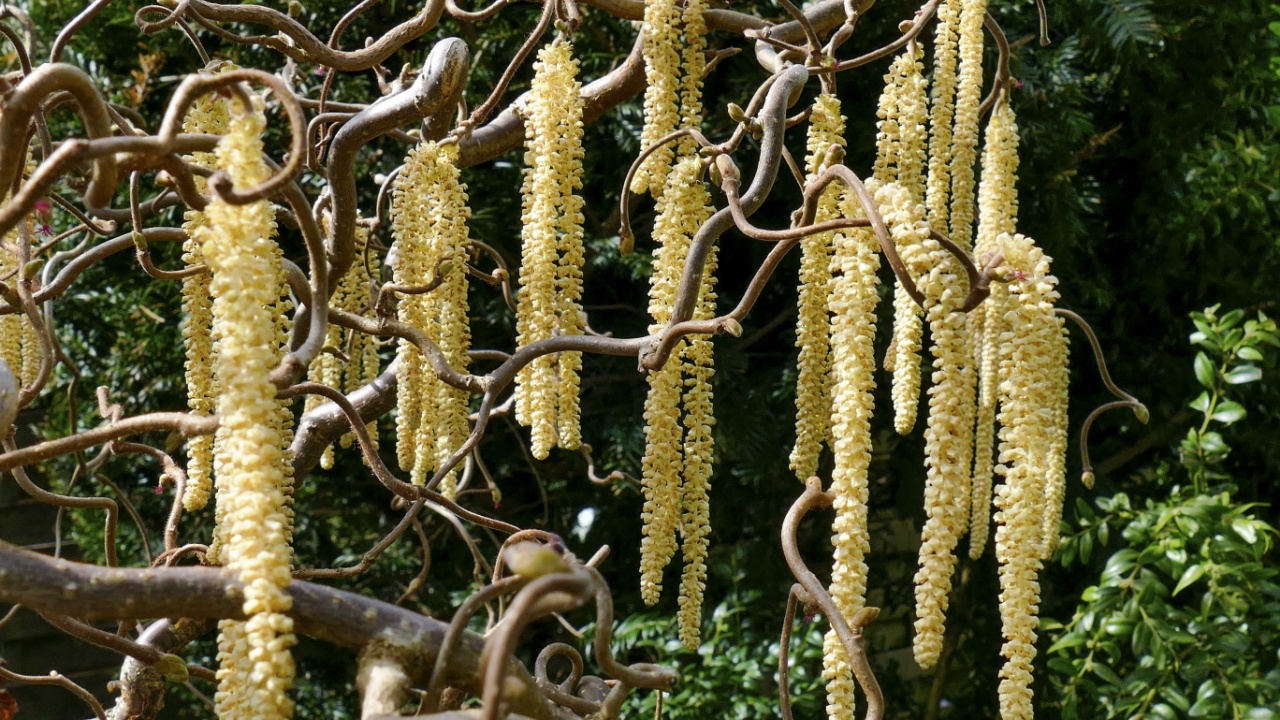
Image Credit: Shutterstock.
This one is for those who appreciate the wonderfully weird. This small tree has some of the most fascinating branches you will ever see. They twist, curl, and spiral in every direction, creating a living sculpture in the garden. Its form is interesting in the summer, but it’s in the winter, when the leaves are gone, that its true architectural genius is revealed.
In late winter, it produces long, dangling catkins that add another layer of grace and movement. It’s a slow grower and stays relatively small, making it an excellent specimen for a mixed border or a large container.
Quick Look:
- Why It’s Great: Unique, dramatically twisted branches create a stunning winter silhouette.
- Hardiness Zones: 4-8.
- Sunlight: Full sun to partial shade.
- Care Tips: It’s prone to suckers from the rootstock, which have straight branches. Prune these away as soon as you see them to maintain the contorted form.
8. Weeping Blue Atlas Cedar (Cedrus atlantica ‘Glauca Pendula’)
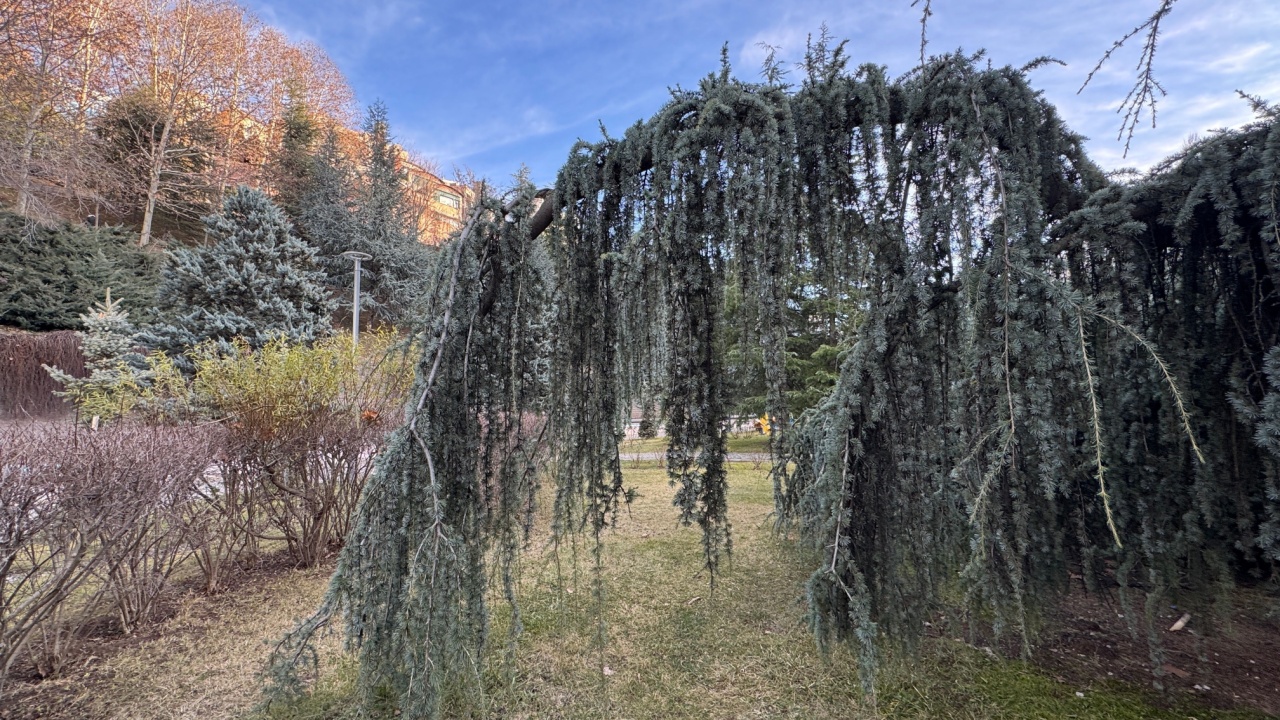
Image Credit: Shutterstock.
If you want drama, this is your tree. The Weeping Blue Atlas Cedar is a true statement piece. It has no central leader, so its form is entirely dependent on how you train it when it’s young. The branches, covered in beautiful silvery-blue needles, weep dramatically toward the ground, creating a flowing, waterfall-like effect.
Each tree is unique, with a winding, sculptural trunk and cascading branches. It looks magnificent year-round, but its form is especially pronounced in winter, when it can become a living ice sculpture after a frost.
Quick Look:
- Why It’s Great: A true weeping habit combined with icy-blue needles creates an unforgettable structural element.
- Hardiness Zones: 6-9.
- Sunlight: Full sun.
- Care Tips: Needs well-drained soil; it dislikes wet feet. Stake it to the desired height when young, then let the branches weep naturally.
9. American Holly (Ilex opaca)
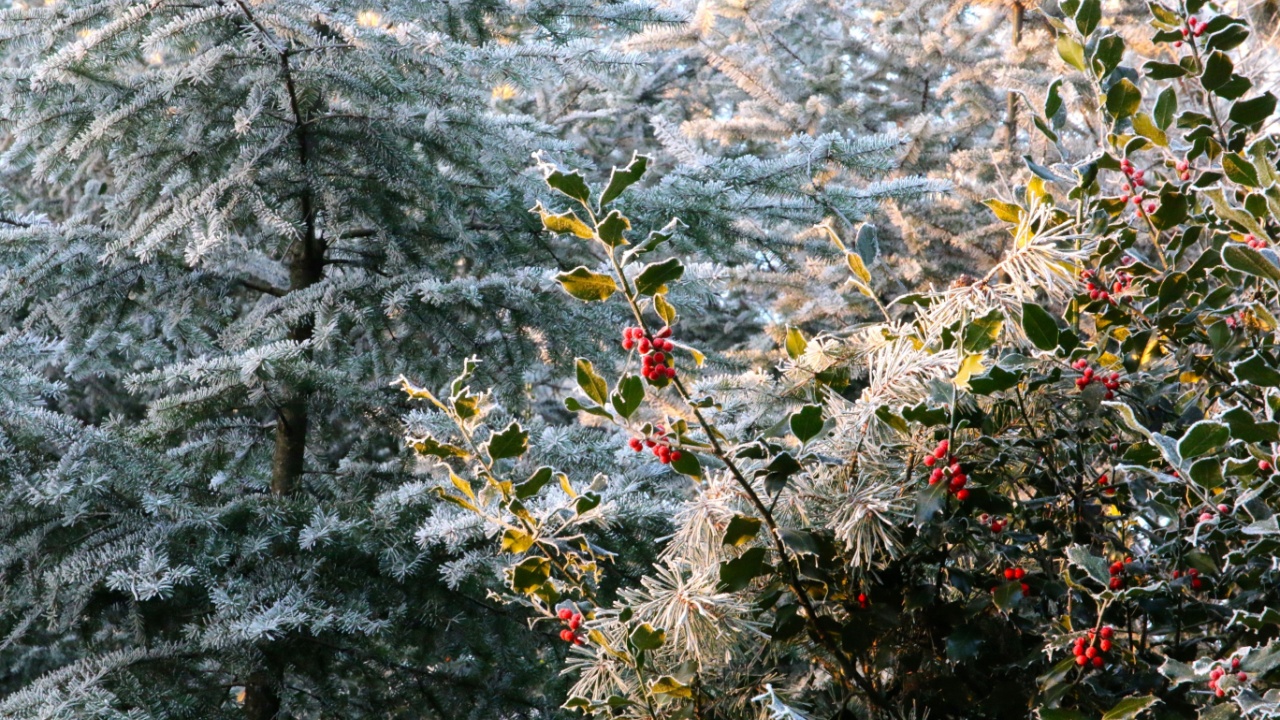
Image Credit: Shutterstock.
What says “winter” more than the glossy green leaves and bright red berries of a holly tree? The American Holly is a broadleaf evergreen, meaning it keeps its leaves all year, providing a dense screen and a splash of green when the world is brown and gray. In winter, the female trees are covered in vibrant red berries that are both beautiful and a favorite of many bird species.
It’s a classic for a reason. Its dense foliage provides excellent shelter for wildlife, and its berries are a crucial food source. Just remember, you need both a male and female plant to get those iconic berries.
Quick Look:
- Why It’s Great: Classic combination of glossy evergreen leaves and brilliant red berries.
- Hardiness Zones: 5-9.
- Sunlight: Full sun to partial shade.
- Care Tips: Prefers acidic, moist, well-drained soil. Plant at least one male tree for every three to five female trees to ensure pollination and berry production.
10. Japanese Stewartia (Stewartia pseudocamellia)
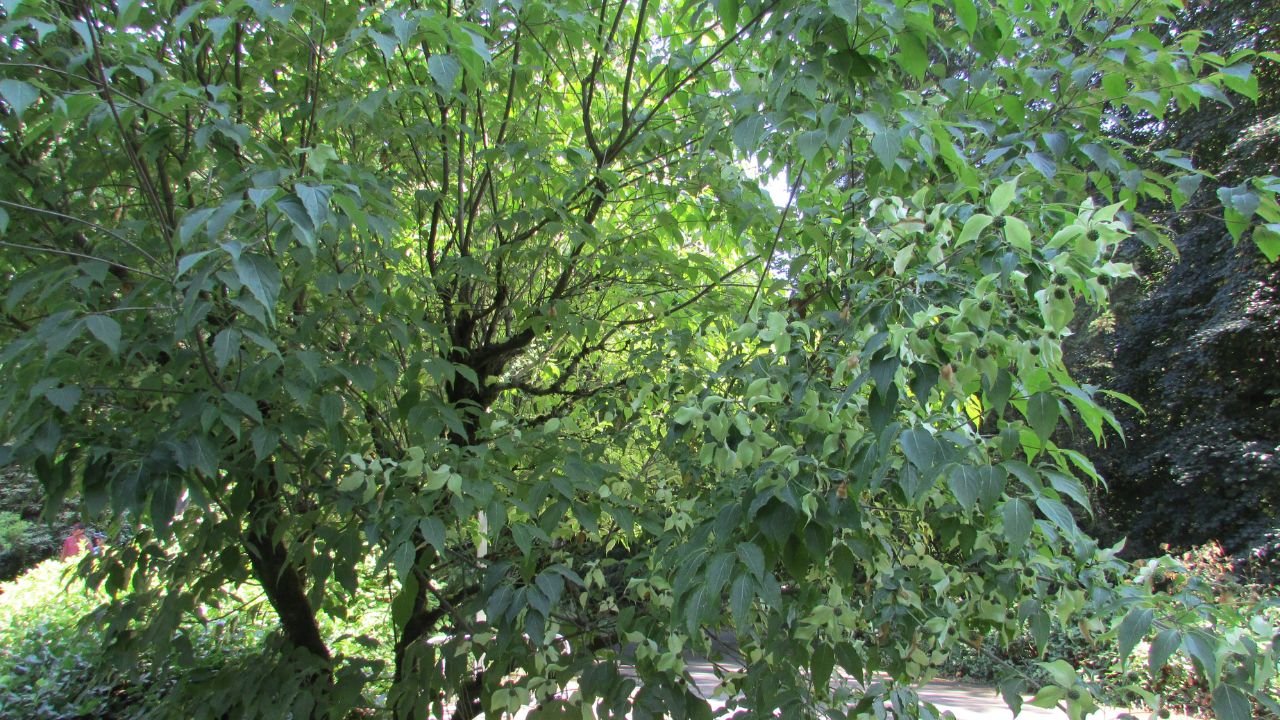
Photo Credit: Chris Light – Own work – CC BY-SA 4.0/Wiki Commons.
This is a tree for the patient gardener, but it rewards you with beauty in every single season. In winter, its main attraction is its mottled, exfoliating bark that displays a camouflage-like pattern of gray, brown, and orange. The smooth, muscular look of the trunk and branches gives it a powerful presence.
The Japanese Stewartia also has a graceful, pyramidal shape that provides excellent structure. It’s a sophisticated tree that offers a more subtle kind of winter beauty compared to the bright colors of berries or stems, but it’s no less captivating.
Quick Look:
- Why It’s Great: Exquisite, multicolored, peeling bark on a beautifully structured frame.
- Hardiness Zones: 5-8.
- Sunlight: Partial shade is ideal, especially protection from hot afternoon sun.
- Care Tips: It can be a bit particular. It requires moist, acidic, well-drained soil rich in organic matter. It does not like to be transplanted, so choose its permanent home wisely.
Bringing Your Winter Garden to Life
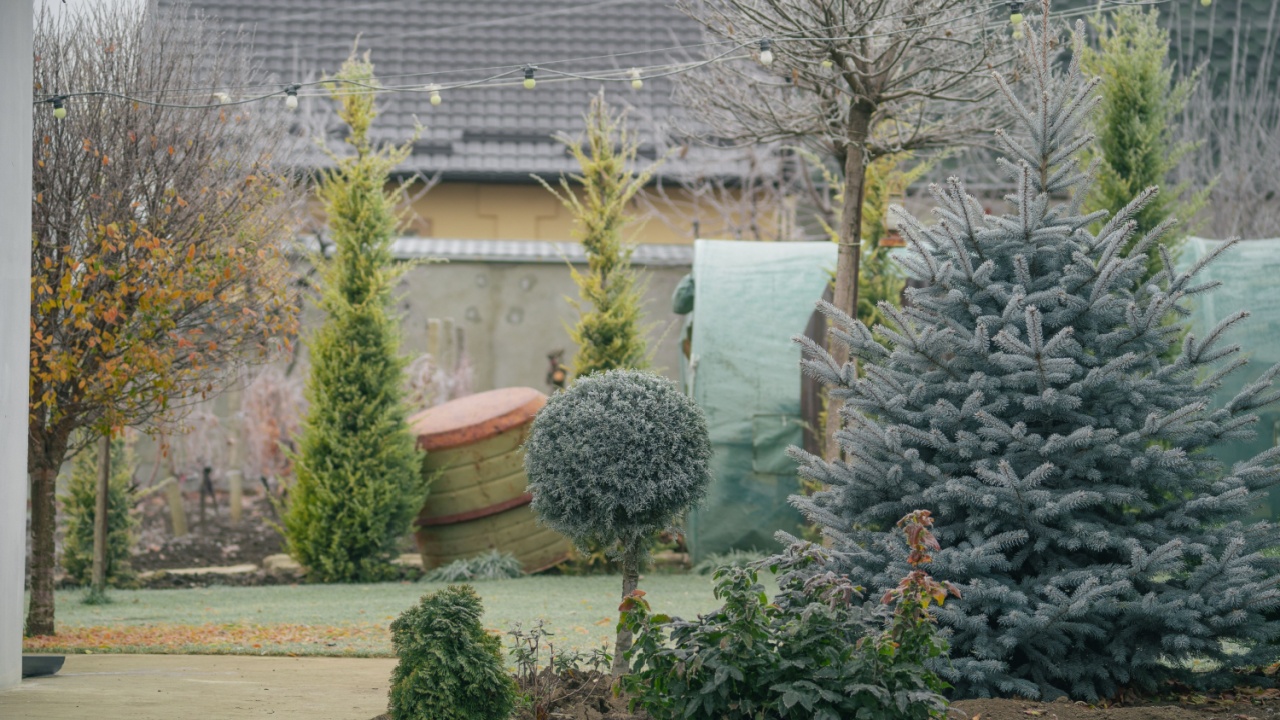
Image Credit: Shutterstock.
Choosing the right trees can completely transform your yard from a desolate space into a vibrant, four-season landscape. You don’t have to settle for a boring view from November to March. With a little planning, you can have a garden that offers color, structure, and life all year long.
Check your hardiness zone and find a spot with the right amount of sunlight for the tree you love. Consider its mature size, don’t plant a future giant right next to your house. A visit to a local nursery can be incredibly helpful. You can see the trees in person and get advice from experts who know what thrives in your specific area. Creating a beautiful winter garden is one of the best gifts you can give yourself.