16 Winter Dos (And Don’ts) for the Garden
Winter in the garden can feel like a season of goodbyes. The vibrant blooms of summer are a distant memory, and the vegetable patch is looking a little sparse. It’s easy to sit by your window, staring at the snowflakes and serenading your freezing dahlias. Bye-bye garden until spring, right? Not quite.
Your garden isn’t on a complete vacation. The work you put in during these colder, shorter days sets the stage for a spectacular return when the warmth comes back. Treating winter as an off-season is a missed opportunity. This is the perfect time for planning, protecting, and preparing. We’re going to cover the essential tasks to tackle, from caring for your tools to giving your soil a much-needed boost, backed by botanists.
Let’s dig into the winter gardening jobs that will make your future self very, very happy.
1. DO Protect Your Plants from Frost

The first frost often arrives like an uninvited guest, and your tender plants are not prepared. Perennials, young shrubs, and anything borderline hardy in your zone need a bit of help to survive the temperature dip. Protecting them now prevents the heartbreak of discovering mushy, frostbitten foliage in the morning.
Covering plants traps ground heat, which keeps the immediate air around the plant a few degrees warmer. This small difference is often all it takes to prevent cell damage from freezing. Use materials like old bedsheets, burlap, or commercial frost cloths. Avoid using plastic sheeting directly on plants, as it traps moisture and can cause more harm when it freezes. For best results, create a frame with stakes to keep the cover from touching the foliage.
Quick Guide:
- What to cover: Tender perennials, newly planted shrubs, and container plants that can’t be moved.
- When to cover: In the late afternoon before a forecasted frost.
- How to cover: Drape a breathable cloth over the plant, securing it to the ground. Remove it in the morning to allow for air circulation.
2. DON’T Forget to Water

It seems counterintuitive to water plants in winter (not just the ones indoors- we mean outdoors too!), especially if you get rain or snow. But dry winter winds can be incredibly dehydrating for plants, particularly evergreens and newly planted trees or shrubs. Their roots are still active, and a lack of moisture can cause serious stress or winter burn, which results in brown, dead-looking needles.
Check the soil every few weeks, especially during dry, windy spells. If the top inch or two of soil is dry, it’s time to water. Water deeply and slowly in the morning on a warmer day, allowing the moisture to soak in before temperatures drop again at night. This prevents the water from freezing around the roots.
Quick Guide:
- What to water: Evergreens, newly planted trees and shrubs, and container plants.
- When to water: On mild days when temperatures are above 40°F (4°C).
- How to water: Apply water directly to the base of the plant until the soil is moist but not waterlogged.
3. DO Clean and Sharpen Your Tools
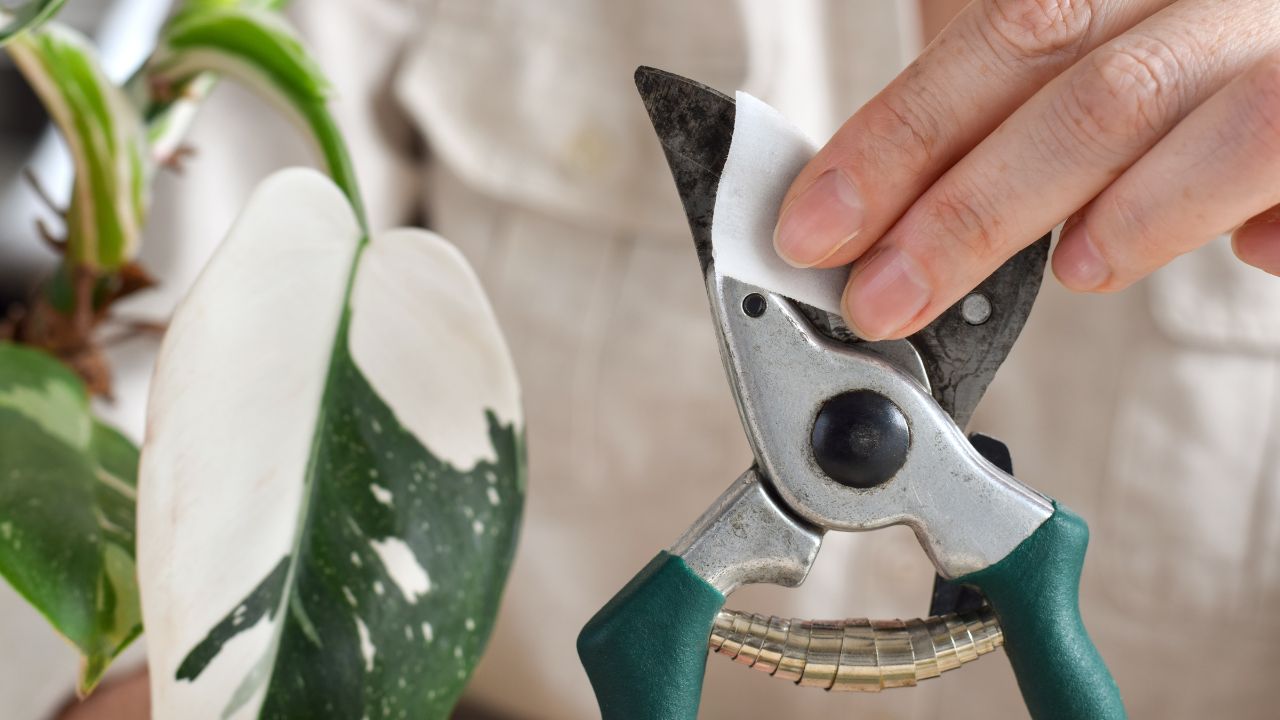
Putting away dirty, dull tools is a recipe for rust and frustration come springtime. Soil and sap left on tools can harbor diseases and cause metal to corrode. Sharp blades make for cleaner cuts, which helps plants heal faster and reduces the risk of infection. It’s advisable to clean and sharpen your tools before storing them away for the cold season.
Start by scraping off any caked-on mud and debris. Use a stiff brush and some water to get them clean. Once dry, use a file or a sharpening stone to hone the edges of your pruners, loppers, and shovels. Finish by wiping the metal parts with an oiled rag to prevent rust.
Quick Guide:
- What to clean: Shovels, trowels, pruners, loppers, and shears.
- How to clean: Use a wire brush for dirt, then soap and water. Dry completely.
- How to sharpen: Use a mill file or a sharpening stone, following the original angle of the blade.
- How to protect: Wipe metal surfaces with a light coating of machine oil or linseed oil.
4. DON’T Walk on Frozen or Wet Lawns
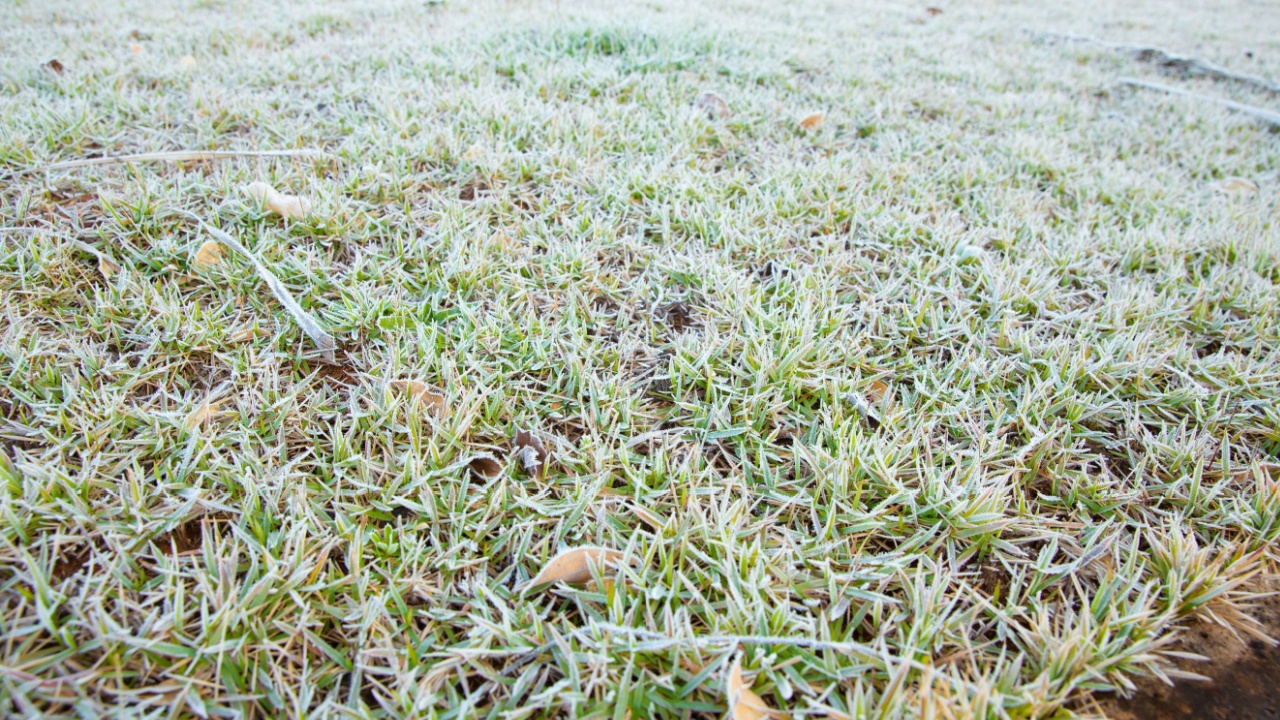
Your lawn might look dormant, but the crowns of the grass plants are very much alive. Walking on a frozen lawn can break the grass blades, and the compressed, icy soil can damage the delicate crowns and root systems. This damage often doesn’t show up until spring, when you’ll see dead, brown patches in the shape of your footprints.
The same rule applies to soggy, saturated soil. Compacting wet soil squeezes out air pockets that roots need to breathe, leading to poor drainage and unhealthy grass. Make a pact to stay off the lawn as much as possible until it has firmed up or thawed out. If you must cross it, try to lay down a plank of wood to distribute your weight.
Quick Guide:
- Why to avoid it: Prevents broken grass blades and soil compaction.
- When to avoid it: When the ground is frozen solid or saturated with water.
- What to do instead: Use established paths or lay down a board for temporary access.
5. DO Add Mulch
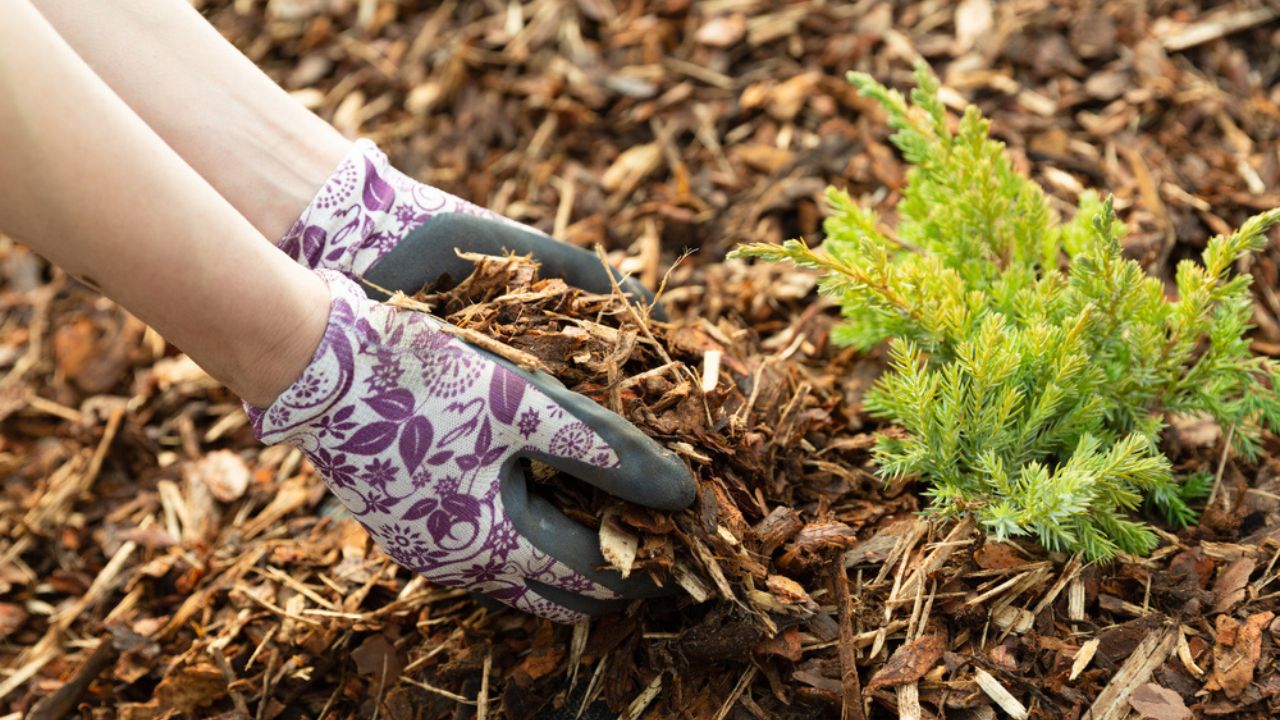
Mulch is your garden’s winter coat. A fresh layer of organic mulch, like shredded leaves, wood chips, or straw, insulates the soil. This helps protect plant roots from the damaging effects of rapid freezing and thawing cycles. Stable soil temperatures encourage healthy root activity even in cold weather.
Mulching also helps retain soil moisture, suppresses winter weeds that are just waiting for a mild day to sprout, and gradually breaks down to enrich the soil with organic matter. Apply a 2 to 3-inch layer around the base of your perennials, shrubs, and trees, but be sure to keep it a few inches away from the stems and trunks to prevent rot and discourage pests from nesting.
Quick Guide:
- What to use: Shredded leaves, pine needles, wood chips, or straw.
- Where to apply: Around the base of perennials, trees, and shrubs.
- How much to apply: A layer 2-3 inches deep.
- Important tip: Keep mulch from directly touching plant stems or tree trunks.
6. DON’T Prune at the Wrong Time
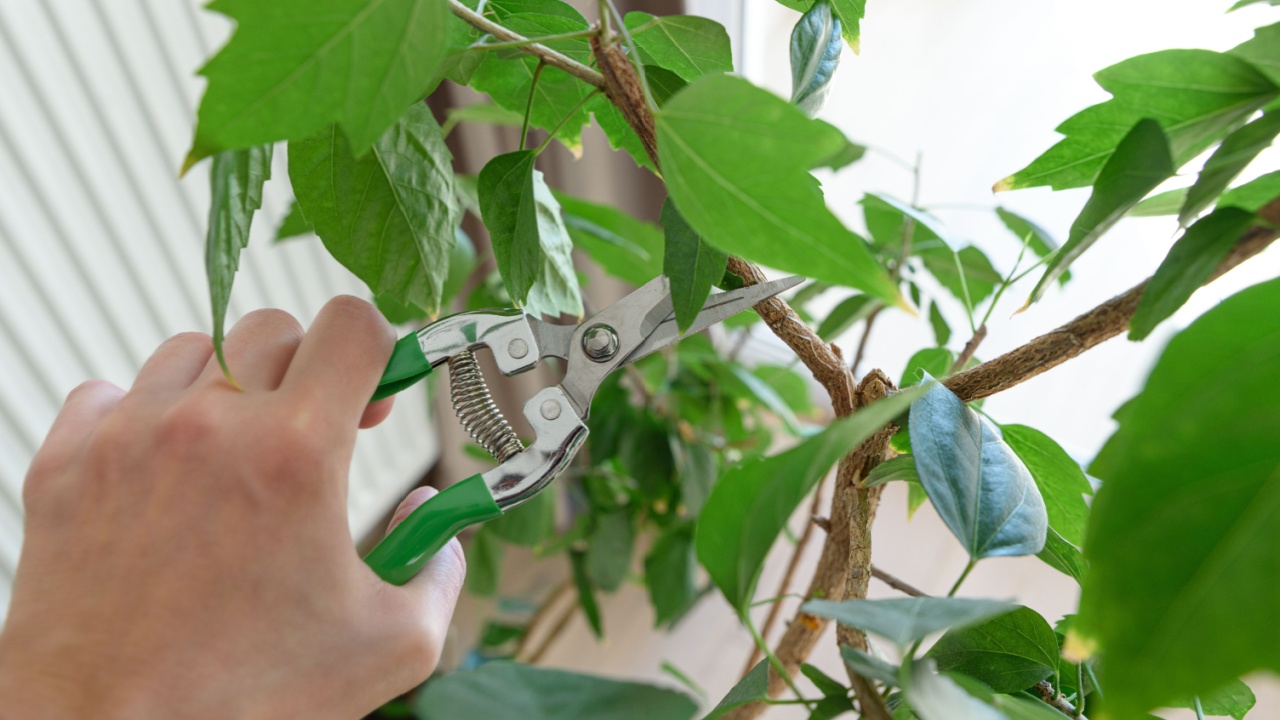
The urge to tidy up the garden by giving everything a good haircut in the fall is strong. Resist it. Pruning many trees and shrubs in late fall or early winter can stimulate new growth. This tender new foliage is extremely vulnerable to frost and will likely die back, stressing the plant and wasting its energy reserves.
The best time to prune most deciduous trees and shrubs is in late winter or early spring, while they are still fully dormant. This is when the plant’s structure is most visible, and fresh cuts will heal quickly as spring growth begins. Exceptions include spring-flowering shrubs like forsythia or lilac; prune them right after they finish blooming.
Quick Guide:
- When to prune: Late winter or early spring for most deciduous plants.
- What not to prune now: Roses, spring-blooming shrubs (like lilacs), and fruit trees (wait until dormancy).
- What you can prune now: Dead, damaged, or diseased branches can be removed at any time.
7. DO Bring Tender Plants Indoors

Some plants are simply not built for the cold. If you have tropical plants, citrus trees in containers, or tender succulents, they need to come inside before the first frost. Leaving them outside is a gamble that you will almost certainly lose.
Before bringing them in, check carefully for pests like aphids, spider mites, or mealybugs that might be hiding on the leaves or in the soil. You don’t want to introduce an infestation to your other houseplants. Give them a good rinse with a hose, and consider treating them with insecticidal soap. Place them in a location with bright, indirect light and reduce watering, as their growth will slow down indoors.
Quick Guide:
- What to bring in: Tropicals, succulents, geraniums, and other non-hardy container plants.
- When to bring them in: Before nighttime temperatures consistently drop below 50°F (10°C).
- How to prepare them: Inspect for pests, clean the foliage, and find a sunny spot indoors.
8. DON’T Leave Hoses Connected
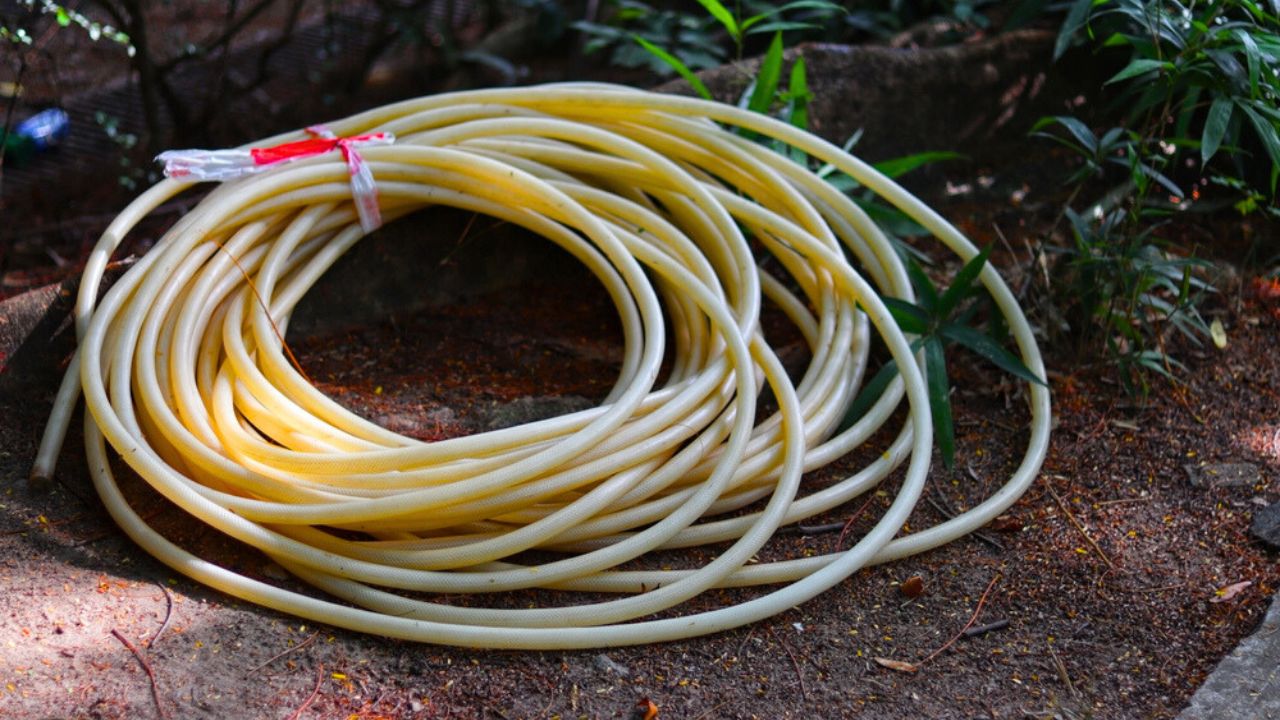
Water expands when it freezes, and that is a scientific fact with expensive consequences for your outdoor plumbing. A hose left connected to an outdoor spigot can trap water. When that water freezes, it can expand back into the spigot and the pipe inside your wall, causing it to burst. This is a repair job you do not want to deal with in the middle of winter.
Before the first hard freeze, disconnect all your hoses. Drain them completely by running them over a slope or a railing, then coil them up and store them in a garage or shed. Turn off the water supply to your outdoor spigots if you have an indoor shut-off valve, and then open the spigots to let any remaining water drain out.
Quick Guide:
- Why do this: To prevent frozen pipes from bursting.
- What to do: Disconnect, drain, and store all garden hoses.
- Next step: Turn off the interior shut-off valve for outdoor faucets and drain the spigots.
9. DO Plan Your Spring Garden

Winter is the gardener’s thinking season. With the garden quiet, you have the perfect opportunity to reflect on what worked last year and what didn’t. Did the tomatoes get enough sun? Were the zinnias too crowded? Now is the time to dream and scheme.
Grab a notebook or use a digital app to sketch out new garden layouts. Browse seed catalogs (one of winter’s greatest joys) and make a list of new varieties you want to try. Ordering seeds early ensures you get the best selection before popular items sell out. This planning phase makes the spring rush feel organized and intentional instead of chaotic.
Quick Guide:
- What to do: Review last year’s garden and sketch new plans.
- Action items: Browse seed catalogs, make a wish list, and order seeds and supplies early.
- Consider this: Think about crop rotation for vegetable beds to prevent soil-borne diseases.
10. DON’T Neglect Your Compost Pile
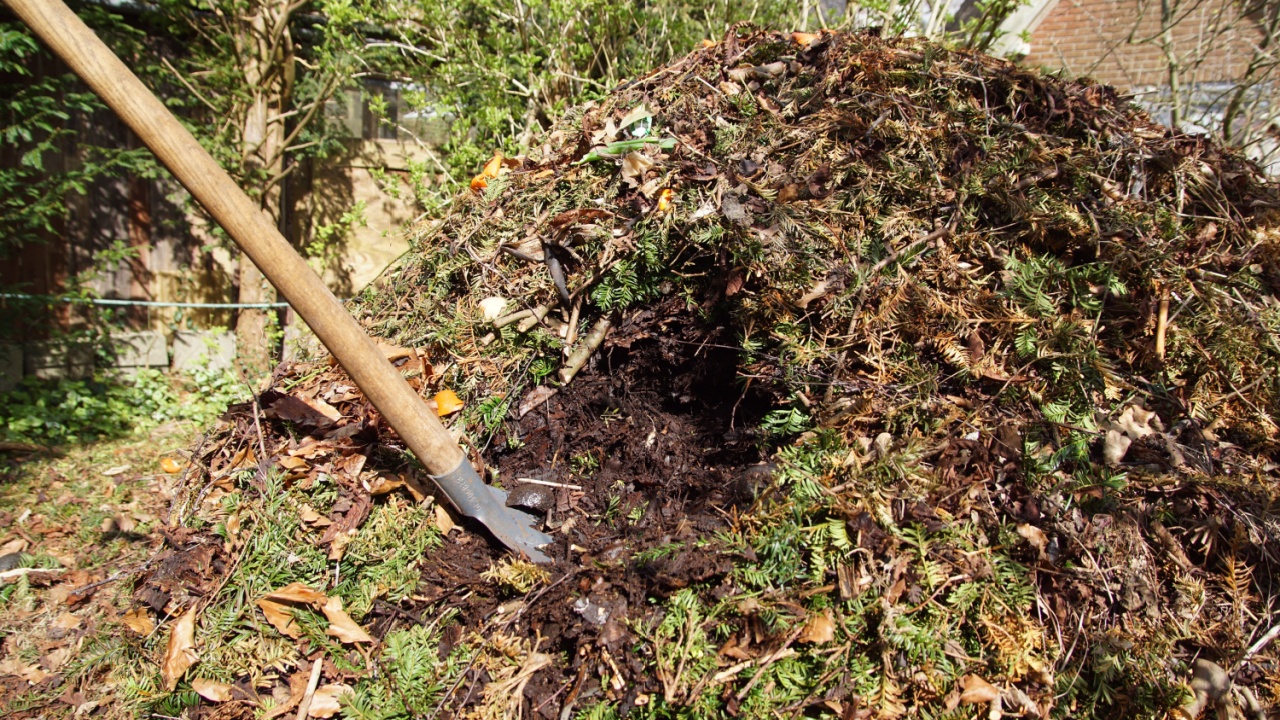
Your compost pile might slow down in the winter, but it doesn’t stop working completely. It’s a living ecosystem, and it needs some attention to keep the decomposition process ticking along. Neglecting it means you’ll have a soggy, stalled mess instead of rich compost in the spring.
Continue to add kitchen scraps, avoiding meat and dairy, and carbon-rich materials like shredded leaves or cardboard. If the pile gets too wet from rain or snow, cover it with a tarp. If it seems too dry, add some water on a mild day. Turning the pile is difficult when it’s frozen, but try to aerate it with a pitchfork during any thaws to keep the microbes happy.
Quick Guide:
- What to add: A balance of “greens” (kitchen scraps) and “browns” (leaves, cardboard).
- How to manage moisture: Cover with a tarp if it’s too wet.
- What to do during thaws: Turn or aerate the pile to introduce oxygen.
11. DO Provide Food and Water for Birds
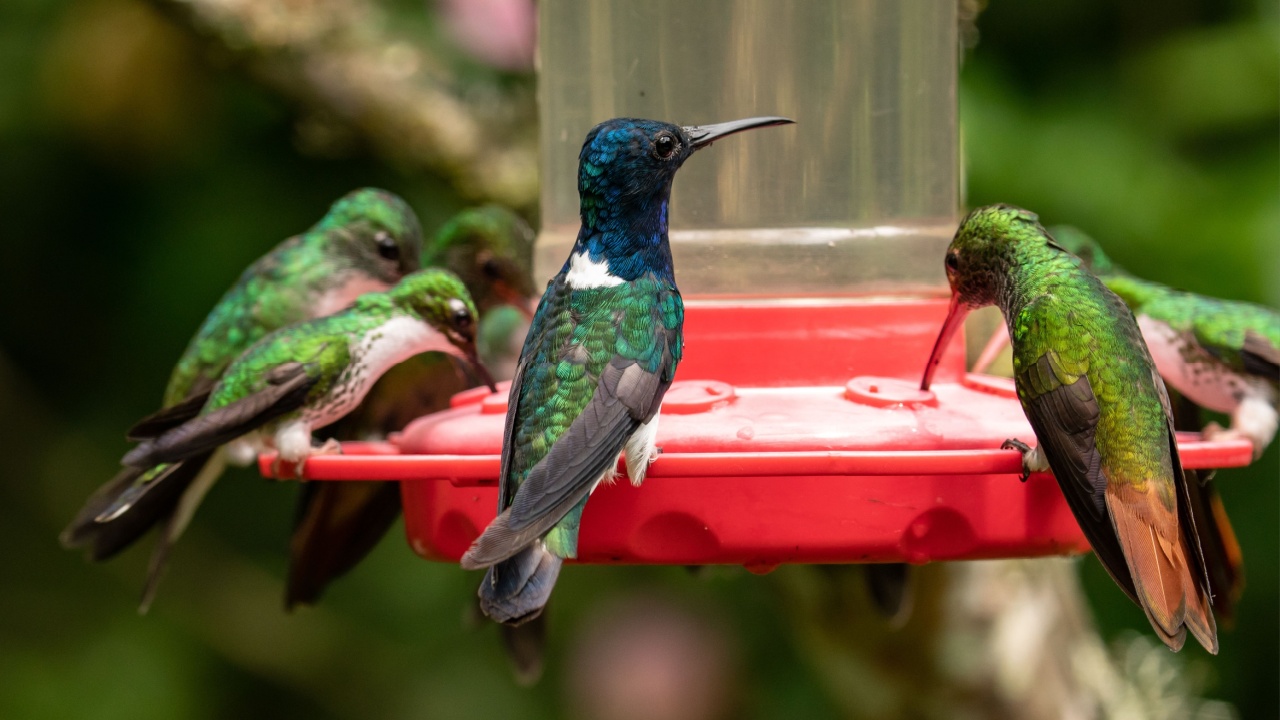
Your garden can be a vital sanctuary for birds during the winter when their natural food sources are scarce. Setting up a bird feeder provides them with the high-energy food they need to survive the cold. In return, they will help control pest populations in your garden next spring and summer.
Offer high-fat foods like black oil sunflower seeds, suet cakes, and peanuts (don’t forget to leave seed heads in your garden for them too). Just as important is a source of fresh water. A heated birdbath is a fantastic investment, but you can also simply put out a shallow dish of fresh water on milder days. Remember to keep feeders and birdbaths clean to prevent the spread of disease.
Quick Guide:
- What to offer: Black oil sunflower seeds, suet, and fresh water.
- Why do it: Helps birds survive and encourages them to stay and eat garden pests.
- Maintenance: Clean feeders and water sources regularly.
12. DON’T Let Heavy Snow Damage Shrubs
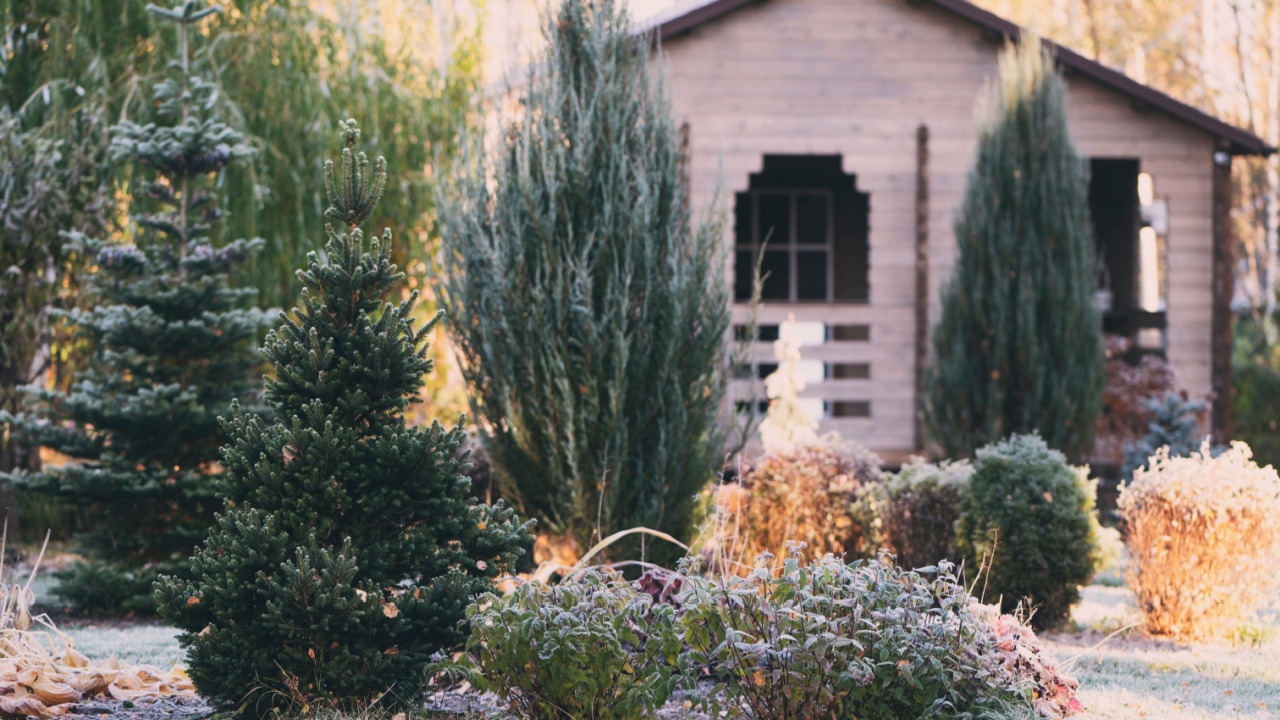
A picturesque blanket of snow is beautiful, but heavy, wet snow can be a disaster for your shrubs and trees. The weight can bend and break branches, especially on upright evergreens like arborvitae and junipers. The damage can permanently disfigure a plant or create wounds that invite disease.
After a heavy snowfall, gently brush the snow off branches using an upward motion with a broom or your arm. Don’t shake the branches, as this can cause them to snap if they are frozen and brittle. For multi-stemmed evergreens that are prone to splaying open, you can loosely tie the stems together with twine before the first snow to provide extra support.
Quick Guide:
- What to do: Gently brush heavy snow off branches in an upward motion.
- What to avoid: Shaking frozen branches.
- Preventative measure: Loosely tie upright evergreens with twine for support.
13. DO Check on Stored Bulbs and Tubers
If you dug up tender bulbs like dahlias, cannas, or gladioli for winter storage, don’t just forget about them in the basement. It’s a good idea to check on them every month or so. You are looking for two main problems: shriveling (which means it’s too dry) or rotting (which means it’s too damp).
If the tubers or bulbs look shriveled, lightly mist the storage medium (like peat moss or sawdust) with water. If you find any that are soft, moldy, or rotten, discard them immediately to prevent the problem from spreading to the others. Proper storage preserves your investment and ensures you have healthy stock for spring planting.
Quick Guide:
- When to check: Once a month throughout the winter.
- What to look for: Shriveling (too dry) or rot (too wet).
- How to fix it: Lightly mist if dry; discard any rotten bulbs.
14. DON’T Use Salt-Based Deicers Near Plants

When walkways and driveways get icy, the easiest solution is often to grab a bag of rock salt. Unfortunately, salt-based deicers are toxic to plants. The runoff can get into your garden beds and lawn, where the salt buildup damages soil structure and prevents plants from absorbing water, effectively causing dehydration.
Look for deicers that are labeled as plant-safe or pet-safe. These usually contain calcium magnesium acetate (CMA) or calcium chloride, which are less harmful to soil and plants. Better yet, use sand, kitty litter, or coffee grounds for traction. They don’t melt the ice, but they provide a safe, non-slip surface.
Quick Guide:
- What to avoid: Rock salt (sodium chloride) near garden beds and lawns.
- What to use instead: Sand, kitty litter, or plant-safe deicers containing CMA.
- Why it matters: Salt runoff damages soil and dehydrates plants.
15. DO Create a Windbreak

Harsh winter winds are a major source of stress for many plants. The wind strips moisture from evergreen needles and broadleaf evergreen leaves, causing winter burn. It can also physically damage branches and rock newly planted trees, disturbing their root systems.
You can protect vulnerable plants by creating a temporary windbreak. This can be as simple as hammering in a few stakes and stretching burlap between them on the windward side of the plant. This simple barrier deflects the worst of the wind, creating a calmer microclimate that helps the plant conserve moisture and energy.
Quick Guide:
- Why do it: To protect plants from drying winds and physical damage.
- How to build it: Use stakes and burlap to create a screen on the side of the prevailing wind.
- Which plants need it most: Broadleaf evergreens like rhododendrons, and newly planted trees.
16. DON’T Stop Weeding Entirely

It’s tempting to declare a ceasefire in the war on weeds during winter. But many cool-season weeds, like chickweed and henbit, are perfectly happy to grow during mild winter spells. Letting them go now means they will be well-established and ready to set seed at the first sign of spring, creating a much bigger problem for you later.
On a mild winter day, take a walk through your garden beds and pull any weeds you see. The soil is often soft, making them easy to remove. Every weed you pull now is one less you’ll have to deal with in the spring. It’s a small effort that pays big dividends.
Quick Guide:
- What to look for: Cool-season annual weeds like chickweed, henbit, and deadnettle.
- When to weed: On mild, unfrozen days.
- Why bother: Prevents weeds from getting established and going to seed in early spring.
Your Garden’s Next Chapter

Winter shows you what kind of gardener you are. The mulch you laid, the bulbs you checked, the tools you cleaned, none of it looks impressive now, but it sets the tone for everything that follows. Spring rewards preparation, not panic.
So take a walk through your garden this week. Check the compost. Pull a few weeds. Look at what’s holding up and what needs help. These small moves aren’t just maintenance, they’re momentum. And when the season turns, you’ll already be ahead.