What Grocery Shopping Habits Say About Our Personalities
Our character faces the litmus test in many life instances. Surprisingly, a trip to the grocery store can be one of them. This routine part of life may be a chore for some, a necessity for all, and for others, an enjoyable outing. The way we navigate the aisles, fill our carts, and check out can reveal more about our personalities than we might realize.
These weekly or daily rituals are full of small decisions that reflect our planning abilities, our consideration for others, and even our approach to life’s bigger challenges. From the list you make to the way you leave your cart, your grocery store behavior tells a story.
What does your shopping style say about you? Here are 10 habits that open a glimpse into who we are.
1. The List-Maker vs. The Freestyler

Shoppers who rely on a detailed list often show traits associated with conscientiousness and goal orientation. For many, list-making improves memory, reduces stress, and helps avoid impulse purchases. These individuals tend to approach shopping as a task to complete efficiently, using structure to maintain control and minimize distractions.
In contrast, those who shop without a list often display spontaneity and internalized planning. Psychology research suggests they rely on mental cues and embrace flexibility, which correlates with openness and adaptive thinking. Their style reflects comfort with ambiguity and a preference for discovery over routine.
What it says about you: You may prefer structure and control or enjoy flexibility and exploration. Your planning style influences how you manage decisions beyond the store.
Next Steps: To make your system even stronger, consider keeping a running list on your phone for easy updates. If you notice your lists are too rigid, allow for one or two flexible items to keep shopping enjoyable.
2. The Speedy Shopper vs. The Leisurely Browser

Do you treat the grocery store like a racetrack, weaving through aisles to beat your personal best time? Or do you take your time, comparing prices, and soaking in the environment? The speedy shopper is often goal-oriented, efficient, and values productivity. They have a clear objective and focus on completing the task quickly.
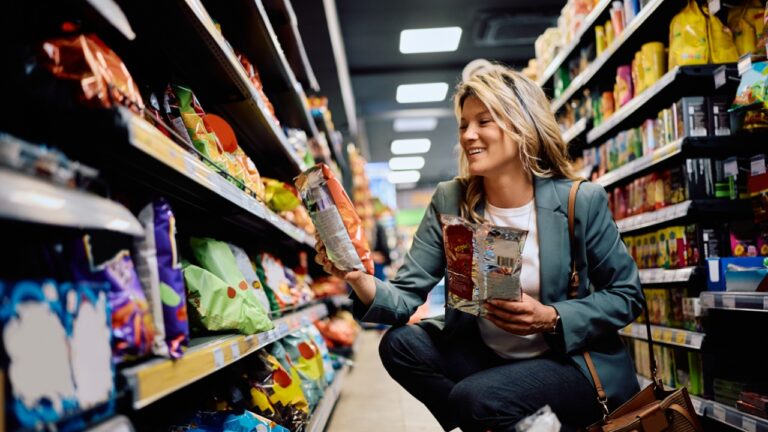
On the other hand, the leisurely browser sees grocery shopping as an experience, not just a task. They enjoy the process of discovery, from finding a new brand of artisanal cheese to comparing the nutritional information on different types of bread. Most of us fall in this bracket; research shows that 78% of shoppers spend time reading nutrition labels. They are meticulous, curious, and thoughtful, often taking the time to ensure they’re making the best possible choices for their household.
What it says about you: This speaks to your personal pace and how you prioritize tasks. Are you focused on the destination or the journey?
Next Steps: Speedy shoppers could benefit from slowing down just enough to notice a new product or a better deal. Leisurely browsers who find their trips take too long might try setting a timer to add a gentle sense of urgency.
3. The Full Cart vs. The Daily Basket

Bulk buyers stock up for the week or longer, reflecting a forward-looking mindset. Research on shopping frequency shows that individuals who buy in bulk often score higher in conscientiousness and prefer long-term planning. They value preparedness and dislike running out of essentials.
Daily shoppers tend to be more present-focused and adaptable. They enjoy fresh ingredients and make decisions based on immediate needs. This behavior is associated with flexibility and a comfort with short-term planning.
What it says about you: Your shopping frequency shows how you manage planning and flexibility. You may prefer long-term security or enjoy responding to immediate needs.
Next Steps: Bulk buyers should take regular inventory to avoid food waste from expired items hidden in the back of the pantry. Daily shoppers can save time and money by planning for just two or three days at a time instead of one.
4. The Brand Loyalist vs. The Deal Hunter
The brand loyalist reaches for the same brand of coffee, cereal, and pasta on every trip. They trust what they know and value consistency and reliability. Consumer psychology research shows that brand loyalty is driven by emotional engagement and satisfaction with past experiences. These shoppers are less likely to be influenced by promotions and more likely to stick with what works.
Deal hunters compare prices and switch brands to save money. This behavior reflects strategic thinking and resourcefulness. Studies show that coupon use and deal-seeking correlate with optimization and financial awareness.
What it says about you: You may prioritize trust and familiarity or enjoy the challenge of optimization. Your choices reflect how you balance comfort with cost.
Next Steps: Brand loyalists could try the store brand version of one of their favorite items; they might be pleasantly surprised. Deal hunters should make sure the “deal” is on a product they will actually use to avoid wasteful spending.
5. The Chatterbox vs. The Silent Shoppers

Do you greet the cashier, ask how their day is going, and make small talk? Do you ever talk or nod to other shoppers, or do you prefer a quiet, efficient transaction with minimal interaction? This behavior is linked to extroversion and empathy. According to psychologists, extroverts gain energy from social interaction and often seek connections in everyday settings.
Silent scanners prefer minimal interaction, often valuing speed and simplicity. This style may reflect introversion or a desire to conserve energy. Psychology Today notes that introverts tend to avoid small talk and focus on completing tasks efficiently.
What it says about you: Your checkout behavior shows how you relate to others in everyday settings. You may seek connection or prefer to keep interactions brief.
Next Steps: If you are usually quiet, a simple “hello” or “thank you” can be a small, positive gesture. If you are a talker, be mindful of a long line behind you and keep the conversation brief to respect everyone’s time.
6. The Cart Returner vs. The Cart Abandoner
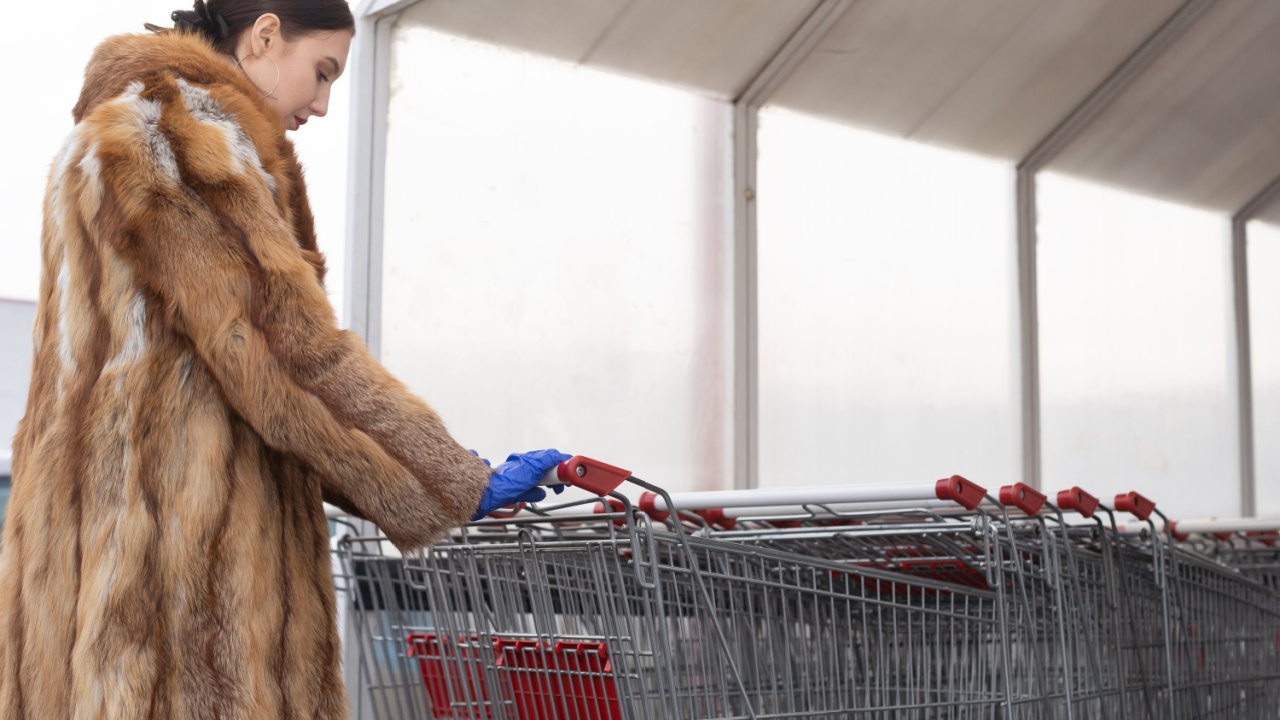
This is perhaps the most debated grocery store habit. Do you return your cart to the designated corral, or do you leave it in the parking spot next to your car? Returning the cart is a small act of social responsibility. It shows consideration for store employees and fellow shoppers who need the parking space. It suggests a person who follows rules and respects shared spaces.
Leaving the cart can signal a sense of entitlement, a lack of awareness, or simply being in a rush. While not always intentional, it can signal a lower sensitivity to communal norms.Experts suggest that this behavior shows you are disciplined, respectful, and that you respect the community.
What it says about you: Your cart habits reveal how you engage with responsibility and shared environments. You may prioritize order or operate with a more individual focus
Next Steps: If you tend to leave your cart, take the extra 30 seconds to return it. It is a simple way to contribute positively to a shared environment. This small act of orderliness makes a big difference for employees and other customers.
7. The Produce Inspector vs. The Grab-and-Go Shopper

In the produce section, do you carefully examine every apple, thump every melon, and sniff every pineapple? Or do you grab the first bunch of bananas you see? The inspector is meticulous, quality-conscious, and wants the best value for their money.
They are willing to put in the effort to ensure a good outcome. The grab-and-go shopper is more trusting, efficient, or less concerned with minor imperfections. They prioritize speed over perfection.
What this says about you: This reveals your attention to detail and your standards for quality.
Next Steps: Inspectors should be mindful not to bruise or damage produce for others. Grab-and-go shoppers can learn one or two simple tricks for picking ripe produce, like checking the color of a tomato, to improve the quality of their purchases.
8. The Sample Taker vs. The Sample Skipper
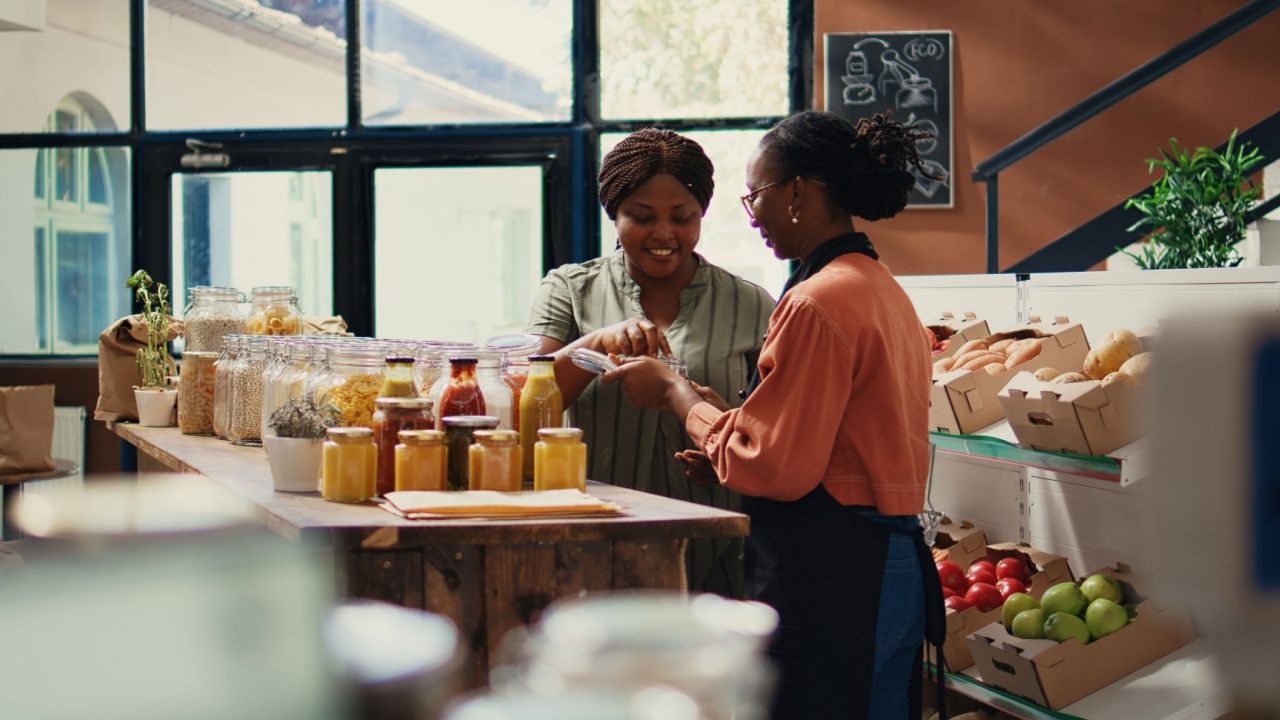
When a store offers free samples, do you make a point to try them, or do you walk right by? The sample taker is adventurous, curious, and open to new things. Sample takers enjoy the chance to discover something unexpected and may see it as a small reward during their trip. They’re comfortable with novelty and often approach food choices with a sense of adventure.
Others walk past without stopping. They may be focused on their list, cautious about ingredients, or uninterested in interruptions. Some avoid samples because they don’t want to feel pressured into buying something they hadn’t planned for. This behavior reflects a preference for control and a more deliberate approach to shopping. They are also aware that free samples make you feel obligated to buy more, and they don’t want that kind of pressure.
What this says about you: You may enjoy exploring new options or prefer to stick with what you know. Whether you pause for a taste or stay on track, your choice reflects how you manage curiosity, focus, and decision-making in everyday situations.
Next Steps: If you always skip samples, try one next time you see something that looks interesting. You might find a new favorite snack. Sample takers should remain polite and not hold up aisle traffic.
9. The Aisle Organizer vs. The Cart Piler
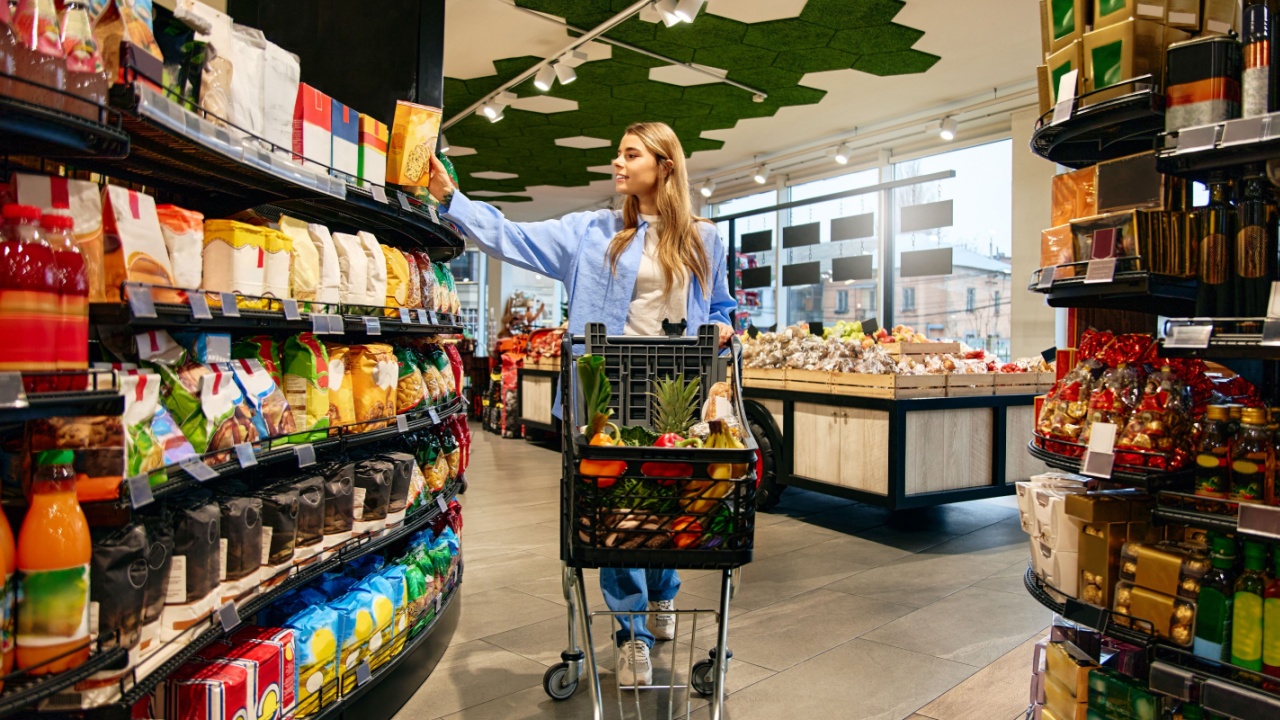
As you shop, do you organize your cart with heavy items on the bottom, fragile items on top, and cold items together? Or do you toss everything in as you go? The organizer is methodical and forward-thinking, already planning for an easy checkout and unloading process. They appreciate order and efficiency.
The piler is more in-the-moment, focusing on finding items rather than how they are placed in the cart. They will figure out the organization later. This habit suggests spontaneity and a relaxed approach to order. These shoppers may prioritize finding products over organizing them.
What this says about you: This demonstrates your ability to plan ahead and your preference for order versus spontaneity.
Next Steps: If you are a piler, try putting bread and eggs in the child seat of the cart to prevent them from getting crushed. This one small change can save you from a frustrating discovery at home.
10. The Self-Checkout User vs. The Cashier Loyalist
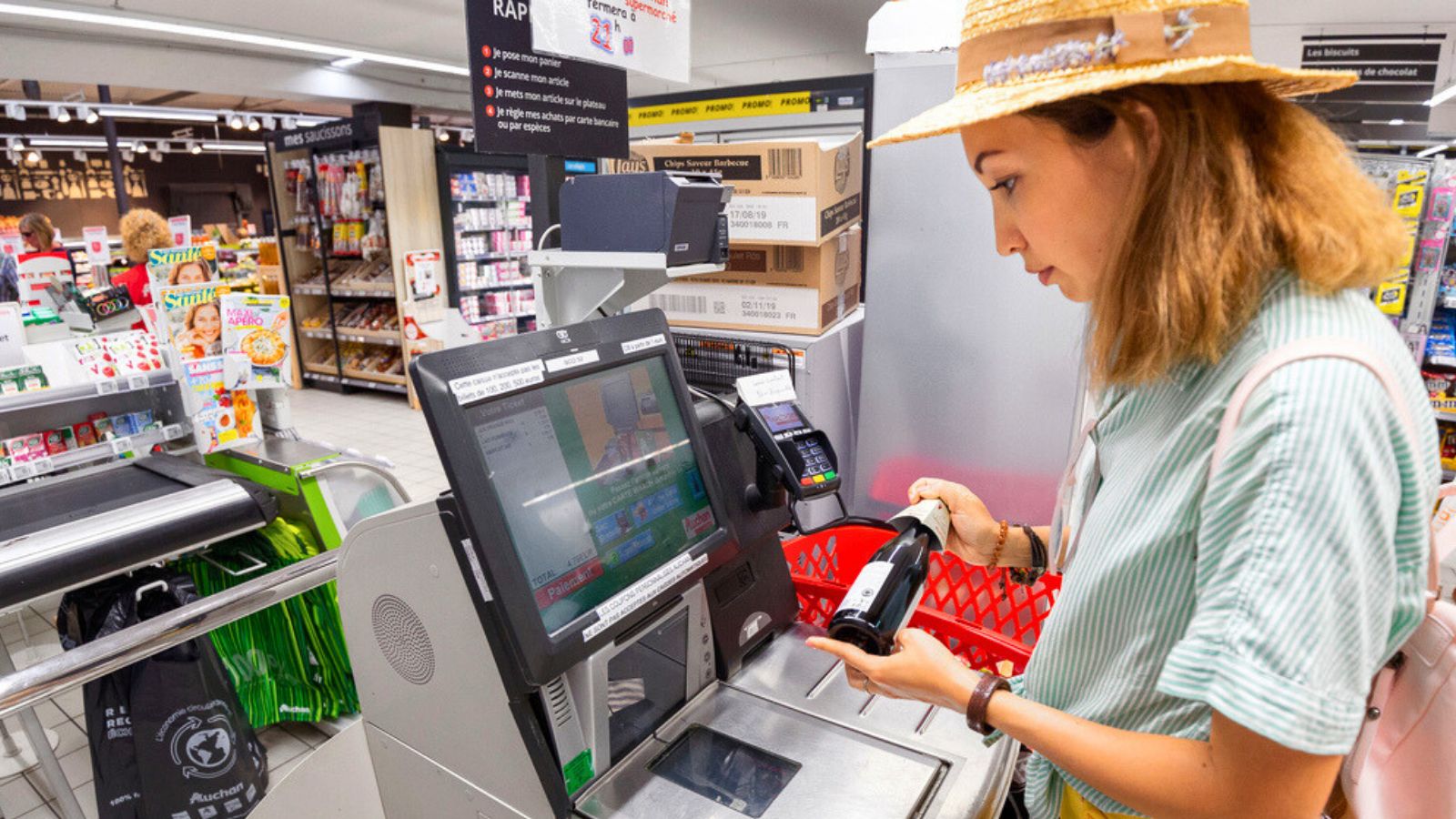
Given the choice, do you head for the self-checkout kiosks or a traditional lane with a cashier? The self-checkout user often values speed, control, and independence. They are comfortable with technology and prefer to manage the process themselves.
The cashier loyalist might enjoy the personal interaction, need assistance with coupons or produce, or simply find the traditional method more relaxing and less work.
What this says: This reflects your comfort with technology and your preference for either personal service or independent control.
Next Steps: Both options have their place. If you usually use self-checkout, consider a cashier lane when you are not in a hurry to have a brief, friendly interaction. If you always use a cashier, try the self-checkout with just a few items to see how it feels.
Your Shopping, Your Story

Grocery shopping doesn’t usually invite reflection, but the habits we bring to the store often mirror the way we handle decisions, relationships, and routines elsewhere. The list we follow, the pace we keep, the conversations we start or avoid, each one offers a small clue about how we move through the world.
Not every habit needs to be analyzed, but noticing them can offer a useful kind of self-awareness. The grocery store becomes more than a place to restock the fridge. It becomes a quiet record of how we prioritize, how we adapt, and how we show up, even in the most ordinary moments.