15 Fall Favorites You Can Still Get at the Store
Fall planting isn’t just possible, it’s often preferable. Cooler temperatures reduce stress on new plants, and soil still holds warmth from summer, giving roots time to establish before winter. Many garden centers continue stocking hardy annuals and perennials well into the season, especially varieties bred to tolerate light frost or thrive in transitional weather. If your containers are fading or your beds feel bare, this is a good window to refresh with plants that can handle shorter days and cooler nights.
This list features 15 plants that are widely available and well-suited to fall conditions. Each one brings something useful to the table, from long-lasting blooms, bold foliage, to structural interest that carries into winter. You’ll find options for sun and shade, containers and borders, and even a few that support pollinators or offer evergreen appeal.
Before planting, check with your local extension office to confirm what’s appropriate for your region, especially if you’re working with species that may spread aggressively.
1. Mums (Chrysanthemum spp.)
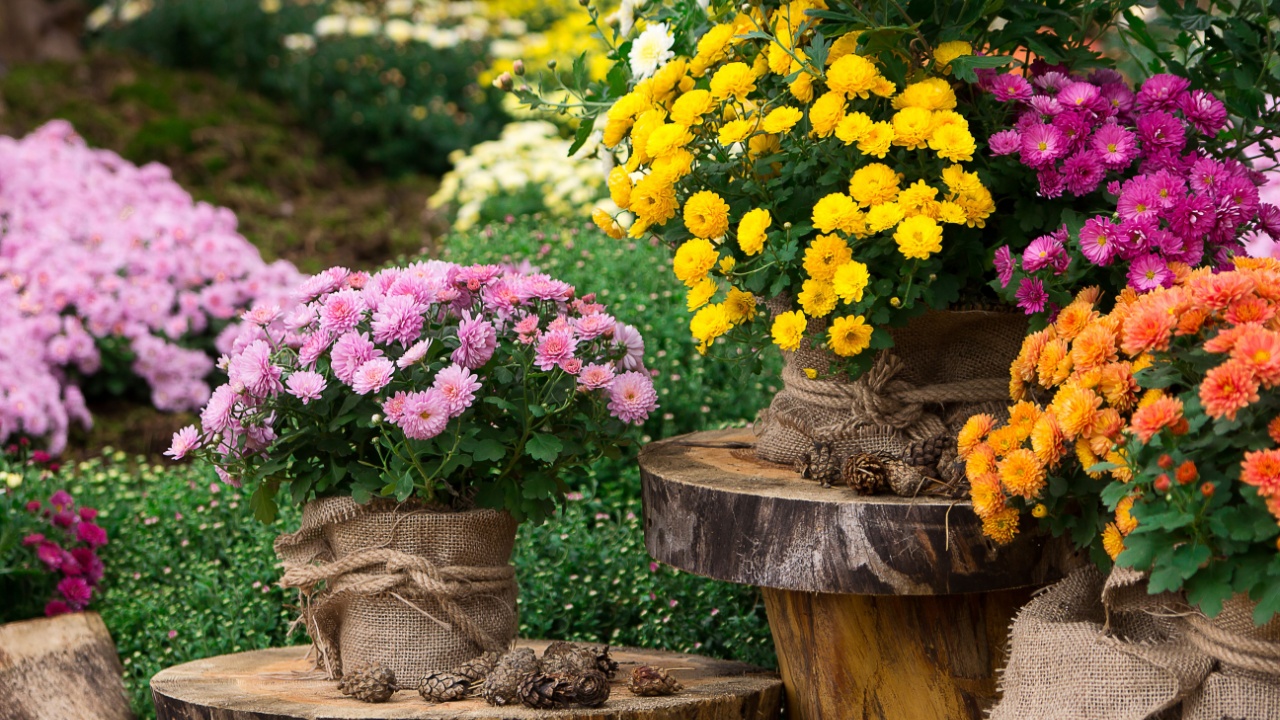
Chrysanthemums are the classic fall flower, prized for their dense, colorful blooms that range from deep burgundy and rust to bright yellow and white. These hardy perennials thrive in full sun and well-drained soil, making them ideal for containers, borders, and walkways. To keep them healthy, water at the base to avoid soggy foliage and deadhead regularly to encourage more blooms.
Mums are cold-tolerant and can withstand light frosts, making them a reliable choice for extending garden color into late autumn. Choose early-, mid-, and late-season varieties for a staggered bloom that lasts well into November.
Quick Look:
- Thrives in full sun
- Dense, colorful blooms
- Water soil directly
2. Pansies (Viola × wittrockiana)
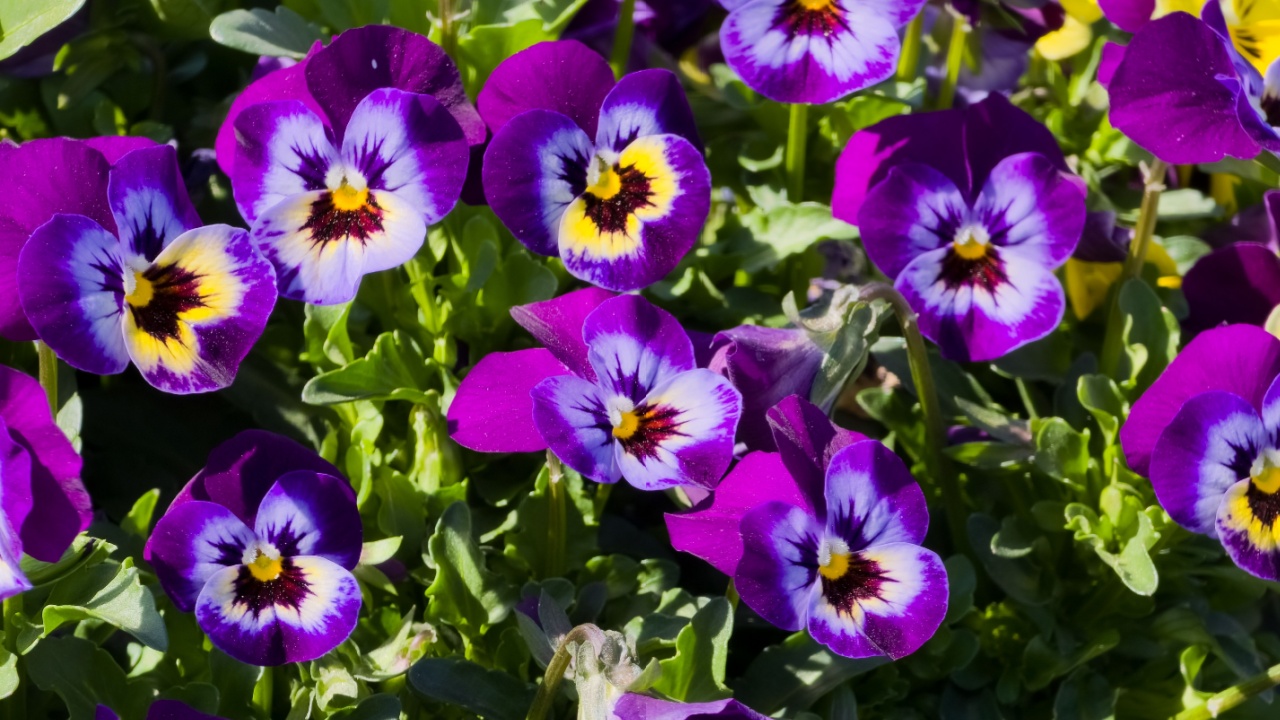
Pansies are cool-season champions, known for their cheerful “faces” and wide range of colors. These annuals thrive in sun to part shade and prefer moist, well-drained soil. They tolerate light frost and can bloom until a hard freeze, especially in milder climates. Regular deadheading helps extend their flowering period, and they’re compact enough to tuck into containers, window boxes, or gaps in garden beds.
Aesthetically, pansies bring a playful charm to fall arrangements. Their velvety petals and multicolored patterns add contrast to more muted autumn tones, and they pair beautifully with ornamental kale, dusty miller, or violas. Use them to edge pathways or fill in around larger plants for a layered look. Because they’re widely available and easy to grow, pansies are a go-to for gardeners seeking quick, reliable color.
Quick Look:
- Performs in sun or part shade
- Multicolored blossoms
- Pinch blooms for repeat color
3. Ornamental Kale and Cabbage (Brassica oleracea)
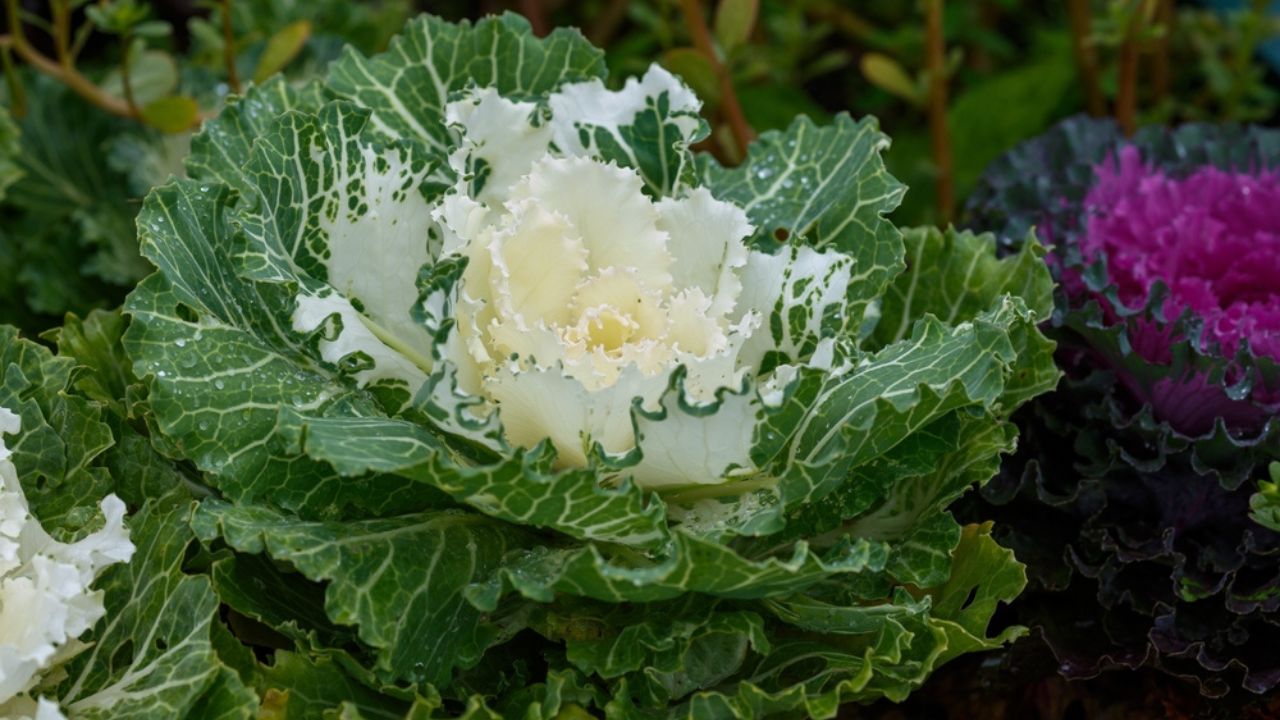
Ornamental kale and cabbage are grown for their dramatic foliage, not flowers. Their ruffled leaves come in shades of purple, pink, and creamy white, and they actually improve in color as temperatures drop. These plants prefer full sun and moist, well-drained soil. While they don’t mind a light frost, soggy roots will ruin the show, so water carefully and avoid low spots in the garden.
Design-wise, they’re like the bold earrings of a fall container: eye-catching and full of texture. You can tuck them into pots with pansies or violas, or use them as anchors in front beds. They hold their shape well and don’t flop, which makes them great for structured displays. Just don’t expect them to bloom or spread; they’re here for the foliage, and they know it.
Quick Look:
- Best color in full sun
- Water to keep the soil moist
- Good for beds and pots
4. Asters (Symphyotrichum spp.)
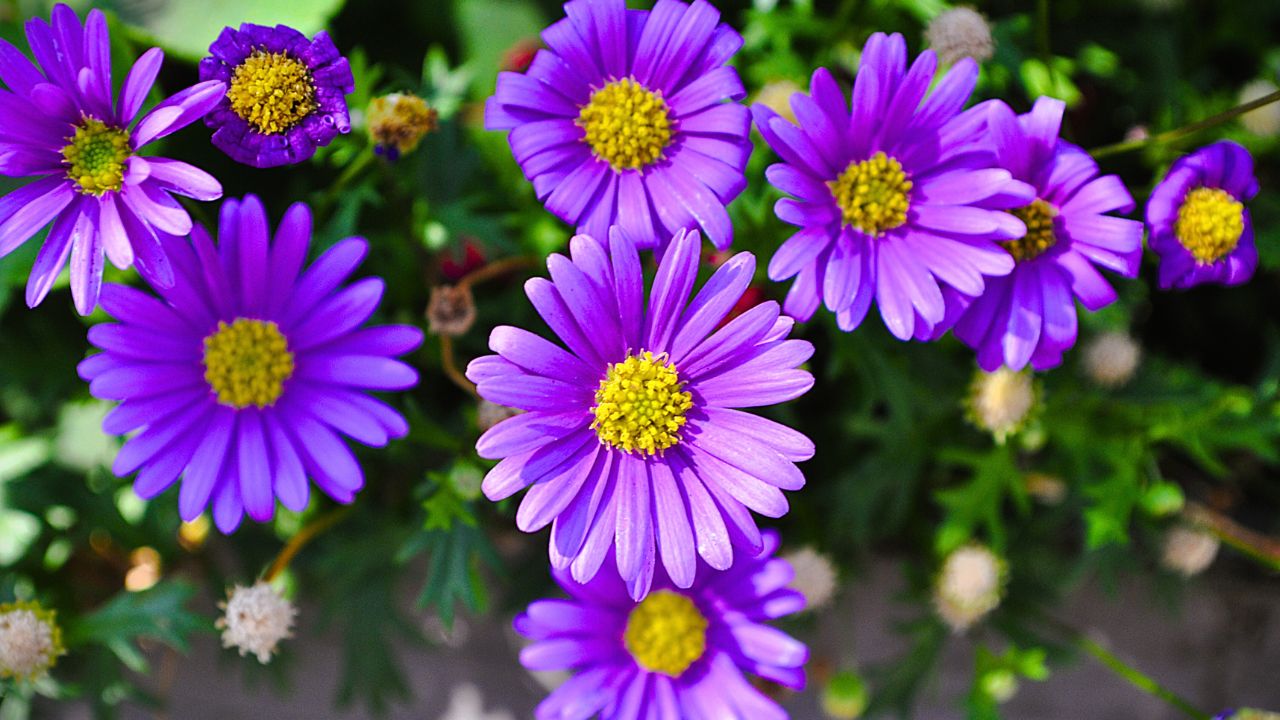
Asters are late bloomers that show up when most flowers are winding down. Their daisy-like blossoms come in lavender, blue, pink, and white, and they’re magnets for bees and butterflies. Plant them in full sun with well-drained soil, and give them space to spread. They’ll return each year if you divide them every few seasons to keep them vigorous.
In the garden, asters add a wildflower feel without looking messy. They work well in borders, cottage-style beds, or tucked among ornamental grasses. Their upright habit and soft colors make them a good contrast to bold fall plants like mums or sedum. If you’re aiming for a natural look that still feels intentional, asters are a solid choice.
Quick Look:
- Attracts bees and butterflies
- Prefers sun
- Long bloom time
5. Violas (Viola spp.)
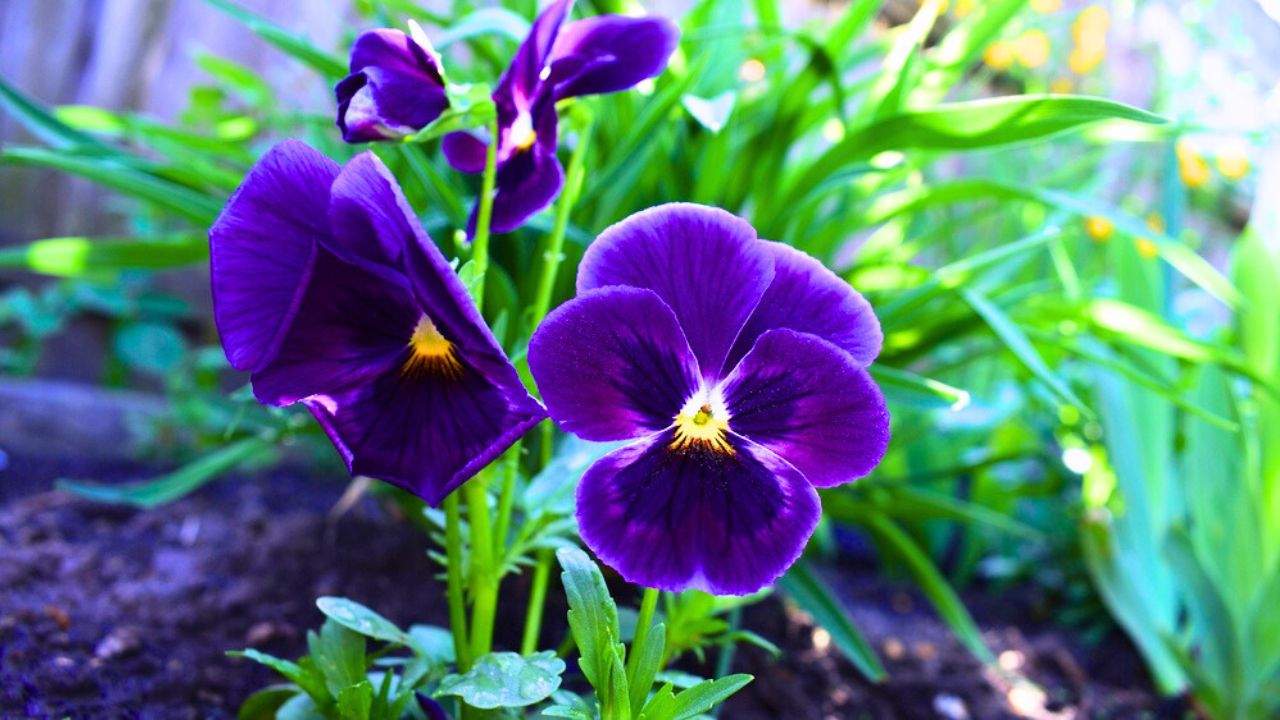
Violas are smaller cousins of pansies, but they’re tougher when it comes to cold. These compact plants bloom in a wide range of colors and keep going even when temperatures dip. They prefer sun or light shade and moist soil, and they’re easy to tuck into containers or edge a path. Deadheading helps, but they’ll often bloom without much fuss.
They’re great for filling gaps and softening the edges of a fall display. Because they’re low-growing, violas won’t compete with taller plants, and their delicate flowers add a gentle touch to bold arrangements. You can mix them with dusty miller or ornamental cabbage for a layered look that lasts well into the season.
Quick Look:
- Compact and hardy
- Sun or light shade
- Perfect for mixed containers
6. Celosia (Celosia spp.)
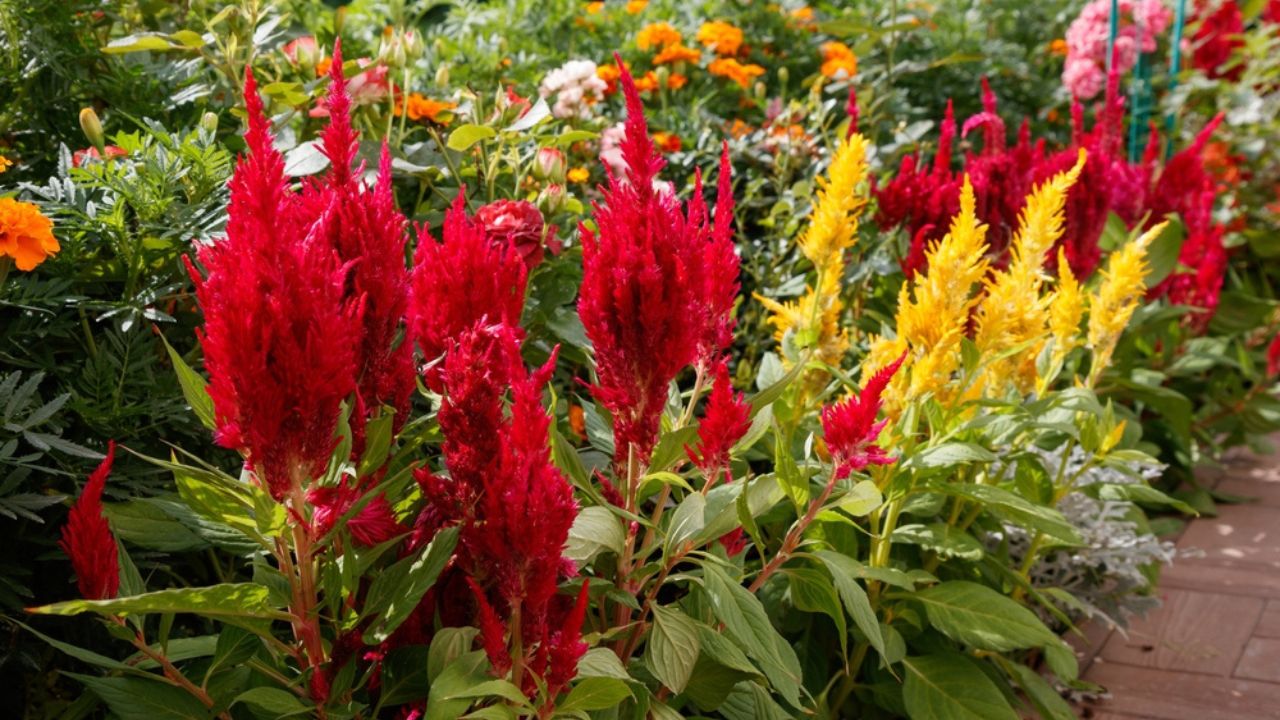
Celosia is a showoff, and it’s proud of it. With flame-like or coral-shaped blooms in red, orange, yellow, and pink, it brings serious color to fall containers. These plants love full sun and well-drained soil. They don’t like wet feet, so avoid overwatering. If you’re planting in pots, make sure they have drainage holes.
In terms of style, celosia adds drama. The texture alone makes it stand out, and it pairs well with simpler plants, such as pansies or violas. Use it as a centerpiece in a container or cluster several together in a sunny bed. It’s not subtle, but that’s the point.
Quick Look:
- Unusual texture
- Bold color spikes
- Sun-loving
7. Coneflower (Echinacea spp.)
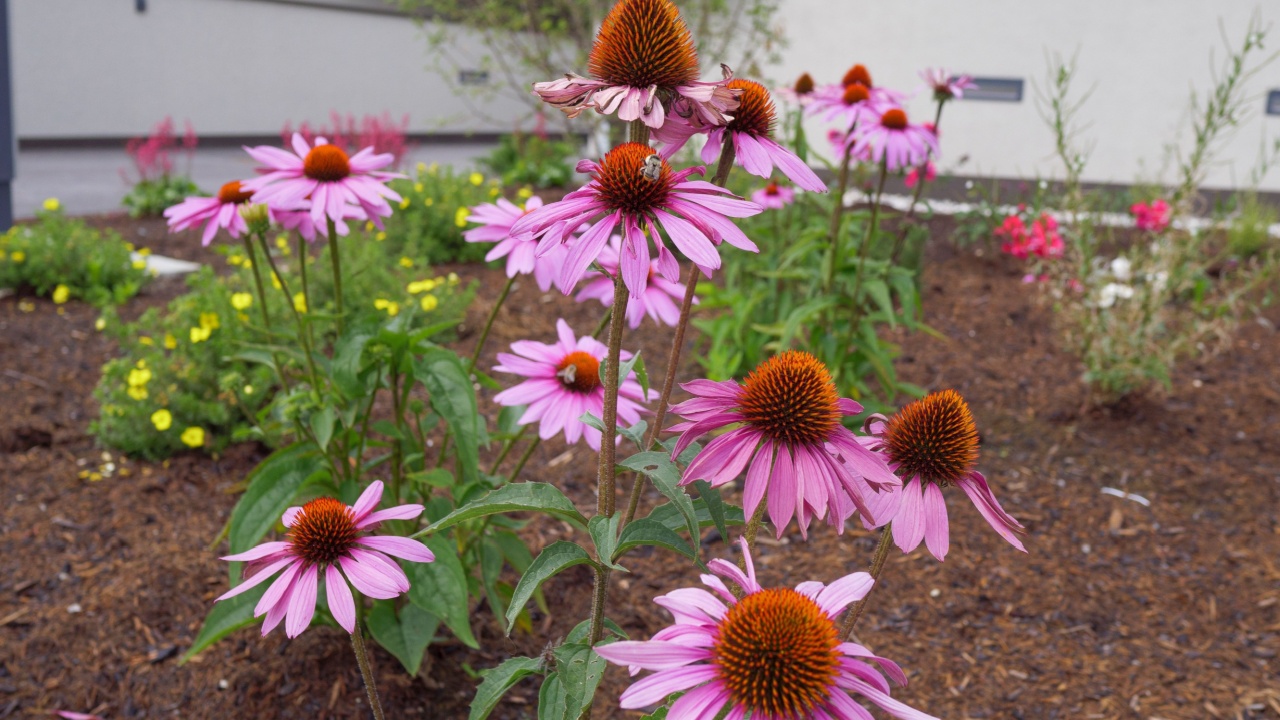
Coneflowers are sturdy perennials that bloom well into fall, especially in warmer zones. They thrive in full sun and tolerate drought once established, making them a dependable choice for low-maintenance gardens. Their daisy-like flowers come in purples, pinks, and whites, and the seed heads remain attractive even after petals fade. These plants do best in well-drained soil and can handle poor conditions, though they’ll reward you with more blooms if you deadhead occasionally.
They’re a favorite among pollinators, drawing bees and butterflies during the day and feeding birds with their seed heads later in the season. Coneflowers work well in wildflower gardens, prairie-style plantings, or mixed borders with ornamental grasses. Just be aware that some varieties self-seed freely, so keep an eye out if you’re trying to maintain a tidy bed.
Quick Look:
- Sturdy and heat-tolerant
- Good for pollinators
- Minimal maintenance
8. Heather (Calluna vulgaris)
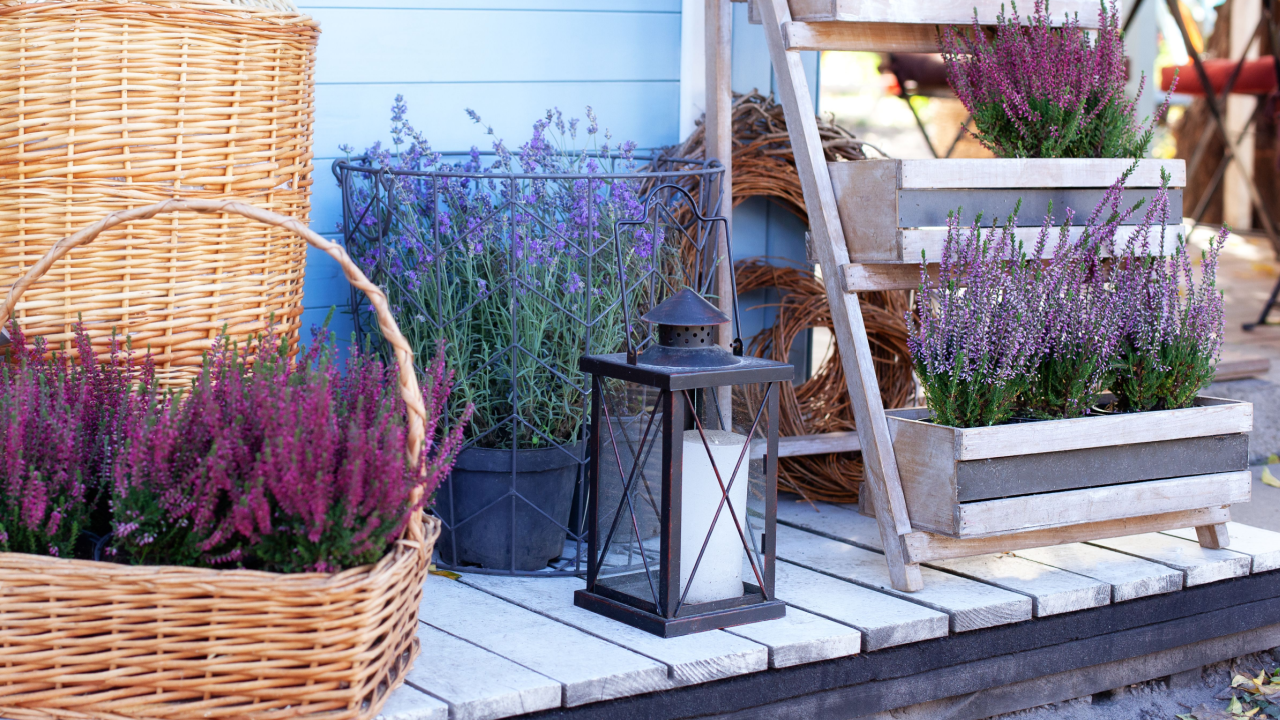
Heather is an evergreen shrub that brings color and texture to fall gardens. Its tiny blooms appear in lavender, pink, or white and cluster densely along upright stems. Heather prefers full sun and slightly acidic, well-drained soil. Once established, it’s drought-tolerant and relatively low-maintenance. Avoid heavy clay or overly wet conditions, which can lead to root rot.
In design, heather adds a soft, mossy feel to borders and rock gardens. It pairs well with conifers, ornamental grasses, and other low-growing perennials. Because it holds its shape and color through winter, it’s a good choice for year-round interest. Some varieties can spread beyond their intended space, so check with your local extension office before planting.
Quick Look:
- Evergreen interest
- Likes acidic soil
- Good for mass planting
9. Black-Eyed Susan (Rudbeckia spp.)
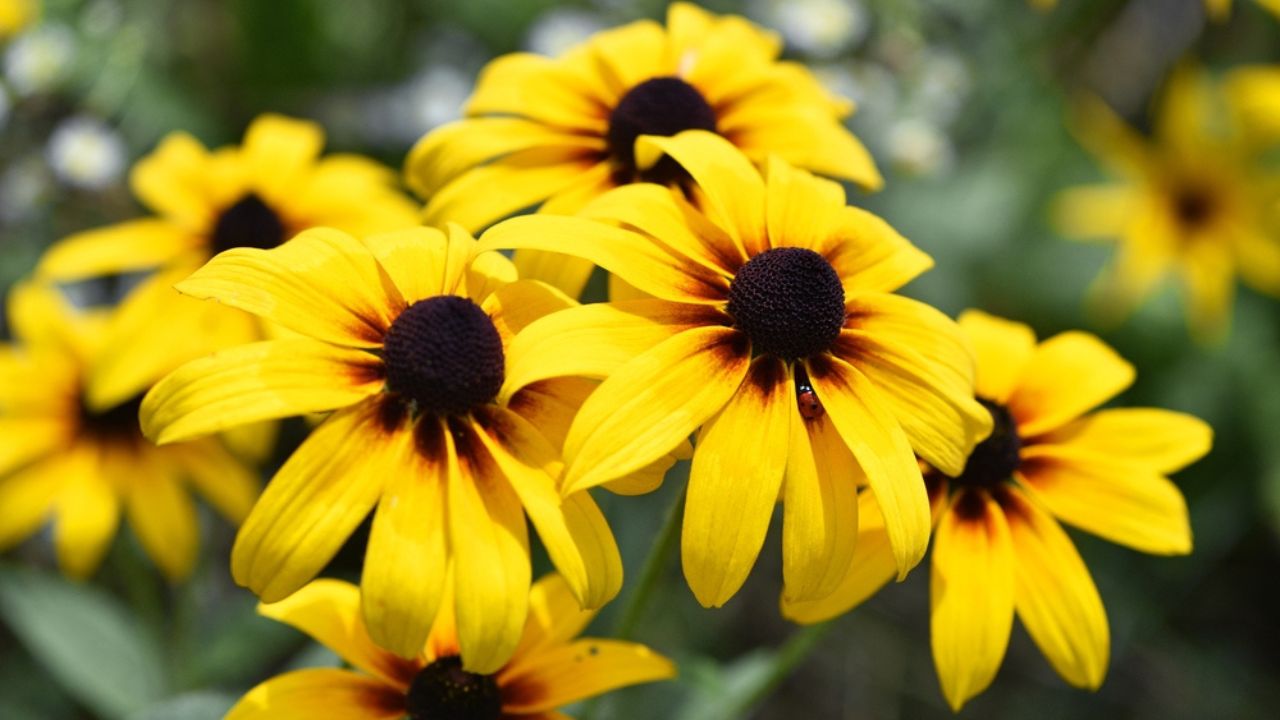
Black-eyed Susans are bright and cheerful, with golden petals and dark centers that stand out in fall gardens. These native perennials thrive in full sun and well-drained soil. They’re drought-tolerant and bloom for weeks, especially if you deadhead regularly. Some varieties reseed easily, so if you’re planting in a formal bed, you may want to thin them out in spring.
Their bold color and upright habit make them ideal for back-of-the-border planting or naturalized areas. They attract pollinators and beneficial insects, and they mix well with grasses, sedum, and coneflowers. If you’re looking for a plant that holds its own without constant attention, black-eyed Susans are a solid pick.
Quick Look:
- Cheerful yellow blooms
- Attracts beneficial insects
- Sun and good drainage are essential
10. Sedum (Hylotelephium ‘Autumn Joy’)
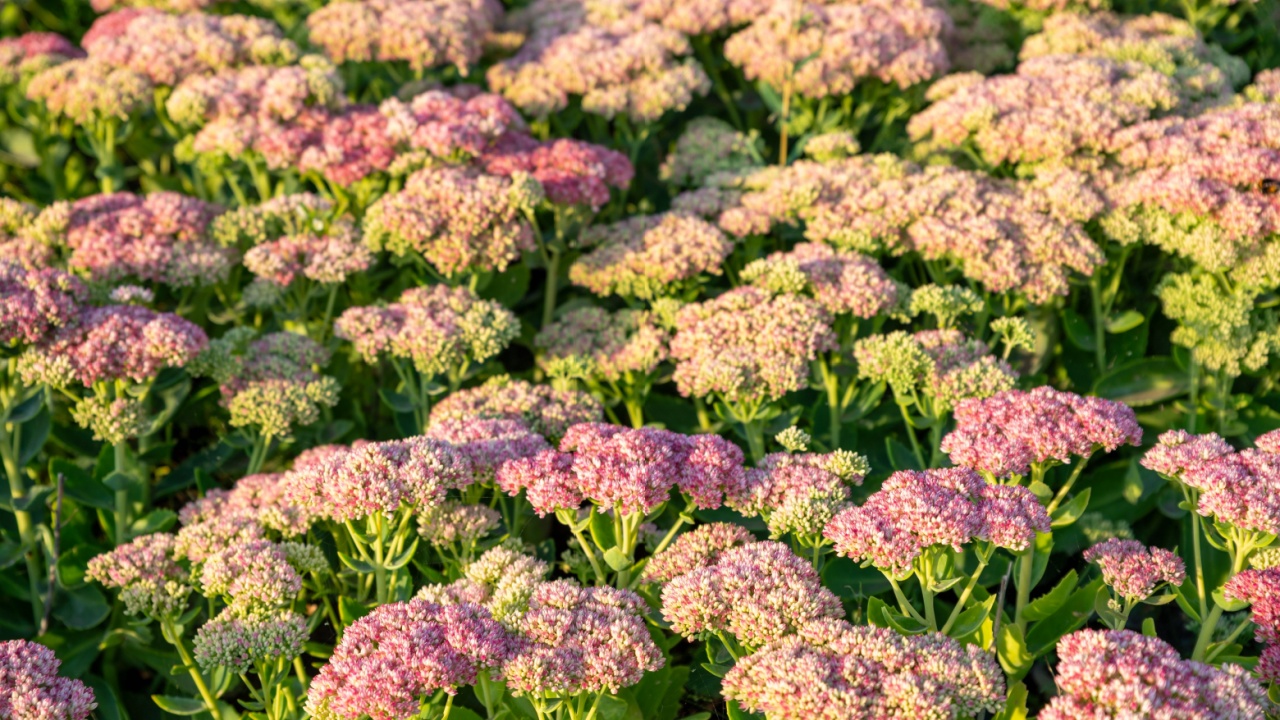
Sedum ‘Autumn Joy’ is a fall favorite for its thick stems and clusters of pink-to-rust flowers. It thrives in full sun and poor soil, and it’s one of the most drought-tolerant perennials you can grow. Once the blooms fade, the seed heads remain upright and attractive through winter.
In the garden, sedum adds structure and contrast. Its succulent leaves and upright form work well with ornamental grasses, coneflowers, and asters. It’s especially effective in raised beds or rock gardens, where drainage is good and the soil stays lean. If you want a plant that looks good in every season, this one delivers.
Quick Look:
- Low maintenance
- Succulent leaves
- Good for raised beds and borders
11. Japanese Anemone (Anemone hupehensis)
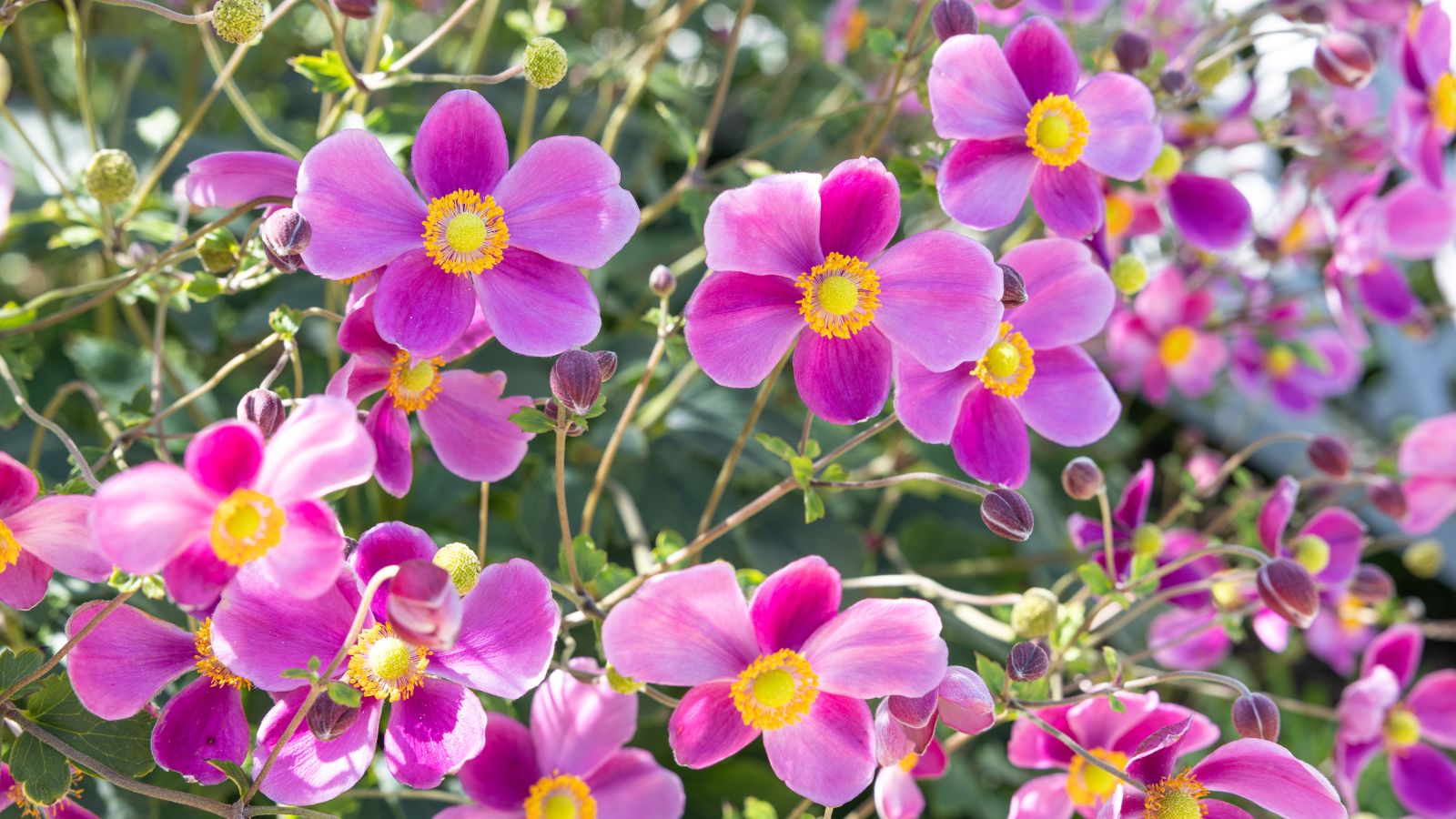
Japanese anemones bloom from late summer into fall, sending up tall stems with delicate pink or white flowers. They prefer part shade and rich, well-drained soil. Mulching helps retain moisture, and they benefit from regular watering during dry spells. These perennials spread by rhizomes and can form large colonies if left unchecked.
Their airy blooms and graceful movement make them ideal for naturalistic plantings or woodland edges. They pair beautifully with ferns, hostas, and ornamental grasses. If you’re after a soft, romantic look that still holds up in cooler weather, Japanese anemones are worth a spot. Just be mindful of their spreading habit.
Quick Look:
- Elegant, tall blooms
- Resilient and long-blooming
- Slightly shaded areas
12. Ornamental Grasses
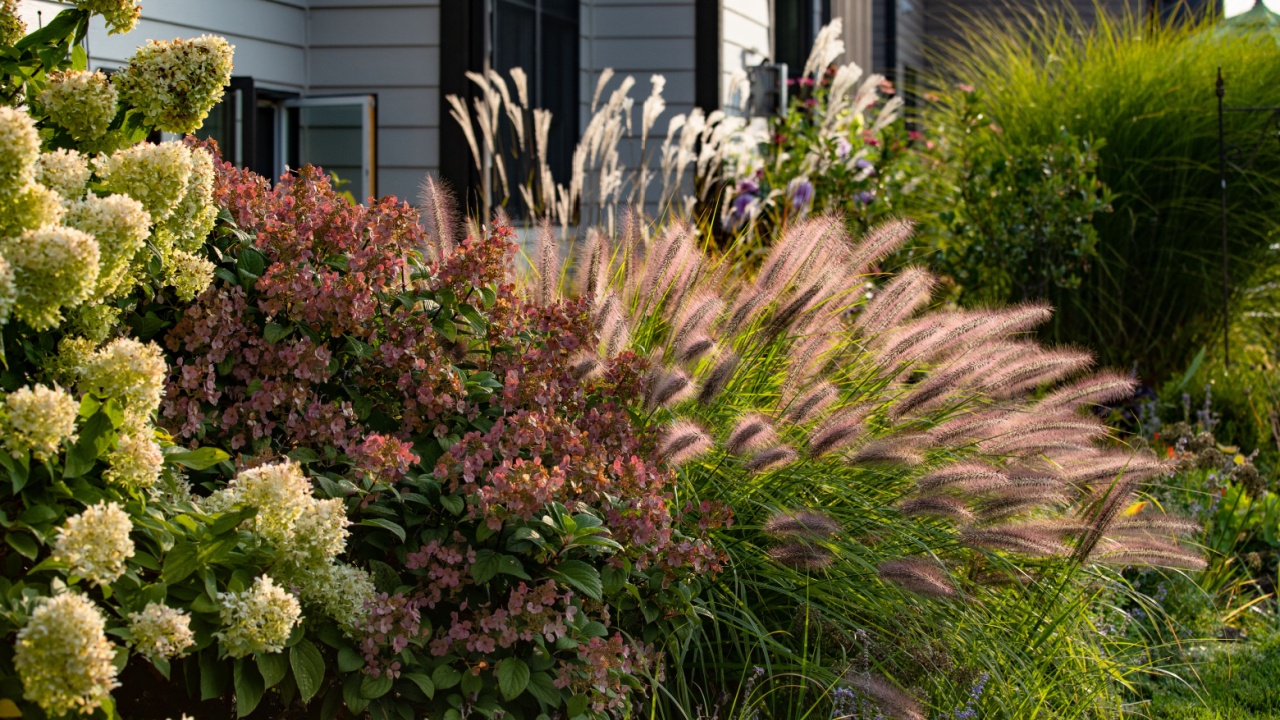
Ornamental grasses like miscanthus, fountain grass, and blue fescue add movement and texture to fall gardens. They thrive in full sun and well-drained soil, and most are drought-tolerant once established. Many varieties produce plumes or seed heads that persist into winter, offering visual interest long after other plants fade.
Grasses are versatile and work in containers, borders, or mass plantings. They shift color as the season changes, turning bronze, burgundy, or gold. Use them to soften hard edges or create rhythm in the landscape. Some types, like miscanthus, can spread aggressively, so check with your local extension office before planting.
Quick Look:
- Architectural appeal
- Easy care
- Versatile for containers or ground
13. Snapdragons (Antirrhinum majus)
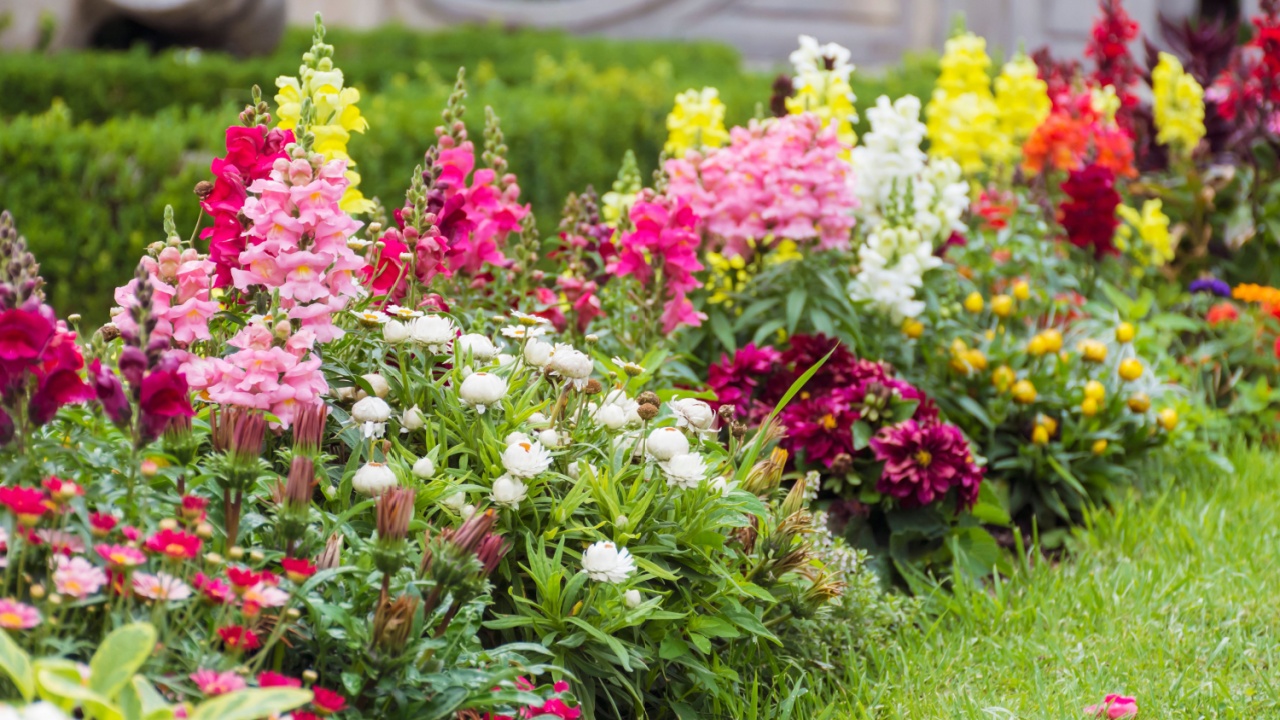
Snapdragons often bloom again in fall, especially in cooler weather. They prefer full sun to part shade and moist, well-drained soil. Deadheading encourages repeat flowering, and they’ll keep going until frost. Taller varieties may need staking, but most hold up well on their own.
Their spiky blooms add vertical interest to beds and containers. Colors range from soft pastels to deep jewel tones, and they mix well with pansies, violas, and ornamental kale. Snapdragons also make excellent cut flowers, so you can bring a bit of the garden indoors.
Quick Look:
- Repeat flowering
- Attracts pollinators
- Good for cut flowers
14. Cyclamen (Cyclamen hederifolium)
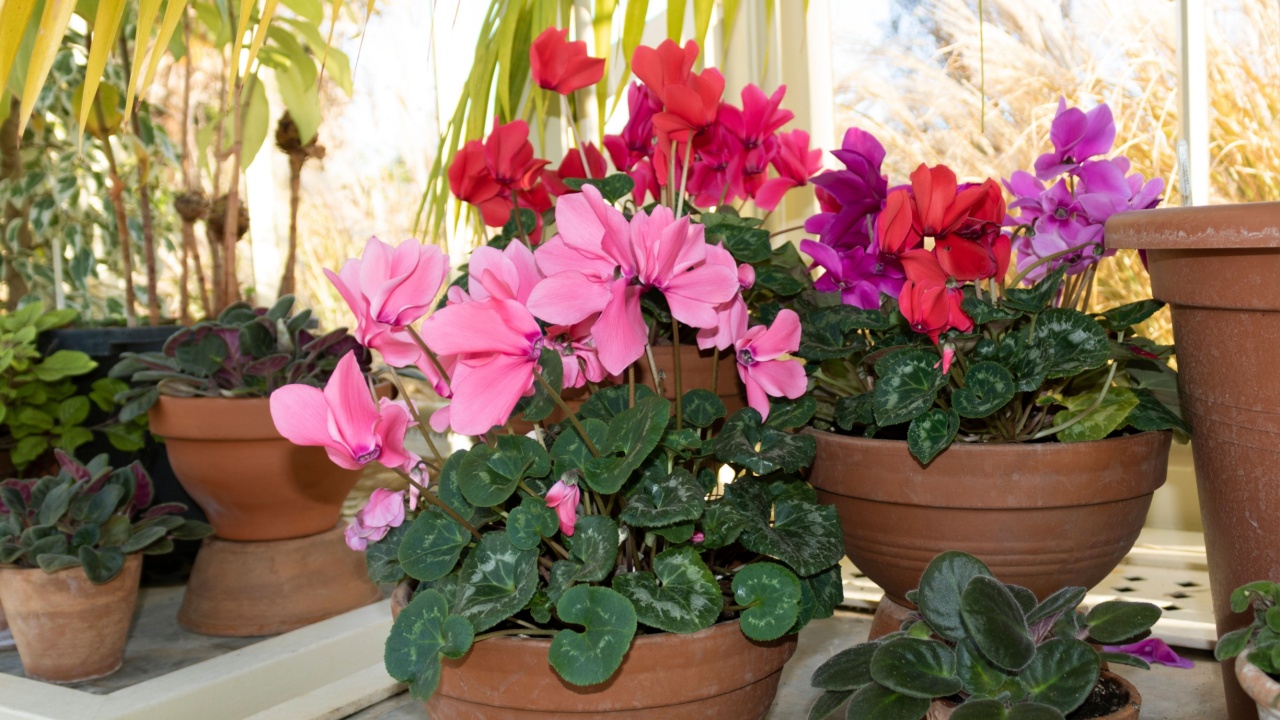
Hardy cyclamen bloom in fall with heart-shaped leaves and delicate flowers in pink, red, or white. They prefer cool conditions and well-drained soil. Water sparingly and allow the soil to dry slightly between waterings. These plants do best in shaded beds or containers on covered porches.
Cyclamen add elegance to quiet corners of the garden. Their patterned foliage and upright blooms create a refined look, especially when paired with ferns or hostas. They’re compact and tidy, making them perfect for small spaces or accent plantings.
Quick Look:
- Striking foliage
- Flowers last for weeks
- Tuck into shady spots
15. Dusty Miller (Senecio cineraria)
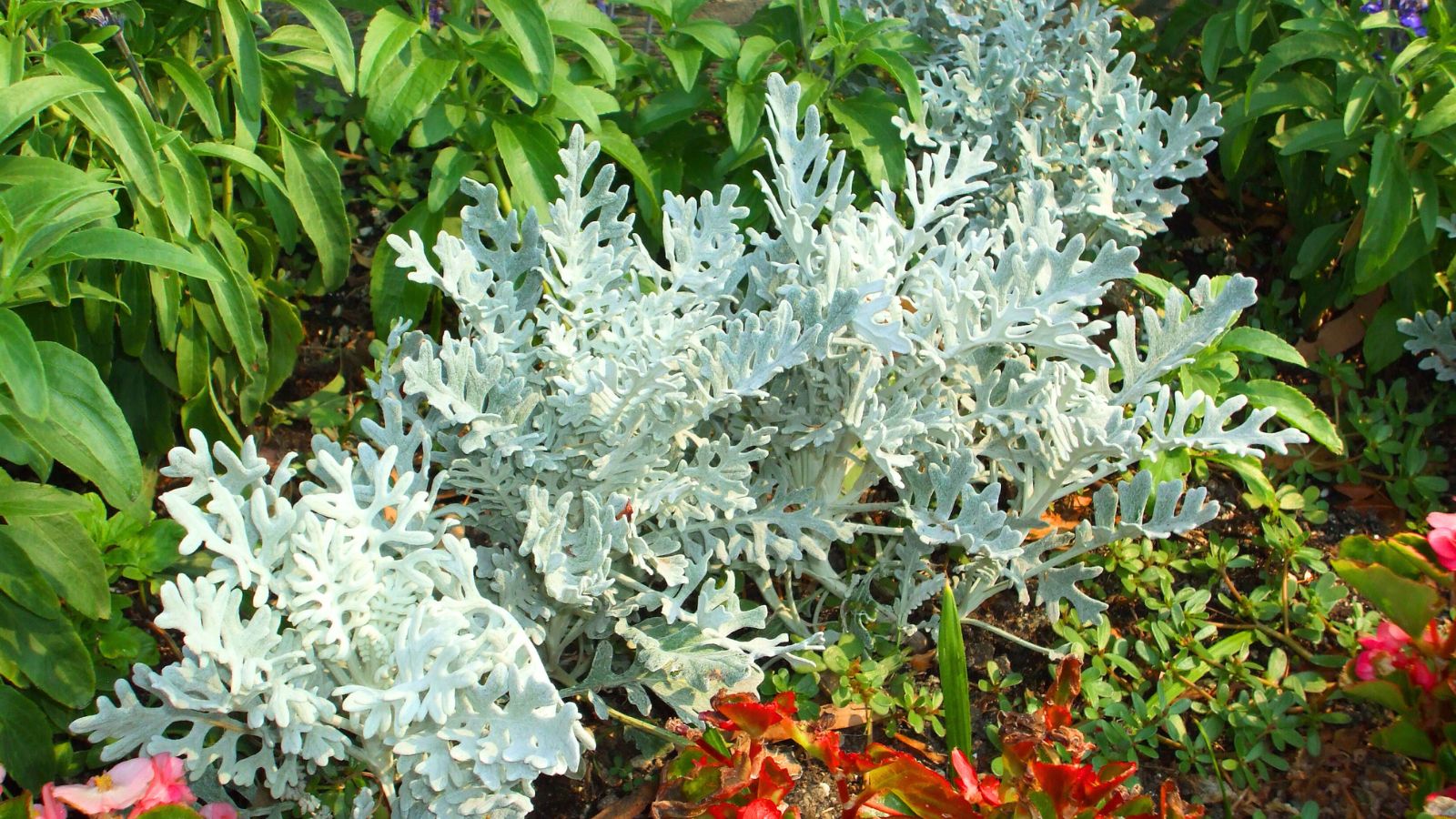
Dusty miller is grown for its silvery, velvety foliage, which stands out against bold fall flowers. It prefers full sun and well-drained soil and can tolerate light frost. While it’s often used as an annual, it may overwinter in mild climates.
In design, dusty miller adds contrast and texture. Use it to frame brighter plants like pansies or snapdragons, or let it anchor a monochrome container. Its soft color and tidy shape make it a reliable filler or accent. Some varieties may spread in warmer zones, so check before planting.
Quick Look:
- Silvery texture
- Cold-tolerant
- Pairs well with bold hues
Plan Your Fall Foliage

Fall planting offers a chance to reset your garden without starting from scratch. Many of the plants listed here are still available at garden centers and home improvement stores, ready to fill gaps or replace summer annuals that have faded. Cooler temperatures make it easier for new additions to settle in, and several of these options will continue performing well into the colder months.
Before planting, take stock of your space and conditions. Match sun and soil needs carefully, and check with your local extension office if you’re unsure about invasive potential. A few well-chosen plants can extend the season, support pollinators, and keep your garden looking structured and intentional.