14 Fall Plants to Add Color to the Patio or Yard
Fall is prime time for flexing your creativity with container gardening. As summer blooms start packing their bags, autumn offers its own parade of colors and textures: rich mums, deep purple grasses, spiky kale, and more, all ready to put on a show. Swapping out tired summer petals for bold, cool-weather plants is a chance to update patios and porches with fresh arrangements that keep looking sharp until the leftovers from Thanksgiving finally vanish.
Fall planters are endlessly customizable. Use them to line your entryway, brighten up patios, or add interest to a bare balcony. If you lean toward wild color or prefer subtle elegance, cool-season container gardening lets you play with layers, mix plant heights, blend foliage, and experiment with some pretty fun combinations. So grab a pot and some potting mix; your fall display is about to steal the spotlight.
1. Classic Chrysanthemums with a Twist
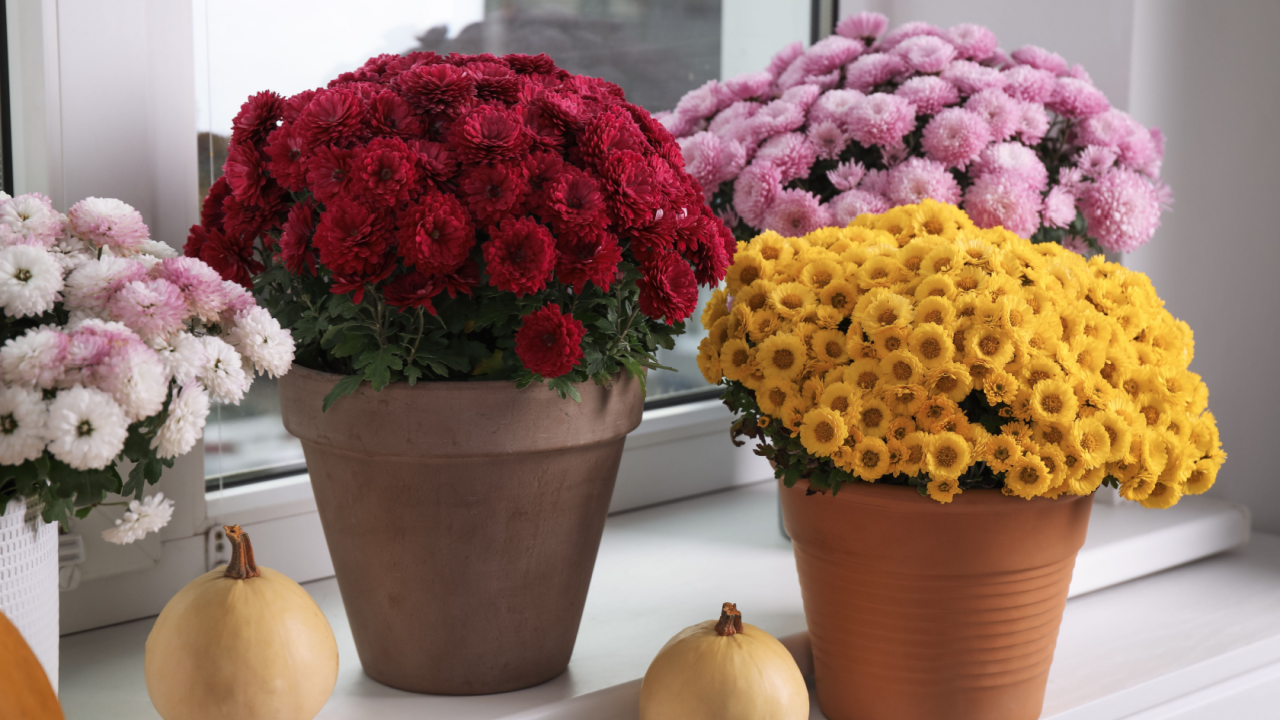
The mum is the pumpkin spice latte of the fall flower world. It’s everywhere, and for good reason. They are reliable and colorful. You can elevate this classic by treating it as the star of a bigger show instead of a solo act. Try pairing a bold, jewel-toned mum, like a deep burgundy or a vibrant gold, with contrasting textures.
Create layers. Place the mum in the center and surround it with trailing plants like variegated ivy or creeping Jenny. These spillers soften the edges of the pot and add visual interest. Mums thrive in full sun and need consistent watering, especially when they are in full bloom. Don’t let them dry out completely, or you’ll end up with sad, crunchy petals.
Quick Care Guide:
- Light: Full sun (at least 6 hours per day).
- Water: Keep soil consistently moist, but not waterlogged.
- Tip: Deadhead spent blooms to encourage more flowers and extend the plant’s life.
2. A Symphony of Coleus
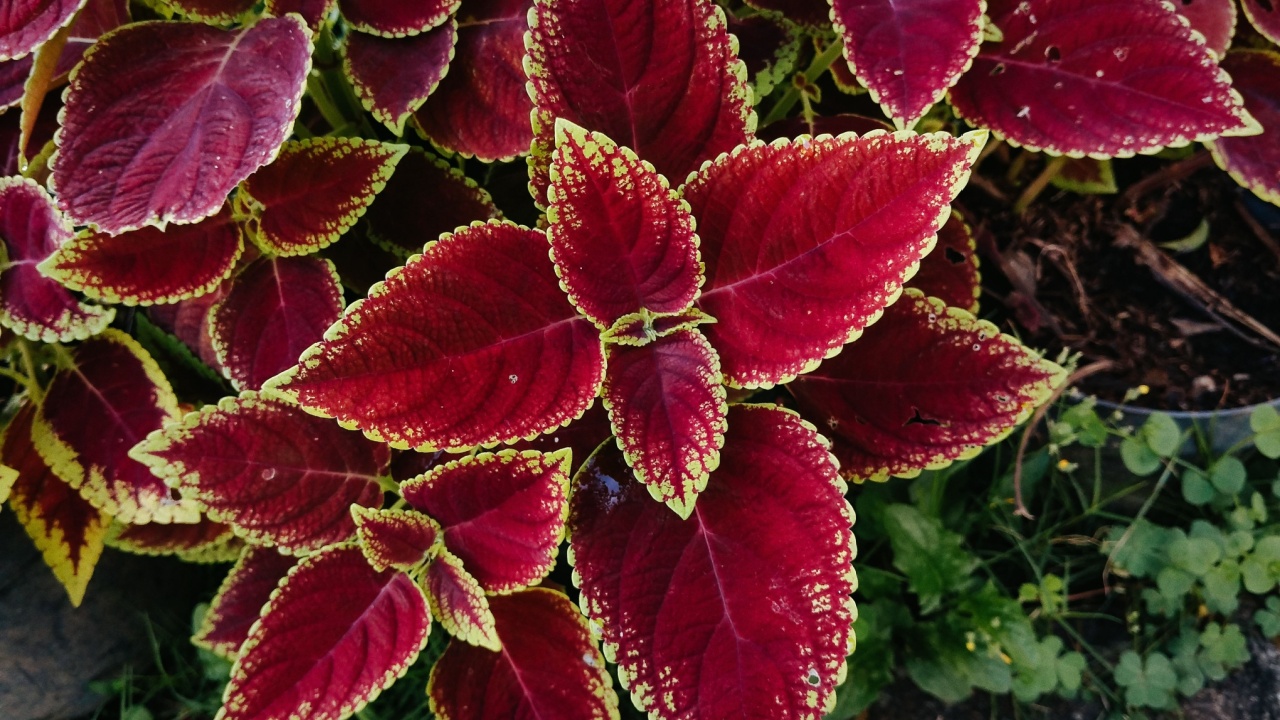
Coleus is often seen as a shade-loving summer annual, but its rich colors are perfect for fall. The sheer variety is staggering, with foliage in shades of orange, red, lime green, and deep purple. A planter packed with different types of coleus creates an incredible, low-maintenance display of texture and color that lasts until the first hard frost.
Since you’re focusing on foliage, you don’t have to worry about flowers fading. Combine upright varieties for height with trailing types that spill over the container’s edge. Coleus is generally easygoing, but most varieties prefer partial shade to protect their leaves from scorching. They also appreciate moist soil. If you live in a warmer climate, your coleus might even last through the winter.
Quick Care Guide:
- Light: Partial shade is best for most varieties.
- Water: Keep the soil consistently moist.
- Tip: Pinch back the tips of the plant to encourage bushier growth and prevent it from getting leggy.
3. Ornamental Peppers and Kale
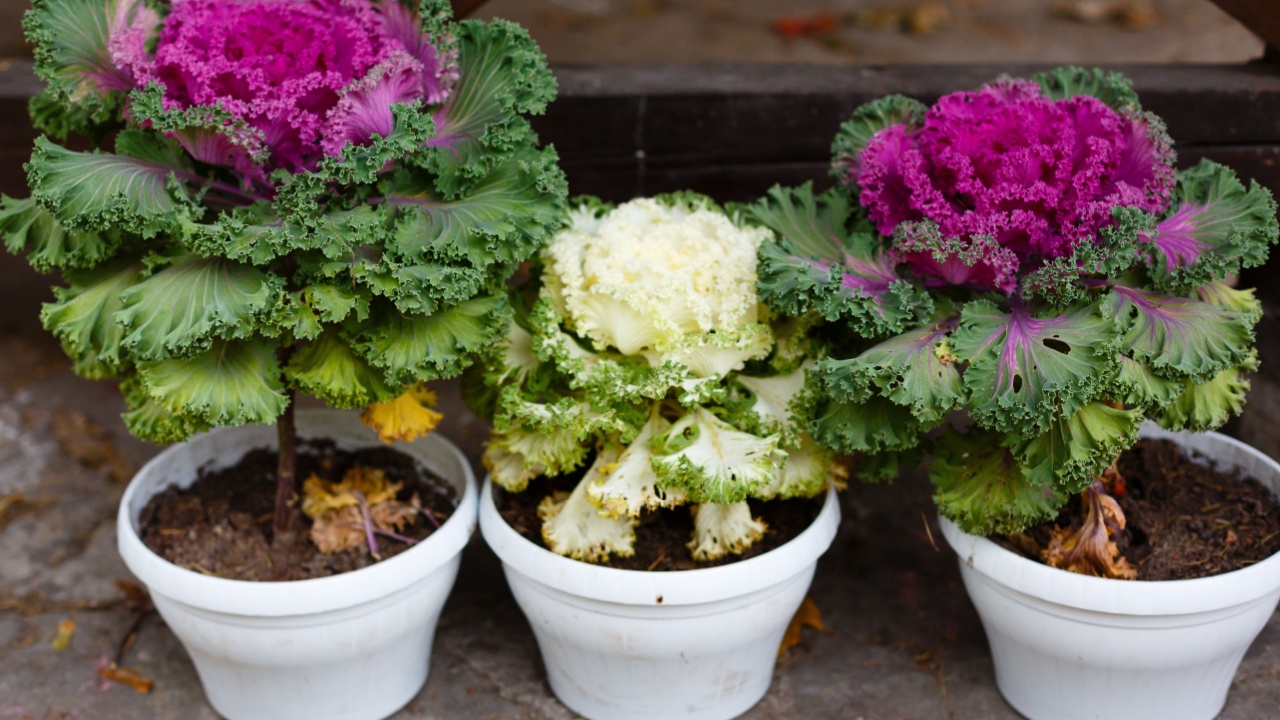
If you want a planter that stops people in their tracks, mix ornamental peppers with ornamental kale or cabbage. It sounds like a salad, but I promise it looks spectacular. Ornamental peppers produce brightly colored fruits in shades of red, purple, orange, and yellow that look like little jewels. Paired with the ruffled, cool-toned leaves of ornamental kale, the contrast is stunning.
This combination is all about texture and unexpected color. The glossy peppers stand out against the matte, sculptural leaves of the kale. Both plants are tough and can handle cooler temperatures well, often looking even better after a light frost, which deepens their color. They are a fantastic choice for a long-lasting display.
Quick Care Guide:
- Light: Full sun to light shade.
- Water: Water regularly, allowing the soil to dry slightly between waterings.
- Tip: While ornamental peppers are edible, they are typically very hot and not grown for flavor.
4. The Magic of Heuchera (Coral Bells)
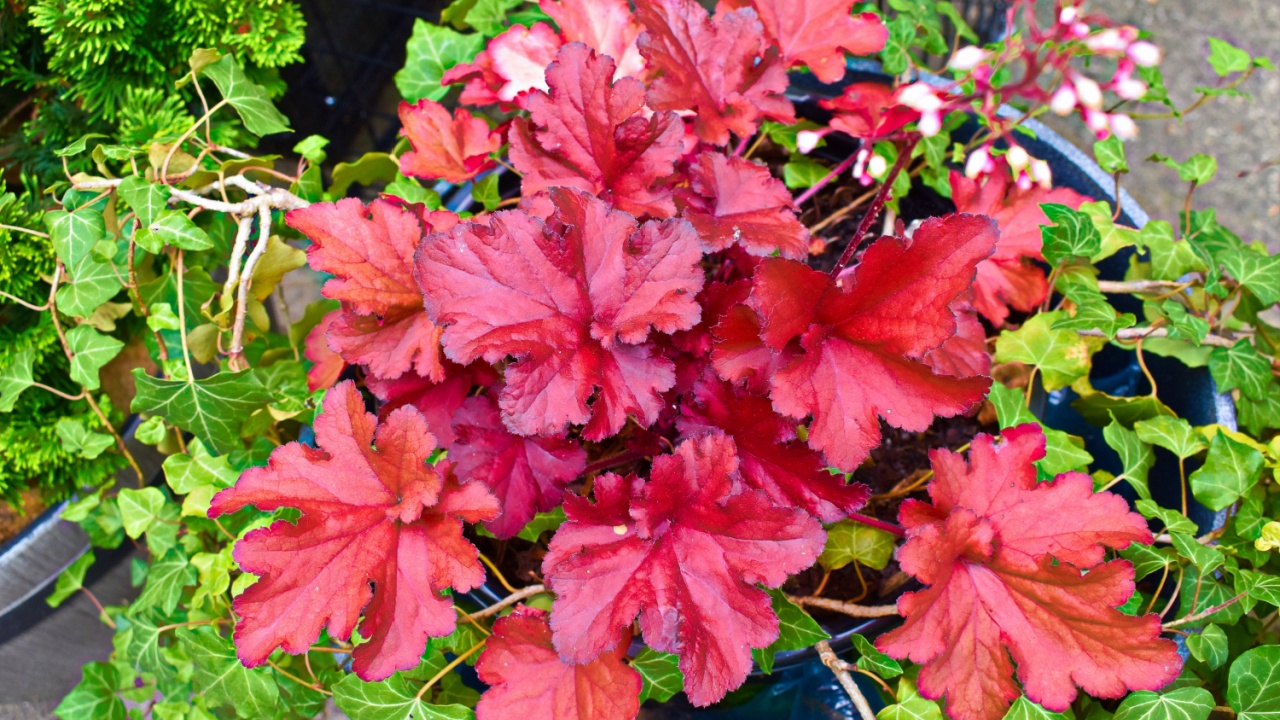
Heuchera, or coral bells, is the perennial that keeps on giving. I used to walk right past them at the nursery, and now I can’t get enough. Their mounded foliage comes in an astonishing range of colors, from deep plum and bronze to lime green and apricot. In a fall planter, they provide a rich, stable base of color that other plants can play off of.
Try combining a dark purple Heuchera with the silvery foliage of dusty miller and the bright orange of a pansy. The Heuchera grounds the arrangement, making the other colors pop. The best part is that when your container display is done for the season, you can plant the Heuchera in your garden. It’s a perennial, so it will come back year after year. It’s the ultimate gardening investment.
Quick Care Guide:
- Light: Varies by variety, from full sun to full shade. Check the plant tag.
- Water: Prefers evenly moist, well-drained soil.
- Tip: Plant them in your garden bed after they’re done in the container for a permanent addition to your landscape.
5. Graceful Grasses

Adding an ornamental grass to your planter is like giving it a fantastic hairdo. It adds height, movement, and a completely different texture. Purple fountain grass, with its burgundy blades and feathery plumes, is a fall favorite. It creates a dramatic centerpiece that sways beautifully in the autumn breeze.
For a different look, try Japanese forest grass, which has a graceful, arching habit. Or consider sedges like ‘Toffee Twist’, which has coppery-brown, threadlike leaves that curl at the ends. Grasses add a soft, natural element to containers and look great when paired with bold flowers like marigolds or low-growing plants like sweet alyssum.
Quick Care Guide:
- Light: Most ornamental grasses prefer full sun.
- Water: Water requirements vary, but most need regular watering until established.
- Tip: Many grasses provide winter interest, so consider leaving them in the pot even after other plants have faded.
6. Pansies and Violas for Persistent Color
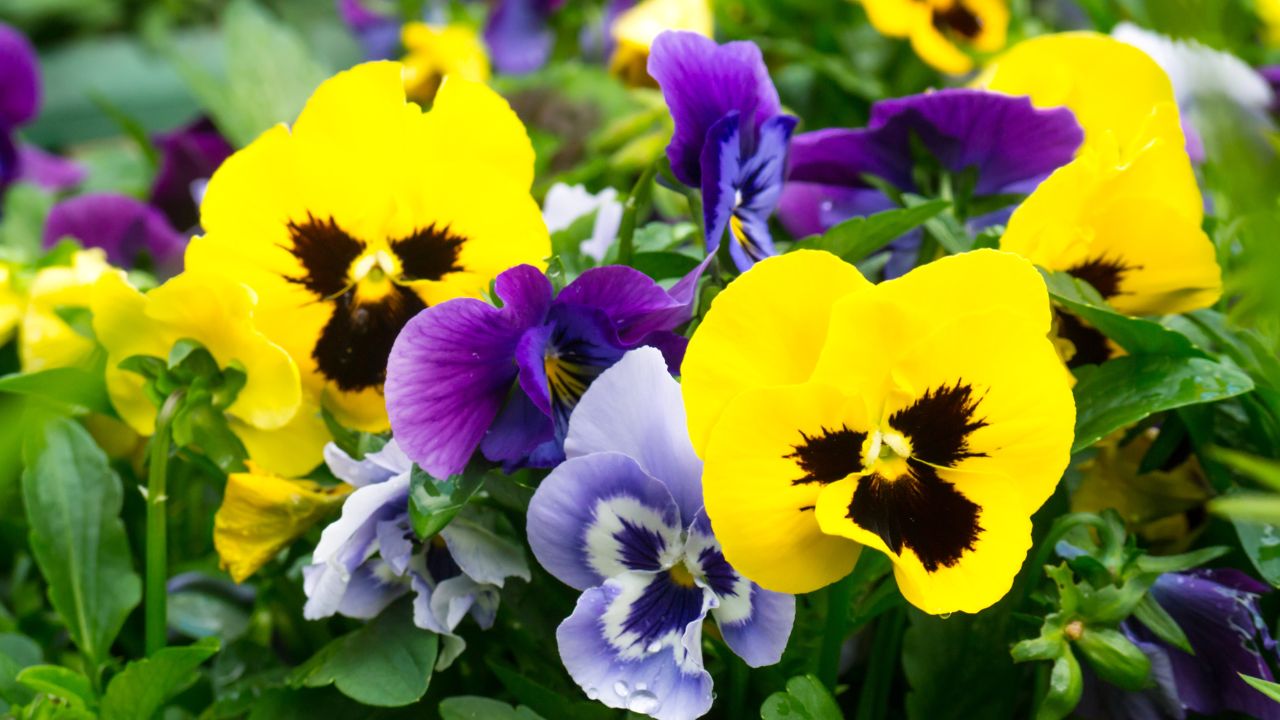
Pansies and violas are the cheerful troopers of the cool-season garden. When most other annuals are calling it quits, these guys are just getting started. They can handle a light frost and will often bloom well into the early winter in milder climates. Their sweet, “faced” flowers come in nearly every color imaginable.
Don’t just plant one color. Create a tapestry by mixing different shades of pansies and violas in one large pot. They look wonderful on their own or tucked in around taller plants like snapdragons or small evergreen shrubs. They are inexpensive, so you can pack them in for a full, lush look from day one. I once filled an old wheelbarrow with nothing but yellow and purple pansies, and it was the happiest accident in my garden that year.
Quick Care Guide:
- Light: Full sun to partial shade.
- Water: Keep soil moist. They don’t like to dry out.
- Tip: Regular deadheading is the secret to keeping them blooming profusely.
7. The Drama of Celosia
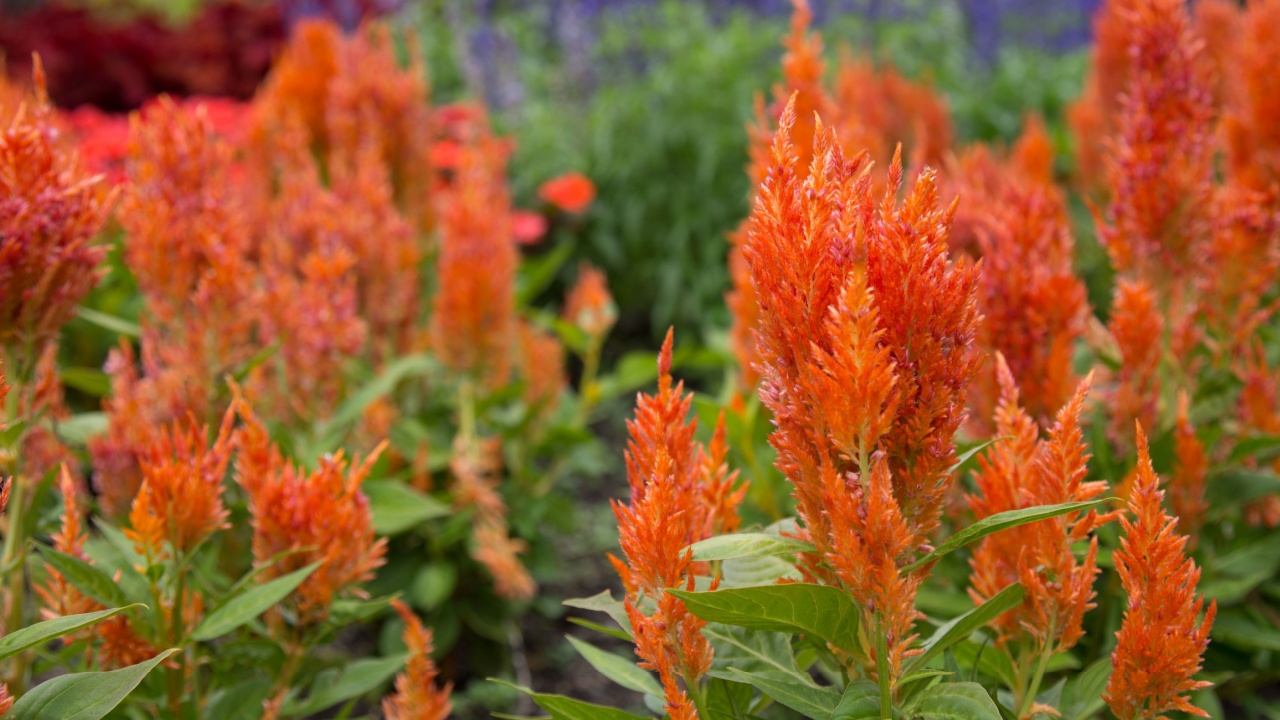
Celosia, also known as cockscomb, brings vibrant color and wild texture to fall containers. It comes in three main types: the crested kind that looks like a brain, the plumed type that resembles colorful flames, and the wheat-like spicata. All three offer intense shades of red, orange, yellow, and magenta that are perfect for an autumn palette.
Their unique shapes make them a fantastic focal point. A single, large crested celosia in a pot surrounded by something simple like golden creeping Jenny makes a strong statement. They love heat and sun, so they transition well from late summer into fall, holding their color until a hard frost.
Quick Care Guide:
- Light: Full sun.
- Water: Water regularly, but they are somewhat drought-tolerant once established.
- Tip: Celosia flowers are excellent for cutting and drying, so you can bring the color indoors.
8. Sweet Potato Vine for Spillers
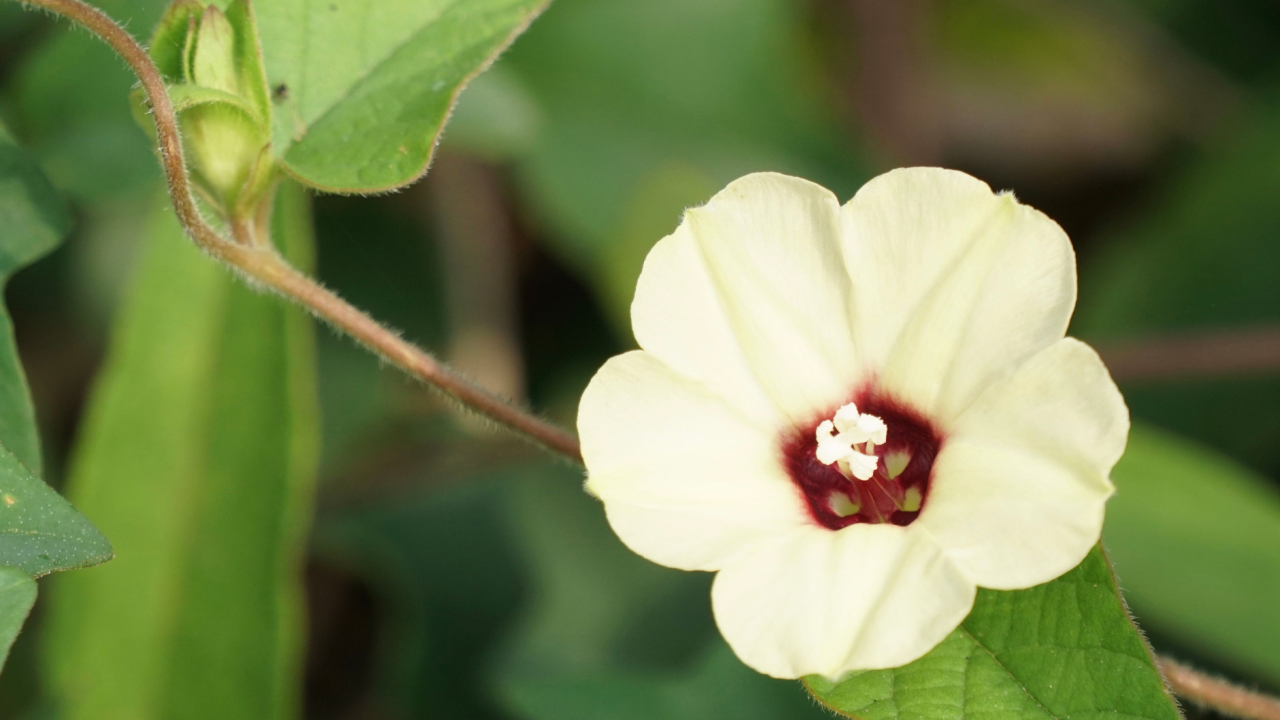
Every great container needs a “spiller,” a plant that trails over the side of the pot, and sweet potato vine is the undisputed champion. It grows vigorously and comes in stunning colors, from chartreuse ‘Margarita’ to the nearly black ‘Blackie’. Its lush, dense foliage can quickly fill out a container and provide a beautiful cascade of color.
In fall, the deep purple and bronze varieties are particularly effective. Imagine a dark-leafed sweet potato vine trailing from a pot filled with orange mums and yellow pansies. It’s a classic fall color scheme with a modern twist. Just be aware that this plant is a fast grower. You might need to give it a haircut occasionally to keep it from overwhelming its pot-mates.
Quick Care Guide:
- Light: Full sun to partial shade. Leaf color is often best in full sun.
- Water: Loves consistent moisture.
- Tip: Trim it back if it gets too long or starts to look scraggly. It will grow back even fuller.
9. Evergreen Foundation
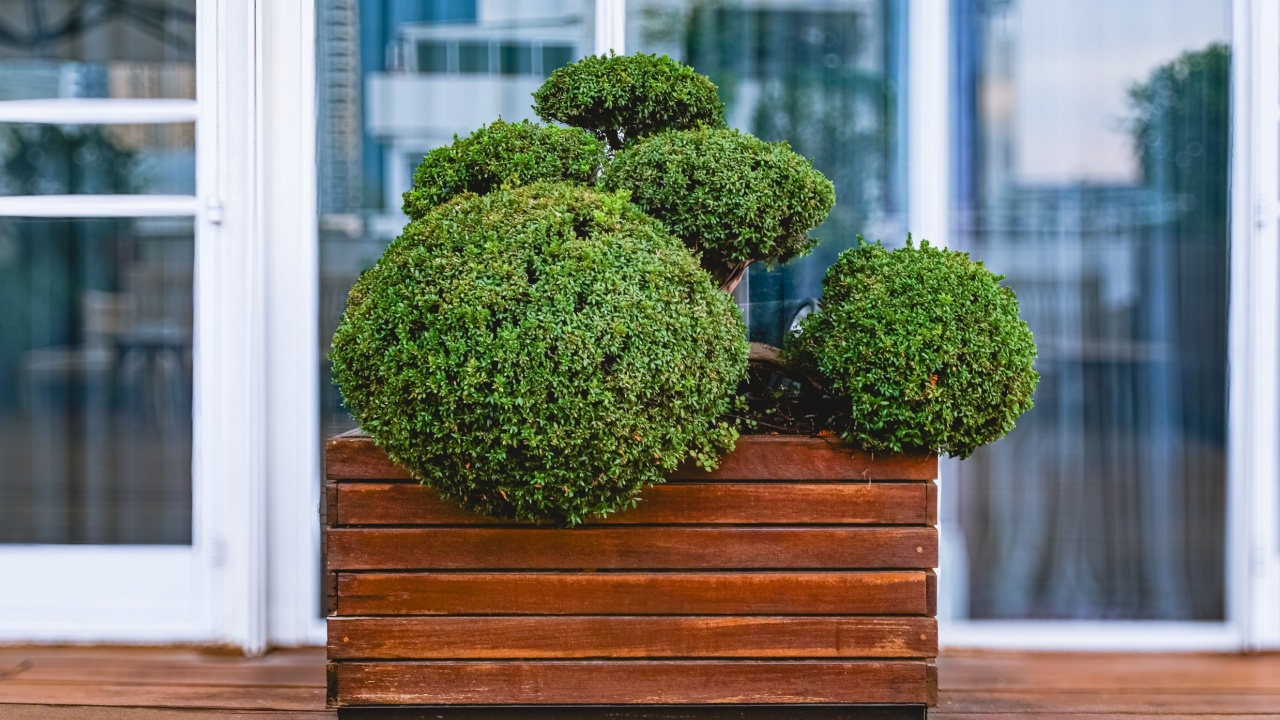
For a planter that will look good all the way through winter, start with a small evergreen shrub. A dwarf Alberta spruce, boxwood, or juniper can serve as the permanent “thriller” or centerpiece of your container. You can then swap out the surrounding annuals seasonally. For fall, surround the evergreen with trailing ivy and colorful flowering kale.
This approach saves you time and money. The evergreen provides structure and year-round interest, so you only need to replace a few smaller plants each season. It’s a low-effort, high-reward strategy. My most successful long-term planter is a giant pot with a boxwood in the middle that I’ve been underplanting for five years now.
Quick Care Guide:
- Light: Depends on the evergreen, but most prefer sun or part-sun.
- Water: Evergreens in pots need regular watering, even in winter, as they can dry out quickly.
- Tip: Choose a dwarf variety to prevent it from outgrowing your container too quickly.
10. Croton’s Tropical Punch

Why not bring a houseplant outside for the fall? Croton is a tropical plant known for its stiff, leathery leaves that are wildly variegated with yellow, orange, red, and black. Its colors are pure autumn. As long as nighttime temperatures stay above 50°F, a croton can live happily on your porch.
It makes a spectacular and unexpected centerpiece in a container. Pair it with plants that have simpler forms, like trailing ivy or a solid-colored mum, to let its wild foliage take center stage. When the temperatures drop for good, you can bring it inside to enjoy as a houseplant through the winter. It’s a two-for-one deal.
Quick Care Guide:
- Light: Bright, indirect light is best. Too much direct sun can fade the leaves.
- Water: Keep soil evenly moist.
- Tip: Bring it indoors before the first frost and place it in a bright spot away from drafts.
11. Aster’s Starry Surprise
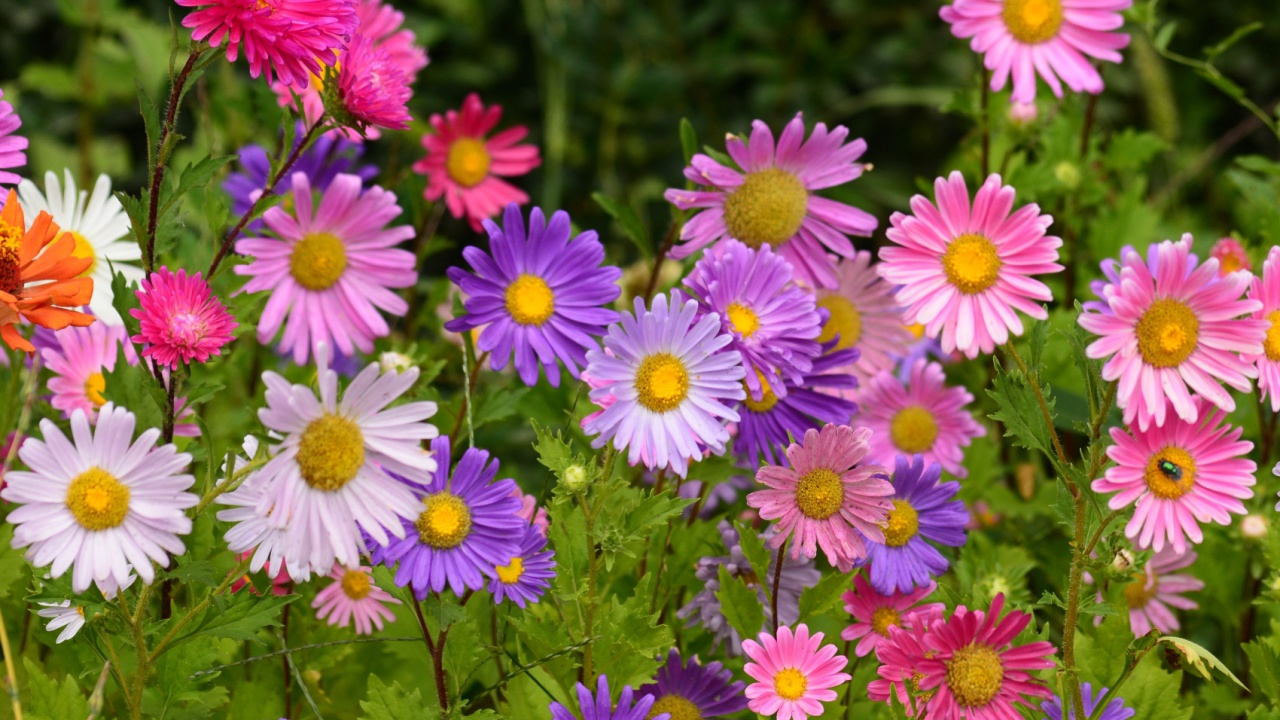
Asters are another fall-blooming perennial that brings a different shape to containers. Instead of the dense domes of mums, asters have a more open, airy habit with daisy-like flowers in shades of purple, blue, pink, and white. They have a lovely, slightly wild look that can soften a formal arrangement.
They work beautifully as a “filler” plant, weaving through other elements in the container. The purple and blue varieties are especially striking against yellow and orange fall colors. Like Heuchera, asters are perennials, so after they finish blooming in your pot, you can find a sunny spot for them in your garden.
Quick Care Guide:
- Light: Full sun.
- Water: Keep them watered, especially as they are setting buds.
- Tip: Look for compact varieties bred for containers to avoid needing to stake them.
12. Textural Contrast with Dusty Miller
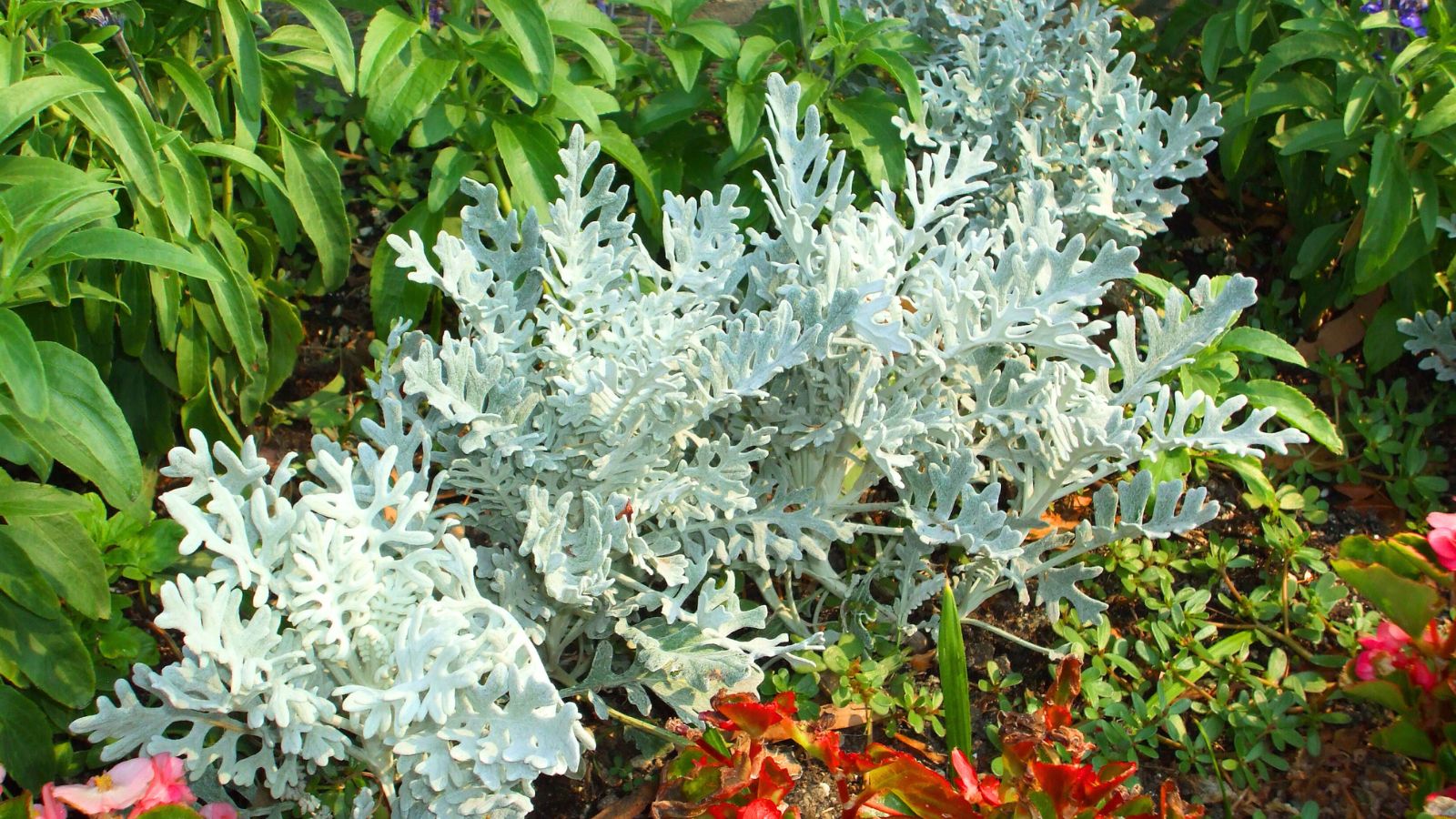
Dusty miller is grown for its felted, silvery-white foliage. It doesn’t offer bright colors, but its texture and neutral tone make every other plant in the container look better. The lacy leaves provide a beautiful contrast to both dark foliage and brightly colored flowers.
Tuck dusty miller around the base of a container to create a soft, silvery collar. It looks particularly good with deep purples, reds, and blues. It’s also incredibly tough, tolerating heat, drought, and even a light frost. It’s a hardworking plant that asks for very little in return.
Quick Care Guide:
- Light: Full sun.
- Water: Drought-tolerant once established, but does best with regular water.
- Tip: If it starts to flower, you can snip the flower stalks off to encourage more foliage growth.
13. Japanese Anemone Magic
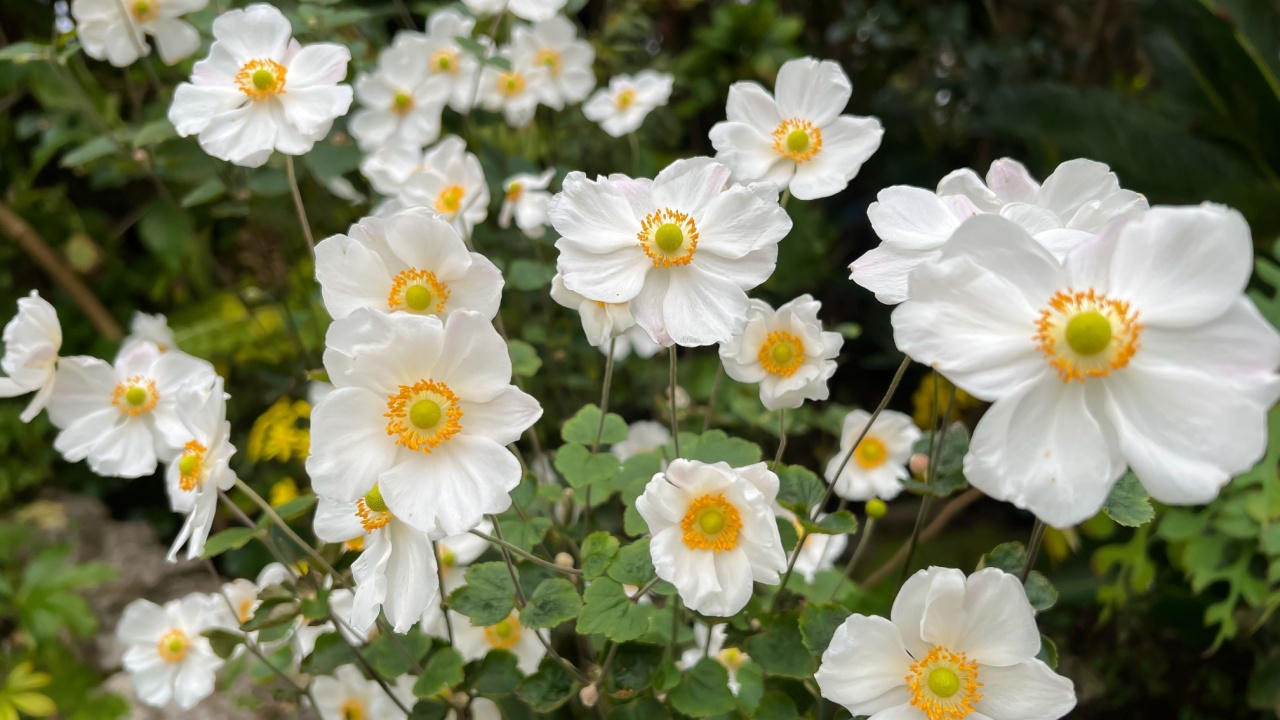
Japanese anemones bring an elegant, fresh look to fall containers just when you need it most. Known for their tall stems topped with soft pink or white flowers, these perennials bloom reliably in autumn and carry a gentle grace that brightens up any planter. Their flowers seem to float above a cushion of dark green foliage. They are basically the ballerinas of the fall garden.
Why go with Japanese anemones? They’re one of the few perennials that shine in the late season, unfazed by cooler weather and lower light. Their airy, branching blooms add height without feeling bulky, and they combine beautifully with plants like Heuchera, ornamental grasses, and pansies for a texture-rich display. Even after the flowers fade, the seed heads look attractive, giving planters extra personality.
Quick Care Guide:
- Light: Partial shade is perfect, though they tolerate some sun.
- Water: Likes consistently moist, well-drained soil.
- Tip: Deadhead spent blooms to encourage even more flowers, and after fall, plant your anemone in the garden for beautiful returns year after year.
14. Golden Creeping Jenny

For a splash of brilliant, trailing color, nothing beats golden creeping Jenny (Lysimachia nummularia ‘Aurea’). Its small, round leaves are a shocking shade of chartreuse that brightens up any container. It spills beautifully over the edges of pots, creating a waterfall of color.
This plant is incredibly versatile. Use it to contrast with dark-leaved plants like purple Heuchera or to complement yellow flowers like marigolds. It’s a perennial and very hardy, so it will survive the winter in most zones and can even be planted as a groundcover in your garden. A word of caution: it can be an aggressive spreader in the ground, so keep that in mind if you transplant it.
Quick Care Guide:
- Light: Full sun to part shade. The color is most vibrant in full sun.
- Water: Prefers moist soil.
- Tip: It’s easy to propagate. Just snip a piece and place it in moist soil.
Take Stock of Your Patio and Pots

Feeling inspired? The best way to start is to look at your empty pots and choose one of these ideas to try. Don’t feel pressured to create a dozen perfect planters overnight. My own journey from sad-mum-planter to slightly-more-adventurous-gardener started with a single pot where I mixed ornamental kale with some pansies. It wasn’t revolutionary, but it was better than the year before, and that’s what matters.
Head to your local garden center and just walk around. See which colors and textures catch your eye. Pick up a purple fountain grass or a funky-looking celosia. Grab a six-pack of pansies. The worst that can happen is you end up with a pot that looks a little weird. And in gardening, “a little weird” is often just another word for “charming.”