14 Ways to Stretch Your Groceries Produce Farther
You most likely know the pain of buying a cartful of beautiful, vibrant produce with the best intentions of eating healthy, only to find a science experiment growing in your crisper drawer a week later. It wastes produce, and also makes your house smell less than ideal.
It feels like a personal failure, a waste of money, and a sad end for what was once a perfectly good head of lettuce.
But what if you could break the cycle of produce tragedy? It turns out, a few simple storage tricks can dramatically extend the life of your fruits and vegetables. By understanding what your produce needs after it leaves the grocery store, you can keep it fresh and delicious for much longer.
Here are some easy adjustments you can make to make your grocery produce last longer. They are scientifically proven, but they aren’t complicated.
1. Separate Your Bananas
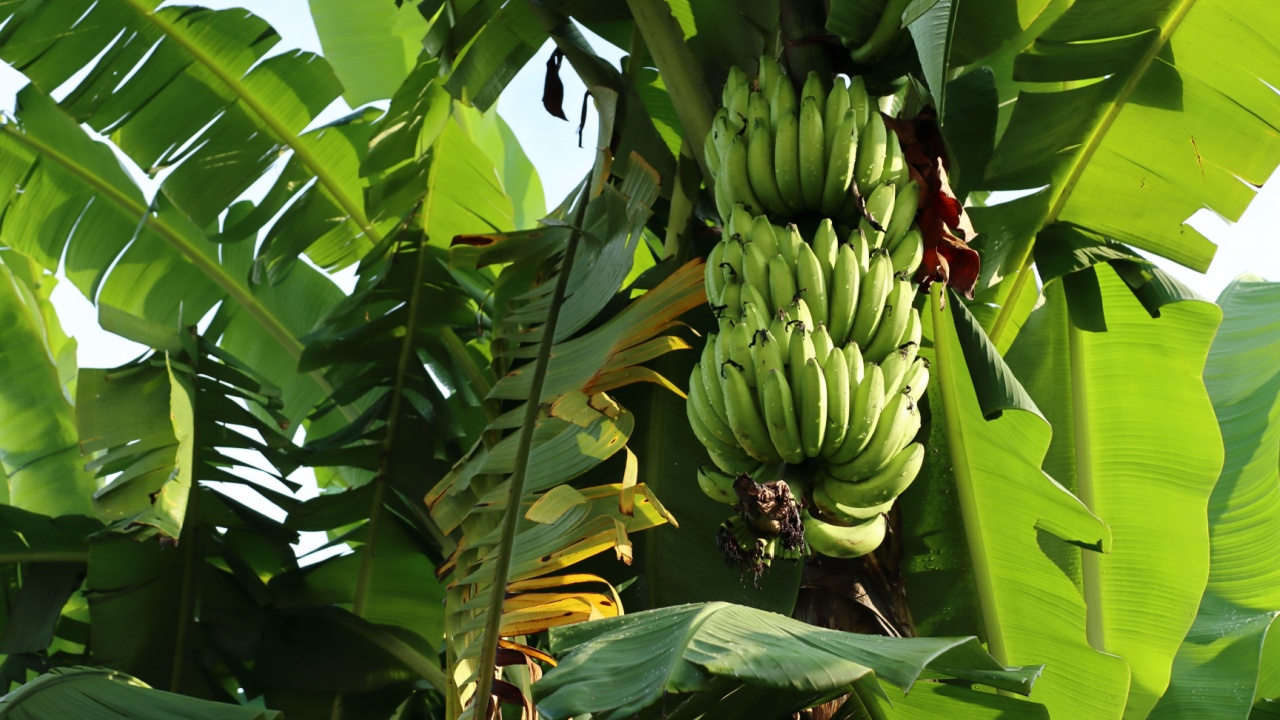
Bananas are the needy friend in the fruit bowl. As they ripen, they release ethylene gas (a ripening hormone), which can accelerate the ripening of themselves and nearby produce. While this is great if you want to ripen an avocado quickly, it’s a disaster for everything else. Keeping bananas separate from other fruits prevents them from prematurely aging everyone around them.
For an extra layer of protection, you can wrap the banana stems in plastic wrap. Most of the ethylene gas is released from the stems, so containing it at the source slows down the ripening of the bananas themselves and protects their neighbors.
At a Glance:
- Why it works: It contains ethylene gas, which accelerates ripening in other produce.
- Care tip: Once your bananas are perfectly ripe, separate them from each other to slow down the process even more. Don’t toss overripe bananas. Peel, chop, and freeze them for smoothies or bake them into banana bread.
2. Give Berries a Vinegar Bath
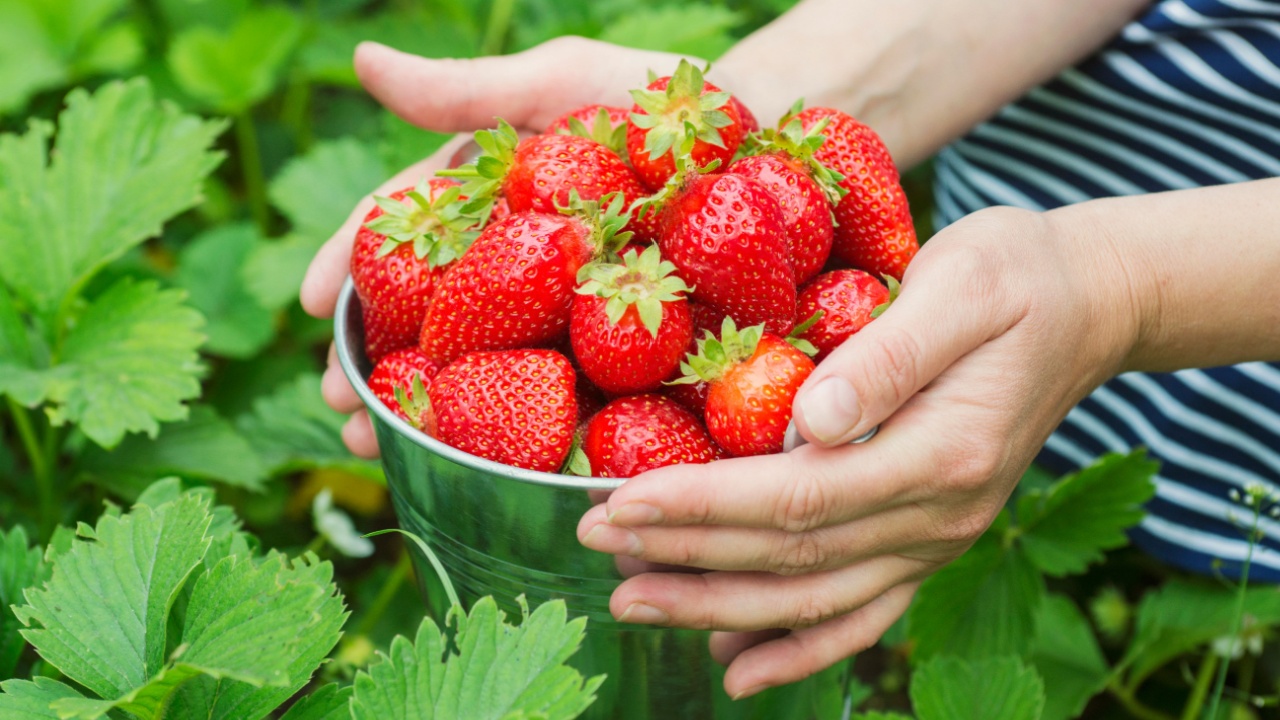
Berries are delicate, expensive, and seem to grow mold the second you turn your back. The culprit is usually microscopic mold spores that are already on the fruit when you buy it. A diluted vinegar bath can help reduce surface mold spores or bacteria on firm berries like strawberries, blueberries, or blackberries. Though it won’t reverse advanced decay, it can give the berries a slightly longer refrigerated life when followed by thorough drying.
Mix one part white vinegar with three parts cool water. Gently submerge the berries in the solution and swish them around for about a minute. Then, rinse them thoroughly under cold water to remove any vinegar taste. The key is to dry them completely before storing them. A salad spinner lined with paper towels works wonders for this.
At a Glance:
- Why it works: The vinegar is a mild disinfectant that kills mold spores and bacteria on the surface of the berries.
- Care Tip: Store the dry berries in a breathable container lined with a paper towel in the fridge. Don’t seal the container completely; air circulation is your friend.
3. Store Herbs Like a Bouquet of Flowers

Fresh herbs can turn a good meal into a great one, but they often wilt into a sad, slimy mess in just a day or two. Treat soft-stemmed herbs like cilantro, parsley, and mint like you would a bouquet of fresh flowers.
Trim the ends of the stems, place them in a jar with an inch of water, and cover the leaves loosely with a plastic bag. Store this “herb bouquet” in the refrigerator. For hard-stemmed herbs like rosemary and thyme, you can wrap them in a damp paper towel and place them inside a resealable plastic bag in the fridge.
At a Glance:
- Why it works: The water keeps the stems hydrated, allowing the leaves to stay fresh and perky.
- Care Tip: Change the water every couple of days to keep it fresh.
4. Keep Potatoes and Onions Apart
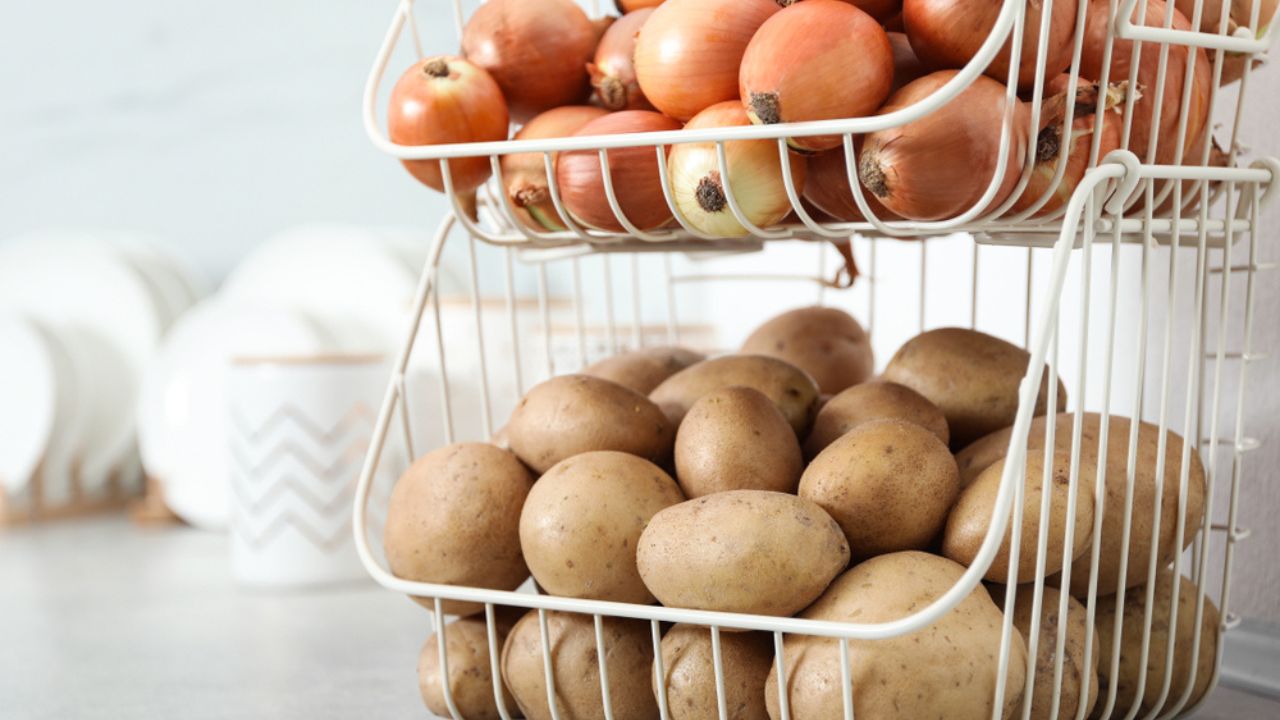
Potatoes and onions are a classic culinary pair, but they are terrible roommates in the pantry. Onions, like bananas, release ethylene gas, which can cause your potatoes to sprout prematurely. Potatoes, in turn, release moisture that can cause onions to soften and rot.
Store them in separate, cool, dark, and well-ventilated places. A pantry or a dark cupboard is ideal. Avoid storing them in the refrigerator, as the cold temperature can turn the starch in potatoes into sugar, affecting their taste and texture.
At a Glance:
- Why it works: Separating them prevents the transfer of ethylene gas and moisture, which cause sprouting and spoilage.
- Bonus tip: Some gardeners throw an apple in with your potatoes. The ethylene gas from the apple can help prevent potatoes from sprouting. It will also speed up the ripening process just like the onions, so you’ll have to find a balance.
5. Revive Wilted Greens with an Ice Bath
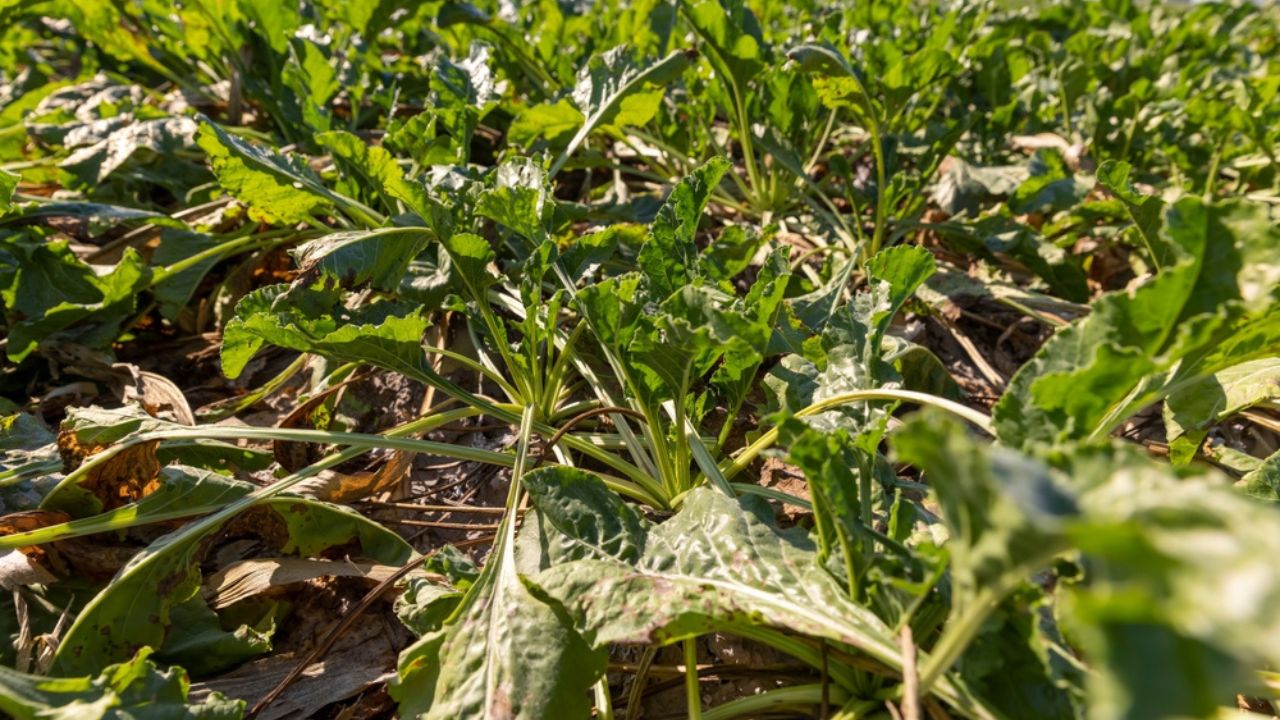
Don’t throw away that slightly sad-looking lettuce or kale. You can often bring wilted greens back to life with a simple ice bath. The cells in leafy greens lose their structure when they become dehydrated. Soaking them in ice-cold water helps them reabsorb that moisture and become firm again.
Fill a large bowl with ice water and submerge your greens for 15 to 30 minutes. You’ll be amazed at how they perk up. After their spa treatment, dry them thoroughly using a salad spinner or by patting them with a clean towel before storing them in the fridge.
At a Glance:
- Why it works: The cold water rehydrates the plant cells, restoring their structure.
- Storage: Once revived and dried, store greens in a container with a paper towel to absorb any excess moisture.
6. Wrap Celery in Aluminum Foil
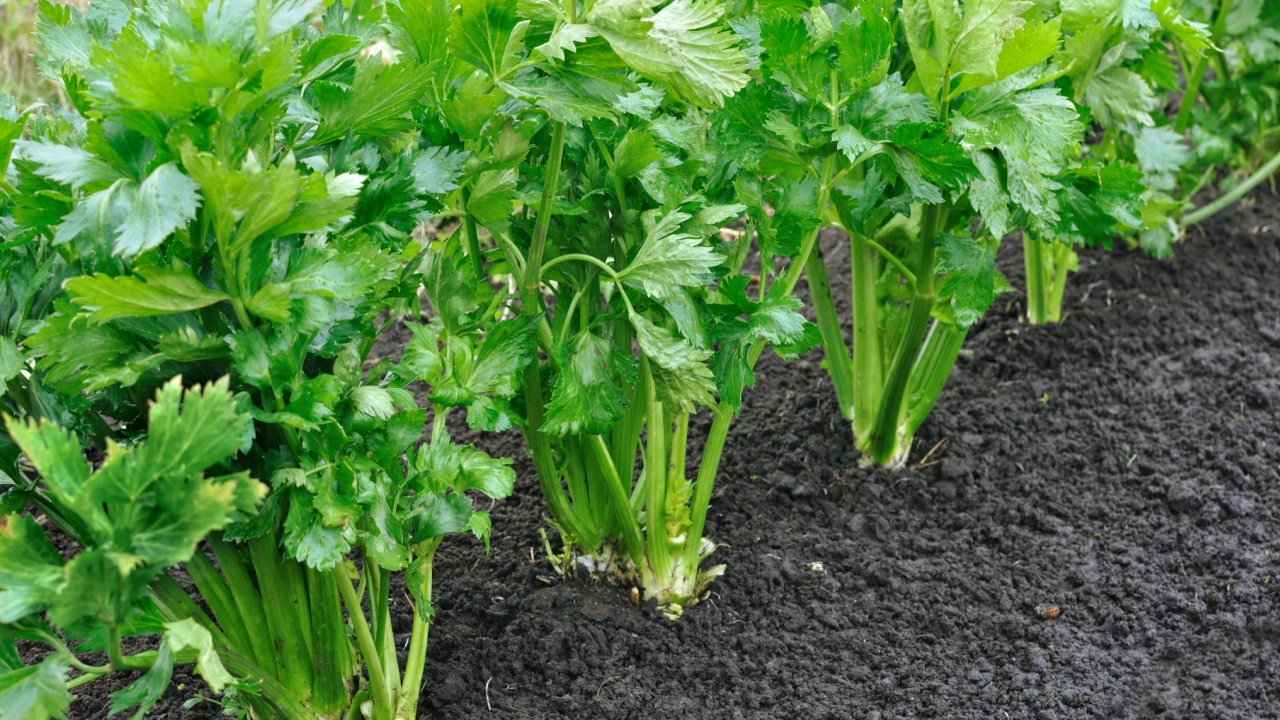
Celery often goes from snappy to rubbery in a few days when left in its original plastic bag. That plastic traps the ethylene gas that celery produces, accelerating its decline. Switching to aluminum foil is a game-changer.
Wrap the entire celery stalk tightly in a sheet of aluminum foil before placing it in the crisper drawer. The foil allows the ethylene gas to escape while still keeping the celery hydrated. This simple trick can keep your celery firm and ready for snacking for weeks.
At a Glance:
- Why it works: Aluminum foil lets ethylene gas escape while preventing moisture loss.
- Care tip: Don’t pre-chop your celery. It will last much longer when stored as a whole stalk.
7. Store Mushrooms in a Paper Bag
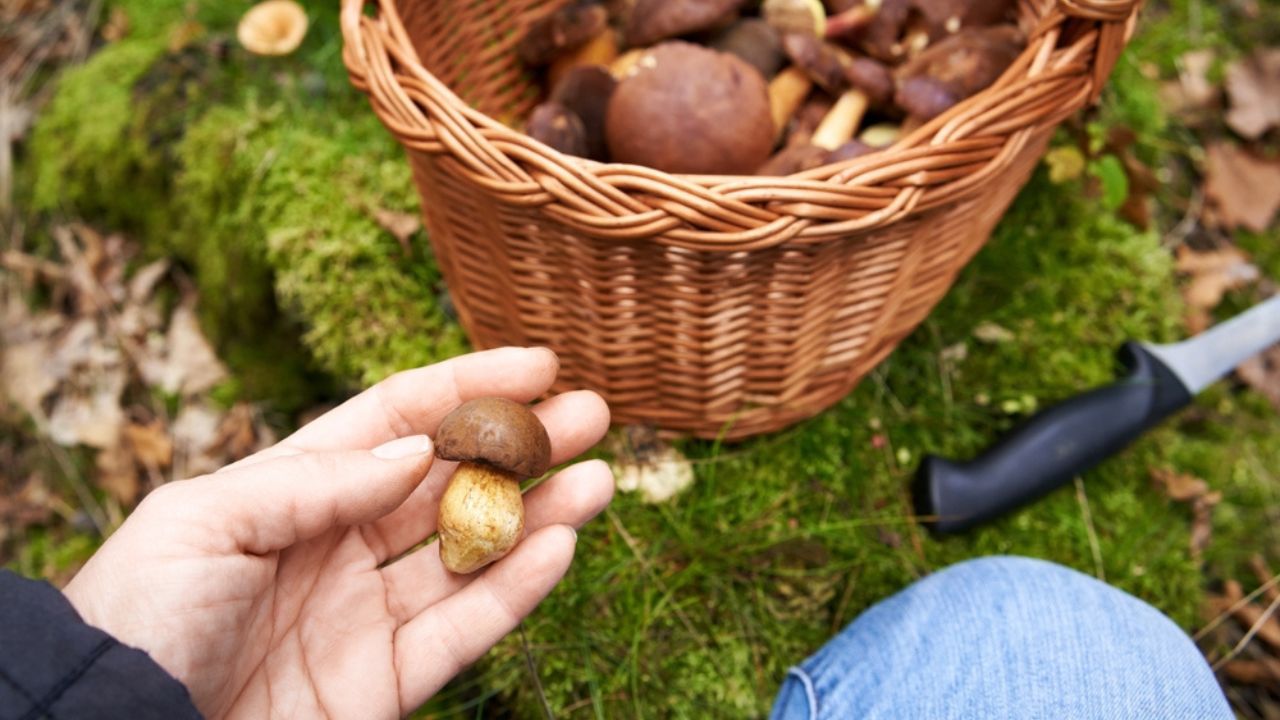
Mushrooms are like little sponges and will quickly become slimy if stored in a plastic bag or container that traps moisture. They need to breathe. The best way to store them is in a paper bag in the main compartment of your refrigerator, not the crisper drawer.
Mushrooms act like sponges and can absorb excess water, which speeds up spoilage. Many cooking resources recommend storing them unwashed in a paper bag to allow air circulation. Wash them only just before use.
At a Glance:
- Why it works: The paper bag balances moisture levels, preventing the mushrooms from becoming slimy or shriveling up.
- Care Tip: Wash mushrooms until you are ready to use them. They will absorb the water and spoil faster.
8. Know What Not to Refrigerate
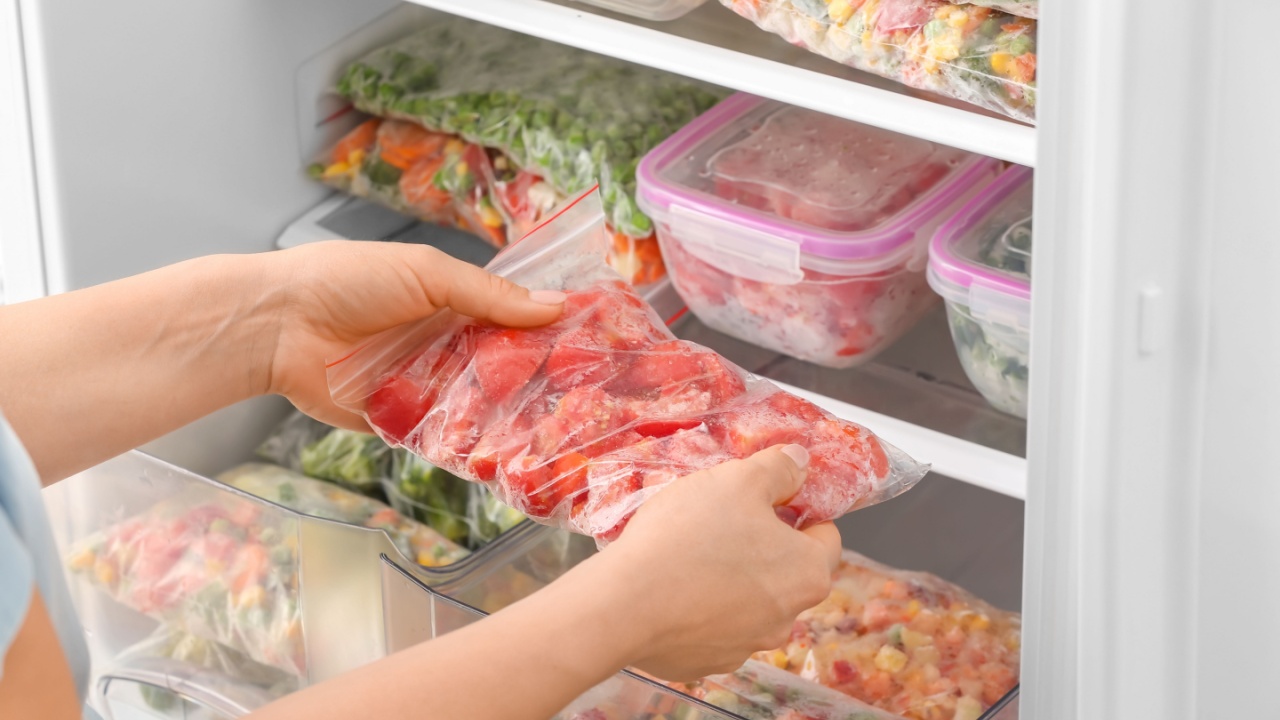
That beautiful, garden-fresh tomato flavor is one of the joys of summer. Putting tomatoes in the refrigerator is one of the fastest ways to destroy them. Many culinary experts note that refrigerating tomatoes too early can dull their flavour and lead to a mealy texture. Cold temperatures slow ripening and affect flavour compound development.
Some fruits and vegetables belong on the counter—bananas, tomatoes, onions, garlic, potatoes, sweet potatoes, and winter squash. Most other things can go into the fridge, including leafy greens, carrots, broccoli, berries, apples (to keep them firm), and citrus. Avocados can be ripened on the counter and then moved to the fridge to slow the process.
At a Glance:
- Why it works: Room temperature allows tomatoes to continue ripening and developing their full flavor profile.
- Care Tips: If your tomatoes are on the verge of going bad, you can then move them to the fridge to halt the process for a day or two, or cook them down into a sauce.
- Label your containers by veggie type and date loaded for a system you’ll actually stick to and less wasted food.
9. Treat Asparagus Like Flowers
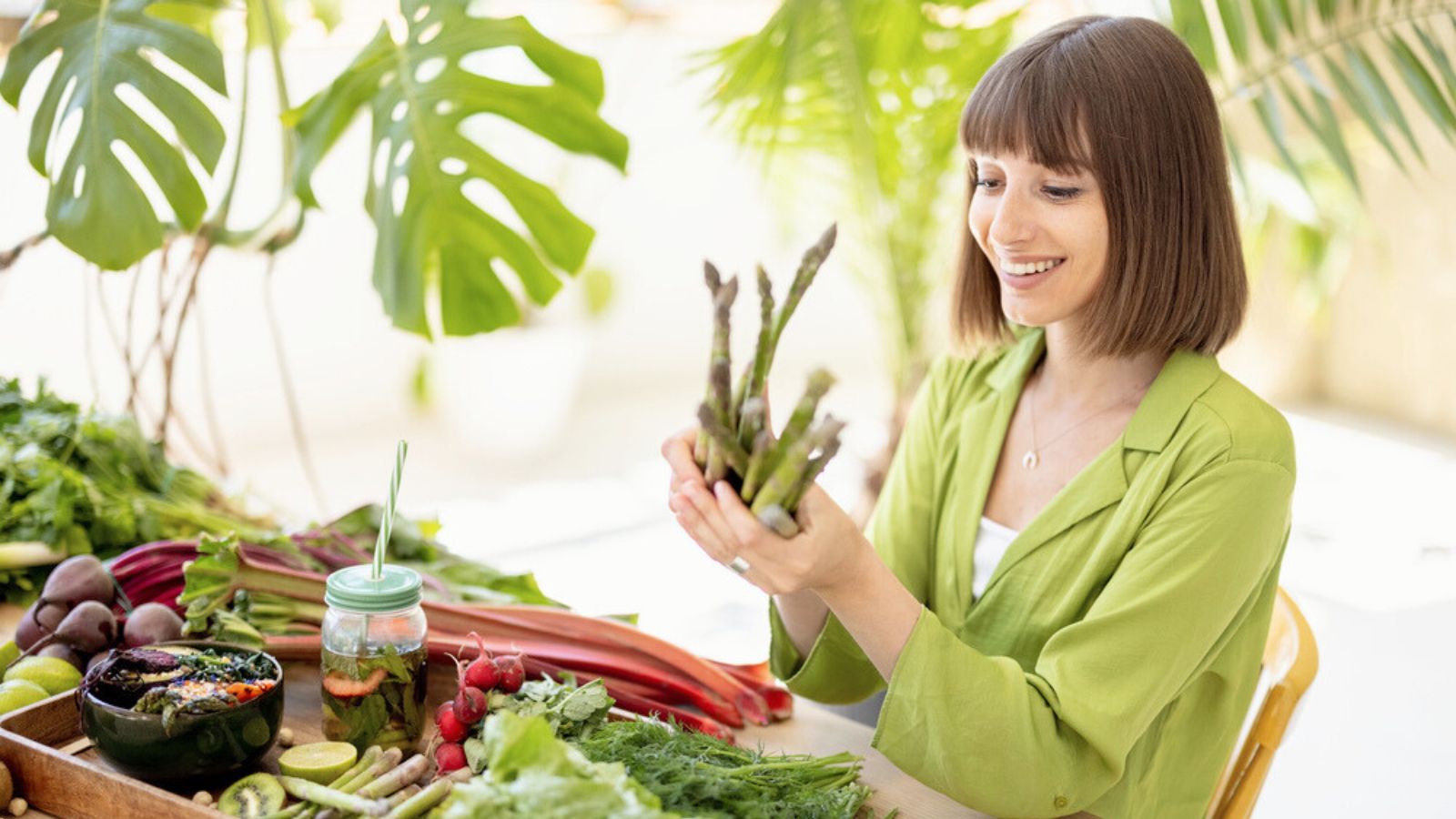
Asparagus continues to respire after harvest. This means it’s still “breathing,” using stored sugars and moisture. This leads to loss of water, wilting, and woody texture. The key to extending freshness is to maintain hydration and reduce respiration, which the “flower-style” storage method achieves effectively.
Cutting about an inch off the woody ends exposes fresh vascular tissue, allowing the stalks to reabsorb moisture from the water below. If you don’t have space for a jar of water in your fridge, try this: trim about an inch off the ends of your asparagus stalks, then wrap the bottom ends in a lightly damp paper towel and place the bundle in a zip-top plastic bag, slightly open for airflow, in your refrigerator. This method helps maintain moisture around the stalks and is supported by food-storage experts.
At a Glance:
Why it works: The damp towel supplies hydration to the lower stem, where moisture loss is fastest; the partially open bag keeps enough humidity but avoids soggy build-up.
Care Tips: Change the water every other day to ensure it stays fresh and clean.
10. Stop Washing Produce Before Storing
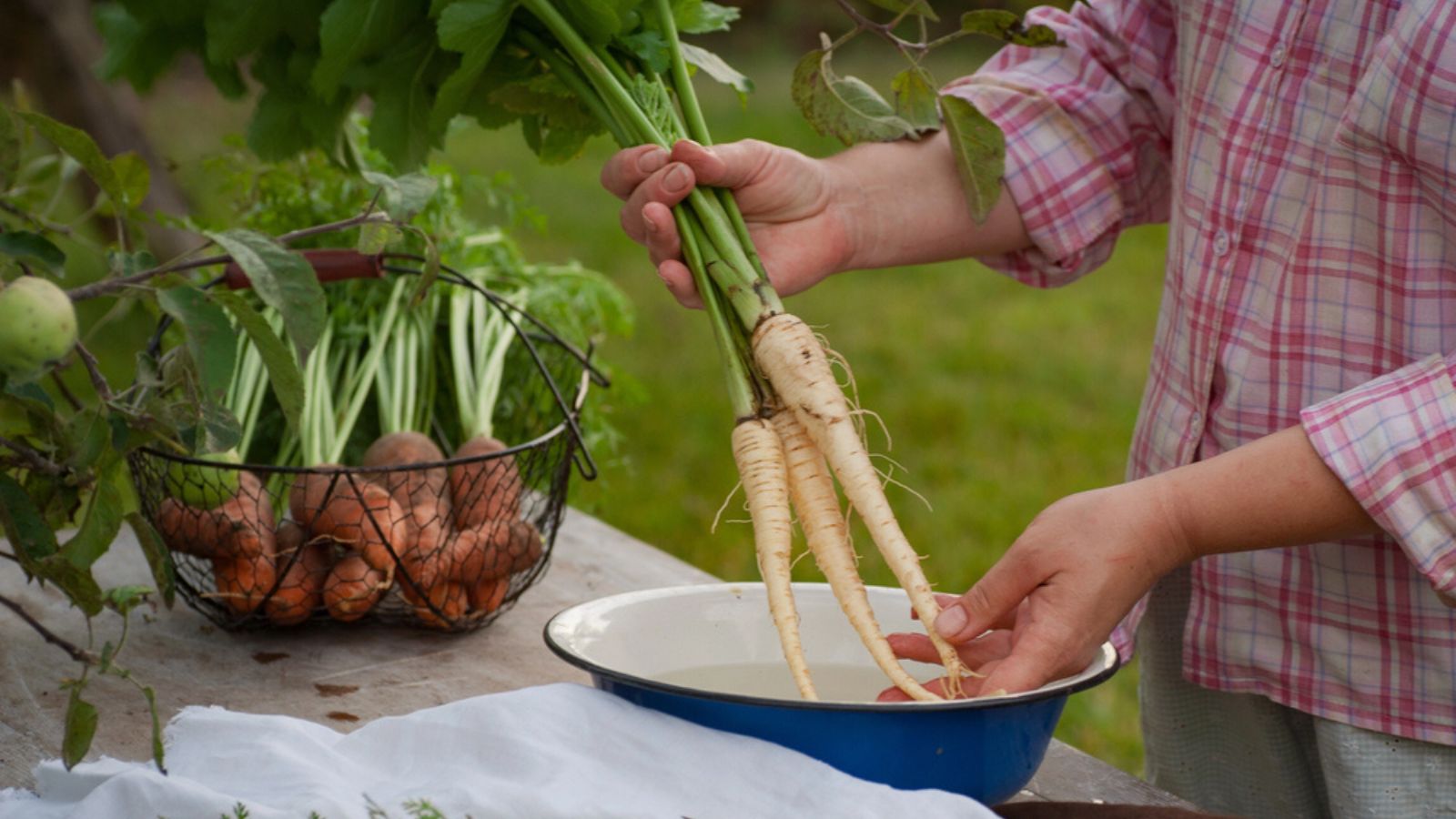
It might seem like a good idea to wash all your produce as soon as you get home from the store, but this is often a mistake. Excess moisture is one of the biggest culprits behind mold and rot. Washing produce introduces moisture that can get trapped and accelerate spoilage.
The best practice is to wash your fruits and vegetables right before you plan to eat or cook them. The only exception is the vinegar bath for berries, and even then, they must be dried completely.
At a Glance:
- Why it works: Keeping produce dry prevents the growth of mold and bacteria.
- Care Tips: Store produce in its “natural” state and wash it just before use to maximize its lifespan.
11. Put a Paper Towel in Your Salad Bag

Bagged salads and greens are convenient, but they often get soggy and slimy at the bottom of the bag. This is because moisture condenses inside the plastic. An easy fix is to slip a paper towel into the bag after you open it.
The paper towel will absorb the excess condensation, keeping the leaves from sitting in water. This helps the greens stay fresher for several extra days. You can change out the paper towel if it becomes saturated.
At a Glance:
- Why it works: The paper towel wicks away moisture that leads to wilting and decay.
- Application: This trick also works great for spinach, arugula, and any other pre-washed leafy greens sold in bags or clamshells.
12. Store Root Vegetables in Sand
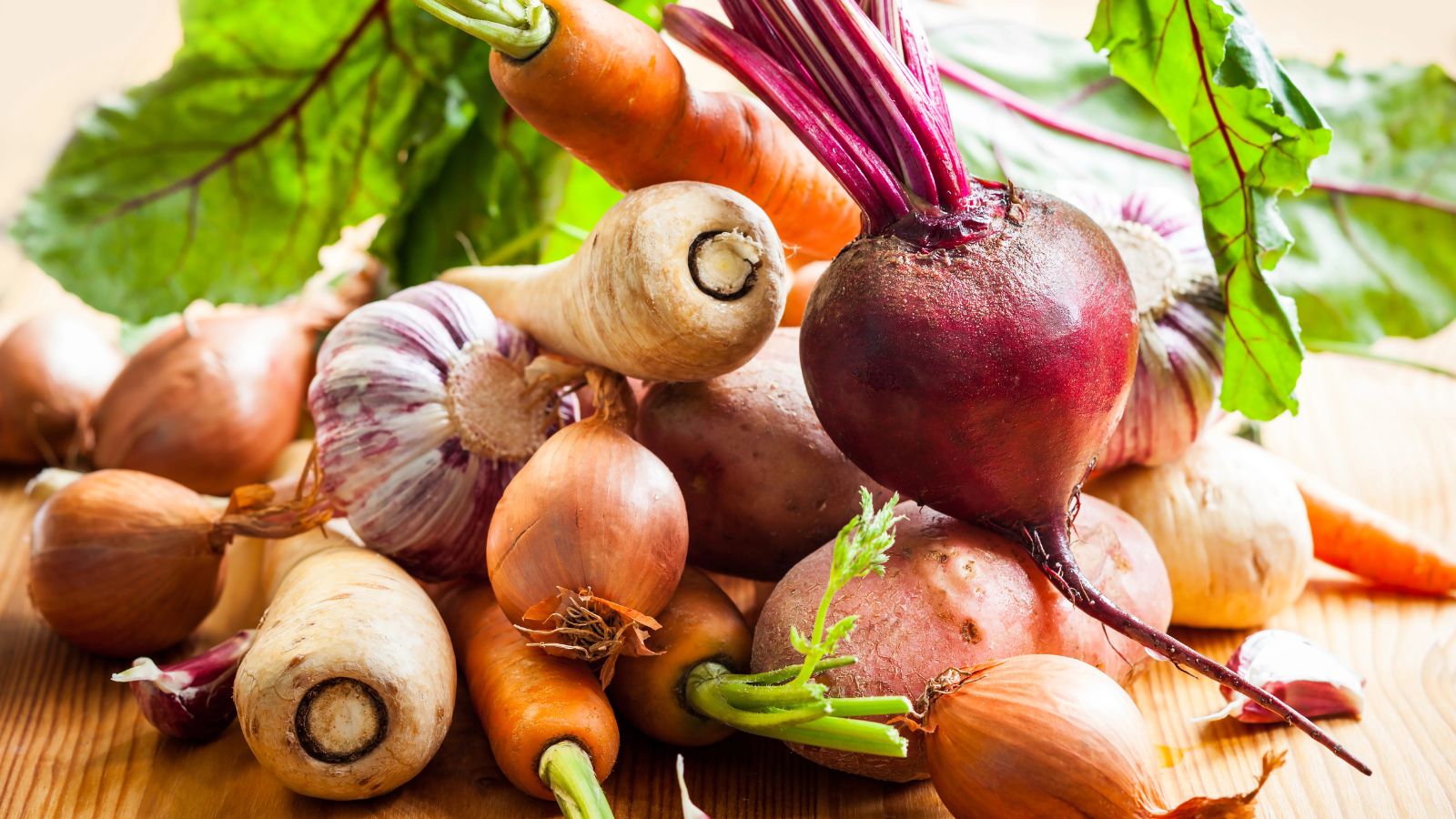
This is an old-timer trick that works remarkably well if you have the space. Root vegetables like carrots, beets, and parsnips are designed to be stored underground. You can replicate this environment by storing them in a container filled with damp sand.
Find a crate or box and layer the vegetables so they aren’t touching each other, covering each layer with sand. Store the container in a cool, dark place like a basement or garage. The sand keeps the vegetables hydrated and protected from light, which can cause them to spoil.
At a Glance:
- Why it works: The sand mimics the earth, providing a cool, dark, and humid environment that preserves the root vegetables’ texture and freshness for months.
- Care Tips: If you don’t have sand, you can get a similar, though less long-lasting, effect by wrapping carrots in a damp paper towel and storing them in a sealed bag in the fridge.
13. Store Apples the Right Way — Keep Them Cold and Crisp
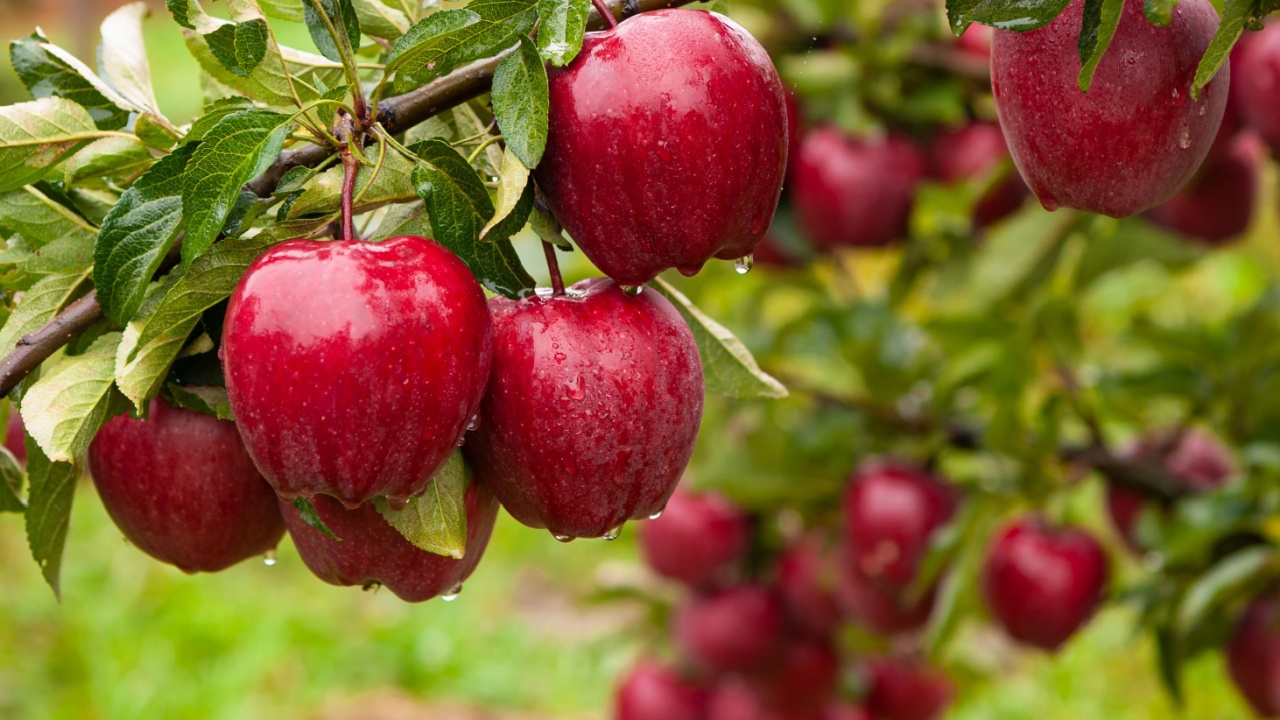
Apples can stay fresh for weeks, even months, if you give them the right environment. The key is keeping them cold and slightly humid. Store apples in your refrigerator’s crisper drawer inside a perforated plastic bag or a loosely closed reusable container. The tiny holes maintain humidity while allowing enough airflow to prevent mold.
If your fridge has a humidity control, set it to “high.” The cooler the temperature (just above freezing), the longer your apples will last. Some hardy varieties like Fuji or Honeycrisp can stay crisp for up to three months this way. Avoid washing apples until you’re ready to eat them. Excess moisture during storage encourages spoilage.
At a Glance:
- Why it works:
Apples continue to respire and release ethylene gas after harvest. Chilling them slows this natural aging process, while the right humidity prevents them from drying out. The result? Firm, juicy apples long after you bring them home. - Care Tip: If you prefer to store a few apples at room temperature for easy snacking, keep only a small number on the counter and refrigerate the rest. Warm conditions speed up ripening dramatically.
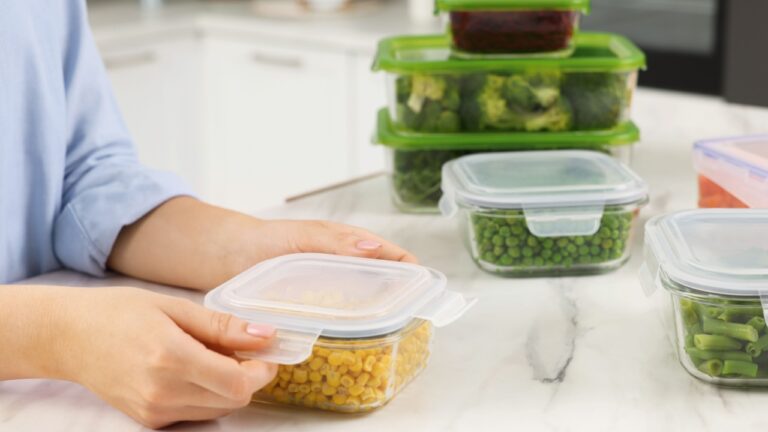
14. Use Produce-Specific Storage Containers
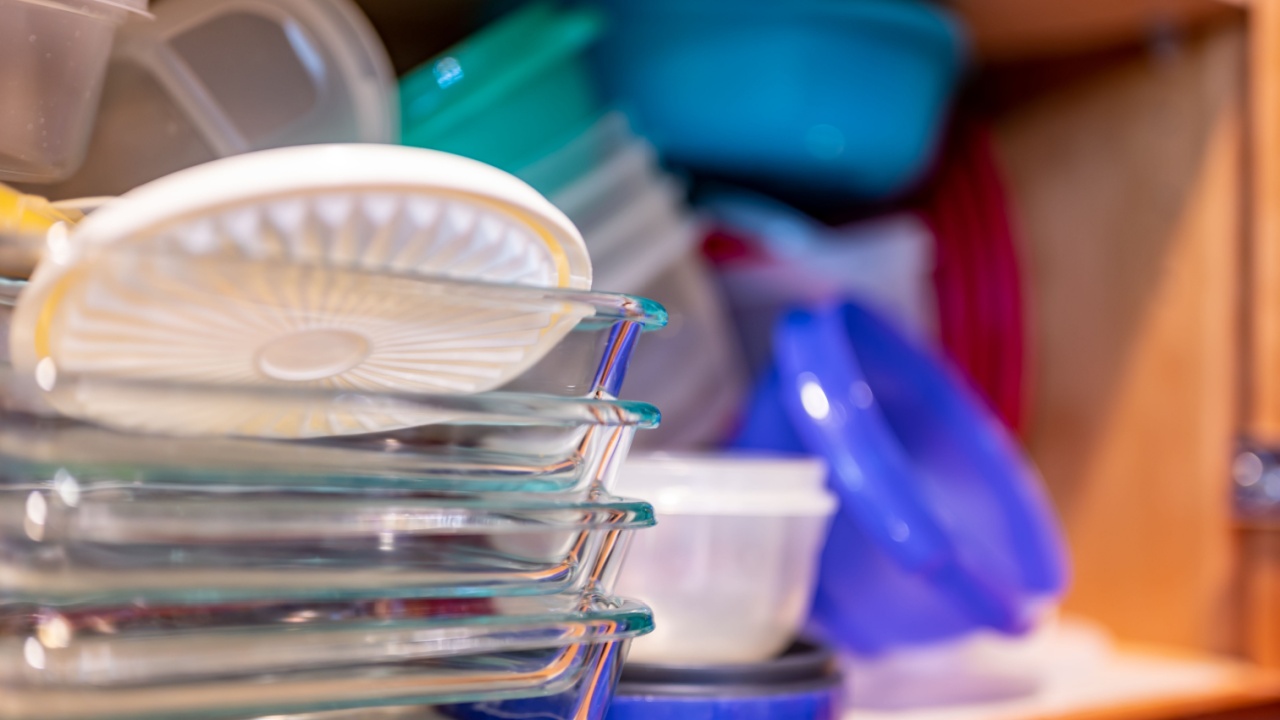
Ever wonder why your lettuce wilts, your berries mold, and your carrots go limp so quickly? Standard-issue crisper drawers just don’t cut it for many fruits and veggies. Investing in specialized produce storage containers or vented bins makes a surprising difference. These containers manage humidity levels and air circulation much better than basic store packaging, giving each type of produce its preferred microclimate.
Look for bins with adjustable vents, moisture trays, or removable inserts. Store leafy greens in high-humidity boxes and use ventilated boxes for things like mushrooms or berries. These containers keep things fresher noticeably longer and help prevent the infamous “forgotten veggie mush” at the bottom of the fridge.
At a Glance:
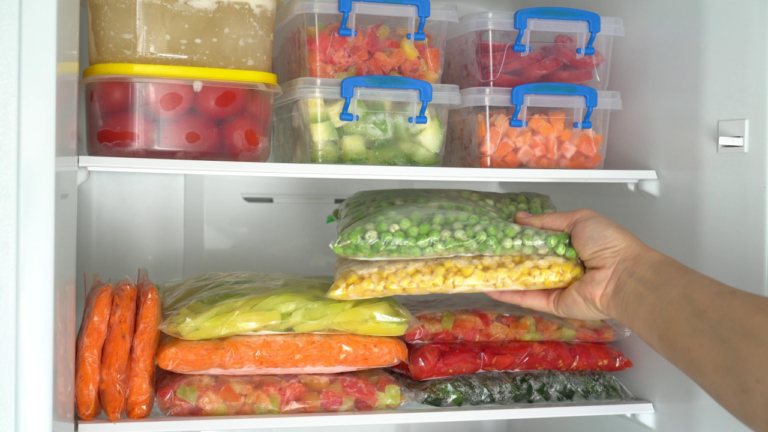
- Why it works: Proper airflow and humidity control reduce moisture-related decay and extend produce shelf life. Freezing pauses the cellular decay process, locking in nutrients and flavor.
- Care Tips: Label everything with the item and date so you don’t end up with a freezer full of mystery bags.
Create a Sustainable Kitchen
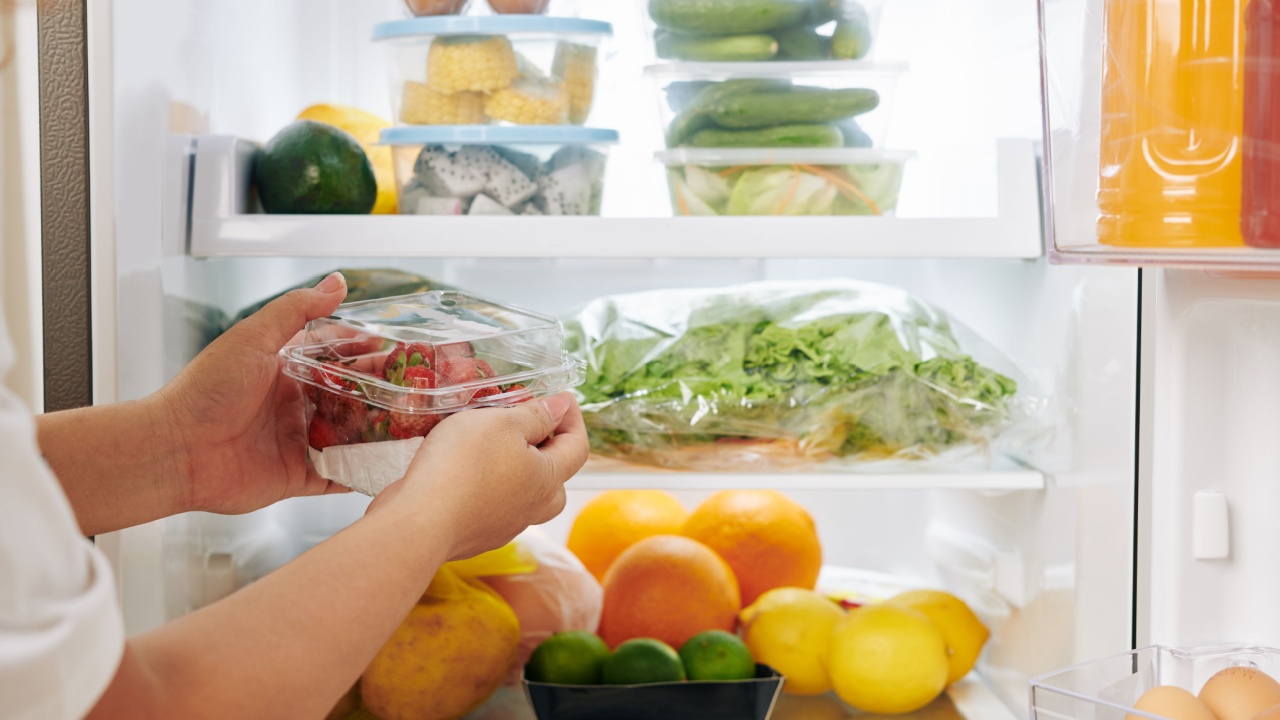
Learning how to store produce properly is more than just a kitchen skill; it’s a lesson in resourcefulness that every home gardener can appreciate. These hacks connect you to the lifecycle of your food, helping you value the effort it takes to grow. By reducing waste, you not only save money but also honor the energy that went into producing every carrot and berry.
As you get better at preserving your store-bought food, you might feel inspired to take the next step: growing your own. Imagine applying these same hacks to herbs from your windowsill or tomatoes from your own backyard. It’s a satisfying journey that makes every meal a little more meaningful.
Read more:
15 Groceries That Have Spiked Too High in the Past Few Years