10 Home Designs Millennials Swoon Over
Millennial design is often misunderstood by other generations. It’s a style shaped by a generation that came of age during economic uncertainty, the rise of the internet, and a growing awareness of environmental issues. This background created a desire for homes that are functional, authentic, and deeply personal. It’s less about following rigid rules and more about creating spaces that reflect individual values.
This approach blends a respect for the past with a forward-looking mindset. It’s about curating a home that feels collected, not decorated. For millennials, a home is a sanctuary, a workspace, and a place to express who they are. The following design favorites are more than just trends; they are expressions of a generational identity, making them feel truly seen in their own spaces.
Note: Keep in mind these are generic trends and that we understand everyone is entitled to their own design expressions!
1. Mid-Century Modern Furnishings
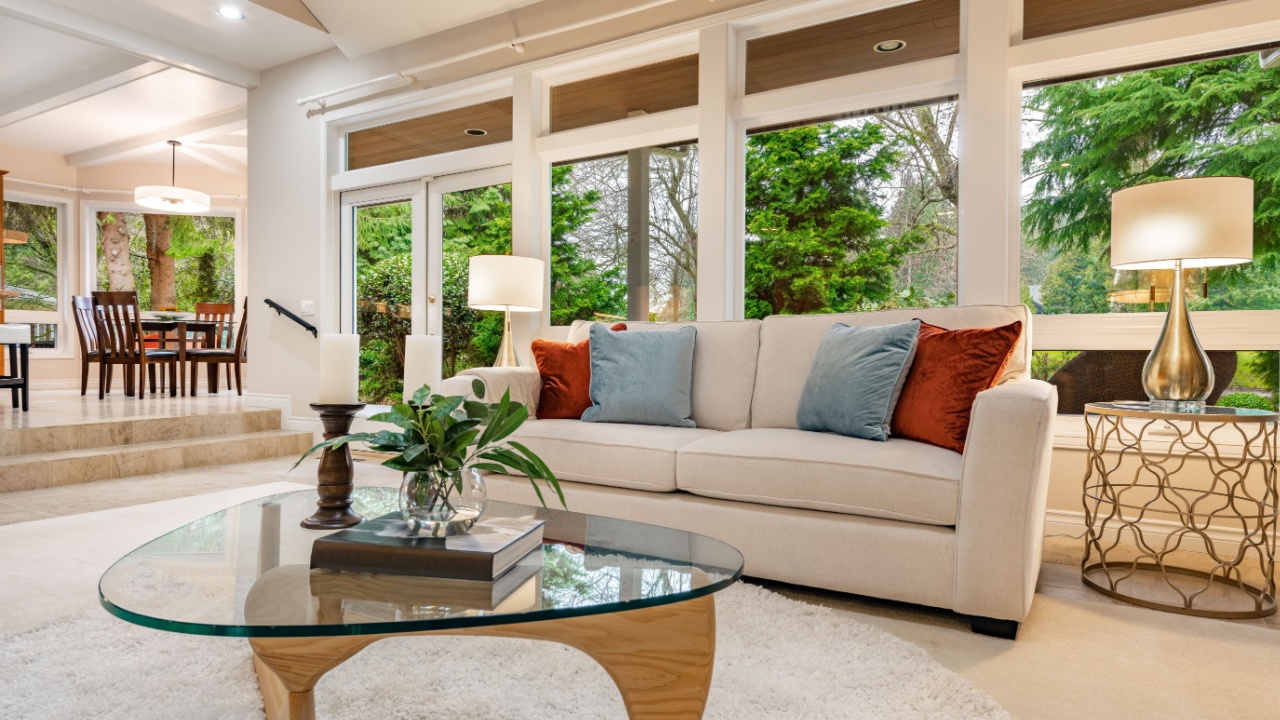
Mid-century modern design, spanning from the 1940s to the 1960s, is beloved for its clean lines, organic forms, and emphasis on functionality, a look repeatedly cited in design press as a favorite among many millennials. For a generation that often favors minimalism, this style’s uncluttered and sleek appearance is a natural fit. It offers a retro charm that feels timeless, connecting the present to a celebrated design past without feeling dated.
This style resonates because it represents a period of optimism and innovation. The pieces are often beautifully crafted yet simple enough for everyday living. They add character and a sense of history to a room.
Quick Look
- How to Incorporate It: Start with a single statement piece, like a sideboard or an accent chair. Look for tapered legs, gentle curves, and natural wood tones. In the garden, consider a classic butterfly chair or a simple wooden bench with clean lines.
- Care Tips: Protect wood pieces from direct sunlight to prevent fading. Use coasters to avoid water rings. For outdoor furniture, apply a sealant annually to protect it from the elements.
2. Abundant Houseplants
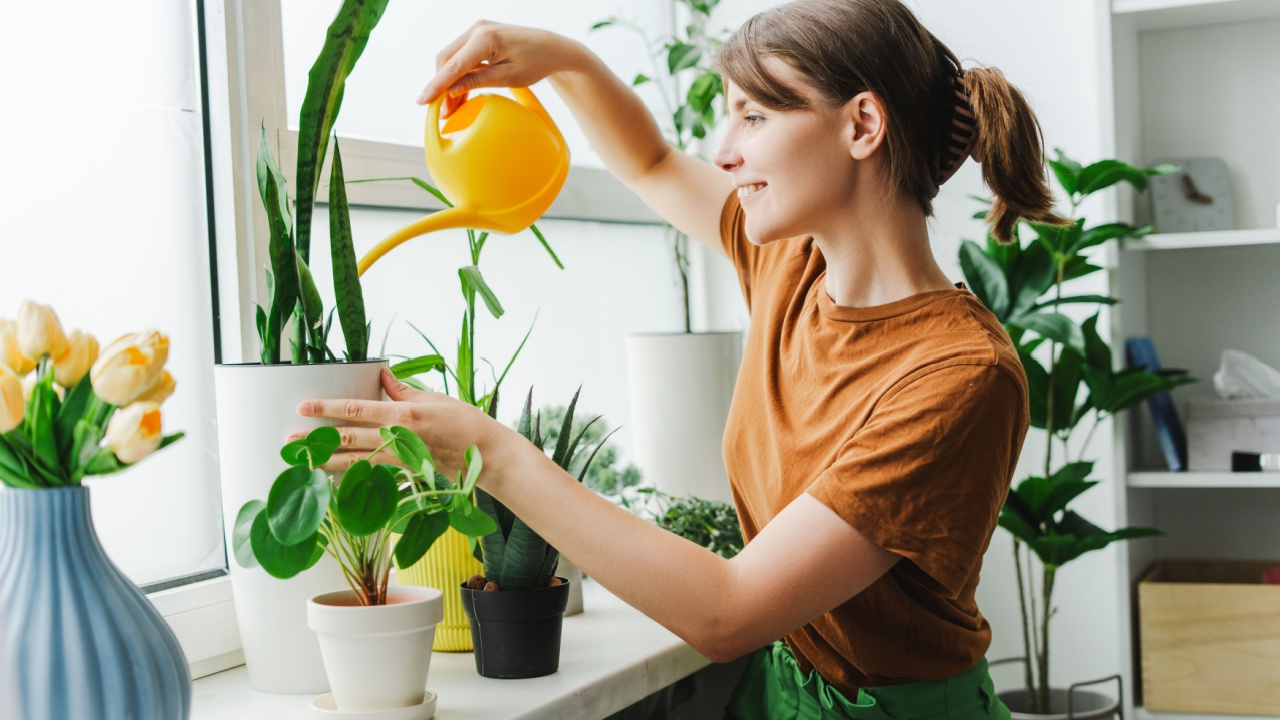
Bringing the outdoors in is a hallmark of millennial homes. A space filled with houseplants is a response to increasing urbanization and a desire to connect with nature. Although unlikely to measurably purify air in a typical modern home, plants reliably boost mood and can reduce stress. Ventilation and filtration are what actually move the needle on indoor air quality. The act of caring for a plant can be a grounding, mindful practice.
The popularity of houseplants is also tied to aesthetics. Greenery adds color, texture, and a sculptural element to a room. From trailing pothos on a bookshelf to a tall fiddle-leaf fig in a corner, plants make a space feel vibrant and lived-in.
Quick Look
- How to Incorporate It: Assess your light conditions before buying. Low-light options like snake plants or ZZ plants are great for beginners. For a sunny spot, try a succulent or a bird of paradise. Group plants of varying heights and leaf shapes for a lush look.
- Next Steps: Learn the specific watering needs of each plant; overwatering is a common mistake. Rotate your plants every few weeks to ensure all sides get light. As you gain confidence, try propagating your plants to share with friends.
3. Natural Materials
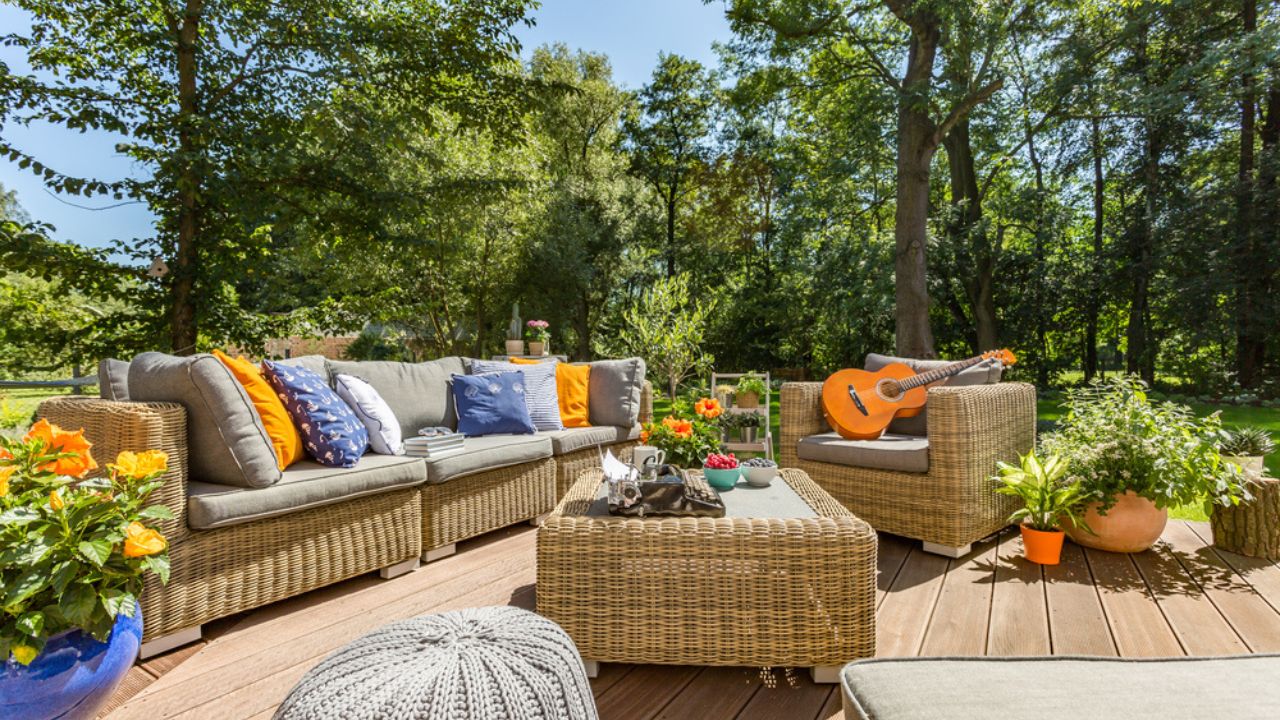
Authenticity is a core value, and this extends to the materials used in the home. Wood, stone, rattan, and linen are popular choices because they are sustainable and add warmth and texture. These materials connect a home to the natural world and create a calm, organic atmosphere.
This preference is a conscious move away from the mass-produced, synthetic materials that were common in previous decades. Natural materials are durable and age gracefully, developing a patina that tells a story. They provide a timeless foundation that works well with many different design styles.
Quick Look
- How to Incorporate It: Introduce a jute rug, linen curtains, or a wooden coffee table. In the garden, use terracotta pots, stone pathways, or a bamboo screen for privacy. Even small touches, like a set of wooden kitchen utensils or a wool throw blanket, can make a difference.
- Care Tips: Clean wood with a soft, damp cloth. Treat stone surfaces with appropriate sealers to prevent stains. Natural fibers like jute can be vacuumed, but spills should be blotted immediately.
4. Matte Finishes
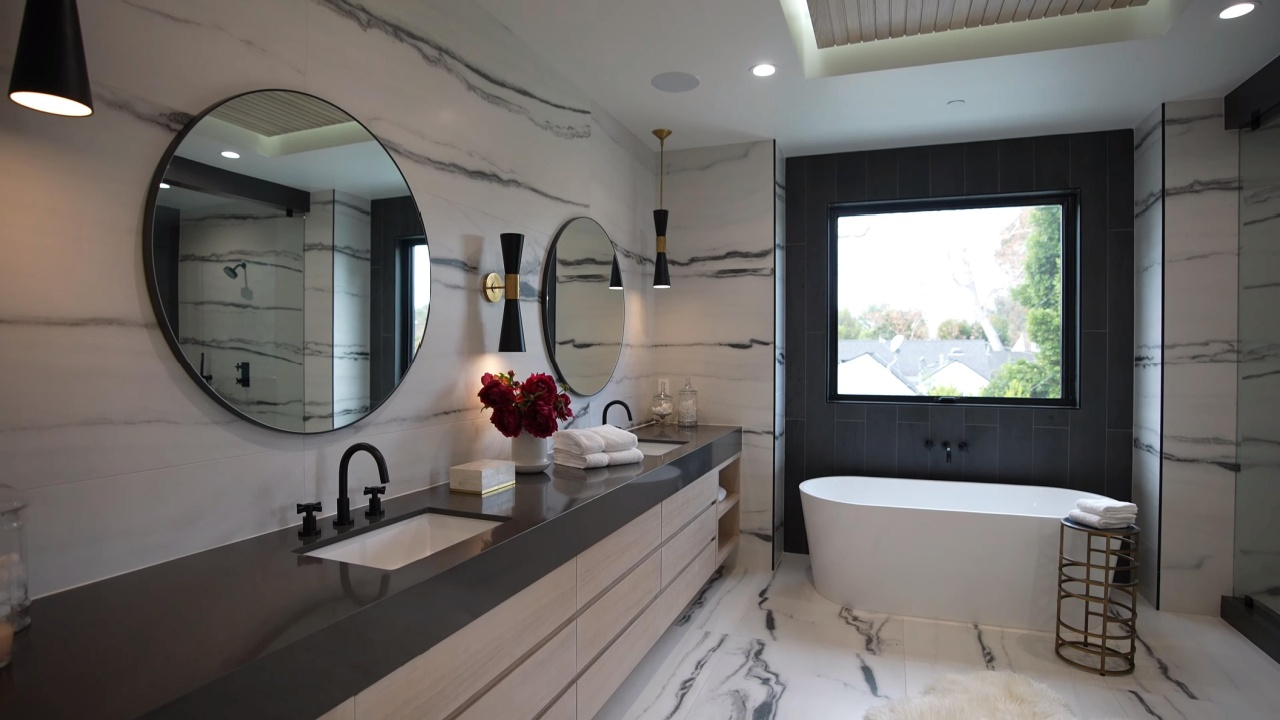
Particularly in kitchens and bathrooms, matte finishes have overtaken high-gloss surfaces. Matte black, navy, and deep green cabinets and fixtures offer a sophisticated, contemporary look. They are less reflective, which creates a softer, more visually calming effect.
From a practical standpoint, matte finishes tend to be less reflective and can be more forgiving about smudges in many cases, though they show dust and oils differently than gloss. This practicality appeals to a generation that values low-maintenance solutions for busy lives. The finish is versatile, pairing well with rustic, minimalist, or industrial styles.
Quick Look
- How to Incorporate It: Update your kitchen or bathroom cabinet hardware to matte black for a quick change. Consider a matte faucet or light fixture as a focal point. You can also use matte-finish paint for an accent wall.
- Next Steps: To clean matte surfaces, use a microfiber cloth with warm water and a gentle soap. Avoid abrasive cleaners or sponges that could scratch the finish.
5. Barn Doors
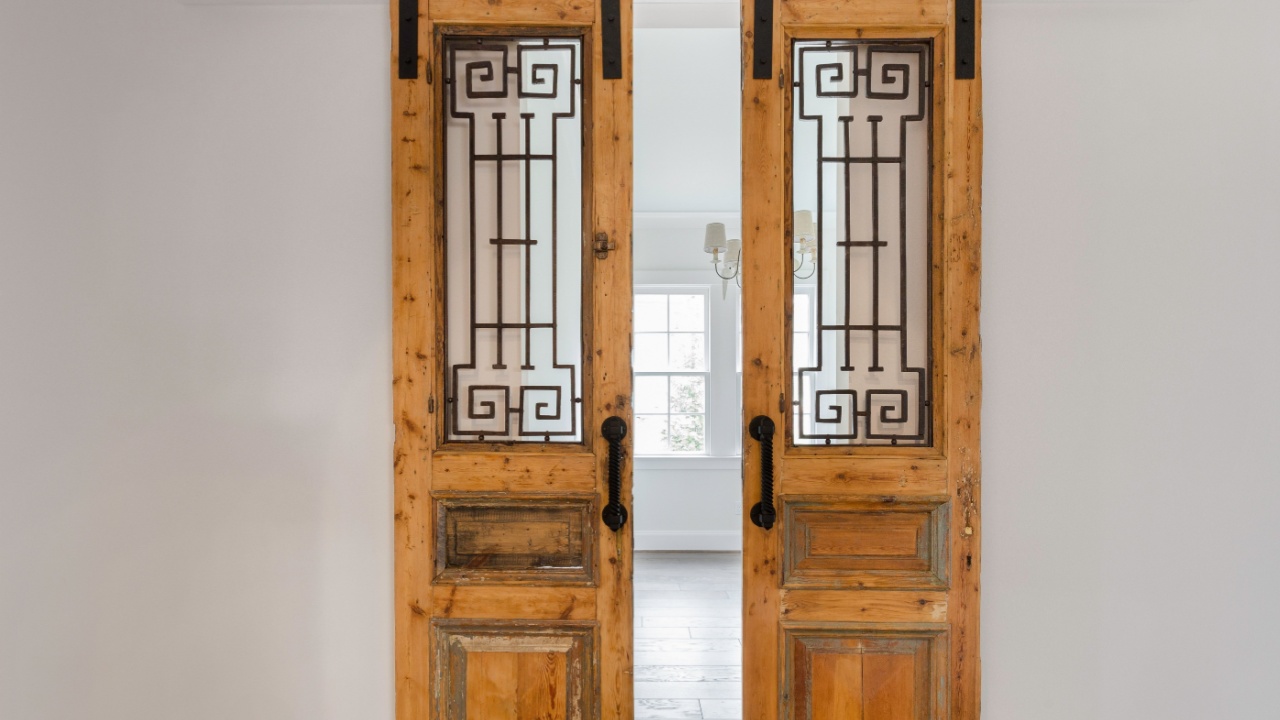
In an era of open-plan living and smaller spaces, flexibility is key. Barn doors offer a stylish and space-saving solution for dividing rooms or closing off areas like pantries and laundry rooms. Sliding on a track instead of swinging open, they don’t require the floor space that a traditional door does.
This feature is both functional and a design statement. A rustic wooden barn door can add warmth and character to a modern space, while a sleek, painted one can blend seamlessly into a minimalist interior. They provide the option for privacy without permanently closing off a room.
Quick Look
- How to Incorporate It: Use a barn door to separate a home office from a living area or to close off an ensuite bathroom. Ensure you have enough wall space for the door to slide fully open.
- Installation Tip: The track must be mounted securely into wall studs or a header board to support the door’s weight. If you are not experienced with this type of installation, it is best to hire a professional.
6. Sustainable and Secondhand Finds

Conscious consumerism is a significant driver of millennial purchasing habits. There is a strong preference for items with a low environmental impact. This includes seeking out furniture made from reclaimed wood, recycled materials, and shopping at thrift stores, flea markets, and online marketplaces.
Choosing secondhand isn’t just about sustainability; it’s about finding unique pieces with character that you won’t see in everyone else’s home. A vintage dresser or a pre-loved piece of art adds a layer of personality and history that mass-produced items lack.
Quick Look
- How to Incorporate It: Regularly visit local thrift stores and antique shops. Set up alerts on online marketplaces for specific items you are looking for. Don’t be afraid of pieces that need a little work; a fresh coat of paint or new hardware can transform an item.
- Next Steps: When buying upholstered furniture secondhand, check carefully for pests or strong odors. Always clean and disinfect items before bringing them into your home.
7. Outstanding Hardware
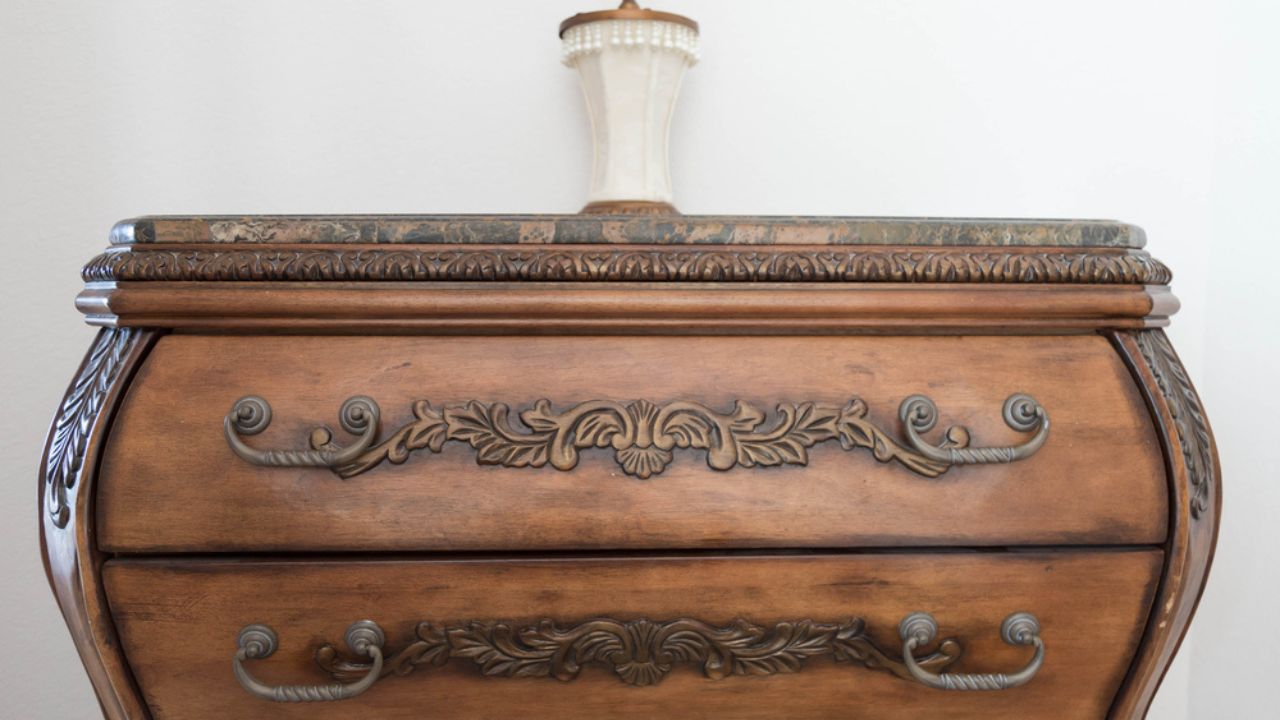
Small details can have a big impact. Millennials pay close attention to the hardware on cabinets, doors, and furniture. Upgrading basic, builder-grade knobs and pulls is an easy and affordable way to personalize a space and make it feel more custom.
Brass and copper hardware are especially popular, as they add a touch of warmth and elegance. The metallic finish complements a wide range of styles, from farmhouse to mid-century modern. This focus on details shows a commitment to creating a well-thought-out and cohesive home.
Quick Look
- How to Incorporate It: Swap out the knobs on a dresser or the pulls on your kitchen cabinets. This is a simple DIY project that can be completed in an afternoon. Make sure you measure the distance between the screw holes on your existing pulls before buying new ones.
- Care Tips: Brass and copper will naturally tarnish. Some prefer this aged look, but if you want to keep them shiny, polish them regularly with a designated metal cleaner.
8. Minimalism with Personality

Millennial minimalism is not about stark, empty rooms. It’s about decluttering to make space for items that are truly functional or meaningful. This approach prioritizes quality over quantity, focusing on well-made pieces and curated decor.
Instead of a space devoid of personality, this version of minimalism features carefully chosen art, travel souvenirs, and meaningful objects. The “less is more” philosophy allows these special items to stand out. It creates a home that is calm and organized yet still feels warm and personal.
Quick Look
- How to Incorporate It: Go through your belongings and declutter by donating or discarding anything you don’t use, need, or love. Invest in smart storage solutions to keep clutter out of sight. Display only your favorite decorative objects, rotating them seasonally to keep things fresh.
- Next Steps: Adopt a “one in, one out” rule. For every new item you bring into your home, let go of an old one. This prevents clutter from accumulating again.
9. Smart Home Integration
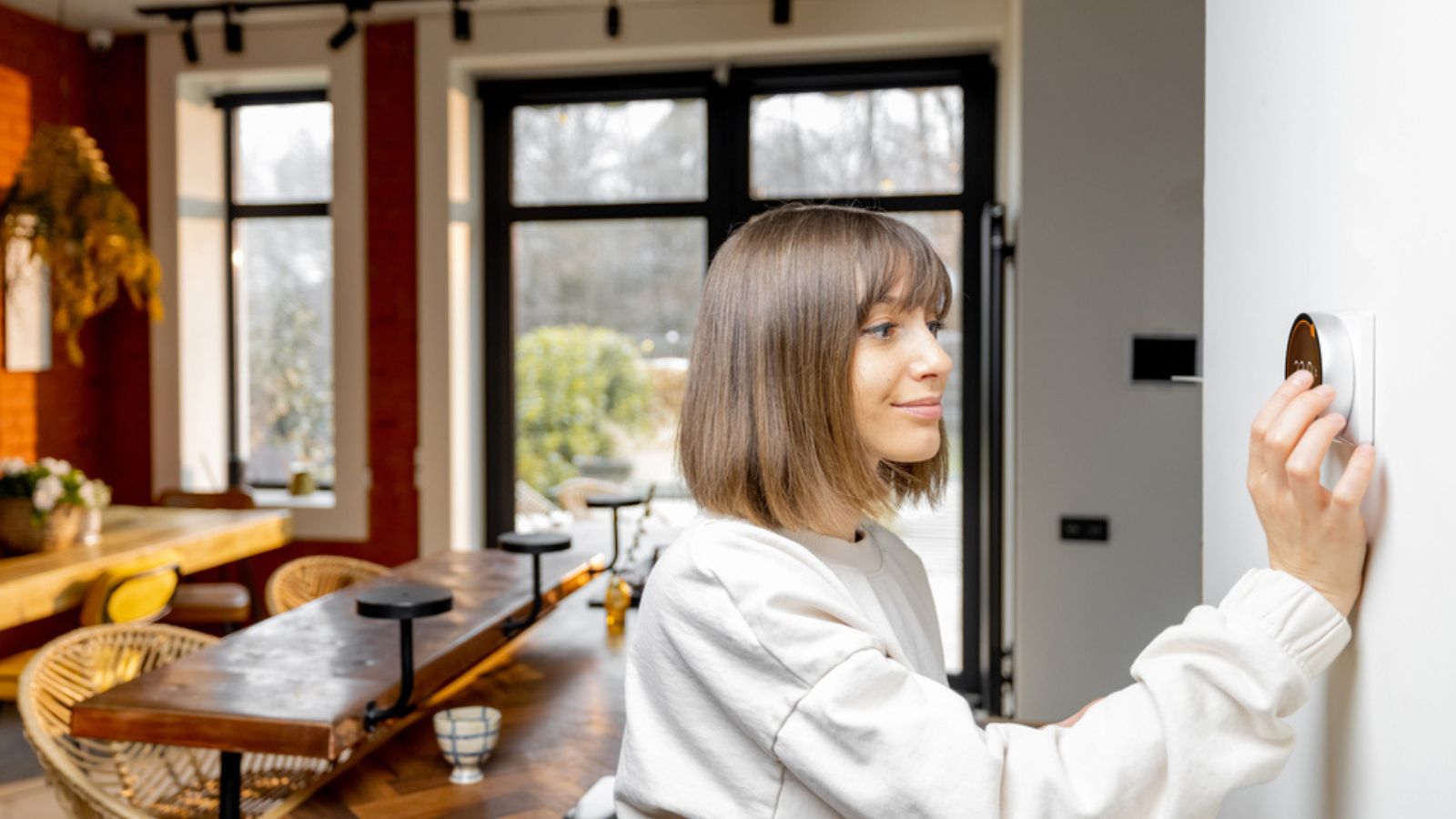
As the first generation of digital natives, millennials seamlessly integrate technology into their homes. Smart home devices that offer convenience and efficiency are particularly popular. This includes smart lighting, thermostats, security systems, and speakers.
The appeal lies in the ability to control the home’s environment with ease, often from a smartphone. Energy-efficient options like smart thermostats and LED lights also align with a desire for sustainability and lower utility bills. Technology is used to enhance daily life, not complicate it.
Quick Look
- How to Incorporate It: Start with smart light bulbs, which allow you to adjust brightness and color temperature. A smart thermostat can learn your schedule and optimize heating and cooling. Smart plugs can turn any regular appliance into a smart one.
- Next Steps: Create routines that automate multiple actions at once. For example, a “good morning” routine could gradually brighten the lights, turn on a coffee maker, and play the news.
10. Outdoor Living Spaces
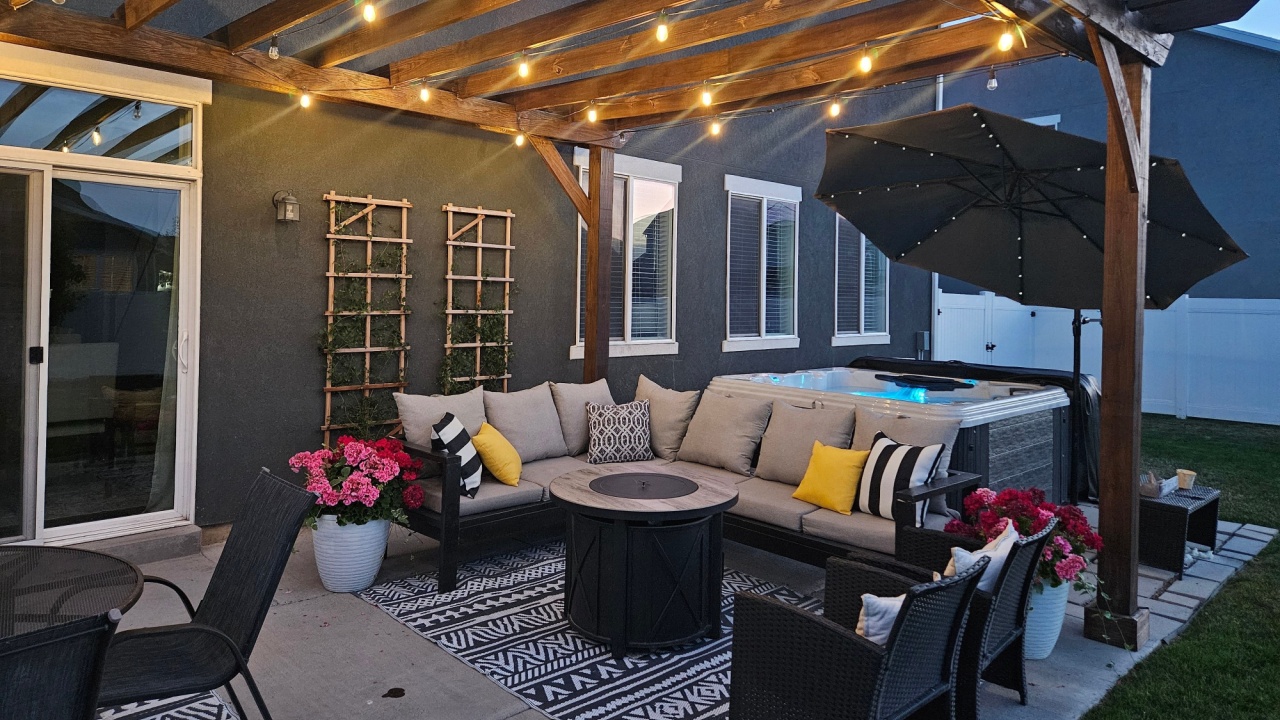
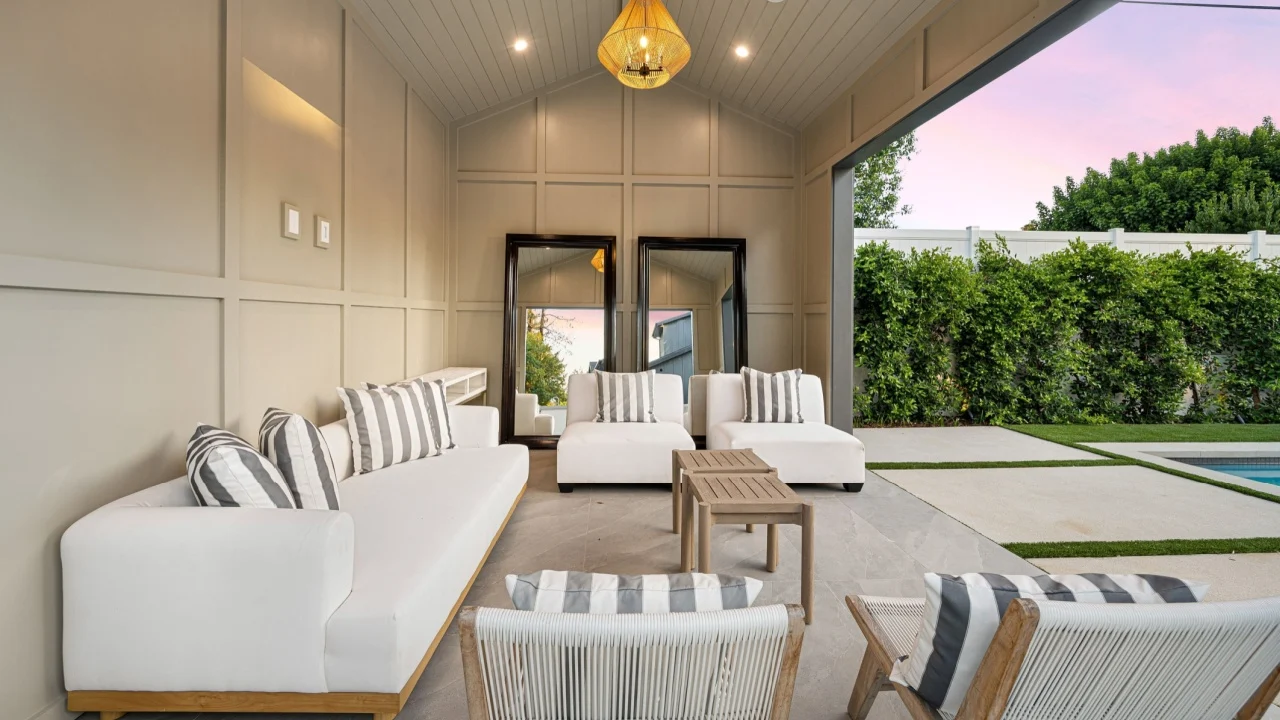
For millennials, the backyard or balcony is an extension of the indoor living area. There is a strong desire to create comfortable and functional outdoor spaces for relaxing, entertaining, and even working. This has led to a rise in outdoor kitchens, comfortable seating areas, and well-designed gardens.
Creating an outdoor oasis is about maximizing usable living space, especially for those in smaller homes. It provides another “room” for daily activities and a direct connection to nature. These spaces are often designed with the same care and attention to detail as the home’s interior.
Quick Look
- How to Incorporate It: Define a zone with an outdoor rug. Invest in comfortable, weather-resistant furniture. Add string lights or solar-powered lanterns for ambiance. Use container plants to add greenery, even on a small balcony.
- Next Steps: Consider adding a small water feature for soothing sound or a fire pit for warmth on cool evenings. If you have the space, a small vegetable or herb garden can provide fresh produce for your kitchen.
Bringing Your Vision to Life
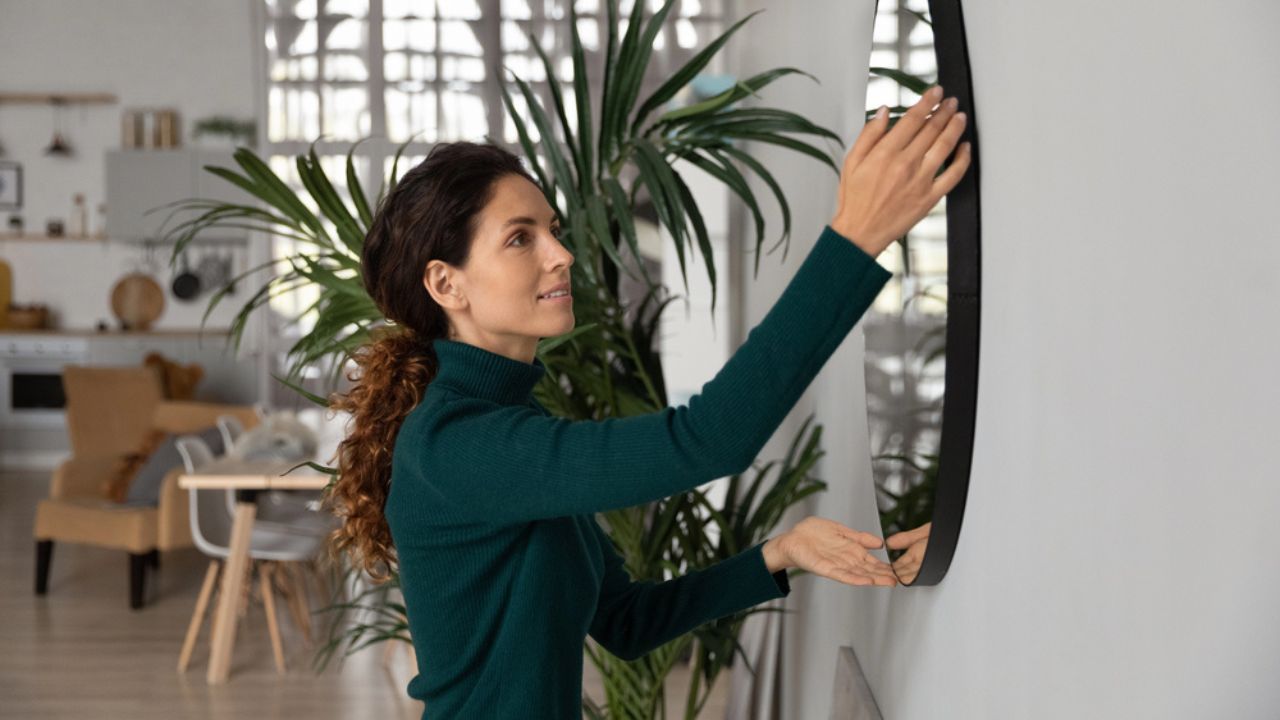
Whatever your apartment size, understanding these design preferences is the first step toward creating a space that feels uniquely yours. The common thread is a desire for a home that is authentic, functional, and personal. Begin by identifying which of these favorites resonate most with you. You might start by adding a few houseplants or by swapping out your cabinet hardware. Each small change is a step toward crafting a home and garden that truly reflects who you are and how you want to live.
Read more:
Millennials Want Homes, But Won’t Give Up Coffee, Concerts, or Travel to Get One