14 Houseplants That Are Seriously Toxic to Your Cat
Houseplants are a wonderful way to bring life and color into your home. They purify the air, boost your mood, and add a touch of nature to your decor.
However, if you’re a cat owner, you know that your feline friend might see these green additions as a personal salad bar (or least something they’re curious about). Unfortunately, many common and beautiful houseplants are toxic to cats, and even a small nibble can lead to serious health issues.
Navigating the world of pet-safe plants can be tricky. That’s why we’ve discussed these 14 plants that might pose a risk to your curious kitty.
How We Got This Data
All plant toxicity information in this article was carefully researched using trusted veterinary, botanical, and academic sources, including the ASPCA’s Toxic and Non-Toxic Plant List. We cross-referenced symptoms, toxic compounds, and pet safety guidelines from expert-backed databases and clinical references. Our goal is to provide accurate, up-to-date insights that help you make safe choices for your home and your pets.
1. Lilies
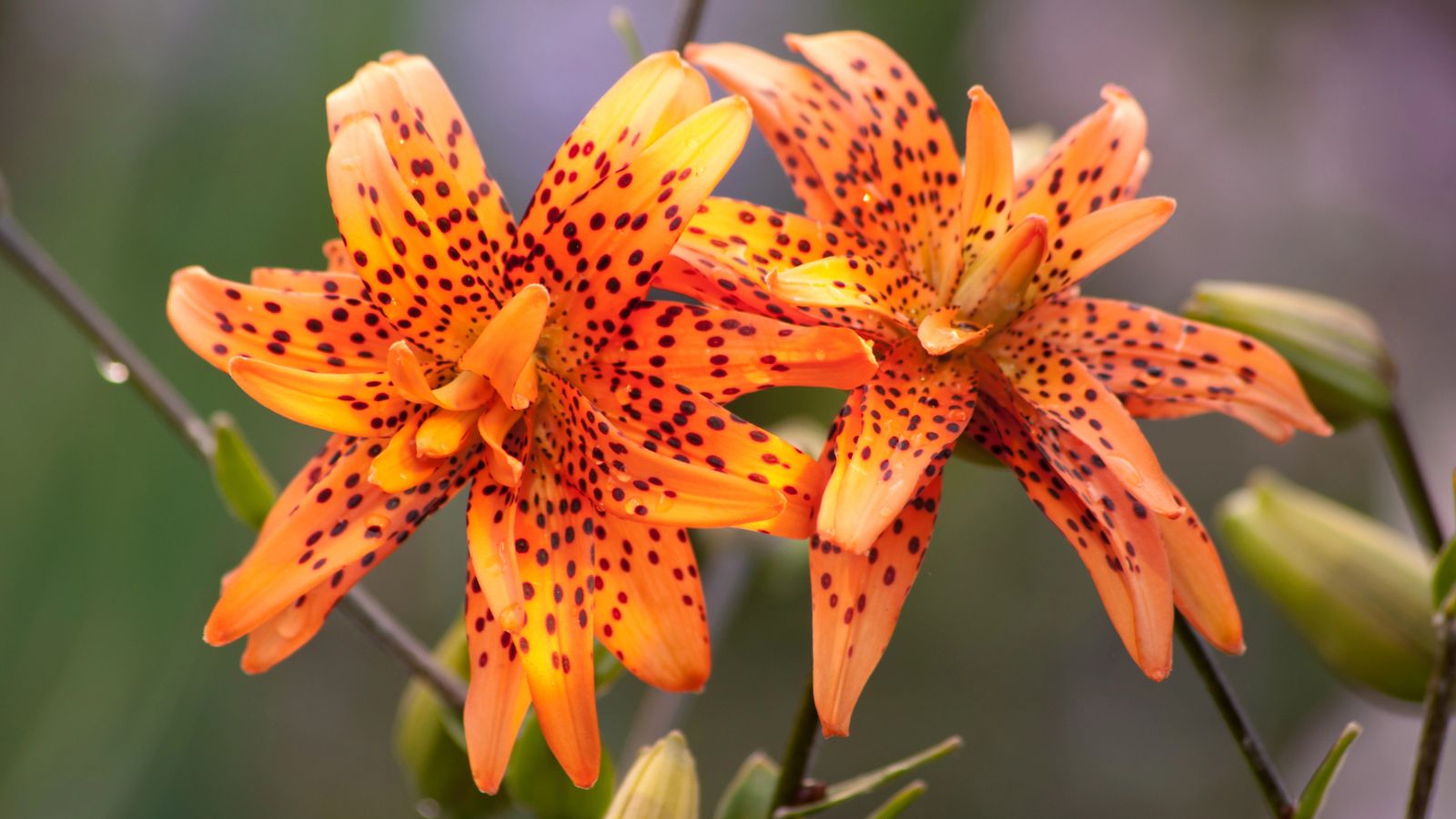
Lilies, including varieties like Stargazer, Tiger, and Daylilies, are exceptionally beautiful but are among the most dangerous plants for cats.
Every single part of the lily plant, like the stem, leaves, petals, and even the pollen, is highly toxic. Even drinking the water from a vase containing lilies can cause acute kidney failure in cats, which can be fatal within days. The toxic compound is unknown, but its effect is swift and severe.
It’s best to completely avoid having any “true lilies” or daylilies in your home or garden if you have a cat. If you suspect your cat has ingested any part of a lily, seek immediate veterinary care.
- Toxic Components: Unknown toxin.
- Symptoms: Vomiting, lethargy, loss of appetite, leading to kidney failure.
- Care Tip: There is no safe way to keep these plants with cats. Opt for cat-safe alternatives like orchids or roses to get beautiful blooms without the risk.
2. Split-Leaf Philodendron (Monstera Deliciosa)
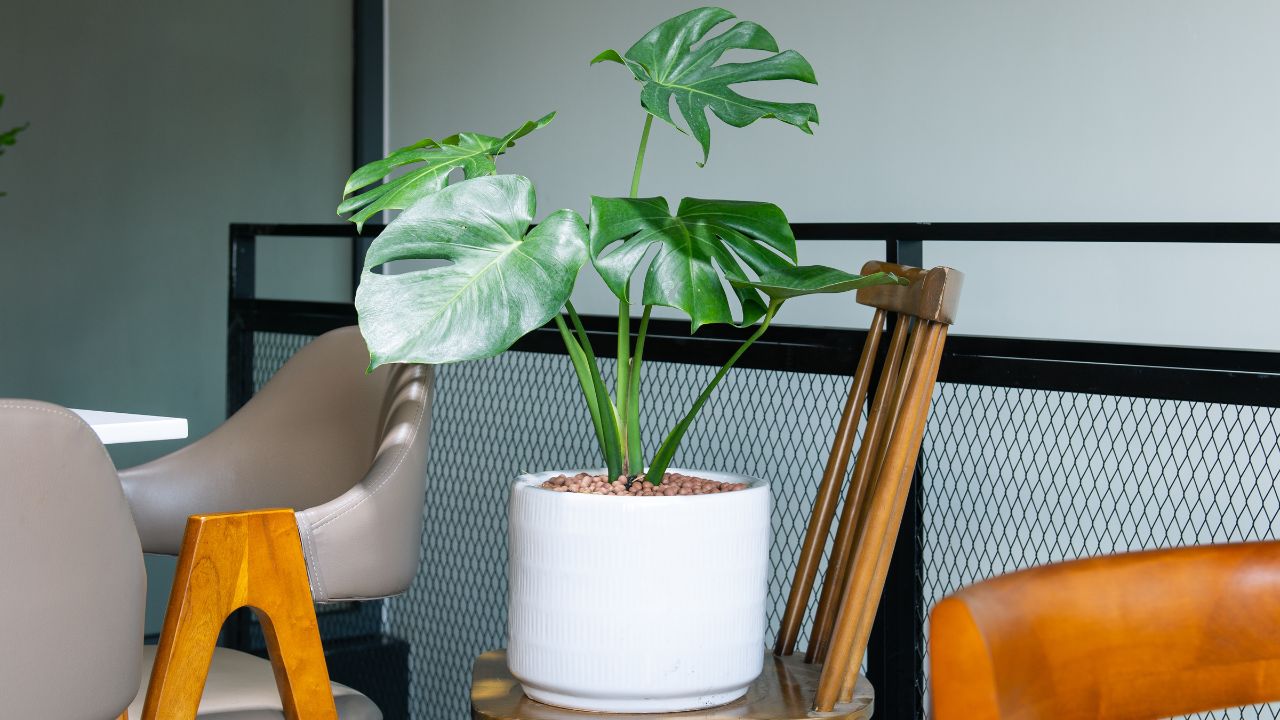
The Monstera Deliciosa, often called the Swiss Cheese Plant, is an icon of modern interior design with its large, dramatic, split leaves. While it brings a lush, tropical vibe to any room, it’s unfortunately not a great choice for cat owners.
Monsteras contain insoluble calcium oxalate crystals, which are like microscopic needles. When a cat chews on the leaves or stem, these crystals embed themselves in the soft tissues of the mouth, tongue, and throat.
- Toxic Components: Insoluble calcium oxalate crystals.
- Symptoms: Oral irritation, intense burning of the mouth, drooling, vomiting, and difficulty swallowing. Rarely fatal.
- Care Tip: Keep this plant in a room your cat cannot access or place it on a very high shelf. A safer alternative with a similar tropical feel is the Prayer Plant (Maranta leuconeura).
3. Snake Plant

The Snake Plant (Dracaena trifasciata) is a favorite among new and experienced plant owners for its architectural look and near-indestructible nature.
However, these tough plants contain saponins, a chemical compound that can cause mild to moderate gastrointestinal upset in cats if ingested. Given that cats often like to chew on the stiff, sword-like leaves, it’s a plant to be cautious with.
- Toxic Components: Saponins.
- Symptoms: Nausea, vomiting, diarrhea.
- Care Tip: If you love the upright look of snake plants, consider the Rattlesnake Plant (Goeppertia insignis) instead, which is non-toxic and has beautifully patterned leaves.
4. Jade Plant

Jade Plants (Crassula ovata) are popular succulents, often called “money plants” or “lucky plants.” Their fleshy, oval-shaped leaves and tree-like appearance make them an attractive, low-maintenance choice.
Unfortunately, these lucky charms don’t extend their good fortune to cats. All parts of the jade plant are toxic to felines, though the exact toxic mechanism is still unknown.
While the toxicity is generally considered moderate, it’s important to prevent your cat from accessing it.
- Toxic Components: Unknown.
- Symptoms: Vomiting, depression, lack of coordination.
- Care Tip: For a cat-safe succulent, consider a Haworthia or a Peperomia, which offer interesting shapes and textures without the danger.
5. Pothos
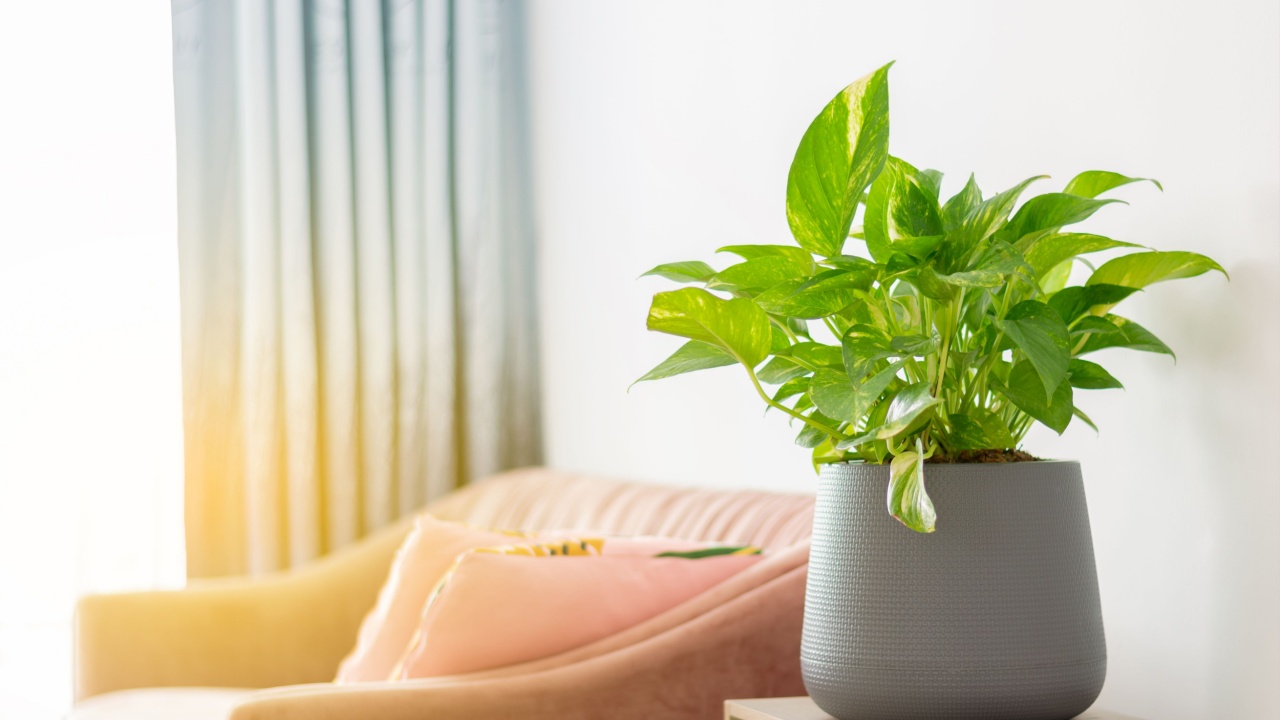
Pothos (Epipremnum aureum), also known as Devil’s Ivy, is one of the easiest houseplants to grow, famous for its cascading vines and heart-shaped leaves. It’s incredibly resilient and can thrive in a variety of lighting conditions. Like the Monstera, Pothos contains insoluble calcium oxalate crystals.
If a cat chews on the leaves, these crystals will cause painful irritation in the mouth and gastrointestinal tract. The plant’s trailing vines can be especially tempting for playful cats, making it a risky choice for homes with curious felines.
- Toxic Components: Insoluble calcium oxalate crystals.
- Symptoms: Oral irritation, drooling, vomiting, and difficulty swallowing.
- Care Tip: If you want a trailing plant, the Spider Plant (Chlorophytum comosum) is an excellent, cat-safe alternative that is just as easy to care for.
6. Sago Palm

Despite its name, the Sago Palm (Cycas revoluta) is not a true palm but a cycad, a type of ancient plant. It’s a popular choice for adding a tropical touch to indoor and outdoor spaces.
However, the Sago Palm is extremely dangerous and highly toxic to cats. Every part of the plant is poisonous, but the seeds (or nuts) contain the highest concentration of the toxin cycasin.
Ingestion of even a small amount can cause severe vomiting, bloody diarrhea, and liver failure, which can be fatal. Due to the severe level of toxicity, Sago Palms should never be kept in a home with cats.
- Toxic Components: Cycasin.
- Symptoms: Severe vomiting, bloody stools, jaundice, increased thirst, and liver failure.
- Care Tip: There is no safe way to have this plant around pets. Choose a true palm, like the Areca Palm (Dypsis lutescens) or Parlor Palm (Chamaedorea elegans), which are non-toxic to cats.
7. English Ivy

English Ivy (Hedera helix) is a classic and elegant plant, known for its beautiful trailing vines that can climb walls or cascade from hanging baskets. However, English Ivy contains triterpenoid saponins, which are toxic to cats. The foliage is more toxic than the berries.
When ingested, it can cause symptoms ranging from vomiting and diarrhea to more severe reactions like hyperactivity and breathing difficulties. The trailing nature of the plant makes it particularly enticing for cats to play with and chew on.
- Toxic Components: Triterpenoid saponins.
- Symptoms: Vomiting, abdominal pain, drooling, diarrhea.
- Care Tip: For a similar trailing effect, opt for Swedish Ivy (Plectranthus verticillatus), which is not a true ivy and is safe for cats.
8. Aloe Vera
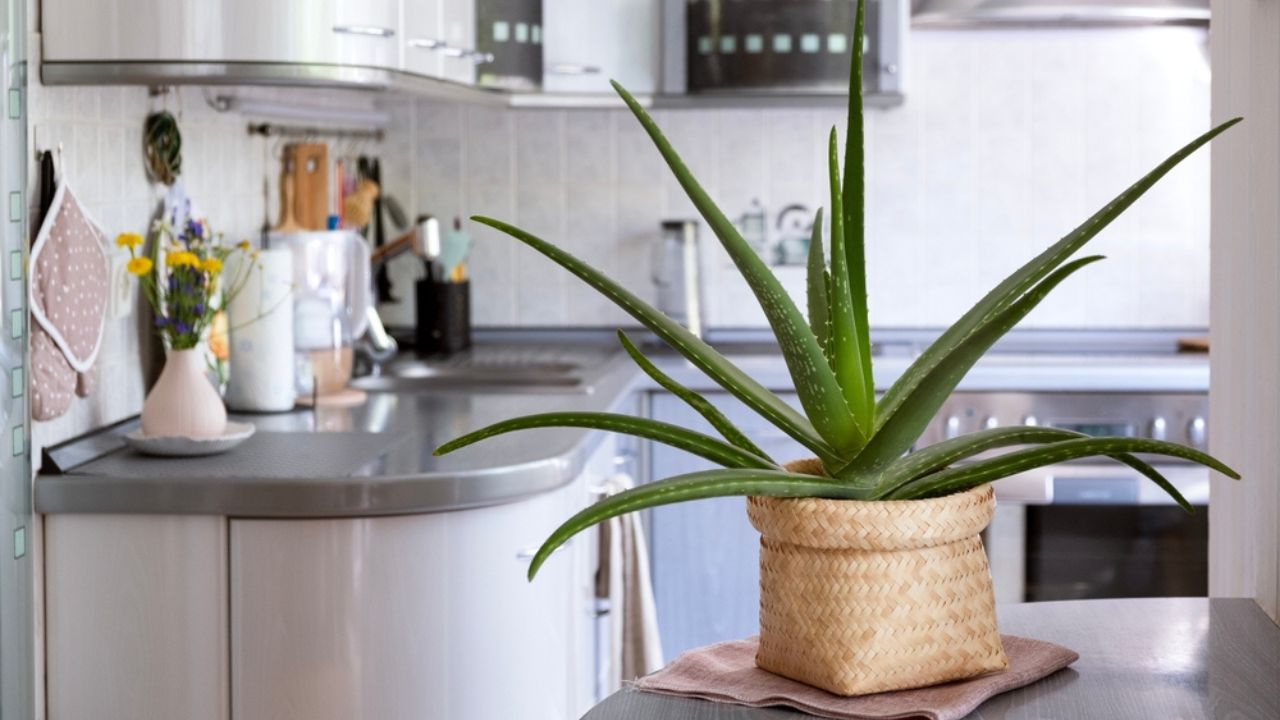
The Aloe Vera plant (Aloe barbadensis miller) is a household staple, famous for the soothing gel inside its leaves, used to treat burns and skin irritations. While it’s great for humans, it’s not so friendly to our feline friends.
The plant contains saponins and anthraquinones, compounds found in the plant’s latex (a layer just under the skin) that are toxic to cats. While the clear gel inside is generally safe, it’s hard to ensure your cat won’t ingest the toxic parts of the leaf.
- Toxic Components: Saponins and anthraquinones.
- Symptoms: Vomiting, diarrhea, lethargy, loss of appetite.
- Care Tip: A great cat-safe alternative with a similar spiky, succulent look is the Haworthia, sometimes called the Zebra Plant.
9. Dieffenbachia

Dieffenbachia, commonly known as Dumb Cane, is a striking plant with large, variegated leaves in shades of green, cream, and white.
It’s a popular choice for adding a bold, tropical feel to a room. However, its nickname “Dumb Cane” hints at its toxicity. The plant contains insoluble calcium oxalate crystals and a proteolytic enzyme.
- Toxic Components: Insoluble calcium oxalate crystals and proteolytic enzymes.
- Symptoms: Intense oral pain, drooling, swelling of the tongue and lips, and difficulty breathing.
- Care Tip: For a large-leafed, statement plant that is safe for cats, consider the Calathea Orbifolia or a Staghorn Fern.
10. Peace Lily
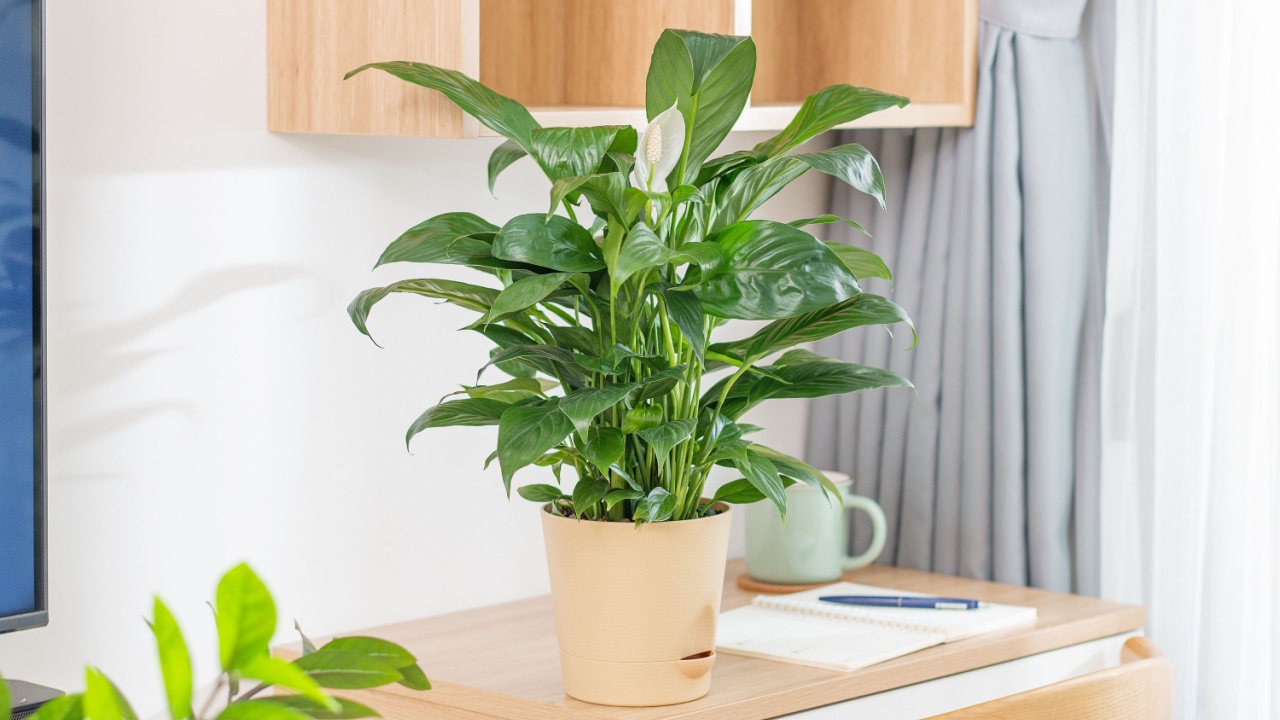
The Peace Lily (Spathiphyllum) is an elegant and popular houseplant, admired for its glossy dark green leaves and graceful white flowers. It’s also known for being low-maintenance and a great air purifier. Despite its serene name, the Peace Lily is not a friend to cats. It contains insoluble calcium oxalate crystals, similar to Pothos and Philodendrons.
Chewing on the leaves or flowers will cause painful irritation to your cat’s mouth and gastrointestinal tract. While not as deadly as true lilies, it will cause significant discomfort.
- Toxic Components: Insoluble calcium oxalate crystals.
- Symptoms: Oral irritation, drooling, vomiting, pawing at the mouth.
- Care Tip: If you want a flowering plant that is safe for cats, consider an African Violet or an Orchid.
11. Tulips
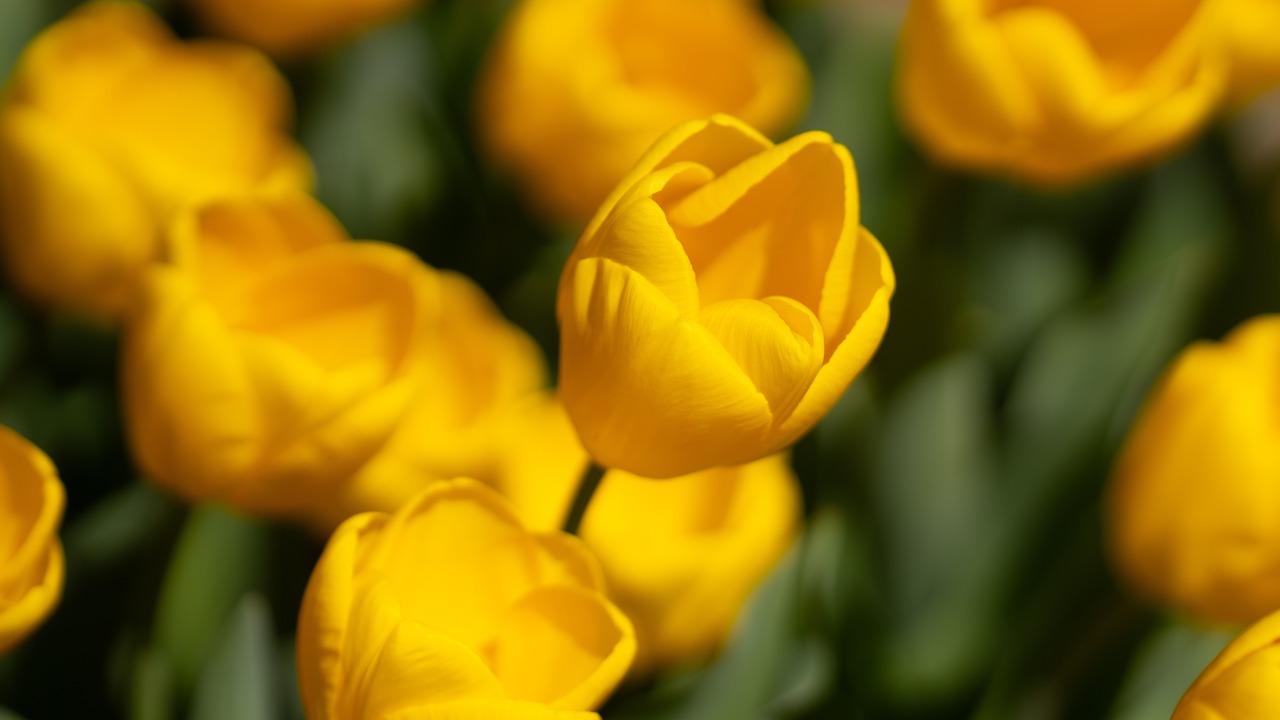
Tulips are beloved symbols of spring, bringing vibrant color to gardens and homes after a long winter.
As members of the lily family (Liliaceae), they also pose a risk to cats. The entire plant is toxic, but the bulb contains the highest concentration of allergenic lactones.
- Toxic Components: Tulipalin A and B.
- Symptoms: Vomiting, diarrhea, drooling, depression.
- Care Tip: It’s best to keep tulip bouquets out of your cat’s reach and avoid planting bulbs where a curious cat might dig them up. For colorful, cat-safe flowers, consider Gerbera Daisies or Snapdragons.
12. Daffodils
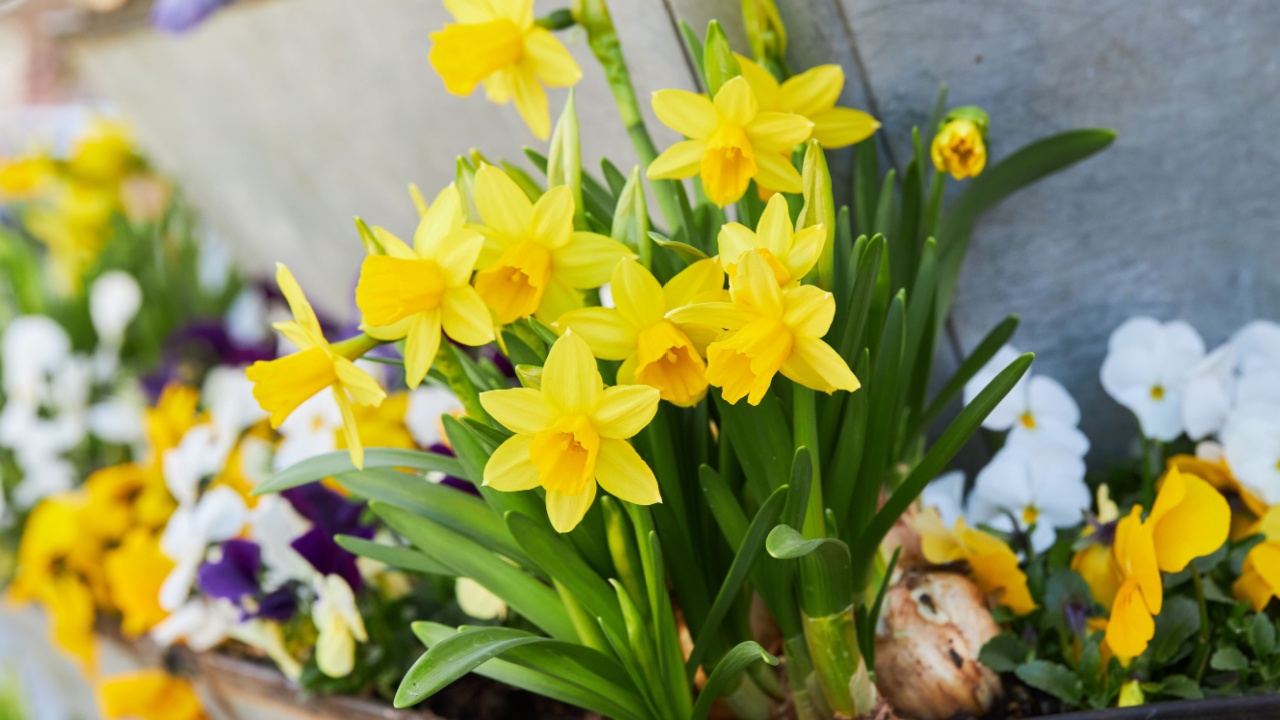
Another beautiful harbinger of spring, the Daffodil (Narcissus spp.), is unfortunately also toxic to cats. All parts of the plant contain a toxic alkaloid called lycorine, but the bulb is the most poisonous part.
Even a small bite can cause severe vomiting, diarrhea, abdominal pain, and drooling. In more serious cases, ingestion can lead to heart arrhythmias or respiratory depression. Even drinking the water from a vase of daffodils can make a cat sick.
- Toxic Components: Lycorine and other alkaloids.
- Symptoms: Vomiting, diarrhea, drooling, abdominal pain, and potential cardiac issues.
- Care Tip: Keep daffodils out of your home and garden if you have pets. For a cheerful yellow flower that’s safe, try planting Sunflowers or Coreopsis.
13. Hyacinth
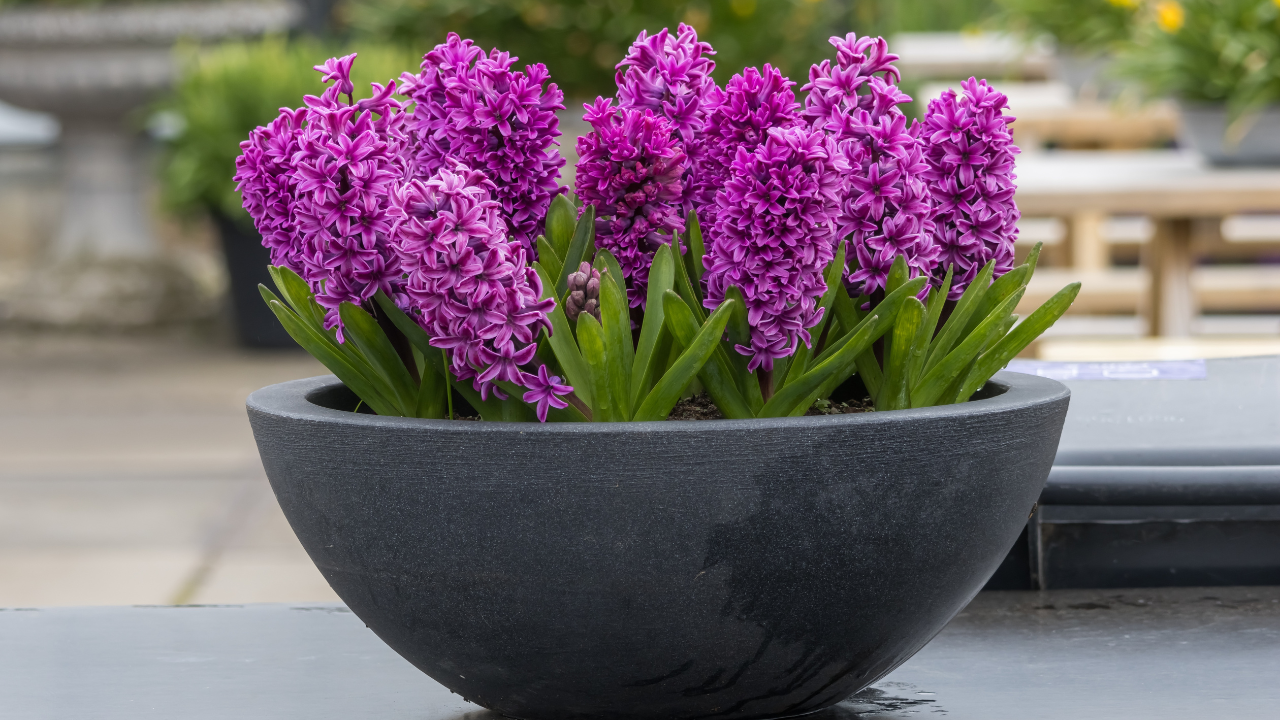
Hyacinths (Hyacinthus orientalis) are known for their beautiful, fragrant clusters of flowers and are popular potted plants during the spring. Similar to tulips and daffodils, they are toxic to cats. The bulbs contain the highest concentration of toxins.
- Toxic Components: Narcissus-like alkaloids.
- Symptoms: Intense vomiting, diarrhea (may be bloody), drooling, tremors.
- Care Tip: Due to their toxicity, it’s safest to admire hyacinths from afar. For a fragrant and safe option, consider a pot of catnip or cat grass for your feline friend to enjoy.
14. Poinsettia
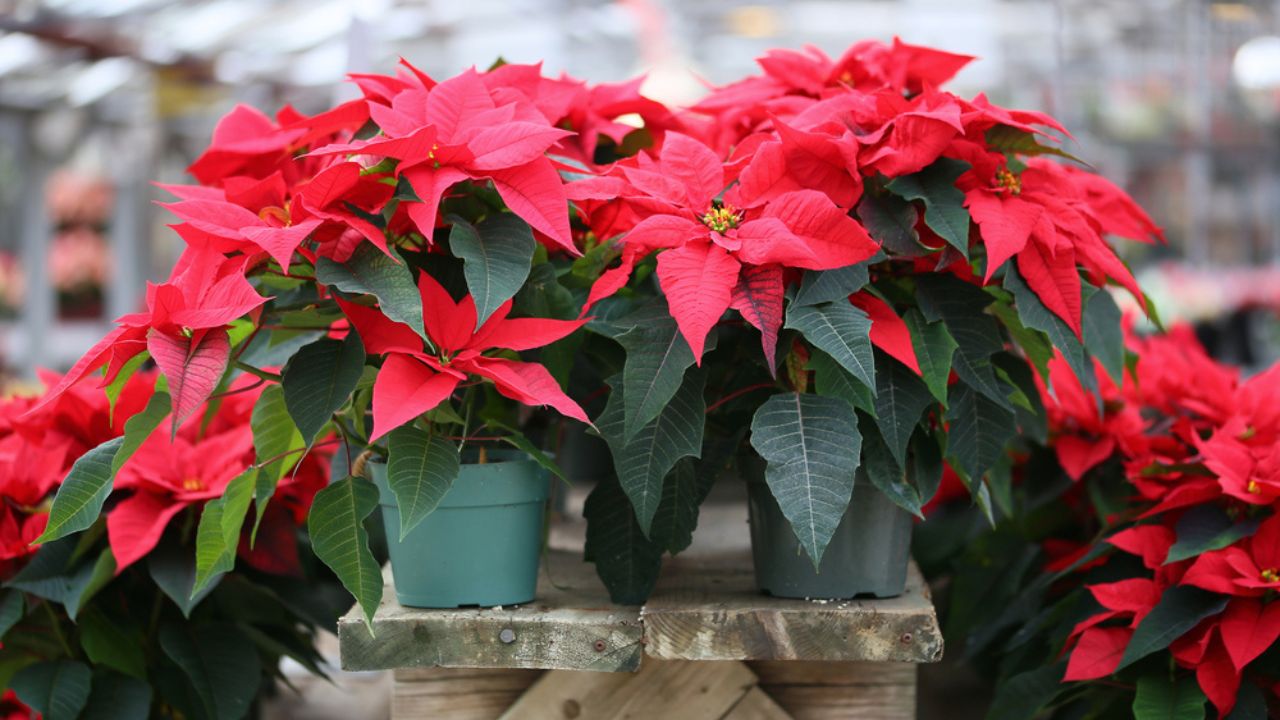
The Poinsettia (Euphorbia pulcherrima) is a holiday staple, but its reputation for being deadly to pets is somewhat exaggerated.
While they are toxic, the effects are generally mild. The milky white sap of the plant can cause irritation to the mouth and stomach, which may lead to drooling, vomiting, or diarrhea.
- Toxic Components: Diterpenoid euphorbol esters.
- Symptoms: Mild irritation to the mouth and stomach, sometimes causing vomiting.
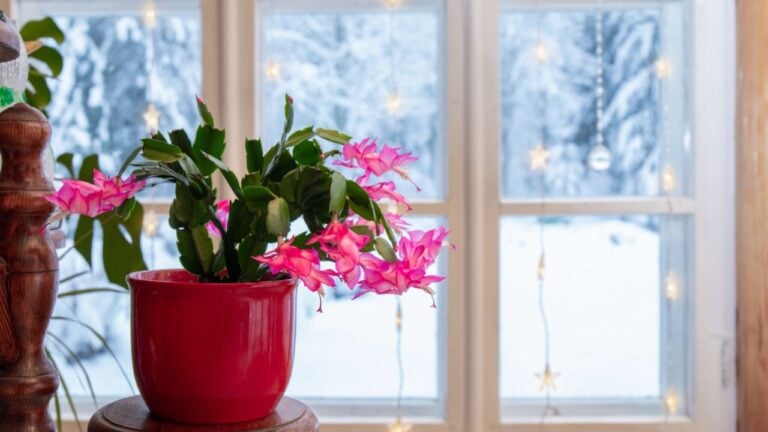
- Care Tip: If you want festive holiday decor without the worry, consider a Christmas Cactus (Schlumbergera), which is non-toxic to cats.
Protect Your Pets
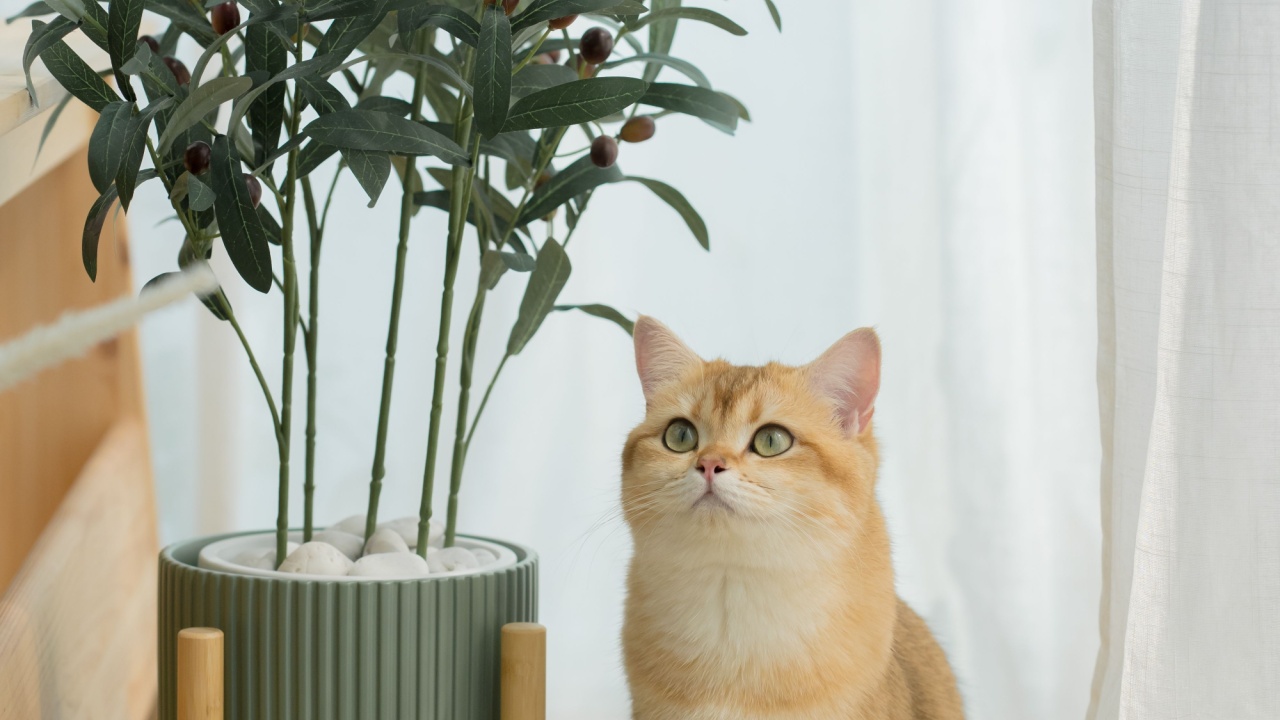
Creating a safe and enriching environment for our pets is a top priority. While it may be disappointing to learn that some of your favorite plants are off-limits, the good news is that there are plenty of beautiful, cat-safe alternatives available.
Read more:
11 Most Popular Orange Cat Breeds That Steal Hearts
13 Common Garden Plants to Never Grow If You Have a Dog or Cat