15 Beautiful Flowers That You Can Clone
Seeing a patch of your garden come to life with color is an underrated magic. As you’re starting to dream about your spring garden, remember this: Planting seeds is cool, but propagating plants from cuttings feels a bit like finding a gardening cheat sheet.
This method allows you to fill your garden with your favorite flowers for a fraction of the cost of buying them.
Propagating involves taking a stem cutting from a healthy parent plant and encouraging it to grow its own roots. Many flowering plants are surprisingly willing to participate in this cloning experiment.
We have gathered a list of 15 beautiful flowers that are excellent candidates for propagation. Get your pruning shears ready; your garden is about to get much fuller.
1. Hydrangea
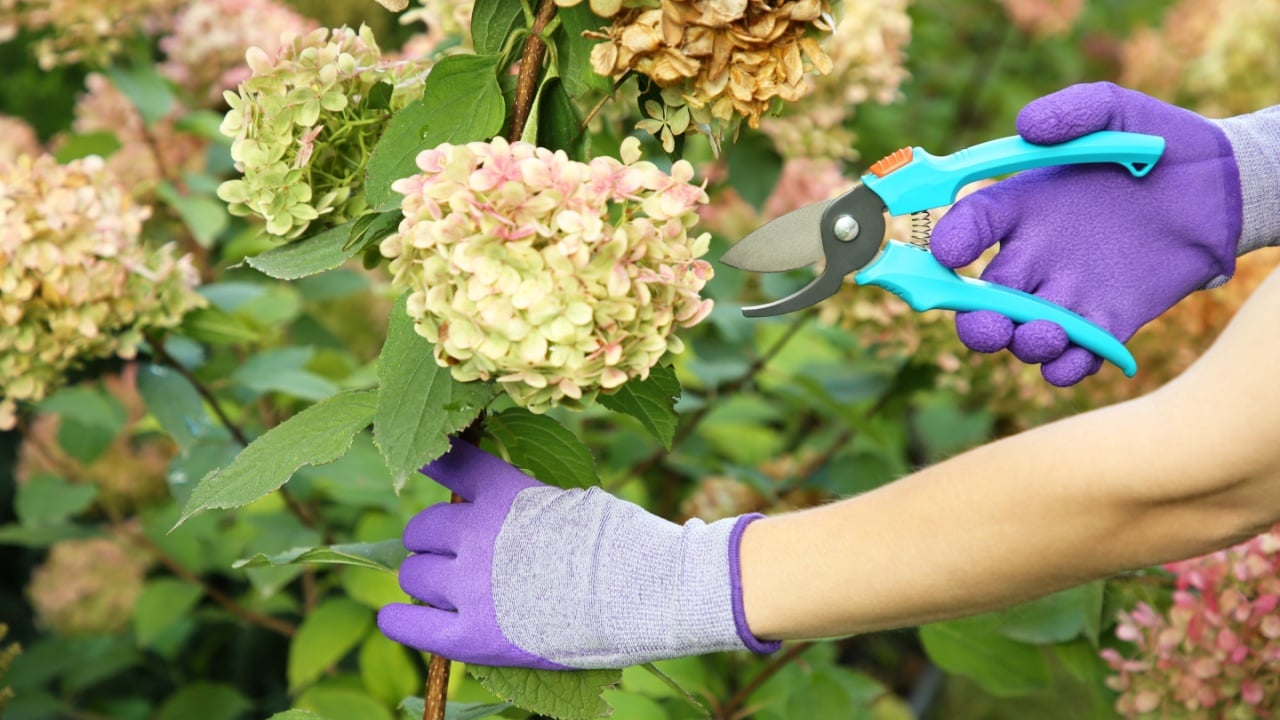
Hydrangeas are the showstoppers of the garden with their large, dramatic blooms. They are fantastic candidates for cuttings because their stems root quite readily, especially when taken from new growth. This means you can easily multiply your favorite blue, pink, or white varieties.
To propagate, take a 6-inch cutting from a stem that has not yet flowered. Remove the lower leaves, leaving just the top two sets. Dip the cut end in rooting hormone powder to give it a head start, then plant it in a pot filled with moist potting mix. Cover the pot with a plastic bag to create a humid environment, and place it in a spot with indirect light. Within a few weeks, your cutting should develop roots, ready for its new home in the garden.
Quick Guide:
- Cutting Length: 6 inches of new growth (non-flowering stem).
- Best Time: Late spring or early summer.
- Rooting Tip: Use rooting hormone and maintain high humidity.
- Care: Keep the soil consistently moist and provide partial shade.
2. Geranium (Pelargonium)

Geraniums are classic container and garden bed flowers, loved for their bright colors and long blooming season. They are exceptionally easy to propagate from cuttings, making them perfect for beginners. A single plant can be the source for a whole summer’s worth of new geraniums.
Take a 4 to 6-inch cutting from a healthy, vigorous stem. Snip off any flowers or flower buds and remove the leaves from the bottom half of the stem. You can place the cutting in a jar of water until roots appear or plant it directly into well-draining soil. If planting in soil, keep it moist but not waterlogged. Geraniums are prone to rot if they get too wet, so good drainage is key.
Quick Guide:
- Cutting Length: 4 to 6 inches.
- Best Time: Spring or fall.
- Rooting Tip: Can root in water or soil; allow the cut end to dry for a few hours before planting to prevent rot.
- Care: Provide full sun and allow the soil to dry out between waterings.
3. Fuchsia
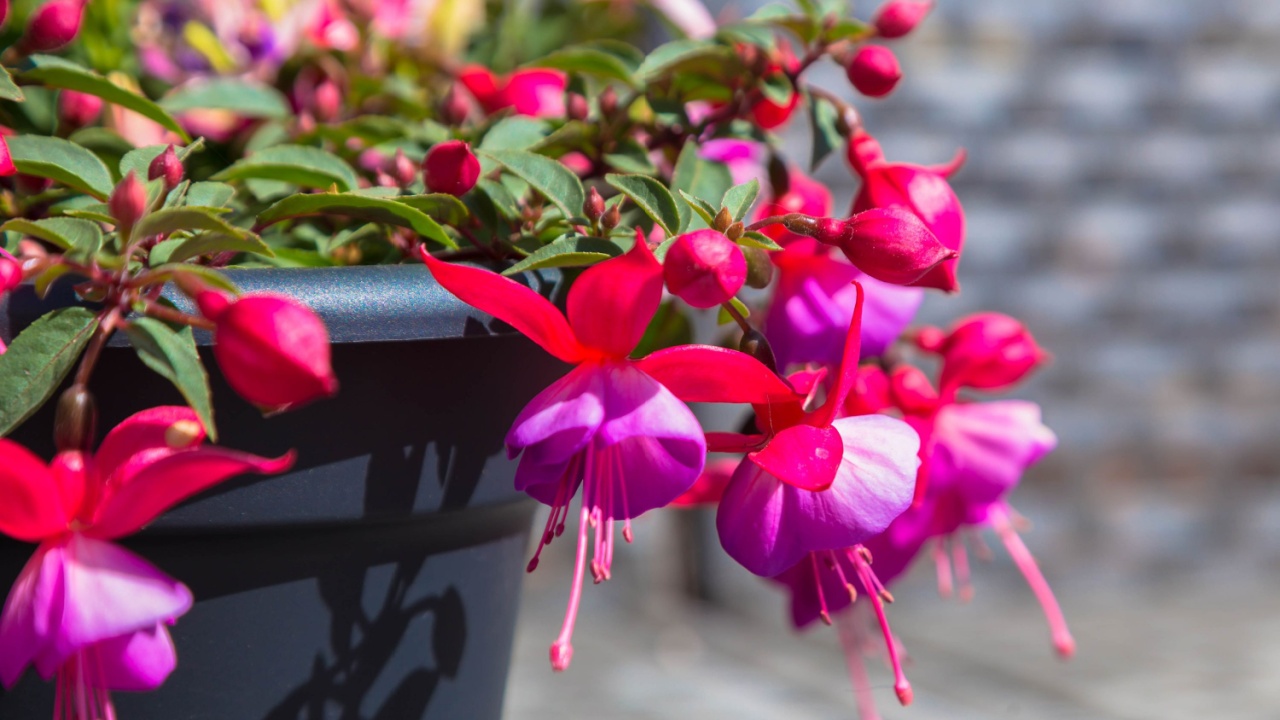
With their dangling, jewel-like flowers, fuchsias add an elegant touch to hanging baskets and shady garden corners. They are vigorous growers and respond very well to propagation from cuttings. This is a fantastic way to overwinter your favorite varieties indoors or share them with friends.
For best results, take a 3 to 4-inch cutting from the tip of a soft, green stem. Remove the lower leaves and any developing flowers. Plant the cutting in a pot with a lightweight, well-draining potting mix. Like hydrangeas, fuchsias appreciate a humid environment to encourage rooting, so covering the pot with a plastic bag is a good idea. Keep them in a warm, bright spot out of direct sun.
Quick Guide:
- Cutting Length: 3 to 4 inches from the stem tip.
- Best Time: Spring or late summer.
- Rooting Tip: High humidity is crucial for successful rooting.
- Care: Prefer cooler, shaded conditions and consistently moist soil.
4. Lavender
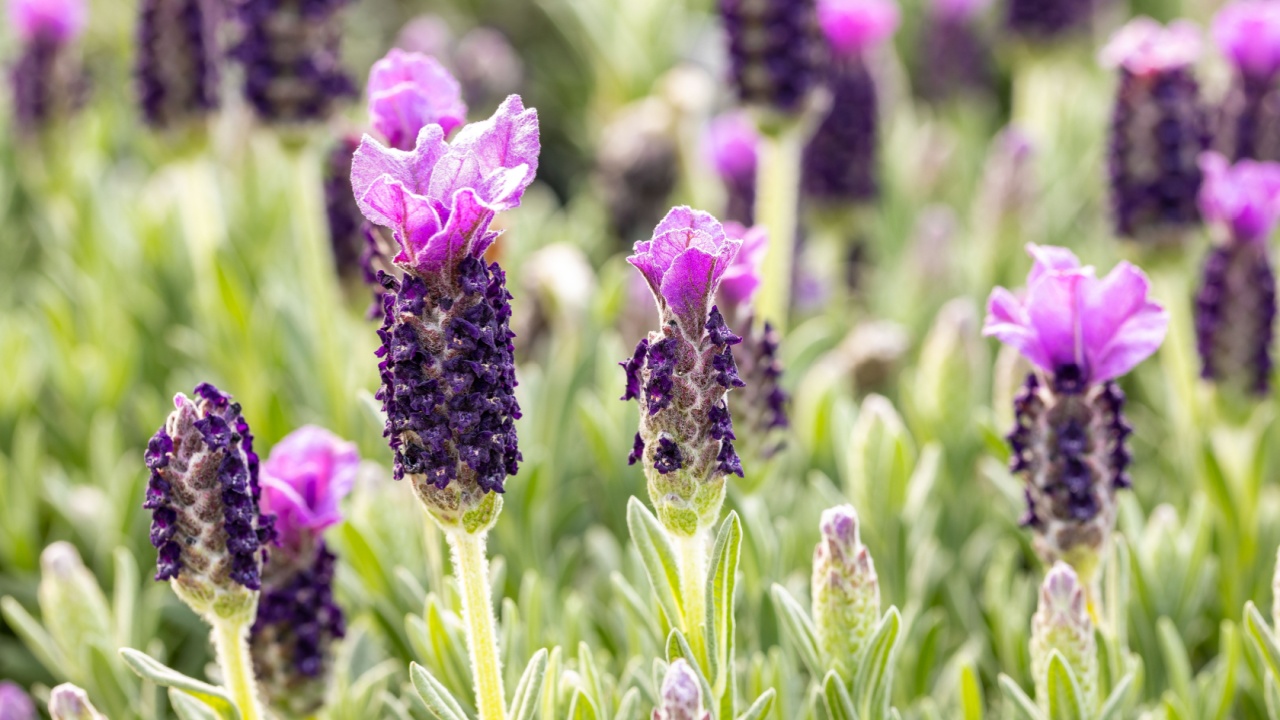
The calming scent and beautiful purple spikes of lavender make it a garden essential. Propagate if your goal is to create fragrant hedges or fill out your herb garden. This method is often more successful than growing from seed, which can be tricky.
Take 3-inch cuttings from the new, softer growth of the plant. Avoid the old, woody stems, as they are slower to root. Strip the leaves from the bottom two-thirds of the cutting. Plant it in a sandy, well-draining soil mix. Lavender hates wet feet, so make sure your potting medium allows for excellent drainage to prevent rot.
Quick Guide:
- Cutting Length: 3 inches of softwood.
- Best Time: After the plant has flowered in late summer.
- Rooting Tip: Use a sandy soil mix to ensure good drainage.
- Care: Full sun is a must. Water sparingly once established.
5. Begonia
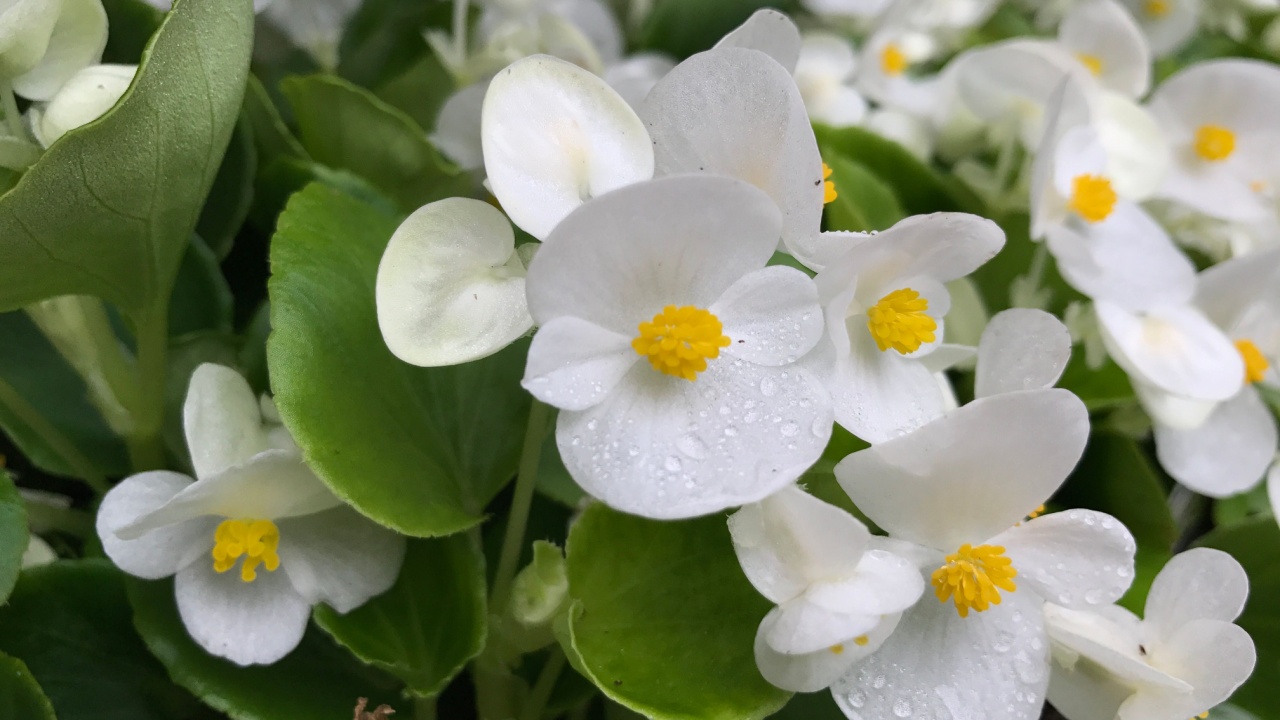
Begonias are prized for their stunning foliage and delicate flowers. Many types, especially cane and rhizomatous begonias, are incredibly easy to propagate. You can even grow a new plant from a single leaf cutting, which feels like a true gardening miracle.
For a stem cutting, take a piece with at least two nodes and place it in water or moist potting mix. For a leaf cutting, snip a healthy leaf with about an inch of its stalk attached. Plant the stalk into the soil so that the base of the leaf is touching the surface. New plantlets will form at the base. Keep your cuttings in a warm, humid location with indirect light.
Quick Guide:
- Cutting Type: Stem or leaf cuttings.
- Best Time: Anytime during the growing season.
- Rooting Tip: Can be propagated from stems or even single leaves.
- Care: Provide bright, indirect light and keep the soil moist.
6. Salvia
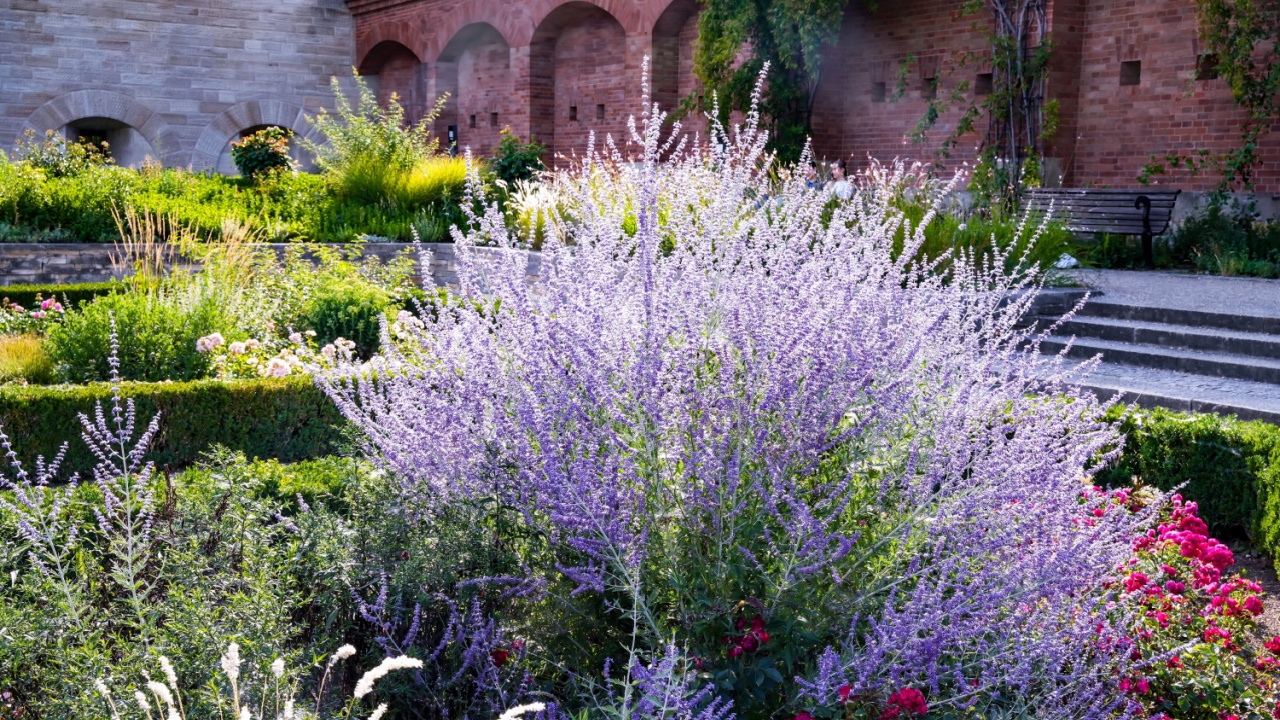
Salvias are a diverse group of plants known for their tall flower spikes that are magnets for hummingbirds and bees. Many perennial salvia varieties root easily from cuttings, allowing you to quickly increase your stock of these garden workhorses.
Take 4 to 6-inch cuttings from the soft tips of the stems, preferably before they have started to flower. Remove the lower leaves and plant them in a moist, well-draining medium. They usually root within a few weeks. Cuttings taken in late summer can be overwintered in pots and planted out the following spring.
Quick Guide:
- Cutting Length: 4 to 6 inches from a stem tip.
- Best Time: Late spring or late summer.
- Rooting Tip: Select non-flowering stems for the best rooting success.
- Care: Most salvias prefer full sun and are quite drought-tolerant once established.
7. Petunia
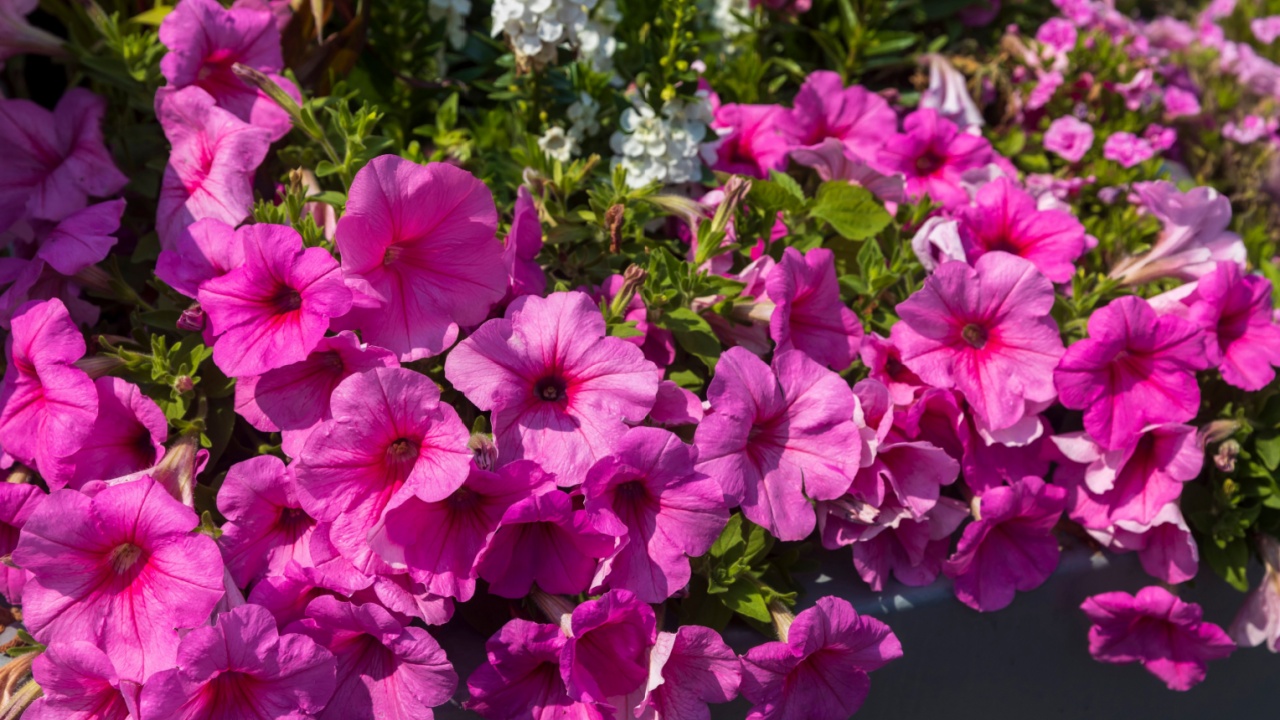
These cheerful annuals are famous for their prolific blooms that spill out of containers and hanging baskets. Propagating petunias from cuttings is a smart way to preserve a particularly beautiful variety or get a head start on next year’s plants.
Take 4 to 6-inch cuttings from healthy, mature stems. Remove the leaves from the lower half of the cutting and pinch off any flowers. Plant them in a moist potting mix and keep them in a warm, sunny spot. Petunia cuttings root quickly, often in just two to three weeks, giving you new plants ready to bloom.
Quick Guide:
- Cutting Length: 4 to 6 inches.
- Best Time: Mid-summer.
- Rooting Tip: Pinch off all flowers so the plant’s energy goes into root production.
- Care: Requires full sun and regular watering with well-draining soil.
8. Chrysanthemum
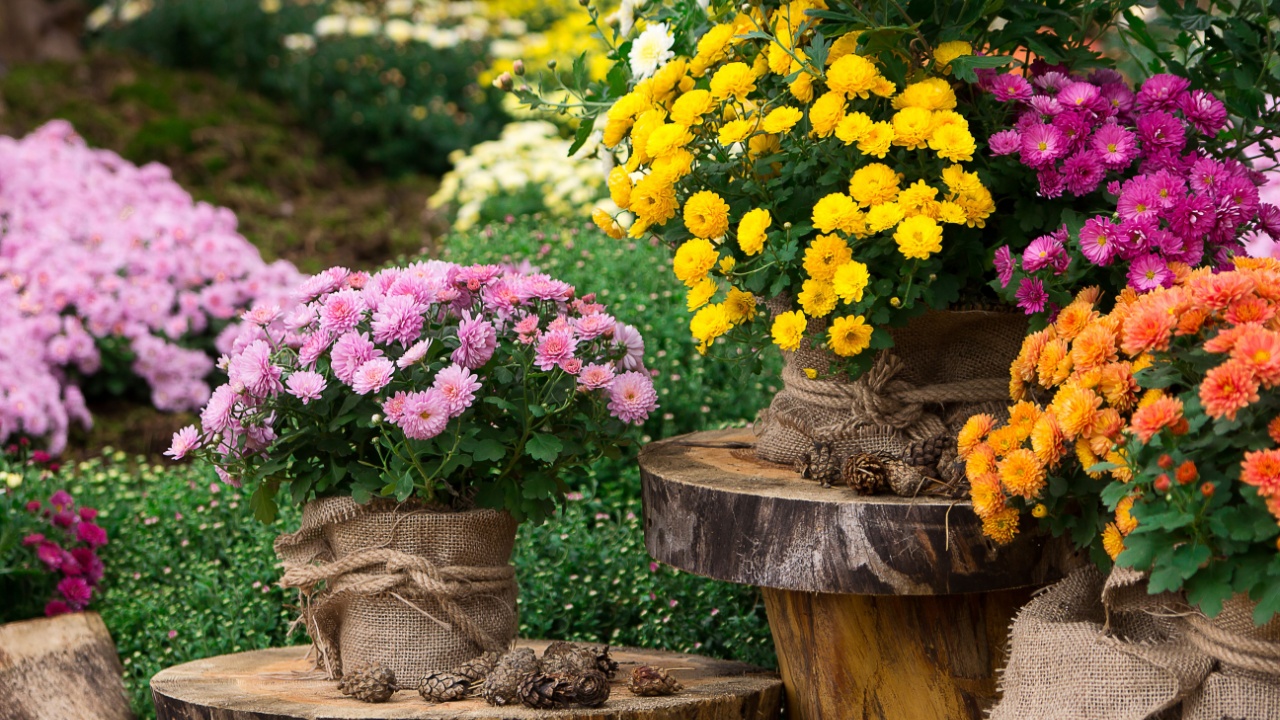
Chrysanthemums, or mums, are the quintessential autumn flower. Taking cuttings is an excellent way to create more plants for a spectacular fall display. It is also a method for ensuring your favorite varieties return year after year.
In the spring, once new growth reaches about 4 to 6 inches, take cuttings from the tips of the stems. Remove the lower leaves and plant them in a tray of moist potting soil. They should root within a few weeks. Pinching the tips of the new plants will encourage them to become bushier and produce more flowers.
Quick Guide:
- Cutting Length: 4 to 6 inches of new spring growth.
- Best Time: Spring.
- Rooting Tip: Pinch new plants to promote bushier growth.
- Care: Plant in full sun and well-drained soil.
9. Gardenia
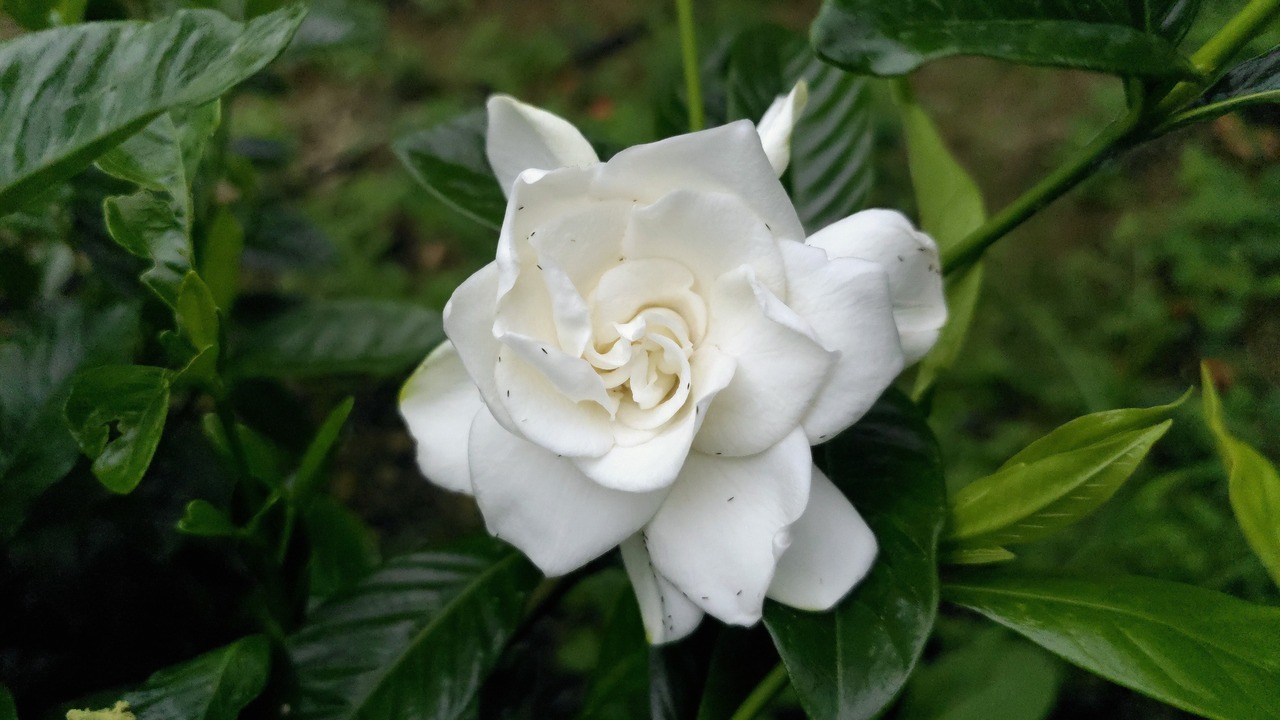
Known for their intoxicating fragrance and creamy white blossoms, gardenias are a luxurious addition to any garden. While they can be a bit particular about their growing conditions, they propagate well from cuttings, allowing you to create more of these elegant shrubs.
Take 4 to 6-inch cuttings from the tips of branches in the spring or summer. Remove all but the top two or three leaves. Dip the ends in rooting hormone and plant them in a mixture of peat moss and sand. Gardenias require high humidity to root successfully, so tenting them with a plastic bag is recommended.
Quick Guide:
- Cutting Length: 4 to 6 inches.
- Best Time: Spring or summer.
- Rooting Tip: Use rooting hormone and maintain very high humidity.
- Care: Prefers acidic soil, partial shade, and consistent moisture.
10. Bougainvillea

This tropical vine is celebrated for its cascades of vibrant, papery bracts. For those in warmer climates, propagating bougainvillea from cuttings is a simple way to expand your collection or create beautiful, flowering screens and ground covers.
Take 6 to 8-inch cuttings from semi-hardwood, which is wood that is firm but still flexible. Remove the lower leaves and dip the cutting in rooting hormone. Plant it deep in a pot with a sandy, well-draining mix, burying at least two nodes. Place it in a warm, sunny location and water sparingly until roots form.
Quick Guide:
- Cutting Length: 6 to 8 inches of semi-hardwood.
- Best Time: Spring through mid-summer.
- Rooting Tip: Bury the cutting deep, ensuring at least two nodes are under the soil.
- Care: Thrives in full sun and requires well-draining soil.
11. Carnation (Dianthus)
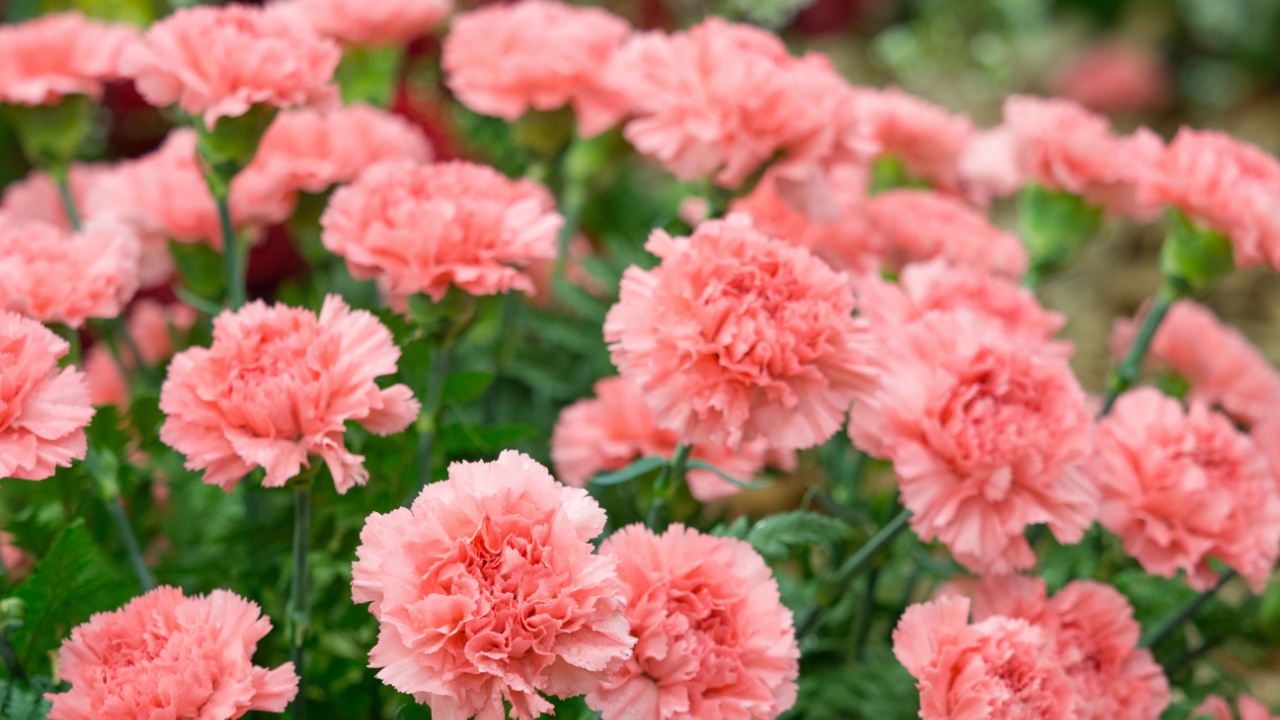
With their frilly petals and spicy-sweet scent, carnations are a longtime favorite in bouquets. Many perennial dianthus varieties are easy to propagate from cuttings, allowing you to create charming garden borders that will bloom for years.
Take 4 to 6-inch cuttings from the tips of non-flowering shoots. The best cuttings are taken from the base of the plant. Remove the leaves from the bottom half and make a small slit at the base of the cutting to encourage rooting. Plant in a sandy soil mix and keep it lightly moist.
Quick Guide:
- Cutting Length: 4 to 6 inches from a non-flowering shoot.
- Best Time: Early summer.
- Rooting Tip: A small slit at the base of the cutting can speed up rooting.
- Care: Needs full sun and fertile, well-draining soil.
12. African Violet (Saintpaulia)
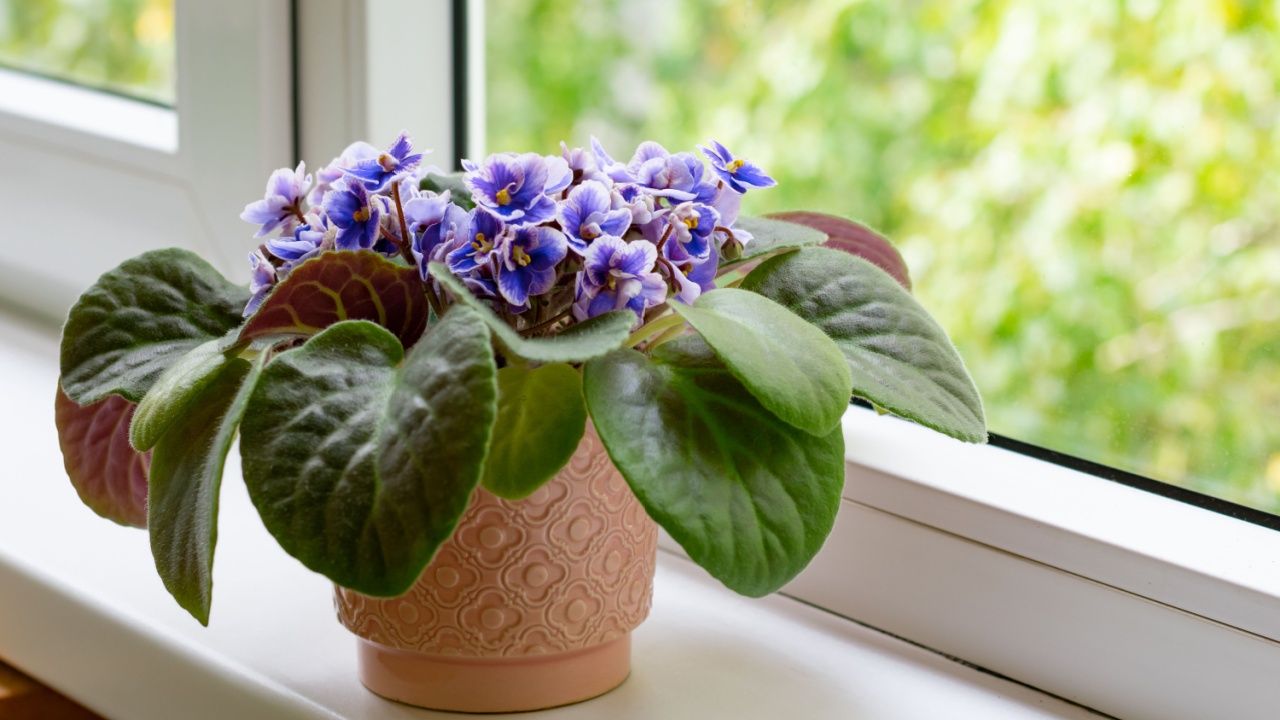
African violets are popular houseplants loved for their fuzzy leaves and delicate flowers. They are famously easy to propagate from a single leaf, which is a fun project for any indoor gardener.
Cut a healthy, mature leaf from the plant, leaving about 2 inches of the stalk attached. Place the stalk in a small jar of water, making sure the leaf itself stays dry. Roots will form in a few weeks. Alternatively, you can plant the stalk directly into a light, airy potting mix. Tiny new plants will eventually sprout from the base of the leaf.
Quick Guide:
- Cutting Type: A single leaf with its stalk.
- Best Time: Anytime.
- Rooting Tip: Can be rooted in water or soil; new plants form at the base of the leaf.
- Care: Provide bright, indirect light and keep the soil consistently moist.
13. Snapdragon
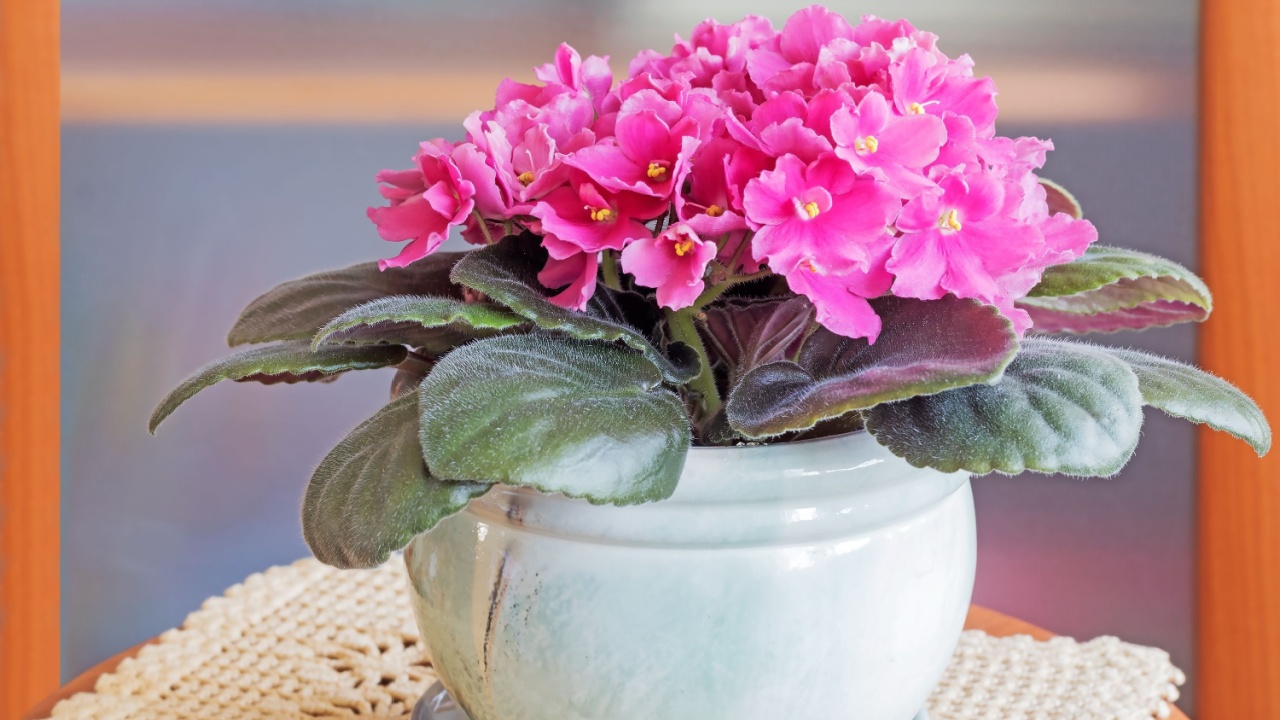
Snapdragons add a playful touch of height and color to garden beds. While often grown as annuals, taking cuttings in late summer is a great way to overwinter your favorite colors and get a jump on the next season.
Take 4 to 6-inch cuttings from the main stems. Remove the lower leaves and any flower spikes. Place the cuttings in a pot with moist, well-draining soil. Keep them in a bright location but out of direct sunlight until they have rooted. You can then grow them in a protected spot until it is time to plant them out in the spring.
Quick Guide:
- Cutting Length: 4 to 6 inches.
- Best Time: Late summer or early fall.
- Rooting Tip: Removing flower spikes is important for redirecting energy to root growth.
- Care: Plant in well-draining soil and water regularly for a colorful display.
14. Verbena
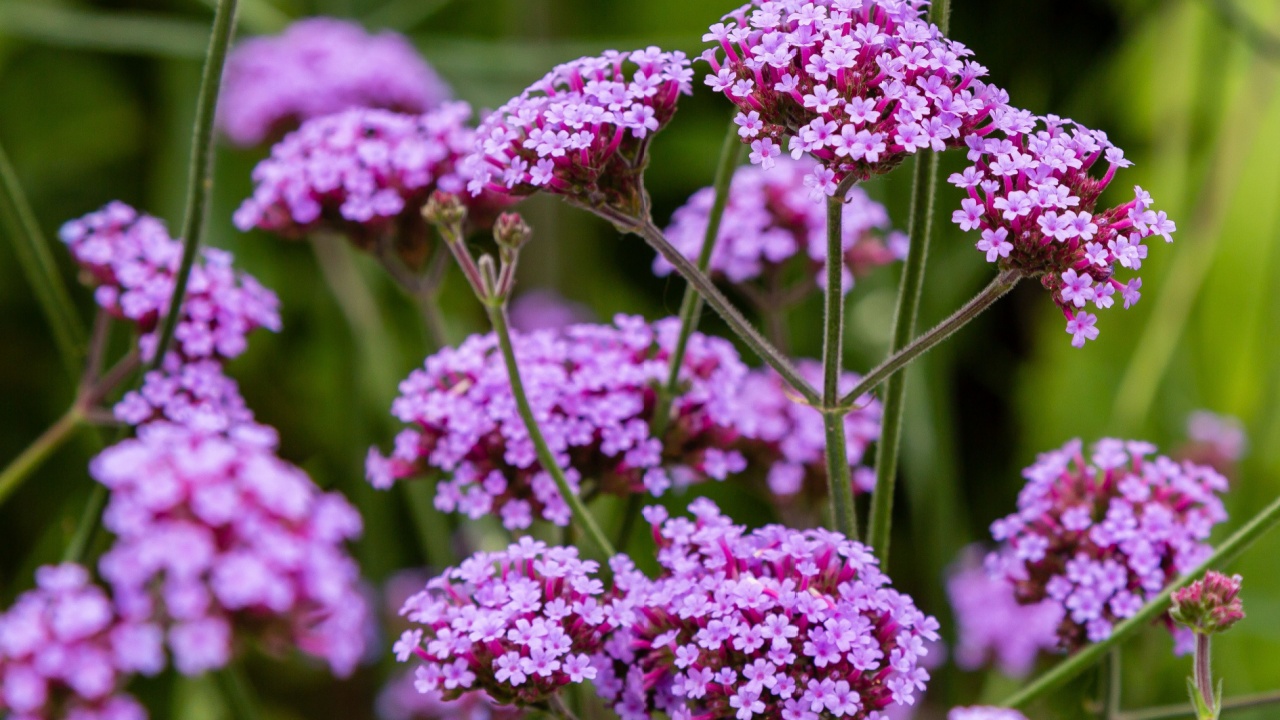
Verbena is a resilient plant that produces clusters of small, beautiful flowers all summer long. It is especially useful in hanging baskets and as a trailing ground cover. Propagating from cuttings is simple and ensures you have plenty of this tough, heat-tolerant flower.
Take 3 to 4-inch cuttings from the tips of healthy stems. Remove the lower leaves and plant the cuttings in a moist potting mix. They root very quickly, often in just two weeks. This is a fast and effective way to produce many plants from just one parent.
Quick Guide:
- Cutting Length: 3 to 4 inches from the stem tip.
- Best Time: Summer.
- Rooting Tip: Verbena cuttings root very quickly, making them a satisfying project.
- Care: Needs full sun and is quite tolerant of heat and drought once established.
15. Honeysuckle
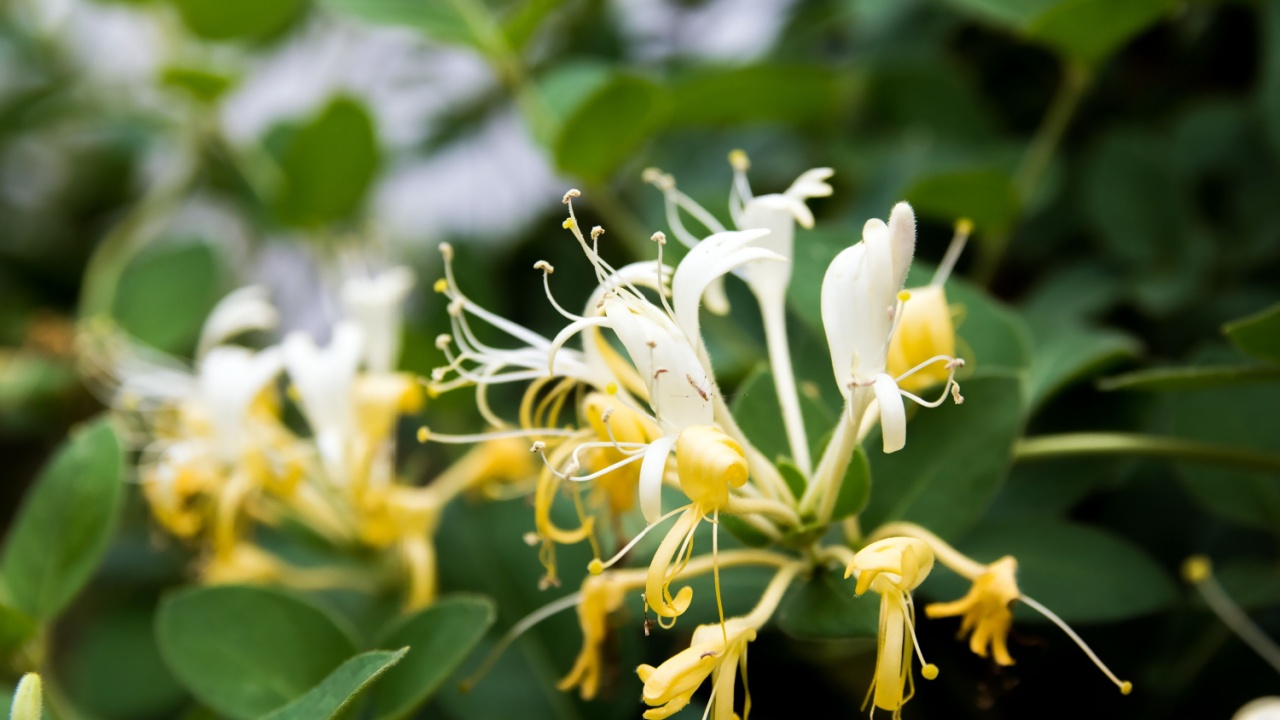
The sweet fragrance of honeysuckle on a warm evening is one of the great joys of a summer garden. These vigorous vines are simple to propagate from cuttings, allowing you to train them over trellises, fences, or arbors.
Take 6-inch cuttings from either softwood in early summer or hardwood in the fall. Remove the lower leaves and place the cuttings in water or plant them directly in the ground where you want them to grow. Hardwood cuttings taken in the fall can be planted directly in the garden to root over the winter.
Quick Guide:
- Cutting Length: 6 inches of softwood or hardwood.
- Best Time: Early summer for softwood, fall for hardwood.
- Rooting Tip: Hardwood cuttings can be planted directly in their final location.
- Care: Prefers full sun and soil enriched with organic matter.
Let It Grow
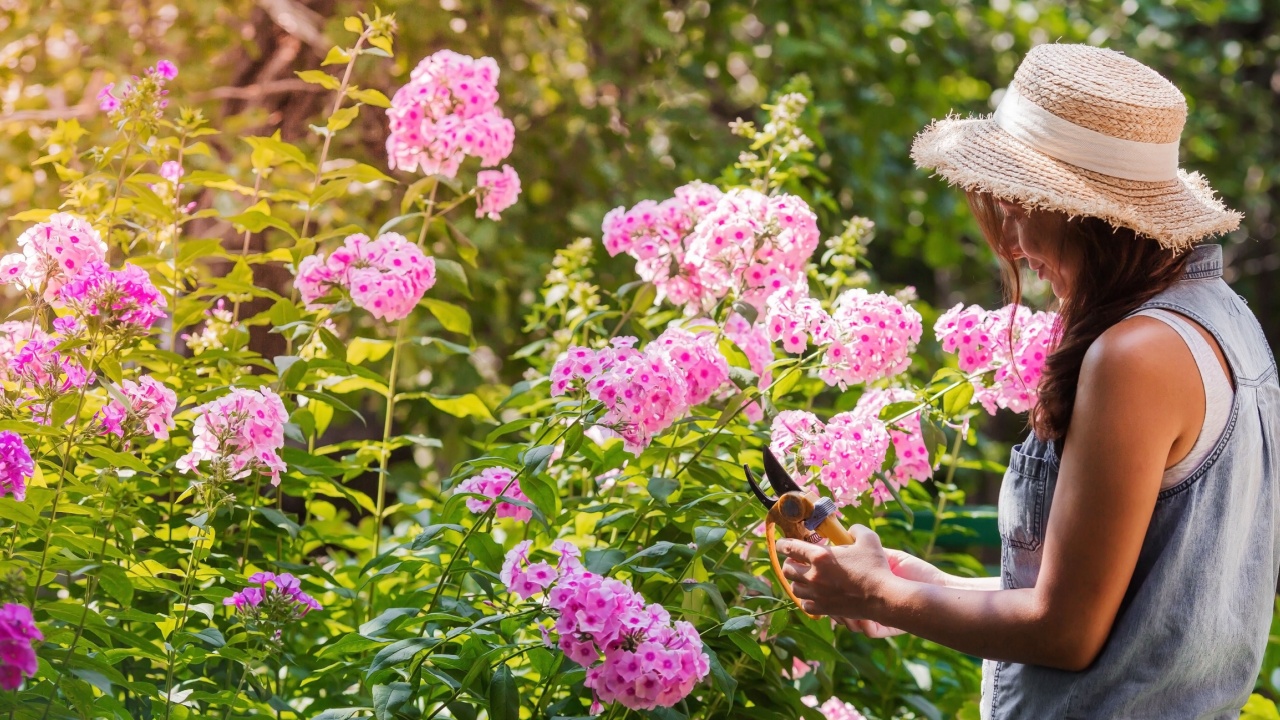
Once your cuttings develop roots, start treating them like young plants in training. Move them into brighter light a little at a time, keeping the soil slightly moist but never soggy. Give each one room to grow, and resist the urge to rush them into the garden too soon.
A few weeks of steady care will reward you with sturdy, healthy plants ready to transplant, gift, or use to fill those empty spots in your beds and pots. It’s a simple routine that quietly turns a few cuttings into a garden full of color.
Read more:
21 Fast Growing Flowers That Can Add a Quick Pop of Color Anywhere