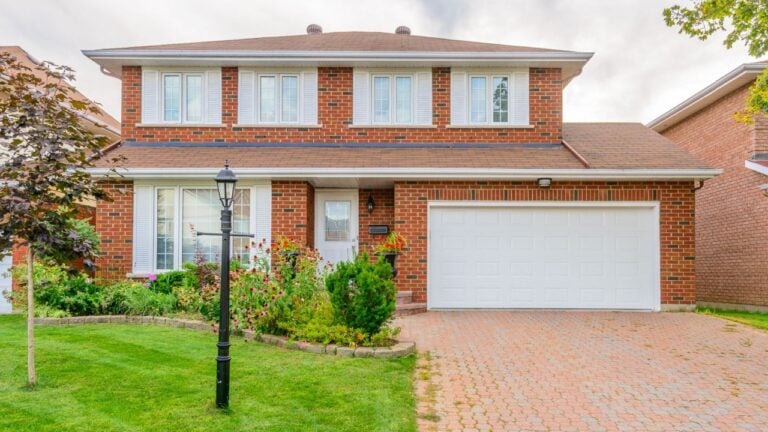
10 Home Repair Requests Home Buyers Should Never Make
You found it. The house has the perfect spot for your prized bonsai tree and a patio just begging for summer barbecues (once we get out of dormant winter).
The home inspection report lands in your inbox, and your heart sinks a little: a loose doorknob, a scuffed floor, a weepy faucet. Before you draft a novel-length list of demands for the seller, let’s take a breath.
Knowing what not to ask in a real-estate negotiation is just as important as knowing what to ask. Pushing for minor fixes can annoy sellers, jeopardize the deal, and distract from the major issues that truly matter. Choosing your battles wisely so you can win the war and the house of your dreams.
This guide will help you distinguish between a genuine problem and a weekend DIY project. Here are ten home repair requests that are better left off your list.
1. Purely Cosmetic Flaws

Finding a house with zero signs of life is like finding a unicorn. Normal wear and tear is a given. That chipped paint in the guest room, the scuffed hardwood in the hallway, or the cracked tile behind the bathroom door are all part of a home’s history. While they may catch your eye, they don’t typically point to a deeper structural issue.
According to the American Society of Home Inspectors (ASHI), cosmetic flaws like chipped paint or worn flooring are considered normal wear and tear and rarely indicate structural problems. Asking a seller to fix these minor imperfections is often seen as nitpicking. Save your negotiation power for significant problems that affect the home’s safety and function.
What to do instead:
- Embrace the project: See these small blemishes as a chance to make the house your own. A fresh coat of paint or a new tile can transform a space.
- Budget accordingly: Factor in the cost of these small cosmetic repairs when you make your offer. A few hundred dollars for paint and supplies is a small price for a home you love.
- Focus on the inspection: Pay close attention when your inspector confirms the issue is just cosmetic and not a sign of something more serious, like water damage or foundation shifts.
2. A Foggy Window Pane

You’re admiring the view of the backyard, but it’s slightly obscured by a misty patch between the panes of a double-glazed window. This is a sign of a failed window seal, which allows moisture to enter the space between the glass layers. It’s a common issue, especially in older insulated glass units (IGUs), and while it affects visibility, the energy impact depends on the extent of the failure.
When a seal fails, the insulating gas, typically argon or krypton, can escape, reducing the window’s thermal performance. According to the U.S. Department of Energy, windows account for up to 30% of residential heating and cooling energy use, so compromised seals can contribute to inefficiency, especially if multiple windows are affected. However, a single foggy pane is rarely a deal-breaker and doesn’t always require complete window replacement.
What to do instead:
- Live with it for a while: The fog may be more of a visual annoyance than a functional issue, especially if the window is not in a critical area.
- Replace the glass, not the window: In many cases, you can replace just the IGU rather than the entire window frame, which is more cost-effective.
- Upgrade later: Consider replacing the window as part of a broader energy-efficiency renovation, especially if other windows show similar signs of wear.
3. Minor Landscaping and Fence Issues

Your vision for a lush, green paradise is clear, but the current state of the yard is a little less inspiring. A sad-looking shrub, a few bare patches in the lawn, or a wobbly fence post might deflate your enthusiasm. Unfortunately, the seller isn’t responsible for bringing the landscaping up to your standards.
While a sad-looking shrub or patchy lawn might not match your dream garden, landscaping is typically considered a buyer’s responsibility unless it poses a safety hazard or violates local ordinances. Realtors say such improvements are rarely covered by sellers.
What to do instead:
- See potential: Look at the existing yard as a blank canvas for your gardening dreams.
- Plan your garden: Start a Pinterest board or sketch out ideas for your future flower beds, vegetable patches, and container gardens.
- Get a quote for big jobs: If a fence needs a complete replacement, get a quote to understand the cost, but don’t expect the seller to cover it unless it’s a deal-breaker.
4. Small-Scale Plumbing Drips

A slow drip from a kitchen faucet or a toilet that constantly runs can be annoying, but they are rarely emergencies. Most home inspectors will note these minor plumbing issues, but they don’t typically qualify as major defects. Sellers are obligated to ensure the plumbing system is functional and up to code, not that it’s perfect.
Don’t worry too much about a dripping faucet; it’s usually a super easy fix, often just needing a new washer or O-ring that costs next to nothing. You’ll want to save your negotiation energy for bigger concerns, like major leaks, water damage, or pipes that aren’t working at all.
What to do instead:
- Learn basic DIY: Fixing a leaky faucet is a great first project for a new homeowner. There are countless online tutorials to guide you.
- Bundle the work: If you have a few minor plumbing tasks, hire a plumber to tackle them all at once after you move in.
- Check for bigger problems: Make sure the drip isn’t a symptom of a larger issue, like dangerously high water pressure or corroded pipes.
5. Minor Electrical Hiccups
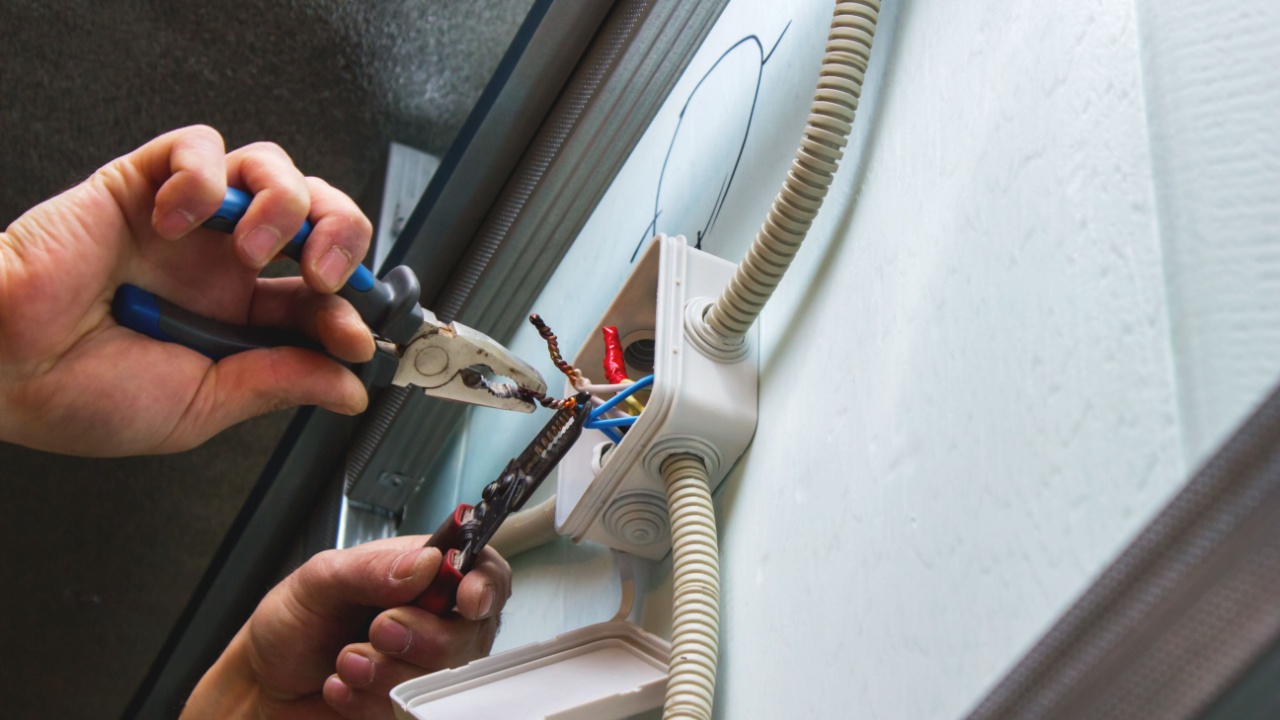
You flip a switch and nothing happens. Or maybe that outlet in the corner just doesn’t seem to work. These minor electrical issues are common in many homes and usually not a cause for concern. The problem might be something simple like a tripped breaker, a burnt-out bulb, or a loose wire that can be fixed easily.
That said, safety should always come first. If you notice exposed wiring, an outdated fuse box, or outlets near water that aren’t properly grounded, those are serious concerns. These types of problems should definitely be addressed before closing the deal.
What to do instead:
- Troubleshoot simply: Check the circuit breaker and try a new lightbulb before assuming the worst.
- Hire an electrician for an assessment: After you move in, have an electrician do a quick walkthrough to fix minor issues and give you peace of mind.
- Tag the problem: During your final walkthrough, you can place a piece of painter’s tape on the faulty switch or outlet as a reminder to fix it later.
6. Anything Under $100

A good rule of thumb is to avoid asking for any repair that costs less than $100 to fix. This includes things like a missing outlet cover, a loose handrail, a sticky door, or a torn window screen. Presenting a seller with a long list of tiny, inexpensive repairs can make you seem difficult and petty.
Every house, even a new one, will have a list of small projects waiting for you. This is part of the reality of homeownership. Focusing on trivial fixes can damage the goodwill between you and the seller, which you might need if a bigger issue arises.
What to do instead:
- Create a “Day One” project list: Keep a running list of all the small tasks you want to tackle as soon as you get the keys.
- Visit the hardware store: A single trip can get you everything you need to fix a dozen small problems around the house.
- Ask for a credit instead: If there are several small items, it’s sometimes better to ask for a modest seller credit at closing to cover the costs, rather than asking them to manage the repairs.
7. Hairline Cracks in Driveways or Patios

Concrete and asphalt are bound to develop small cracks. Hairline cracks are very thin surface-level cracks that usually measure less than 1/8 inch in width. These thin surface-level fractures are generally superficial and don’t affect structural integrity unless they grow or worsen over time.
You should only raise a concern if the cracks are wide (more than a quarter-inch), uneven, or creating a significant trip hazard. In those cases, it might suggest underlying soil or water drainage problems.
What to do instead:
- Clean and seal: Once you move in, pressure wash the driveway and fill the hairline cracks with a concrete or asphalt sealant to prevent them from widening.
- Disguise with plants: Place attractive planters or create a border garden alongside a cracked patio to draw the eye away from the imperfections.
- Monitor for changes: Keep an eye on the cracks. If they start to grow rapidly, it might be time to call a professional for an opinion.
8. Missing Smoke or Carbon Monoxide Detectors

While safety is paramount, missing or outdated smoke and carbon monoxide detectors are an easy and inexpensive fix. In many states, sellers are required to provide working detectors at the time of sale.
According to HomeLight, if local laws don’t mandate it, buyers often choose to replace them with newer models they trust. A new detector typically costs as little as $20, making it a simple upgrade that gives you control over your home’s safety systems from day one.
What to do instead:
- Buy new ones immediately: Purchase new detectors before you even move in. Install them as one of your first tasks.
- Check placement guidelines: Research the recommended placement for detectors. You often need one on each level, inside and outside of sleeping areas.
- Choose modern features: Consider upgrading to interconnected detectors that all sound at once, or smart detectors that send alerts to your phone.
9. Non-Structural Termite Damage

Discovering evidence of termites can be terrifying. In many cases, sellers will have to address an active termite infestation to secure financing for any buyer. However, what if the inspection finds old, treated damage but no active bugs? If the damage doesn’t affect the home’s structural integrity, you may not have grounds to ask for repairs.
A structural engineer can confirm the extent of the damage. If they determine it’s superficial, such as a minor gnawing on a baseboard or window frame, it’s not reasonable to ask the seller to replace it.
What to do instead:
- Get a professional opinion: Ensure a pest control expert and a structural engineer have both signed off that the issue is resolved and non-structural.
- Maintain the warranty: Ask the seller to transfer the termite bond or warranty to you, and continue with annual inspections.
- Plan for cosmetic repairs: Budget for replacing the damaged wood yourself after you close.
10. Renovations You Are Already Planning

Perhaps the kitchen has dated laminate countertops, but you’ve been dreaming of installing quartz. Or maybe the bathroom has a perfectly functional but ugly vanity you plan to tear out. It makes no sense to ask the seller to repair or replace something you intend to demolish.
The seller might spend money on a cheap replacement that you don’t even want. Be transparent about your plans and focus your negotiations on the parts of the house you plan to keep.
What to do instead:
- Adjust your offer: If a major component like the kitchen is a gut job, reflect that in the price you’re willing to pay for the house.
- Focus on the bones: Make sure the underlying structure, plumbing, and electrical systems in the area you plan to renovate are sound. That’s a much more important battle to fight.
- Get excited about the future: Instead of dwelling on the dated fixture, start gathering inspiration for your renovation project.
Considering What’s Worth the Ask

Buying a home is an exciting milestone, and it’s easy to get caught up in the pursuit of perfection. By focusing on the significant issues about safety, structural, and functionality, you show the seller you are a serious and reasonable buyer. This approach builds trust and increases your chances of a smooth closing.
Now that you know which battles to avoid, you can turn your attention to the fun part. Start sketching out where your vegetable garden will go. Browse for the perfect porch swing. Dream about the backyard gatherings you’ll host. By handling the small stuff yourself, you’re not just buying a house; you’re taking the first step in truly making it your home.