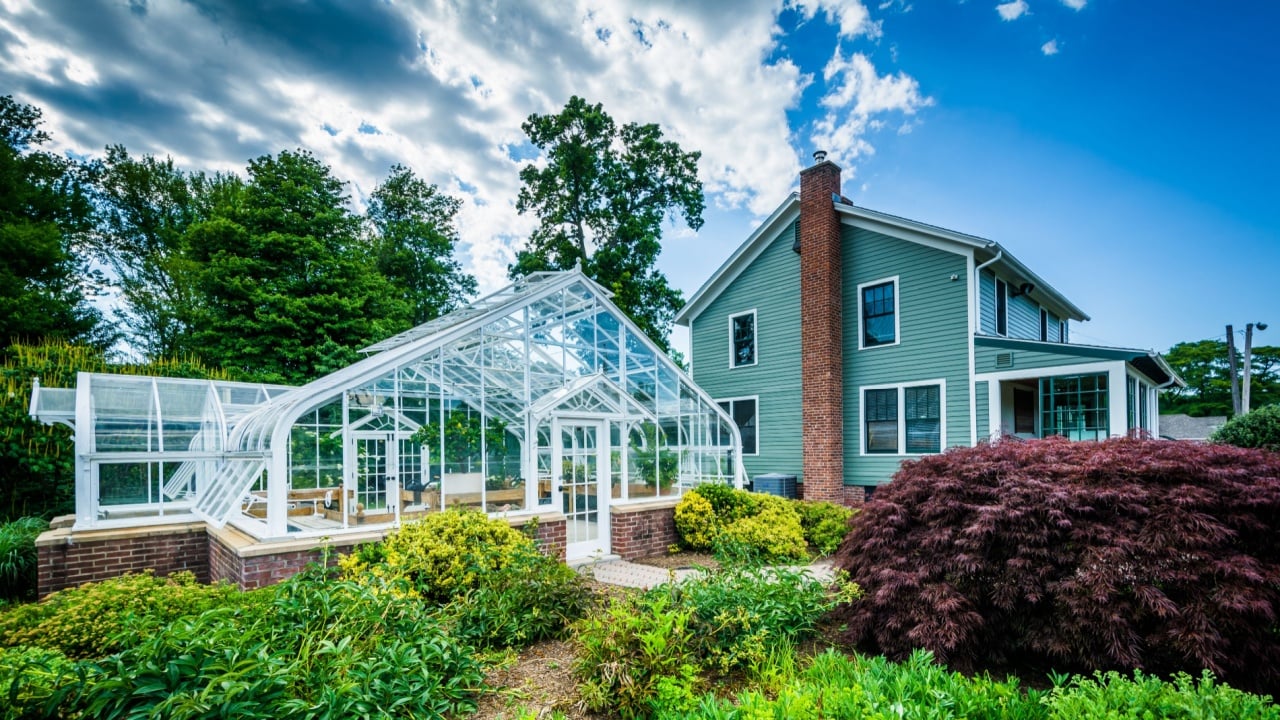
10 Small Cities People Are Considering Making Home
Ever find yourself daydreaming about a life where your biggest traffic jam is waiting for a family of ducks to cross the road? Join the throngs that are now dropping out of the rat race and the boisterousness of big cities, and moving to smaller towns.
The siren song of the big city is being replaced by a quieter, yet equally compelling, tune from America’s smaller towns. People are trading skyscrapers for maple trees and discovering that a fulfilling life doesn’t require a ten-lane highway.
So, if you’ve been fantasizing about a backyard that’s more than a concrete slab with a potted plant, you have arrived. Here are some vibrant communities with unique charm, growing opportunities, and plenty of space to plant some roots.
We compiled this list from a mix of online insights (aka opinions) and surveys.
1. Apex, North Carolina
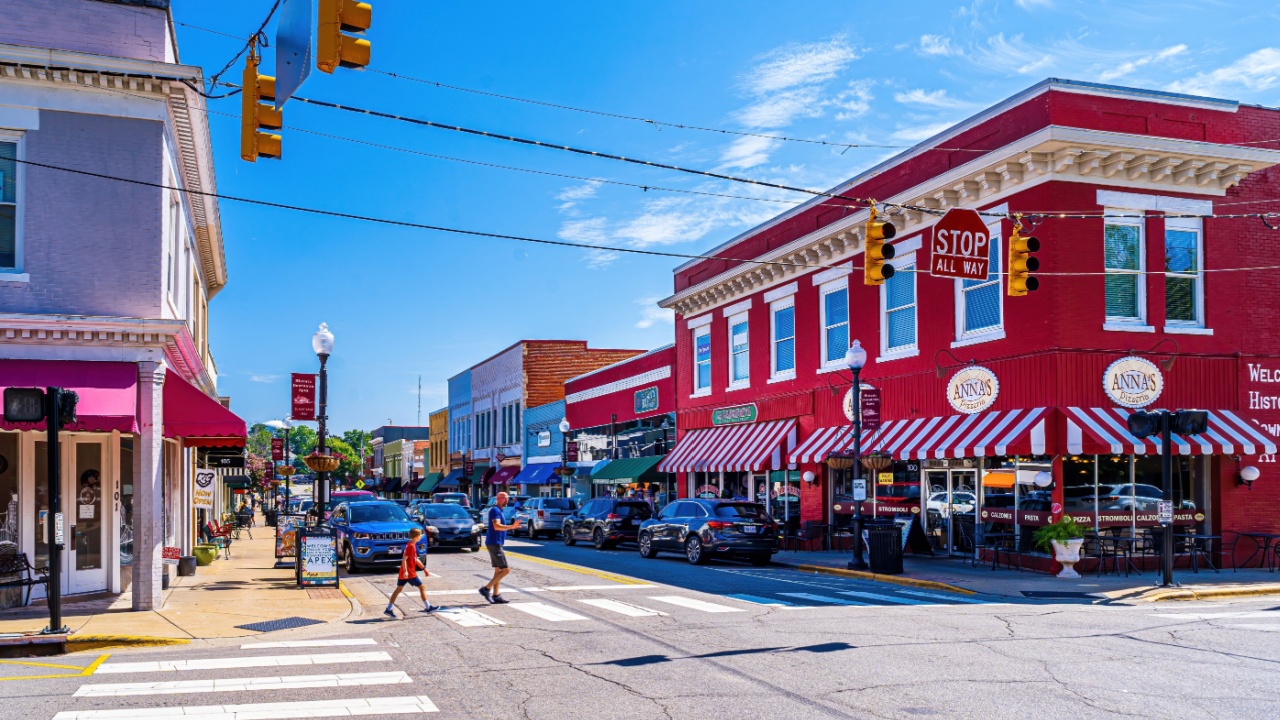
They don’t call it “The Peak of Good Living” for nothing. Apex, North Carolina, has managed to preserve its historic, small-town charm while being just a stone’s throw from the Research Triangle Park hub. With top-rated schools and low crime rates, it’s a magnet for families and professionals who want community without giving up their careers.
Apex gives you a perfect blend of historic character and modern convenience. You can spend your Saturdays at the local farmers market and your evenings enjoying a craft brew downtown. The community spirit is strong, making it easy to feel like you belong from day one.
Your Future Backyard: North Carolina’s climate is a gardener’s delight. You’re in USDA Zone 7b, which means you can grow everything from juicy summer tomatoes and peppers to winter-hardy kale and collards.
2. Johns Creek, Georgia
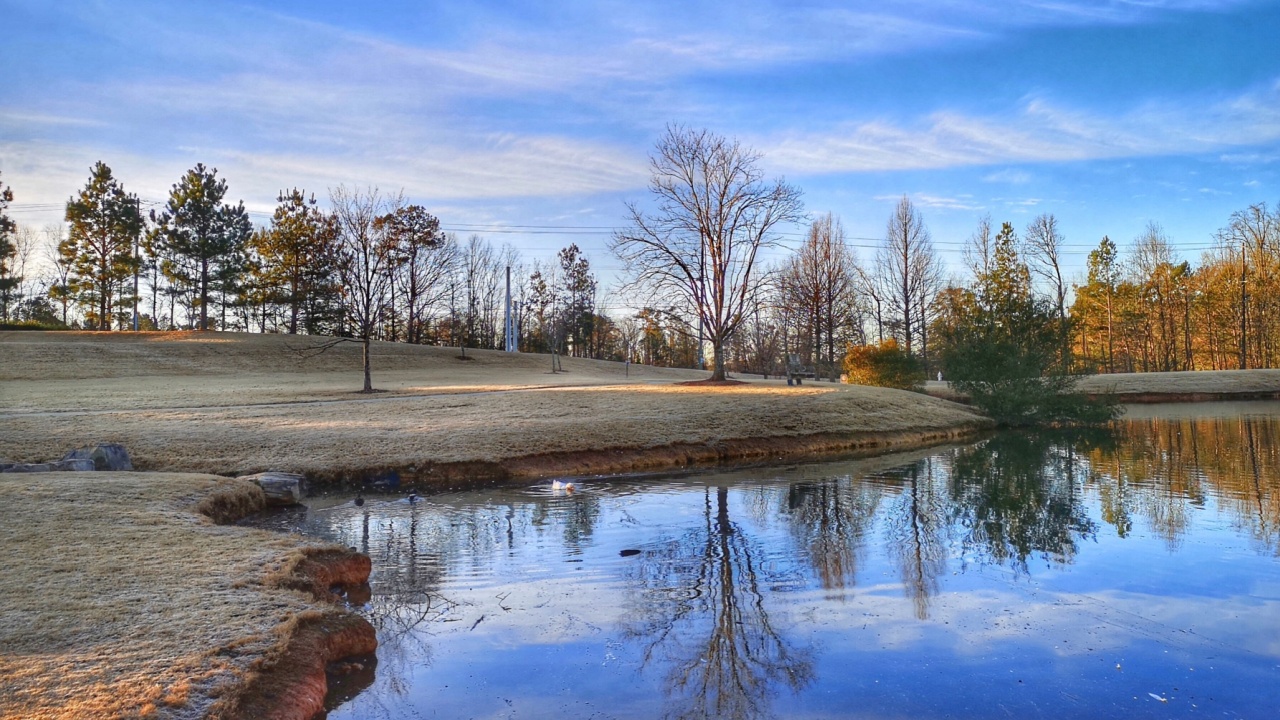
When a city nabs the top spot as the “Best Place to Live,” you know it’s doing something right. Johns Creek, an affluent suburb of Atlanta, offers a trifecta of success: a strong economy, excellent schools, and a diverse, welcoming community. It’s a place built on foresight and planning, resulting in pristine parks, safe neighborhoods, and a quality of life that’s hard to beat.
While it has all the polish of a top-tier suburb, it doesn’t lack for soul. The city is home to one of Georgia’s highest concentrations of Asian residents, contributing to a rich cultural and culinary scene. It’s proof that you can have a high-achieving community that is also warm and inclusive.
Your Future Backyard: Welcome to the humid subtropical climate of Zone 7b/8a! Your garden can be a lush, green paradise. You’ll soon be sauntering in Southern foliage: magnolias, azaleas, and gardenias. You’ll have great success with vegetable gardens, especially with heat-loving okra, squash, and sweet potatoes.
3. Sammamish, Washington
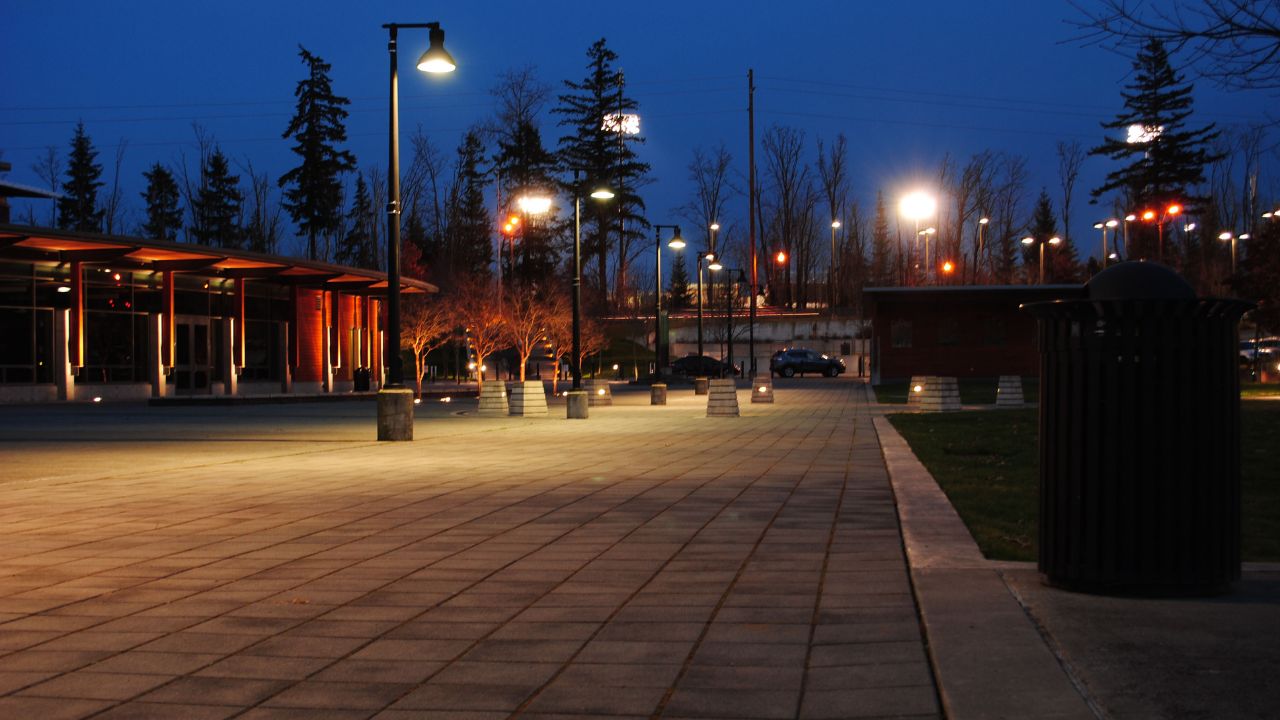
If your idea of heaven involves a lake on one side, a mountain on the other, and top-tier schools in between, then pack your bags for Sammamish. This Washington city boasts one of the highest median household incomes in the country, but the real wealth is its natural beauty. Nestled by Lake Sammamish, it’s an outdoor enthusiast’s paradise, offering hiking, boating, and endless green spaces.
The community is deeply invested in education and family life, creating a cycle of excellence that attracts people who want the best for their kids. It’s a place where high-tech salaries meet a down-to-earth, fleece-wearing lifestyle.
Your Future Backyard: Your garden in Zone 8b will thrive in the mild, rainy winters and warm, dry summers. This is the perfect climate for growing berries; raspberries, blueberries, and blackberries will flourish. Embrace the Pacific Northwest aesthetic with native ferns, rhododendrons, and Japanese maples for stunning year-round color.
4. Leander, Texas
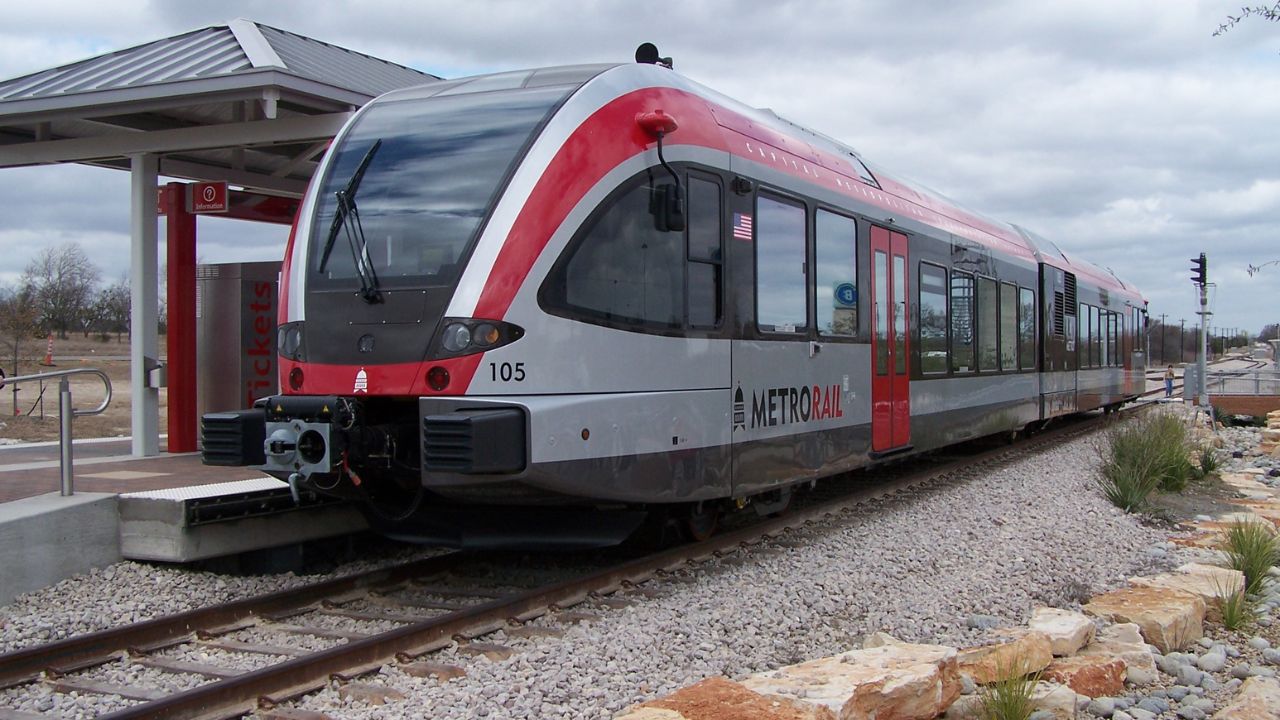
Hold onto your cowboy hat, because Leander is one of Texas’s fastest-growing cities. What was once a quiet town is now a booming hub, attracting folks with its affordable cost of living, especially compared to nearby Austin.
It has excellent schools and that classic Texas friendliness. The Capital MetroRail connects Leander directly to downtown Austin, giving residents the best of both worlds: small-town living with big-city access.
Your Future Backyard: Gardening in Central Texas (Zone 8b) is all about embracing the heat. Native and drought-tolerant plants are your best friends. You can grow Texas sage, vibrant lantanas, and majestic agave. For your vegetable patch, plant early in the spring to beat the intense summer sun, or opt for a fall garden.
5. Ellicott City, Maryland
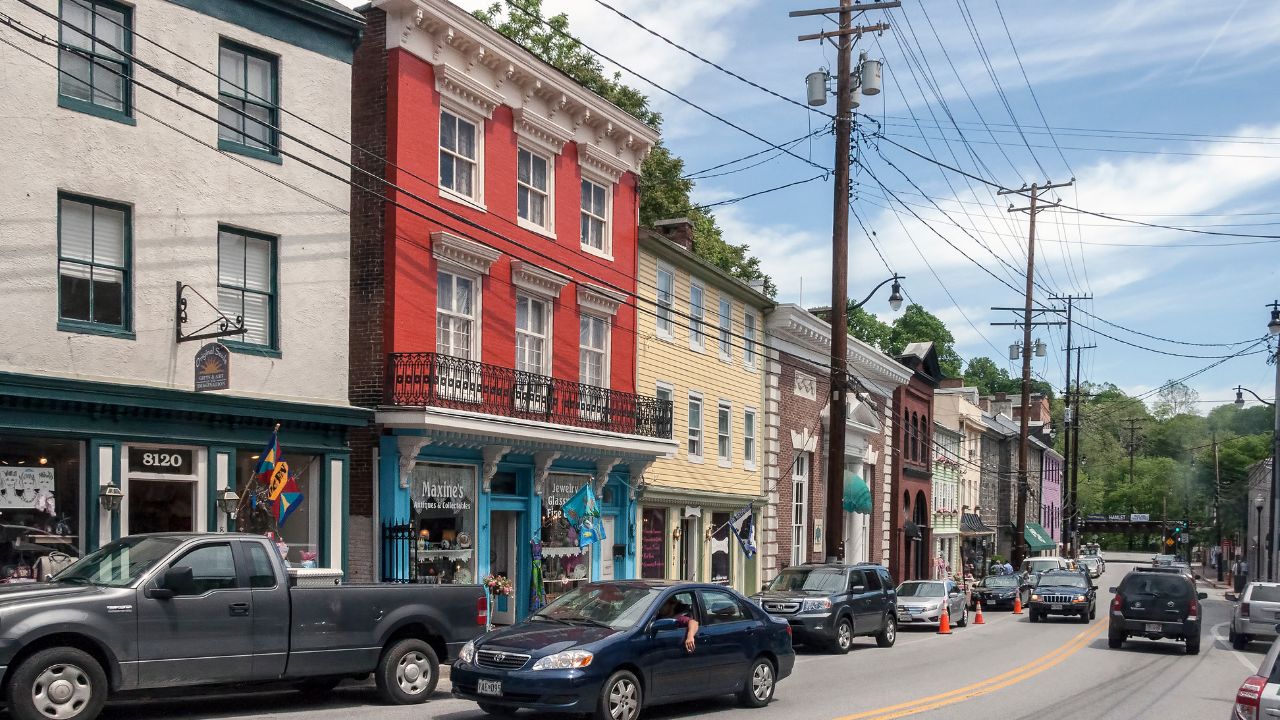
History isn’t just in the past in Ellicott City; it’s the vibrant, beating heart of the community. With a Main Street dating back to the late 1700s and America’s oldest surviving railroad station, this Maryland city has woven its rich heritage into a thriving modern town.
This commitment to preserving its character has paid off, creating a place with a strong sense of identity and community. It’s a city for those who appreciate architecture with a story and a neighborhood where you can feel connected to generations past and present.
Your Future Backyard: In Zone 7a, you’ll experience all four seasons, offering a wide range of gardening possibilities. Spring is for daffodils and tulips, while summer is perfect for black-eyed Susans and hydrangeas. The rolling hills of the area lend themselves to beautiful terraced gardens. Consider planting a patch of Maryland’s state flower, the black-eyed Susan, for a local touch.
6. Rochester Hills, Michigan
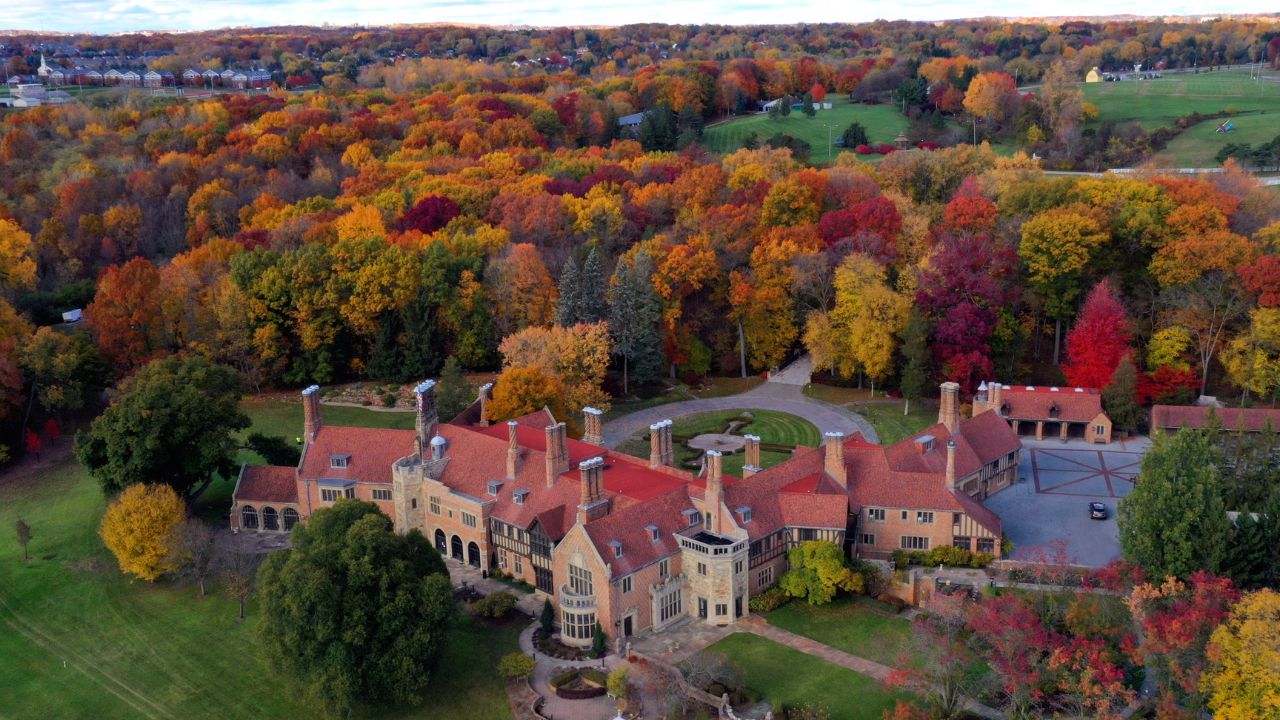
Rochester Hills is a shining example of a city that has it all figured out, like your self-actualized grandpa. It’s built on four strong pillars: a robust economy, top-performing schools, a rich cultural heritage anchored by the Meadow Brook Hall estate, and over 1,000 acres of parkland.
The city offers a balanced lifestyle, where you can spend the morning kayaking on the Clinton River and the afternoon exploring a national historic landmark. It’s a place that feels both prosperous and grounded, offering a high quality of life without the smiling-for-the-selfie attitude.
Your Future Backyard: Michigan’s Zone 6b climate is perfect for classic American gardening. You can grow beautiful peonies, hostas, and lilacs. The cold winters are ideal for growing garlic and certain fruit trees like apples and cherries that require a chill period.
7. Flower Mound, Texas
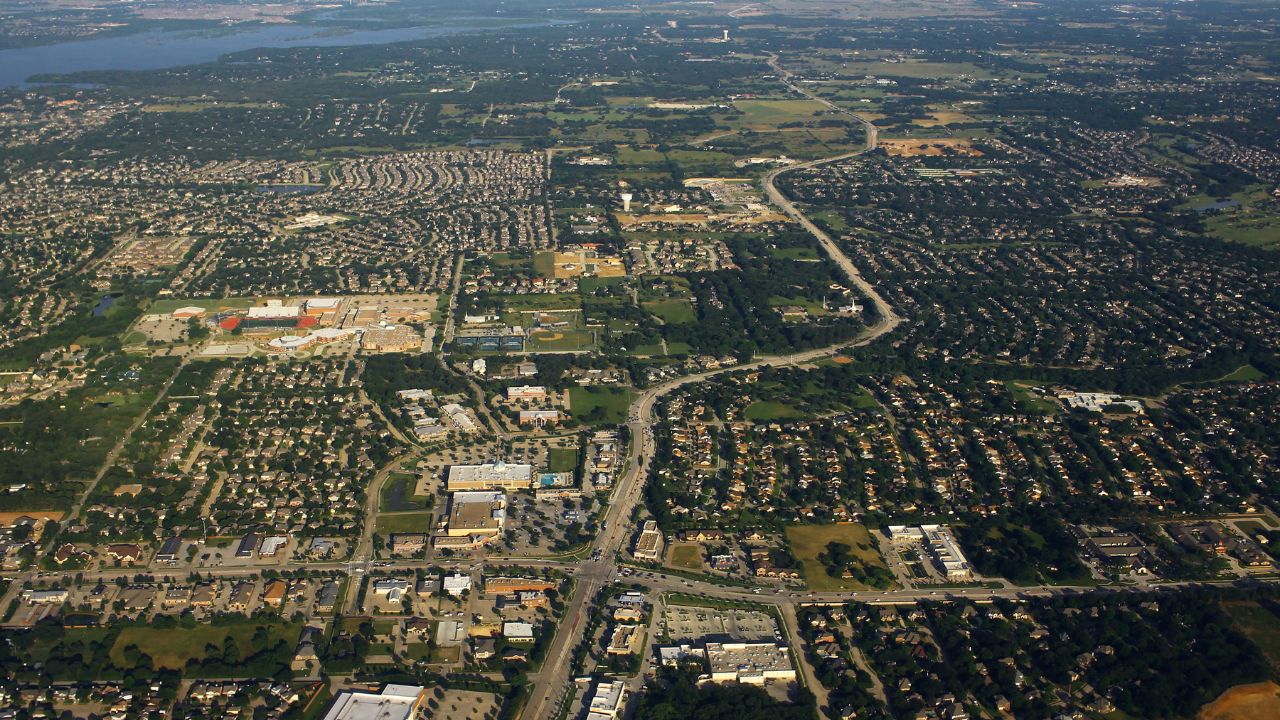
Named for a 12.5-acre mound that blooms with wildflowers every spring, Flower Mound is a community that has masterfully balanced its natural roots with suburban success. It’s known for its excellent schools, family-friendly atmosphere, and meticulously planned development that prioritizes green space.
The town’s namesake mound is a protected piece of local heritage, symbolizing Flower Mound’s commitment to preserving its unique character amidst rapid growth. It’s a place where you can enjoy big community events like Independence Fest and still feel connected to the natural landscape.
Your Future Backyard: Similar to Leander, you’ll be gardening in the Texas heat of Zone 8a. Xeriscaping—designing a landscape that requires little or no irrigation—is very popular and practical here. Use native wildflowers like bluebonnets and Indian paintbrushes for a stunning, low-maintenance spring display.
8. Plymouth, Minnesota
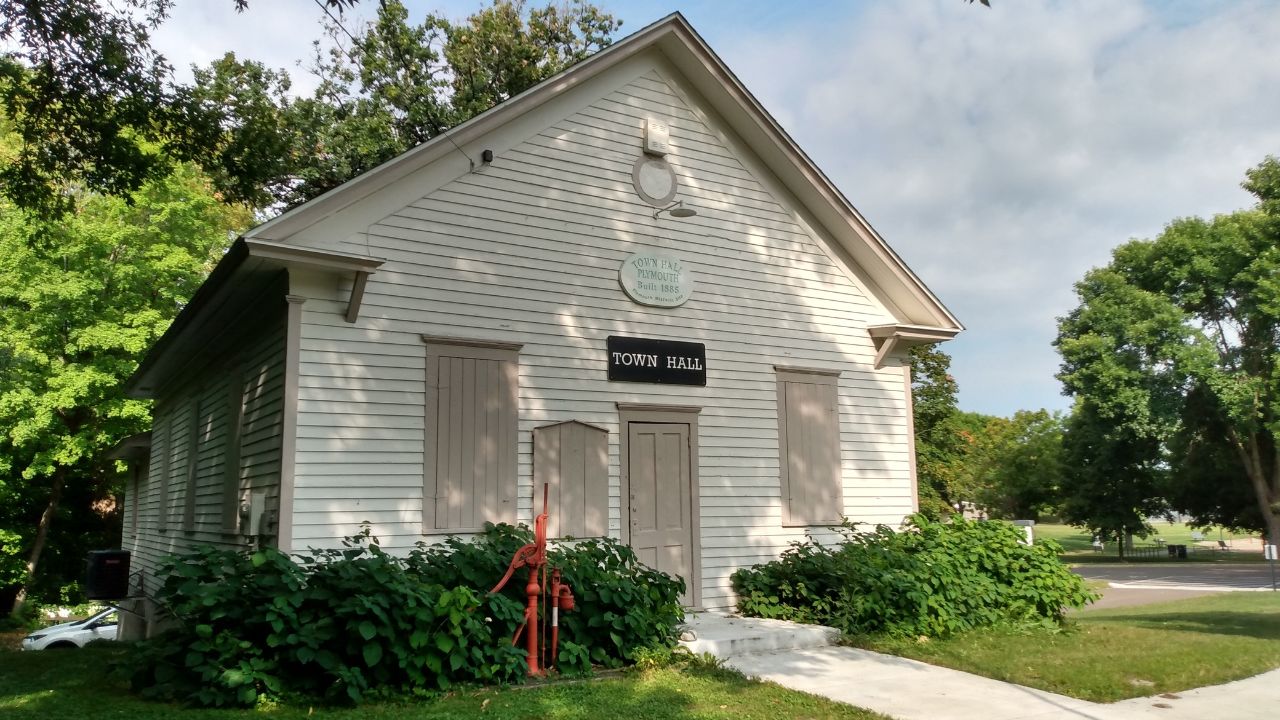
Plymouth offers an unbeatable combination of natural beauty and urban prosperity. With 1,700 acres of parkland and 175 miles of trails, it’s a city designed for people who love to be active outdoors. Even with its proximity to Minneapolis, it maintains one of the nation’s lowest crime rates, making it a safe and serene place to call home.
The community comes together for events like the Plymouth on Parade, showcasing a strong civic spirit. It’s a city that proves you don’t have to choose between a successful career and a life connected to nature.
Your Future Backyard: Get ready for a Zone 4b garden, where resilience is key. You’ll become an expert in growing cold-hardy plants. You can plant beautiful conifers, sturdy hydrangeas, and a host of perennials like coneflowers and daylilies that can handle the freeze.
9. Ankeny, Iowa
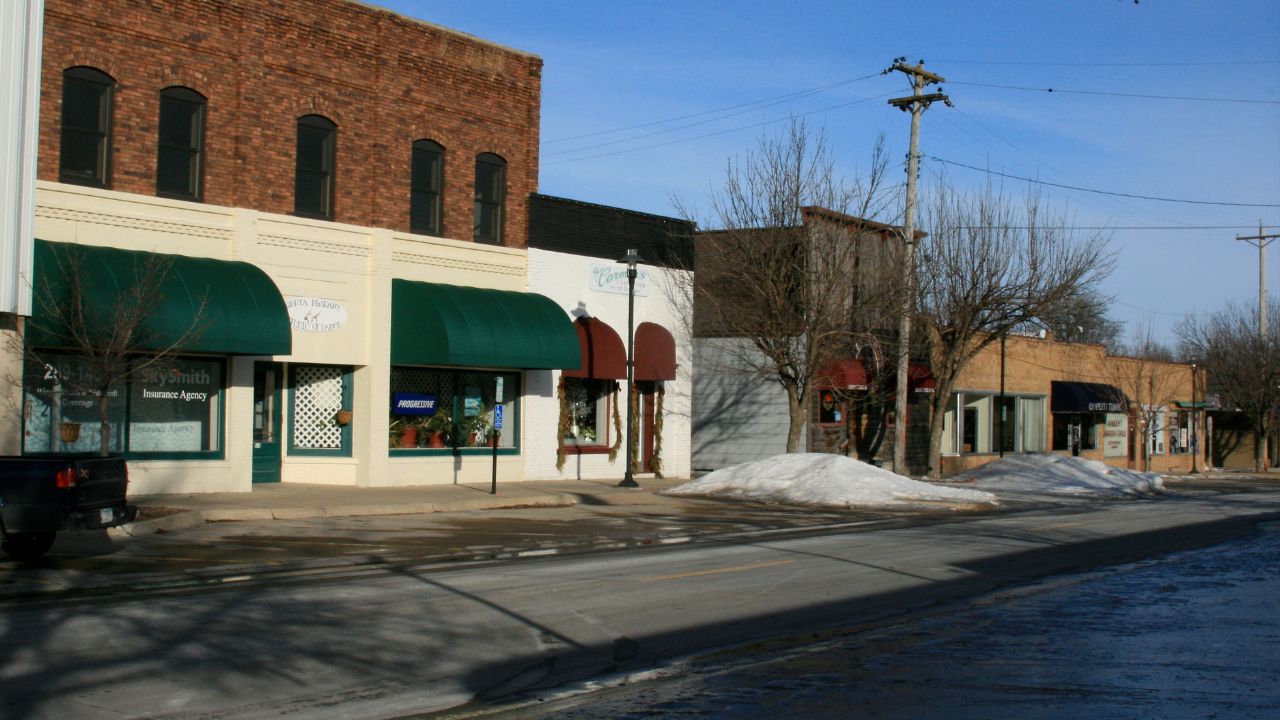
Ankeny is a story of explosive growth and smart investment in quality of life. The city has seen its population boom, thanks to a thriving economy and a reputation for being a great place to raise a family. A prime example of its forward-thinking approach is the High Trestle Trail, a 25-mile recreational corridor with an iconic illuminated bridge.
Ankeny is a dynamic community that blends Midwestern values with ambitious growth. Annual events like Ankeny SummerFest foster deep community connections, making this large-small town feel like home.
Your Future Backyard: In Zone 5b, you’ll enjoy rich, fertile soil that’s the envy of gardeners everywhere. This is prime territory for a vegetable garden; corn, beans, and squash (the “Three Sisters”) will thrive. The cold winters are perfect for tulips and other spring bulbs. Consider planting a small orchard with cold-hardy apple or pear trees for a truly rewarding harvest.
10. West Hartford, Connecticut
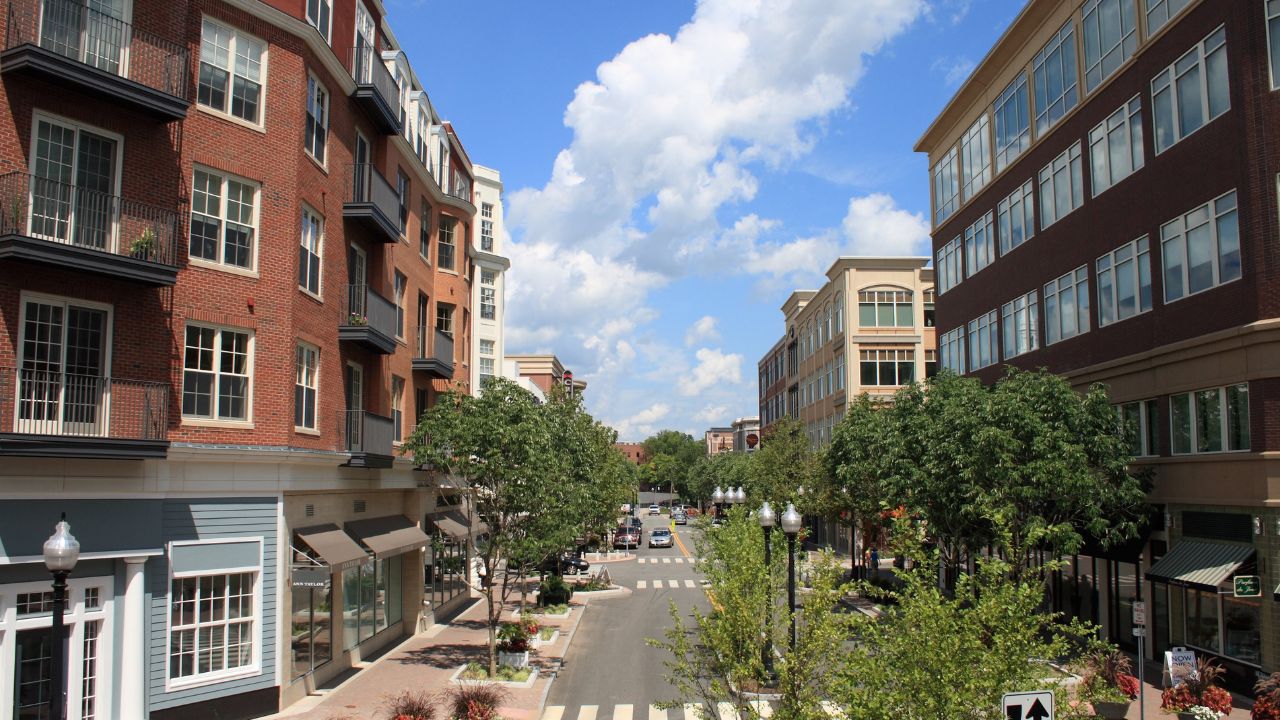
West Hartford radiates a timeless, New England elegance. At its core is the stunning Elizabeth Park, home to America’s oldest municipal rose garden. This refined character extends to the West Hartford Center, a walkable downtown area filled with chic boutiques, cozy cafes, and top-notch restaurants.
It’s a town that feels sophisticated yet unpretentious, offering a rich social and cultural life. With its beautiful, tree-lined streets and strong sense of community, it’s the picture-perfect image of a classic American town.
Your Future Backyard: Your Zone 6b garden will be a four-season showstopper. The star of the show could be your own rose garden, inspired by Elizabeth Park. The region is also perfect for growing lush hostas in shady spots and spectacular rhododendrons and azaleas.
Finding Your Roots

When you move to a new city, you find more than a new house; you plant new roots and create a new life. Now you have a new local for your evening drinks, new neighbors, and a whole new experience.
Research well before you rent the U-Haul, and when you find a small city you love, don’t overthink it. Look up the native plants for that region and imagine how they’d look in your future yard. You might be dreaming of a sprawling vegetable patch in Iowa or a serene rose garden in Connecticut, but the perfect place to grow is out there waiting for you.