16 Best Winter Cover Crops to Boost Your Soil’s Vitality
As your vegetable garden winds down for the season, it can be tempting to simply let it rest until spring. But what if you could put your garden beds to work over the winter? By planting winter cover crops, often called “green manure,” you can actively improve your soil’s health, prevent erosion, and set yourself up for a more productive growing season next year. These hardworking plants act as a living mulch, protecting the soil from harsh weather while adding valuable organic matter and nutrients.
Think of it as giving your garden a spa treatment that lasts all winter long. Cover crops help control weeds, improve soil structure, and can even attract beneficial insects. Whether you choose a crop that dies back in the frost or one that powers through the cold, you’re making a smart investment in the future of your garden.
1. Winter Rye
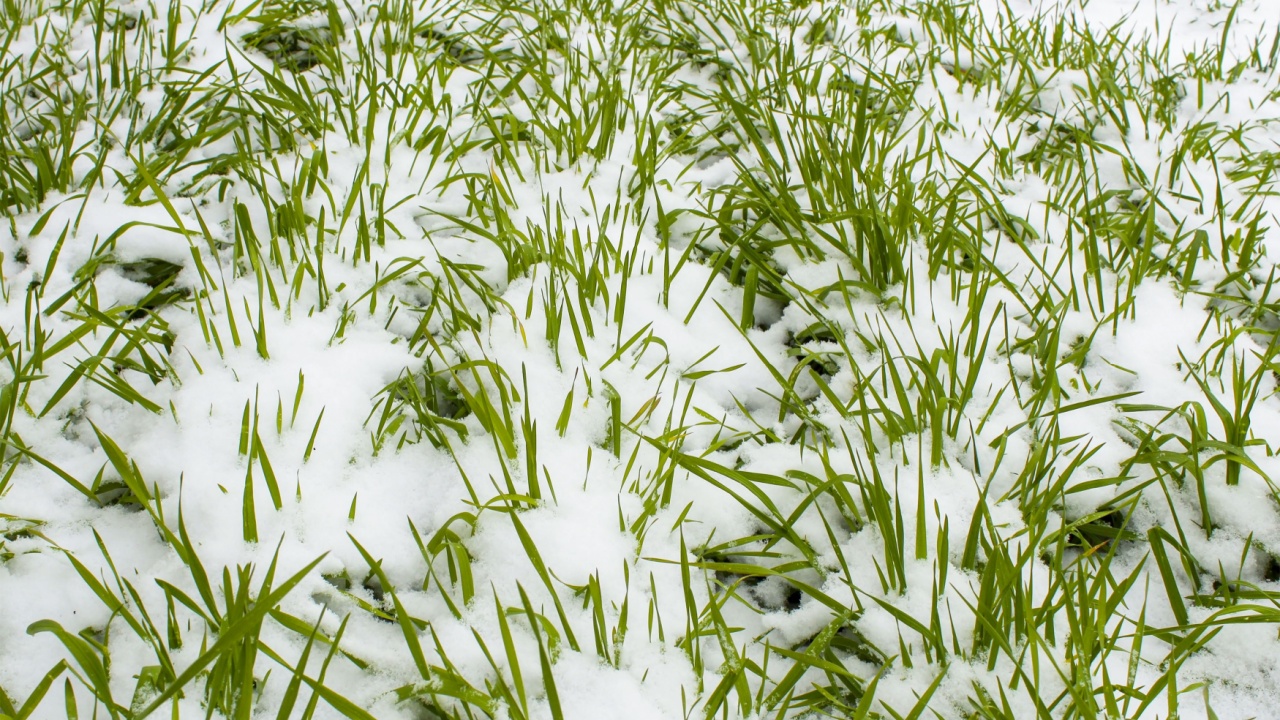
Winter rye is one of the most popular and reliable winter cover crops, especially for home gardeners. It germinates quickly, even in cool temperatures, and establishes a dense root system that is unmatched for preventing soil erosion from winter rains and winds. This hardy cereal grain can survive frigid temperatures, continuing to grow whenever the temperature rises above freezing.
Its primary benefit is its ability to scavenge and hold nutrients, particularly nitrogen, that might otherwise leach out of the soil over the winter. In the spring, the rye releases these nutrients back into the soil as it decomposes, making them available for your vegetables. Its dense growth also suppresses winter and early spring weeds, giving you a cleaner garden bed to start with.
- Best For: Preventing erosion, suppressing weeds, and capturing excess nutrients.
- Planting Time: Late summer to early fall, at least four weeks before your first hard frost.
- Care Tips: Winter rye is very low-maintenance. In the spring, you’ll need to terminate it before it goes to seed. This can be done by mowing it down and then tilling it into the soil. Wait about three weeks after tilling before planting your vegetables to allow the rye to start breaking down.
2. Hairy Vetch
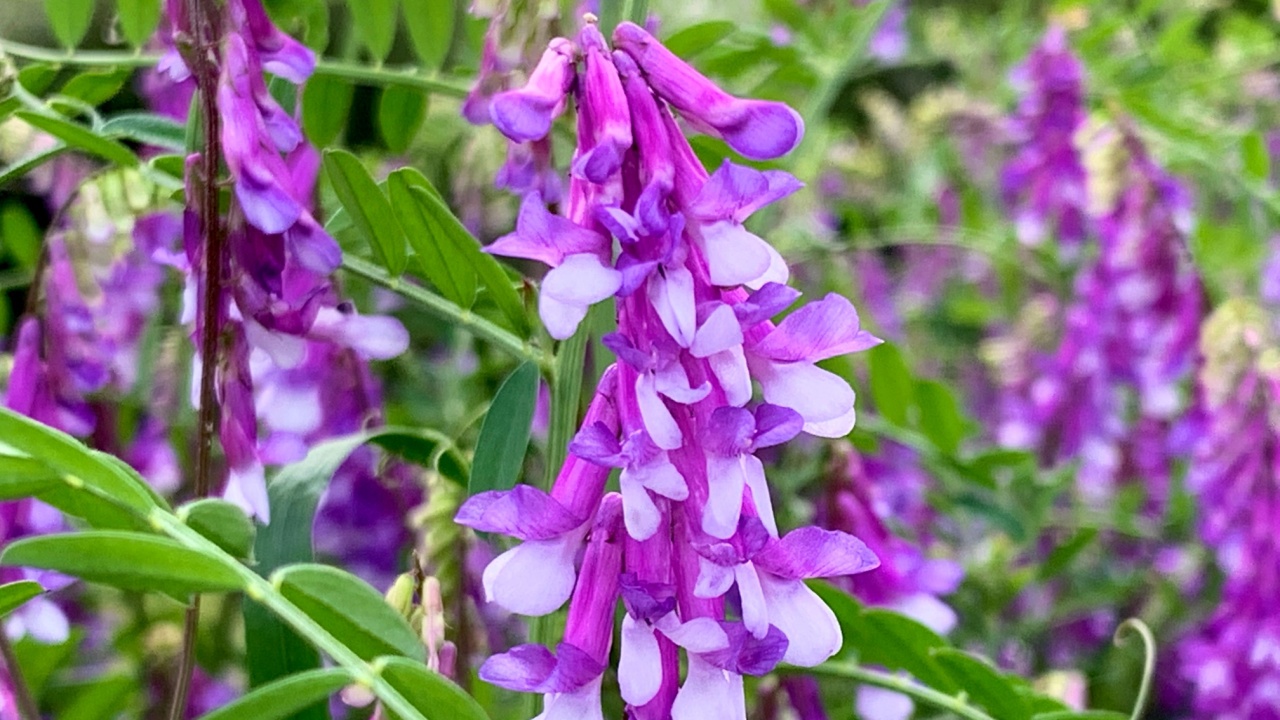
Hairy vetch is a vigorous legume known for its exceptional ability to fix nitrogen. It partners with soil bacteria to pull nitrogen from the atmosphere and convert it into a form that plants can use. This makes it a fantastic choice for replenishing soil that has been depleted by heavy-feeding crops like corn, tomatoes, or squash. Its sprawling vines create a thick mat that smothers weeds and protects the soil.
This winter-hardy crop not only adds a significant amount of nitrogen but also produces a large amount of biomass, which enriches the soil with organic matter as it decomposes. As a bonus, its beautiful purple flowers are a valuable early-season food source for pollinators if you let it bloom before turning it in.
- Best For: Fixing large amounts of nitrogen and improving soil organic matter.
- Planting Time: Late summer.
- Care Tips: Hairy vetch is often planted with a grass like winter rye, which provides a trellis for it to climb. In spring, mow it down before it sets seed, as it can become weedy if left unchecked. Till it into the soil or use it as a surface mulch.
3. Crimson Clover
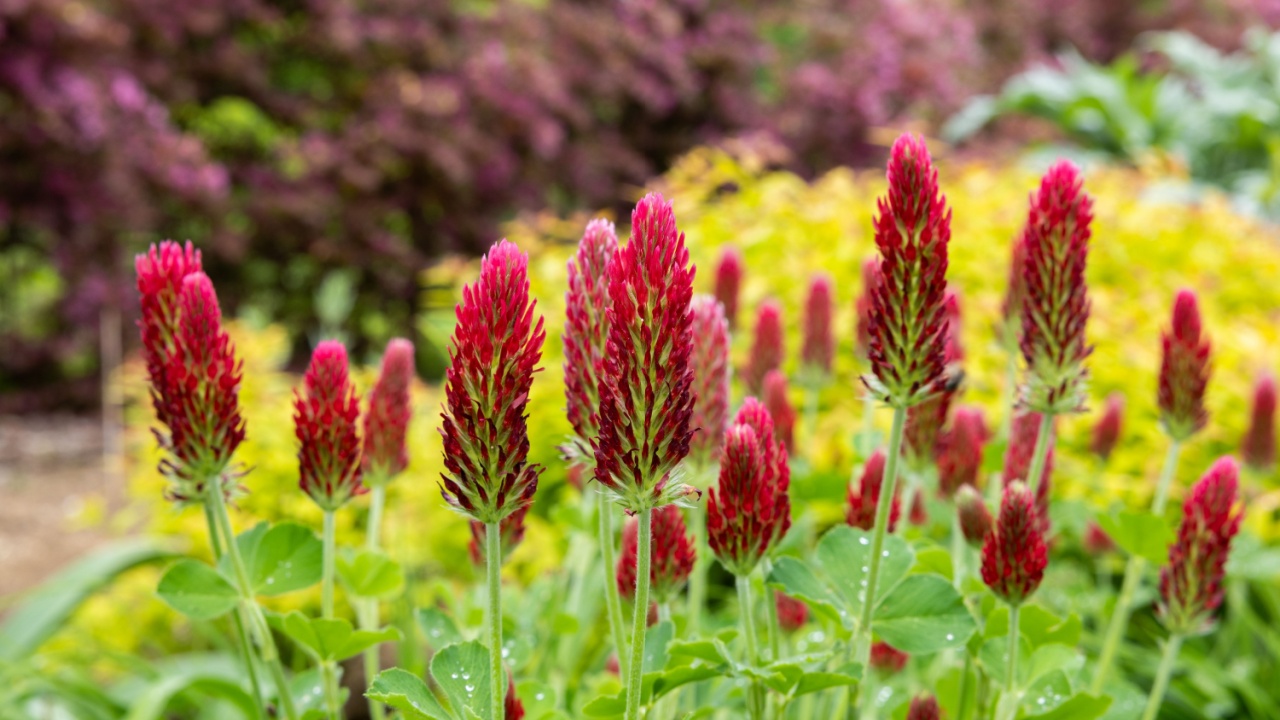
Crimson clover is another outstanding nitrogen-fixing legume that doubles as an ornamental plant with its striking, conical red flowers. It’s an annual clover that establishes quickly in the fall and provides excellent ground cover. Its deep taproot helps to break up compacted soil, improving both aeration and water infiltration.
It’s particularly good at scavenging nutrients and preventing them from washing away. When tilled into the garden in spring, it decomposes rapidly, releasing a quick burst of nitrogen just in time for your spring vegetables. The organic matter it adds helps improve soil tilth, making your garden soil easier to work with.
- Best For: Fast nitrogen release, improving soil structure, and attracting pollinators.
- Planting Time: Late summer to early fall. It needs about 4-6 weeks of growth before the first frost.
- Care Tips: Crimson clover is winter-killed in very cold climates (USDA Zone 6 and colder) but will survive the winter in milder regions. Terminate it in the spring when it begins to flower for maximum nitrogen benefit.
4. Austrian Winter Peas
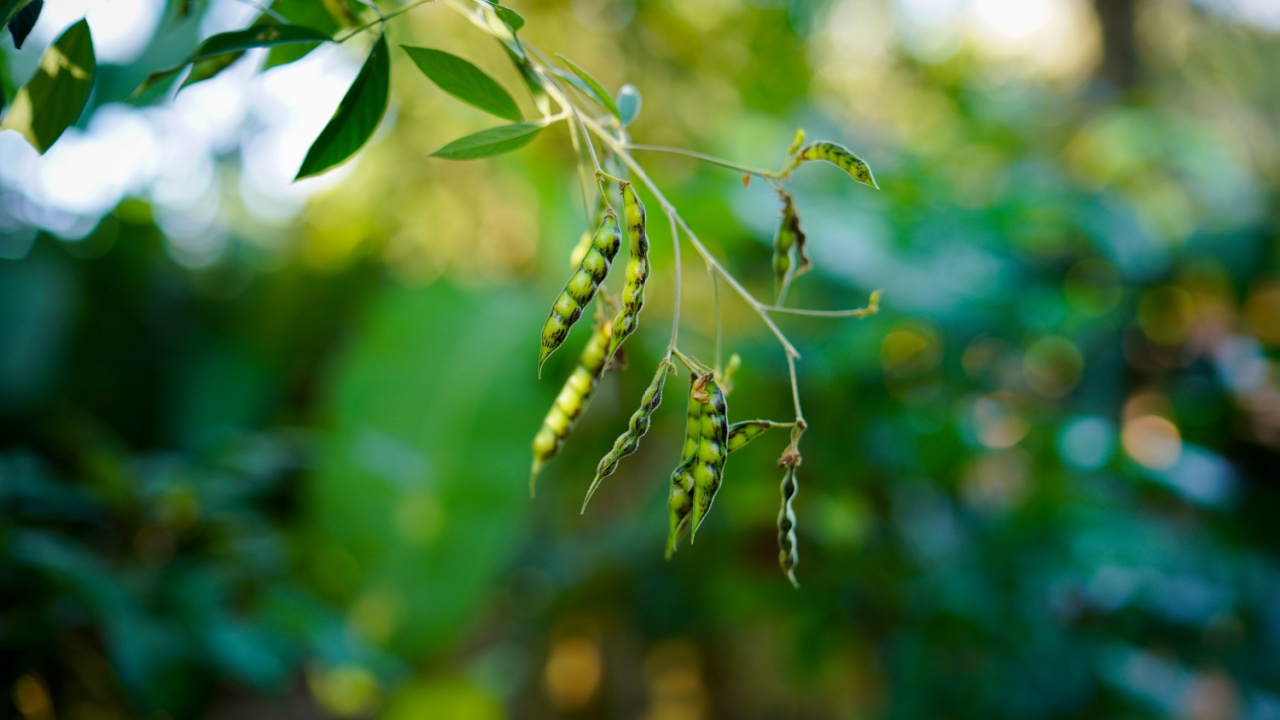
Austrian winter peas are a cold-tolerant legume that can survive surprisingly low temperatures. Like other legumes, they are excellent nitrogen-fixers and produce a lot of biomass that adds rich organic matter to your garden soil. The vine-like plants create a dense canopy that effectively suppresses winter weeds.
These peas work especially well when planted in a mix with cereal grains like oats or triticale. The grains provide support for the pea vines to climb, increasing air circulation and reducing the risk of disease. This combination provides a balanced diet for your soil, offering both nitrogen from the peas and carbon from the grains.
- Best For: Nitrogen fixation in cold climates and weed suppression.
- Planting Time: Late summer to early fall.
- Care Tips: The peas will grow through the fall and go dormant in winter. In spring, they can be mowed and tilled into the soil. The decomposition process is relatively quick, allowing you to plant your garden soon after.
5. Winter Wheat
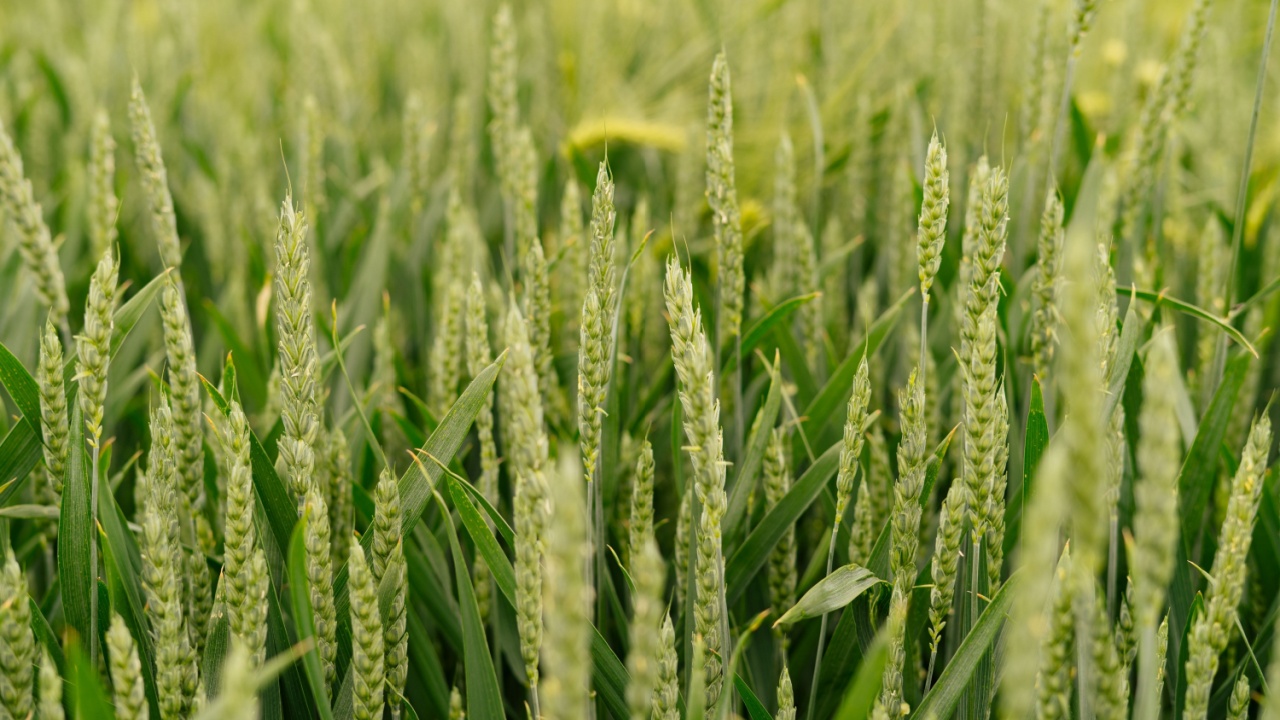
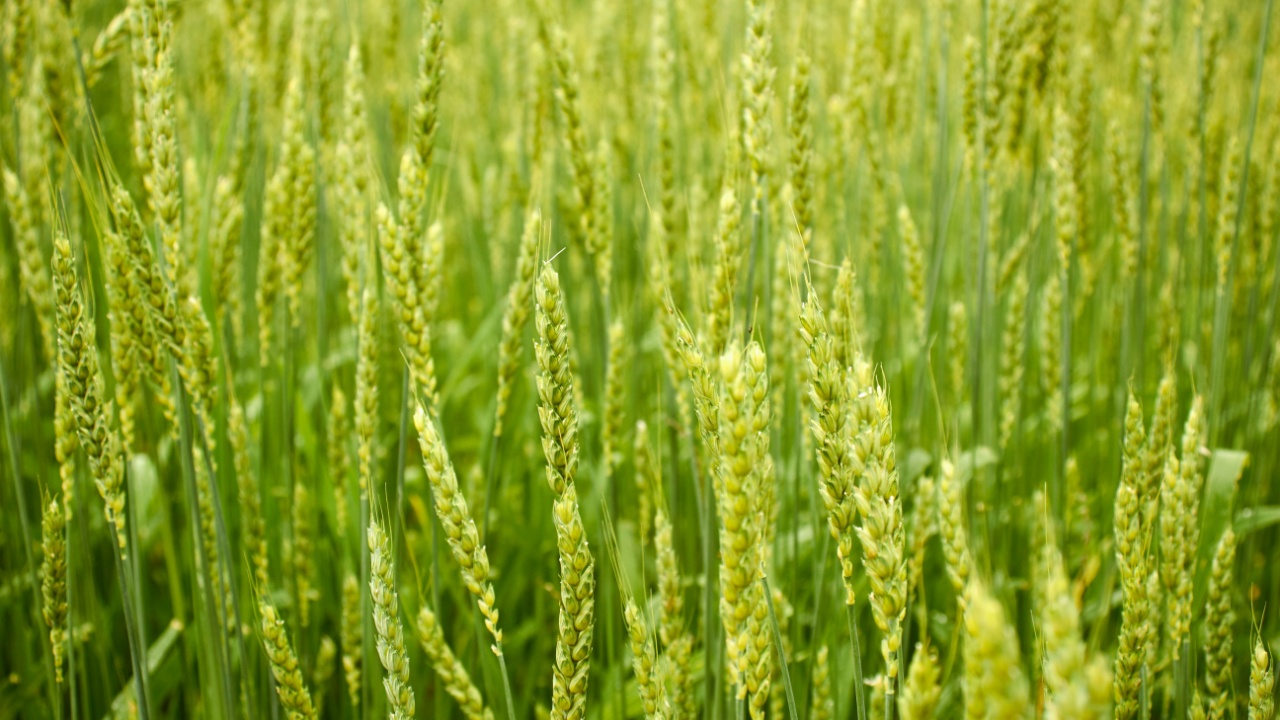
Winter wheat is a reliable and easy-to-manage cover crop that provides many of the same benefits as winter rye but is less aggressive. It offers excellent weed suppression and helps build soil structure with its extensive, fibrous root system. It’s a great choice for beginner cover croppers because it is easier to terminate in the spring than winter rye.
This crop is effective at preventing erosion and creates a mellow seedbed for spring planting. While it doesn’t fix nitrogen, it is very good at capturing any residual nitrogen in the soil, preventing it from being lost over the winter.
- Best For: Weed suppression, erosion control, and ease of management.
- Planting Time: Early to mid-fall.
- Care Tips: Winter wheat grows slowly in the fall, overwinters as a small plant, and then puts on a burst of growth in early spring. Mow and till it into the soil 2-3 weeks before planting your vegetables.
6. Oilseed Radish
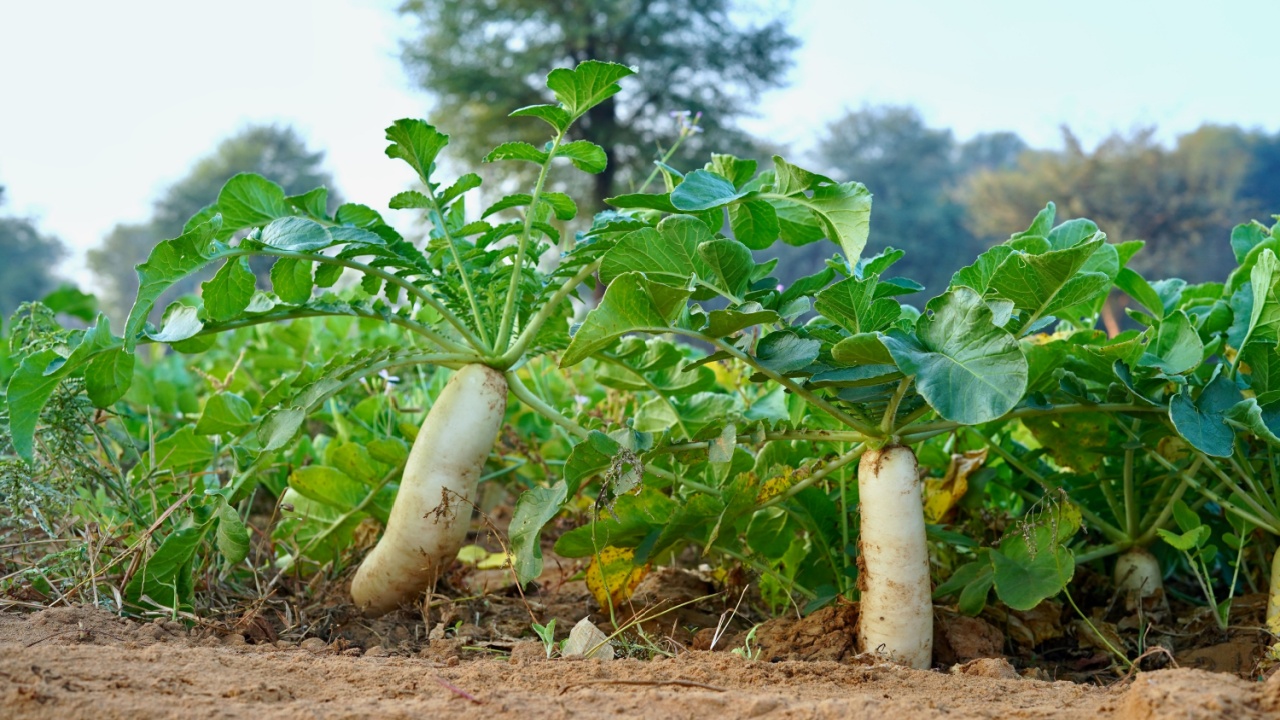
If you struggle with compacted soil, the oilseed radish (also known as daikon radish) is your best friend. This cover crop grows a massive taproot that can drill down several feet, breaking up hardpan soil like a biological plow. When these radishes are killed by the frost, the roots decompose, leaving behind open channels that improve drainage and aeration.
Oilseed radishes are also fantastic nutrient scavengers, pulling up nutrients from deep within the soil profile and making them available to shallower-rooted vegetable crops. As they rot, they release these nutrients and can even help suppress some soil-borne pests and nematodes.
- Best For: Breaking up compacted soil and nutrient scavenging.
- Planting Time: Late summer, at least 6-8 weeks before your first hard frost.
- Care Tips: These radishes are typically winter-killed, meaning the frost does the termination work for you. The decomposing roots can have a strong smell, but the soil benefits are well worth it. In spring, the soil will be loose and ready for planting.
7. Triticale
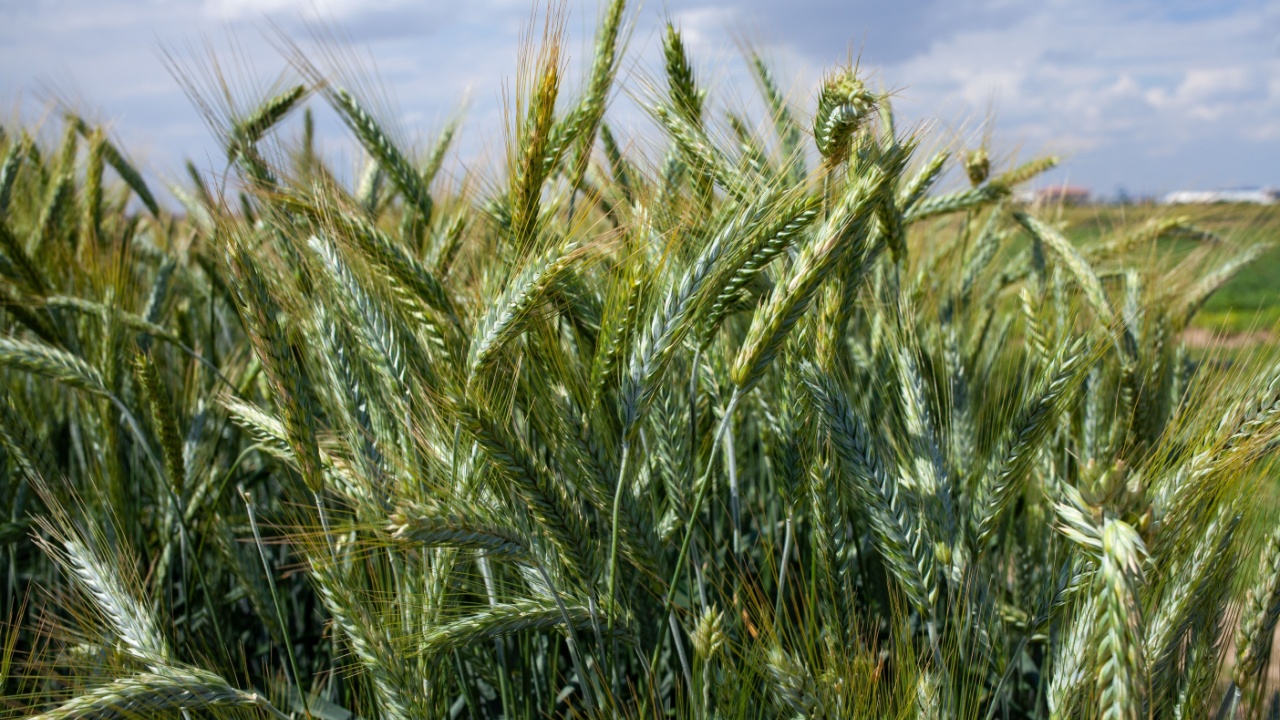
Triticale is a hybrid of wheat and rye, combining the productivity and grain quality of wheat with the disease resistance and vigor of rye. As a cover crop, it produces more biomass (organic matter) than either of its parents. This makes it an excellent choice for gardeners looking to significantly boost their soil’s organic content.
It has a deep, fibrous root system that helps improve soil structure and prevent erosion. Triticale is also a good forage crop if you happen to have backyard chickens or other small livestock. It works well in mixes with legumes like hairy vetch or Austrian winter peas to provide a balanced nutrient profile.
- Best For: Maximum biomass production and improving soil structure.
- Planting Time: Early fall.
- Care Tips: Like winter rye, triticale should be terminated in the spring before it goes to seed. Mow and till it into the soil about three weeks before you plan to plant your main crop.
8. Alfalfa

Alfalfa is a perennial legume often called the “Queen of Forages” due to its high protein content. As a cover crop, it offers deep soil conditioning thanks to its powerful taproot that can penetrate compacted layers. It is also an excellent nitrogen-fixer, enriching the soil for subsequent crops.
Because it’s a perennial, alfalfa is a great option for garden beds you plan to leave fallow for a year or more to seriously rebuild soil health. Its flowers are highly attractive to bees and other beneficial insects. You can also harvest the leaves to make a nitrogen-rich “tea” fertilizer for other plants in your garden.
- Best For: Long-term soil improvement, deep soil conditioning, and nitrogen fixation.
- Planting Time: Spring or late summer.
- Care Tips: Alfalfa can be difficult to terminate, as its perennial nature means it wants to keep growing. Multiple tillings or thorough mulching may be needed to manage it before planting your vegetables.
9. Red Clover
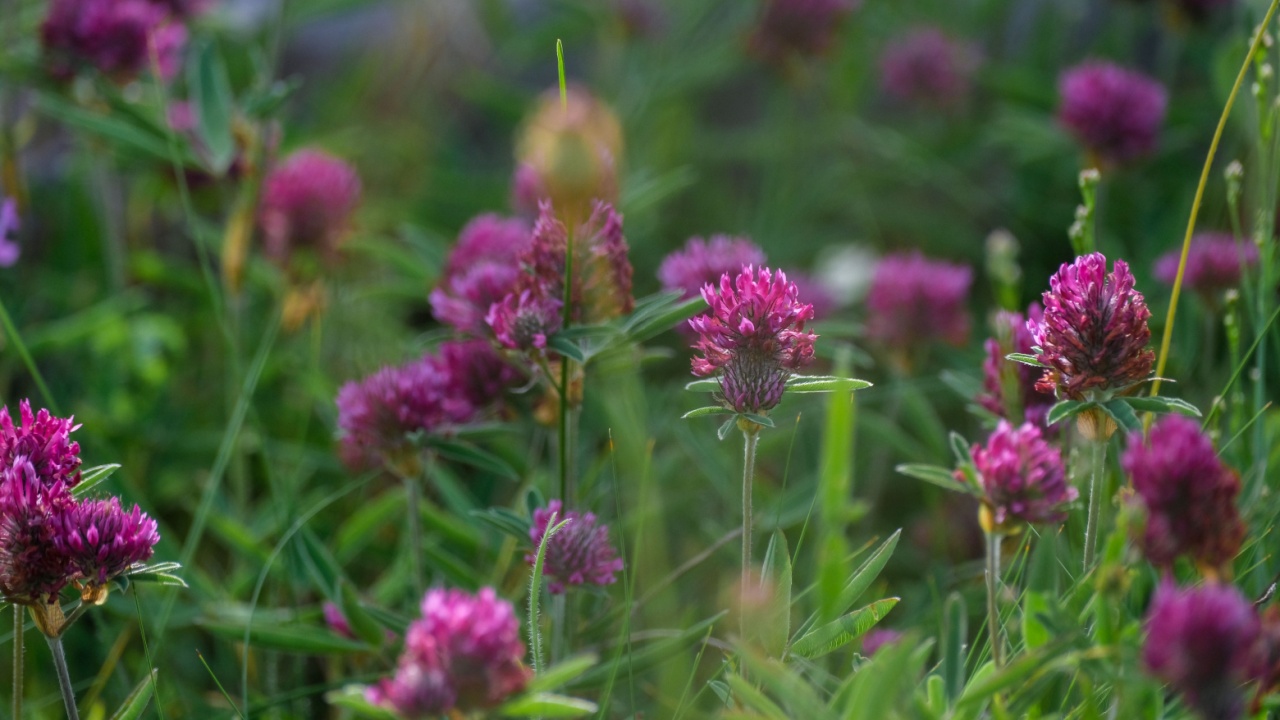
Red clover is a versatile and widely adapted legume that works well as a short-rotation cover crop. It establishes easily and provides good weed suppression. Its root system is great for improving the structure of the topsoil, while also fixing a moderate amount of nitrogen.
One of the best features of red clover is its value to wildlife. It provides excellent forage for beneficial insects, pollinators, and even rabbits (which can be a pro or a con, depending on your perspective!). It is a biennial, meaning it has a two-year life cycle, but is usually managed as an annual cover crop.
- Best For: Attracting beneficial insects, improving topsoil structure, and moderate nitrogen fixation.
- Planting Time: Spring or late summer. Can be “frost-seeded” in late winter on frozen ground.
- Care Tips: Mow it down when it begins to flower to get the most nitrogen benefit. It breaks down quickly, enriching the soil for your next planting.
10. Mustard
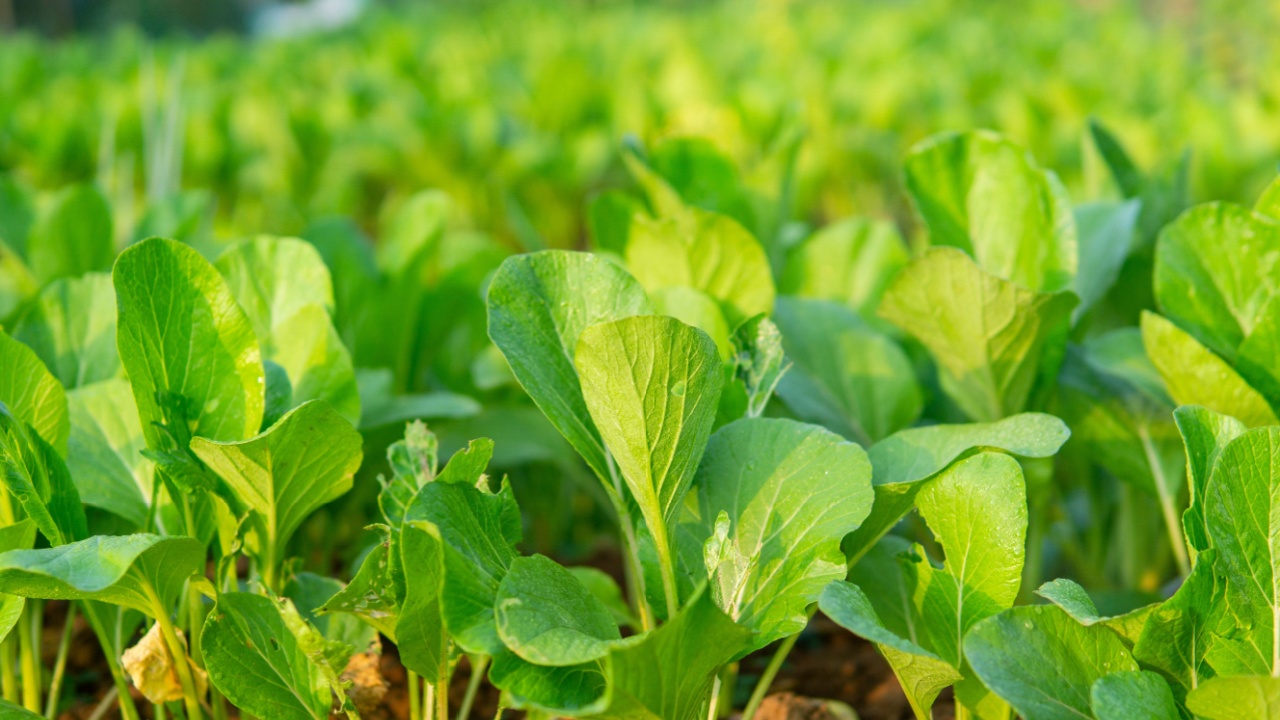
Mustard is a fast-growing brassica that serves a unique purpose as a biofumigant. When the plant tissue is incorporated into the soil, it releases compounds called glucosinolates, which can help suppress certain soil-borne pathogens and nematodes. This makes it a great choice for beds where you’ve had disease issues.
Beyond its biofumigant properties, mustard grows quickly in cool weather, providing excellent weed suppression and preventing erosion. It is typically winter-killed by hard frosts, making termination easy.
- Best For: Natural pest and disease suppression (biofumigation) and rapid weed control.
- Planting Time: Late summer or early fall.
- Care Tips: For the best biofumigant effect, you must chop up the mustard plants and immediately till them into moist soil before they flower. This traps the beneficial gases in the soil.
11. Rapeseed
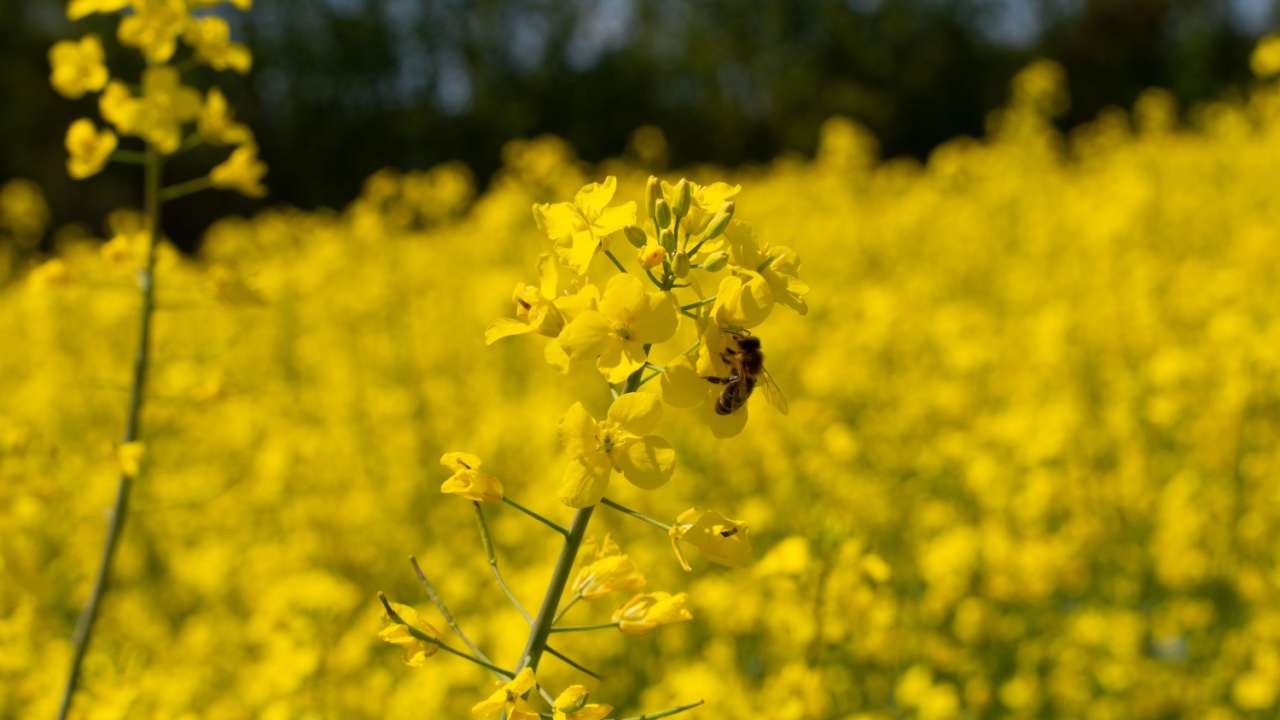
Rapeseed, a relative of mustard, is another excellent brassica cover crop. It is known for its deep taproot that can help break up compacted soil layers, similar to an oilseed radish but somewhat less aggressive. It produces a good amount of biomass and is effective at scavenging leftover nutrients.
It is moderately cold-tolerant and can help suppress weeds and prevent erosion over the winter. Its ability to improve water infiltration makes it a good choice for heavy or clay-like soils.
- Best For: Alleviating moderate soil compaction and nutrient scavenging.
- Planting Time: Late summer to early fall.
- Care Tips: Manage rapeseed like other brassicas. It can be tilled in the spring or, in colder zones, it may winter-kill. Be sure to terminate it before it produces seeds.
12. Sweet Clover
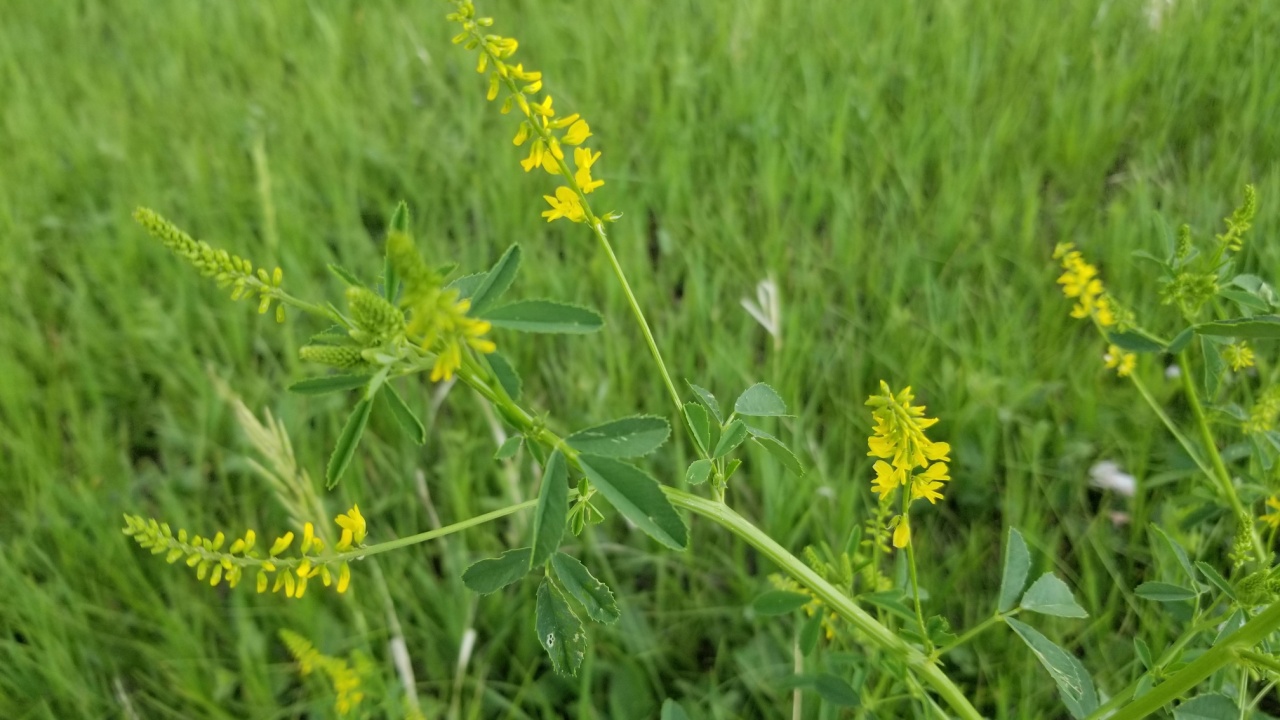
Sweet clover is a powerhouse for soil building, especially in poor or alkaline soils. This biennial legume has a very deep and branching taproot that is fantastic for breaking up heavy clay and improving drainage. There are two main types, yellow and white; yellow is more drought-tolerant, while white is often easier to establish.
As a legume, it is also a great nitrogen-fixer. Because it is a biennial, it focuses on root growth in its first year, making it an ideal winter cover crop. If left to grow into its second year, it produces fragrant flowers that are irresistible to bees.
- Best For: Deep soil improvement in poor or heavy soils and nitrogen fixation.
- Planting Time: Early spring or late summer.
- Care Tips: To manage it as a cover crop, you should terminate it in the spring of its second year, after it has overwintered. Mowing and tilling will handle it effectively.
13. Phacelia

Phacelia is a beautiful and fast-growing wildflower that does double duty as a fantastic cover crop. It produces an abundance of intricate purple flowers that are considered one of the best nectar sources for bees and other pollinators. It’s fine, fibrous root system is excellent for conditioning the topsoil and improving its structure.
It is also an incredible nutrient scavenger, particularly for nitrogen. If you have overly rich soil, phacelia can help capture that excess nitrogen and hold it until the following season. It grows quickly, outcompeting weeds, and is winter-killed by moderate frosts, making for easy spring management.
- Best For: Attracting pollinators, improving topsoil tilth, and scavenging excess nitrogen.
- Planting Time: Late summer.
- Care Tips: Since it is frost-sensitive, there is often no need for spring termination. The dead plant matter creates a protective mulch that can be tilled in or planted through.
14. Soybeans

While often grown as a primary crop, soybeans can also be used as a summer or early fall cover crop. As a legume, they are effective nitrogen-fixers. They grow quickly, and their broad leaves provide a dense canopy that shades out and suppresses weeds.
Soybeans are not winter-hardy and will be killed by the first hard frost. This makes them a very low-maintenance option for termination. The dead plants leave behind a nitrogen-rich residue that helps protect the soil through the winter.
- Best For: Nitrogen fixation and weed control in late summer before winter.
- Planting Time: Mid-to-late summer, at least 6-8 weeks before the first expected frost.
- Care Tips: No spring work is needed. Simply plant into the residue or lightly till the bed before planting your spring garden.
15. Field Peas
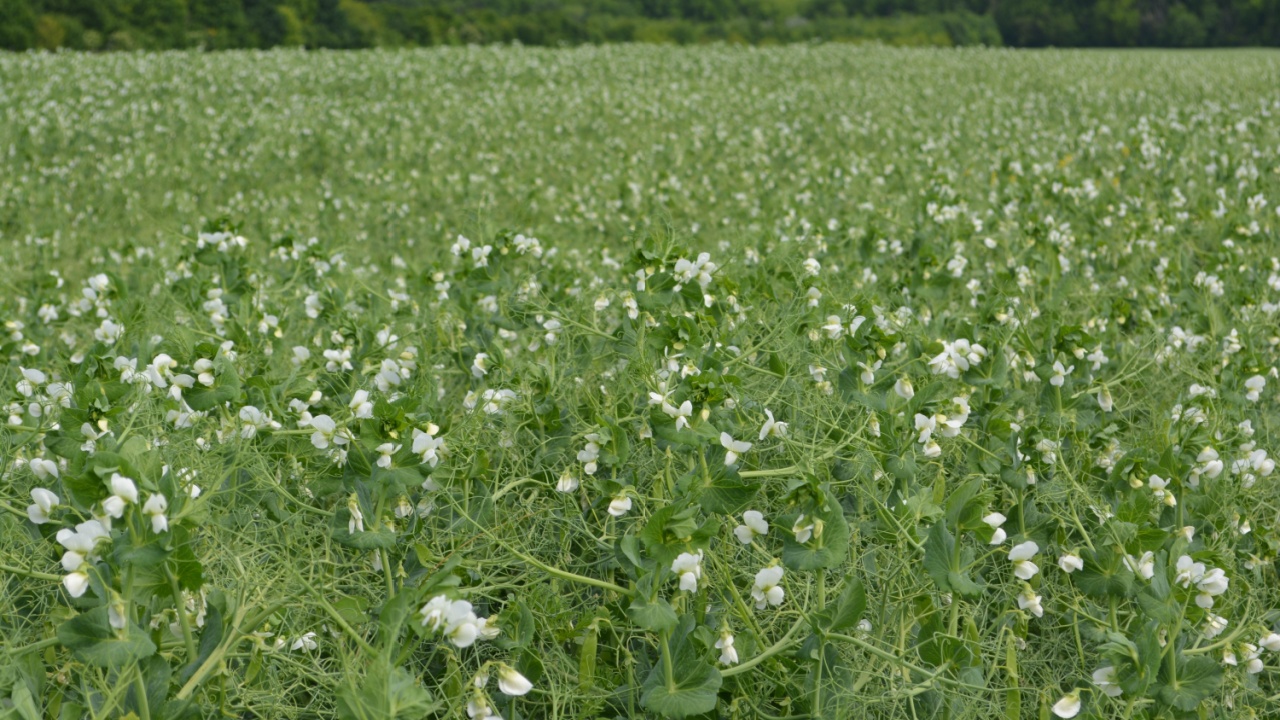
Similar to Austrian winter peas, field peas are a cool-season legume used to fix nitrogen and add organic matter. They are generally less cold-hardy than their Austrian cousins but still perform well as a fall-planted cover crop in many regions.
They work very well when mixed with oats. The oats provide a support structure for the vining peas and contribute valuable carbon to the soil, creating a balanced C:N ratio when the mix decomposes. This combination provides excellent weed suppression and soil protection.
- Best For: Modest nitrogen fixation and improving soil health as part of a mix.
- Planting Time: Late summer or early fall.
- Care Tips: Give the mix at least two months of growth before the first hard frost. In spring, mow and till the residue into the soil before planting.
16. Corn Salad (Mâche)
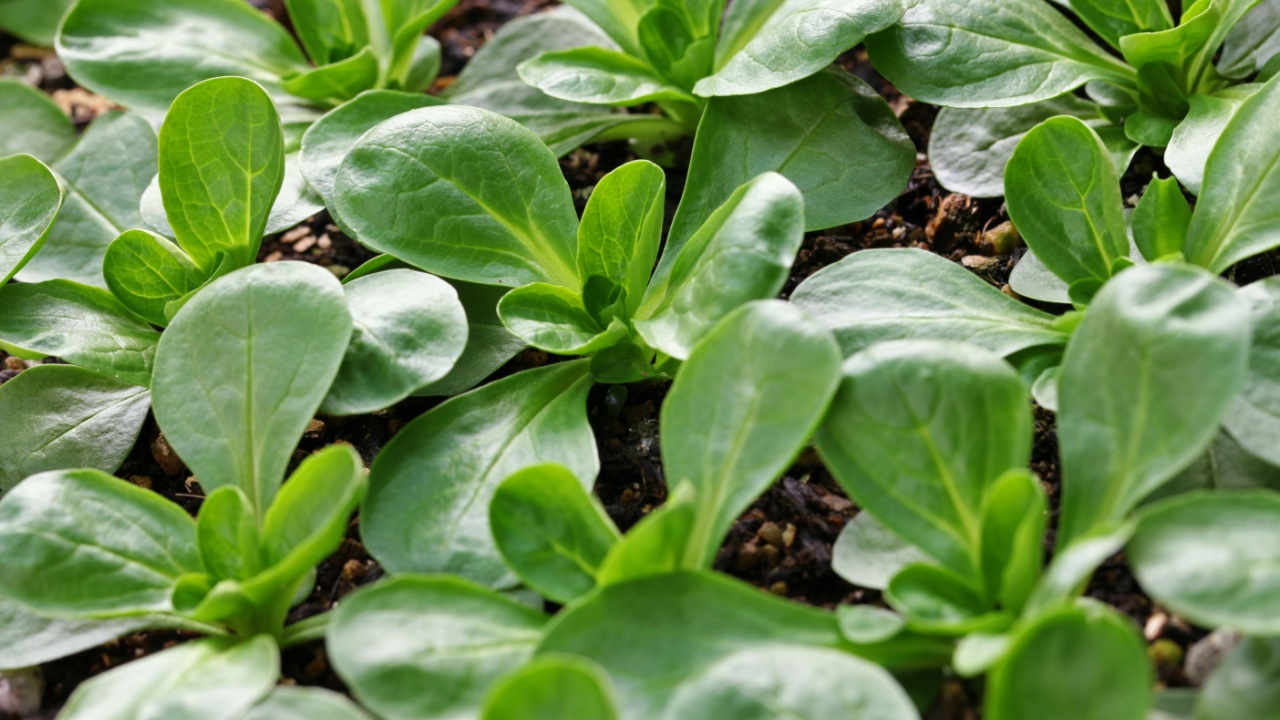
Corn salad, also known as mâche or lamb’s lettuce, is a unique cover crop because it’s also a delicious edible green. This extremely cold-hardy plant can be grown as a living mulch that you can harvest from throughout the winter. Its dense rosettes of leaves protect the soil surface from erosion.
While it’s a slow grower, it’s incredibly resilient. It doesn’t provide the deep-rooting action of a radish or the high nitrogen of vetch, but it offers soil protection and fresh winter salads. Any plants you don’t harvest can be tilled into the soil as green manure in the spring.
- Best For: Edible groundcover, soil protection, and winter harvesting.
- Planting Time: Late summer or early fall.
- Care Tips: Plant early to allow it time to establish before the deep cold sets in. Harvest outer leaves throughout the winter and turn the rest into the soil in spring.
Nourishing Your Garden This Winter (And Beyond)
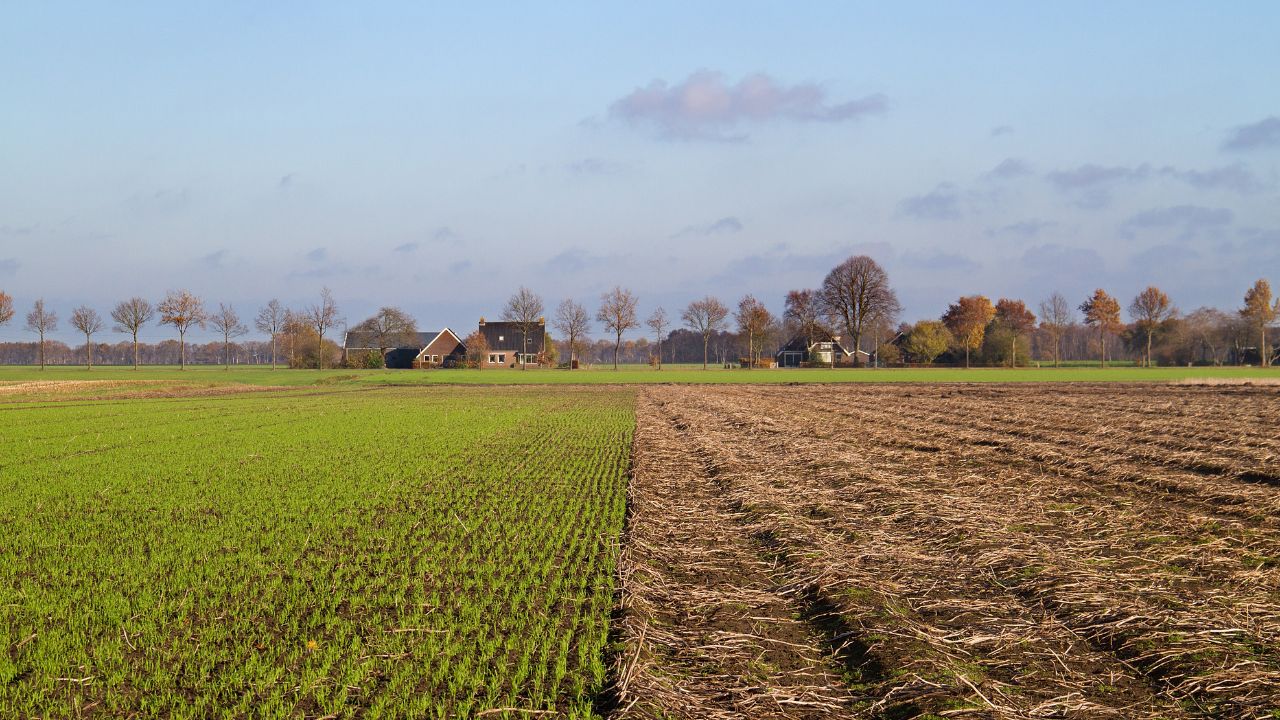
Now that you’re familiar with the best options, it’s time to take action. The first step is to assess your garden’s specific needs. Is your soil heavy and compacted? An oilseed radish or sweet clover might be your answer. Do you need a big nitrogen boost for next year’s tomatoes? Try hairy vetch or crimson clover. For general weed control and erosion prevention, winter rye is a foolproof choice.
Once you’ve selected your crop, purchase your seeds and get them in the ground at the proper time. Pay close attention to the recommended planting dates for your area to ensure the crop has enough time to establish before winter. Come spring, you’ll terminate the crop and incorporate it into the soil, leaving you with a rich, healthy, and revitalized garden bed that’s ready for a season of abundant growth.