
8 Things You Shouldn’t Do with Leaves This Fall
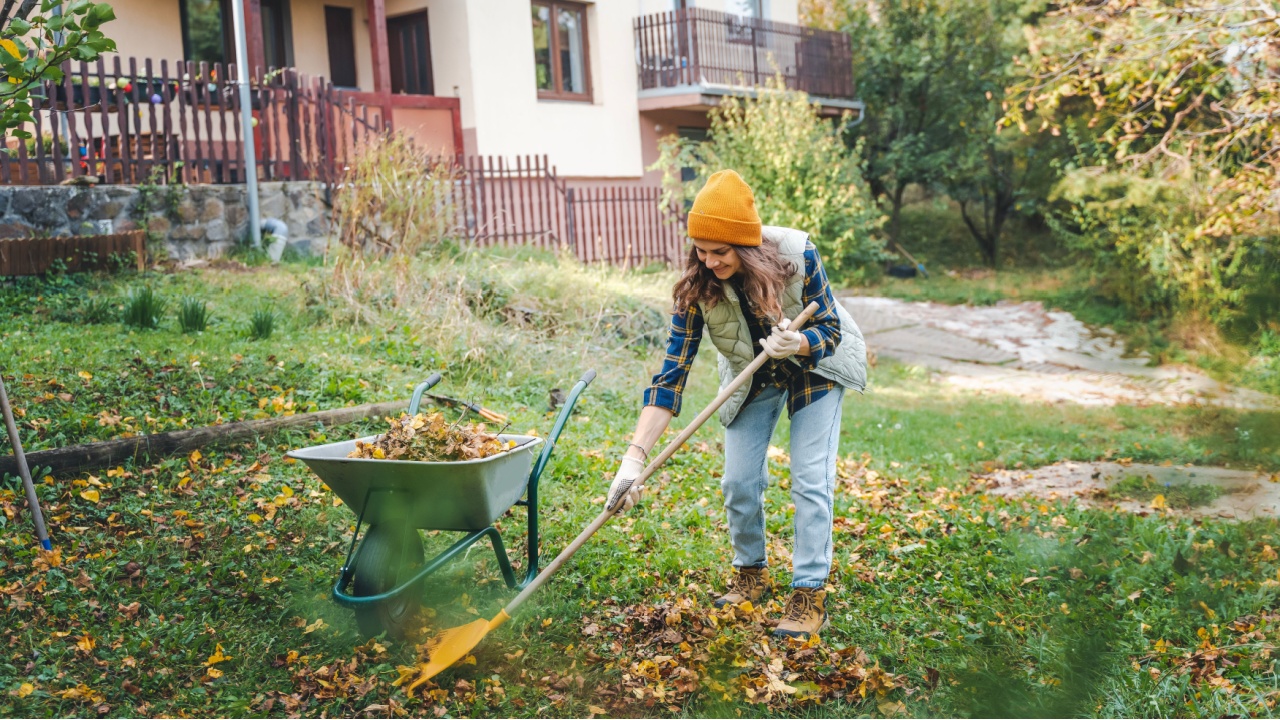
As the vibrant greens of summer give way to the rich yellows, oranges, and reds of autumn, your garden puts on a spectacular final show. When the show is over, a blanket of fallen leaves covers your lawn and garden beds. For many, the first instinct is to rake them up and get rid of them. But what if we told you those leaves are a gift from nature? They are a valuable resource that can boost your garden’s health, save you money, and support local wildlife. Let’s explore how a simple shift in your fall cleanup routine can make a huge difference.
This guide will walk you through eight common mistakes gardeners make with fall leaves. We’ll show you why these practices are harmful and offer simple, effective alternatives. By the end, you’ll see those leaves not as a chore, but as a treasure waiting to be used.
1. Throwing Them Away
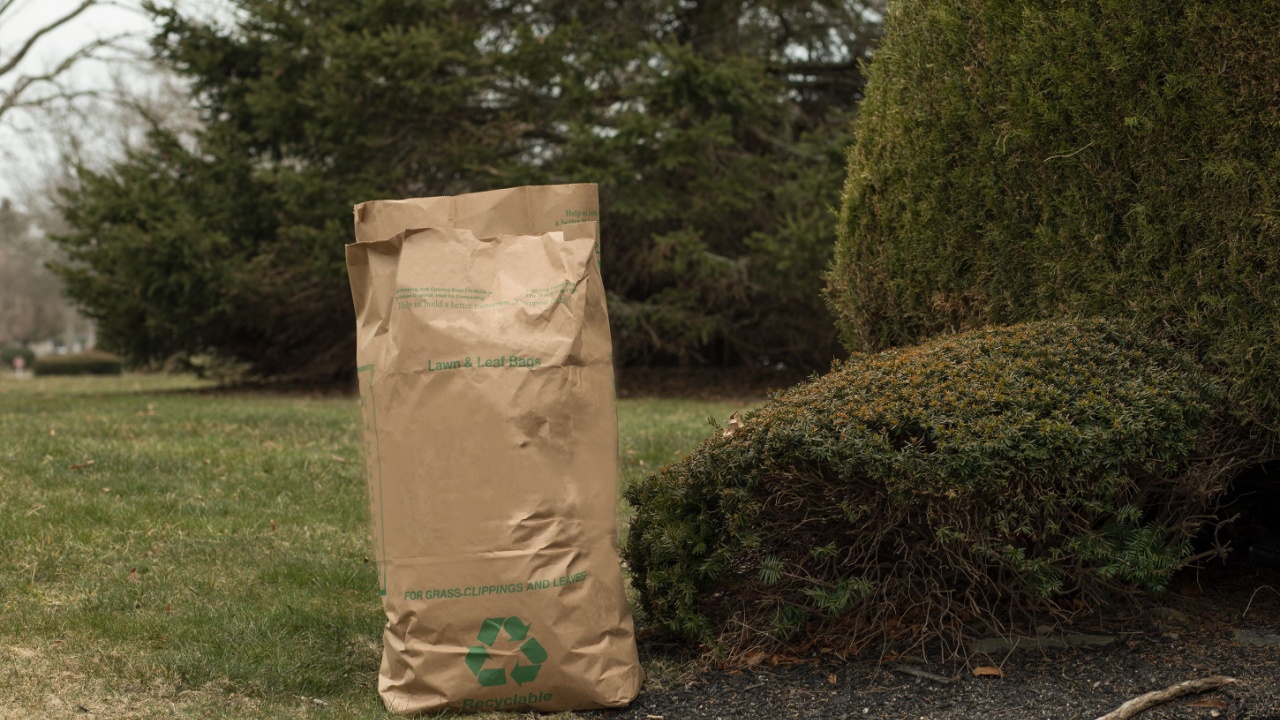
It’s a common sight in neighborhoods everywhere: bags of leaves piled up on the curb for trash pickup. This might seem like the easiest way to clean your yard, but it’s a major missed opportunity. When you throw leaves away, you’re discarding a free, natural resource that your garden desperately wants. These leaves are packed with organic matter and nutrients that trees have drawn up from deep in the soil.
When you send them to a landfill, they get trapped in plastic bags and buried, where they decompose anaerobically (without oxygen). This process releases methane, a potent greenhouse gas. You’re not only stripping your garden of valuable nutrients but also contributing to environmental problems. Plus, you’ll likely spend money on fertilizers and mulch to replace what nature was giving you for free.
What to Do Instead
- Mulch Your Garden Beds: Spread a layer of leaves 2-4 inches deep over your perennial beds, vegetable gardens, and around the base of trees and shrubs. This natural mulch will insulate plant roots from winter cold, suppress weeds, and retain soil moisture.
- Start a Compost Pile: Leaves are a fantastic “brown” material for your compost bin. Mix them with “green” materials like kitchen scraps and grass clippings to create nutrient-rich compost that will supercharge your garden soil next spring.
- Ask Your Neighbors: If you have more leaves than you can handle, chances are a neighbor would be happy to take them off your hands for their own garden or compost pile.
2. Using a Leaf Blower Excessively
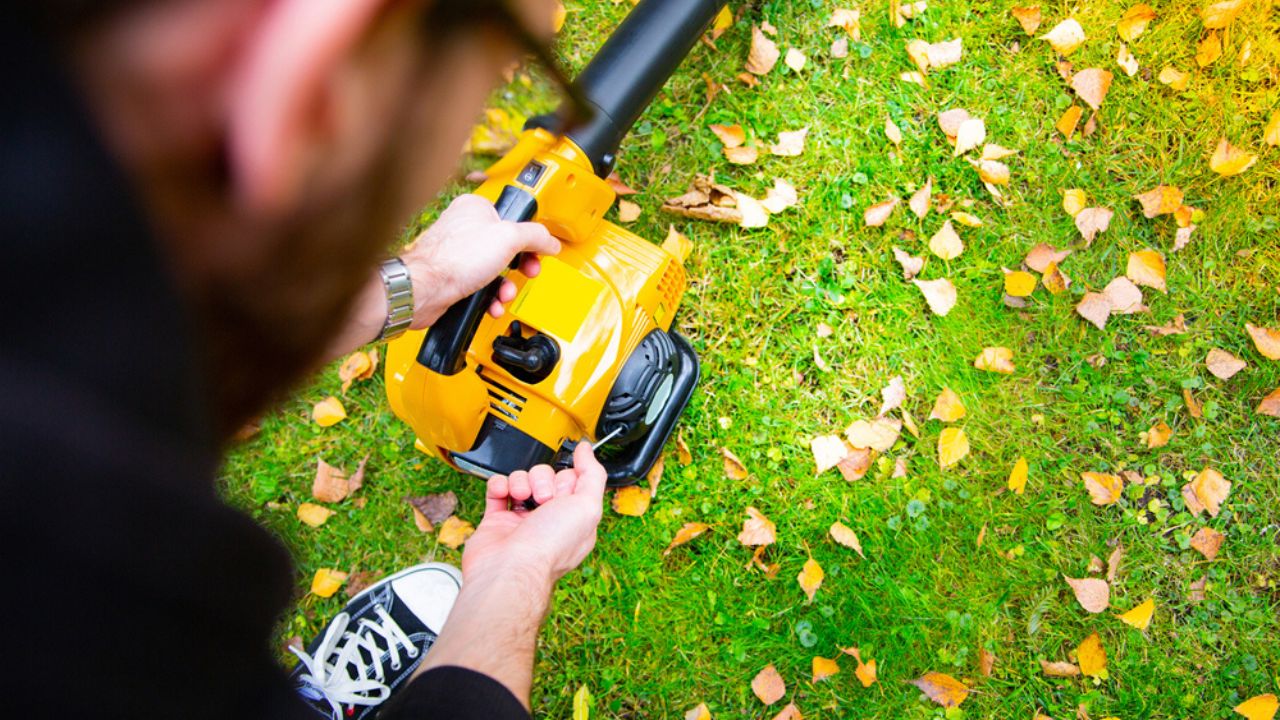
The roar of leaf blowers is a defining sound of autumn. While they can quickly clear a large area, they come with significant downsides. Gas-powered leaf blowers are notorious for noise and air pollution, emitting pollutants that are harmful to both you and the environment. They also kick up dust, pollen, and mold spores that can aggravate allergies.
From a garden health perspective, leaf blowers are indiscriminate. They blast away not just the leaves, but also the top layer of soil and the tiny, beneficial organisms living in it. This powerful force can also harm the very insects and overwintering pollinators you want to protect, blowing away their shelter and food sources.
What to Do Instead
- Rake with a Purpose: A good old-fashioned rake is quieter, provides some healthy exercise, and gives you more control. You can gently rake leaves from your lawn directly onto your garden beds, where they can serve as mulch.
- Use a Blower Sparingly: If you must use a leaf blower, opt for an electric or battery-powered model, which is quieter and produces zero emissions. Use it to consolidate leaves into manageable piles for mulching or composting, rather than blowing them off your property entirely.
- Time it Right: Be considerate of your neighbors and local wildlife. Avoid using noisy equipment early in the morning or late in the evening.
3. Burning Your Leaves
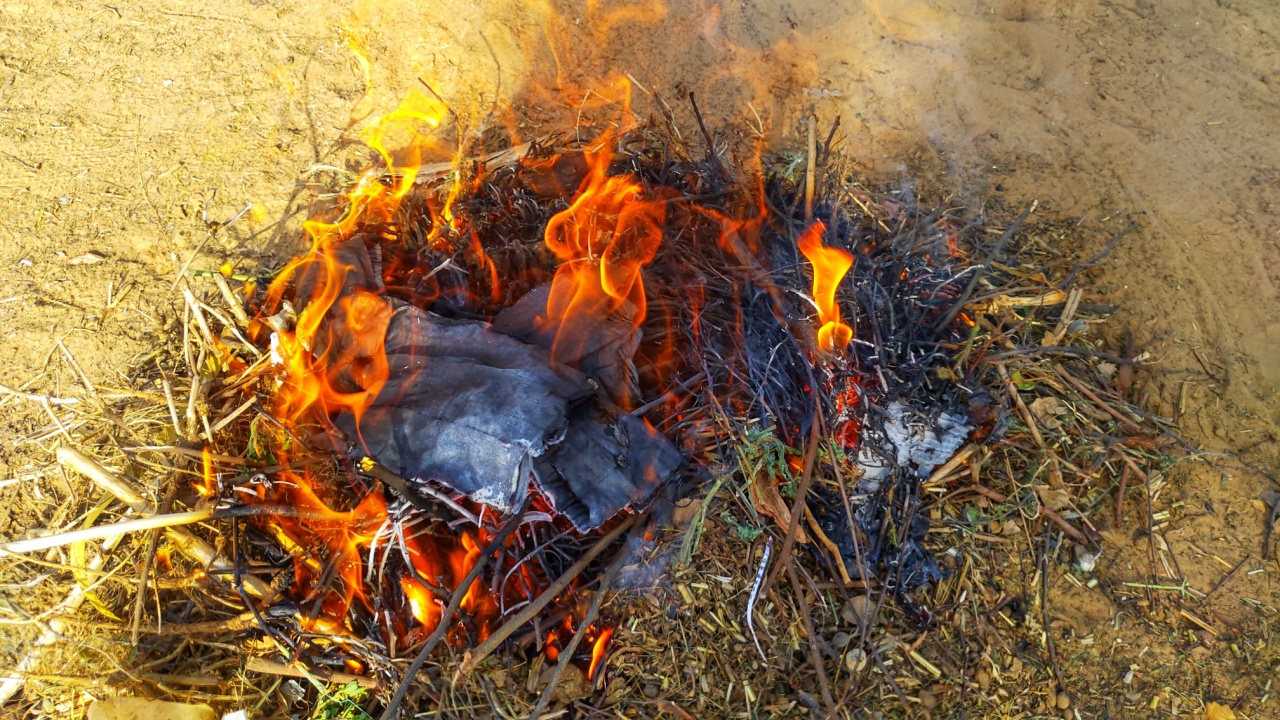
An old-time practice that still lingers in some areas is burning leaf piles. This is perhaps the most wasteful and harmful way to deal with fallen leaves. Burning leaves releases carbon monoxide, soot, and other harmful pollutants into the air, which can irritate respiratory conditions and create a safety hazard. A gust of wind can easily spread embers and start an unwanted fire.
From a gardening standpoint, you are literally watching a valuable resource go up in smoke. While you are left with a small amount of ash that can be added to the soil, it is highly alkaline and can drastically alter your soil’s pH, making it unsuitable for many plants. You lose all the organic matter and the slow-release nutrient benefits that come from decomposition.
What to Do Instead
- Create Leaf Mold: This is gardener’s gold! Simply pile your leaves in a corner of your yard, moisten them, and let them sit. After a year or two, the leaves will break down into a dark, crumbly, and wonderfully rich soil amendment that dramatically improves soil structure and water retention.
- Community Composting: Check if your municipality has a composting program. Many towns collect yard waste separately and turn it into compost that residents can often get for free.
- Offer Them Up: Use local online groups or apps to offer your “free mulch” to other gardeners. You’ll be helping someone else while keeping the leaves out of the landfill.
4. Removing Vital Habitat Space
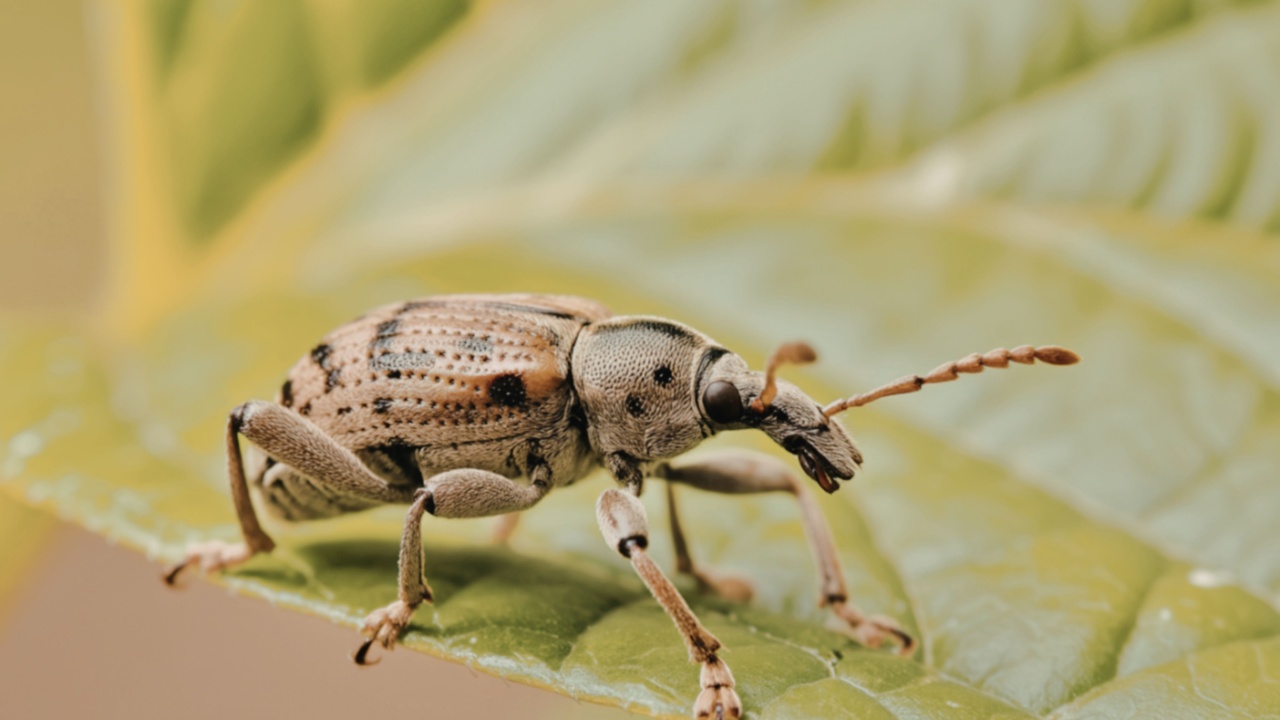
A pile of leaves might just look like a mess to us, but to countless creatures, it’s a five-star hotel for the winter. That leaf litter is a bustling ecosystem that provides critical shelter and food. Many species of butterflies and moths, including the beautiful Luna moth, overwinter as pupae in fallen leaves. Queen bumblebees burrow underneath the leaf layer to survive the cold.
Fireflies, spiders, beetles, and countless other beneficial insects rely on this natural blanket to protect them from freezing temperatures and predators. When you clear away all the leaves, you are effectively evicting the very creatures that help pollinate your plants and control pests in your garden. Birds also depend on leaf litter, foraging for the insects and seeds hidden within it.
What to Do Instead
- Leave the Leaves: In less manicured areas of your yard, like under trees or in the back of garden beds, simply let the leaves stay where they fall. This is the easiest and most beneficial action you can take for wildlife.
- Build a Brush Pile: Combine fallen leaves with twigs and small branches in an out-of-the-way corner. This creates an even more valuable habitat for a wider range of creatures, from insects to birds and even small mammals like rabbits.
- Delay Your Cleanup: If you can’t stand the look of a leafy garden, at least wait until late spring to do your final cleanup. This gives overwintering insects a chance to emerge safely.
5. Leaving Soil Bare
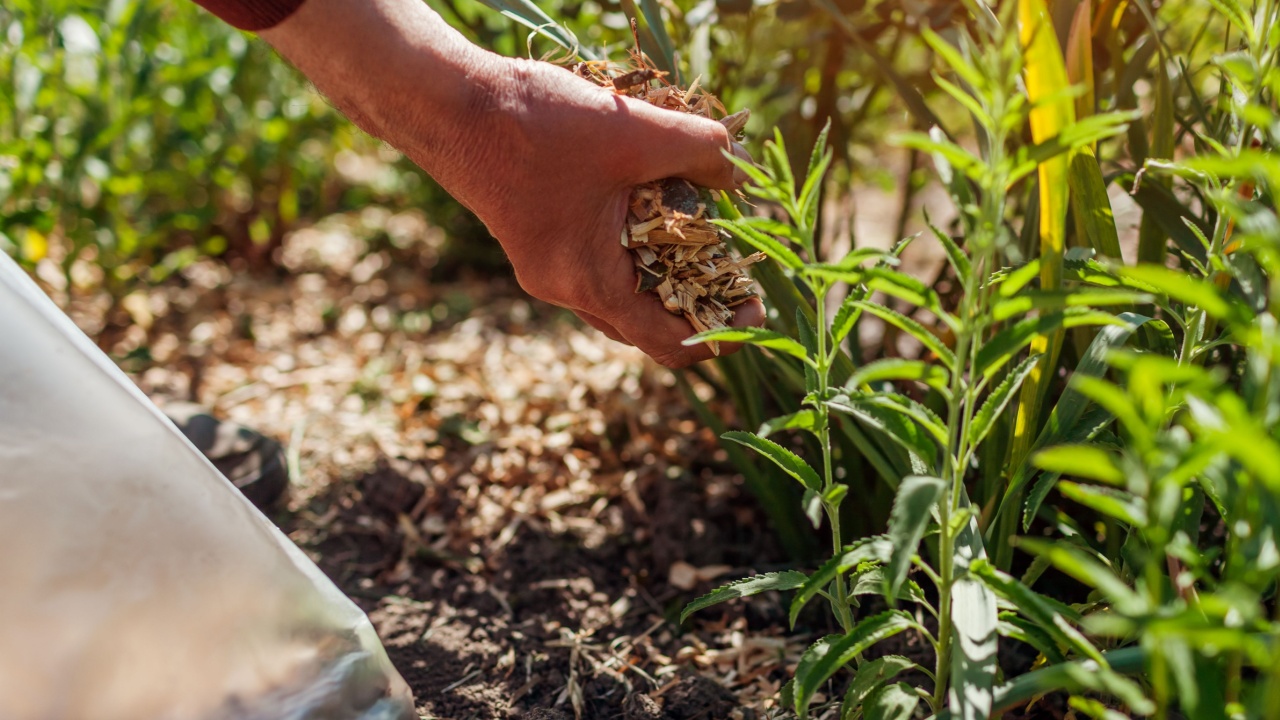
Exposed soil is vulnerable soil. When you rake every last leaf off your garden beds, you leave the soil exposed to the harsh elements of winter. Rain can cause soil compaction and erosion, washing away precious topsoil. The freeze-thaw cycle can heave soil, damaging the roots of your perennial plants, shrubs, and trees.
Bare soil also loses moisture more quickly and provides no insulation for the beneficial microorganisms, earthworms, and plant roots that live within it. Nature abhors a vacuum, and bare soil is an open invitation for opportunistic weeds to sprout as soon as the weather warms. By removing the natural blanket of leaves, you are creating more work for yourself in the long run.
What to Do Instead
- Mulch, Mulch, Mulch: As mentioned before, leaves are the perfect free mulch. A thick layer of leaves protects the soil, insulates roots, conserves moisture, and prevents weeds. As they break down, they feed the soil life and improve its structure.
- Plant a Cover Crop: In vegetable gardens, consider planting a winter cover crop like clover, winter rye, or vetch. These plants protect the soil over winter and can be tilled into the garden in spring, adding a big boost of organic matter and nutrients.
6. Smothering Your Lawn
While leaves are fantastic for garden beds, a thick, wet mat of them left on your lawn all winter can cause problems. A dense layer of whole leaves can block sunlight, water, and air from reaching the grass, potentially smothering it and leading to dead patches in the spring. This environment can also encourage snow mold and other lawn diseases.
However, this doesn’t mean you need to remove every single leaf from your turf. The key is to break them down so they can work for your lawn, not against it. A small number of leaves will decompose naturally, but a heavy autumn leaf fall requires a little management.
What to Do Instead
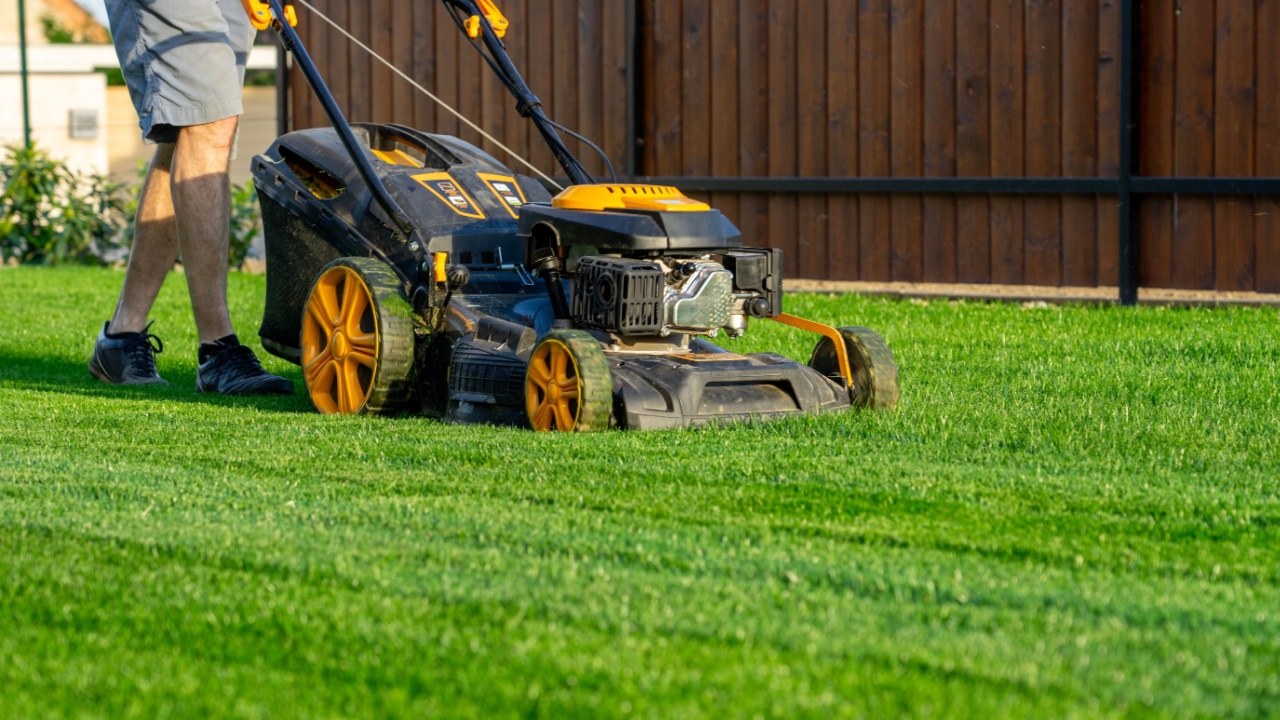
- Mow Your Leaves: This is a fantastic and easy solution. Set your lawnmower to its highest setting and simply mow over the leaves on your lawn. This will shred them into small pieces that will fall down between the grass blades.
- Use a Mulching Mower: A mower with a mulching function is even better. It will chop the leaves into fine confetti, which quickly decomposes and releases nitrogen and other nutrients right where your lawn needs them. You’re essentially fertilizing your lawn for free.
- Rake Leaves onto Garden Beds: If the leaf cover is extremely thick, rake the excess off the lawn and onto your garden beds or into your compost pile.
7. Using Leaves Without Shredding
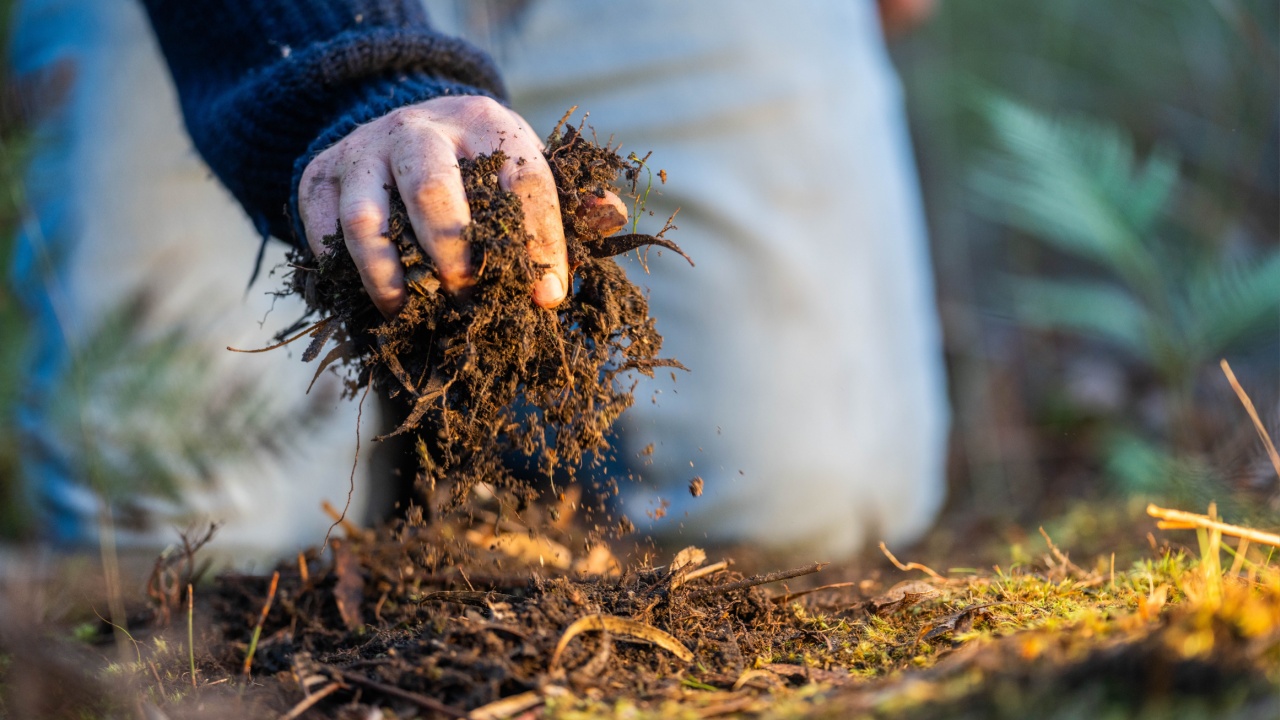
While using whole leaves as mulch is better than throwing them away, it can have some drawbacks. Whole leaves, especially large ones like maple or oak, can form a dense, water-repellent mat. This layer can prevent rain and air from reaching the soil beneath. It also takes much longer for whole leaves to decompose compared to shredded ones.
In a compost pile, unshredded leaves can clump together, slowing down the decomposition process and making it harder to turn your pile. Shredding the leaves first dramatically increases their surface area, allowing microbes to get to work much more quickly and efficiently.
What to Do Instead
- Mow Them First: The easiest way to shred leaves is to run them over with a lawnmower. Rake them into a low pile on the lawn and pass over them a few times.
- Use a Leaf Shredder: For larger quantities, a dedicated leaf shredder or a wood chipper/shredder can process a large volume of leaves quickly. This creates a fine, uniform material that is perfect for mulch or compost.
- The Trash Can Method: A simple DIY method involves placing leaves in a large trash can and using a string trimmer to chop them up. Just be sure to wear safety glasses! Shredded leaves make a finer-textured mulch that looks tidier and breaks down faster.
8. Working Against Nature
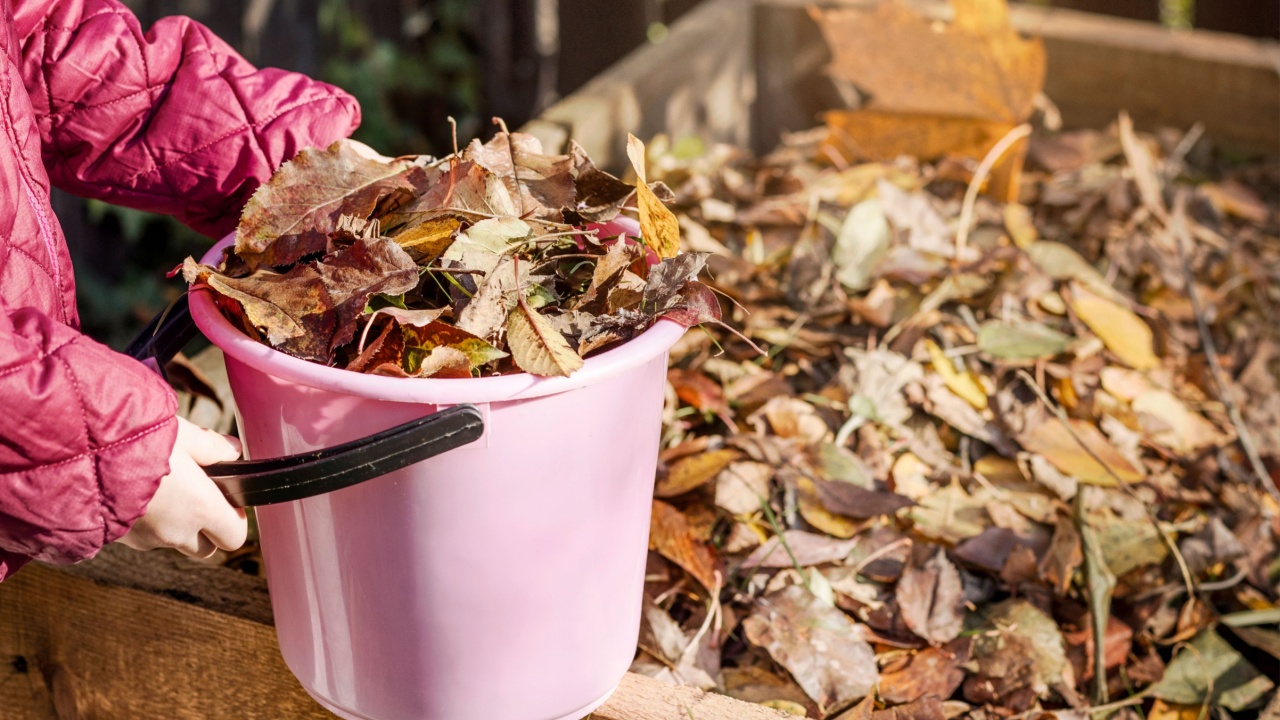
Ultimately, many of our common fall cleanup practices stem from a desire to control and tidy our landscapes. We often work against natural processes instead of harnessing them. Gardening becomes a battle against nature rather than a partnership with it. This approach creates more work, requires more inputs like fertilizers and pesticides, and harms the local ecosystem.
Nature has spent millennia perfecting the cycle of growth, decay, and renewal. Fallen leaves are not waste; they are a key part of that cycle. By trying to impose perfect order, we disrupt the very systems that create healthy, resilient gardens. A garden that embraces natural processes is often healthier, more vibrant, and more alive.
What to Do Instead
- Observe and Mimic: Take a walk in a local forest. Notice how the ground is covered in a layer of leaves and decaying organic matter. This is the model for a healthy garden ecosystem. Let parts of your garden mimic this “messy” but highly functional system.
- Embrace Imperfection: Let go of the idea that your garden needs to be perfectly neat and tidy all the time. Allow some seed heads to stand for birds, let leaves remain where they fall in some areas, and tolerate a few “weeds” that might be valuable pollinator plants.
- Focus on Soil Health: Shift your focus from feeding your plants to feeding your soil. By adding organic matter like leaves, you build a healthy soil food web that will, in turn, nourish your plants.
Finding a Balance in Your Garden and Yard
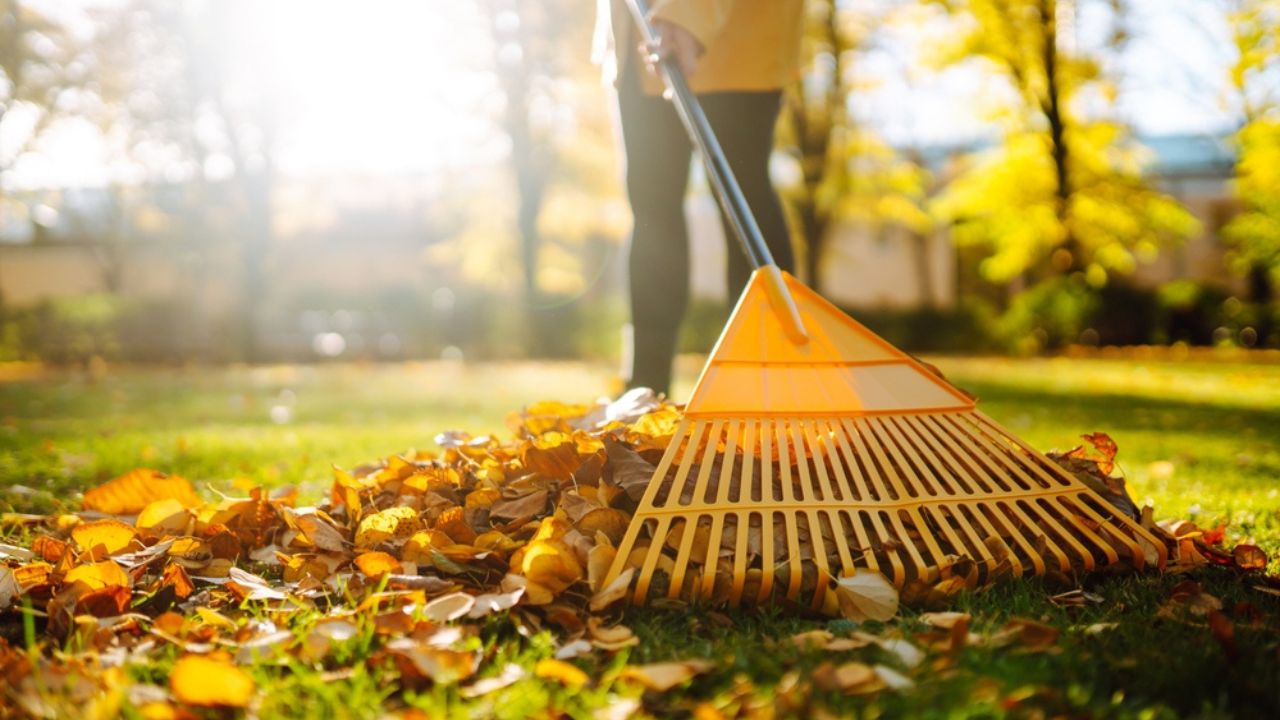
Ready to turn your fall leaves into a garden asset? Start small. You don’t have to change everything overnight.
- This Weekend: Choose one area, like a single garden bed, and cover it with a layer of shredded leaves instead of leaving it bare.
- Get a Rake: If you normally use a leaf blower, try using a rake for part of your cleanup. Enjoy the peace and quiet.
- Start a Simple Pile: You don’t need a fancy bin. Find an unused corner of your yard and start a pile of leaves for leaf mold. Just add leaves and wait.
By rethinking your approach to fall leaves, you can create a healthier garden, save time and money, and become a better steward of your little corner of the planet. Let nature do the work, and you’ll be rewarded with a more beautiful and resilient backyard.


