13 Tips for Helping Birds This Fall (And Keep Them Flocking)
For the birds that have brought life and song to your backyard this past summer, the transition to fall is a season of urgency. Migratory species are fueling up for long journeys, while resident birds are busy preparing for the colder months ahead. By making a few simple adjustments to your garden and routine, you can transform your space into a critical sanctuary that helps them not just survive, but thrive.
These tips will show you how to provide the essential food, water, and shelter that will keep your resident feathered friends flocking to your yard all season long.
1. Provide Fresh, Accessible Water
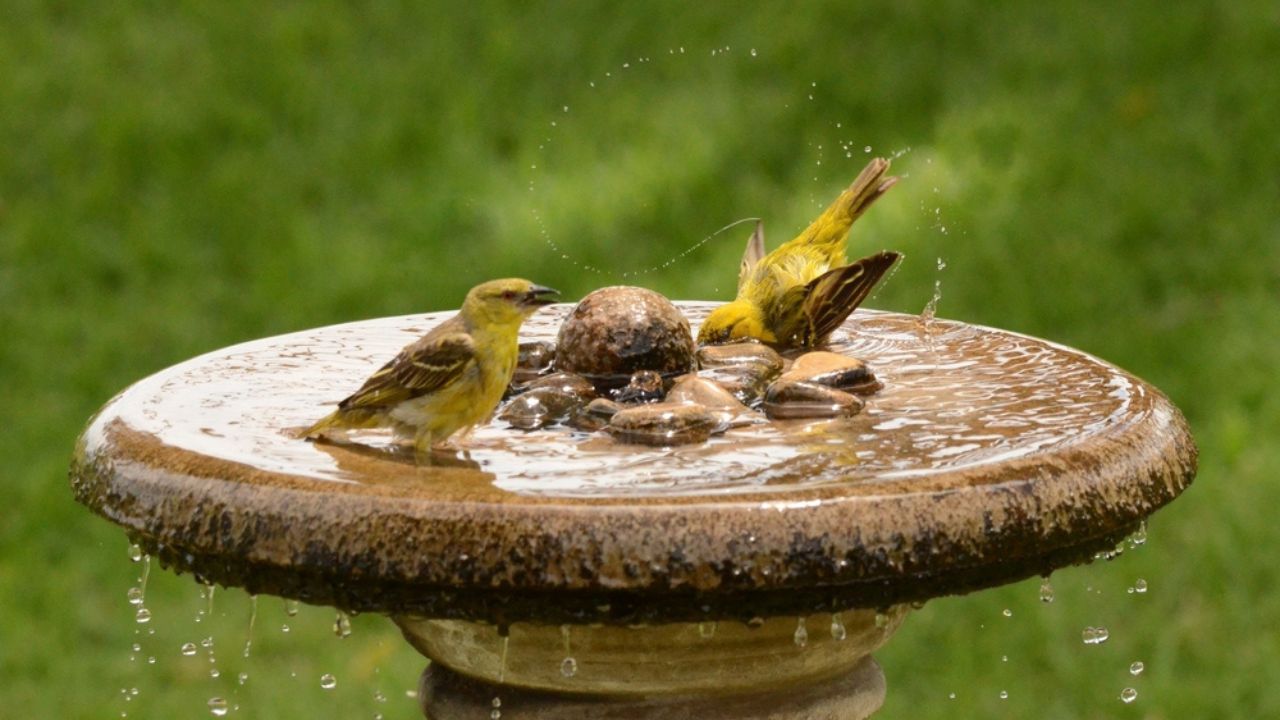
As natural puddles and ponds begin to dry up or freeze, a consistent water source becomes a lifeline for birds. Water is crucial for drinking and for bathing, which helps them keep their feathers in top condition for insulation and flight. A clean bird is a warm bird, and proper feather maintenance is non-negotiable as temperatures drop.
Providing a reliable water source is one of the most effective ways to attract a wide variety of birds, including those that might not visit your feeders. A shallow bird bath is ideal. If you live in a climate where temperatures dip below freezing, consider a heated model. These are designed for outdoor use and will keep a small area of water ice-free, ensuring birds have access even on the coldest days.
Quick Tips:
- Placement is Key: Position your bird bath near shrubs or trees to give birds a safe place to perch and quickly escape from predators.
- Keep it Clean: Refresh the water daily to prevent algae growth and the spread of disease. Give the basin a good scrub with a stiff brush every few days.
- Create Shallow Depth: Birds prefer very shallow water. If your bath is deep, place a few flat rocks or large stones in the basin to create varying depths and safe landing spots.
2. Clean and Maintain Your Feeders
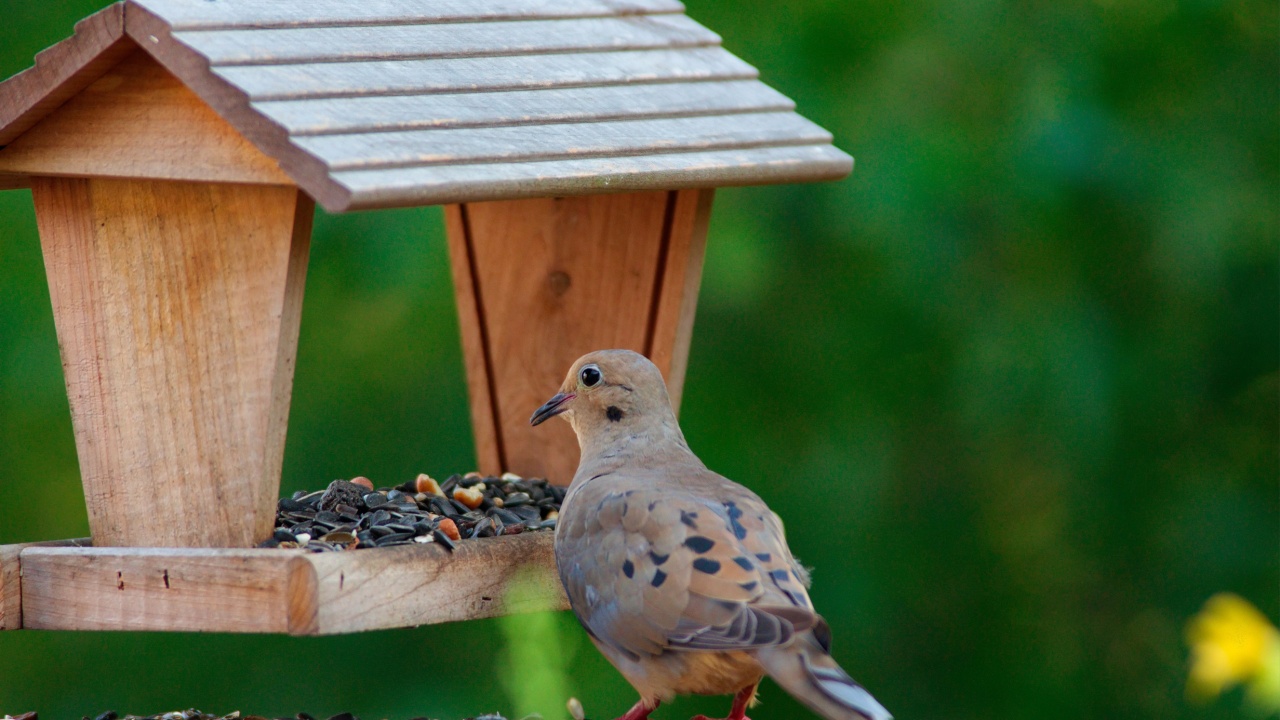
A busy feeder is a wonderful sight, but it can also be a breeding ground for bacteria and mold if not properly maintained. Diseases like Salmonella can spread quickly among bird populations through contaminated feeding stations. Before the fall rush begins, it’s the perfect time to give all your feeders a deep clean.
Take them apart and scrub them thoroughly with a solution of one part bleach to nine parts hot water. Rinse them completely and let them air dry in the sun before refilling. This simple act protects the health of your backyard visitors and ensures they have access to safe, clean food.
Quick Tips:
- Regular Upkeep: Aim to clean your feeders at least once every two weeks, or more often if they are heavily used or during wet weather.
- Use Fresh Seed: Discard any seed that looks clumpy, moldy, or smells musty. Store your bird seed in a cool, dry place in a sealed container to maintain freshness.
- Rotate Feeder Types: Different birds prefer different feeders. Using a mix of tube, hopper, and platform feeders will attract a greater diversity of species.
3. Leave the Seed Heads on Flowers
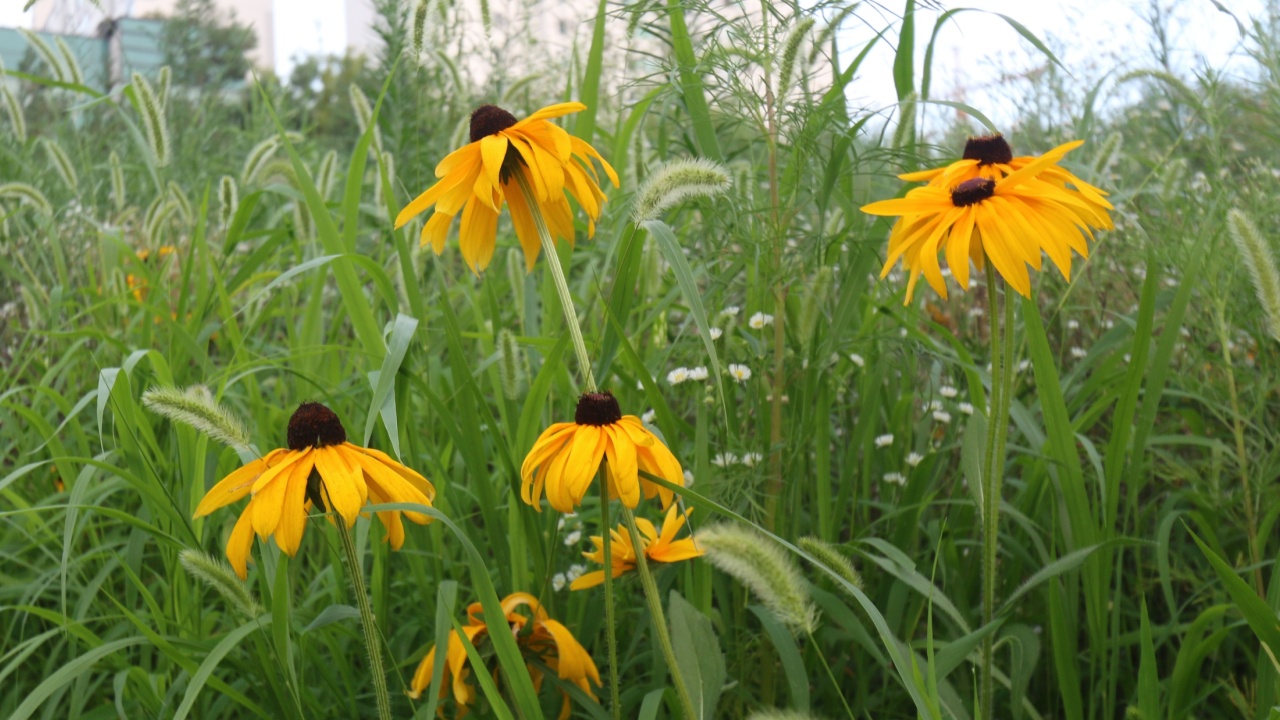
Your fall garden cleanup can wait! The flower heads of native plants like coneflowers, black-eyed Susans, and sunflowers become natural, perfectly packaged bird feeders as they dry. These seed heads are filled with tiny, oil-rich seeds that provide an excellent source of energy for birds like goldfinches, sparrows, and cardinals.
Resisting the urge to deadhead these flowers not only feeds the birds but also adds beautiful structure and interest to your winter garden. Watching a flock of finches descend on a stand of coneflowers, clinging to the stems as they peck at the seeds, is a truly rewarding garden experience.
Quick Tips:
- Choose Native Plants: Prioritize native perennials in your garden design. They are best adapted to your local climate and provide the most nutritional value for local bird species.
- Create Drifts: Plant these seed-producing flowers in groups or “drifts” rather than as single specimens. This creates a more substantial and attractive feeding station for birds.
- Delay Your Cleanup: Wait until late winter or early spring to cut back the dead stalks. This gives birds plenty of time to forage.
4. Plant Native Berry-Producing Shrubs

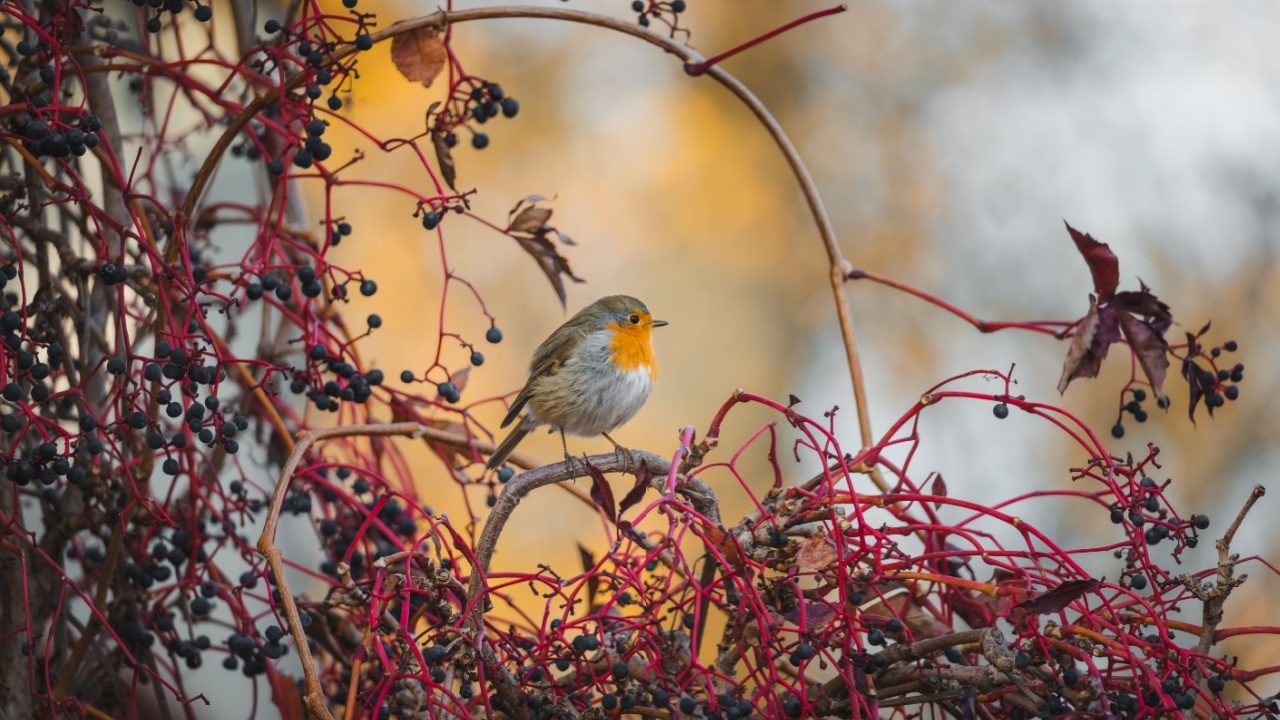
Berries are a fall superfood for many bird species. Shrubs like serviceberry, elderberry, dogwood, and viburnum produce energy-rich fruits that ripen in late summer and fall, providing a critical food source for migratory birds like thrushes and waxwings, as well as resident birds like robins and bluebirds.
Planting these native shrubs does more than just feed birds. They also offer excellent shelter and nesting sites. Grouping several berry-producing shrubs together creates a bustling “berry patch” that will become a focal point for avian activity in your yard.
Quick Tips:
- Select for Your Region: Choose berry-producing shrubs that are native to your specific area to ensure they thrive and support local wildlife.
- Offer Variety: Plant a mix of shrubs that produce fruit at different times throughout the fall and winter to provide a long-lasting food supply.
- Prune with Care: Prune your shrubs after they have finished fruiting to maintain their shape and encourage future berry production.
5. Offer High-Energy Foods
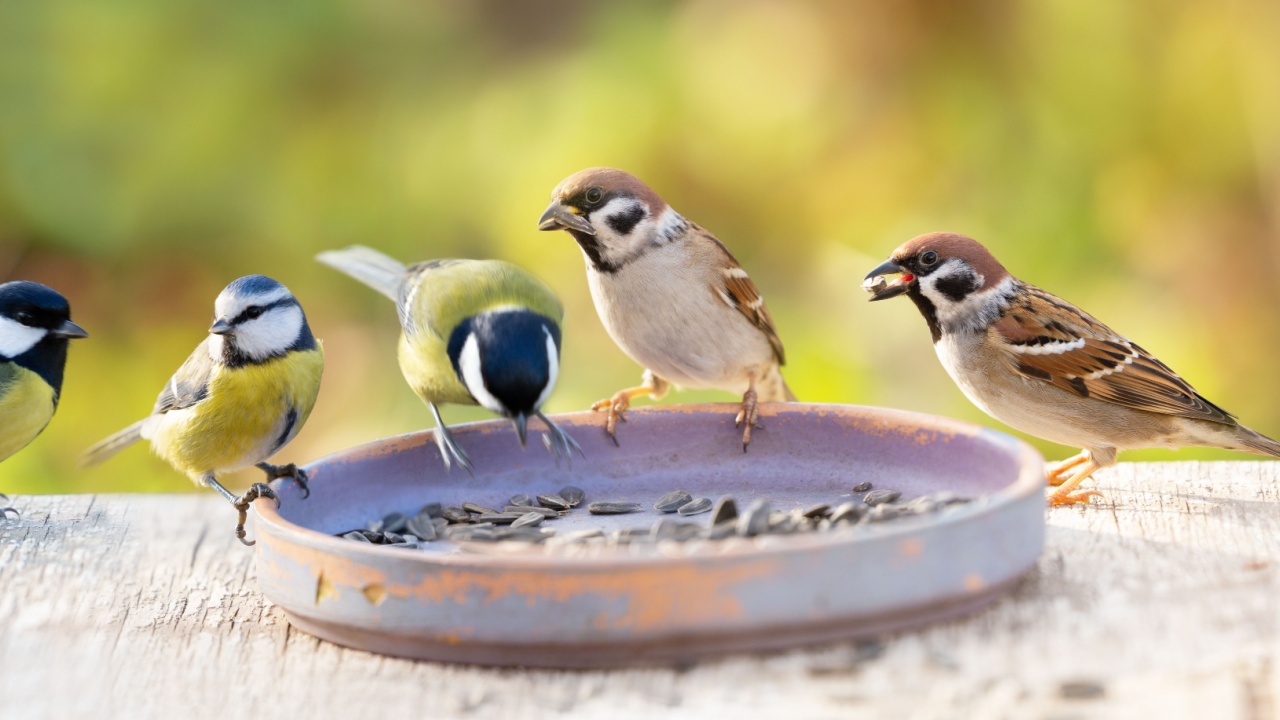
As the days get shorter and colder, birds need to consume more calories to stay warm and fuel their activities. You can help by stocking your feeders with high-fat, high-energy foods. Black oil sunflower seeds are a universal favorite, with a thin shell that’s easy for small birds to crack and a high fat content.
Suet is another excellent choice for fall and winter. These cakes of rendered fat, often mixed with seeds, nuts, or dried fruit, are particularly attractive to woodpeckers, nuthatches, chickadees, and wrens. Offering these calorie-dense foods can make a huge difference for a bird trying to survive a cold night.
Quick Tips:
- Choose the Right Suet: Look for suet cakes without added fillers. You can hang them in cage-style feeders, make a charcuterie board with other items, or press the suet directly into the bark of a tree.
- Provide Peanuts: Shelled or unshelled peanuts are a great source of protein and fat, loved by jays, woodpeckers, and titmice.
- Scatter on the Ground: Some birds, like juncos and towhees, are ground feeders. Scatter a little white proso millet on the ground beneath your feeders for them.
6. Create Brush Piles and Leave the Leaves
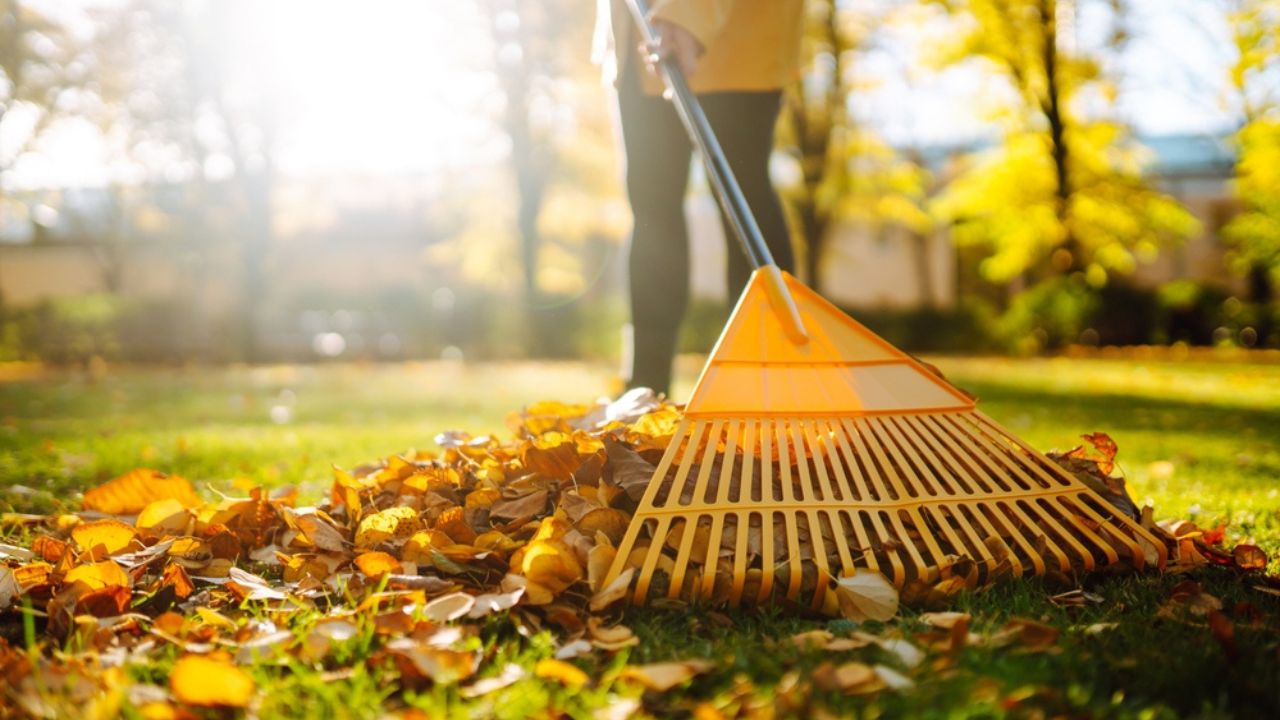
A perfectly tidy garden isn’t always the most wildlife-friendly one. A simple pile of fallen branches, twigs, and leaves in a quiet corner of your yard can become a five-star hotel and restaurant for birds. This “brush pile” provides crucial shelter from cold winds and predators.
Beneath the branches, the decomposing leaf litter becomes a thriving ecosystem of insects, spiders, and other invertebrates. This is a buffet for ground-foraging birds like wrens, sparrows, and towhees, who will happily scratch through the leaves in search of a protein-packed meal.
Quick Tips:
- Build a Stable Base: Start your brush pile with a few larger logs to create space and structure at the bottom. Then, layer smaller branches and twigs on top.
- Location Matters: Place your brush pile in a back corner or along a wooded edge where it won’t be in the way but is still visible for bird watching.
- Just Rake and Pile: Instead of bagging up all your fall leaves, simply rake them into your garden beds or into a loose pile under your shrubs. This provides both insulation for your plants and a foraging area for birds.
7. Install Roosting Boxes and Shelters

While nest boxes are for raising young in the spring, roosting boxes are designed to help birds survive cold nights. These structures are different from nest boxes; they often have perches inside, and the entrance hole is near the bottom to trap rising heat. Small birds like chickadees, titmice, and wrens will huddle together inside to conserve body heat.
If a roost box isn’t an option, dense evergreen trees and shrubs serve the same purpose. A thick juniper, arborvitae, or spruce can provide essential protection from harsh winds, snow, and predators, offering a safe place for birds to rest.
Quick Tips:
- Face It South: Mount your roosting box on a pole or tree, facing south or east to capture the morning sun’s warmth.
- Check for Ventilation: Ensure any roost box you purchase or build has proper ventilation near the top to prevent moisture buildup.
- Plant for Shelter: When adding new plants to your landscape, consider including a few dense evergreens to create natural, year-round shelter for birds.
8. Grow Late-Blooming Nectar Plants

Hummingbirds aren’t the only ones who benefit from late-season flowers. While many migratory birds have already moved on, some hummingbirds may still be passing through in early fall. Plants like salvia, fuchsia, and pineapple sage often bloom well into autumn, providing a final, vital nectar stop.
Furthermore, these late-blooming plants, especially natives like goldenrod and asters, attract a host of insects. These insects, in turn, become a food source for insect-eating birds like warblers and vireos who are fueling up for their migration. This creates a robust and interconnected food web right in your garden.
Quick Tips:
- Extend the Season: Choose plants that are known to bloom until the first frost in your area to provide the longest possible feeding window.
- Don’t Forget Insects: By planting flowers that support bees and other pollinators, you are indirectly feeding the birds that rely on those insects for protein.
- Keep Hummingbird Feeders Out: Don’t take down your hummingbird feeders too early. Leave them up for at least two weeks after you see your last hummingbird to support any late migrants.
9. Leave Standing Snags
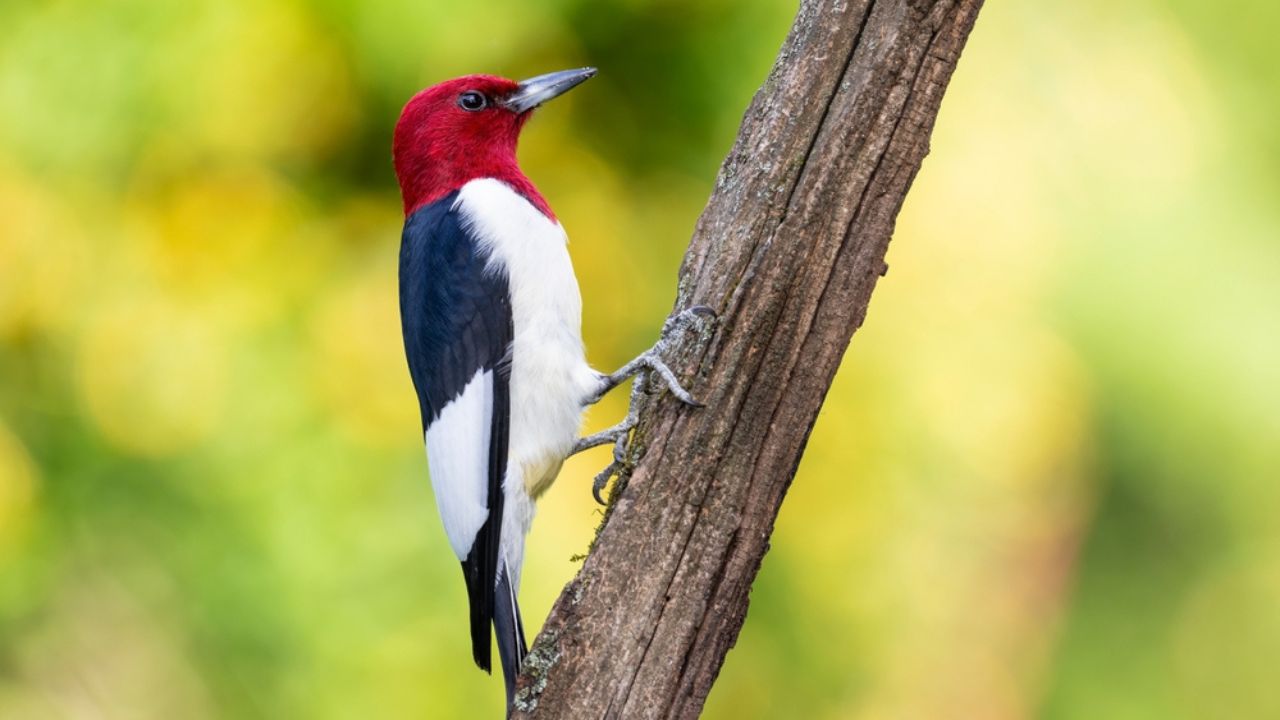
A dead or dying tree, known as a “snag,” might seem like an eyesore, but to a bird, it’s prime real estate. These standing dead trees are essential for cavity-nesting birds like woodpeckers, nuthatches, and chickadees. Woodpeckers excavate holes for nesting and roosting, and other birds later use these abandoned cavities.
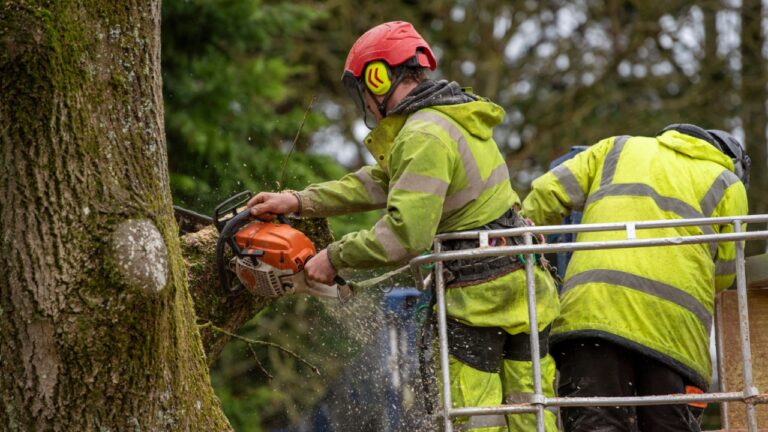
Snags also provide a food source, as they are often full of insects burrowing in the decaying wood. If you have a dead tree that does not pose a safety risk to your home or property, consider leaving it standing. If it must be cut down for safety, ask an arborist to leave a section of the trunk, perhaps 10-15 feet high, to serve as a habitat pole.
Quick tips:
- Safety First: Always consult a certified arborist to assess the safety of a snag before deciding to leave it.
- Create Your Own: If you don’t have a natural snag, you can sink a large, untreated log vertically into the ground in a back corner of your yard to simulate one.
- Observe the Activity: A snag can become a hub of activity. Watch for woodpeckers drumming, nuthatches exploring crevices, and other birds perching on the bare branches.
10. Reduce Pesticide and Herbicide Use

A healthy garden is a living garden, and that includes insects. Many of the chemicals used to create a “perfect,” pest-free landscape are harmful to birds, both directly and indirectly. Pesticides can eliminate the insects that birds rely on for food, especially the caterpillars and grubs needed to feed their young.
By adopting organic gardening practices, you support a balanced ecosystem. A few holes in a leaf are a small price to pay for a healthy bird population. Let birds be your natural pest control, and you’ll create a backyard environment that supports every level of the food web.
Quick Tips:
- Embrace Imperfection: Learn to tolerate a little bit of insect damage on your plants as a sign of a healthy ecosystem.
- Use Natural Alternatives: Explore options like insecticidal soaps, neem oil, or simply hand-picking pests off plants.
- Attract Beneficial Insects: Plant flowers like dill, fennel, and yarrow to attract ladybugs and lacewings, which prey on common garden pests like aphids.
11. Protect Your Windows
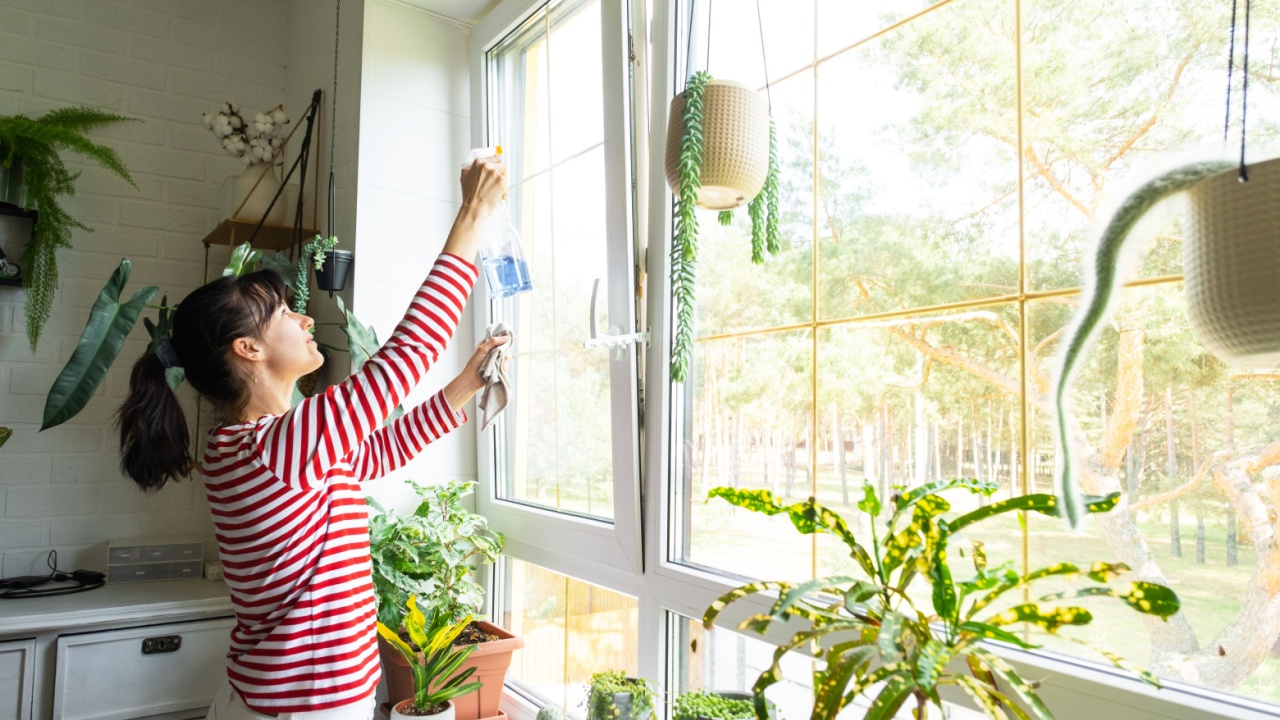
Window collisions are a major threat to birds, killing hundreds of millions each year. During the fall migration, birds are often flying through unfamiliar territories and are more susceptible to these accidents. The reflections of trees and sky in glass look like a clear flight path, leading to devastating impacts.
You can easily make your windows safer. The key is to break up the reflection on the outside of the glass. There are many simple, attractive options available, from specialized decals and tape to window screens or even temporary tempera paint designs.
Quick Tips:
- Apply Visual Markers: Place decals, tape, or other markers on the exterior of the window. For best results, markers should be spaced no more than 4 inches apart horizontally and 2 inches apart vertically.
- Use Screens: External insect screens are one of the most effective ways to prevent window strikes, as they cushion the impact if a bird does fly into them.
- Focus on Problem Windows: Pay special attention to large picture windows or windows that are directly opposite feeders or bird baths.
12. Keep Your Cats Indoors
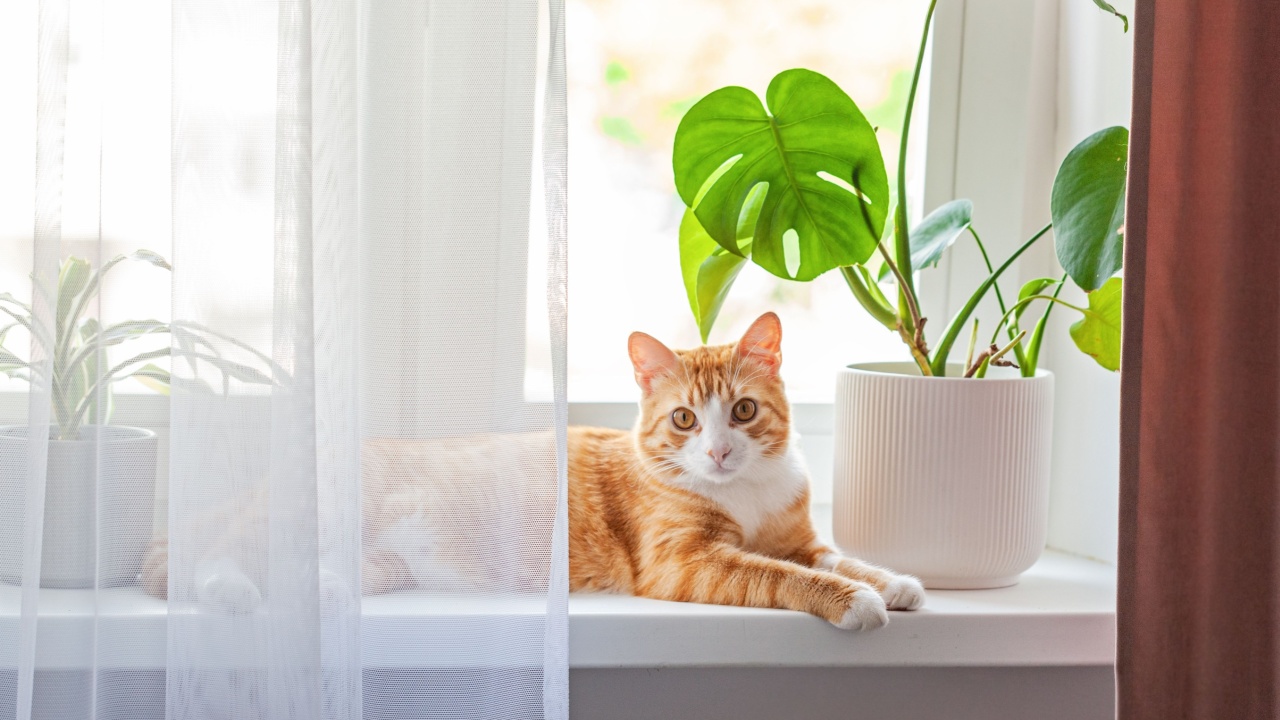
Even well-fed domestic cats retain their hunting instincts. Outdoor cats are a significant threat to wild birds and other small animals. They are incredibly efficient predators, and even a bell on a collar does little to prevent them from catching birds.
The safest place for your cat is indoors, which also protects them from traffic, diseases, and fights with other animals. If you want to give your cat some safe outdoor time, consider a “catio”—an enclosed outdoor patio—or leash training. Protecting the birds in your yard is as simple as keeping your feline friends inside.
Quick Tips:
- Provide Indoor Enrichment: Keep indoor cats happy and stimulated with toys, scratching posts, and climbing trees.
- Consider a Catio: A catio provides the best of both worlds, allowing your cat to enjoy fresh air and the sights and sounds of nature without endangering wildlife.
- Spread the Word: Gently encourage friends and neighbors to also keep their cats indoors to create a safer community for birds.
13. Provide Grit and Calcium
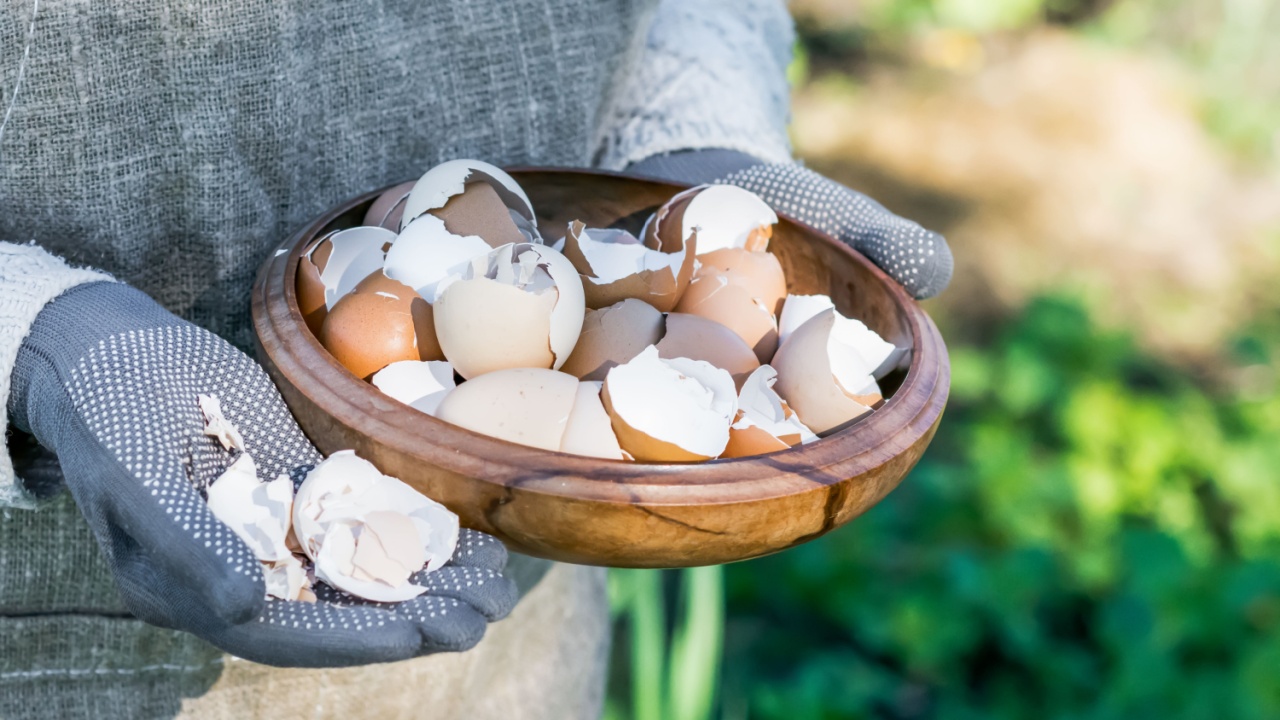
Birds don’t have teeth; they use small, hard particles called grit to grind up their food in their gizzard. While they can often find this naturally, providing a small, supplemental source can be very helpful, especially in winter when the ground is frozen or covered in snow.
Additionally, providing a source of calcium can be beneficial, particularly for female birds preparing their bodies for the next nesting season. Crushed eggshells are an excellent source.
Quick Tips:
- Offer Grit Safely: Place a small dish of coarse sand or commercial bird grit in a dry spot near your feeders.
- Prepare Eggshells: After using eggs, rinse the shells thoroughly, bake them at 250°F (120°C) for about 10 minutes to sterilize them, and then crush them into small pieces. Scatter them on a platform feeder or on the ground.
- Avoid Salt: Never use sand or salt mixtures intended for de-icing, as the salt can be toxic to birds.
Nurturing a Bird-Friendly Winter Yard
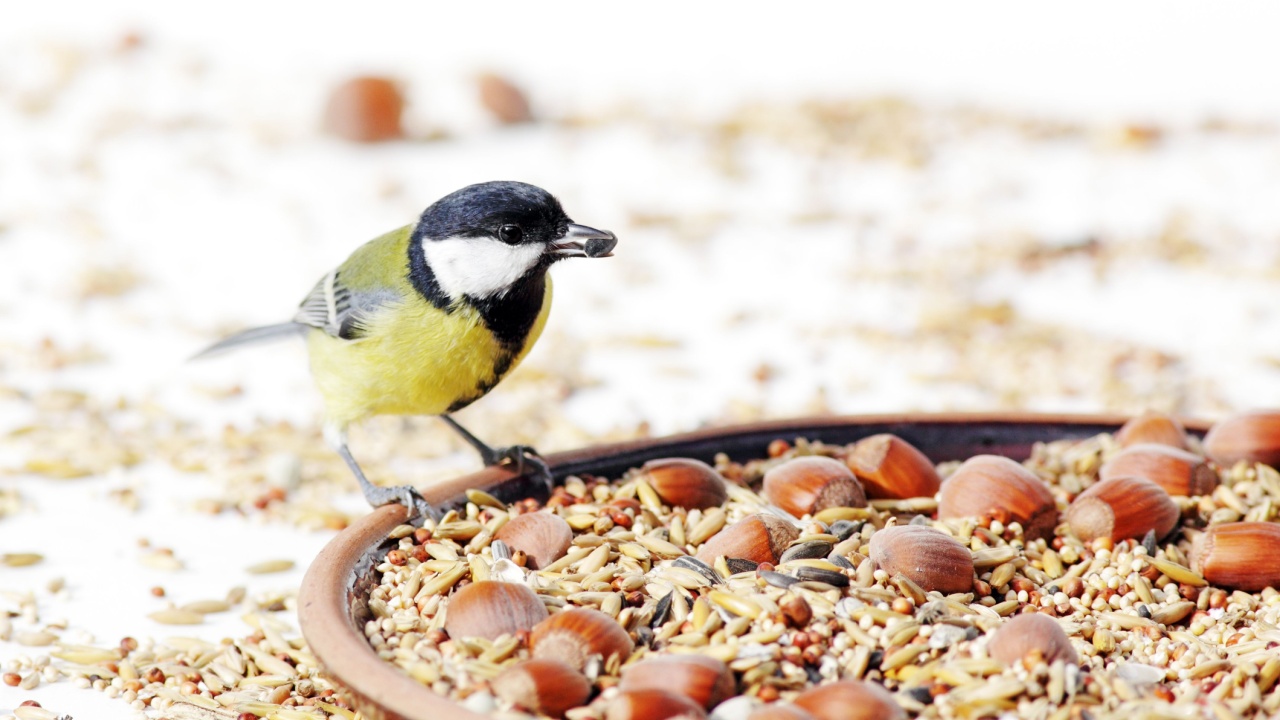
As you can see, helping birds this fall is about creating a complete and supportive habitat. Start by choosing one or two of these tips to implement this week. Maybe it’s giving your feeders a thorough cleaning or deciding to leave a section of your garden “messy” for the winter.
Each small action contributes to a larger effort to support our feathered friends when they need it most. As you make your garden a more welcoming place, you’ll be rewarded with more bird activity and the satisfaction of knowing you’re making a real difference.