20 Perennial Seed Heads That Feed Birds Over Winter
As the vibrant colors of your garden fade and autumn gives way to the quiet chill of winter, it can be tempting to tidy everything up. Many gardeners spend fall weekends cutting back spent stems and clearing away old flower heads. But what if a “messy” garden is actually a healthier one? Leaving perennial seed heads standing through the winter creates a vital food source for birds, turning your backyard into a bustling wildlife haven when resources are scarce.
This simple act of garden laziness is one of the most effective ways to support local biodiversity. Those dried stalks and seed pods provide high-energy, nutritious meals for cardinals, finches, chickadees, and sparrows. The hollow stems also offer shelter for overwintering insects, which in turn become another food source for birds in the spring. By letting nature take its course, you create a beautiful, dynamic winter landscape and a thriving ecosystem.
If you want to transform your garden into a year-round buffet for feathered friends, here are 20 fantastic perennials to get you started.
1. Purple Coneflower (Echinacea purpurea)
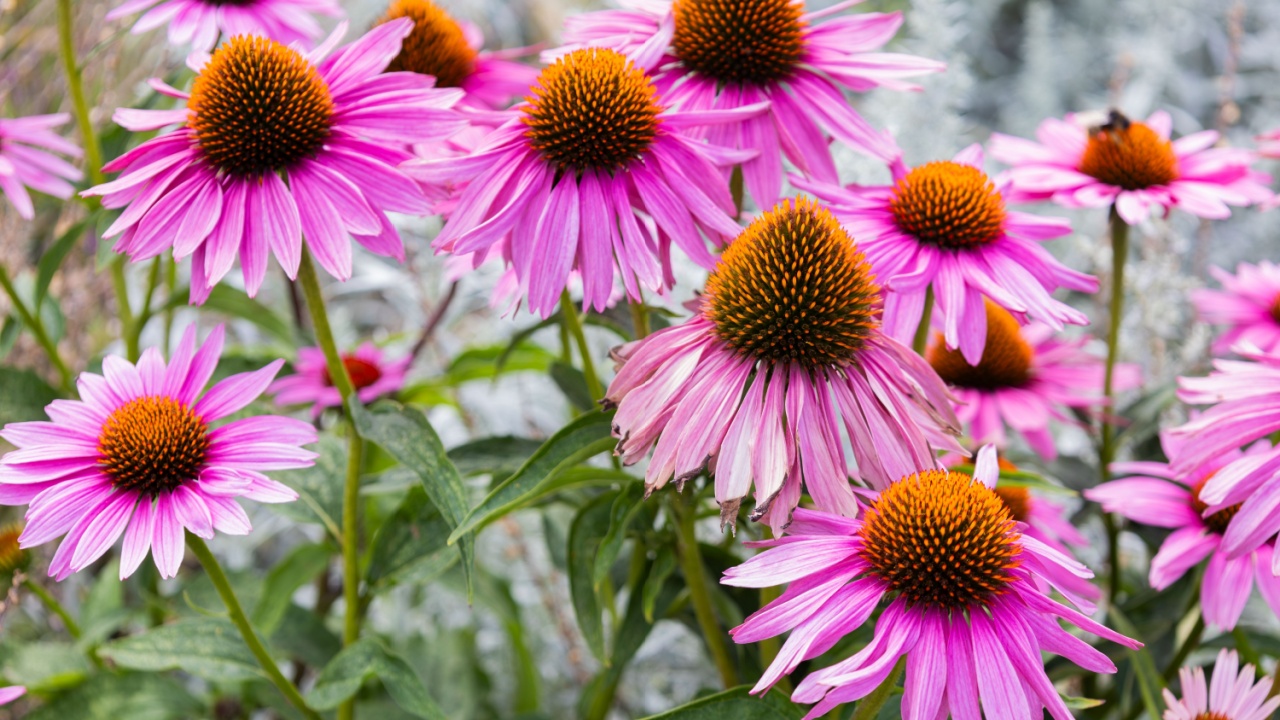
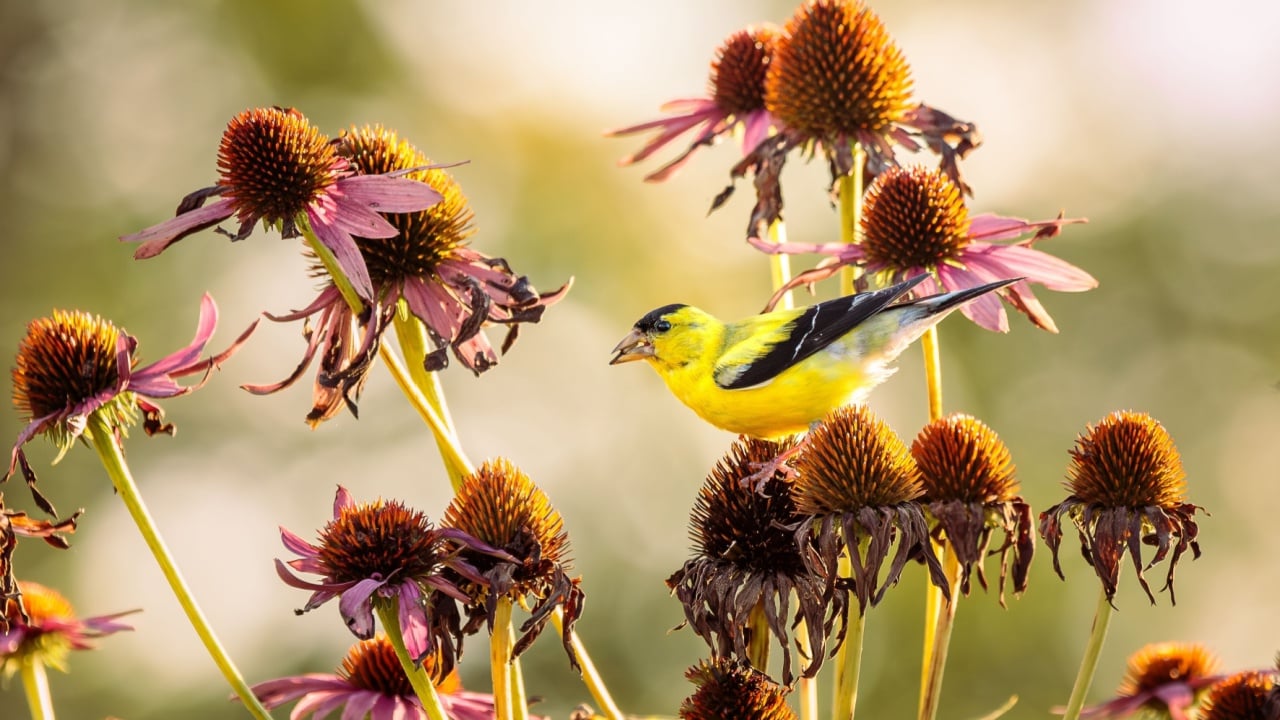
This iconic prairie native is a superstar in the wildlife garden. Its large, daisy-like purple flowers are a favorite of pollinators in summer, and its spiky, cone-shaped seed heads are a magnet for goldfinches and other small birds in winter. The sturdy stems hold up well against snow and wind.
Why it’s great for birds: The tightly packed seeds are rich in oils and fats, providing a high-calorie snack that helps birds survive cold nights. The cone shape makes it easy for them to land and feast.
Care Tips: Plant coneflowers in full sun and well-draining soil. They are drought-tolerant once established. For the best bird banquet, avoid deadheading the last round of flowers in late summer and let them form seeds. The hollow stems also shelter beneficial insects.
- Sun: Full sun to partial shade
- Height: 3-5 feet
- Zones: 3-9
2. Black-Eyed Susan (Rudbeckia fulgida)
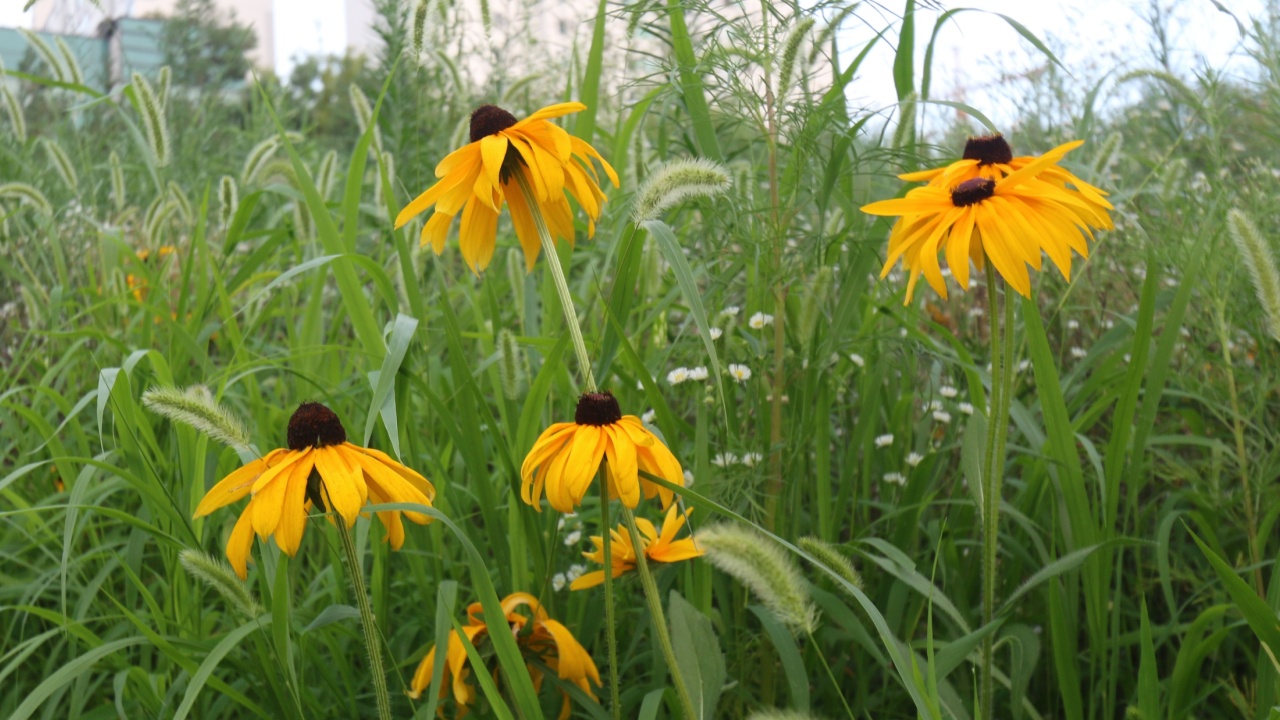
With its cheerful golden-yellow petals and dark brown center, Black-Eyed Susan is a staple in many gardens. After the flowers fade, that dark central cone becomes a dome of delicious seeds. These plants often form large clumps, creating a significant food patch for birds.
Why it’s great for birds: The seeds are a favorite of finches, chickadees, and sparrows. The sturdy stalks provide excellent perches, allowing birds to comfortably extract the seeds.
Care Tips: Plant in full sun for the most prolific blooms. While tolerant of many soil types, they prefer average, well-drained soil. Leave the entire plant standing through winter and cut it back in early spring just as new growth emerges.
- Sun: Full sun
- Height: 2-3 feet
- Zones: 3-9
3. Canada Goldenrod (Solidago canadensis)
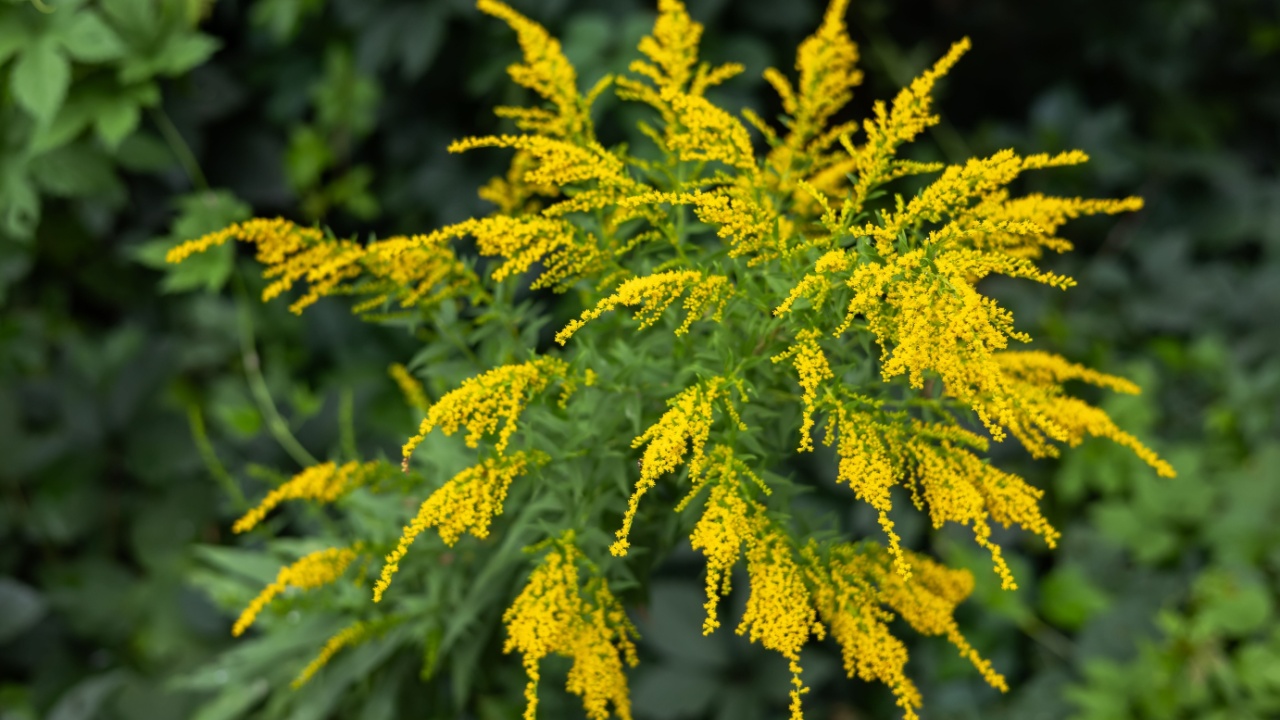
Often wrongly blamed for hay fever (the real culprit is ragweed), goldenrod is an ecological powerhouse. Its tall plumes of fluffy yellow flowers support late-season pollinators, and the subsequent seed heads feed a wide array of songbirds.
Why it’s great for birds: The tiny seeds are packed into dense, feathery clusters, offering an abundant and easily accessible food source for smaller birds like juncos and sparrows.
Care Tips: Goldenrod is a vigorous grower and can spread, so give it space or plant less aggressive cultivars. It thrives in full sun and a variety of soil conditions. Let the fluffy seed spikes remain all winter for a beautiful visual and a bird buffet.
- Sun: Full sun
- Height: 1-6 feet
- Zones: 5-9
4. Sunflower (Helianthus annuus)

While technically an annual, no list of bird-friendly seed heads would be complete without the sunflower. These towering giants are the ultimate bird feeder. Their large flower heads produce hundreds of nutritious seeds that are beloved by a huge variety of birds.
Why it’s great for birds: Sunflower seeds are packed with oil, protein, and essential nutrients. They attract everything from tiny finches to larger birds like blue jays and cardinals, who have the beak strength to crack open the tough shells.
Care Tips: Plant seeds in full sun after the last frost. Provide support for taller varieties to prevent them from toppling in the wind. Let the heads dry on the stalk, and watch as birds flock to them.
- Sun: Full sun
- Height: 3-12 feet (variety dependent)
- Zones: Grown as an annual in all zones
5. Common Milkweed (Asclepias syriaca)
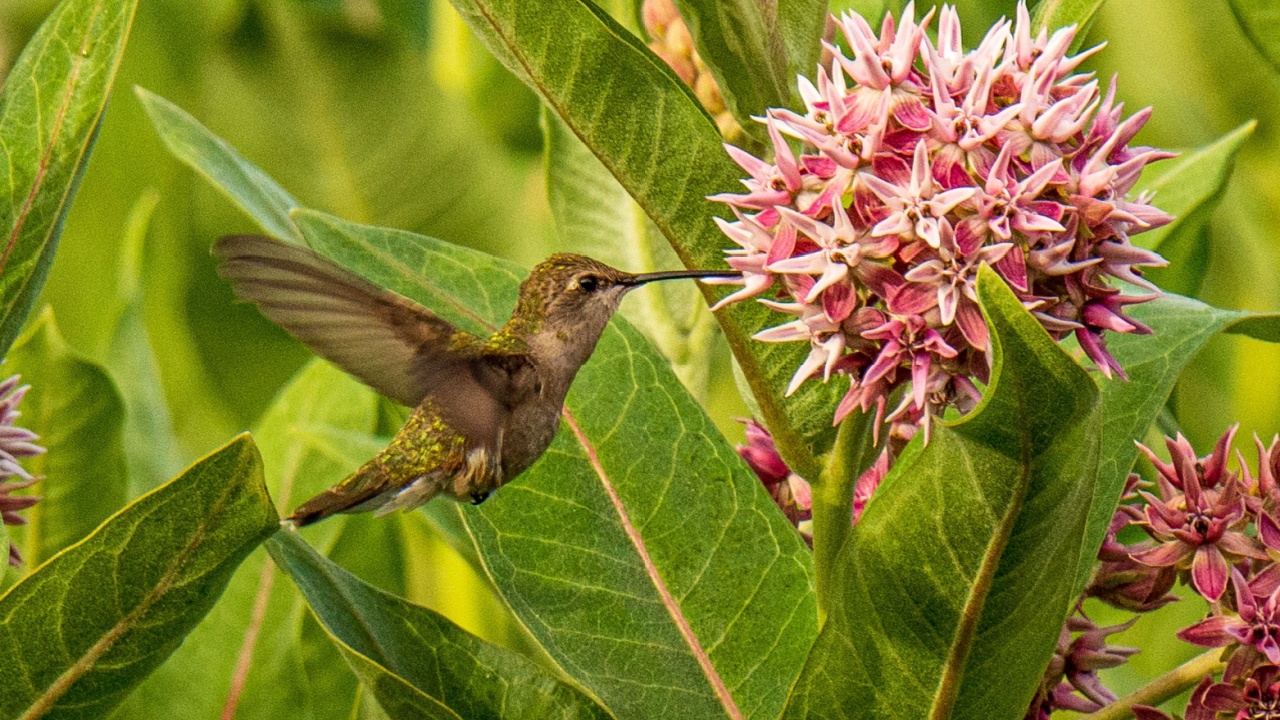
Known as the essential host plant for monarch caterpillars, milkweed’s benefits don’t stop there. In the fall, its large pods split open to release seeds attached to silky fluff. While the fluff helps with wind dispersal, birds are more interested in the seeds themselves.
Why it’s great for birds: Goldfinches and other birds use the soft, silky “floss” from the seed pods to line their nests. They also consume the seeds, which can get caught in the pod or on the plant, providing a convenient meal.
Care Tips: Native to the central and eastern U.S., common milkweed is easy to grow from seed. Plant in full sun and well-draining soil. It establishes a deep taproot, so plant it where you want it to stay.
- Sun: Full sun
- Height: 3-5 feet
- Zones: 3-9
6. Douglas Aster (Symphyotrichum subspicatum)
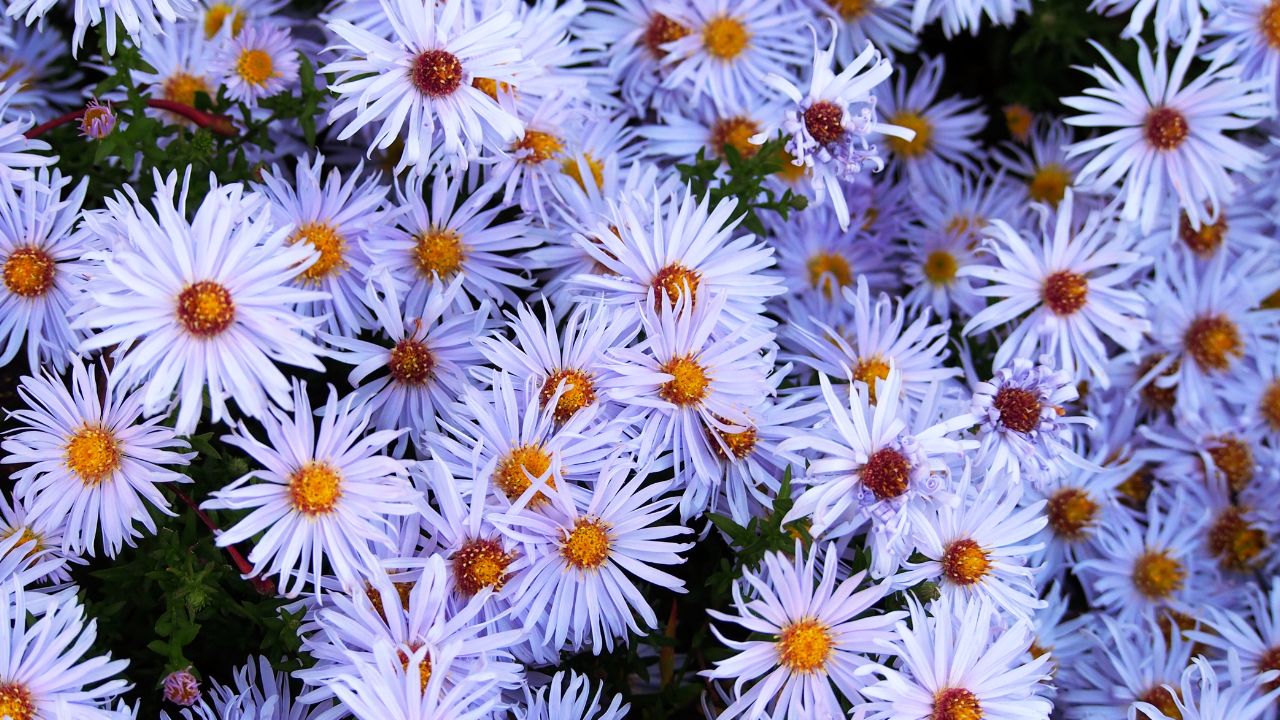
Asters are late-season bloomers, providing a final splash of color before winter. The Douglas aster, native to the western U.S., features lovely purple-petaled flowers. As composite flowers, each head produces dozens of small seeds, creating a perfect snack-sized portion for small birds.
Why it’s great for birds: The fluffy, parachute-like seeds are easily picked off by finches and chickadees. The dense branching structure of the plant also provides excellent cover for birds seeking shelter from predators or harsh weather.
Care Tips: Plant in full sun to part shade. It’s adaptable to different soil types but prefers consistent moisture. Let the last blooms of the season go to seed to feed your local flock.
- Sun: Full sun to partial shade
- Height: 1-4 feet
- Zones: 4-9
7. Rattlesnake Master (Eryngium yuccifolium)
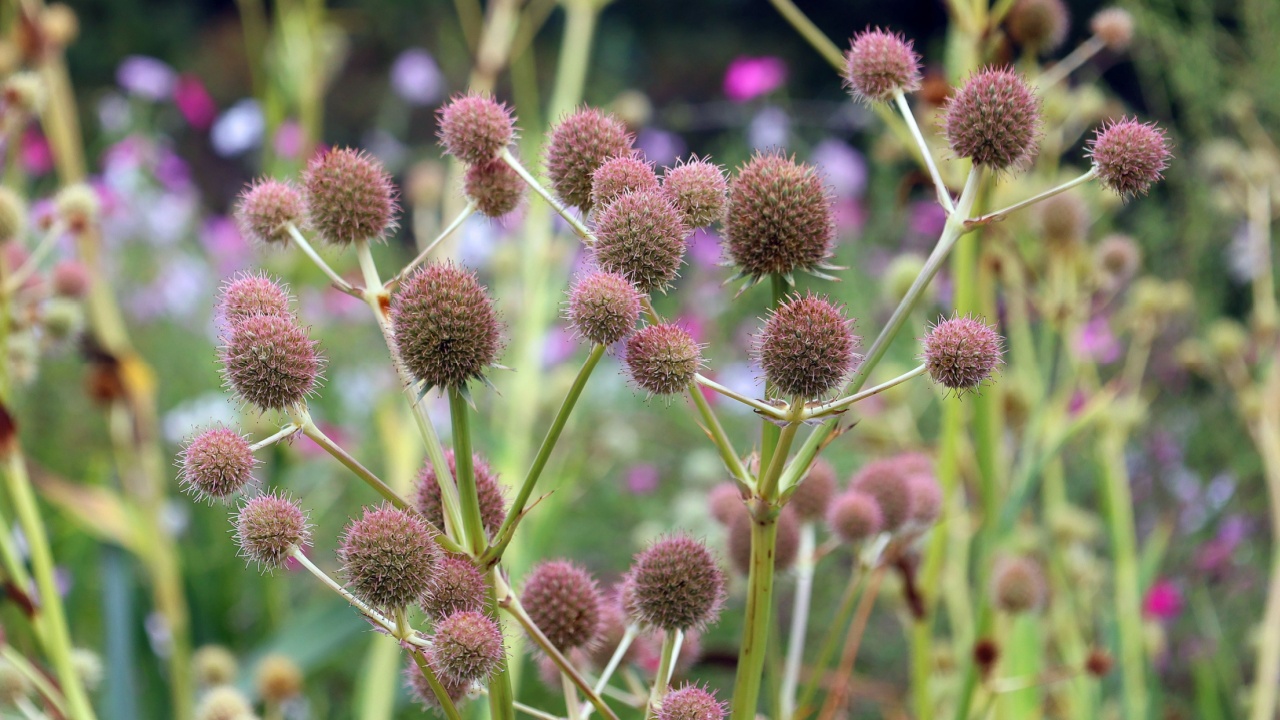
Don’t let the name fool you; this plant is a friend to wildlife. With its unique, spiky globe-shaped flowers and yucca-like foliage, Rattlesnake Master adds incredible architectural interest to the garden. Those flower heads dry in place and persist all winter.
Why it’s great for birds: The spiky globes are full of tiny seeds. Goldfinches, in particular, are adept at clinging to the stalks and picking out the seeds. The dried stalks are incredibly strong and stand up to heavy snow.
Care Tips: This prairie native loves full sun and well-draining, even gritty, soil. It is extremely drought-tolerant once its deep taproot is established. Its unique appearance makes it a striking feature in a winter garden.
- Sun: Full sun
- Height: 4-6 feet
- Zones: 3-8
8. Nodding Onion (Allium cernuum)
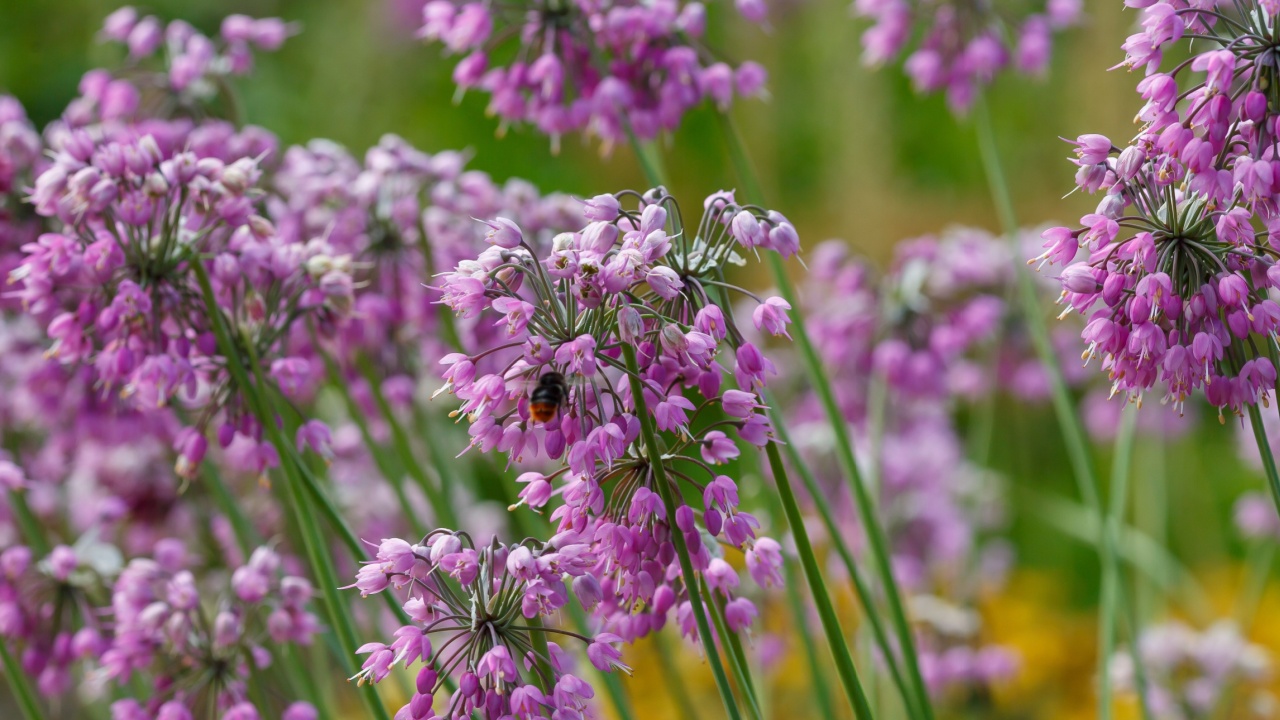
This charming native ornamental onion produces dainty, bell-shaped pink or purple flowers that nod downwards on slender stems. After blooming, the flower heads turn upright and form clusters of shiny black seeds.
Why it’s great for birds: The seeds are held in open-faced capsules, making them visible and easy for birds to access. The papery, dried flower heads look beautiful, dusted with frost, and offer a surprising amount of food.
Care Tips: Plant bulbs or seeds in full sun to light shade in well-drained soil. This plant is deer-resistant and drought-tolerant. It will self-seed politely to form attractive clumps over time.
- Sun: Full sun to partial shade
- Height: 6-24 inches
- Zones: 4-8
9. Bigleaf Lupine (Lupinus polyphyllus)
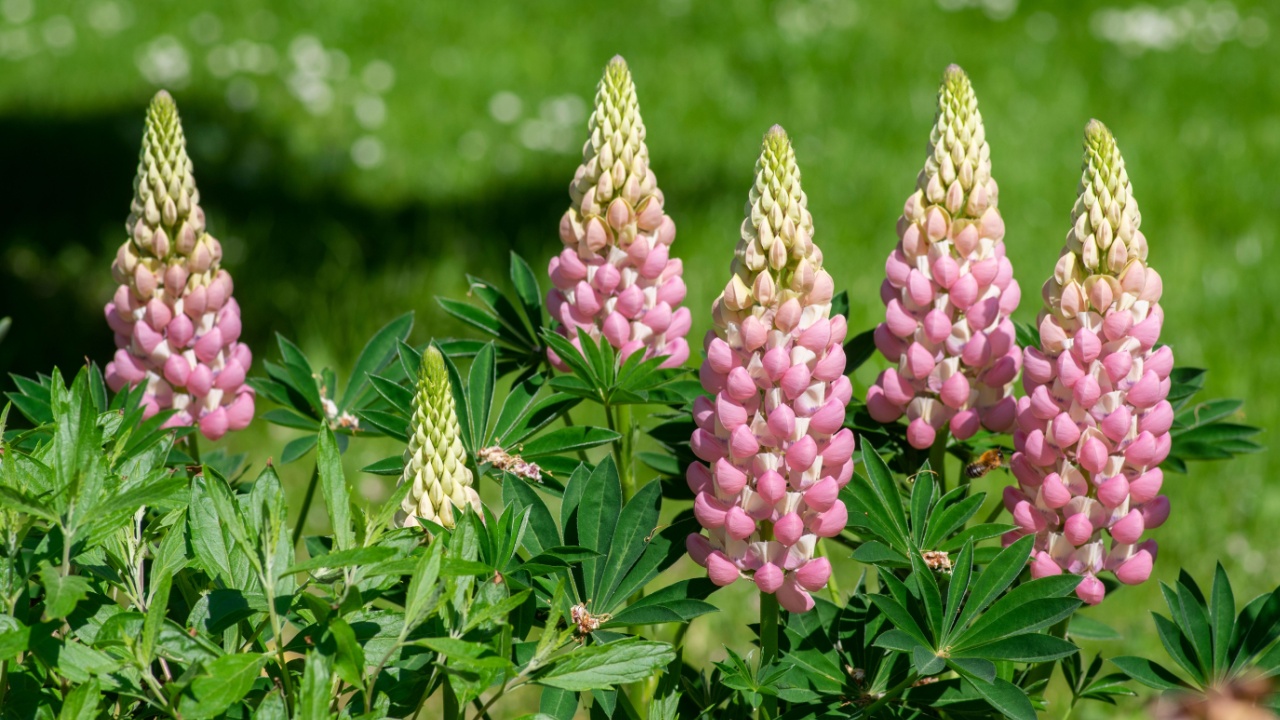
Lupines are famous for their towering spires of colorful flowers. After the dramatic floral display, a different kind of drama unfolds as fuzzy seed pods, resembling little pea pods, develop along the stalks.
Why it’s great for birds: When the pods dry, they often twist and burst open, scattering the seeds. Ground-feeding birds like juncos, towhees, and quail will happily forage for these protein-rich seeds on the ground below the plant.
Care Tips: Lupines prefer full sun and well-drained, slightly acidic soil. They develop a taproot, so they don’t like to be moved. Let the pods fully mature and dry on the plant for the birds to enjoy.
- Sun: Full sun
- Height: 3-5 feet
- Zones: 3-6
10. Frost Aster (Symphyotrichum pilosum)
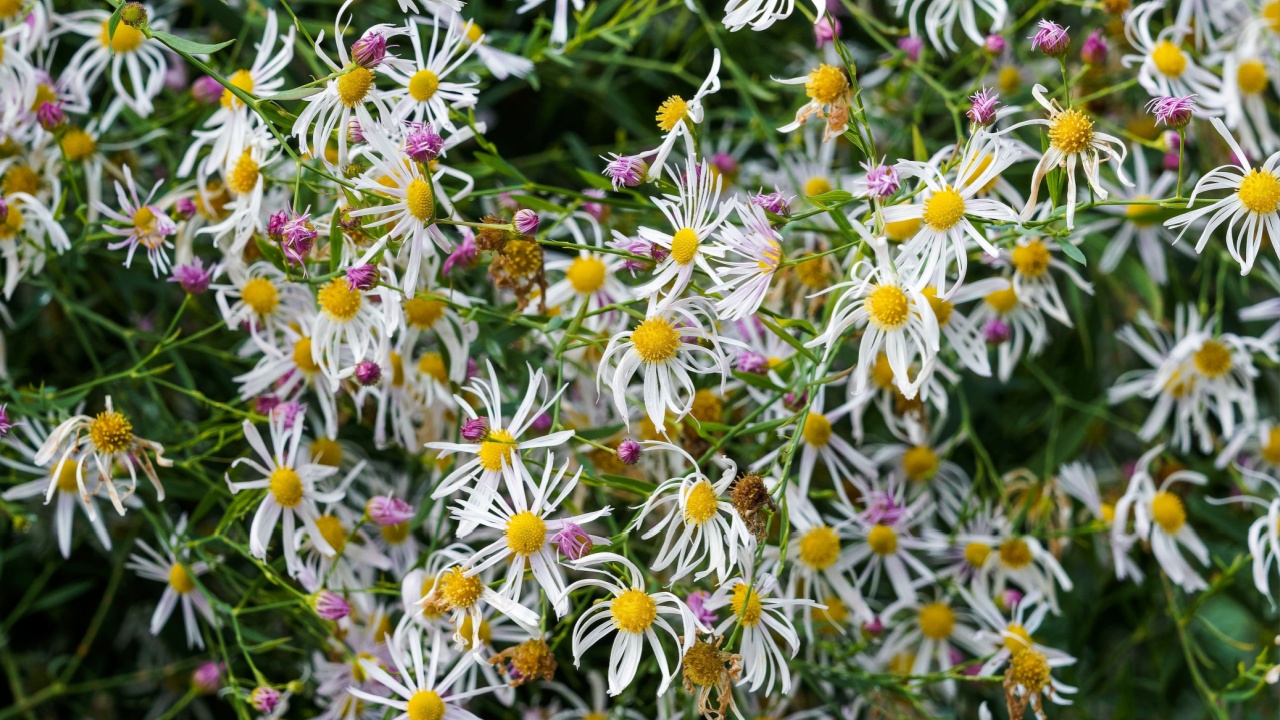
Living up to its name, this aster is covered in a profusion of small white flowers in late fall, often lingering until the first hard frosts. The plant’s hairy stems give it a “frosty” appearance. This abundance of flowers leads to an abundance of seeds.
Why it’s great for birds: A single plant produces a huge number of seeds, making it a reliable and plentiful food source for cardinals, chickadees, and goldfinches late in the season.
Care Tips: Grow in full sun to part shade. This is a tough, adaptable plant that can handle a range of soil conditions. It can self-seed readily, so plant it in an area where you don’t mind it spreading, like a meadow or naturalized border.
- Sun: Full sun to partial shade
- Height: 2-4 feet
- Zones: 4-8
11. Chocolate Flower (Berlandiera lyrata)
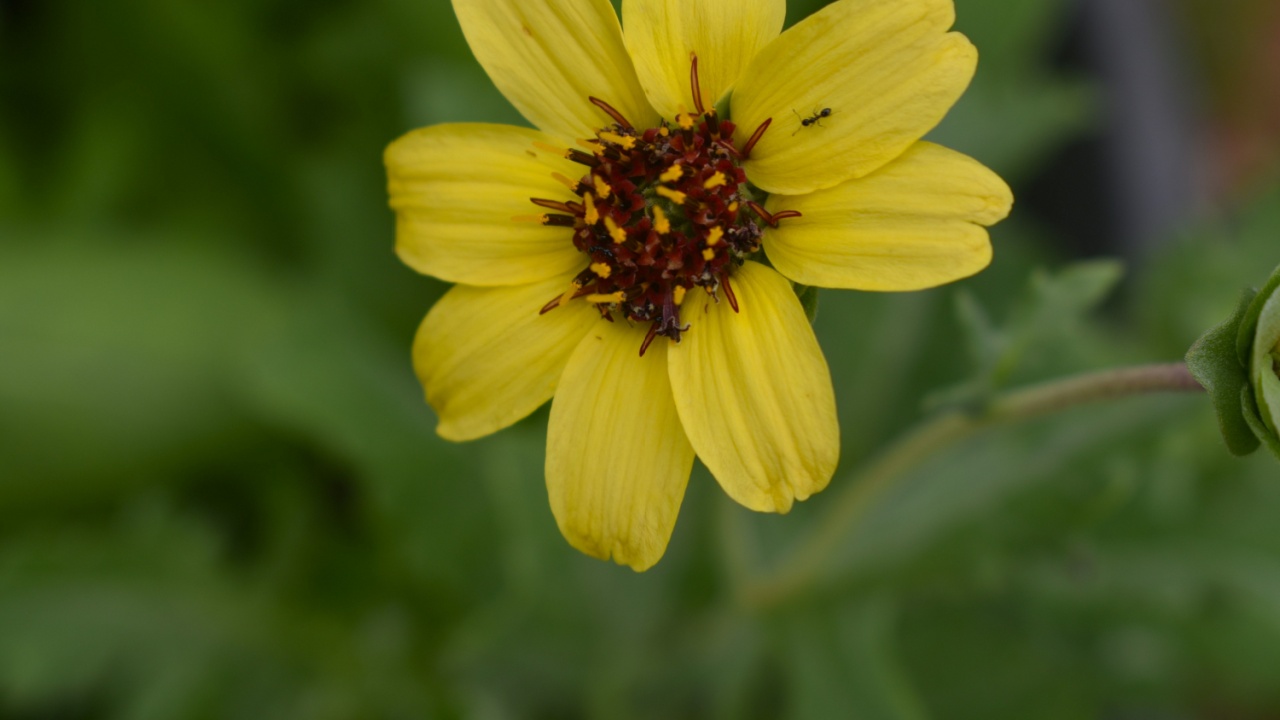
This quirky native of the Southwest gets its name from the rich, chocolatey scent its yellow, daisy-like flowers emit in the morning. After the petals drop, they leave behind a fascinating green, cup-like seed head that birds find irresistible.
Why it’s great for birds: The seeds are held neatly in the calyx, or “cup,” making it a perfect little bird feeder. Finches and other small birds will perch on the stems and methodically pick the seeds out.
Care Tips: This plant demands full sun and very well-drained soil, making it perfect for rock gardens or xeriscapes. It’s drought-tolerant and blooms all summer. Don’t deadhead; the seed heads are as interesting as the flowers.
- Sun: Full sun
- Height: 1-2 feet
- Zones: 4-10
12. Pacific Aster (Symphyotrichum chilense)
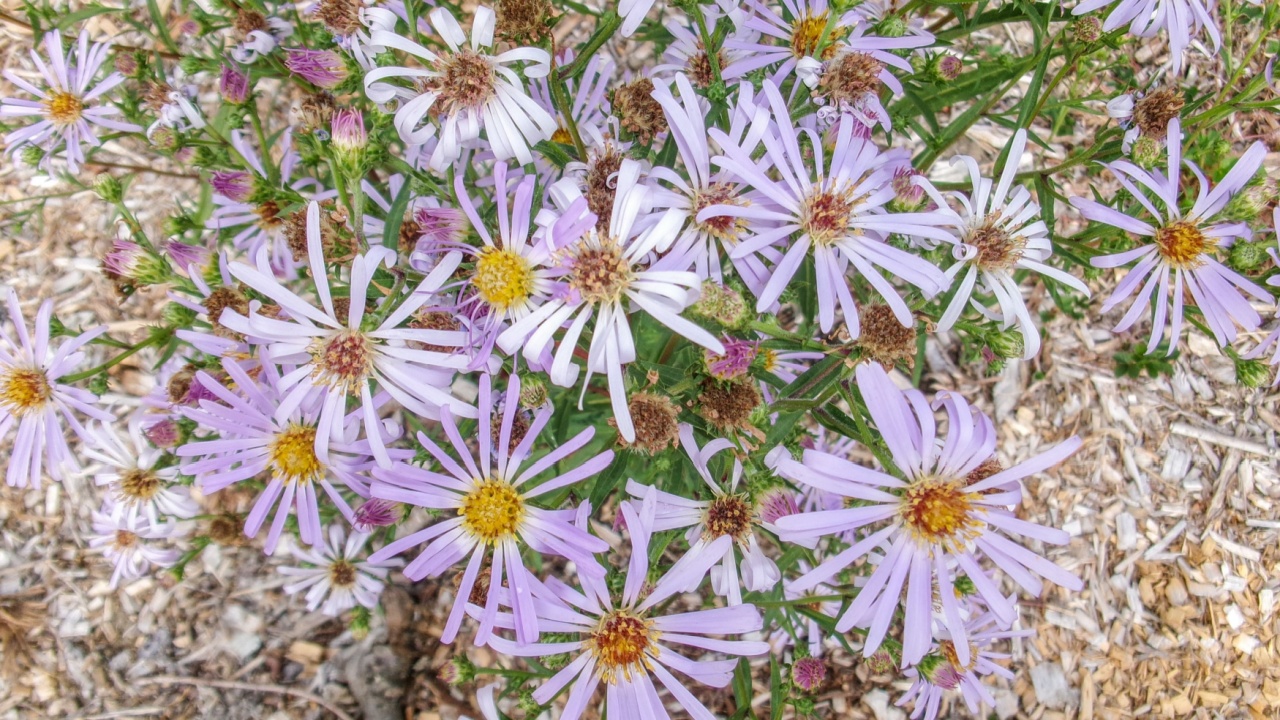
Similar to other asters, this West Coast native is a crucial late-season food source for pollinators and birds. It produces bluish-purple or white flowers at the end of summer, which mature into fluffy seed heads.
Why it’s great for birds: Like its cousins, the Pacific aster produces a wealth of small, fluffy seeds that are easily eaten by small songbirds. Its tall, branching structure also provides good cover.
Care Tips: This aster is ideal for gardens in low elevations near the West Coast. It prefers full sun to light shade and consistent moisture in well-draining soil. It will self-seed to form a lovely drift of asters over time.
- Sun: Full sun to partial shade
- Height: 2-4 feet
- Zones: 6-10
13. Michaelmas Daisy (Symphyotrichum novi-belgii)
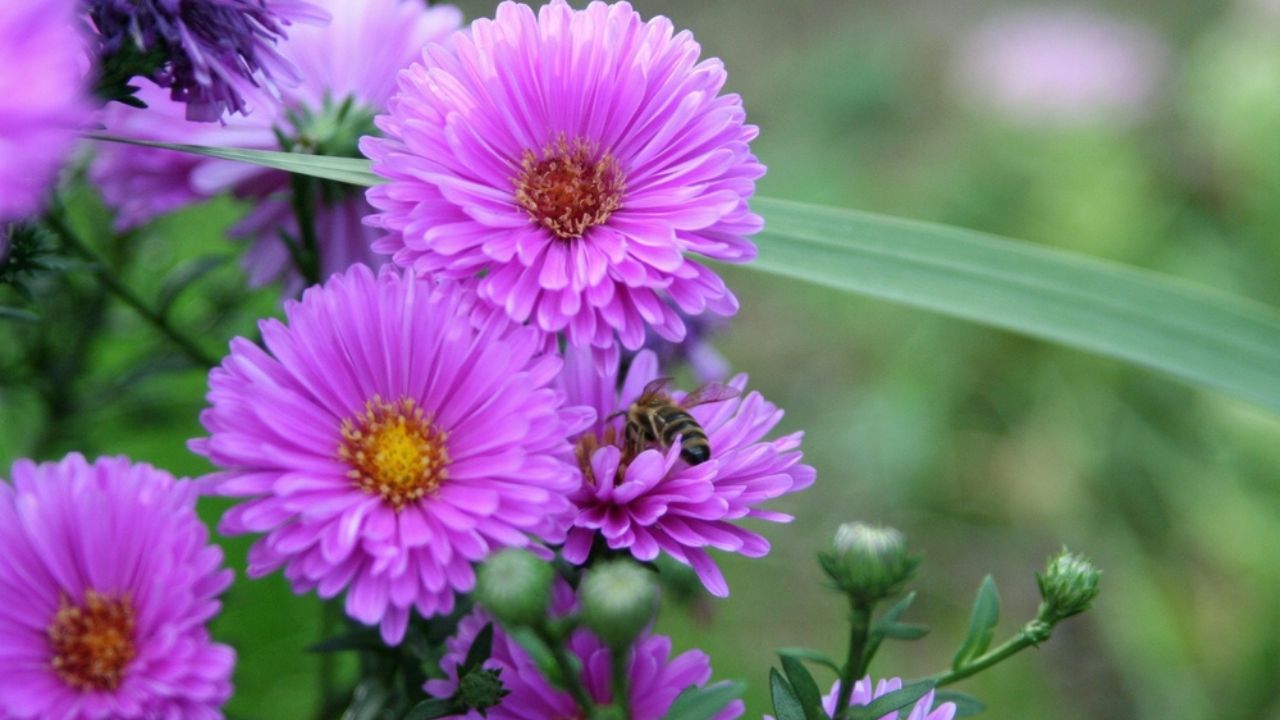
Also known as the New York aster, this species is a classic fall-blooming perennial with beautiful blue-violet flowers. It’s a popular garden ornamental, with many cultivars available in different sizes and colors.
Why it’s great for birds: The abundant composite flowers mature into hundreds of seed heads per plant, creating a reliable food source that persists through the winter months.
Care Tips: Plant in full sun and provide good air circulation to prevent powdery mildew. It prefers moist, rich soil. Leave the stems and seed heads for birds and for winter interest in your garden.
- Sun: Full sun to partial shade
- Height: 3-5 feet
- Zones: 4-8
14. Showy Milkweed (Asclepias speciosa)
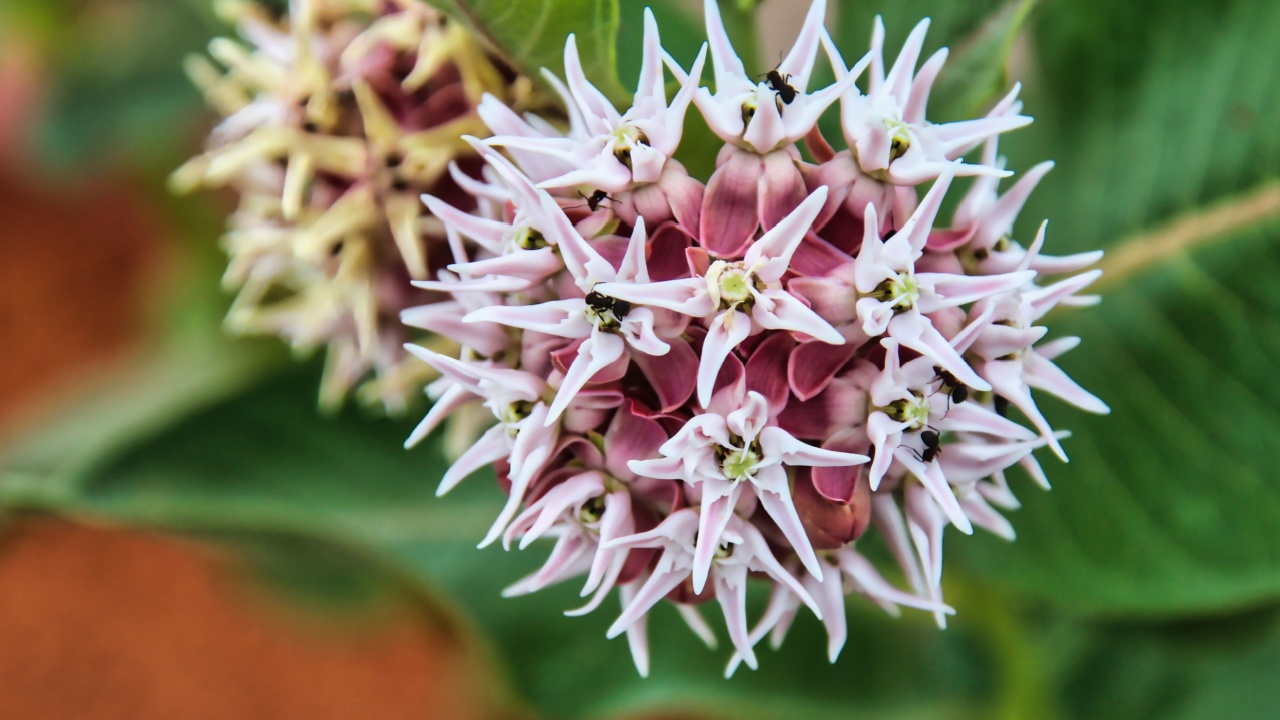
The western counterpart to Common Milkweed, Showy Milkweed has slightly larger, more star-shaped pinkish-white flowers. It serves the same critical ecological roles, supporting monarch butterflies and, later, feeding birds.
Why it’s great for birds: The seeds and silky floss are nearly identical to those of Common Milkweed. Birds use the floss for nesting and eat the seeds. The sturdy stalks also make great perches.
Care Tips: Grow in full sun. This species is more tolerant of dry soils than its eastern cousin once established. Sow seeds in fall for the best germination the following spring.
- Sun: Full sun
- Height: 1-4 feet
- Zones: 3-9
15. Jack in the Pulpit (Arisaema triphyllum)
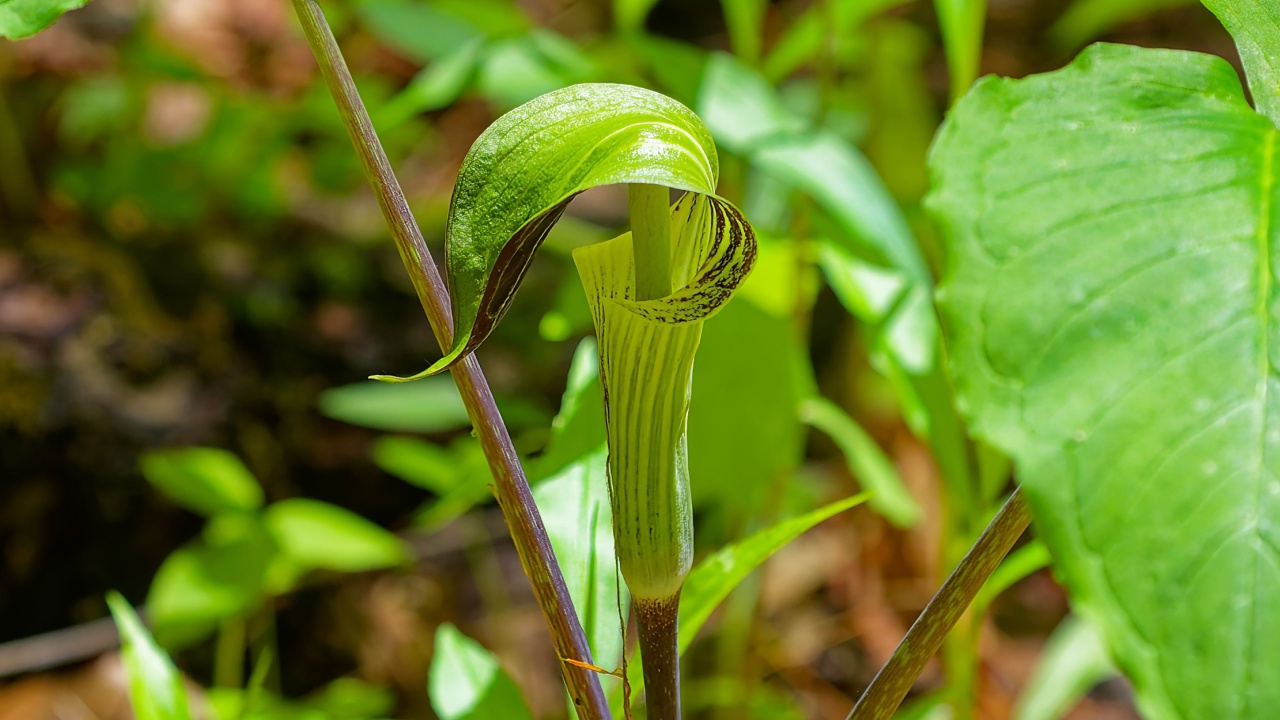
This is a truly unique plant for a shady, woodland garden. It has a peculiar flower structure, a hooded spathe (the “pulpit”) enclosing a central spadix (the “Jack”). After pollination, it produces a cluster of brilliant red berries.
Why it’s great for birds: The fleshy berries are a food source for woodland birds like thrushes and wild turkeys. The bright red color makes them highly visible against the forest floor, even after the leaves have died back.
Care tips: Plant in partial to full shade in rich, moist, well-drained soil. It’s a slow grower, but worth the wait. The berries are toxic to humans, so be mindful of placement.
- Sun: Partial to full shade
- Height: 1-2 feet
- Zones: 4-9
16. Purple Mullein (Verbascum phoeniceum)
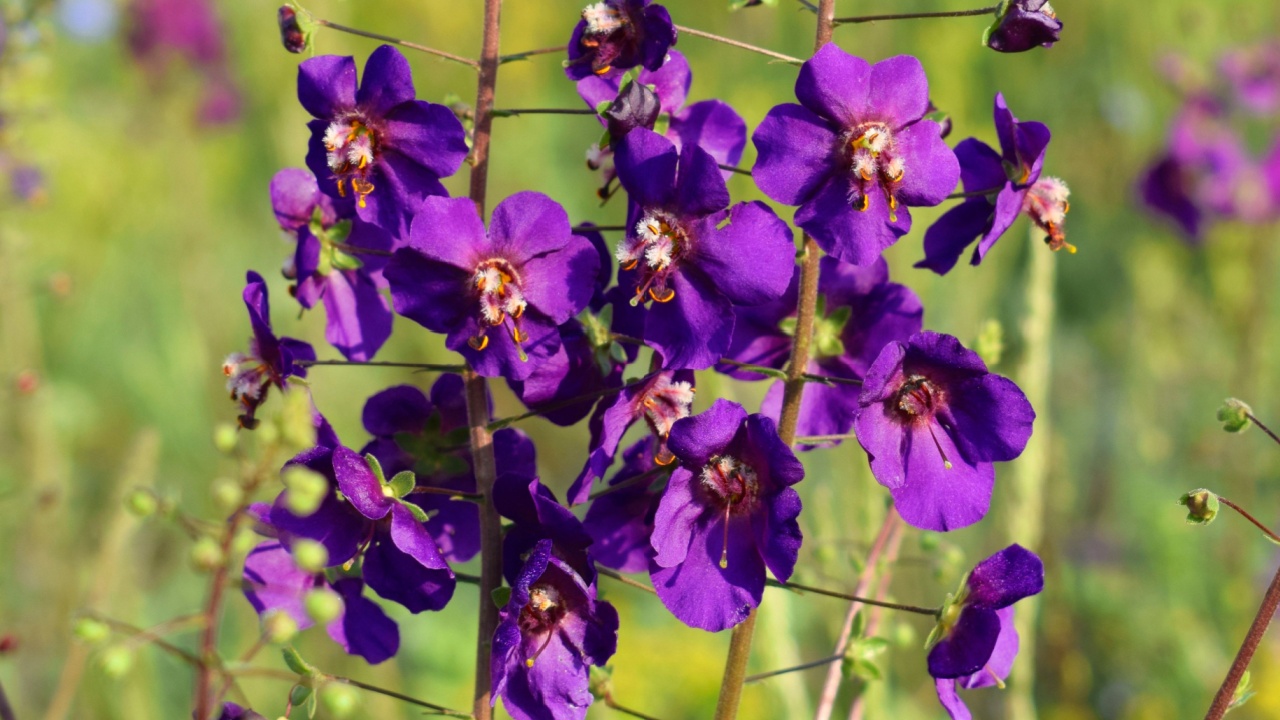
This elegant perennial sends up graceful spikes of purple, pink, or white flowers from a low rosette of leaves. The slender, dark seed spikes that follow are both beautiful in the winter garden and useful to birds.
Why it’s great for birds: Small birds like finches and siskins will cling to the wiry stems to pick out the tiny seeds from the pods. It provides a food source when other supplies might be low.
Care Tips: Purple Mullein loves full sun and well-drained soil. It’s short-lived but will often reseed. Leave the brown stems standing for winter texture and bird feeding.
- Sun: Full sun
- Height: 2-4 feet
- Zones: 4-8
17. Pansy (Viola x wittrockiana)
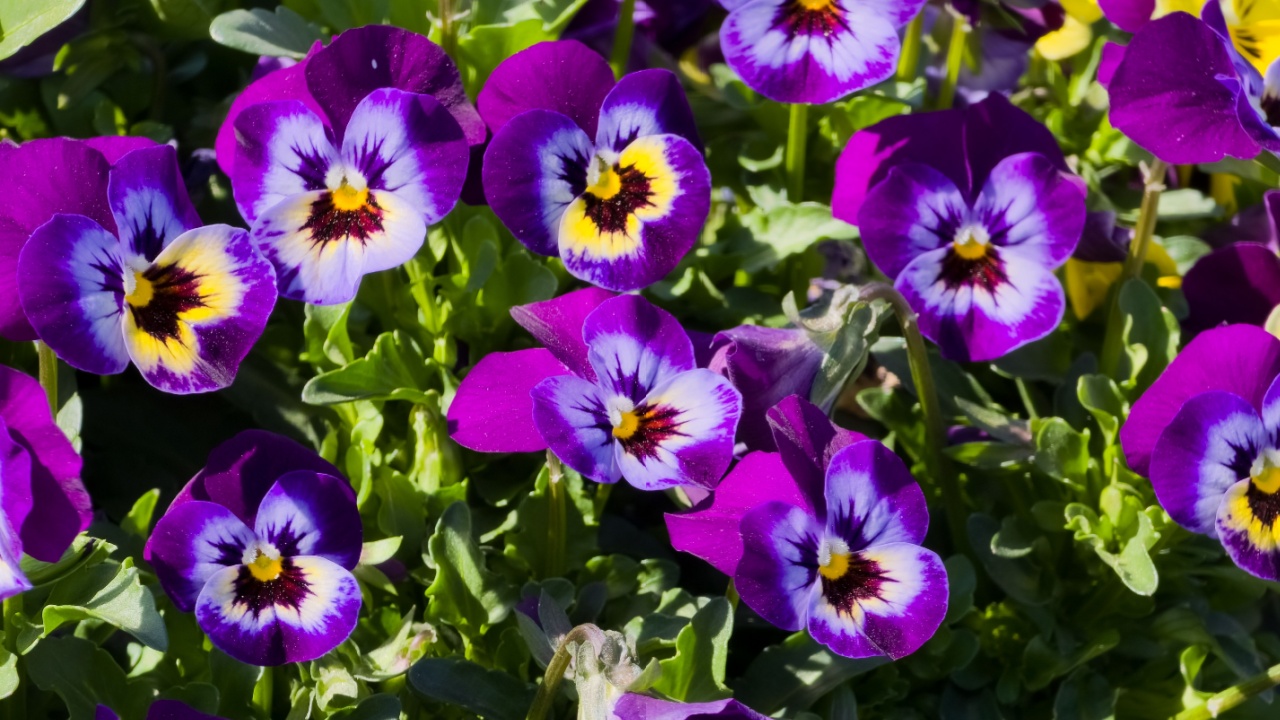
These cheerful cool-season flowers are often treated as annuals, but they are technically short-lived perennials. If left in the garden, their flowers will produce small seed pods that pop open when ripe.
Why it’s great for birds: While not a primary food source, ground-feeding birds like juncos and sparrows will eat the scattered seeds. Some birds are also known to occasionally eat the flower petals.
Care Tips: Plant in full sun to partial shade in rich, moist soil. To get seeds, you’ll need to stop deadheading and allow the spent flowers to form pods.
- Sun: Full sun to partial shade
- Height: 6-10 inches
- Zones: 4-9
18. Trumpet Vine (Campsis radicans)

This vigorous, high-climbing native vine produces large, trumpet-shaped orange-red flowers that are a favorite of hummingbirds. In the fall, these flowers are replaced by long, bean-like seed pods.
Why it’s great for birds: The pods hang on the vine through winter, eventually splitting to release winged seeds. Finches and chickadees will seek out these pods for the seeds inside. The dense tangle of vines also provides excellent shelter and nesting sites.
Care Tips: Be careful where you plant this one! It is an aggressive grower and needs a very sturdy support, like a strong fence or a large arbor. Plant in full sun. Prune it back hard in late winter to control its size.
- Sun: Full sun to partial shade
- Height: 20-40 feet (vine)
- Zones: 4-10
19. English Daisy (Bellis perennis)
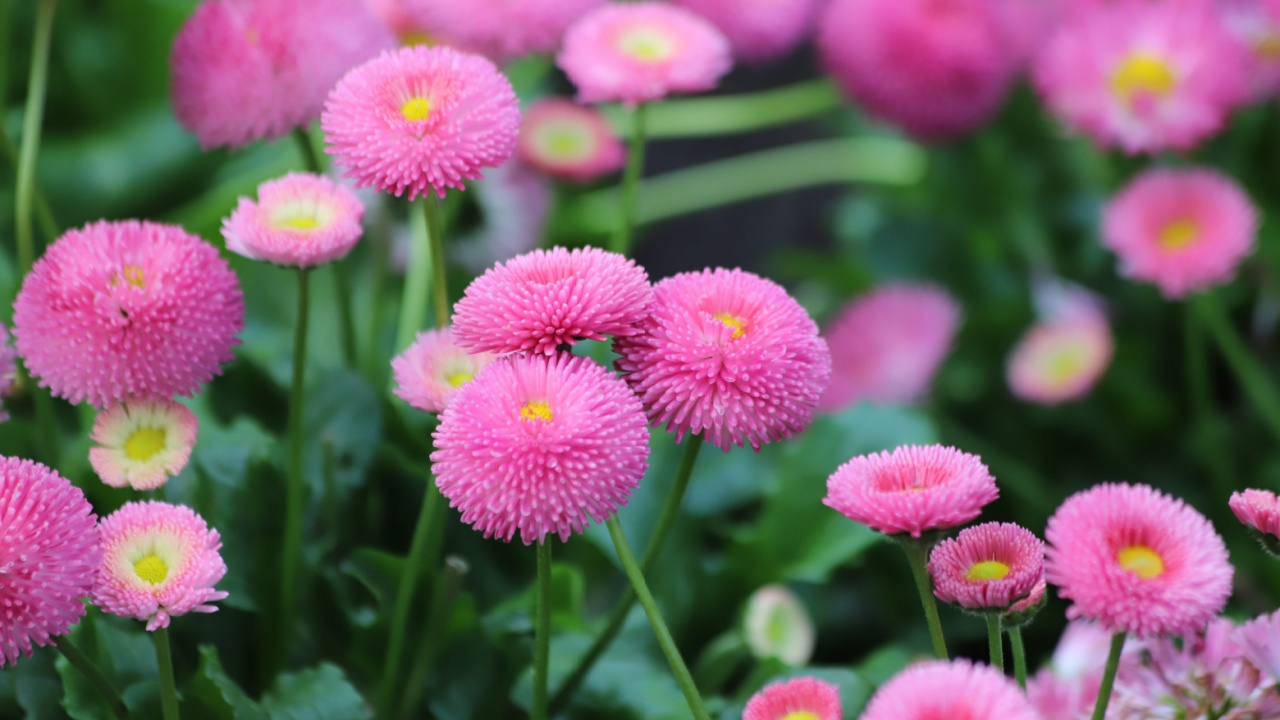
These low-growing daisies often pop up in lawns and are one of the first flowers of spring. They are cold-tolerant and can produce flowers and seeds when little else is available.
Why it’s great for birds: Sparrows, finches, and other seed-eaters will consume the small seeds from the spent flower heads. Because they grow low to the ground, they are a great food source for ground-foraging birds.
Care Tips: English Daisies prefer full sun to part shade and moist soil. They often naturalize in lawns. To help the birds, simply let them grow and go to seed.
- Sun: Full sun to partial shade
- Height: 3-6 inches
- Zones: 4-8
20. Mountain Sneezeweed (Helenium autumnale)
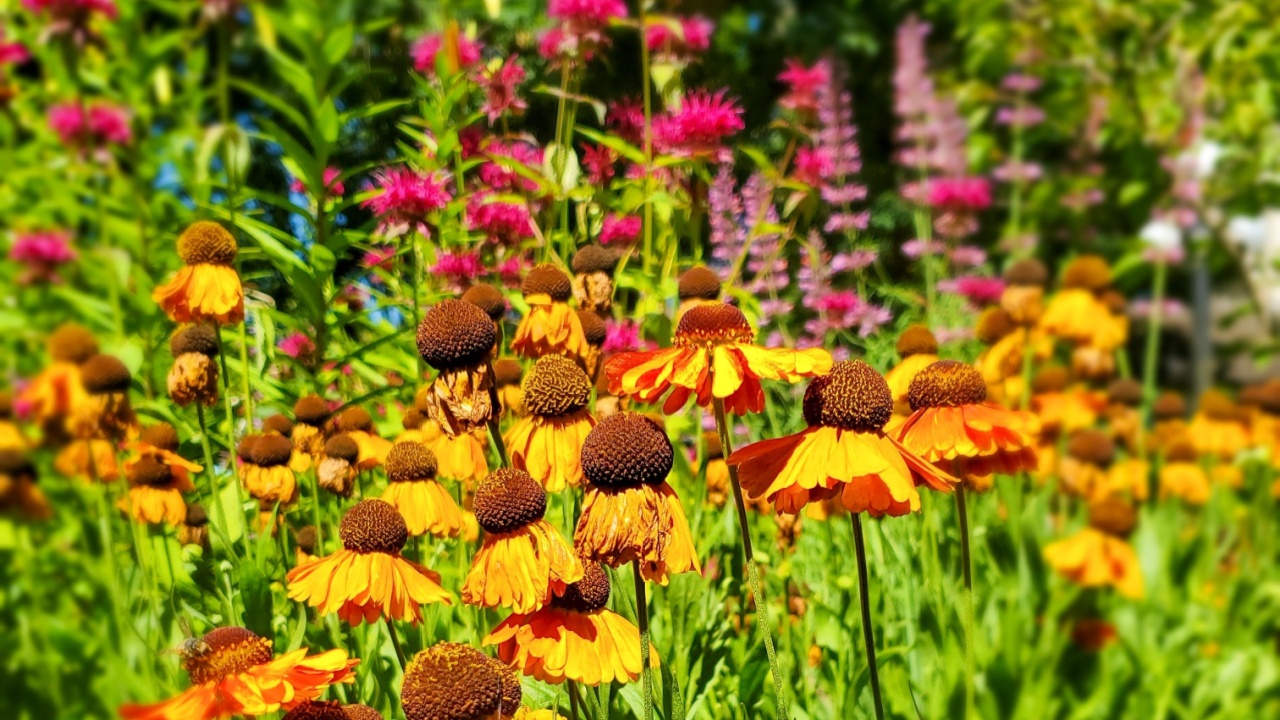
This fantastic native perennial lights up the late-summer and fall garden with masses of bright yellow, daisy-like flowers. The petals have a unique scalloped edge and droop downwards from a prominent central button.
Why it’s great for birds: The “button” center of the flower matures into a rounded seed head. Finches and other small songbirds love to land on the sturdy stems and peck away at these nutritious seed clusters.
Care Tips: Plant in full sun and in soil that stays consistently moist. It’s a great choice for rain gardens or near a downspout. Leave the stalks and their button-like seed heads standing all winter.
- Sun: Full sun
- Height: 3-5 feet
- Zones: 3-8
Cultivating a Bird-Friendly Garden
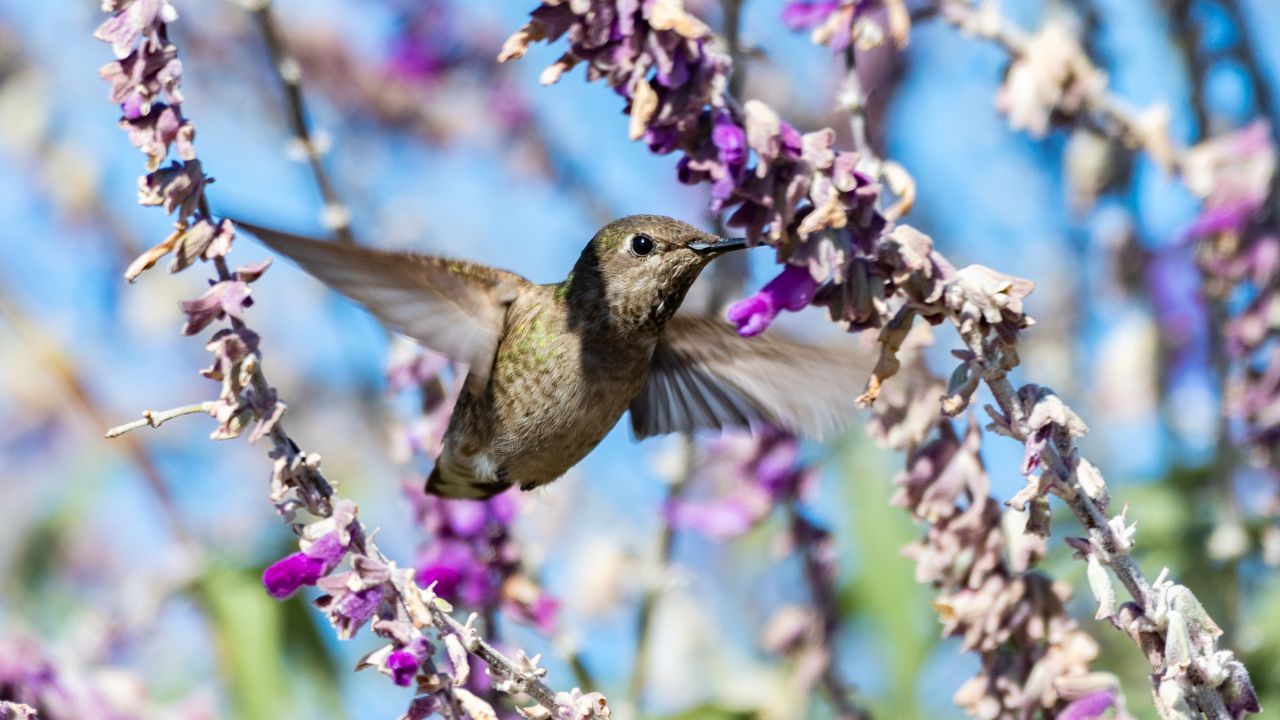
Creating a garden that supports birds through the winter doesn’t require a lot of extra work; in fact, it often means doing less. The first and most important step is to resist the urge to clean up. Put down the pruners and let your perennials stand tall. Their seed heads will provide food, their stems will offer shelter, and their structure will add beauty and interest to the winter landscape.
Consider adding a few of the perennials from this list to your garden next spring. By choosing native plants, you provide the exact food that your local bird populations have evolved to eat. With a little planning, your garden can become a beautiful, four-season oasis that is humming with life, even on the coldest winter day.