13 Pumpkin Colors and Their Meanings You Probably Didn’t Know
As the air turns crisp and leaves begin to blush with autumn hues, our attention turns to one of the season’s most iconic symbols: the pumpkin. More than just a carving canvas for spooky faces, pumpkins are a versatile and meaningful part of fall for any home and garden enthusiast. They bring a touch of rustic charm to our porches and a wealth of flavor to our kitchens. But did you know that the color of a pumpkin can tell a story, represent a cause, or hint at its unique culinary profile?
This guide will take you beyond the classic orange and explore the vibrant world of pumpkins. You’ll discover the meanings behind 13 different colors, from naturally occurring heirlooms to painted gourds that share a special message.
1. The Classic Orange Pumpkin
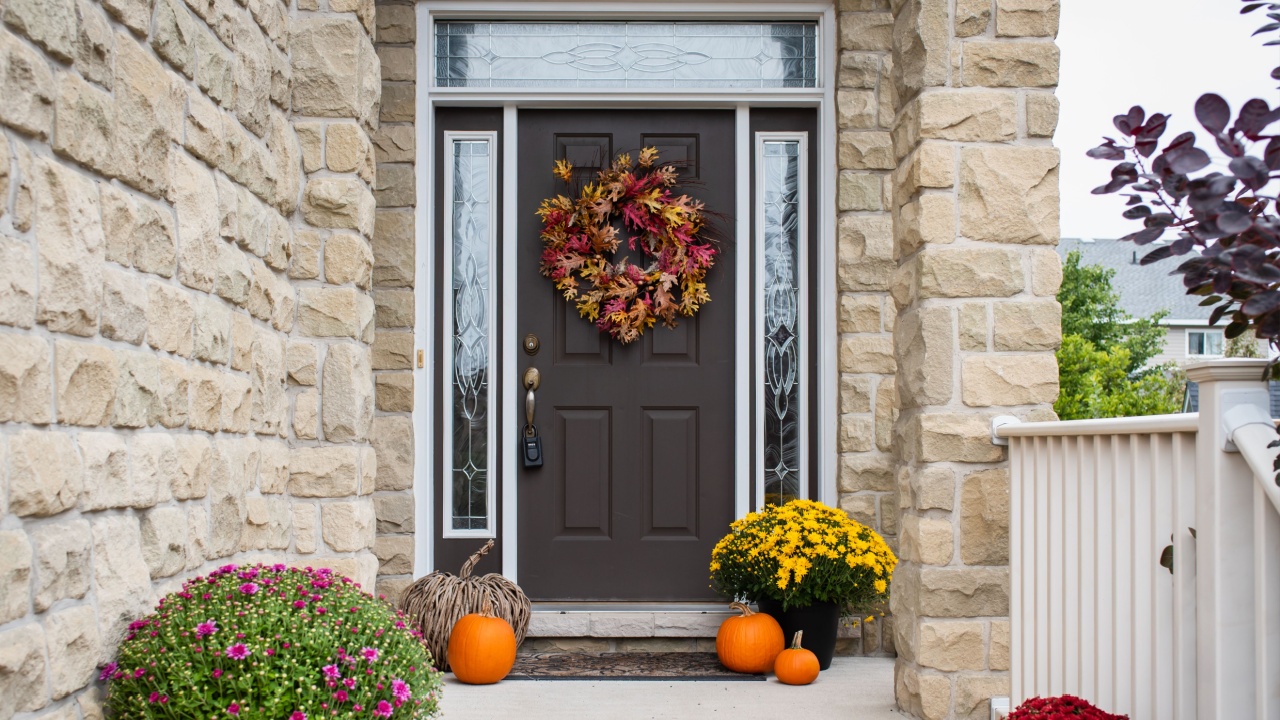
The quintessential color of fall, the orange pumpkin is a staple in autumn decor and tradition. Its vibrant, warm hue is synonymous with harvest time, Halloween, and cozy family gatherings. From massive carving pumpkins to smaller “pie” varieties, the orange pumpkin is the one we all know and love.
These pumpkins are a top choice for their versatility. Their bright color provides a perfect backdrop for spooky and creative carvings, making them the star of your Halloween porch display. Beyond decoration, many orange pumpkins, like the Sugar Pie or Autumn Gold varieties, are cultivated specifically for their sweet, flavorful flesh, which is perfect for pies, soups, and roasted dishes.
Quick Guide:
- Meaning: Represents the traditional spirit of fall, harvest, and Halloween.
- Best For: Carving jack-o’-lanterns, classic porch decor, and culinary use in pies, breads, and soups.
- Care Tip: To make a carved pumpkin last longer, apply petroleum jelly to the cut edges to prevent them from drying out. Keep it in a cool, shaded spot during the day.
2. The Hopeful Teal Pumpkin
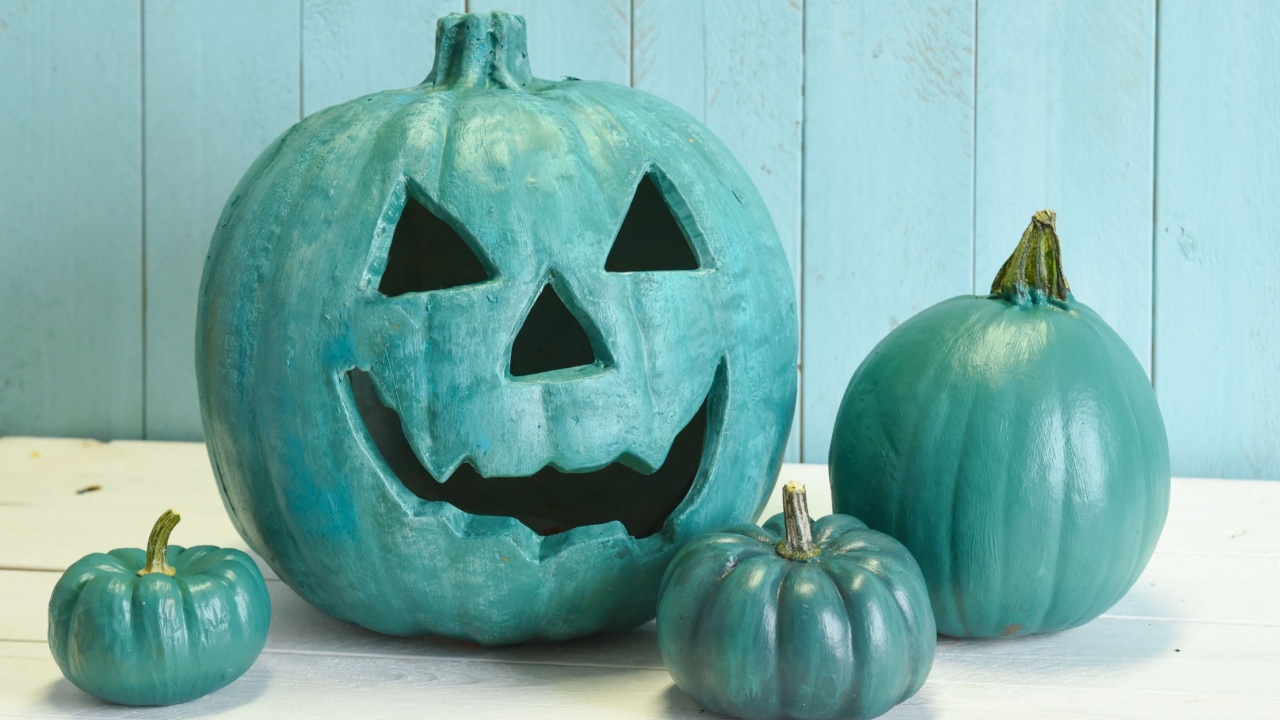
Seeing a teal-colored pumpkin on a doorstep has a very specific and important meaning. It signifies that the home offers non-food treats for trick-or-treaters, making Halloween safer and more inclusive for children with food allergies. This wonderful initiative is part of the Teal Pumpkin Project, started by Food Allergy Research & Education (FARE).
Choosing to display a teal pumpkin is a powerful gesture of community support. It tells families managing allergies that you care about their children’s well-being. You can participate by painting any pumpkin teal or buying a reusable one. It’s a simple act that makes a huge difference, ensuring every child can enjoy the fun of trick-or-treating.
Quick Guide:
- Meaning: Allergy-safe home offering non-food treats for trick-or-treaters.
- Best For: Creating an inclusive and safe Halloween for all children in your community.
- Next Step: If you display a teal pumpkin, be sure to have a separate bowl of small toys, stickers, bubbles, or glow sticks to offer alongside any traditional candy.
3. The Mysterious Black Pumpkin
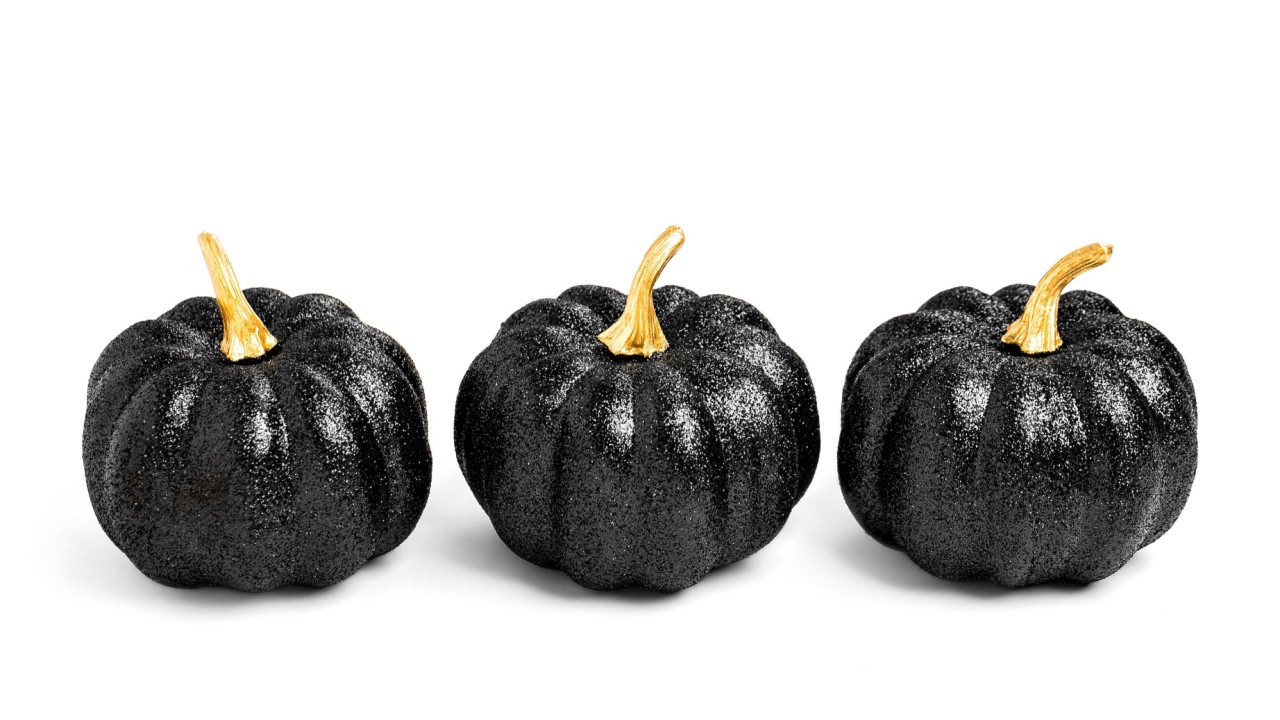
A black pumpkin brings a touch of drama and elegance to autumn decor. While not a naturally occurring color, painting a pumpkin black creates a striking visual contrast against traditional orange and white gourds. In color psychology, black represents power, mystery, and sophistication, making it a perfect choice for a more modern or gothic-inspired fall theme.
Black pumpkins are an excellent option for those looking to create a unique and spooky display. They can be left glossy and unadorned for a chic look or used as a dark canvas for metallic paint, intricate carvings, or even starry night designs. They evoke the darkness of Halloween night and the spiritual side of the season.
Quick Guide:
- Meaning: Symbolizes mystery, sophistication, and the spookiness of Halloween.
- Best For: Modern or gothic-themed decor, creating dramatic porch displays, and as a canvas for creative painting.
- Decor Tip: Pair black pumpkins with metallic gold or silver accents and white pumpkins for a high-contrast, elegant arrangement.
4. The Supportive Blue Pumpkin
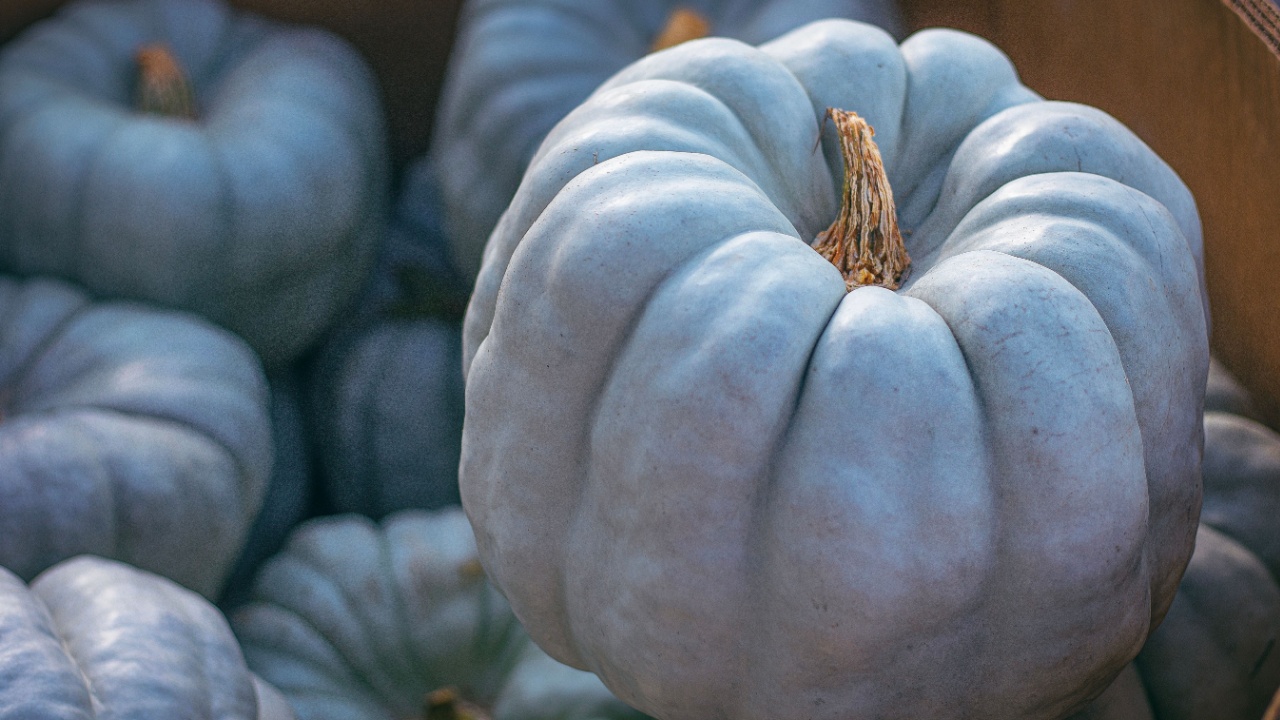
Similar to the teal pumpkin, a blue pumpkin also carries a special message of awareness and support. A blue Halloween bucket or a blue pumpkin on the porch is often used to signify that a trick-or-treater or a resident of the home has autism. The color gently communicates that a child may be nonverbal, have sensory sensitivities, or simply interact differently.
While some natural pumpkin varieties like the Jarrahdale have a blue-gray hue, the bright blue pumpkin is a symbol of understanding. It’s a quiet way to ask for patience and kindness, reminding us that Halloween should be enjoyable for everyone. These naturally blue-hued pumpkins are also fantastic in the kitchen, known for their sweet, golden flesh that is stringless and perfect for roasting or mashing.
Quick Guide:
- Meaning: Raises awareness for autism and signals a need for patience and understanding. Natural blue pumpkins are also a gourmet choice.
- Best For: Showing support for the autism community; culinary blue varieties are great for roasting, baking, and soups.
- Gardening Tip: If you grow Jarrahdale pumpkins, harvest them when the rind is hard and uniformly blue-gray. They are excellent keepers and can be stored for months.
5. The Charitable Pink Pumpkin
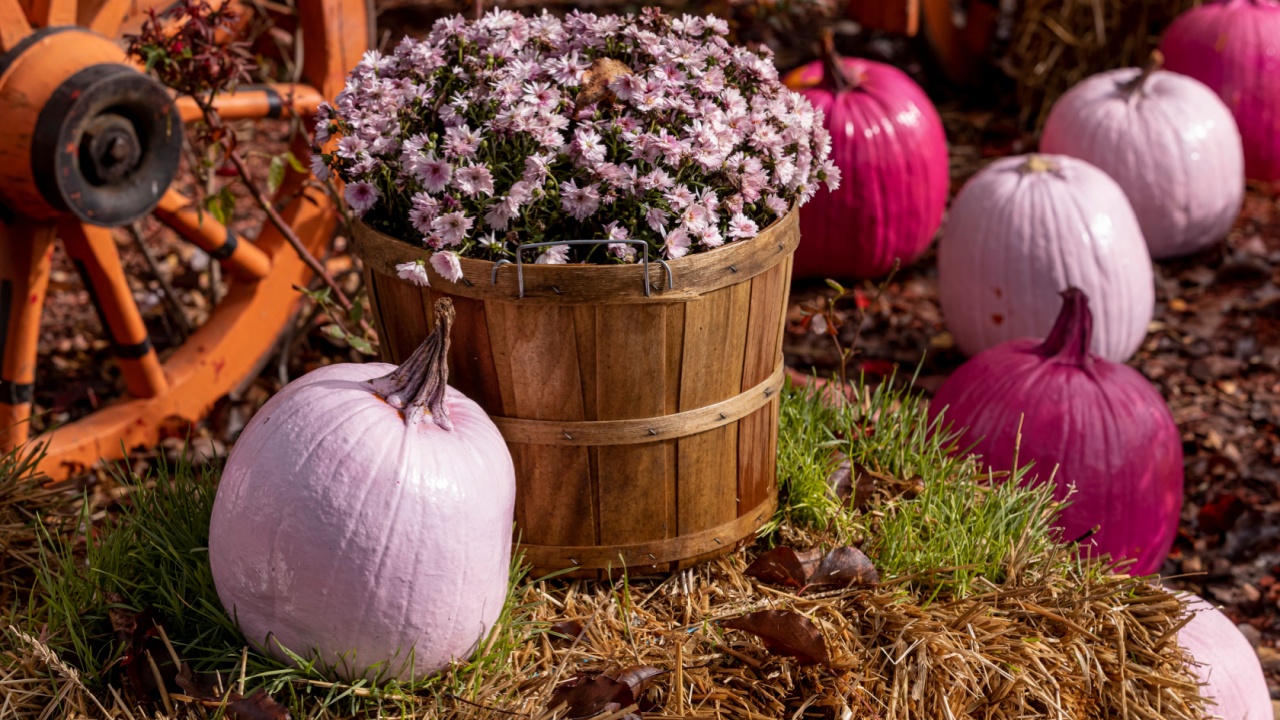
A pink pumpkin displayed on a porch is often a symbol of support for breast cancer awareness, much like the iconic pink ribbon. This can signify that someone in the home is a survivor, is currently battling the disease, or simply stands in solidarity with those affected. The Porcelain Doll pumpkin, a beautiful hybrid with a soft pink hue, was developed in part to support this cause.
The Pink Pumpkin Patch Foundation receives a portion of the proceeds from the sale of Porcelain Doll seeds, which funds breast cancer research. These pumpkins are not only meaningful but also aesthetically lovely, with a smooth, pale-pink rind that adds a soft, elegant touch to any fall display. Their sweet flesh is also excellent for cooking.
Quick Guide:
- Meaning: Symbolizes support for breast cancer awareness and research.
- Best For: Showing solidarity, creating beautiful and soft-toned fall decor, and cooking.
- Next Step: Look for Porcelain Doll pumpkins or seeds at your local garden center. By growing or buying them, you can contribute to a worthy cause. Can’t find them? You can also paint a pumpkin pink in support.
6. The Awareness-Raising Purple Pumpkin
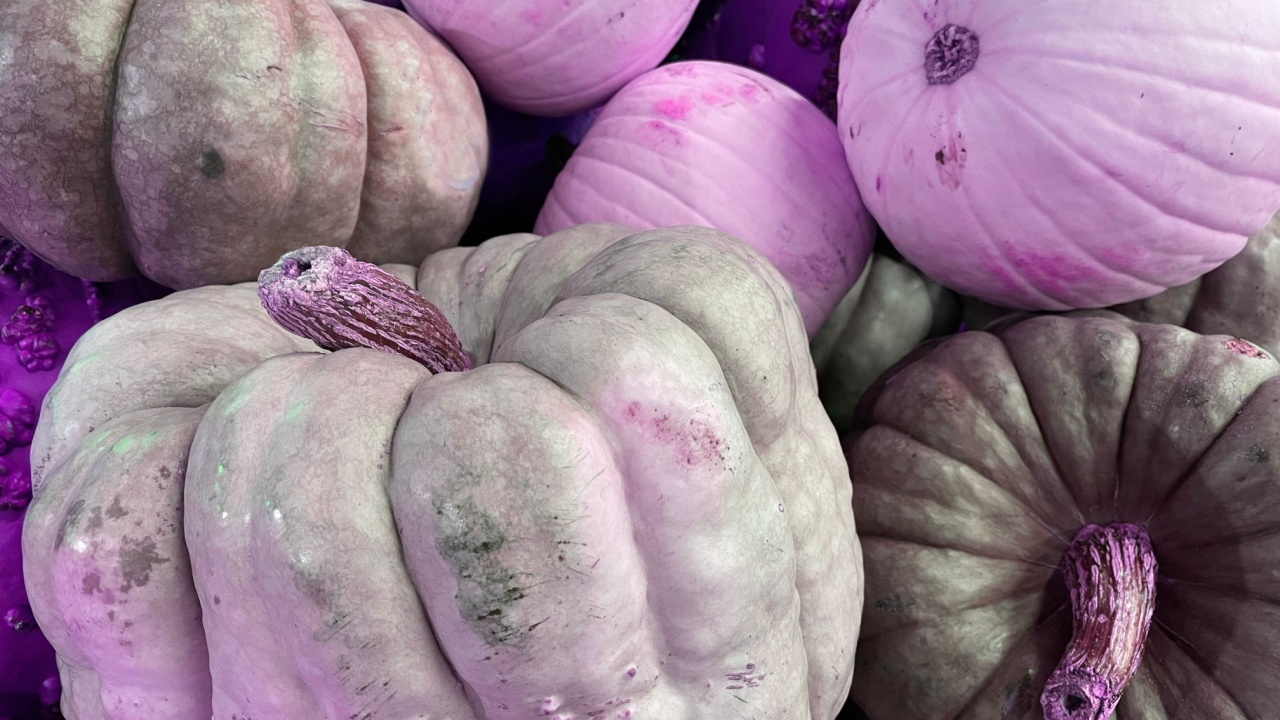
The Purple Pumpkin Project was created to raise awareness for epilepsy, a neurological condition that affects millions of people worldwide. A purple-painted pumpkin on display serves as a conversation starter, helping to educate others about epilepsy and the challenges faced by individuals and families living with it.
By painting a pumpkin purple, you join a movement to shine a light on this condition. It’s a simple yet effective way to show support for the epilepsy community and encourage dialogue. This is an excellent project for families, schools, or community groups looking to participate in a meaningful cause during the fall season.
Quick Guide:
- Meaning: Raises awareness and shows support for those affected by epilepsy.
- Best For: Educating your community, starting conversations about epilepsy, and showing support.
- Next Step: Visit the Epilepsy Foundation’s website to learn more about the Purple Pumpkin Project and find resources to share with others.
7. The Heirloom Tan Pumpkin
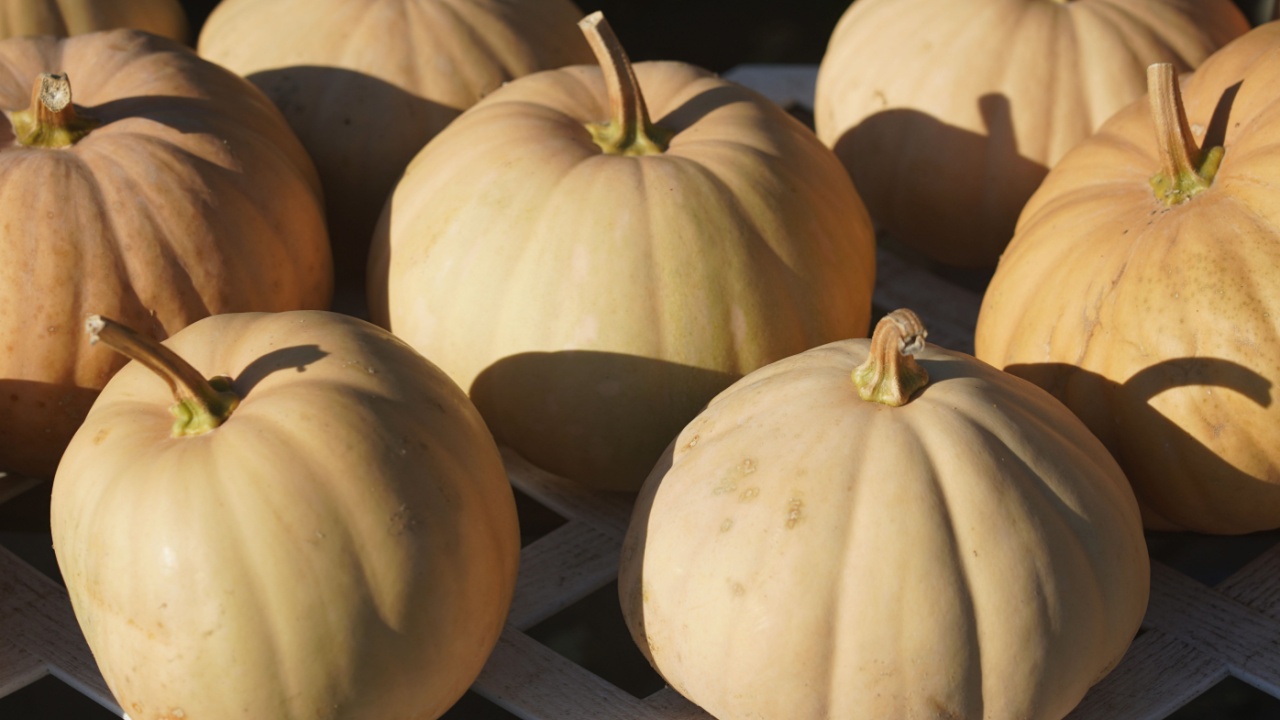
Tan or buff-colored pumpkins are often heirloom varieties with a rich history. The most famous is the Long Island Cheese pumpkin, so named because its flattened, ribbed shape resembles a wheel of cheese. This variety was once on the brink of extinction but has made a comeback thanks to dedicated seed savers.
These pumpkins are a fantastic choice for both decor and dining. Their muted, earthy tone adds a sophisticated, rustic feel to fall arrangements. More importantly, they are celebrated by chefs for their sweet, stringless, and deeply colored flesh, which is perfect for making exceptionally smooth pumpkin pies and velvety soups.
Quick Guide:
- Meaning: Represents heirloom heritage and culinary excellence.
- Best For: Creating a rustic or farmhouse-style aesthetic, baking superior pumpkin pies, and making creamy soups.
- Gardening Tip: Long Island Cheese pumpkins are vining plants that need plenty of space to grow. Harvest before the first hard frost, leaving a few inches of stem attached.
8. The Ghostly White Pumpkin
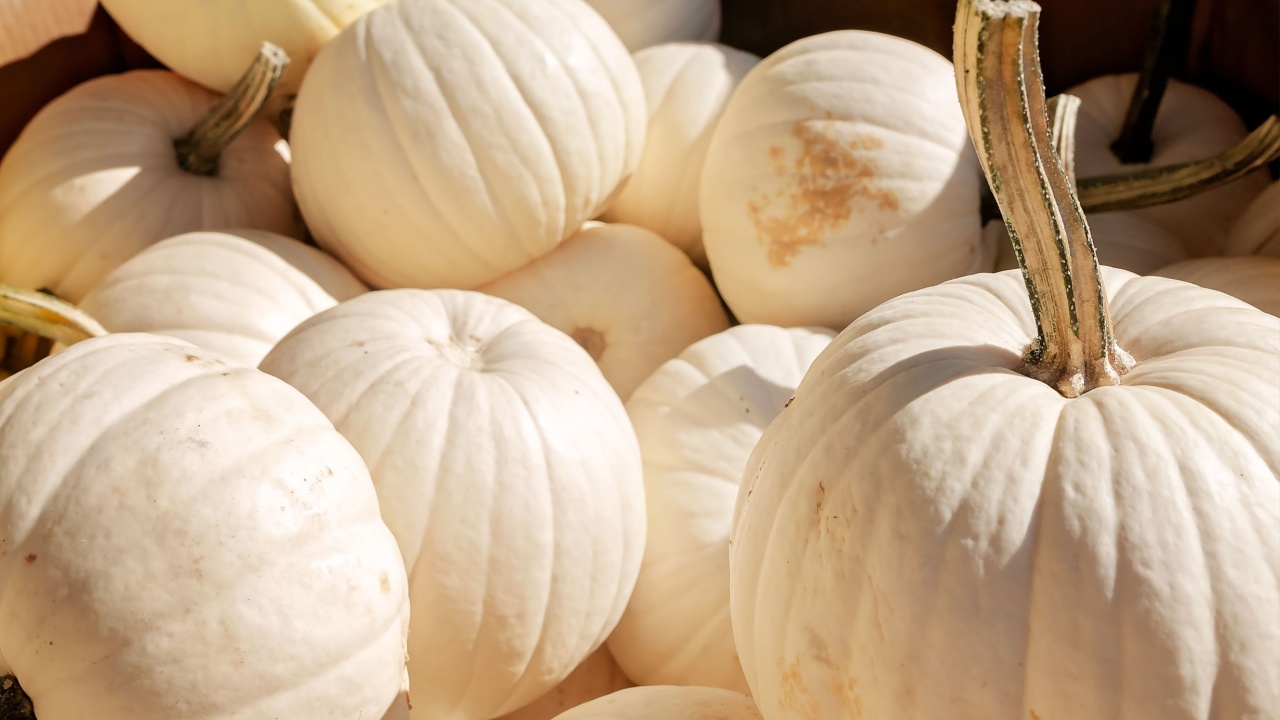
White pumpkins, often called Casper, Lumina, or Ghost pumpkins, offer a chic and modern alternative to their orange cousins. Their stark white skin provides a ghostly canvas perfect for both elegant and spooky decorations. When carved, the contrast between the white exterior and the orange flesh inside creates a wonderfully eerie glow.
These pumpkins are a decorator’s dream. They fit seamlessly into any color scheme, from minimalist farmhouse to vibrant and colorful displays. While some smaller white varieties are purely ornamental, many larger ones have a mild, nutty flavor that works well in savory dishes like soups or roasted vegetable medleys.
Quick Guide:
- Meaning: Often associated with a ghostly or chic aesthetic.
- Best For: Elegant fall decor, modern farmhouse style, and creating striking carved designs.
- Care Tip: White pumpkins can be susceptible to bruising and discoloration. Handle them gently and wipe them with a dry cloth to keep them looking pristine.
9. The Sunny Yellow Pumpkin
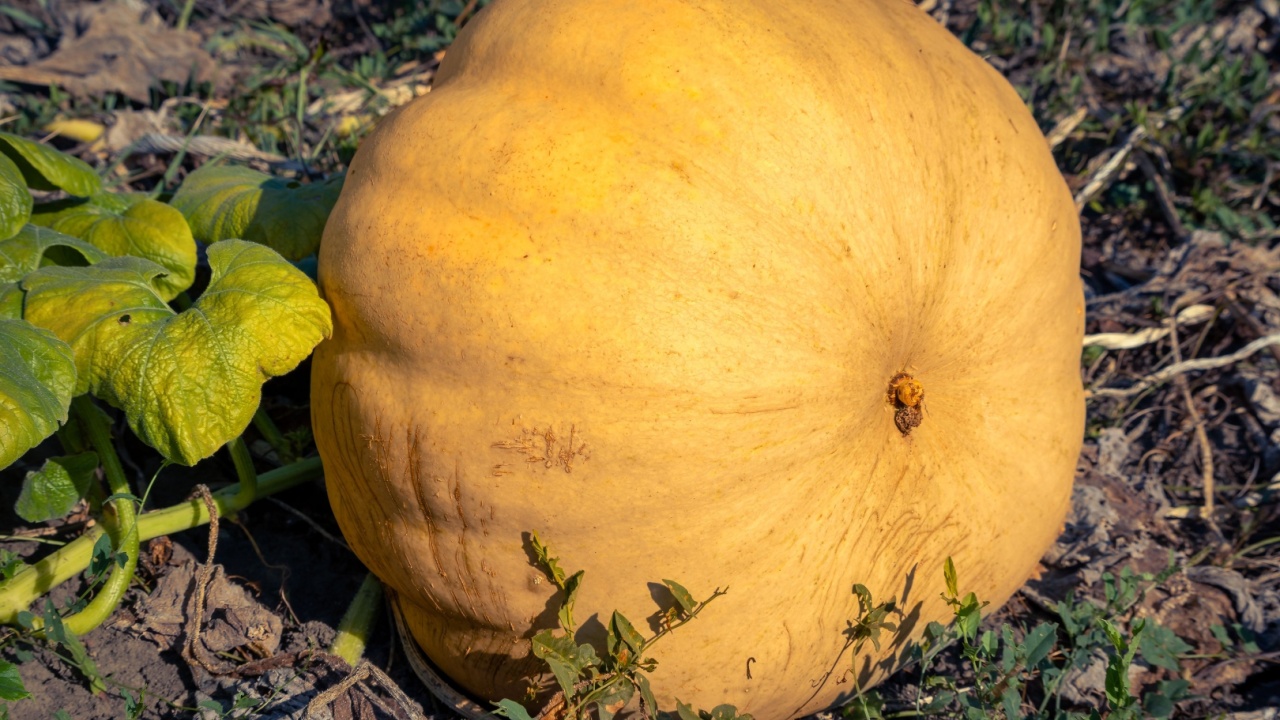
Bright and cheerful, yellow pumpkins bring a splash of sunshine to your fall garden and decor. Varieties like the Sunlight or Mellow Yellow pumpkin mature to a vibrant yellow instead of orange. These naturally yellow gourds stand out in a pumpkin patch and add a unique pop of color to any autumnal arrangement.
Yellow pumpkins are a great choice if you want to diversify your fall color palette. They pair beautifully with both traditional orange pumpkins and deep green or red gourds. They generally have a mild flavor similar to summer squash and can be used in the same ways, roasted, sautéed, or hollowed out and used as a festive soup tureen.
Quick Guide:
- Meaning: Represents cheerfulness and sunshine in the fall season.
- Best For: Adding a bright, unexpected color to decor and pairing with other colorful gourds.
- Decor Tip: Create a stunning fall centerpiece by arranging yellow pumpkins with purple mums and deep red maple leaves for a complementary color scheme.
10. The Fairytale Red Pumpkin
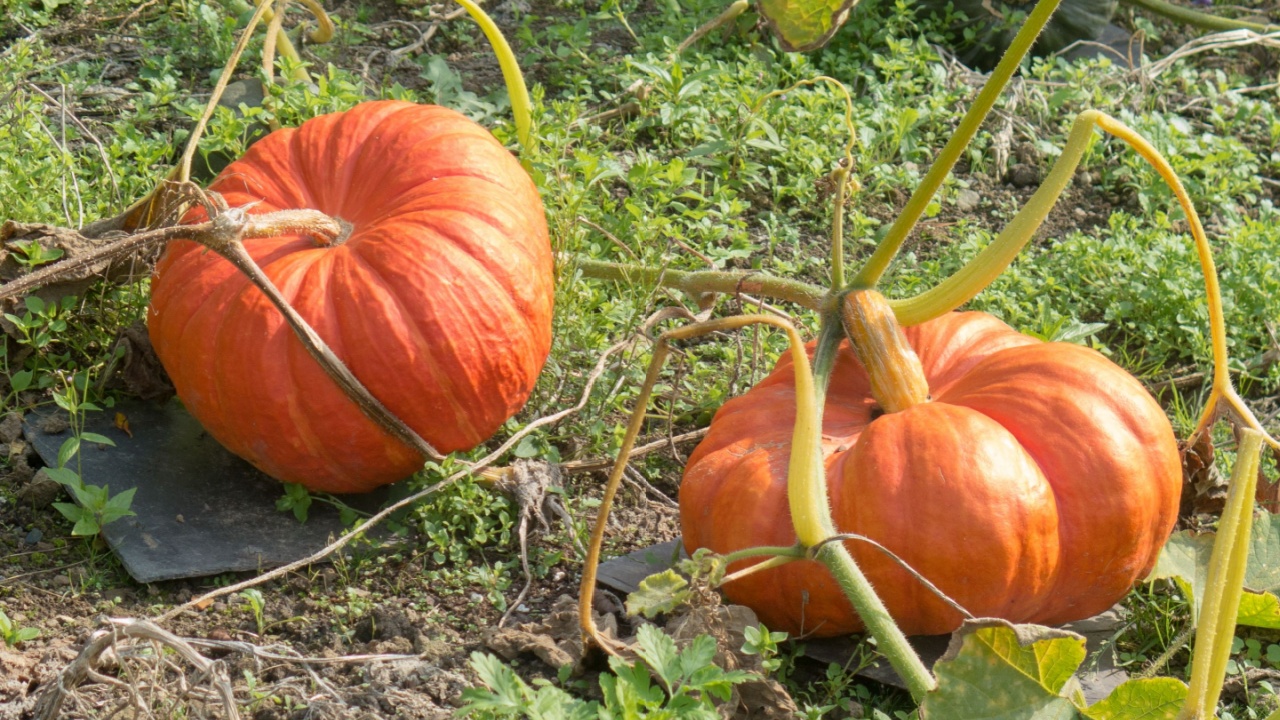
Deep red pumpkins, like the Rouge Vif d’Etampes, are often called “Cinderella pumpkins.” This French heirloom variety is believed to be the model for the magical carriage in the Cinderella fairytale. Its flattened shape and vibrant reddish-orange skin make it one of the most enchanting pumpkins you can grow or buy.
This pumpkin is a showstopper in any garden or porch display. Its fairytale connection makes it a favorite among children and adults alike. Beyond its good looks, the Cinderella pumpkin has a moist, custardy flesh that is excellent for pies and French soups. It adds a touch of magic and history to your autumn festivities.
Quick Guide:
- Meaning: Associated with fairytales, magic, and classic French heritage.
- Best For: Creating a whimsical and enchanting fall display; its flesh is ideal for pies and soups.
- Gardening Tip: Give Cinderella pumpkins plenty of room to roam, as their vines can spread up to 10 feet. They are relatively easy to grow from seed.
11. The Festive Orange and Black Pumpkin
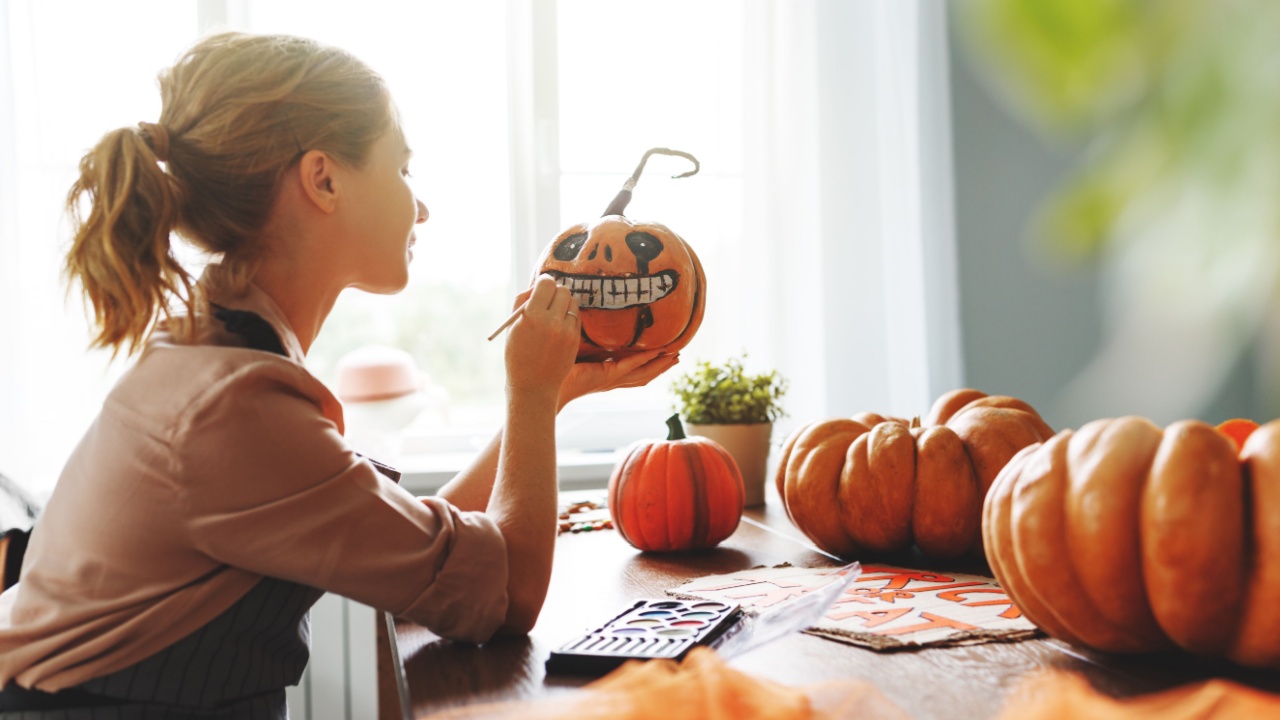
A pumpkin painted with both orange and black is the ultimate symbol of Halloween. These two colors have become inextricably linked with the holiday. Orange represents the warmth of the autumn harvest, while black symbolizes the darkness, mystery, and spooky nature of Halloween night. Together, they perfectly capture the dual spirit of the season.
Decorating with orange and black pumpkins is a great way to fully embrace the Halloween theme. You can paint pumpkins with stripes, polka dots, or checkerboard patterns to create a fun and festive look. This combination is all about celebrating the traditions of Halloween in a bold and graphic way.
Quick Guide:
- Meaning: The quintessential color combination for Halloween, representing harvest and spookiness.
- Best For: Classic Halloween decorations, parties, and embracing the festive spirit.
- Decor Tip: Try painting smaller pumpkins in orange and black patterns and using them to line a walkway or fill a decorative wagon for a big impact.
12. The Unripe Light Green Pumpkin
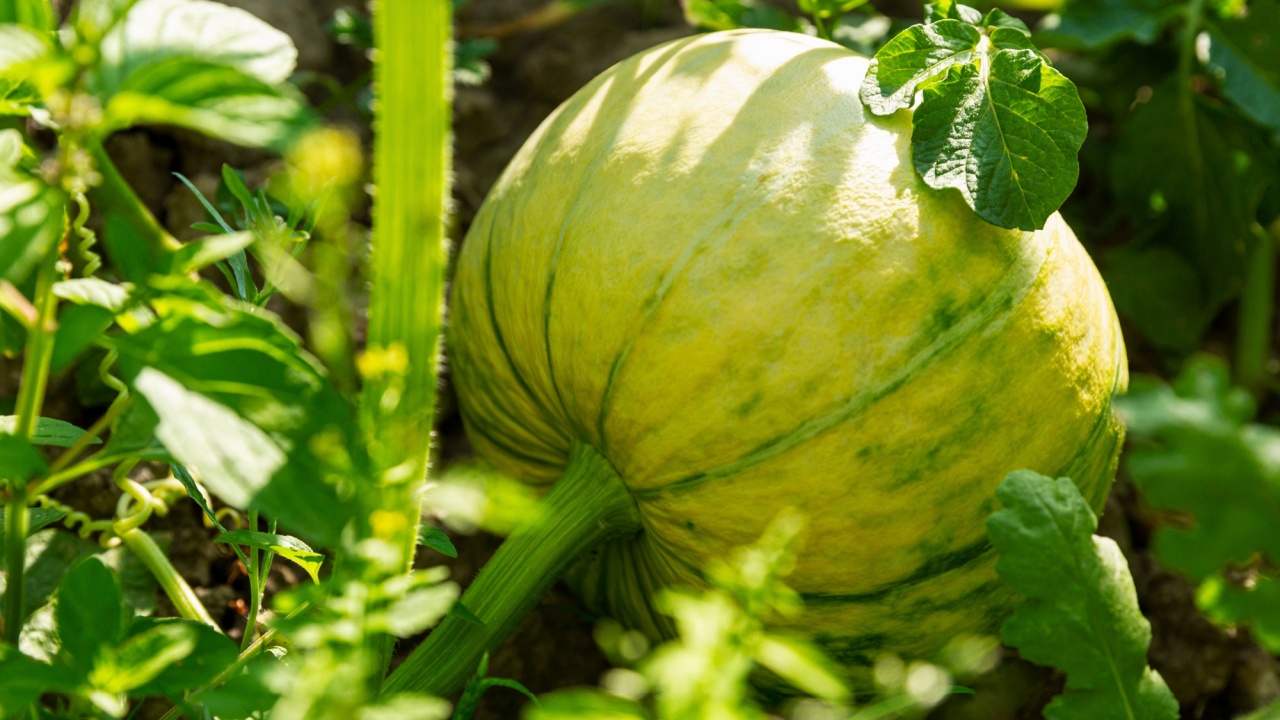
While some pumpkin varieties are green when fully ripe, a light green color on a standard pumpkin typically means it is not yet mature. As pumpkins grow, they start out green due to the presence of chlorophyll. As they ripen, the chlorophyll breaks down, revealing the orange, yellow, or white pigments underneath.
Although an unripe pumpkin isn’t ideal for eating due to its bitter taste, light green pumpkins can still be used in decor. They offer a fresh, natural look that pairs well with flowers and other botanicals. If you accidentally harvest a pumpkin while it’s still green, you can try to cure it in a sunny spot to encourage it to turn orange, though this is not always successful.
Quick Guide:
- Meaning: Usually indicates an unripe, immature pumpkin.
- Best For: Decorative use in natural, botanical-themed arrangements.
- Gardening Tip: To ensure your pumpkins ripen fully, wait until the rind is hard and uniformly colored, and the stem has begun to dry.
13. The Rich Dark Green Pumpkin
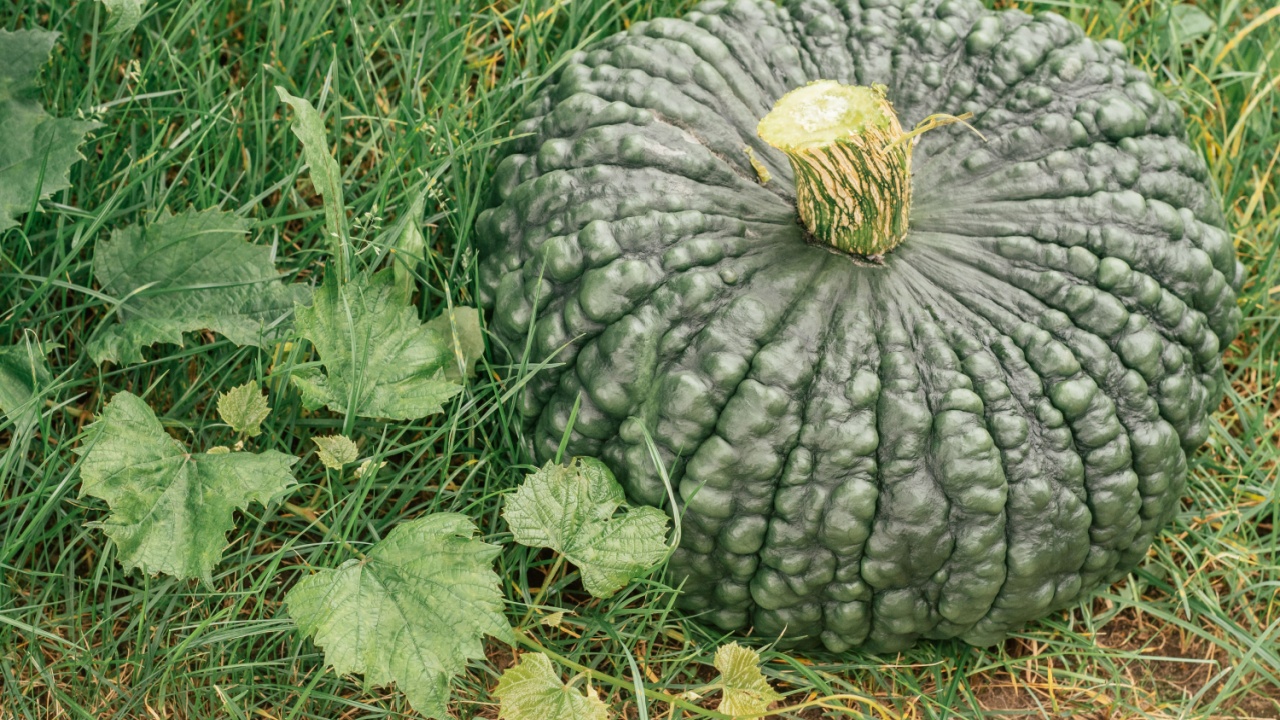
Some of the most delicious and visually striking pumpkins are dark green. Varieties like the Japanese Kabocha squash or the Italian Marina di Chioggia are green even when they are perfectly ripe and ready to eat. These pumpkins are prized for their dense, sweet, and nutty flesh.
Dark green pumpkins are an excellent choice for the adventurous cook and decorator. Their deep, moody color adds depth and texture to fall displays, contrasting beautifully with brighter pumpkins. Kabocha is renowned for its fluffy, chestnut-like texture when roasted, while the bumpy Marina di Chioggia is a classic choice for gnocchi and ravioli filling in Italy.
Quick Guide:
- Meaning: Represents unique, often gourmet, squash varieties with rich flavor.
- Best For: Culinary exploration (roasting, soups, pastas), and adding rich, dark tones to decor.
- Cooking Tip: The skin of a Kabocha squash is edible once cooked, so there’s no need to peel it before roasting.
Decorating Your Porch in Pumpkin Colors this Halloween

Now that you’re familiar with the wonderful world of pumpkin colors, it’s time to bring them into your own home and garden. This fall, challenge yourself to look beyond the standard orange pumpkin. Visit a local farm or market and seek out an heirloom variety like the Long Island Cheese or a stunning Cinderella pumpkin. Consider painting a teal or purple pumpkin to show your support for important causes in your community.
If you have a garden, why not try growing a new variety next year? Seeds for Porcelain Doll, Jarrahdale, and Kabocha pumpkins are widely available. Experimenting with different colors, shapes, and flavors is a rewarding way to connect with the seasons. Whether you’re decorating, cooking, or planting, embracing the diversity of pumpkins will surely enrich your love for all things autumn.