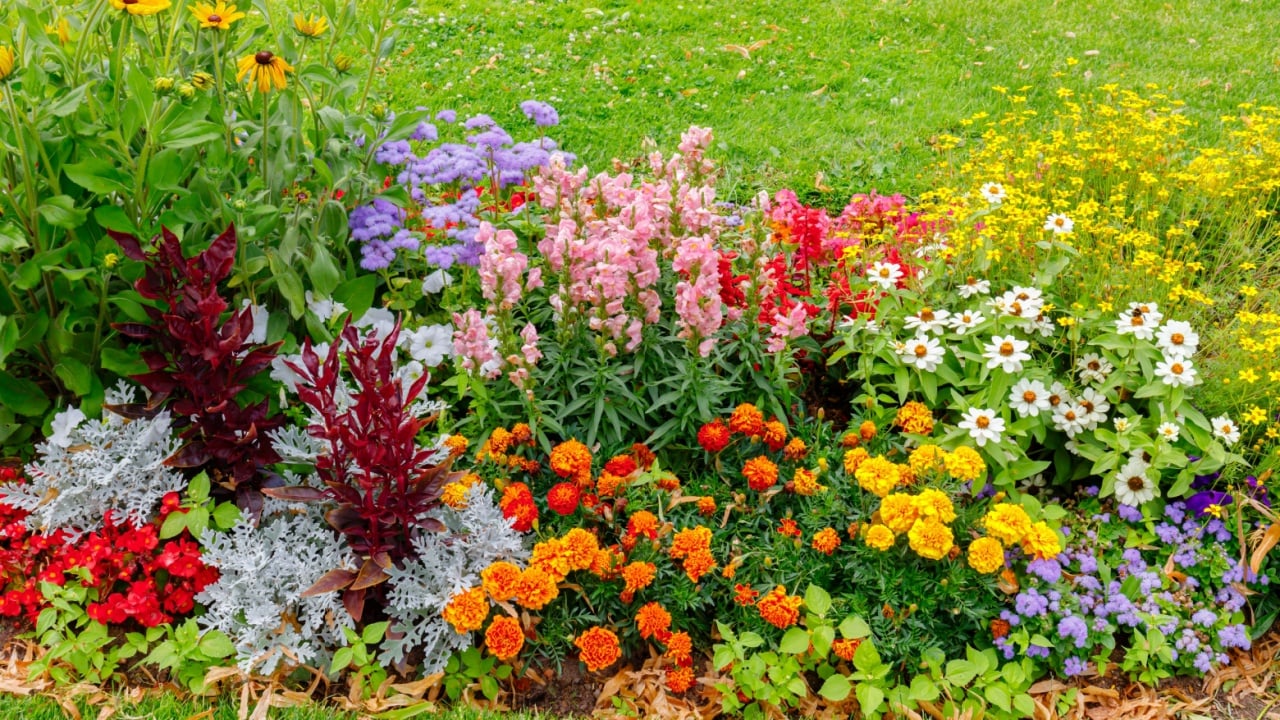
12 Beginner Tips for Starting a Flower Garden from Nothing
Dipping your toes into the world of flower gardening can feel both exciting and a little overwhelming. You might be dreaming of vibrant blooms and lush greenery, but are unsure where to begin.
The good news is that creating a beautiful flower garden is an achievable goal for any beginner. With a bit of planning (great to start now!) and the right knowledge, you can transform a patch of your yard into a personal oasis.
This guide is designed to walk you through the essential steps of starting your flower garden from the ground up.
We’ll cover everything from understanding your environment to choosing the right plants and keeping them healthy. Think of this as your friendly roadmap to a thriving, colorful garden that brings you joy for years to come.
1. Know Your Climate and Environment
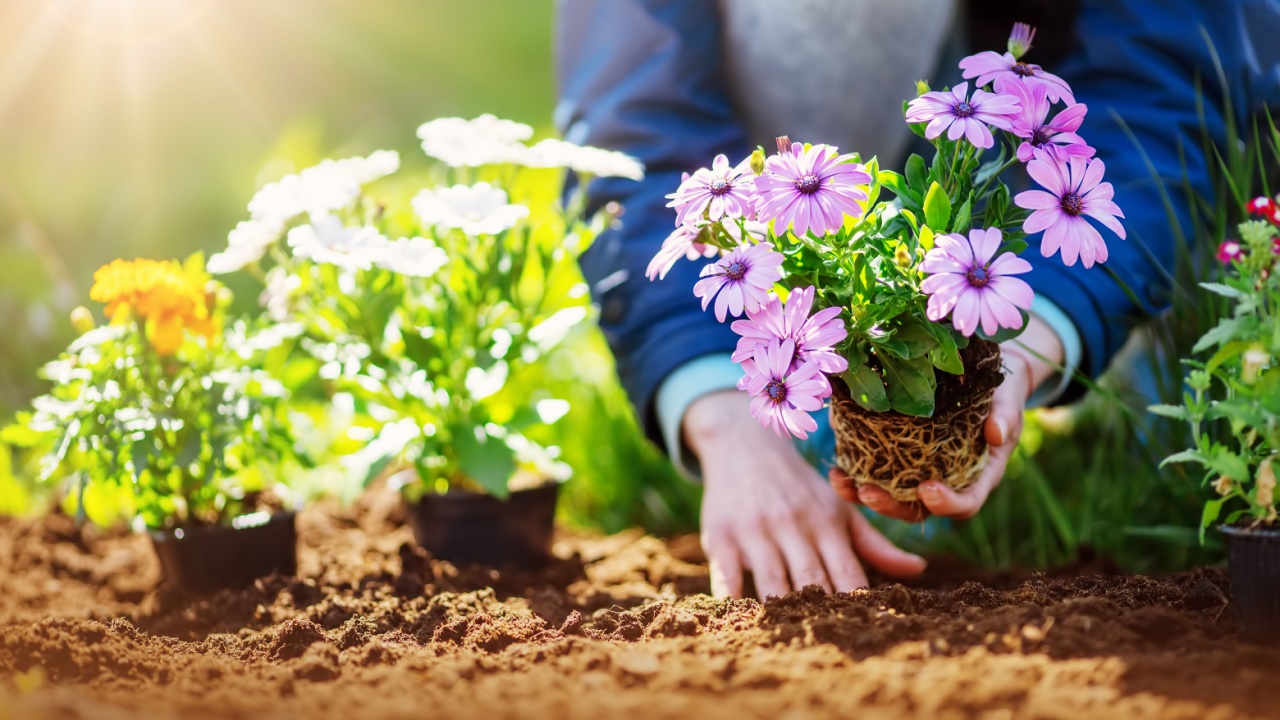
Before you buy a single seed, the most crucial first step is to understand the unique conditions of your backyard. Plants are living things that have specific needs, and matching them to your local environment is the secret to low-maintenance success. This starts with knowing your USDA Plant Hardiness Zone, which tells you the average lowest winter temperatures in your area.
This information is vital for selecting perennial plants that can survive the winter and return year after year. Beyond your zone, consider your microclimate. Does your area experience high humidity, dry heat, or strong winds? Plants that are native to your region are often the easiest to care for because they have already adapted to these exact conditions. While you can certainly grow non-native plants, starting with natives gives you a fantastic advantage.
Quick Tips:
- Find Your Zone: Look up your USDA Hardiness Zone online. It’s a simple search that will guide many of your plant choices.
- Observe Humidity: High humidity can make plants prone to fungal diseases like powdery mildew, while arid climates require more frequent watering.
- Go Native: Research plants native to your state or region. They will support local pollinators and require less intervention from you once established.
2. Understand Your Yard’s Sun Exposure
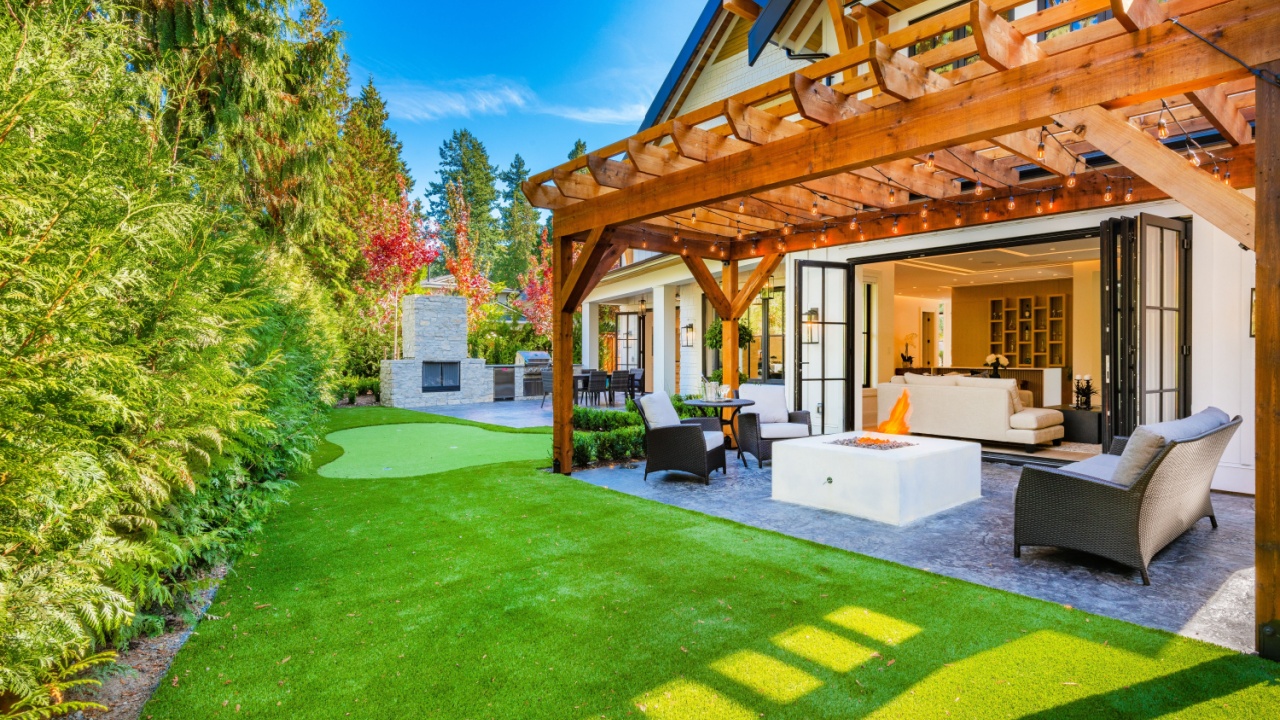
Sunlight is a plant’s primary food source, but not all plants want the same amount. Before you decide where to dig, spend a day observing your yard to map out its sun exposure. You’ll find that different spots receive varying amounts of light as the sun moves across the sky. “Full sun” means an area gets at least six hours of direct, unfiltered sunlight per day. “Partial sun” or “partial shade” refers to four to six hours of direct sun. “Full shade” means less than four hours of direct sun.
Some plants prefer “dappled sun,” which is the gentle, filtered light you’d find under a leafy tree. Creating a simple map of your yard’s light patterns will be an invaluable tool for planning your garden.
Quick Tips:
- Map It Out: On a sunny day, sketch your yard and note which areas are sunny and which are shady at different times (morning, noon, afternoon).
- Read Plant Tags: Plant labels will always specify their light requirements. Don’t try to grow a full-sun plant like a Zinnia in a shady spot; it won’t thrive.
- Consider Reflections: Light can bounce off walls or fences, creating brighter or hotter spots than you might expect.
3. Choose the Right Location

Once you understand your yard’s sun patterns, you can select the perfect spot for your new flower bed. The two most important factors in this decision are sun exposure and water drainage. You’ve already mapped the sun, so now it’s time to think about water. Most plants hate “wet feet,” meaning their roots don’t like to sit in soggy soil.
This can lead to root rot, a common and often fatal plant disease. To check for drainage, observe your yard after a heavy rain. Do you see large puddles that stick around for hours or even days? If so, that’s a poorly drained area. Try to choose a spot where water soaks in or runs off relatively quickly.
Quick Tips:
- Match Location to Plants: Select a location that offers the sun exposure needed by the flowers you want to grow.
- The Rain Test: After the next downpour, identify any low-lying, boggy areas and avoid them for the most common garden flowers.
- Improve Drainage: If your ideal spot has poor drainage, you can amend the soil with organic matter or consider building a raised garden bed, which gives you complete control over the soil environment.
4. Test and Prepare Your Soil

Great gardens start with great soil. The dirt in your yard is a complex ecosystem of minerals, organic matter, and microorganisms that will feed your plants. Getting to know your soil will help you amend it to create the perfect foundation for your flowers. You can purchase a simple DIY soil test kit or send a sample to your local cooperative extension service for a detailed analysis. These tests will reveal your soil’s pH (its acidity or alkalinity) and any nutrient deficiencies.
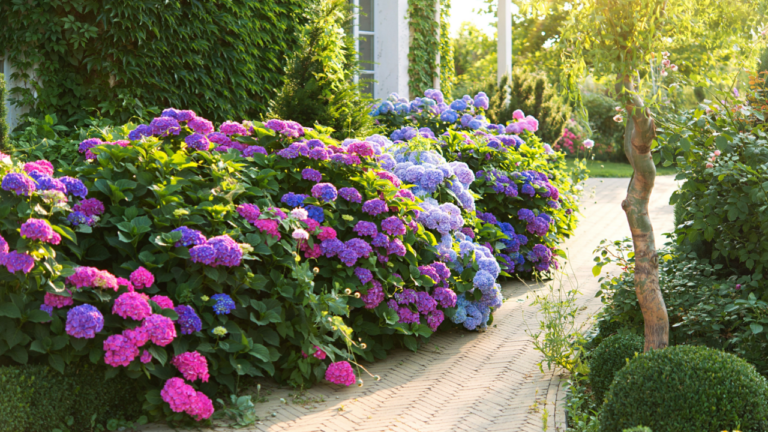
Most flowers prefer a neutral pH (around 6.0 to 7.0), but some, like hydrangeas and rhododendrons, prefer more acidic soil. The test results will also tell you if your soil is sandy (drains quickly), clay (heavy and dense), or loamy (the ideal balance).
Tips:
- Get a Soil Test: This small investment provides a roadmap for improving your soil.
- Amend accordingly: Add compost to improve almost any soil type. It helps clay soil drain better and helps sandy soil retain more moisture and nutrients.
- Adjust pH: You can add lime to raise the pH (make it less acidic) or sulfur to lower it (make it more acidic), based on your test results.
5. Choose the Right Flowers
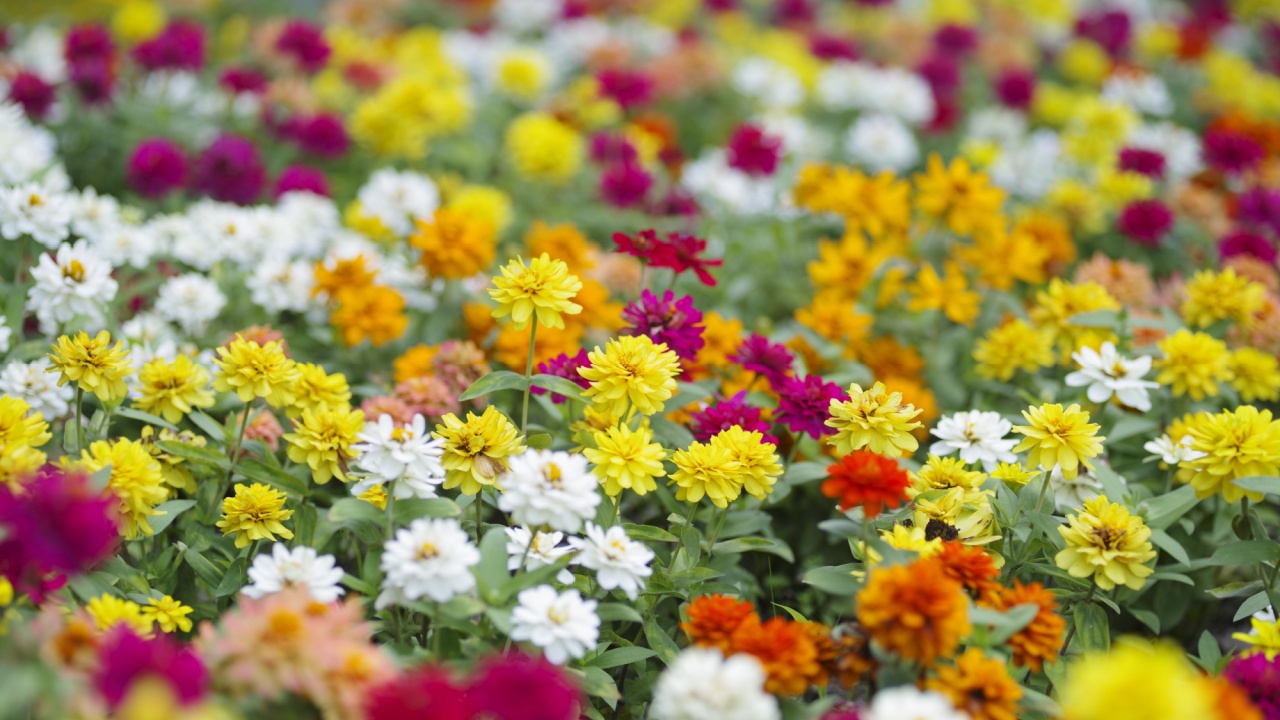
Now for the fun part: selecting your plants! With your knowledge of your climate, sun, and soil, you’re ready to make informed choices. When you’re just starting, it’s wise to pick plants known for being easy to grow and forgiving of beginner mistakes.
Consider a mix of annuals and perennials. Annuals (like petunias and marigolds) complete their life cycle in one season, providing lots of color quickly. Perennials (like coneflowers and daylilies) return year after year, forming the long-term backbone of your garden. Read plant tags carefully; they provide a wealth of information about a plant’s mature size, bloom time, and care needs.
Quick Tips:
- Start with Easy Winners: Zinnias, cosmos, sunflowers, marigolds, coneflowers, and black-eyed Susans are all excellent, low-fuss choices for beginners.
- Think About Bloom Time: Select a variety of plants with different bloom times so you have continuous color from spring through fall.
- Consider Mature Size: A small plant in a pot can grow to be several feet wide. Space your plants according to their mature size to avoid overcrowding later.
6. Create a Simple Garden Plan

You don’t need to be a landscape architect to create a beautiful garden design. A simple plan will help you arrange your plants for the best visual impact and health. Grab your yard map and a pencil (or an app), and start sketching out your flower bed. A popular design technique is to place taller plants in the back, medium-sized plants in the middle, and shorter, border plants in the front.
This “stair-step” approach ensures all your plants can be seen and get adequate sunlight. Think about color combinations you like and how textures will play together. Don’t be afraid to experiment on paper before you start digging.
Quick Tips:
- Layer Your Plants: Use the “thriller, filler, spiller” concept. “Thrillers” are tall, eye-catching plants. “Fillers” are mounding plants that fill in the space. “Spillers” are low-growing plants that cascade over the edge of the bed.
- Plant in Groups: For a more natural and impactful look, plant in odd-numbered groups (e.g., three, five, or seven) of the same plant instead of dotting single plants around.
- Allow for Growth: Your plan should account for the mature size of each plant to prevent a jungle-like situation in a few years.
7. Fertilize for Healthy Blooms
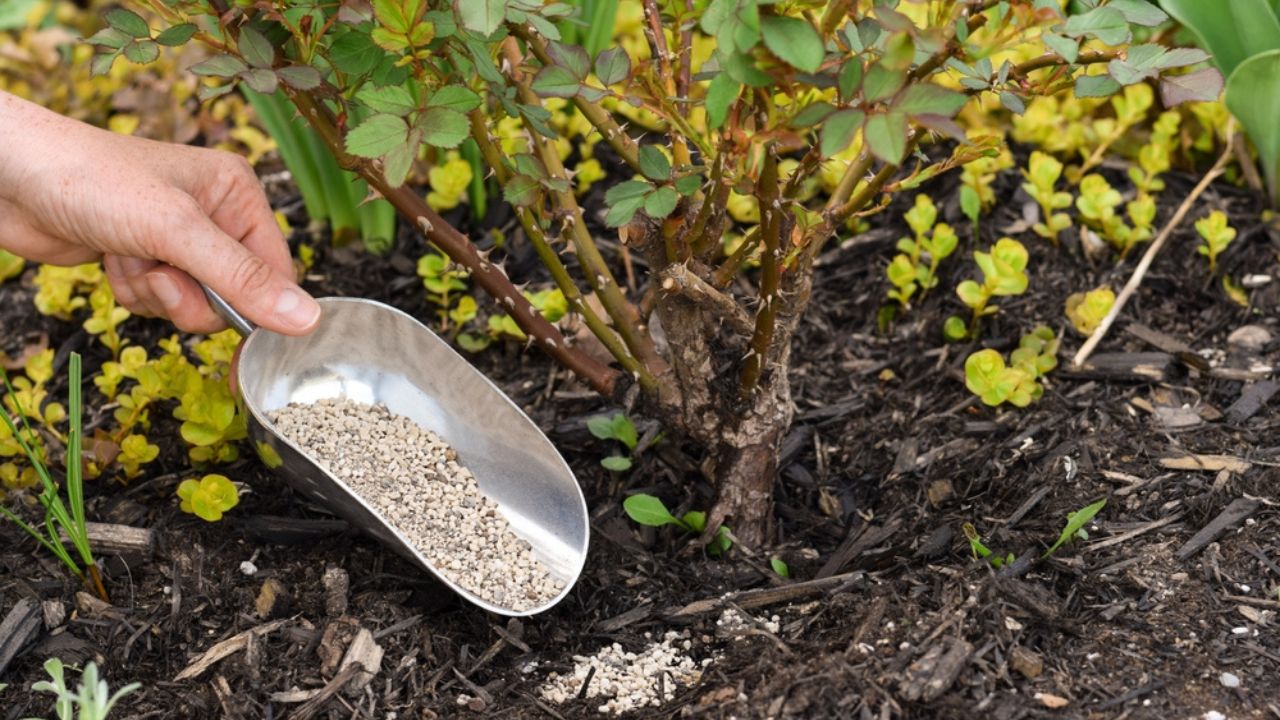
While good soil provides a strong start, most flowers benefit from a little extra nutrition during the growing season, especially heavy-feeding annuals. Fertilizer provides the essential nutrients plants need to produce strong roots, lush foliage, and abundant flowers.
There are many types of fertilizers available, from synthetic granules to organic liquids. A balanced, all-purpose flower fertilizer is a great starting point for beginners. The three numbers on a fertilizer bag (N-P-K) represent Nitrogen, Phosphorus, and Potassium. Nitrogen promotes green leafy growth, Phosphorus encourages blooms and root development, and Potassium supports overall plant health. For flowering, you generally want a fertilizer where the middle number (P) is a bit higher.
Quick Tips:
- Follow the Directions: Over-fertilizing can burn your plants. Always follow the application rates on the product label.
- Organic Options: Slow-release organic fertilizers like compost or worm castings improve the soil structure while feeding your plants gently over time.
- When to Fertilize: Most flowering plants appreciate being fed once a month during the peak growing season (spring and summer).
8. Observe Often for Pests and Diseases

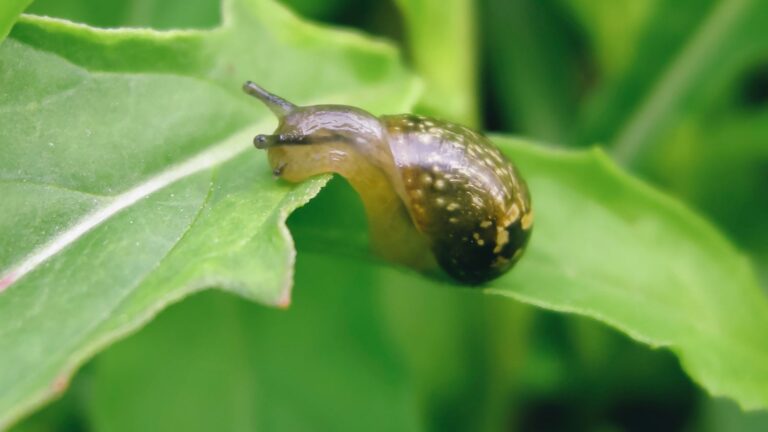
The best way to handle garden pests and diseases is to catch them early. Make it a habit to take a walk through your garden every day or two. Look closely at the leaves, stems, and flowers. Do you see any holes, spots, wilting, or sticky residue? Common pests include aphids, which are tiny insects that cluster on new growth, and spider mites, which can cause stippling on leaves.
Diseases often appear as powdery white spots (powdery mildew) or dark spots on the leaves. Early detection allows you to treat the problem before it gets out of hand and spreads to other plants.
Quick Tips:
- Inspect New Growth: Pests are often drawn to tender new leaves and flower buds.
- Check Under Leaves: Many pests like to hide on the undersides of leaves.
- Remove Affected Parts: If you see a diseased leaf or an infested branch, prune it off immediately and dispose of it in the trash, not the compost pile.
9. Attract Pollinators and Beneficial Insects
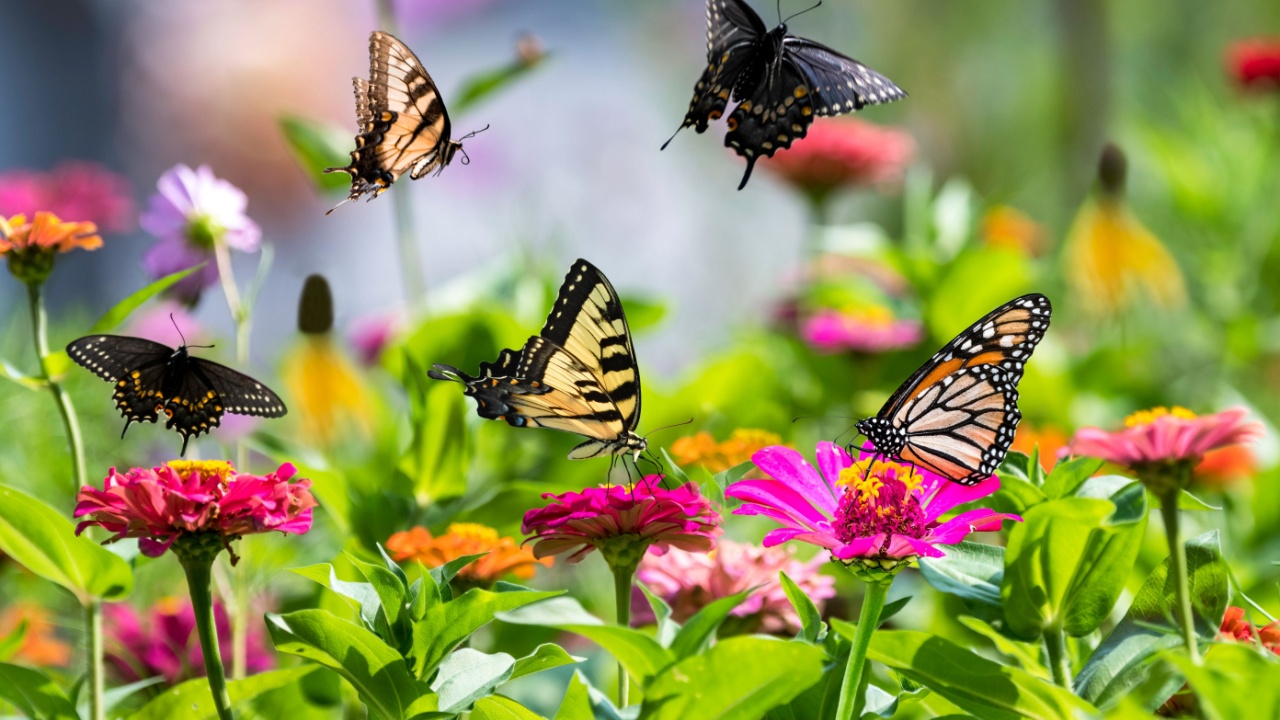
Not all bugs are bad! In fact, a healthy garden is buzzing with life. Pollinators like bees and butterflies are essential for many flowers to produce seeds, and beneficial insects are your best allies in the fight against pests. Ladybugs, lacewings, and even some spiders are voracious predators that will happily eat aphids and other harmful bugs.
You can attract these helpful critters by planting a diverse range of flowers they love. Plants in the carrot family (like dill and fennel), the aster family (like cosmos and sunflowers), and the mint family are all excellent choices for creating a welcoming habitat for your garden helpers.
Quick Tips:
- Plant a Buffet: Offer a variety of flower shapes, sizes, and colors to attract a wide range of pollinators.
- Avoid Broad-Spectrum Pesticides: These chemicals kill beneficial insects along with the pests. If you must treat a problem, opt for targeted, organic solutions like neem oil or insecticidal soap, and apply them at dusk when pollinators are less active.
- Provide Water: A shallow dish of water with some pebbles for insects to land on can make your garden even more inviting.
10. Deadhead to Encourage More Flowers
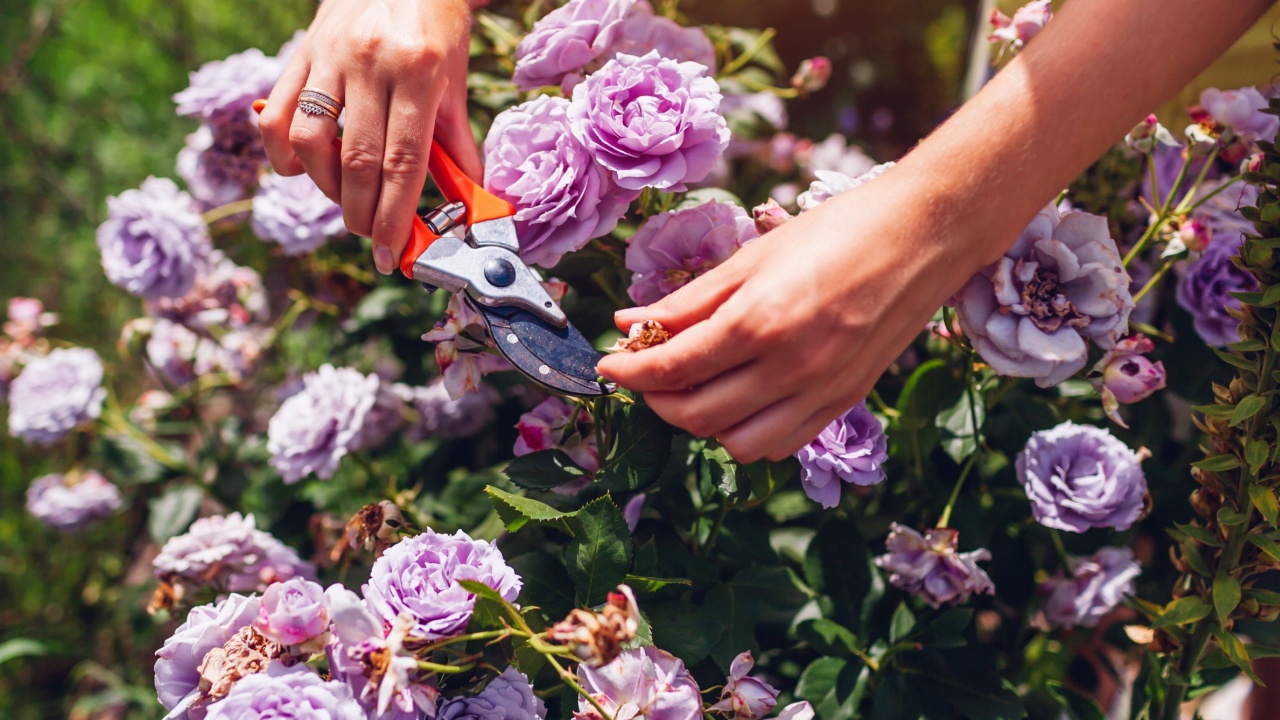
Deadheading is the simple practice of removing spent or faded flowers from a plant. This easy task serves two important purposes. First, it keeps your garden looking tidy. Second, and more importantly, it encourages many plants to produce more blooms. When a flower fades, the plant’s energy goes into producing seeds.
By removing the old flower, you trick the plant into thinking it needs to produce more flowers to complete its reproductive cycle. This can significantly extend the blooming period for many annuals and perennials, giving you more color for longer.
Quick Tips:
- Pinch or Snip: You can pinch off soft-stemmed flowers with your fingers or use a pair of clean pruning snips for tougher stems.
- Know When Not To Deadhead: If you want a plant to self-seed (drop seeds to grow new plants next year) or if you want to collect the seeds, leave some of the last flowers of the season on the plant.
- A Little Goes a Long Way: Even five minutes of deadheading a couple of times a week can make a huge difference in your garden’s appearance and productivity.
11. Start Small and Scale Up
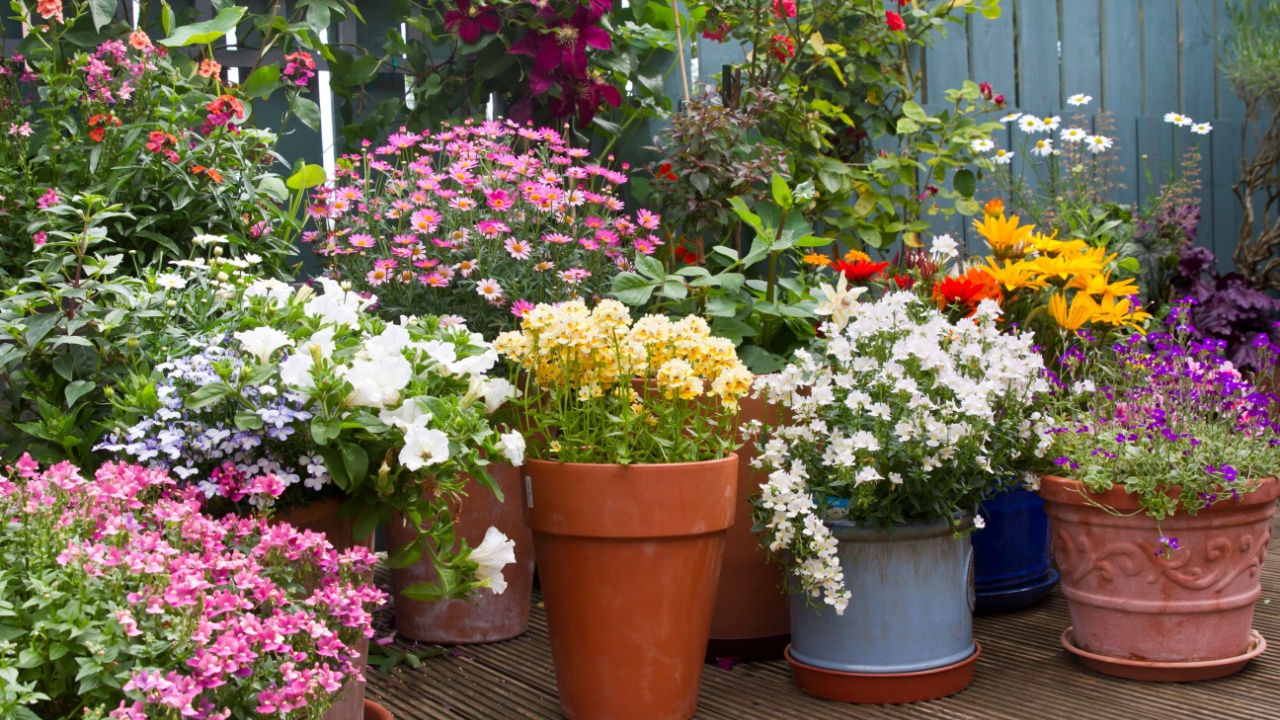
One of the biggest mistakes new gardeners make is trying to do too much, too soon. It’s far more rewarding to successfully manage a small, beautiful garden than to become overwhelmed by a huge, weedy one. Start with a single, manageable flower bed or even just a few containers on your patio.
A small garden allows you to learn the ropes of watering, weeding, and pest control without it feeling like a massive chore. As you gain confidence and experience, you can gradually expand your garden season after season. This approach makes gardening a sustainable and enjoyable hobby rather than a source of stress.
Quick Tips:
- Define Your Space: A 4×8-foot bed is a great size for a starter garden. It’s large enough for a nice variety of plants but small enough to maintain easily.
- Container Gardening: If you have limited space or poor soil, containers are a fantastic way to start. You have full control over the soil, and it’s easy to ensure good drainage.
- Celebrate Small Wins: Focus on keeping your first few plants healthy and happy. This success will build the confidence you need to take on more ambitious projects.
12. Don’t Forget to Enjoy It!
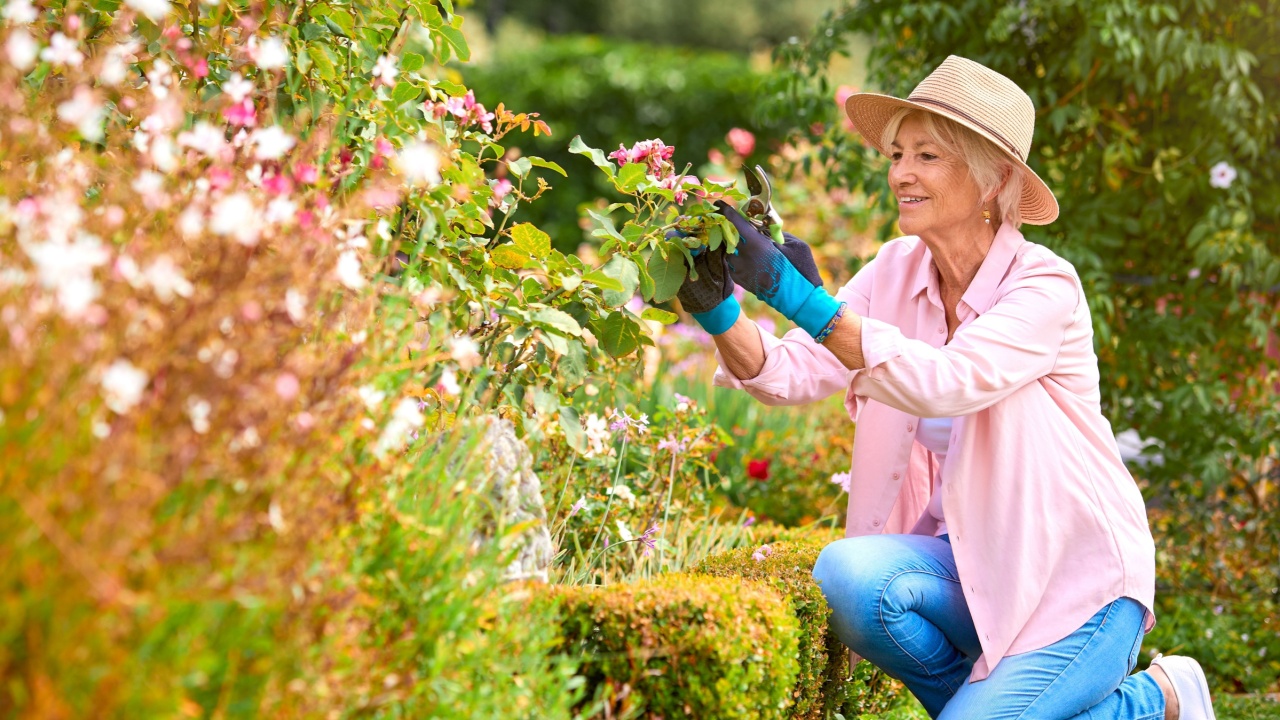
After all the planning, digging, and planting, make sure you take time to simply enjoy the space you’ve created. A garden is more than just a collection of plants; it’s a place for relaxation and connection with nature. Place a comfortable chair or a small bench near your flower bed.
Take your morning coffee out to the garden and watch it change from day to day. Notice the new buds, the visiting pollinators, and the way the light hits the flowers. The greatest reward of gardening is the daily joy and peace it brings.
Quick Tips:
- Create a Seating Area: Intentionally make your garden a living space, not just a project space.
- Take Photos: Document your garden’s progress. It’s incredibly rewarding to look back at photos from the beginning of the season and see how much everything has grown.
- Cut Flowers for Your Home: Bringing bouquets inside is a wonderful way to enjoy the fruits of your labor throughout your home.
Build a Flower Garden You Love
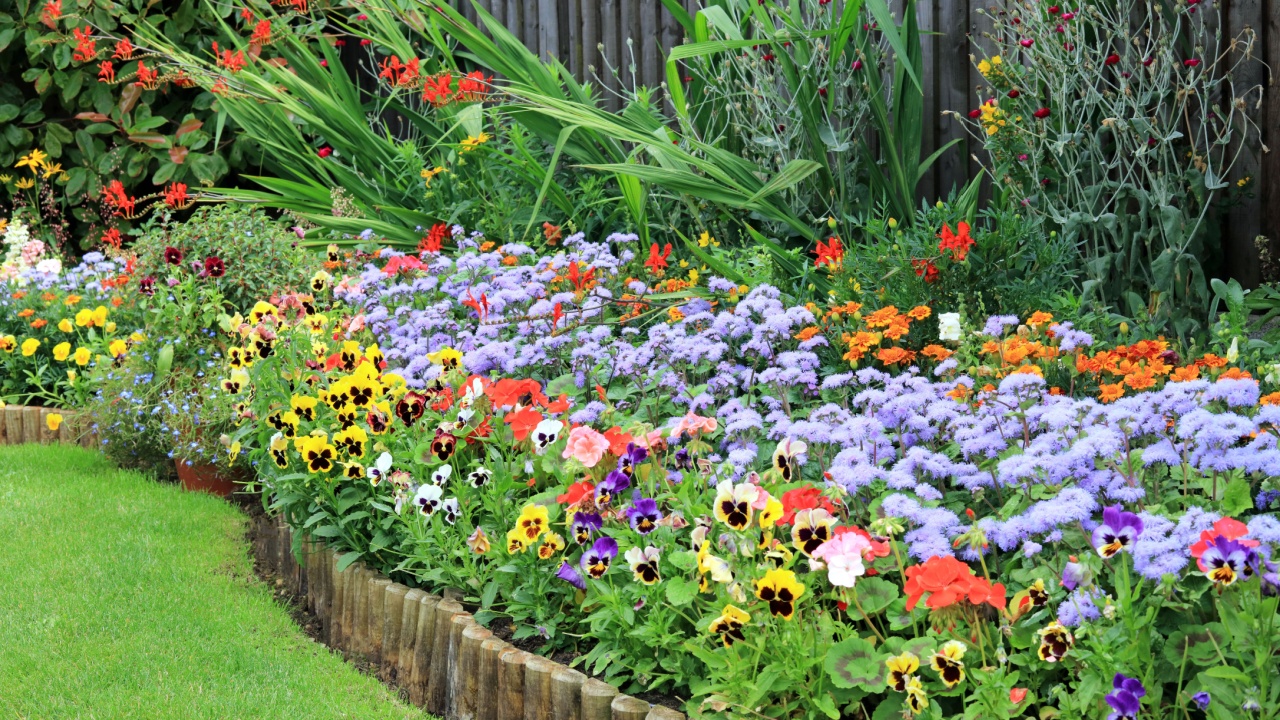
You are now equipped with the foundational knowledge to start a beautiful flower garden from scratch. The key is to take it one step at a time.
Remember that every great gardener was once a beginner. Embrace the process, learn from your mistakes, and most importantly, have fun creating your own backyard paradise.
Read more
8 Wildflower Gardening Ideas to Build a Colorful Yard
Backyard Flower Gardens Your Neighbors Will Envy