17 Perennials to Actually Prune Before Winter
As the vibrant colors of summer fade and a crisp chill fills the air, it’s time to turn our attention to preparing the garden for its long winter nap. While it might feel like the gardening season is over, fall is the perfect time for one last crucial task: pruning your perennials.
This isn’t just about tidying up; cutting back specific plants before the first frost helps prevent disease, deters pests, and encourages vigorous, healthy growth next spring. By taking the time for a thoughtful fall trim, you’re setting the stage for an even more beautiful and bountiful garden next year.
This guide will walk you through 17 perennials that benefit from a fall haircut. We’ll cover why you should prune them, how to do it correctly, and other tips to ensure they survive the winter and thrive when the weather warms.
1. Peony
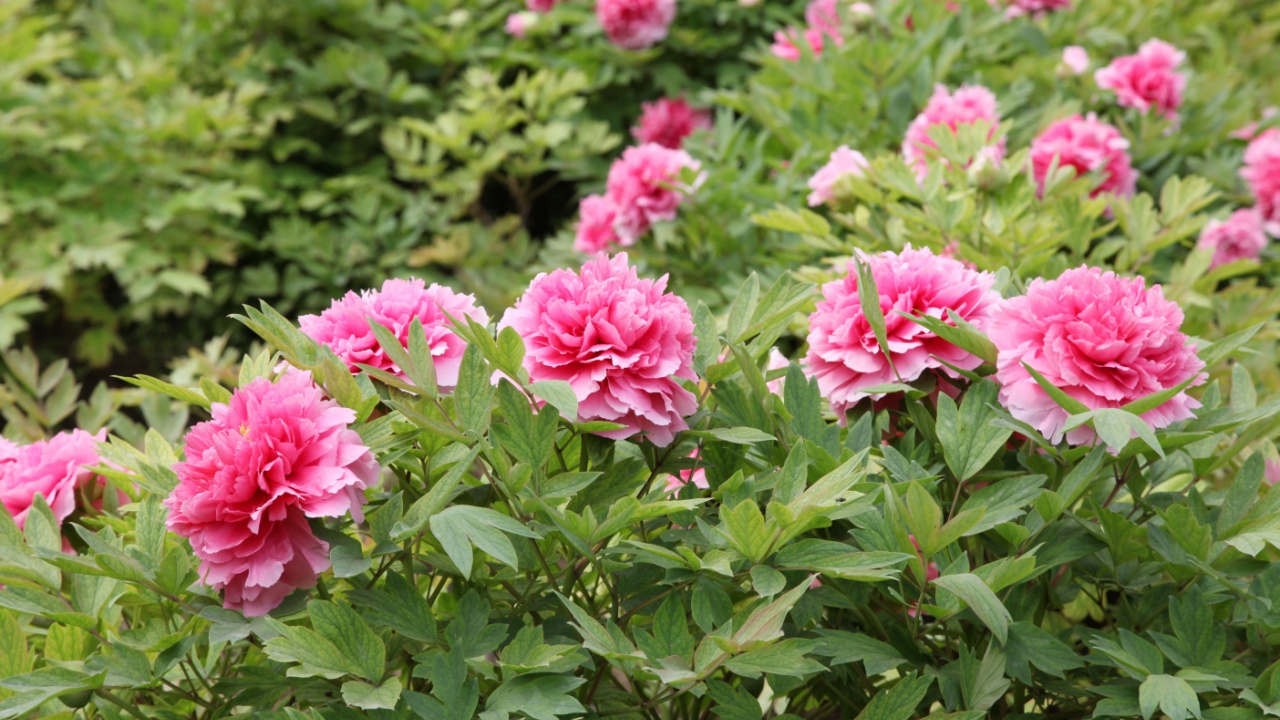
Botanical Name: Paeonia spp.
USDA Zones: 3-9
Peonies are beloved for their large, fragrant blooms, but their dense foliage can become a problem once the growing season ends. The leaves are highly susceptible to fungal diseases like botrytis blight and powdery mildew. If left on the plant, these fungal spores can easily survive the winter and reinfect the plant in the spring.
Pruning in the fall is your best defense. After the first hard frost has caused the foliage to yellow and die back, cut all stems down to about an inch above the ground. Be sure to gather and dispose of all the clippings. Do not add them to your compost pile, as this can spread disease. This simple cleanup removes overwintering fungal spores and improves air circulation around the plant’s crown for the coming season.
At a Glance:
- Why Prune: Prevents fungal diseases like powdery mildew from overwintering.
- When to Prune: After the first hard frost, when foliage has died back.
- How to Prune: Cut all stems to 1-2 inches above the soil.
- Next Steps: Clean up and discard all foliage and stems away from the garden.
2. Daylily
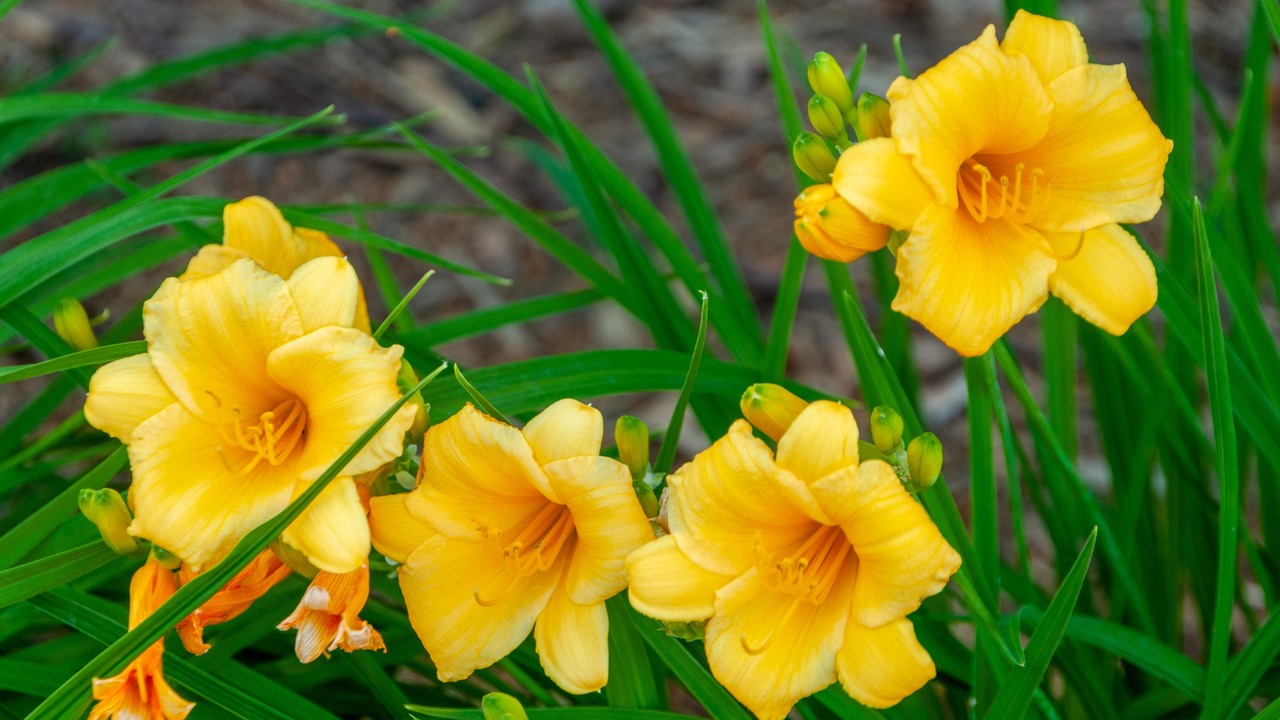
Botanical Name: Hemerocallis spp.
USDA Zones: 4-9
Daylilies are wonderfully resilient, but their foliage can become a soggy, unattractive mess after a frost. This decaying plant matter provides the perfect hiding spot for slugs and other pests to lay their eggs, creating a problem for the following spring.
By pruning daylilies in the fall, you eliminate this habitat and keep your garden beds looking tidy. Wait until the foliage has turned yellow or brown, then cut it back to a few inches above the ground. Removing the spent flower stalks, or scapes, is also a good idea if you haven’t already. This prevents the plant from wasting energy on seed production and keeps the area clean.
At a Glance:
- Why Prune: Removes pest habitats (like slug eggs) and tidies up decaying foliage.
- When to Prune: In late fall, after the first frost has killed the foliage.
- How to Prune: Cut foliage down to 3-4 inches from the ground.
- Next Steps: Rake up and compost the dead leaves to keep garden beds clean.
3. Hosta
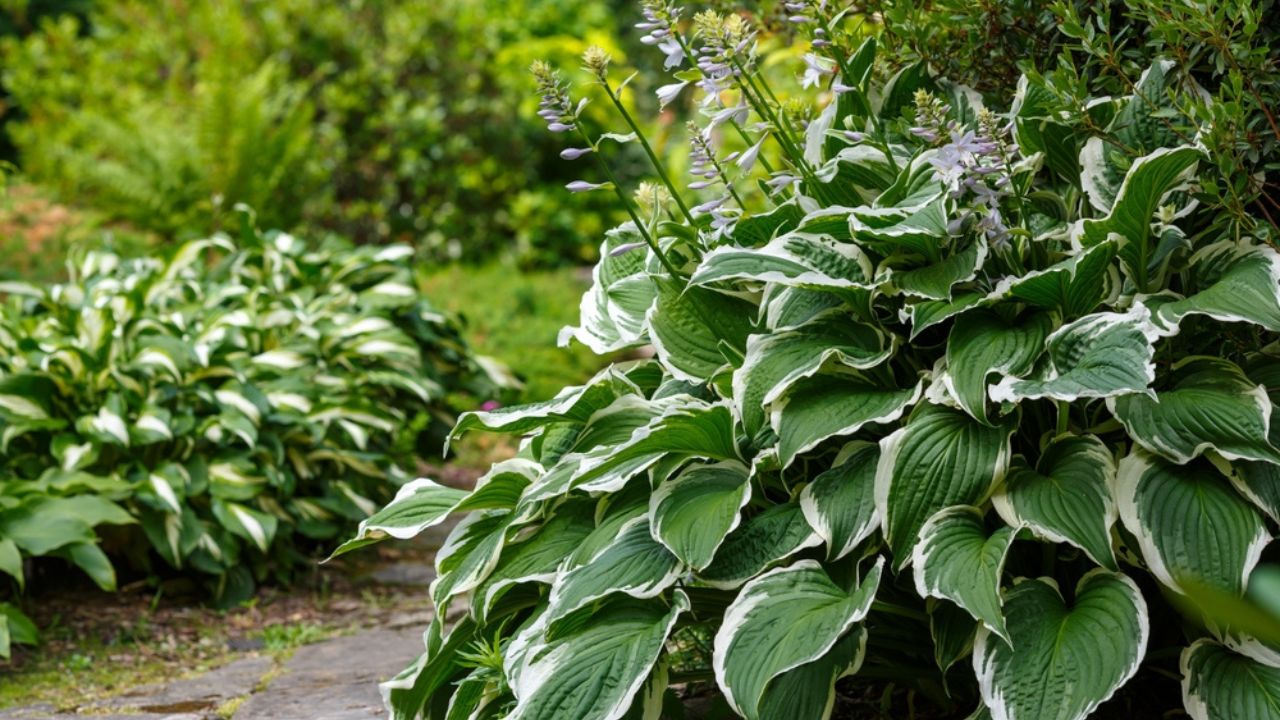
Botanical Name: Hosta spp.
USDA Zones: 3-10
Similar to daylilies, hosta leaves turn into a slimy heap after the first frost. This decaying foliage is a prime overwintering site for slugs and their eggs. If you’ve ever battled holes in your hosta leaves, fall cleanup is your secret weapon for the next season.
Once the leaves have yellowed and started to wilt, cut them back to the base of the plant, leaving just a few inches of stems. This not only removes the slug habitat but also helps prevent the spread of foliar diseases. Your reward will be healthier, less-chewed-on hostas next year.
At a Glance:
- Why Prune: Eliminates overwintering sites for slugs and their eggs.
- When to Prune: After a frost, when the leaves have yellowed and died back.
- How to Prune: Cut stems back to about 2-3 inches above the ground.
- Next Steps: Clear away all the cut foliage to prevent pests from finding a new home in the debris.
4. Garden Phlox
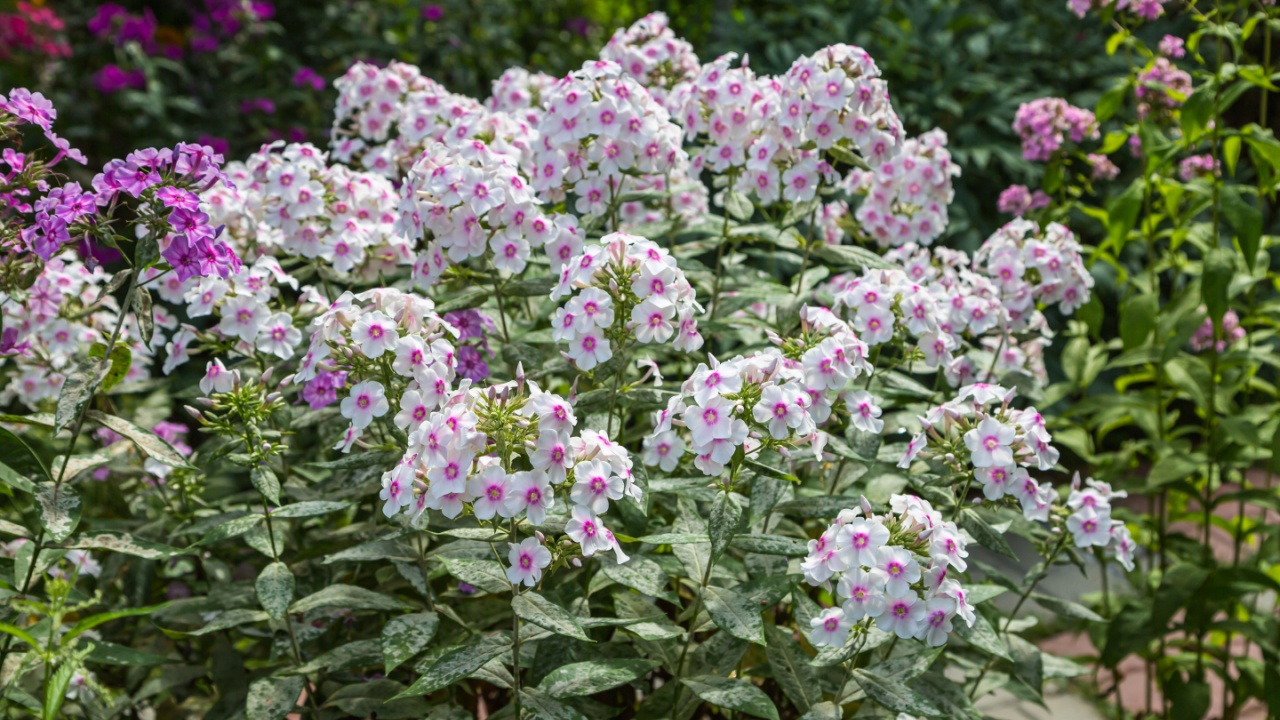
Botanical Name: Phlox paniculata
USDA Zones: 4-8
Garden phlox is famous for its beautiful clusters of summer flowers, but it’s also notorious for its struggle with powdery mildew. The spores of this chalky white fungus can easily survive the winter on old stems and leaves, ready to reinfect your plants as soon as new growth appears.
To break this cycle, cut your garden phlox down to the ground in late fall. Trimming the stems to about 1-2 inches will remove any lingering disease spores and improve airflow for the following spring. This drastic cut encourages the plant to grow back bushier and healthier, with a reduced risk of mildew.
At a Glance:
- Why Prune: To prevent powdery mildew from overwintering and reinfecting the plant.
- When to Prune: In late fall, after the foliage has started to die back.
- How to Prune: Cut stems down to 1-2 inches above the soil line.
- Next Steps: Dispose of the cuttings in the trash, not the compost, to avoid spreading the mildew.
5. Bee Balm
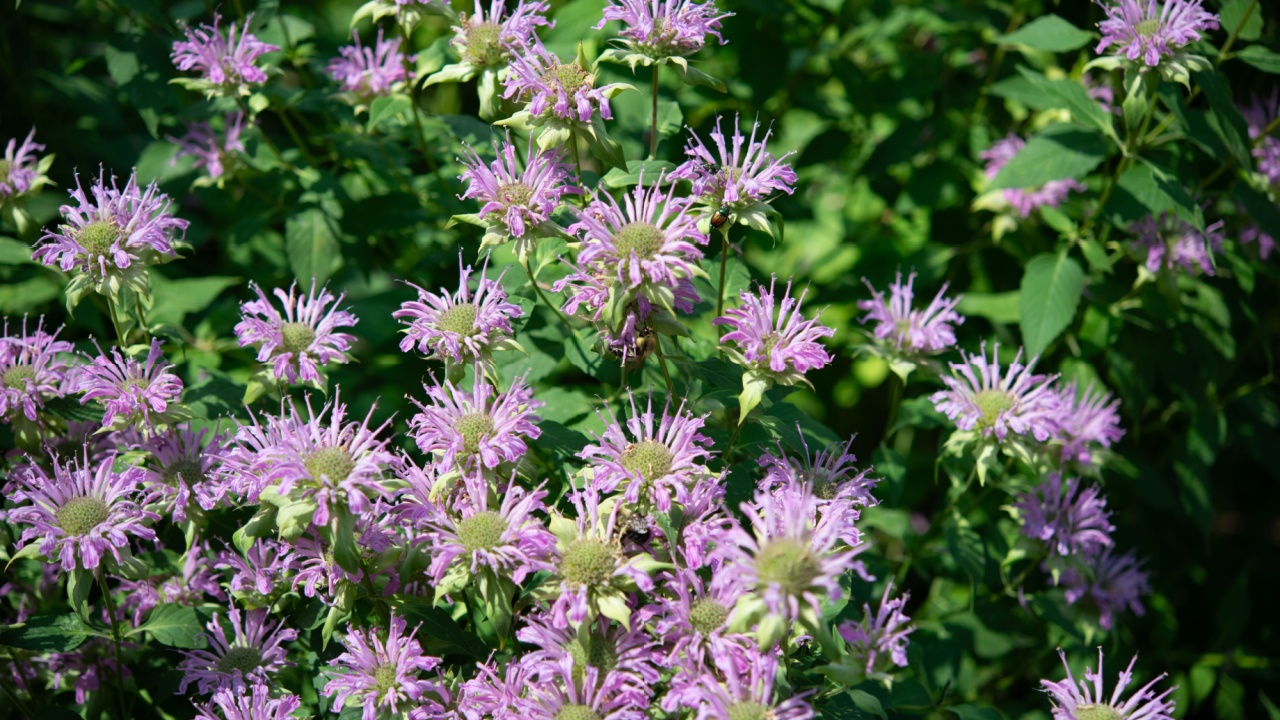
Botanical Name: Monarda spp.
USDA Zones: 4-9
Bee balm is another beautiful perennial that, like phlox, is very prone to powdery mildew. Its vibrant, unique flowers are a favorite of pollinators, but its foliage often looks dusty and worn by the end of the season. Pruning bee balm back hard in the fall is an effective way to manage this disease.
After the plant has finished blooming and the leaves begin to yellow, cut the stems down to a few inches from the ground. This removes diseased material and promotes better air circulation. However, if you enjoy watching birds, you can leave a few seed heads standing for them to feast on during the winter.
At a Glance:
- Why Prune: Controls the spread of powdery mildew and encourages healthier growth.
- When to Prune: Late fall, after flowering is complete.
- How to Prune: Cut stems back to 2-3 inches.
- Next Steps: Consider leaving a small patch unpruned to provide seeds for winter birds.
6. Iris
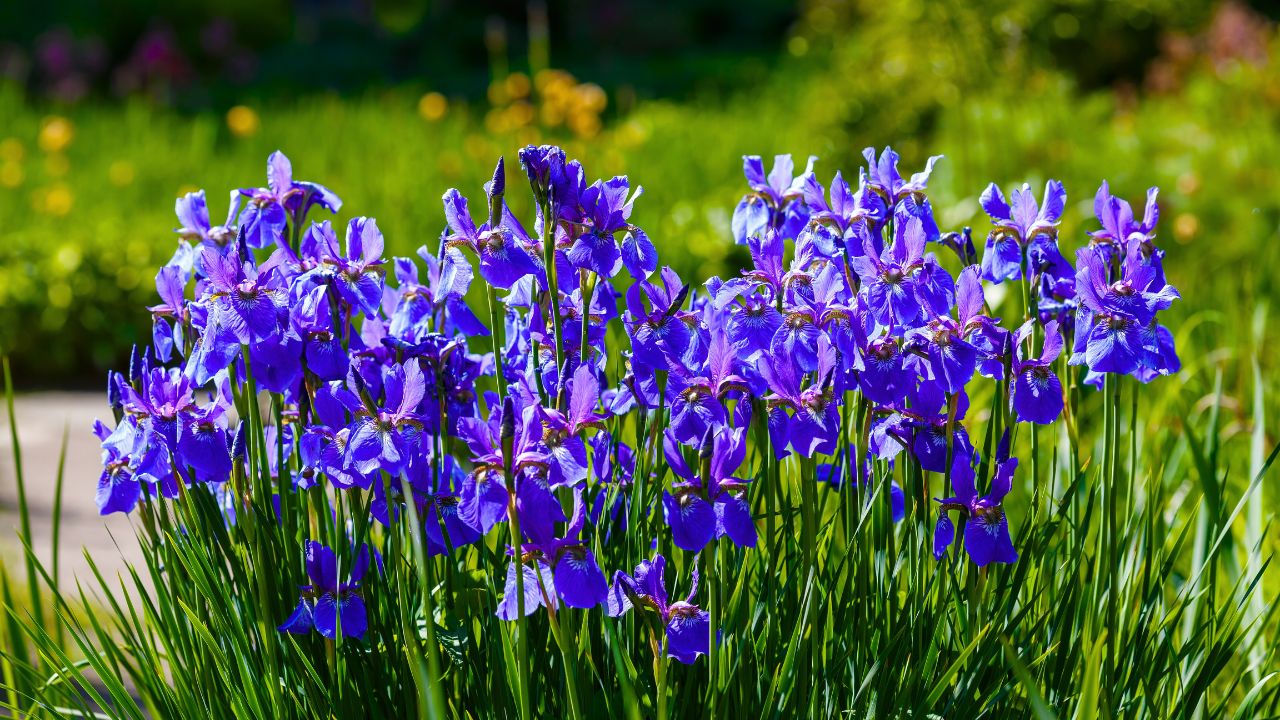
Botanical Name: Iris spp.
USDA Zones: 3-9
Bearded irises, in particular, benefit greatly from a fall trim. The iris borer, a destructive pest, lays its eggs on the plant’s leaves in the fall. These eggs hatch in the spring, and the larvae burrow down into the rhizomes, causing rot and potentially killing the plant.
To disrupt the life cycle of the iris borer, cut the foliage back in late fall after the first hard frost. Trim the leaves into a fan shape, about 4-6 inches tall. This removes most of the eggs and exposes the top of the rhizomes to the sun, which helps prevent rot. It also makes for a much neater winter garden.
At a Glance:
- Why Prune: To remove the eggs of the destructive iris borer moth.
- When to Prune: Late fall, after several hard frosts.
- How to Prune: Cut the leaf fans down to 4-6 inches from the ground.
- Next Steps: Clean up all leaf debris from around the base of the plant and discard it.
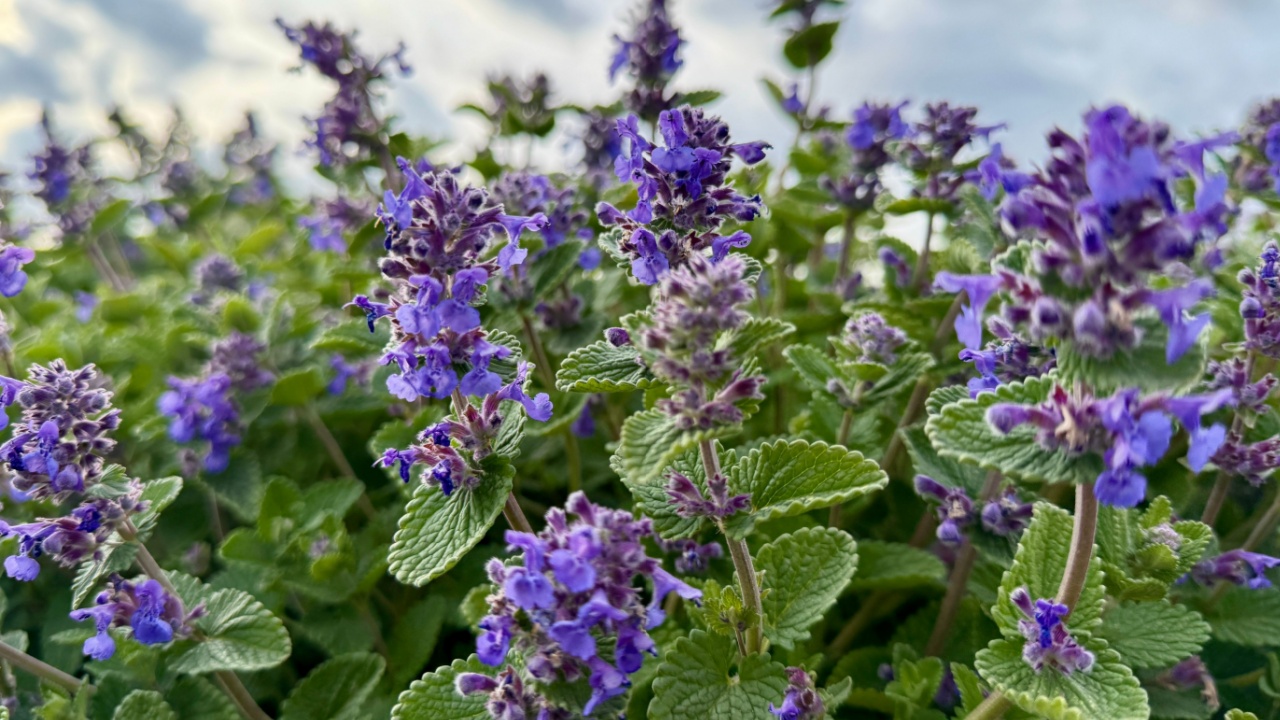
7. Catmint
Botanical Name: Nepeta spp.
USDA Zones: 3-9
Catmint is a tough, low-maintenance perennial, but its sprawling stems can become woody and untidy over time. A good fall pruning keeps it looking neat and encourages a flush of fresh, compact growth in the spring.
After the plant finishes its bloom cycle, or once frost has knocked it back, cut the entire plant back by about half, or down to 4-6 inches. This prevents the center of the clump from dying out and keeps its shape attractive. For gardeners in warmer climates, this pruning may even stimulate a late-season rebloom.
At a Glance:
- Why Prune: To maintain a tidy shape and prevent the plant from becoming overly woody or floppy.
- When to Prune: In mid to late fall, after the first frost.
- How to Prune: Cut stems back to about 4-6 inches high.
- Next Steps: You can use the fragrant trimmings to make sachets or dry them for your feline friends.
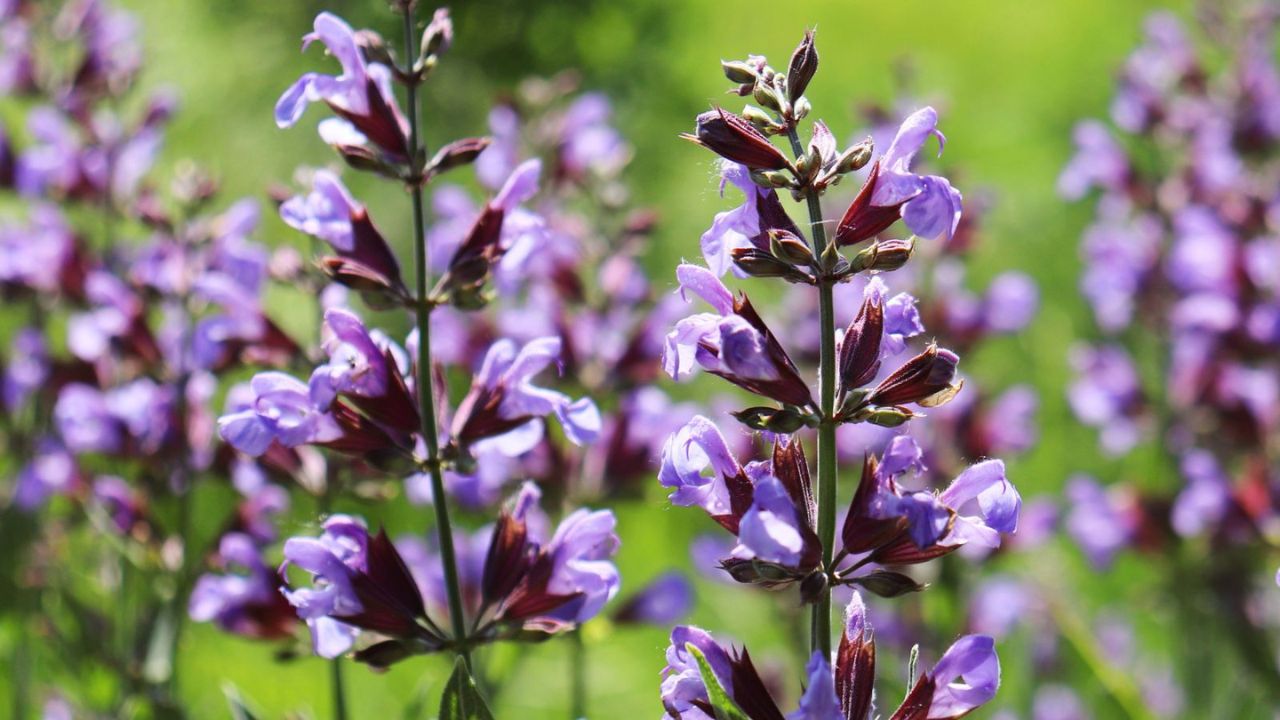
8. Salvia
Botanical Name: Salvia
USDA Zones: 3-10
Perennial salvias are workhorses in the garden, but they can get leggy and woody if left unpruned. Cutting them back in the fall helps maintain their vigor and shape for the following year, leading to more flowers and a healthier plant structure.
Wait until late fall, just before the ground freezes. Cut the stems back by about half their length or down to a few inches from the ground, leaving any new basal foliage that may have appeared at the base. This encourages the plant to put its energy into its roots for the winter, ensuring a strong return in spring.
At a Glance:
- Why Prune: Prevents woody stems and promotes bushier, more floriferous growth.
- When to Prune: In late fall, before the ground freezes hard.
- How to Prune: Cut back stems by about one-half.
- Next Steps: Add a light layer of mulch around the base of the plant for extra winter protection after pruning.
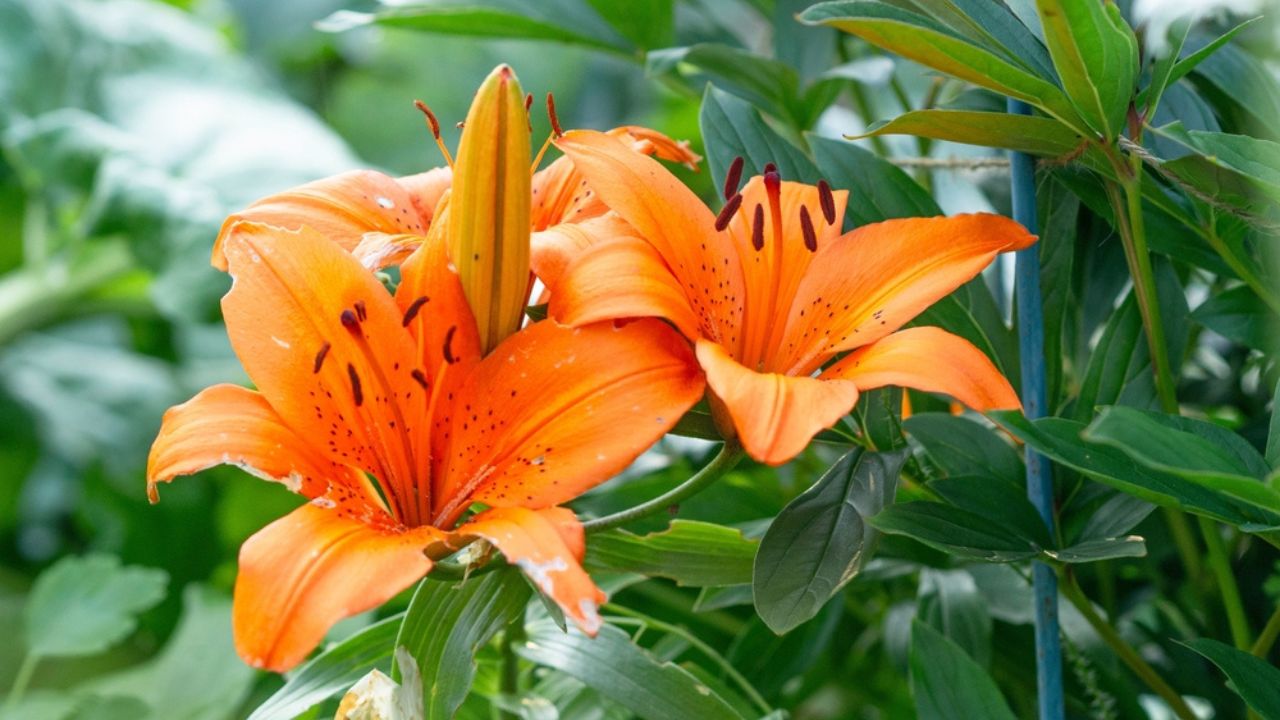
9. True Lilies
Botanical Name: Lilium spp.
USDA Zones: 3-9
Unlike daylilies, true lilies grow from bulbs. It’s important to let their foliage die back naturally, as the leaves are sending energy down to the bulb for next year’s blooms. However, once the stalks and leaves are completely brown and dry, it’s time to prune.
Cutting the dead stalks down to the ground removes a potential hiding spot for pests and diseases. It also tidies the garden bed for winter. Don’t prune them while the stalks are still green, as this will rob the bulb of essential nutrients and can result in fewer flowers next year.
At a Glance:
- Why Prune: To clean up the garden and remove material that could harbor pests.
- When to Prune: Only after the foliage has turned completely brown.
- How to Prune: Cut the dead stalks down to ground level.
- Next Steps: Mark the location of your lily bulbs so you don’t accidentally dig them up during spring planting.
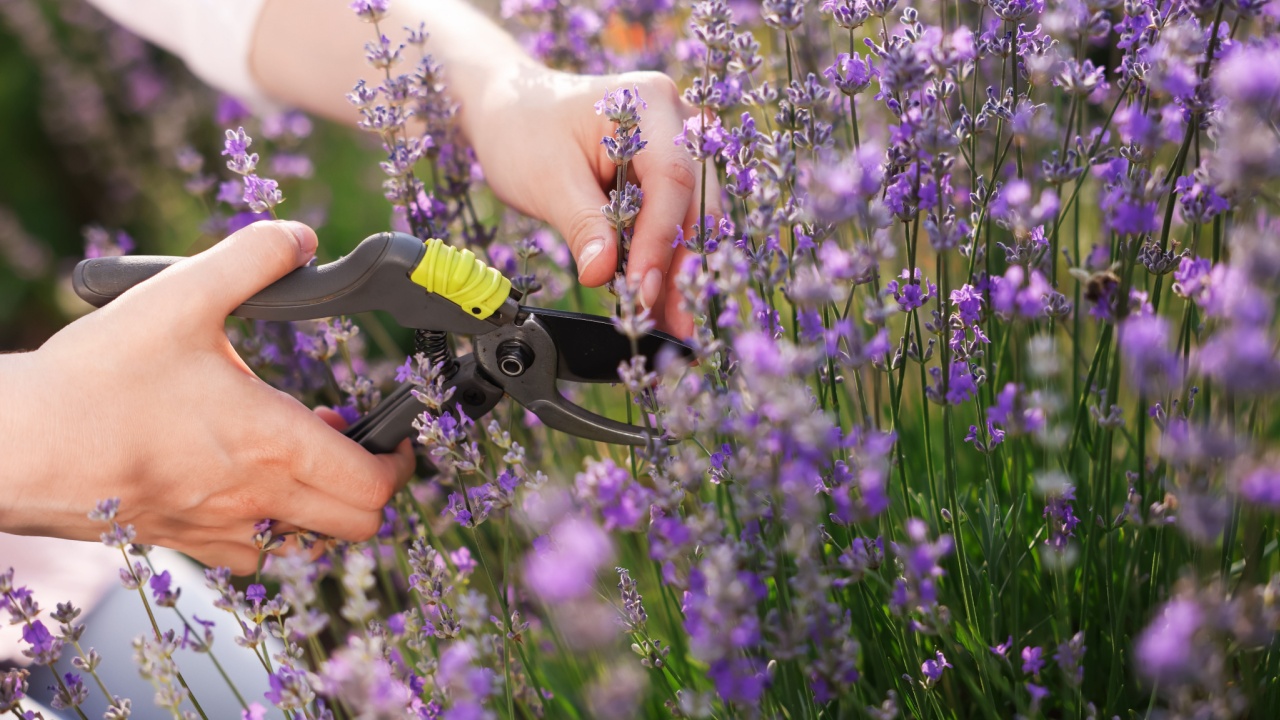
10. Lavender
Botanical Name: Lavandula spp.
USDA Zones: 5-9
Pruning lavender in the fall is key to preventing it from becoming a woody, sparse plant with few flowers. A light trim helps maintain its classic mounded shape and encourages dense growth. The key is timing.
Prune about a month before your first expected frost date. This gives any new cuts time to harden off before winter. Cut back the foliage by about one-third, shaping the plant into a tidy mound. Avoid cutting into the old, thick wood at the base of the plant, as it may not regrow from there.
At a Glance:
- Why Prune: To prevent woodiness and maintain a compact, attractive shape.
- When to Prune: In early fall, at least one month before the first frost.
- How to Prune: Trim back the green growth by about one-third, avoiding old wood.
- Next Steps: Use the aromatic clippings for crafts or hang them indoors to dry.
11. Yarrow
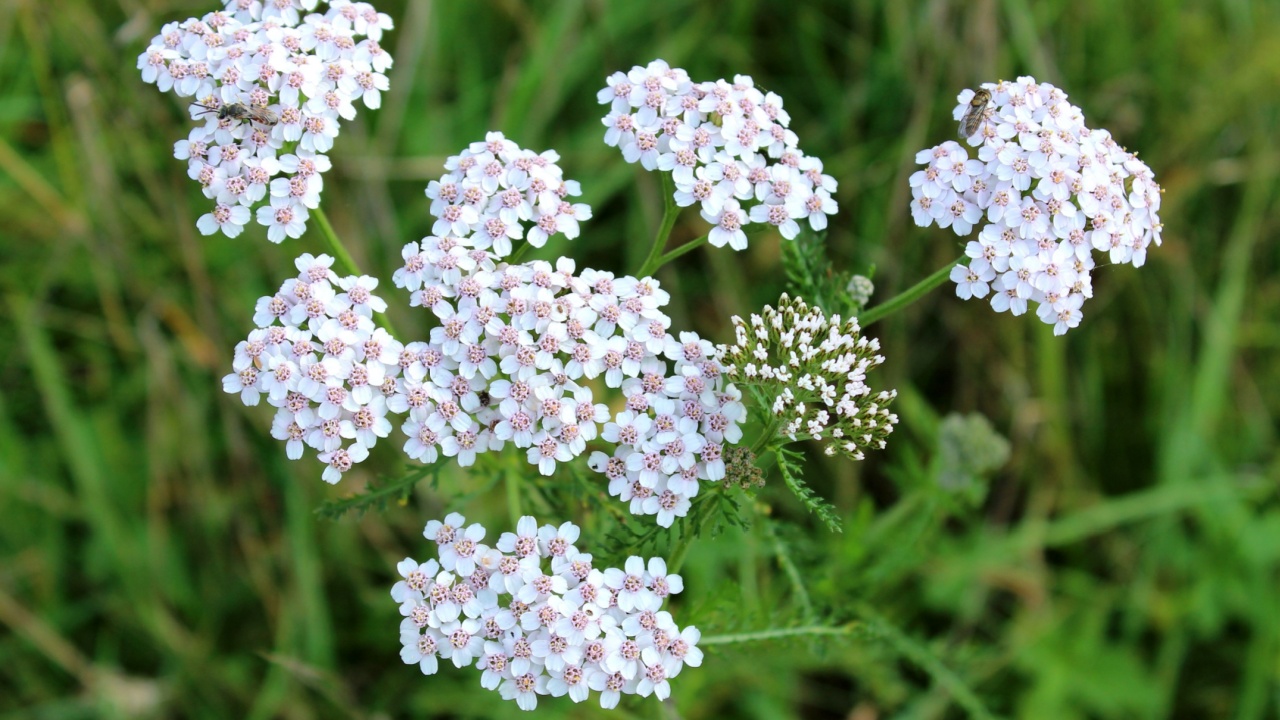
Botanical Name: Achillea millefolium
USDA Zones: 3-9
Yarrow is a tough-as-nails perennial, but its tall flower stalks can become floppy and unattractive by fall. The basal foliage often stays green through the winter, but cutting back the spent flower stems improves the plant’s appearance and can prevent it from self-seeding too aggressively.
In late fall, cut the flower stalks all the way down to the basal foliage (the low mat of leaves at the base). This instantly neatens up the plant and the surrounding garden area. The remaining foliage will provide some winter interest and protect the plant’s crown.
At a Glance:
- Why Prune: To remove spent flower stalks, improve appearance, and control self-seeding.
- When to Prune: Late fall, after blooms have faded.
- How to Prune: Cut flower stems down to the base, leaving the low-growing foliage.
- Next Steps: Yarrow can spread, so fall is also a good time to divide clumps if they are getting too large.
12. Blanket Flower
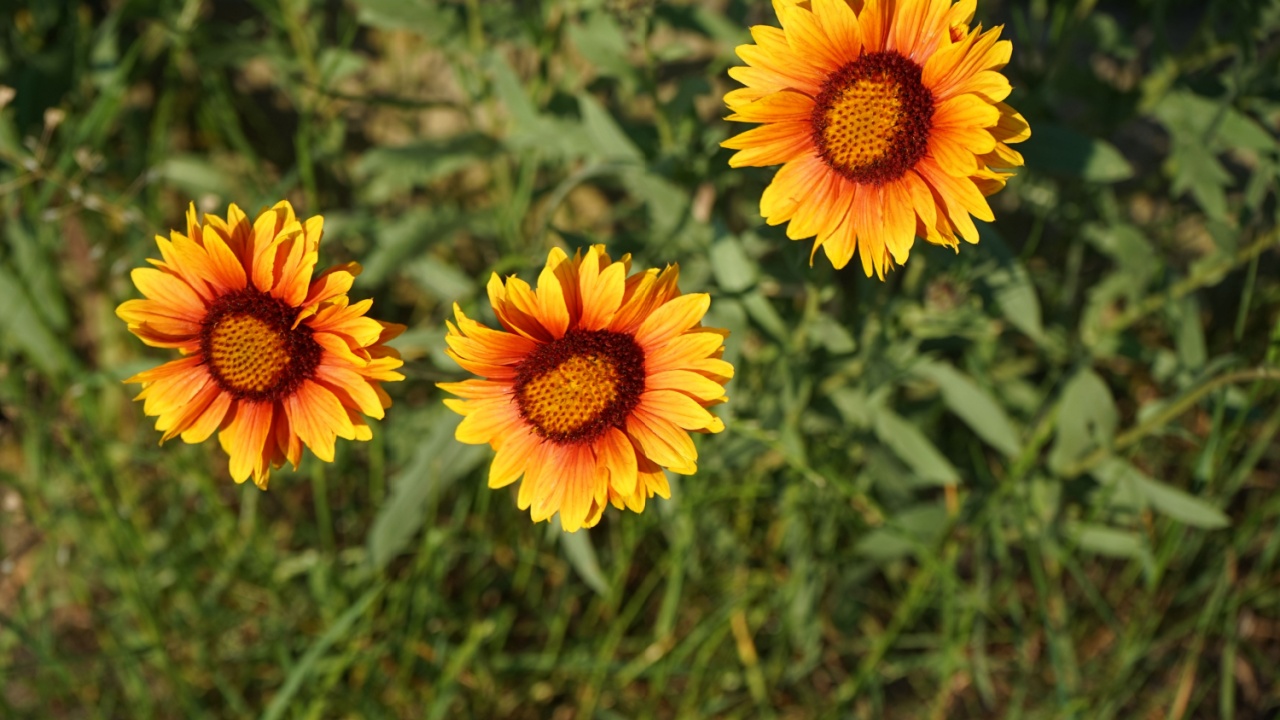
Botanical Name: Gaillardia
USDA Zones: 3-11
Blanket flowers are prolific bloomers, but they can flower themselves to exhaustion if not given a rest. Pruning in the fall helps the plant conserve energy to survive the winter, especially in colder climates. This leads to a longer-lived and more robust plant. In late fall, cut the entire plant back to about 4-6 inches from the ground. This prevents it from putting energy into late-season flowering or seed production. However, if you live in a warm, frost-free climate, you can skip this step, as the plant may continue to bloom through the winter.
At a Glance:
- Why Prune: To help the plant conserve energy for winter survival.
- When to Prune: Late fall, especially in climates with cold winters.
- How to Prune: Cut the whole plant back to 4-6 inches high.
- Next Steps: Leave the seed heads on a few stems if you want to collect seeds or encourage self-sowing.
13. Blazing Star
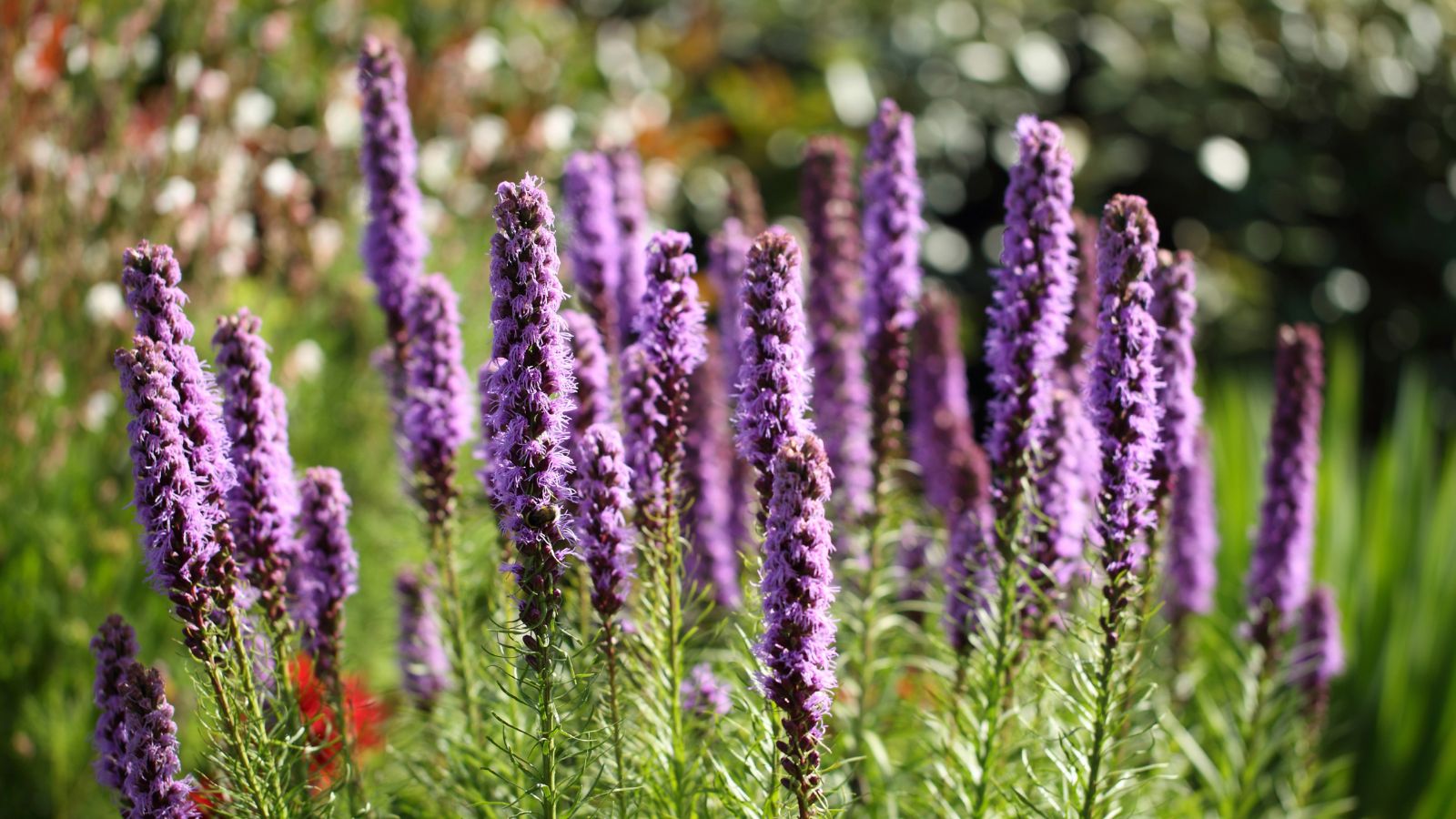
Botanical Name: Liatris spp.
USDA Zones: 3-9
The striking vertical flower spikes of the blazing star are a highlight of the summer garden. By fall, however, they become brown and brittle. While they can provide some winter interest and food for birds, pruning them helps keep the garden looking neat.
Once the flower spikes and foliage have completely dried and turned brown, you can cut them down to the ground. This is mostly for aesthetic reasons, as the plant is very hardy. Many gardeners choose to leave the stalks for winter interest and as a perch for birds, pruning them in early spring instead. The choice is yours.
At a Glance:
- Why Prune: Primarily for garden tidiness.
- When to Prune: In late fall after foliage is completely dead, or in early spring.
- How to Prune: Cut stalks down to the ground.
- Next Steps: If you leave them for winter, enjoy the sight of birds like goldfinches clinging to the stalks to eat the seeds.
14. Corydalis
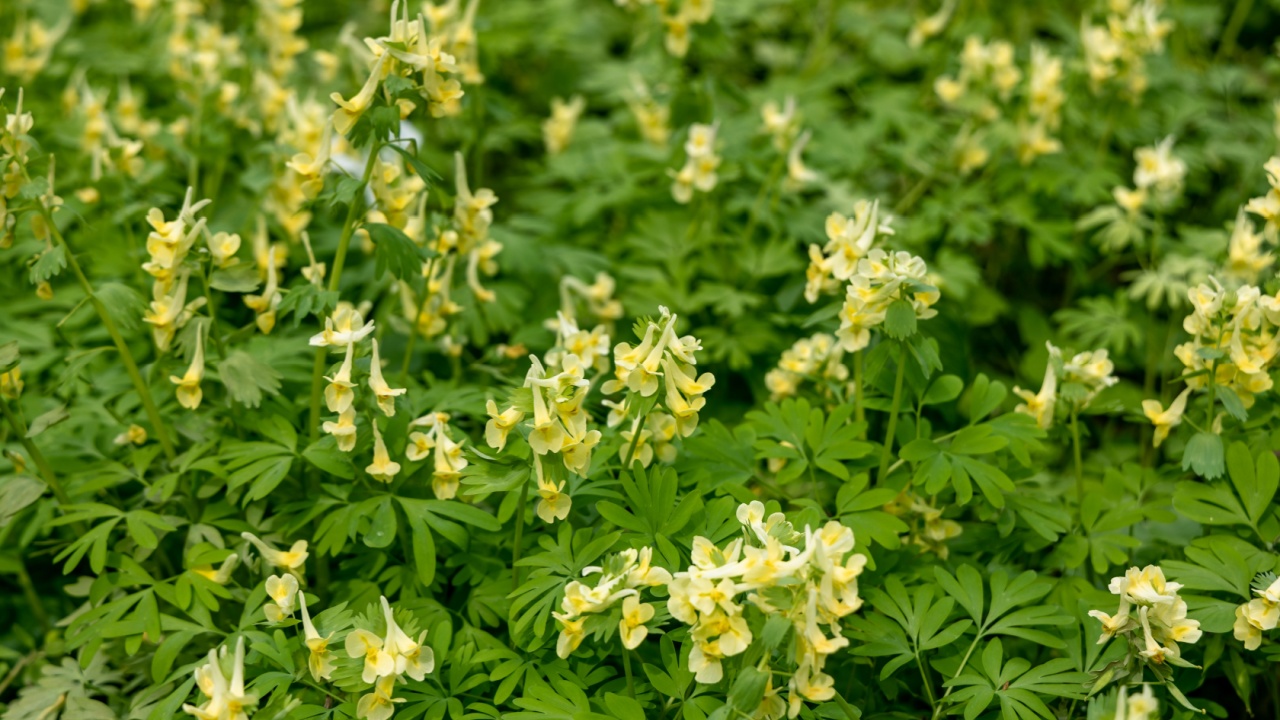
Botanical Name:Corydalis lutea
USDA Zones: 5-8
This shade-loving perennial with delicate, fern-like foliage and yellow flowers is a vigorous self-seeder. If you don’t want it popping up all over your garden, fall pruning is essential for control.
After the plant has finished its main bloom cycle, or as it starts to look scraggly in the fall, cut back the foliage and spent flower stems. This will prevent it from dropping seeds everywhere. A good shearing will keep its spread in check and tidy up its appearance before winter.
At a Glance:
- Why Prune: To control its prolific self-seeding and maintain a neat appearance.
- When to Prune: In the fall, after flowering slows down.
- How to Prune: Shear the plant back, removing seed heads and leggy growth.
- Next Steps: If you want more corydalis, allow a few plants to go to seed before cutting them back.
15. Coppertip (Crocosmia)
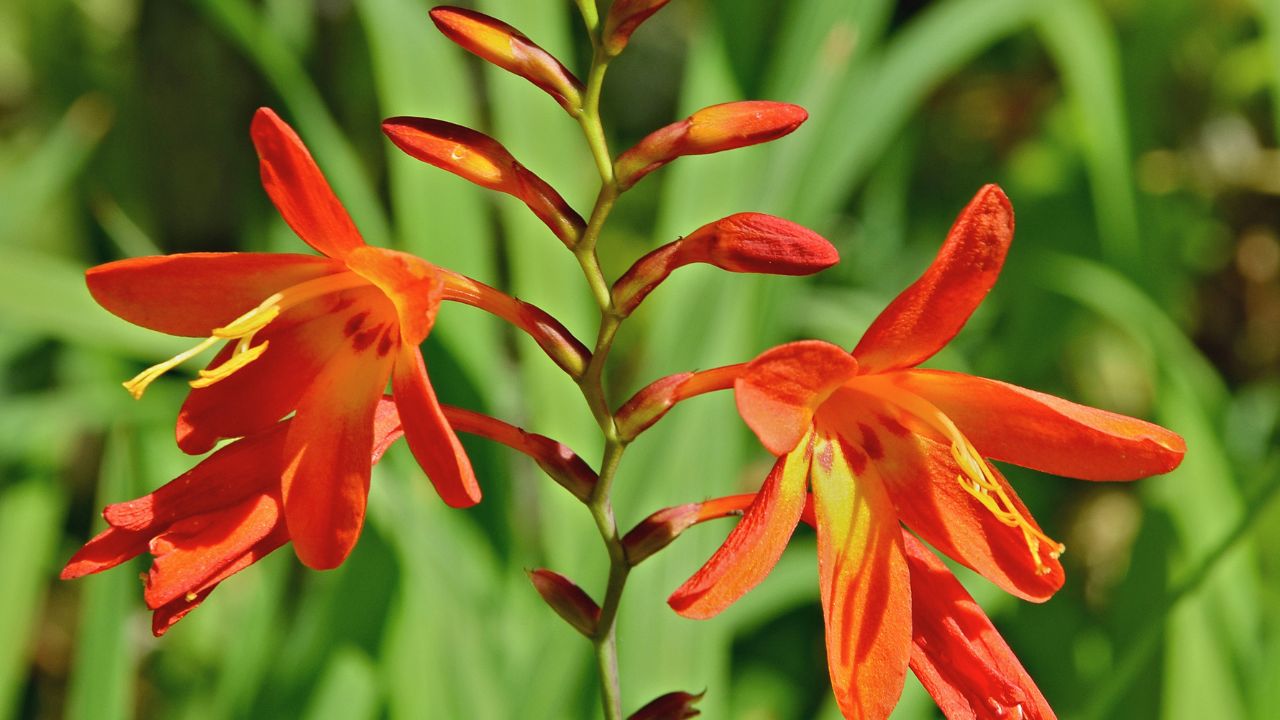
Botanical Name: Crocosmia
USDA Zones: 5-10
Crocosmia’s fiery flowers and sword-like leaves are stunning in summer but can look messy by autumn. In colder zones (5-6), pruning is part of winter preparation. In warmer zones, it’s more for tidiness.
After the first frost kills the foliage, cut it back to a few inches from the ground. In colder zones, this cleanup should be followed by applying a thick layer of mulch (like straw or shredded leaves) over the corms to insulate them from freezing temperatures. In warmer areas, mulching isn’t as critical, but pruning still helps keep the garden tidy.
At a Glance:
- Why Prune: Tidies the plant and prepares it for winter mulching in colder climates.
- When to Prune: After a frost has blackened the foliage.
- How to Prune: Cut foliage down to 2-3 inches.
- Next Steps: In zones 5 and 6, apply a 4-6 inch layer of mulch after pruning to protect the corms.
16. Marguerite Daisy
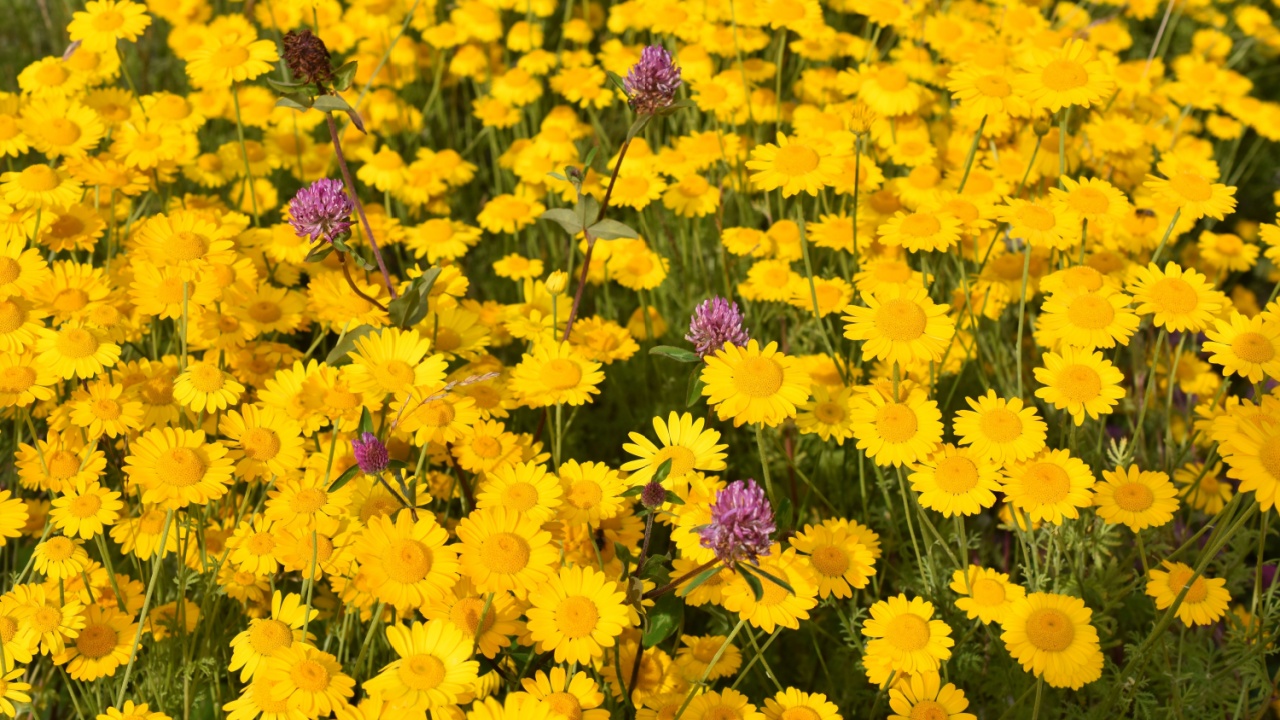
Botanical Name: Anthemis tinctoria
USDA Zones: 3-8
This cheerful, daisy-like perennial benefits from a fall trim to encourage strong regrowth in the spring and maintain a full, bushy shape. Left unpruned, it can become leggy with a sparse center.
In mid to late fall, cut the entire plant back by about one-third to one-half. This shaping prevents the stems from getting too woody and promotes a healthier structure for the following season. The remaining foliage helps protect the crown during the winter months.
At a Glance:
- Why Prune: To promote bushy growth and prevent a leggy, woody structure.
- When to Prune: In mid to late fall.
- How to Prune: Cut the plant back by about one-third.
- Next Steps: This is also a good time to divide overcrowded clumps to propagate new plants.
17. Columbine
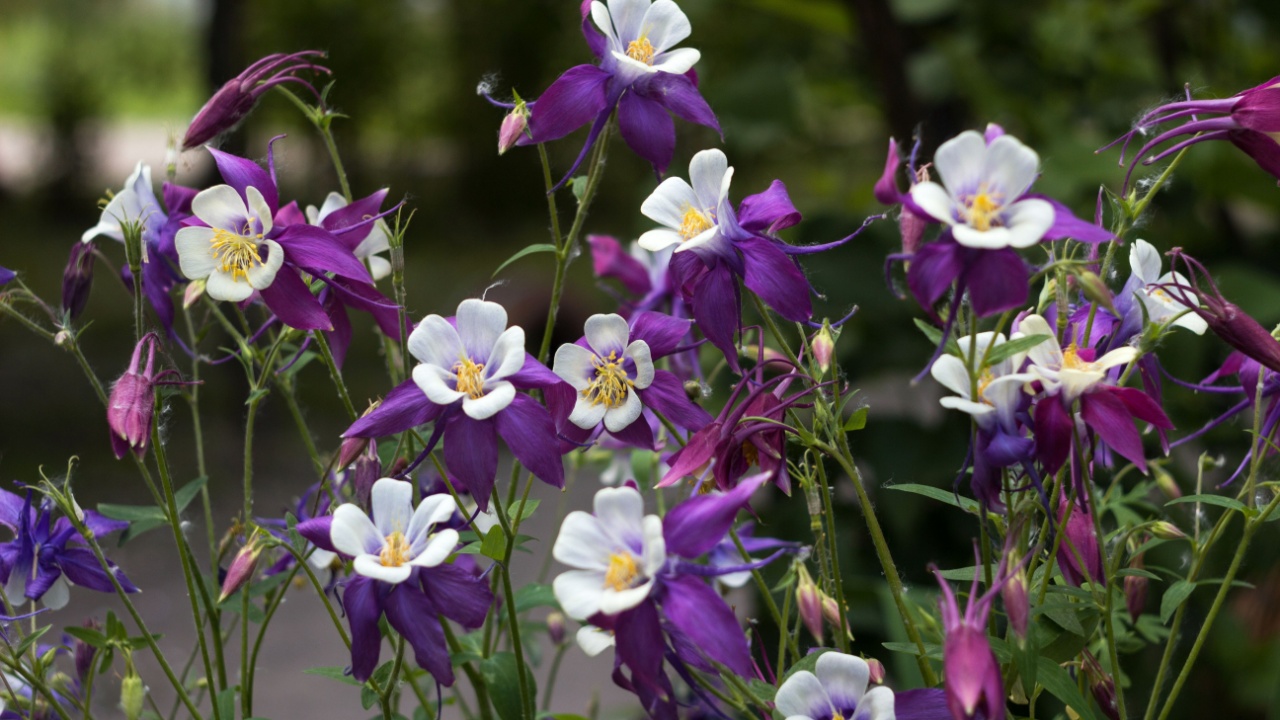
Botanical Name:Aquilegia
USDA Zones: 3-8
Columbine foliage often becomes affected by leaf miners, which create unsightly white tunnels in the leaves. By fall, the foliage can look tattered. Pruning it back removes this damaged material and helps reduce the pest population for next year.
Once the foliage starts to look ragged, cut it back to the ground. This won’t harm the plant, as it will send up fresh new growth from its crown in the spring. This also helps control self-seeding if you don’t want volunteer plants everywhere.
At a Glance:
- Why Prune: To remove foliage damaged by leaf miners and control self-seeding.
- When to Prune: In the fall, when foliage looks unsightly.
- How to Prune: Cut all foliage down to the base of the plant.
- Next Steps: Be sure to gather and destroy the cut foliage to eliminate the overwintering leaf miner larvae.
Your Winter Garden Checklist
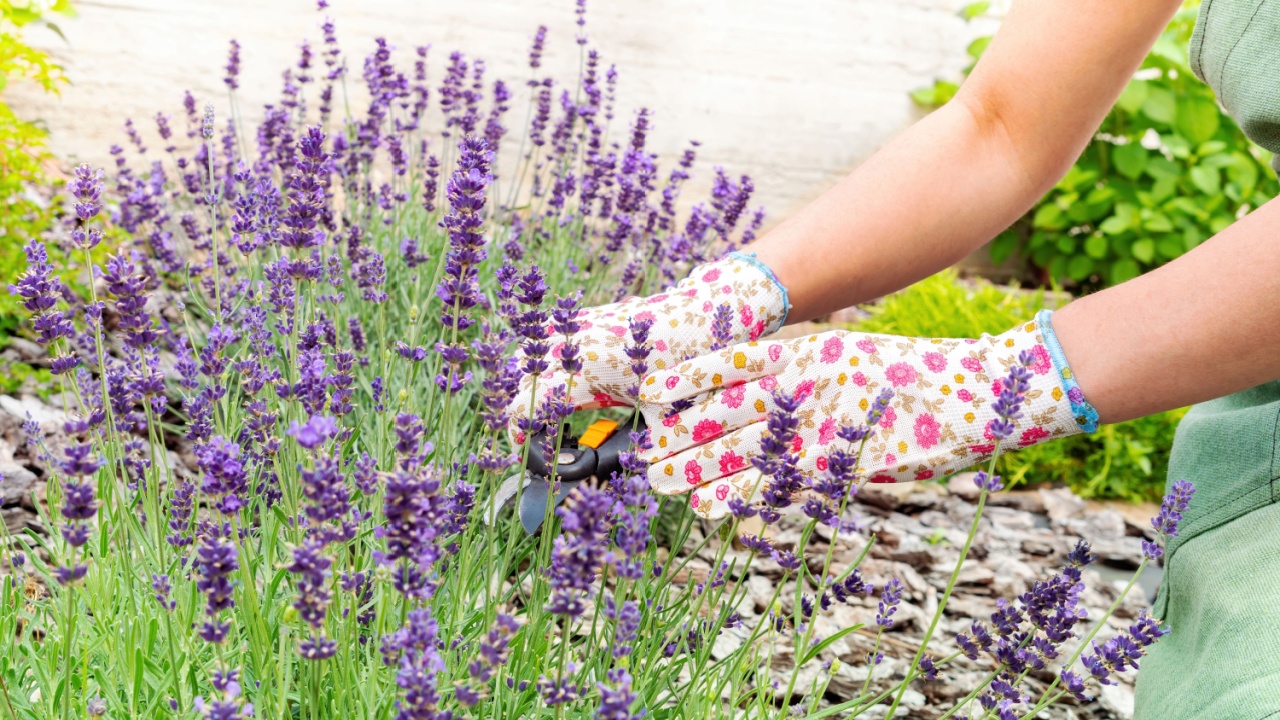
With your perennials properly pruned, you’re well on your way to a healthy spring garden. Now is the time to tackle a few final tasks. Your next steps should include cleaning up all fallen leaves and debris to further eliminate pest and disease habitats.
Once the ground has frozen, apply a layer of mulch around your plants to insulate their roots from harsh temperature swings. Finally, clean and sharpen your tools so they’re ready for action when the first signs of spring appear. A little effort now pays big dividends next season.