Keep a Journal This Year and Grow Your Best Garden Yet
A garden is a living, breathing space that changes with each passing day. From the first tender shoots of spring to the final harvest of autumn, countless stories are unfolding right in your backyard.
But how do you keep track of it all? The answer is simpler than you might think: a garden journal.
This isn’t just a diary for your plants; it’s a powerful tool that transforms you from a casual gardener into a master of your own green space.
By documenting your journey, you create a personalized guide to your garden’s unique needs, successes, and challenges, ensuring each year is more fruitful than the last.
1. Make Morning Observations

Start your day with a quiet stroll through your garden. This simple ritual connects you with your plants and allows you to spot subtle changes you might otherwise miss. Notice which flowers have opened, how much the seedlings have grown, or if any new leaves have unfurled. This is also the best time to catch pests like slugs or caterpillars before they cause significant damage. This daily check-in turns you into a proactive gardener, addressing issues before they become problems. It provides a peaceful, mindful start to your day and deepens your understanding of your garden’s daily rhythm.
Quick Tips:
- What to note: Dew on leaves, new buds, unfurling leaves, signs of pests, and wilting.
- Next Steps: Take a photo of a specific plant each morning for a week to create a time-lapse of its growth.
2. Track the Weather

Weather is one of the most significant factors influencing your garden’s success. Dedicate a small section of your journal to daily weather conditions. Note the temperature, whether it was sunny, cloudy, or rainy, and any unusual events like high winds or a sudden frost. Over time, you’ll see clear patterns. You’ll learn how a string of cloudy days affects your tomatoes or how a heatwave impacts your lettuce. This data becomes invaluable for planning future planting schedules and understanding why certain plants thrived while others struggled.
Quick Tips:
- What to note: High/low temperatures, precipitation amount, frost dates, wind conditions.
- Next Steps: Compare your weather notes with your plant growth records to identify direct correlations.
3. Keep Soil Health Notes
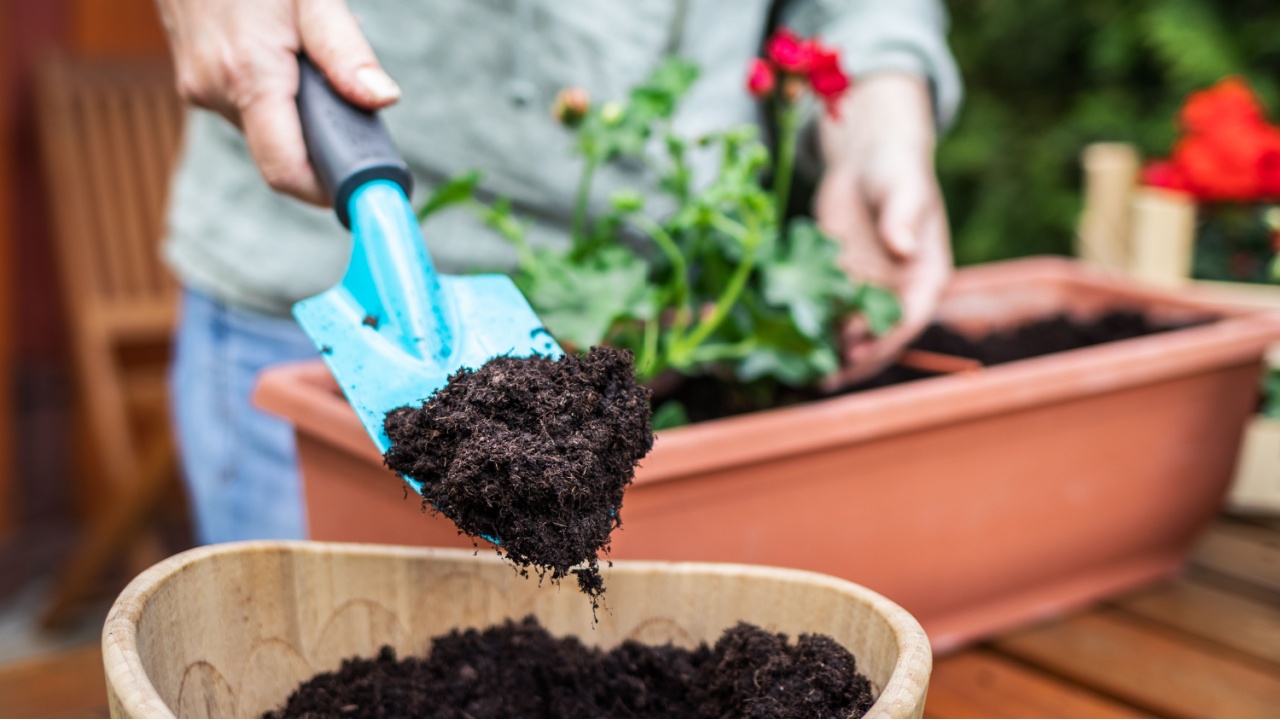
Healthy soil is the foundation of a thriving garden. Use your journal to track the state of your soil throughout the seasons. Note its texture (is it sandy, clay-like, or loamy?), its moisture level, and any amendments you add, such as compost, mulch, or specific fertilizers. Recording this information helps you build better soil year after year. If you notice a plant isn’t doing well, your soil notes can provide clues. Maybe that area is too compacted or lacks nutrients. This log is your roadmap to creating the perfect growing medium for your plants.
Quick Tips:
- What to note: Soil test results, dates you add compost or amendments, and observations on drainage after rain.
- Next Steps: Test the pH of your soil at the beginning of the season and log the results. Adjust as needed based on what you plan to grow.
4. Document Plant Growth

Watching a plant grow from a tiny seed into a mature, fruit-bearing wonder is one of gardening’s greatest joys. Document these stages in your journal. Measure the height of your sunflowers weekly, count the number of leaves on your basil, and note the date you first see flower buds or fruit forming. This practice helps you understand the life cycle of each plant variety. You can compare growth rates between different plants, identify when a plant might be stunted, and better predict when your harvest will be ready. It’s like creating a personalized biography for each of your green friends.
Quick Tips:
- What to note: Germination date, first true leaves, height measurements, flowering dates, fruiting dates.
- Next Steps: Sketch the different leaf shapes or flower types as they appear.
5. Maintain a Pest and Disease Log
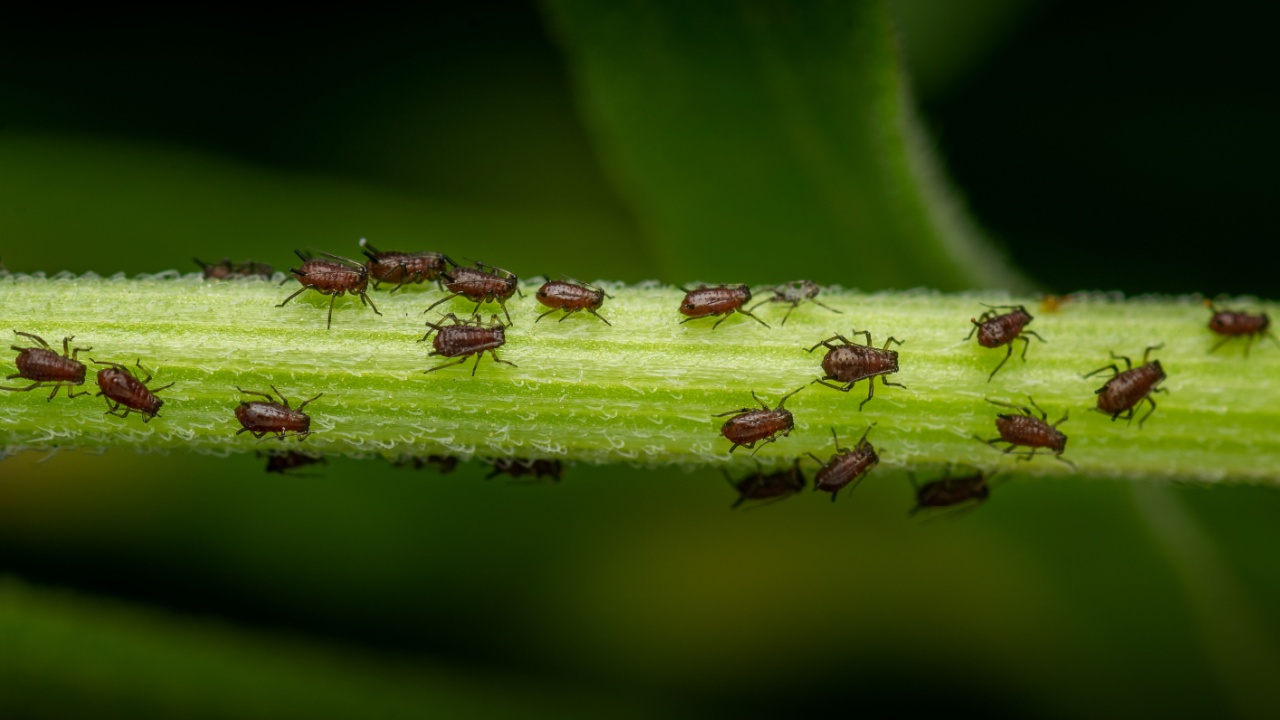
Even the most well-tended gardens face pests and diseases. When you spot an issue, document it immediately. Identify the pest (aphids, cabbage worms, etc.) or the disease (powdery mildew, blight), note which plants are affected, and record the treatment you used and its effectiveness. A detailed log is your best defense against future problems. The next time you see those tell-tale yellow spots on your squash leaves, you can flip back in your journal, identify the issue quickly, and apply the treatment that worked before. This saves time, reduces plant loss, and makes you a more effective garden caretaker.
Quick Tips:
- What to note: Date spotted, type of pest/disease, plants affected, treatment method, and outcome.
- Next Steps: Take photos of the damage and the pest itself to help with identification in the future.
6. Create Seed Sowing Records
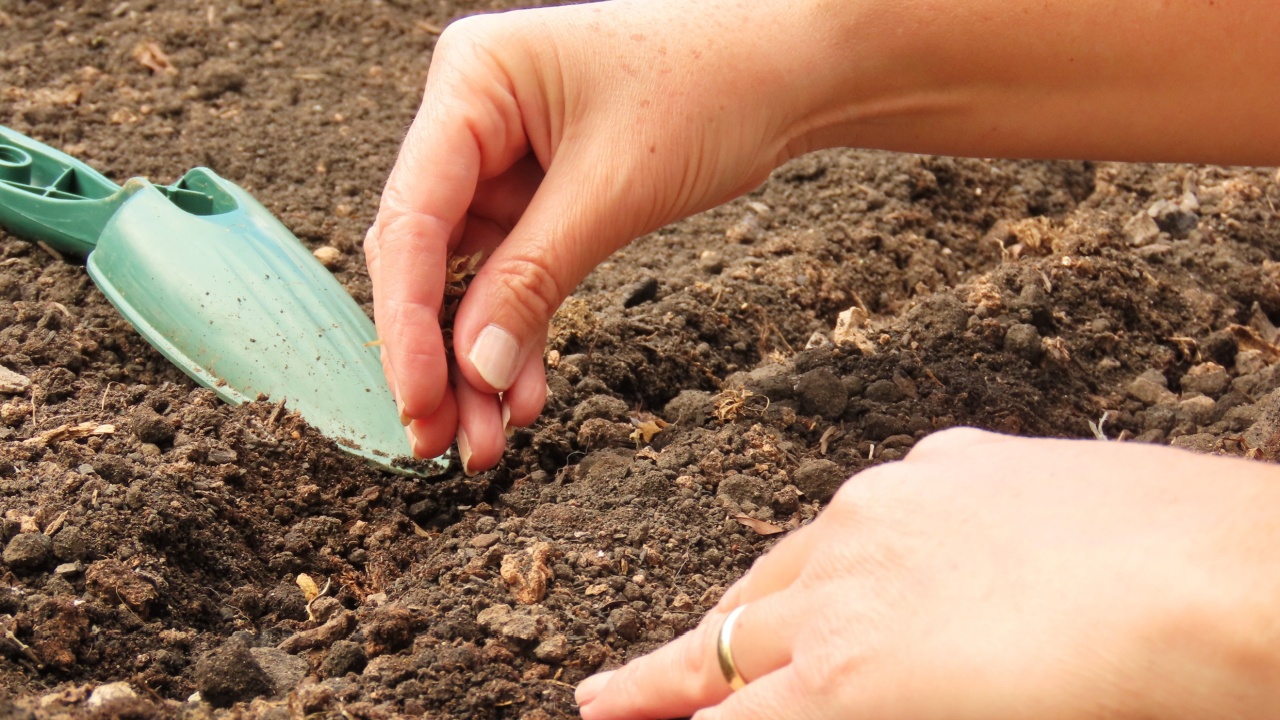
Keep meticulous records of your seed-sowing activities. For each type of seed you plant, log the name, the source where you bought it, the date you sowed it, and the date it germinated. This is especially important for seeds you start indoors. This information is gold for planning next year’s garden. You’ll know which seed brands have the best germination rates and exactly when you need to start your tomatoes indoors to have them ready for transplanting after the last frost. It takes the guesswork out of planting and leads to a more predictable, successful garden.
Quick Tips:
- What to note: Seed variety, supplier, sowing date, germination date, and germination rate (e.g., “8 out of 10 seeds sprouted”).
- Next Steps: Save your seed packets and tape them into your journal for easy reference on planting depth and spacing.
7. Draw Garden Layout Diagrams
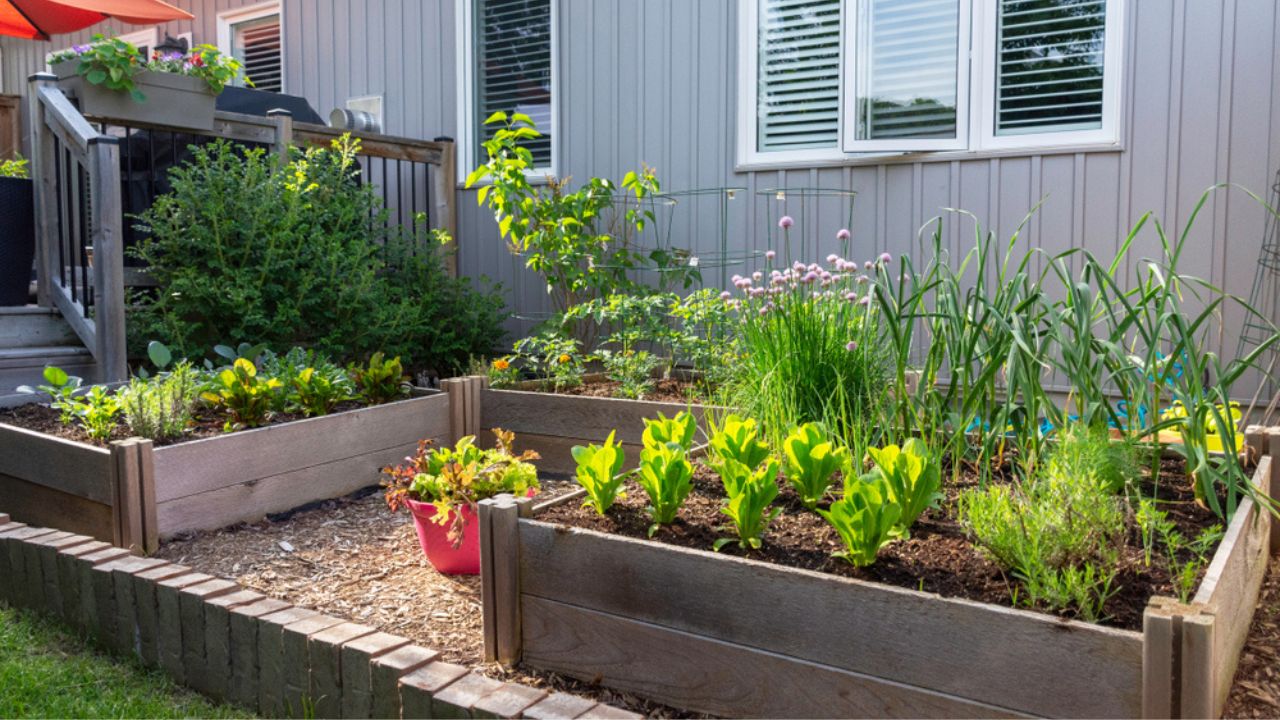
A picture is worth a thousand words, especially in the garden. At the beginning of each season, sketch a diagram of your garden layout. Show where each type of plant is located. You don’t have to be an artist; simple boxes and labels work perfectly.
This visual map is essential for crop rotation, which is key to preventing soil-borne diseases and nutrient depletion. It also helps you remember what you planted where, especially with root vegetables. Looking back at past layouts allows you to refine your design, ensuring plants that need full sun get it and taller plants don’t shade out shorter ones.
Quick Tips:
- What to note: Location of raised beds, rows, or containers; mark what is planted in each spot.
- Next Steps: Use your diagram to plan next year’s crop rotation. For example, where you planted heavy-feeding tomatoes this year, plant nitrogen-fixing beans next year.
8. Track Your Fertilization Schedule

It can be hard to remember when you last fed your plants. Use your journal to keep a clear fertilization schedule. Record the date, the type of fertilizer used (e.g., fish emulsion, compost tea, all-purpose granular), and which plants you applied it to. This log prevents both under- and over-fertilizing, both of which can harm your plants. It ensures your heavy feeders, like corn and squash, get the consistent nutrients they need to produce a bountiful harvest, while more delicate herbs don’t get overwhelmed.
Quick Tips:
- What to note: Date of application, type of fertilizer, dilution rate (if liquid), and plants fed.
- Next Steps: Set reminders in your calendar based on your journal entries for the next feeding.
9. Keep Detailed Harvest Records
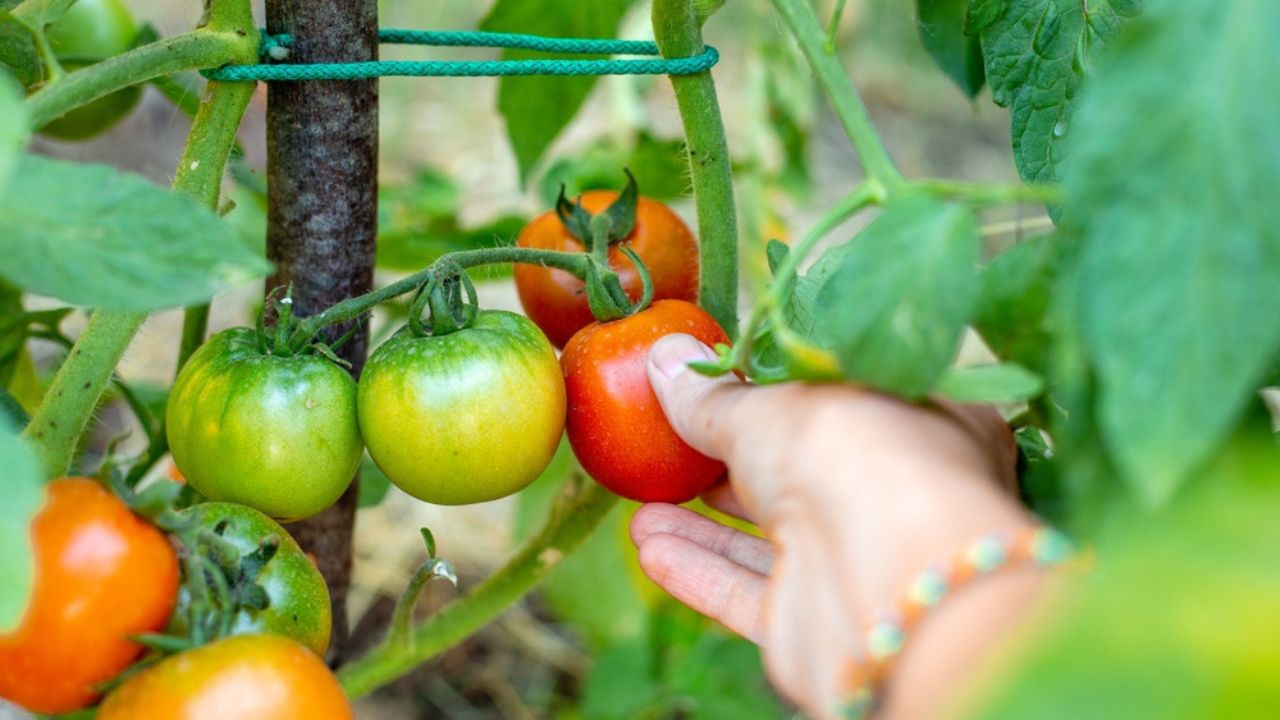
Celebrate your success! Document everything you harvest. Note the date, the plant variety, and the quantity or weight of the produce you collect. “Picked 2 lbs of ‘Cherokee Purple’ tomatoes on August 15th” is a fantastic entry. Harvest records help you determine your garden’s productivity. You’ll discover which varieties were the most successful and which ones weren’t worth the space. This data is crucial for deciding what to plant more of next year and what to replace. It’s also incredibly motivating to see the tangible results of your hard work.
Quick Tips:
- What to note: Date, plant variety, weight or quantity harvested, and notes on flavor.
- Next Steps: Use your harvest log to calculate the total yield for each plant type at the end of the season.
10. Log Your Watering Schedule
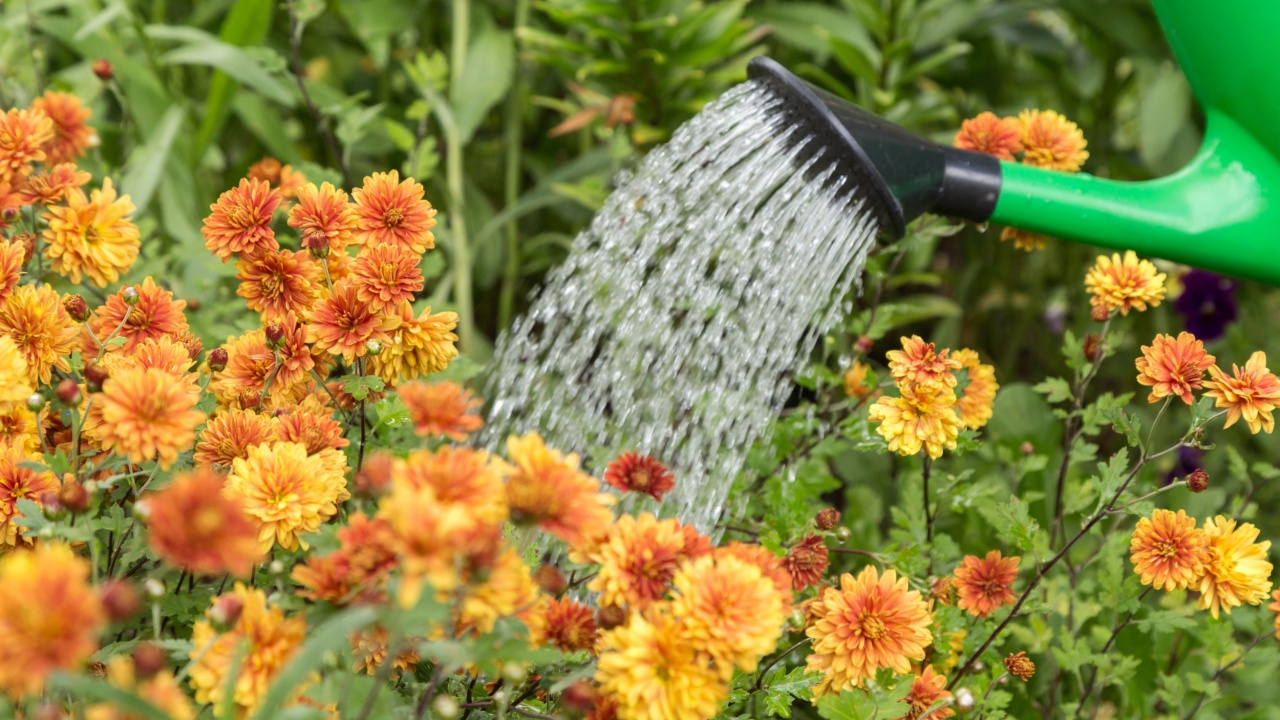
Consistent watering is critical, but a plant’s needs change based on its type, age, and the weather. Keep a simple log of when and how much you watered. This could be as easy as “Watered vegetable beds deeply on Monday morning” or “Misted seedlings on Wednesday.” This record helps you avoid the common pitfalls of over- and under-watering. When combined with your weather notes, you’ll develop an intuitive sense of when your garden is thirsty. It also helps you track water usage and find opportunities to conserve.
Quick Tips:
- What to note: Date, area watered, and duration or amount of water.
- Next Steps: After watering, dig down a few inches to see how far the water penetrated. Note this in your journal to perfect your watering technique.
11. Write Seasonal Reflections

At the end of each season, take some time to reflect. Flip through your journal and write a summary of the season. What were your biggest successes? What were the most significant challenges? What did you learn? This practice consolidates all the data you’ve collected into actionable wisdom. It’s where you connect the dots between your soil amendments, pest issues, and harvest results. These reflections are perhaps the most valuable pages in your journal, as they form the foundation for your plans and goals for the next growing season.
Quick Tips:
- What to note: Top-performing plants, plants that struggled, lessons learned, and ideas for next year.
- Next Steps: Create a “Goals for Next Season” page based on your reflections.
12. Note Moon Gardening Observations

For a different perspective, try tracking your gardening activities alongside the lunar phases. Moon gardening is an ancient practice based on the idea that the moon’s gravitational pull affects moisture in the soil and plants. The theory suggests planting certain types of crops during specific phases (e.g., above-ground crops during a waxing moon, root crops during a waning moon).
Even if you’re skeptical, it can be a fun experiment. Record your planting and harvesting dates along with the corresponding moon phase. Over time, you can see if you notice any patterns in your own garden. It adds a layer of ancestral wisdom and connection to your practice.
Quick Tips:
- What to note: Lunar phase (new, waxing, full, waning) next to your planting or harvesting entries.
- Next Steps: Pick one or two plant types and intentionally sow them during different moon phases to compare the results.
13. Create a Companion Planting Guide

Some plants are natural allies, helping each other grow by deterring pests, attracting beneficial insects, or improving the soil. Document successful (and unsuccessful) companion planting combinations in a dedicated section of your journal. Did planting basil next to your tomatoes seem to reduce hornworms? Did your carrots thrive when planted with rosemary? Noting these relationships creates a personalized guide to plant harmony in your specific garden. This helps you design a more resilient and cooperative garden ecosystem.
Quick tips:
- What to note: Plant pairings, observed benefits (e.g., “fewer aphids”), or negative interactions.
- Next Steps: Research a new companion planting combination to try next season and add it to your garden plan.
14. Record Wildlife Sightings
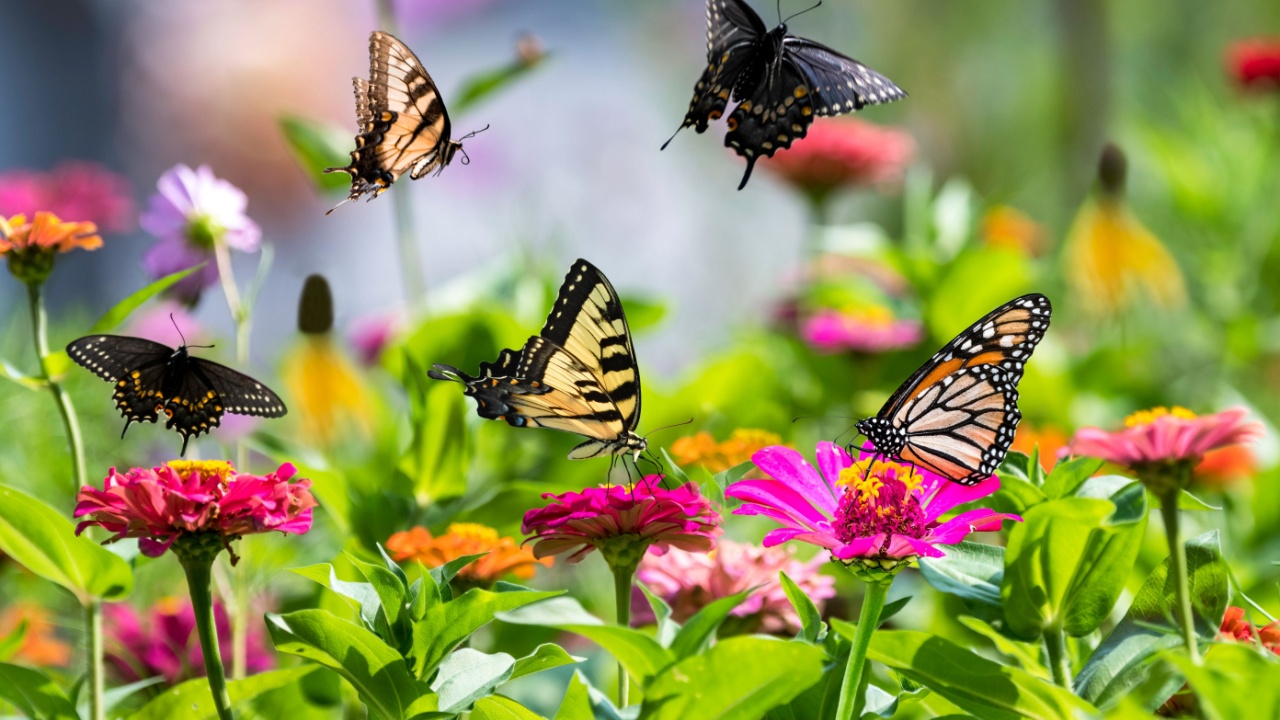
Your garden is an ecosystem that you share with many creatures. Keep a running list of the wildlife you see. Note the birds, butterflies, bees, and other beneficial insects that visit. It’s also wise to note less welcome visitors, like deer or rabbits, and any damage they cause. These observations paint a picture of your garden’s biodiversity. An increase in bees might mean your pollinator-friendly plants are working. This log helps you appreciate the life your garden supports and can inform decisions on how to attract more beneficials or deter pests naturally.
Quick Tips:
- What to note: Date, type of wildlife, and what it was doing (e.g., “Monarch butterfly on milkweed”).
- Next Steps: Plant a new native flower specifically to attract a type of pollinator you’d like to see more of.
15. Maintain a Tool Maintenance Log
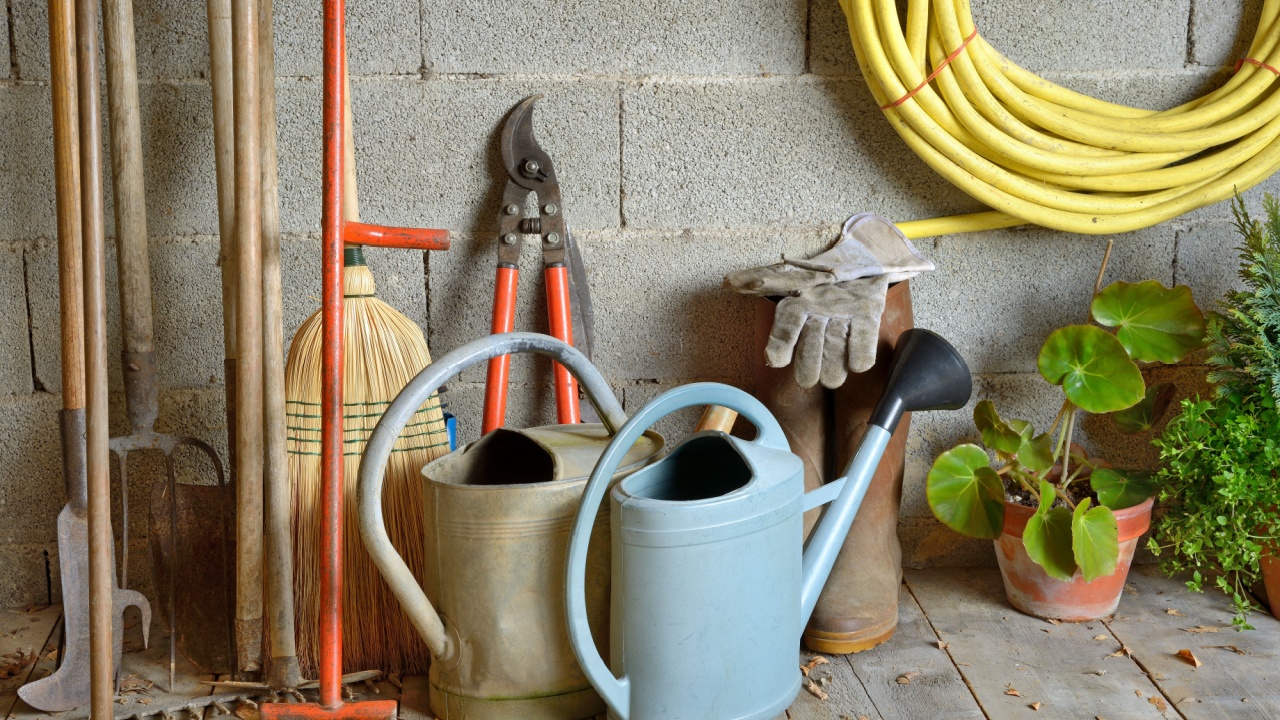
Your gardening tools are an investment. A well-maintained tool works better and lasts longer. Dedicate a page in your journal to track tool maintenance. Note when you sharpen your pruners, clean and oil your shovel, or perform upkeep on your lawnmower. This simple log ensures you don’t neglect these important tasks. Sharp, clean tools make gardening easier and are better for your plants, as a clean cut from a pruner heals faster than a jagged one. It’s a practical habit that supports all your other gardening efforts.
Quick Tips:
- What to note: Tool name, date of maintenance, and task performed (e.g., “sharpened, oiled”).
- Next Steps: Schedule a “Tool Care Day” at the end of each season and log all your activities.
16. Develop Favorite Plant Profiles
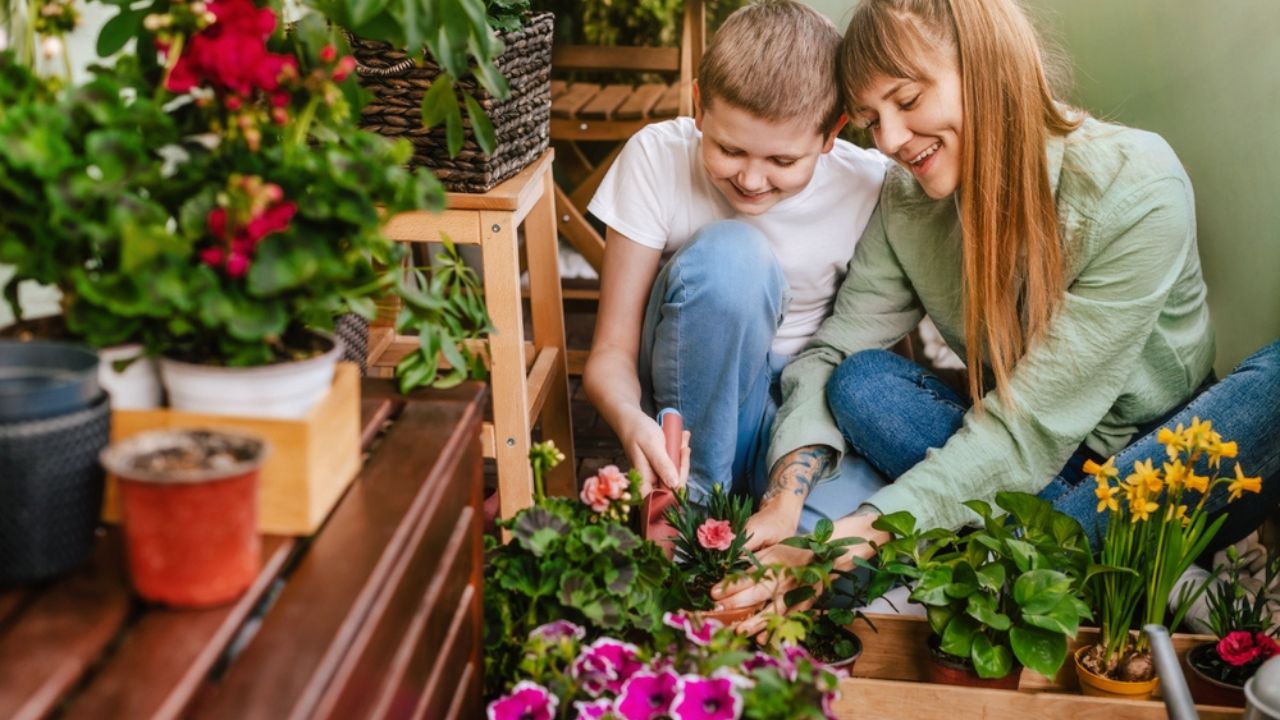
Create special profiles for your favorite or most important plants. Dedicate a full page to each one. Include its name, variety, care instructions, and your personal observations about its growth, flavor, or beauty. You can even tape in the seed packet or a photo. These profiles become your personal encyclopedia of the plants you love most. They deepen your connection to your garden and serve as a quick reference guide. Over the years, this collection will document your evolving taste and expertise as a gardener.
Quick Tips:
- What to note: Planting/care info, personal notes, why you love it, and its performance in your garden.
- Next Steps: Add a new profile for a plant you’ve successfully grown for the first time this season.
17. Collect Garden Design Inspirations

Your journal is the perfect place to dream. Create a section for garden design ideas. Paste in pictures from magazines, sketch out new bed designs, or jot down notes from a garden you visited. This is your vision board for your future garden. This creative space allows you to plan and visualize changes, from small tweaks to major overhauls. When it’s time to build that new herb spiral or design a cut flower garden, you’ll have a wealth of ideas ready to go.
Quick Tips:
- What to note: Sketches, photos, clippings, and notes on design elements you like (e.g., “curved pathways,” “color combinations”).
- Next Steps: Pick one small inspiration and figure out how to incorporate it into your garden next season.
18. Track Your Budget and Expenses

Gardening can be as affordable or as expensive as you make it. Keep track of your gardening-related expenses in your journal. Note the cost of seeds, soil, tools, and any larger investments like a new raised bed or greenhouse. This helps you understand the true cost of your hobby and manage your spending. You can see where your money is going, identify areas to save (like starting from seed instead of buying starts), and budget for future projects. A clear financial picture keeps your gardening sustainable and stress-free.
Quick Tips:
- What to note: Date of purchase, item, and cost.
- Next Steps: At the end of the year, total your expenses and compare them to the value of your harvest. You might be surprised at the return on your investment!
19. Log Your Preserving and Cooking Notes

Your garden’s journey doesn’t end at the harvest. What you do with your bounty is part of the story. Dedicate a section to how you use your produce. Did you try a new zucchini bread recipe? Did you can 12 jars of tomato sauce? Note the recipe, the results, and how it tasted. This connects your garden directly to your table. You’ll remember which tomato variety made the best sauce or which pepper was perfect for pickling. This practice completes the cycle from seed to supper and makes your harvest records even more meaningful.
Quick Tips:
- What to note: Recipe name, date made, produce used, and notes on flavor or process.
- Next Steps: Take a photo of a finished dish made with your garden produce and add it to your journal.
20. Document Your Failures and What You Learned

It’s tempting to only focus on successes, but our failures are often our greatest teachers. Create a dedicated space to honestly document what went wrong. Did your entire carrot crop fail to germinate? Did blight wipe out your tomatoes? Write down what happened and your theory about why. Embracing these “lessons” without judgment is the fastest way to grow as a gardener. This log prevents you from making the same mistake twice and transforms disappointments into valuable experience. It’s the real, uncurated process of working with nature.
Quick Tips:
- What to note: The specific failure (e.g., “squash vine borers killed all plants”), your hypothesis for the cause, and what you’ll do differently next time.
- Next Steps: Review your “failures” page when planning your next garden to ensure you don’t repeat past mistakes.
Grab a Journal and Start By Writing Anything

Your garden journal is a deeply personal tool, so make it your own. You don’t need a fancy, expensive notebook; a simple spiral-bound one will do. You don’t have to incorporate all 20 habits at once. Start with the three or four that feel most exciting to you. The key is to begin.
Pick up a notebook this week and start with morning observations. Sketch a layout of your current garden. Log the weather for a few days. The goal is to build a consistent habit. Over time, your journal will become your most trusted gardening companion, a detailed record of your efforts, and a priceless guide to creating the garden of your dreams.
Read more
Stop Making These 18 Common Mistakes That Are Quietly Ruining Your Garden
14 Common-Sense Gardening Tips for Beginners to Avoid Disaster